
Nghe An: The practical implementation of tuition fee increases still faces many shortcomings.
(Baonghean.vn) - Starting this school year, tuition fees at preschool, junior high, and high school levels in the province have increased significantly compared to the previous school year. During the implementation process, some difficulties and shortcomings have arisen.
Tuition fees increase at many educational levels.
According to Resolution No. 14/2022/NQ-HĐND of the Provincial People's Council, adopted on July 14, 2022, on regulations regarding tuition fees in public educational institutions, the tuition fees for the 2022-2023 academic year have been adjusted compared to the previous academic year.
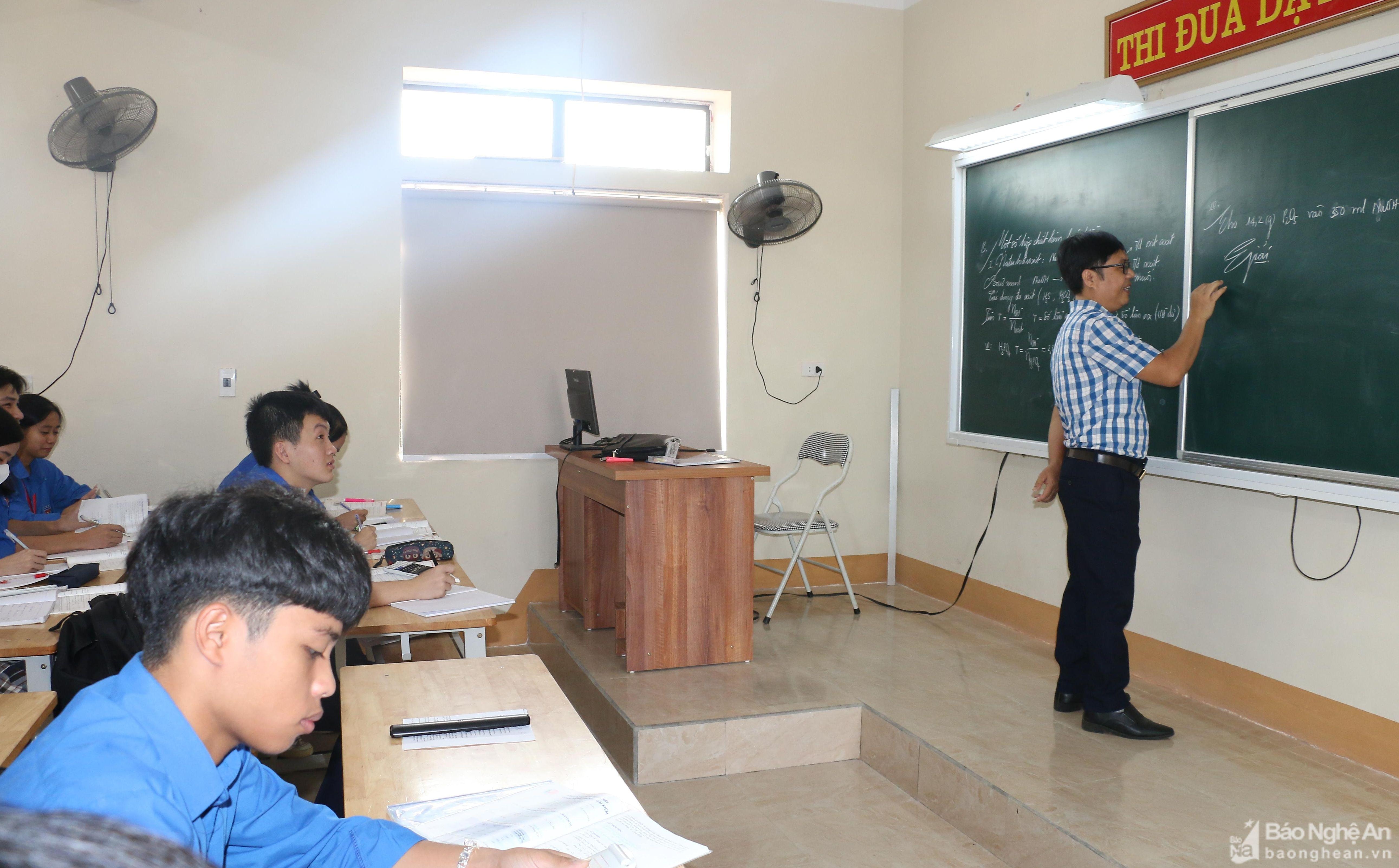 |
This year, tuition fees will be increased across multiple educational levels. Photo: My Ha |
Accordingly, depending on the area, tuition fees will increase from a minimum of 5,000 VND (from 45,000 VND to 50,000 VND for preschool and junior high schools in mountainous districts) to a maximum of 170,000 VND (from 130,000 VND to 300,000 VND for junior high and high schools in wards of Vinh City and towns). In mountainous districts and communes (in Vinh City and towns) and lowland districts, tuition fees will increase from 20,000 to 80,000 VND. For preschool students in communes of Vinh City and towns, the fee will be reduced from 200,000 VND to 100,000 VND.
Thus, the biggest tuition fee increases are concentrated in schools within Vinh City. This has also affected the payment of initial school year fees for many families. For example, if a family has two children studying at preschool, junior high, or high school, on average, the family will have to pay more than 3,000,000 VND in tuition fees each school year.
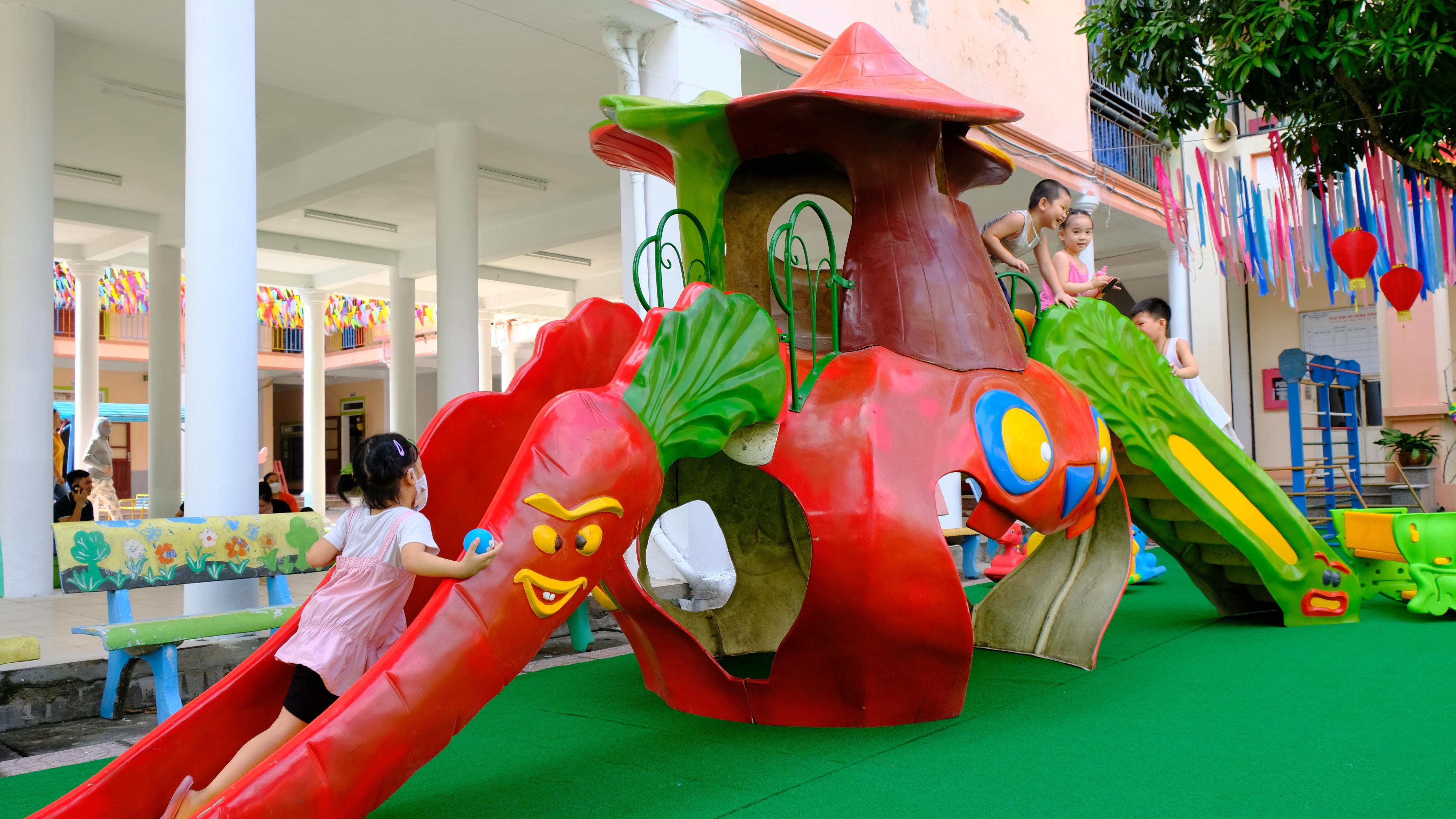 |
Tuition fees will increase significantly in wards located in urban areas and towns. Photo: My Ha |
The increase in tuition fees has also caused concern among many schools, who worry about its impact on students' ability to attend school. Mr. Vu Ngoc Tuan, Principal of Quynh Luu 2 High School, stated: "Every year, dozens of students drop out of my school. Many of them come from disadvantaged backgrounds or lack the motivation to try. Therefore, if tuition fees are increased, it could affect their thinking, and many will use this as a reason to drop out."
Previously, at a meeting with voters, many voters in Cua Lo town also expressed the opinion that the current tuition fee increase shows a significant gap between wards and communes; especially for wards, the increase from 90,000 VND to 300,000 VND per month per student is too high.
Many concerns arose during the implementation process.
Ms. Nguyen Thi H. has a child in 7th grade at Hung Dung Secondary School (Vinh City) who is considered an out-of-district student because although her household registration is in Ha Huy Tap ward, her family actually lives in Hung Loc commune. Due to the tuition increase, she decided to transfer her household registration to Hung Loc commune to benefit from the rural tuition fee, arguing that the money she pays is not just for one year but a long-term benefit.
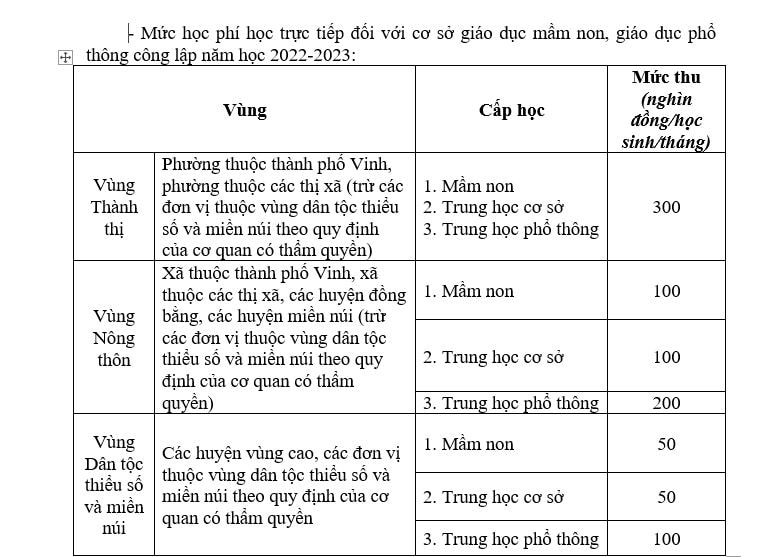 |
Tuition fees for the 2022-2023 school year. Photo: My Ha |
Since the beginning of the school year, Hung Dung Secondary School has had dozens of students who, despite studying at the school, have their household registration in other communes, districts, provinces, or cities.
Ms. Nguyen Thi Thanh Nga, the school principal, stated: "In previous years, the tuition fees were low, so many parents weren't too concerned. However, this year the tuition fees are significantly higher, leading to many worrying issues. In fact, statistics show that some students have long been registered as temporary residents in the area, but their household registration is in mountainous districts, or in other provinces. After the tuition fee increase, some parents immediately requested to transfer their household registration to their current residence (mountainous or rural areas) instead of the previous one (city area), or transferred (to mountainous or rural areas) to a location different from where their family currently lives (city area)."
According to the Principal of Hung Dung Secondary School, the school will collect tuition fees in accordance with the spirit of Resolution No. 14/2022/NQ-HĐND of the Provincial People's Council. However, during implementation, there have been some shortcomings, such as different tuition fees for the same class. Some students pay 300,000 VND/month, while those with household registration in mountainous areas only pay 50,000 VND/month. In reality, these students live in Vinh City and their parents work in the city (but their household registration is in mountainous or rural areas). Therefore, according to the principal, instead of collecting tuition fees based on household registration, collecting fees based on the school would be more reasonable, meaning students would pay tuition fees based on the ward or commune where they study.
This disparity also occurs among schools in the same area. Regarding current tuition fees, Ms. Bui Thi Thu Ha, Principal of Hung Hoa Secondary School (Vinh City), said: "Our school is located in Hung Hoa commune, and according to regulations, the tuition fee is 100,000 VND/month, an increase of 10,000 VND compared to the previous school year. With this fee, our school's total revenue will be lower than other schools in the city, while the expenditure on activities remains unchanged. We are planning to propose to the City People's Committee to adjust the budget allocation among schools to prioritize schools in suburban communes, making it easier for schools to carry out their tasks."
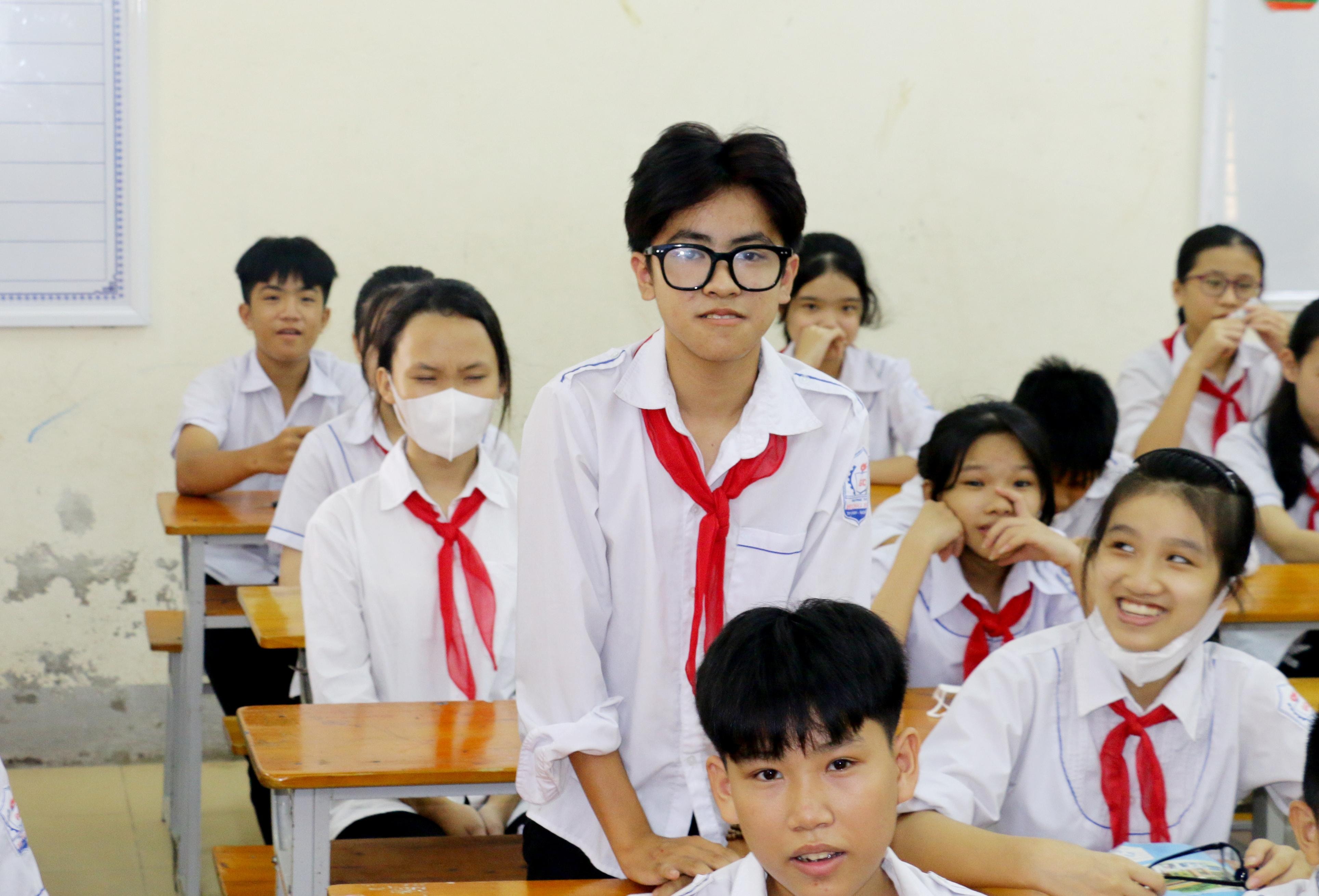 |
Students at Hung Hoa Secondary School, Vinh City, during class time. Photo: My Ha |
Previously, the adjustmenttuitionThis measure is being implemented because the current tuition fees applied to public educational institutions in the area are no longer appropriate. The tuition fees vary too greatly between different educational levels, failing to ensure fairness in access to education and not promoting the socialization of education to share the burden with the state budget. Furthermore, increasing tuition fees will increase the minimum operating budget for public educational institutions in the area, as 60% of tuition fee revenue will be used for recurrent expenditures.
Alongside the issue of tuition fee increases, what parents and the public are concerned about is the effective use of tuition fees to improve the quality of teaching and learning, enhance teaching equipment, and improve school facilities. This requires oversight and transparency to ensure that tuition fee increases achieve their objectives and protect the rights of students.


