
Nghe An: Policy credit affirms its pivotal role in social security.
Over the past years, the implementation of the Social Policy Bank Development Strategy for the period 2021–2025 in Nghe An province has achieved many important results, contributing positively to poverty reduction, job creation, and social security. Reporters from Nghe An Newspaper and Radio & Television had an interview with Mr. Hoang Xuan Thuy – Director of the Social Policy Bank of Nghe An – to further clarify the achievements and future directions.
Reporter: Sir, could you please give us a general assessment of the results achieved in implementing the specific objectives of the Social Policy Bank Development Strategy for the period 2021-2025 in Nghe An province?
GrandfatherHoangXuan Thuy:It can be affirmed that, during the 2021-2025 period, Nghe An province has implemented the objectives of the strategy comprehensively and effectively, achieving many outstanding results. First and foremost is the objective of consolidating and perfecting the organizational model and management methods of policy credit. The operational model of the Social Policy Bank continues to be streamlined towards greater efficiency and effectiveness; coordination between the bank and local authorities and socio-political organizations is increasingly close and synchronized from the provincial to the grassroots level.
In particular, the network of 6,048 Savings and Loan Groups (S&T Groups) has been regularly strengthened and improved; the quality of activities and evaluations has been gradually enhanced. Through this, the poor and policy beneficiaries have access to policy credit in a convenient, transparent, and effective manner, minimizing barriers to accessing capital, while creating conditions for borrowers to proactively use capital for the right purposes, gradually increasing income and improving their living standards.

Regarding the targets for capital growth and credit expansion, the basic indicators have all met and exceeded the set plan. By December 31, 2025, the total capital managed by the Provincial Branch of the Vietnam Bank for Social Policies will reach VND 14,975 billion, an increase of VND 5,953 billion compared to the end of 2020 (corresponding to a 66% increase), with an average annual growth rate of 10.71%, equivalent to the national average growth target for the 2021-2025 period. During the 2021-2025 period, the capital will basically meet the borrowing needs of the poor and policy beneficiaries in the area, with maximum fulfillment of the needs of those borrowing for poverty reduction purposes.
Total capital and outstanding policy credit have grown steadily over the years, with entrusted capital from local budgets showing strong development, clearly demonstrating the province's concern and support for poverty reduction and social welfare. Notably, credit quality has been maintained, with the overdue loan rate consistently low, reflecting the effective use of capital and the increasingly improved debt repayment awareness of the people.
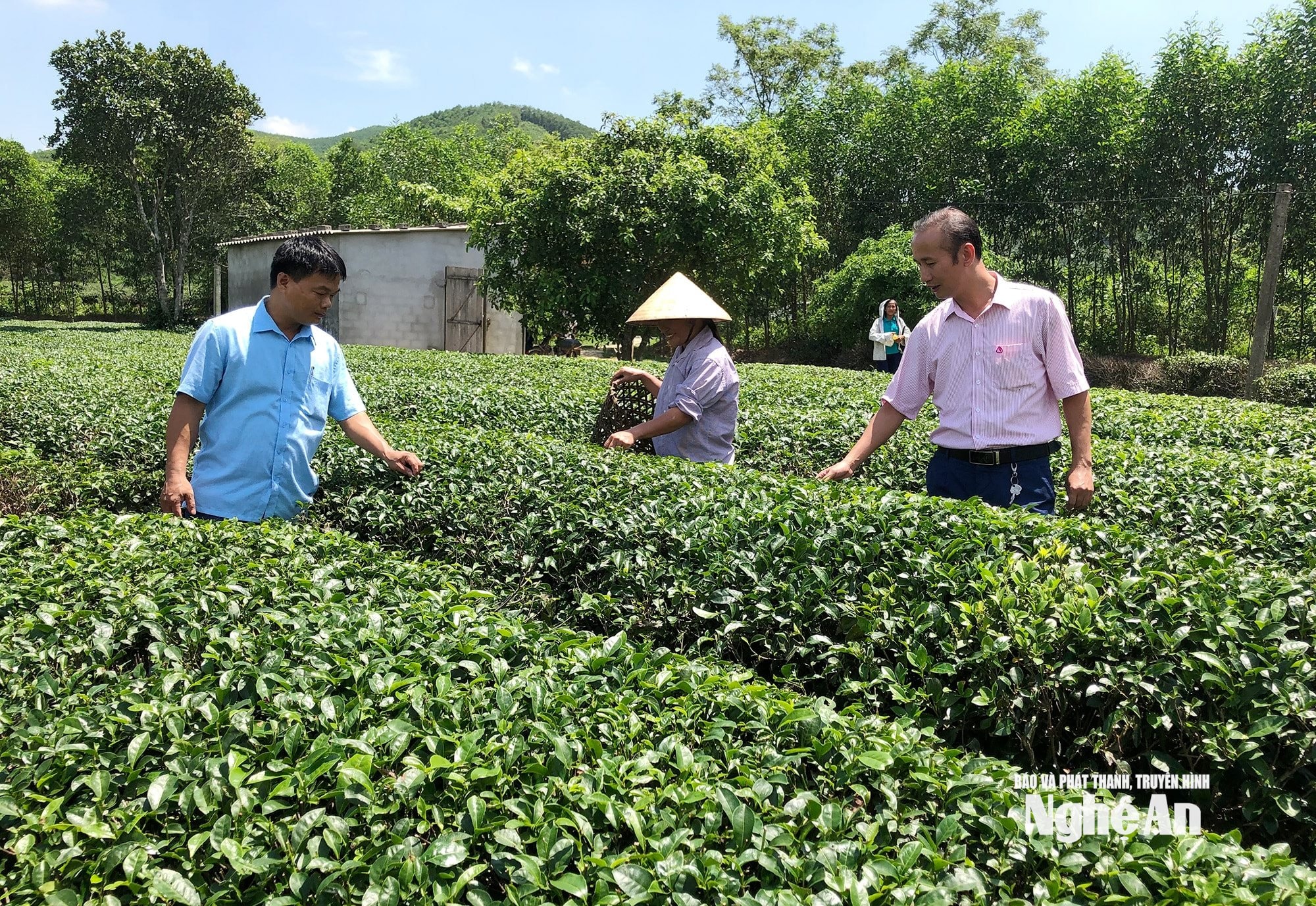
Another important objective is to improve the effectiveness of policy credit programs. In reality, these programs have been implemented correctly, targeting the right beneficiaries and yielding practical results, contributing to socio-economic development, especially in rural, mountainous, and ethnic minority areas.
The lending process is carried out in accordance with the procedures and regulations of the Social Policy Bank and is always closely monitored by the local community through members of the Savings and Credit Groups in villages, hamlets, and neighborhoods, from the loan approval stage to the use of capital and repayment of principal and interest. As a result, loans reach the right recipients, borrowers use the capital for the intended purpose, and strictly adhere to installment repayment schedules and full interest payments. The recovered capital is promptly reinvested by the Branch in coordination with entrusted organizations and local authorities for revolving loans, preventing capital stagnation and contributing to maintaining stable credit quality.
With the goal of strengthening the Party's leadership over social policy credit and promoting the supervisory and critical role of the Vietnam Fatherland Front Committee and political and social organizations, although Nghe An is still a province that cannot balance its budget revenue and expenditure, the provincial branch of the Vietnam Bank for Social Policies has advised the Provincial Party Committee and the Provincial People's Committee to direct the political system at all levels from the province to the (former) districts, communes, and affiliated organizations to mobilize organizations and individuals to jointly entrust capital to increase lending resources for the poor and policy beneficiaries in the area. Since the implementation of Directive No. 40-CT/TW dated November 22, 2014, of the Central Party Secretariat on strengthening the Party's leadership over social policy credit, and Directive No. 29-CT/TU of the Standing Committee of the Nghe An Provincial Party Committee, the local budget capital entrusted to the Vietnam Bank for Social Policies has grown rapidly. By December 31, 2025, entrusted funds received locally reached VND 710 billion, an increase of VND 526 billion compared to the end of 2020, accounting for 4.7% of the total funds managed by the Branch.
Reporter: Could you elaborate on the results of implementing key policy credit programs in the area over the past period?
GrandfatherHoangXuan Thuy:During the period 2021-2025, policy credit programs were implemented synchronously, closely following practical needs and yielding clear results.
Notably, the employment loan program has supported tens of thousands of workers in securing stable jobs, contributing to labor restructuring and household economic development. Many effective production and business models have been established using preferential loan capital, creating sustainable income for the people.
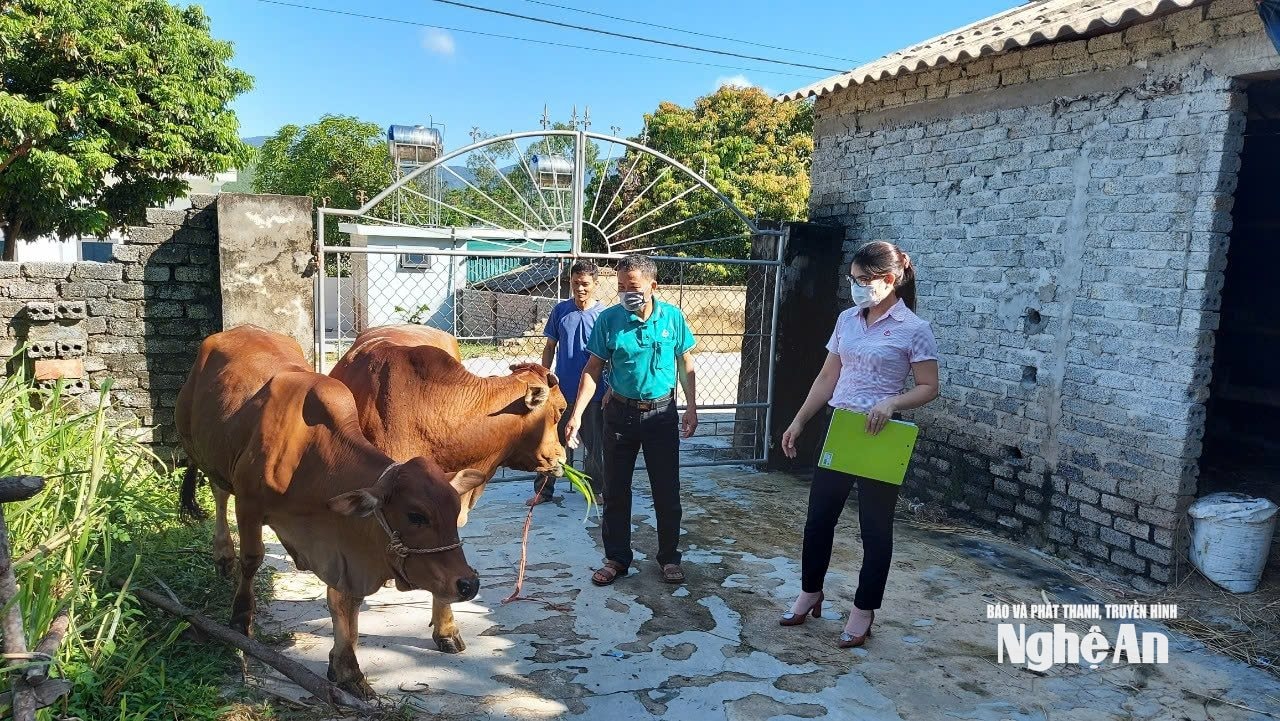
The rural water and sanitation loan program continues to be effective, helping tens of thousands of households build and renovate water supply facilities and toilets to meet standards, contributing to improving the quality of life and protecting the environment.
For loan programs for poor, near-poor, and newly-escaped-from-poverty households, capital has become a "lever" helping families develop production and gradually rise out of poverty sustainably. Many households have expanded their production scale, invested in livestock farming and crop cultivation, and increased their income.
In addition, loan programs for disadvantaged students; loans for overseas employment; loans for social housing; loans for production and business in disadvantaged areas, etc., have all been effectively implemented, contributing to solving many social welfare issues and creating opportunities for people to access education, employment, and housing.
In particular, policy credit has made a positive contribution to the implementation of national target programs, especially sustainable poverty reduction and new rural development. As a result, the appearance of rural Nghe An has improved significantly, and the lives of the people have been increasingly enhanced.
Reporter:Besides the achievements, what, in your opinion, are the key lessons learned in implementing policy-based credit in the area?
GrandfatherHoangXuan Thuy:Through practical implementation, we have drawn some important lessons.First of allThis requires decisive and consistent leadership and guidance from Party committees and governments at all levels; at the same time, the role of the Board of Representatives of the Social Policy Bank at all levels must be promoted.
SecondlyClose and effective coordination between banks and entrusted socio-political organizations, local authorities, and savings and loan groups is crucial. This serves as an "extended arm" to deliver capital to the right recipients, ensuring transparency, accountability, and efficiency.
ThirdlyEmphasis should be placed on inspection and supervision, improving credit quality, and promptly identifying and addressing shortcomings and limitations. At the same time, it is necessary to strengthen communication and raise public awareness regarding the proper and effective use of loan capital.
Reporter: Entering the period 2026-2030, what key tasks and solutions will the Nghe An Social Policy Bank focus on to continue promoting the effectiveness of policy credit?
GrandfatherHoangXuan Thuy:In the coming period, we are determined to continue adhering to the Social Policy Bank Development Strategy until 2030, and to implement comprehensive solutions to improve operational efficiency.
The focus is on maintaining a reasonable and sustainable growth rate of capital and outstanding loans; diversifying capital sources, especially increasing entrusted capital from local budgets. Along with that, it is crucial to continue improving credit quality, reducing overdue loans, and ensuring the safety of the system.
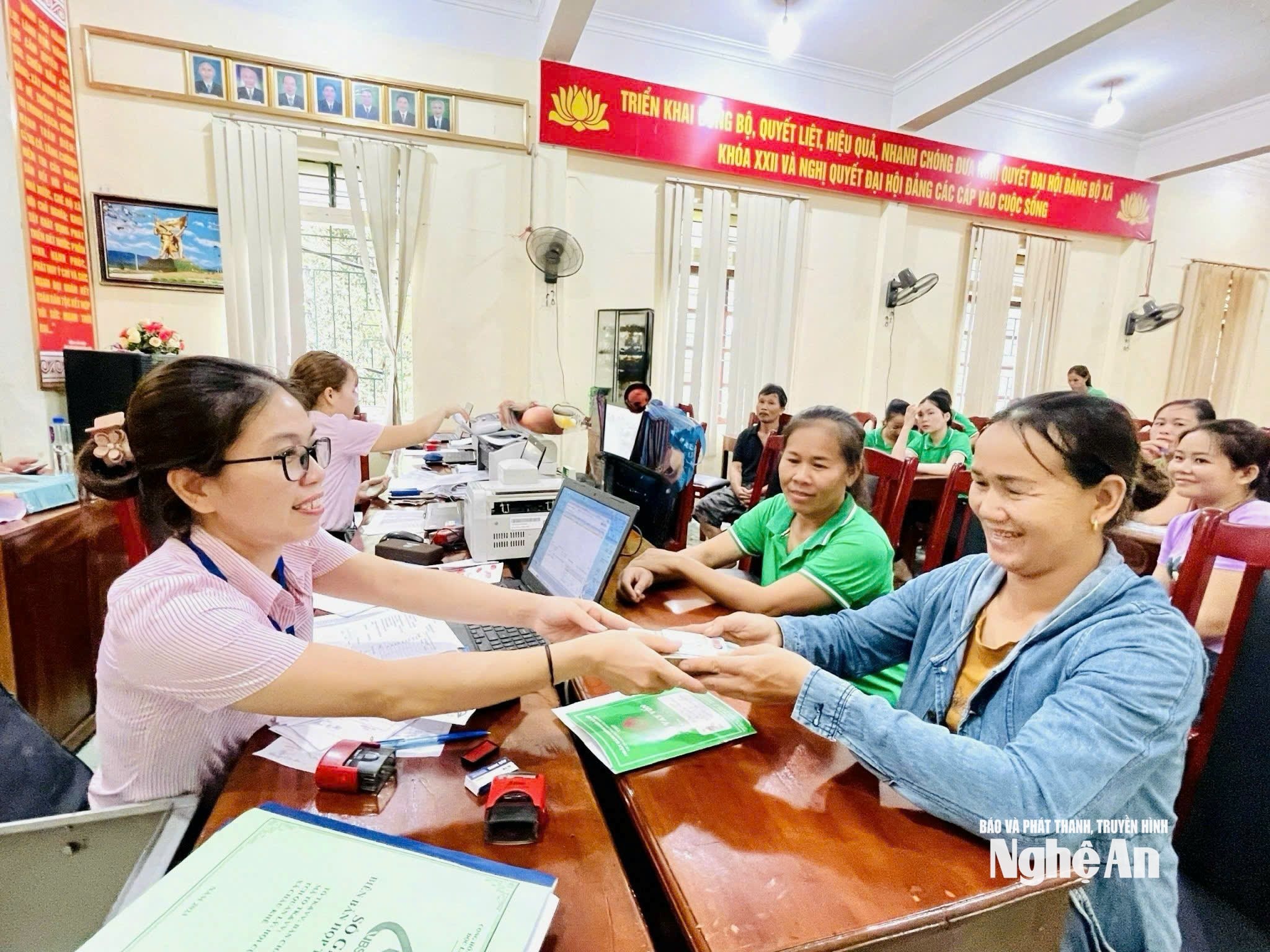
We will also focus on expanding and improving the effectiveness of policy credit programs, prioritizing areas that create jobs, develop production, and support disadvantaged areas and ethnic minority regions. At the same time, we will promote the application of information technology and digital transformation in banking operations to improve the quality of service for the people.
In addition, it is necessary to strengthen inspection and supervision, improve the capacity of staff, and promote the role of entrusted organizations and local authorities in managing and utilizing loan capital.
With the results achieved so far, we believe that policy credit will continue to affirm its role as an effective tool of the Party and the State in implementing social security goals. Preferential capital will continue to accompany the poor and policy beneficiaries, helping them develop production, increase income, and improve their lives.
In the context of Nghe An province's efforts to promote socio-economic development, build new rural areas, and achieve sustainable poverty reduction, policy-based credit will be an important "pillar," contributing to narrowing the development gap between regions, ensuring social stability, and promoting sustainable development in the province.
Reporter:Thank you for the conversation!


