
Nghe An province summarizes the project "Strengthening Vietnamese language skills for children in ethnic minority areas".
The project "Strengthening Vietnamese language skills for children in ethnic minority areas" not only helps children become more confident in their studies but also preserves and nurtures local cultural values in a friendly and welcoming educational environment.
On the afternoon of November 10th, the Department of Education and Training held an online conference to summarize the project "Strengthening Vietnamese language skills for preschool and primary school children in ethnic minority areas based on their mother tongue, giai đoạn 2016-2020, with a vision to 2025" in the province.
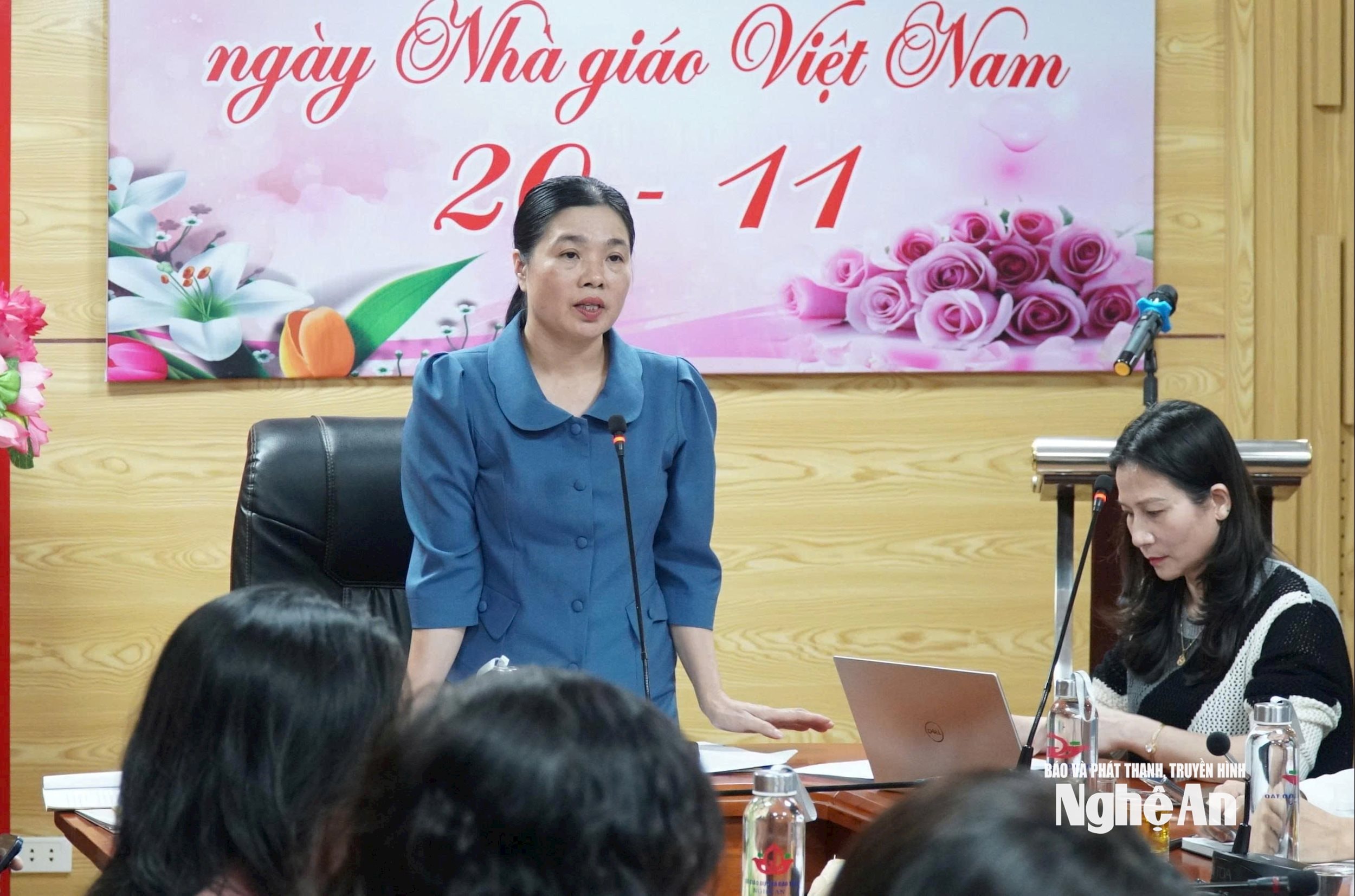
Over the years, despite many difficulties, the implementation of the project has received special attention from all levels, sectors, and localities.
Thanks to this, after nearly 10 years of implementation, the project has been maintained, strengthened, and effectively expanded to 126 kindergartens and 145 primary schools in 62 mountainous communes. The main objectives and targets of the project have been completed or exceeded, making a significant contribution to improving the quality of education in ethnic minority areas, narrowing the language and learning opportunity gap, and preserving and promoting the traditional cultural values of ethnic groups in the province.
Furthermore, thanks to the implementation of the project, the awareness of administrators, teachers, and parents about the importance of strengthening Vietnamese language skills has significantly improved. 100% of preschools and primary schools in ethnic minority areas have developed plans to implement the project, integrating Vietnamese language enhancement content into educational activities. Many innovative models and approaches have been replicated, such as "Vietnamese Language Festival," "Friendly Library," "Vietnamese Language Corner," and "Vietnamese Speaking Club," contributing to creating a vibrant and engaging learning environment for ethnic minority students.
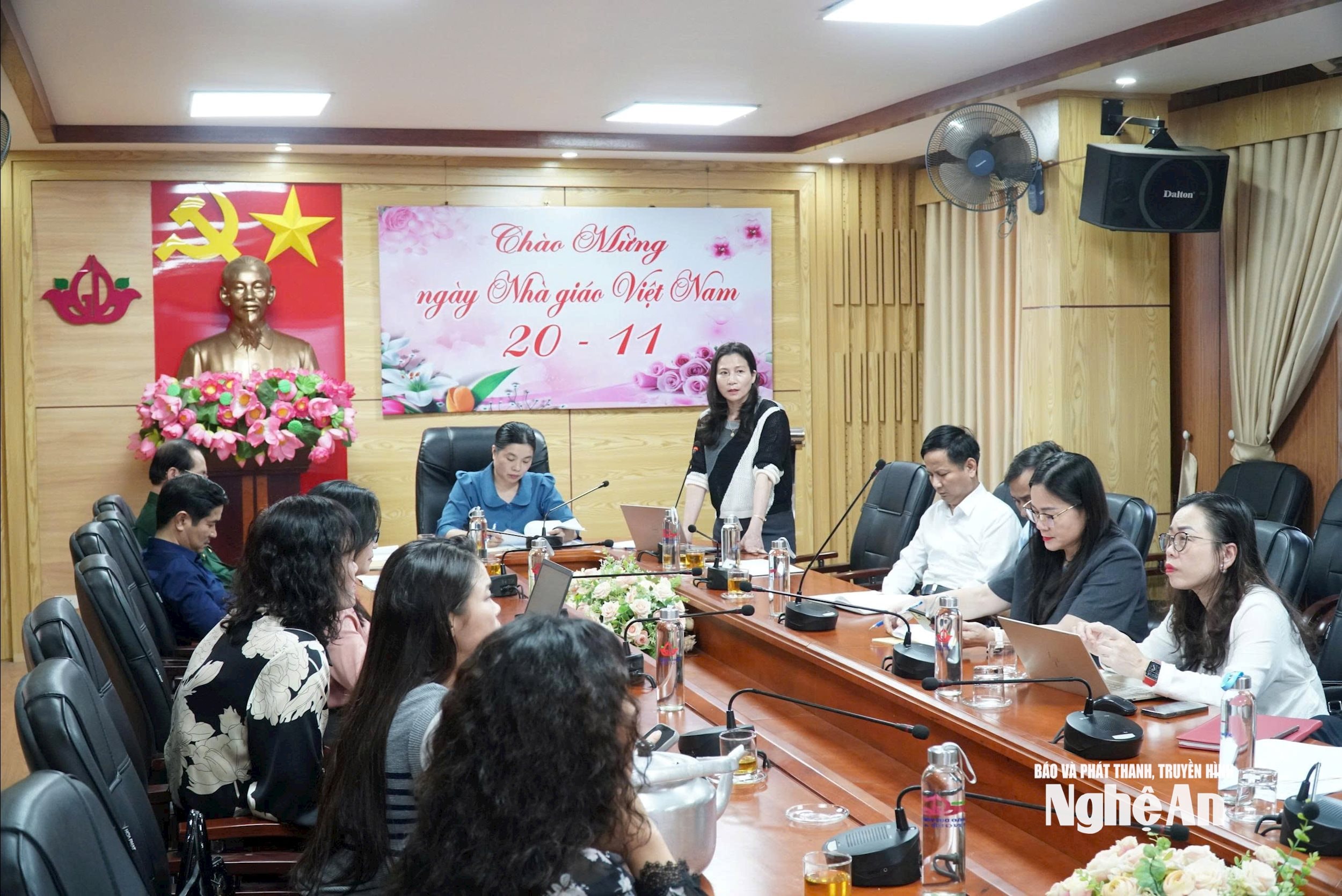
Teachers receive training to enhance their capacity in organizing activities to strengthen Vietnamese language skills; specialized training courses and inter-school/cluster professional development sessions are regularly organized. Many teachers from ethnic minority groups have effectively played a bridging role, helping students overcome language barriers. In addition, attention has been paid to investing in facilities and teaching equipment, especially in remote and isolated schools.
Over nearly a decade of implementation, the quality of Vietnamese language skills among preschool and primary school children in ethnic minority areas has made significant progress. 100% of ethnic minority preschool and primary school students have received enhanced Vietnamese language instruction based on their mother tongue, tailored to their age and psychological characteristics.
Students are more confident in communication and actively participate in learning activities and the Youth Union movement. Many schools in mountainous areas have become shining examples in the "Building friendly schools, active students" movement.
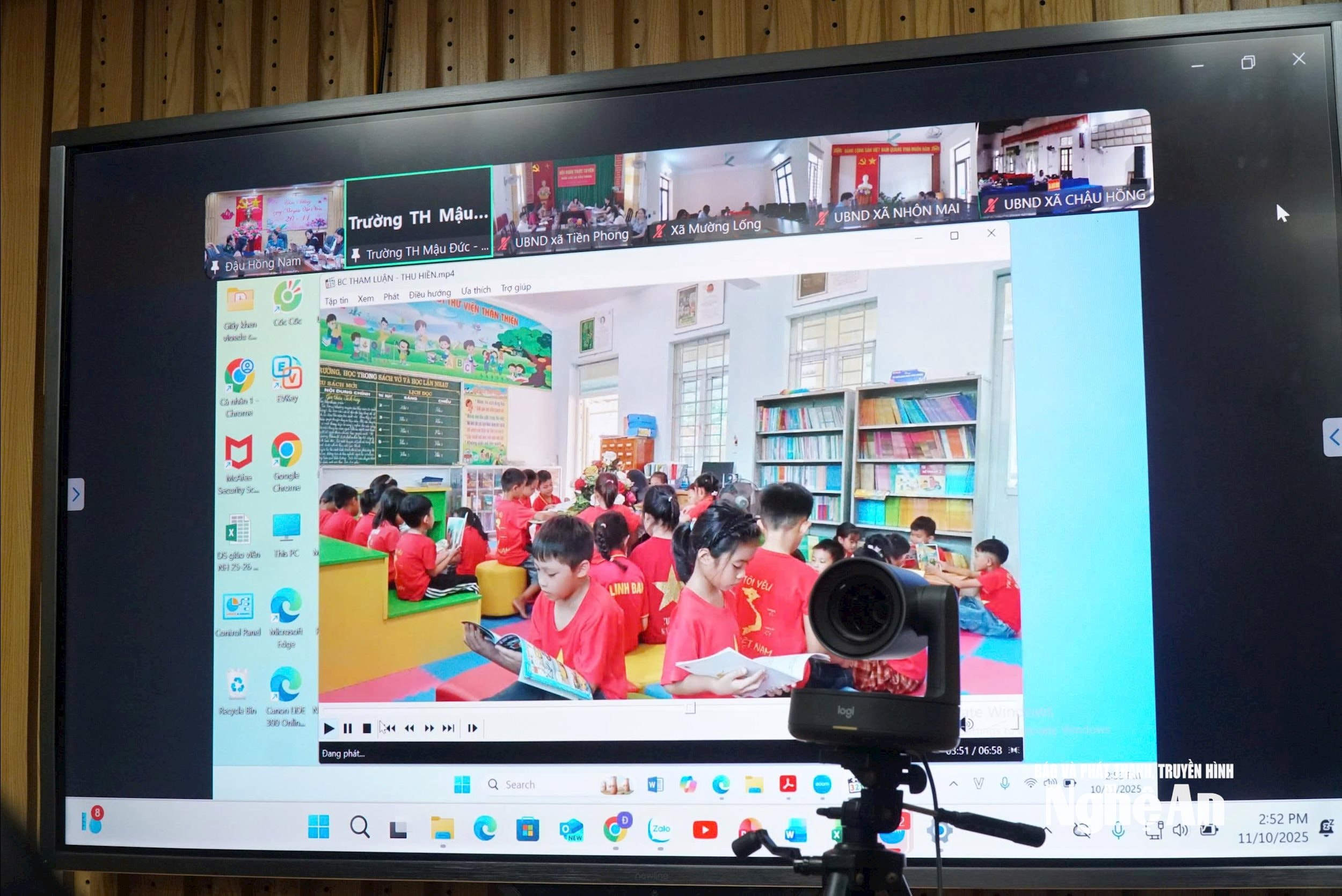
At the conference, presentations from local branches shared many solutions and experiences in the implementation process. In addition, they also pointed out difficulties due to the limited socio-economic conditions of ethnic minority areas; many schools are remote, transportation is difficult, people's lives are still poor, and there is a lack of Vietnamese language learning materials suitable to the specific culture and language of each ethnic group.
In her concluding remarks, Deputy Director of the Department of Education and Training Ho Thi Chau Loan acknowledged and highly appreciated the efforts of schools and localities in implementing the Project. She requested that localities continue to review the results of the 2020-2025 period and develop plans for the 2025-2030 period that are appropriate to their actual conditions. This should include focusing on planning the school network, effectively utilizing facilities after mergers, promoting communication, and mobilizing social resources to support the teaching and learning of Vietnamese.
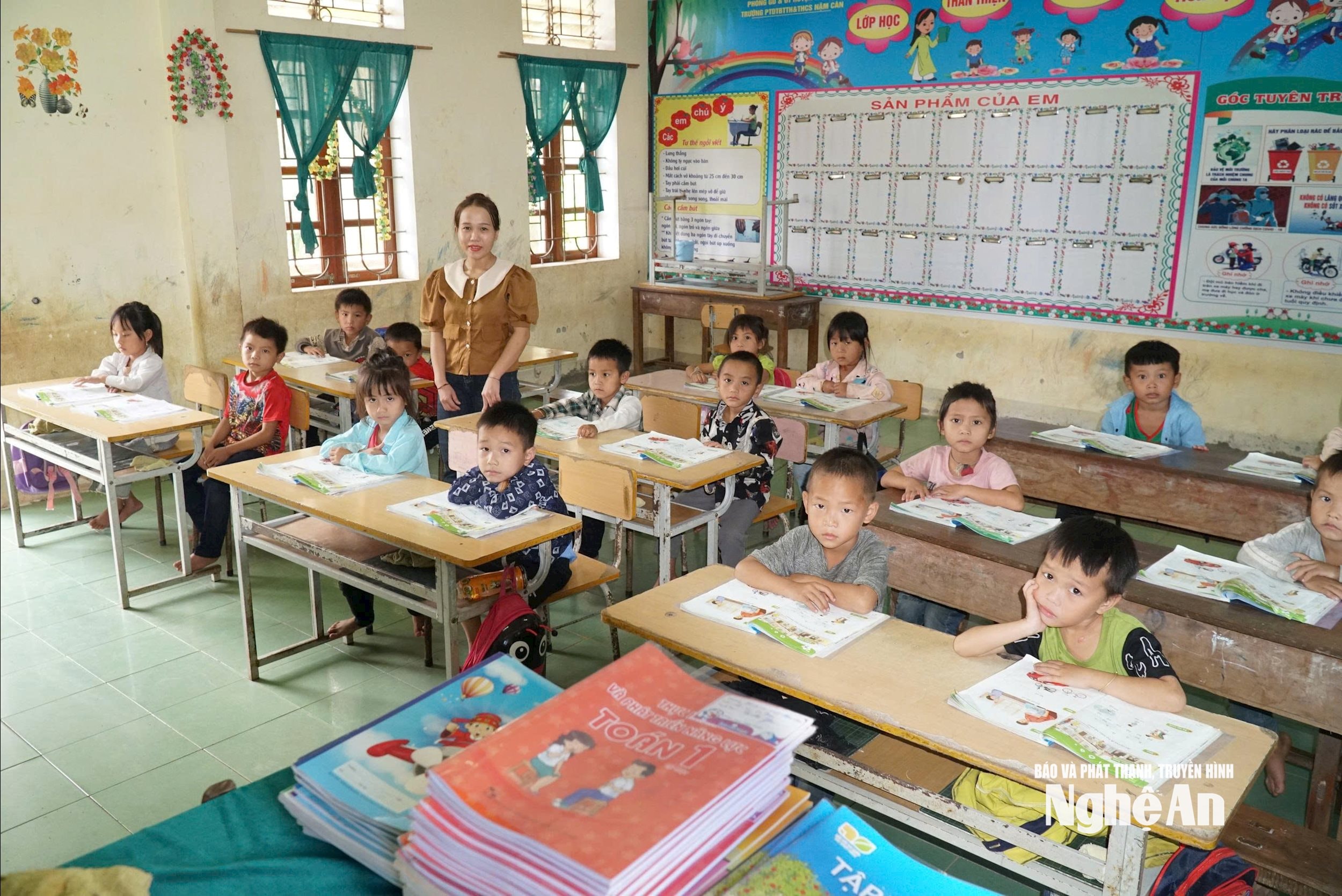
For preschool and primary school institutions in the regionethnic minoritiesTherefore, it is necessary to continue building a friendly Vietnamese-speaking environment, linked to national cultural identity, innovating educational methods, strengthening activities to develop reading culture, applying information technology, and promoting the effectiveness of "green library" and "digital library" models in teaching Vietnamese.
On this occasion, the Department of Education and Training awarded Certificates of Commendation to 20 collectives and 39 individuals for their outstanding achievements in implementing the project, contributing to spreading the movement "Strengthening Vietnamese language based on mother tongue" in educational institutions in ethnic minority areas throughout the province.


