
Nghe An: Why is African swine fever spreading so rapidly?
Since the beginning of 2025, African swine fever has been re-emerging fiercely on a large scale in Nghe An province, causing heavy losses to thousands of livestock farmers. Of particular concern is that the disease is not only raging in traditional farming areas but is also spreading deep into mountainous, remote, and isolated regions.
The epidemic is spreading widely.
For several days now, the public address system in Quan Thanh commune (formerly Yen Thanh district) has been continuously broadcasting announcements to residents about the disease situation, along with instructions on how to recognize symptoms in pigs, the procedures for handling dead pigs, and measures for disinfecting and sterilizing pigpens. Residents are advised not to conceal outbreaks, and not to buy, sell, or transport sick or dead pigs. Quan Thanh commune has also established a Steering Committee for the prevention and control of African Swine Fever, chaired by the Chairman of the Commune People's Committee.

Alarmingly, from the end of April to July 31st, Quan Thanh commune culled 677 pigs, totaling over 52 tons. As many as 251 households in 23 out of 29 hamlets were left with empty pigpens in a short period of time.
Ms. Dang Thi Dung, Chairwoman of the Quan Thanh Commune People's Committee, said: Currently, there are only 1,120 pigs left in the commune, facing a high risk of being threatened by disease. The local government is implementing disease prevention and control measures according to regulations to protect the remaining pig herd.
Not only in Quan Thanh commune, but also in neighboring communes, according to reports from Nghe An newspaper, radio, and television, African swine fever has strongly re-emerged since the beginning of the year.
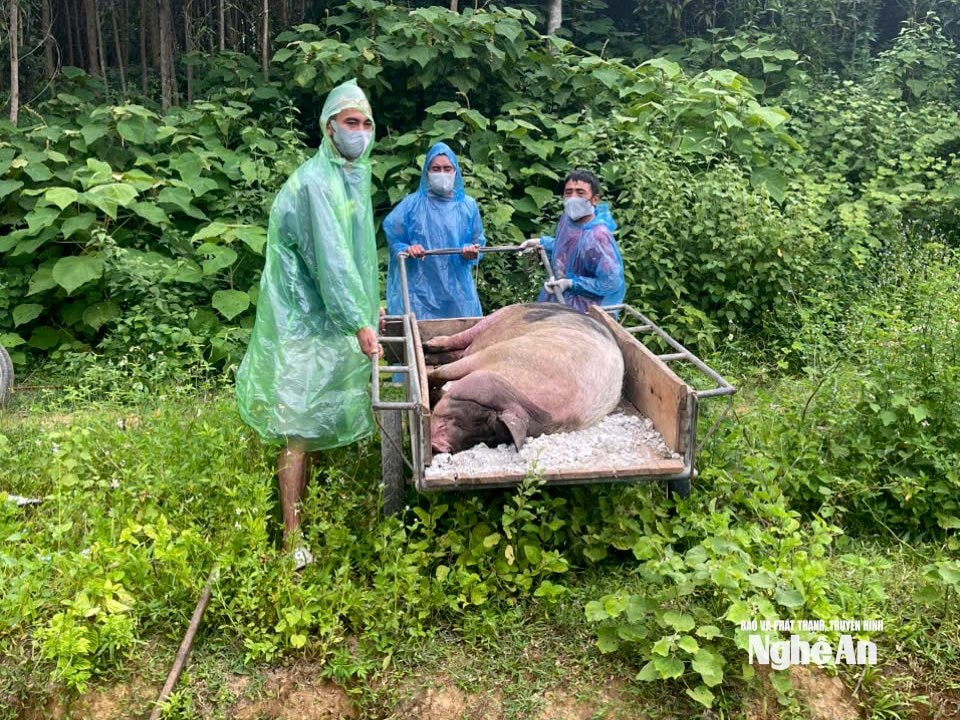
To date, all 9/9 communes in the former Yen Thanh district (including Yen Thanh, Giai Lac, Quan Thanh, Hop Minh, Van Tu, Van Du, Quang Dong, Binh Minh, and Dong Thanh) have reported cases of African swine fever. In addition, many other localities such as Dai Dong, Bich Hao, Kim Bang, Xuan Lam... (former Thanh Chuong district); Thuan Trung, Do Luong, Bach Ngoc... (former Do Luong district); Quang Chau, Tan Chau, An Chau... (former Dien Chau district); Anh Son, Anh Son Dong, Vinh Tuong... (former Anh Son district)... and even mountainous areas like Mon Son commune, Con Cuong commune, Chau Binh commune, and Que Phong commune... are also worried about the spread of African swine fever.
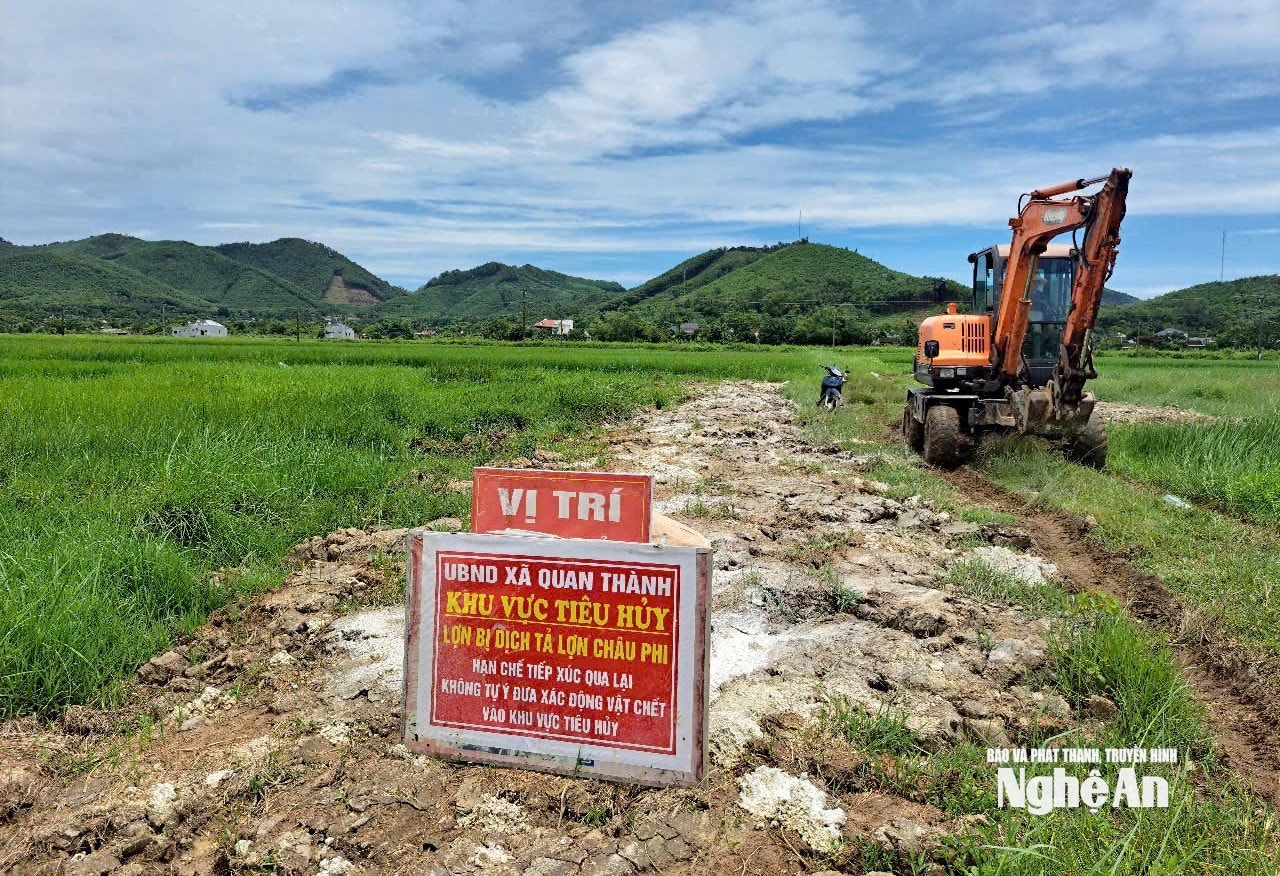
African swine fever has not only affected the livestock industry but has also driven thousands of households into destitution. Many families had invested all their capital in raising pigs for the Lunar New Year or for mid-year sales, and are now forced to destroy their entire herds within just a few days.
The family of Mr. Pham Van Hien in Son Thuy hamlet, Hoa Quan commune (formerly Thanh Chuong district) is one typical example. With a herd of over 280 fattening pigs and 15 sows, in early July alone, his family had to cull 80 fattening pigs and 7 sows. The pigpens are covered in white lime powder - a remnant of a recent outbreak.
"Due to the high incidence of the disease in the commune, and the lack of decisive disease control by the local authorities, the virus has spread widely," said Mr. Pham Van Hien.
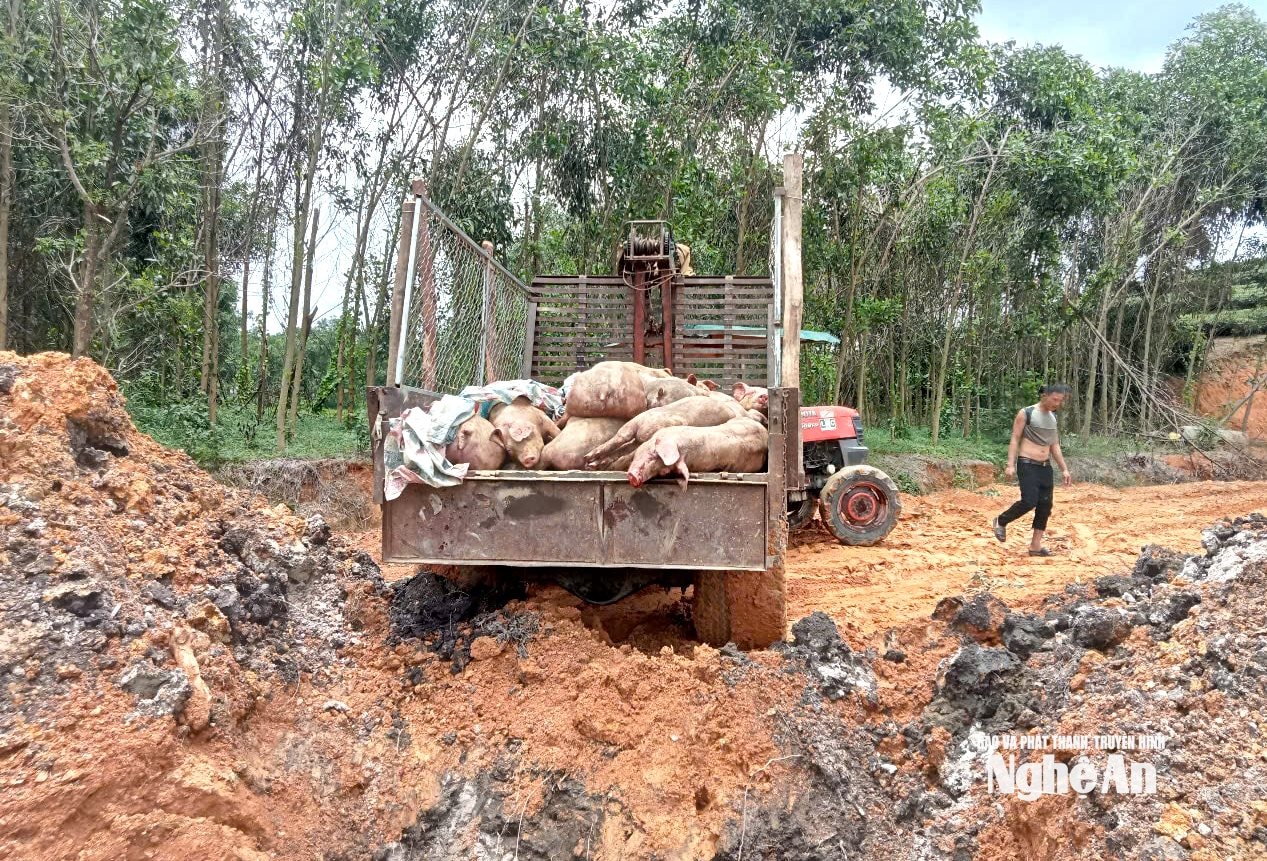
In Hoa Quan commune (formerly Thanh Chuong district), from the beginning of May until now, the local authorities have been busy supervising the destruction of pigs infected with the disease in the hamlets. Accordingly, by July 31st, the locality had destroyed 3,570 pigs, with a total weight of over 202 tons.
According to statistics from the Department of Agriculture and Environment, by the end of July 2025, nearly 13,000 pigs had to be culled throughout the province, equivalent to approximately 660 tons of live pigs. The disease appeared sporadically since the beginning of the year, but only really broke out strongly from the beginning of July until now, causing great losses to livestock farmers and seriously threatening food supply and epidemiological safety in the area.
Searching for the cause of the outbreak.
According to Mr. Tran Vo Ba, Deputy Head of the Department of Livestock and Veterinary Medicine, the main reason for the resurgence of the disease is the small-scale, biosecure livestock farming system.
Currently, the total pig population in the province exceeds 1 million, with up to 65% raised by small-scale households. These farms are often built interspersed within residential areas, are rudimentary, have poor drainage, and lack effective waste treatment or isolation systems. When disease appears, viruses easily spread through the air, water, farming equipment, insects, and even humans.
Furthermore, the vaccination rate for pigs in the province is low. Data from the Department of Agriculture and Environment shows that from the beginning of 2025 to the present, only about 3,300 doses have been administered throughout the province – a very modest number compared to a total herd of over 1 million pigs.
In addition, the local veterinary force is thin and weak. In many communes, there is only one veterinary officer, leading to delays in monitoring, inspecting, and detecting disease outbreaks.
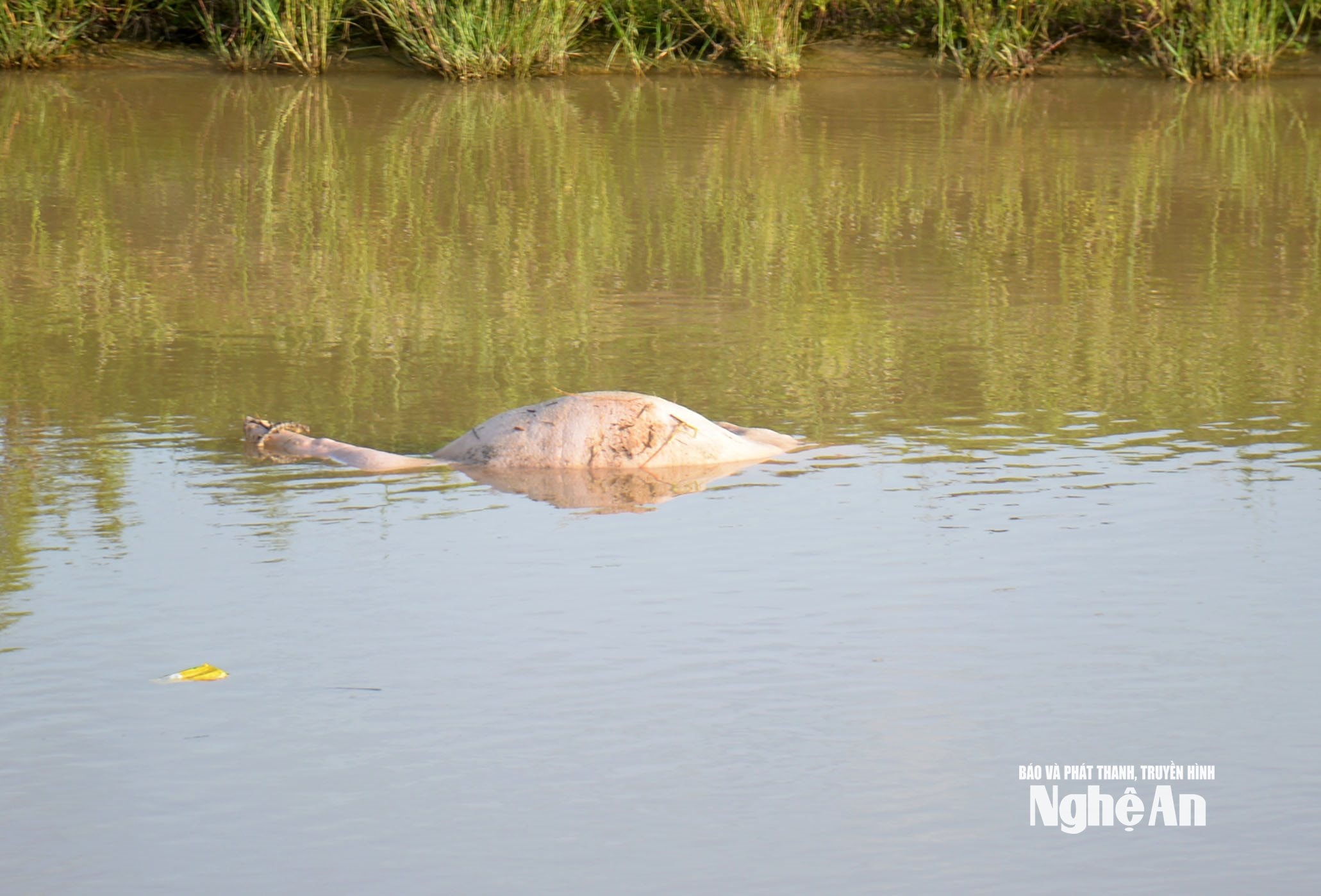
In particular, public awareness remains limited. Many livestock farmers, upon discovering sick pigs, do not report it but instead try to slaughter and sell them quickly or dispose of the carcasses in rivers and streams, causing environmental pollution and spreading disease. These behaviors have been recorded in many communes. Some households even transport sick pigs to other communes for sale.
.jpg)
Furthermore, the policy of providing support for the culling of pigs is slow, causing some households to hesitate when reporting the outbreak. This leads some farmers to choose to conceal the disease and sell their pigs quickly, further increasing the risk of spread.
Objectively speaking, the weather in the early months of the year is unpredictable. During the transitional period between seasons, alternating rain and sunshine makes livestock shelters damp, weakens the animals' immune systems, and creates ideal conditions for viruses to thrive.
However, according to reporters' observations, disease prevention and control efforts in many localities are still not being carried out decisively. Many localities have not set up disease control checkpoints as required, leading to traders transporting pigs in and out of affected areas without control from the authorities.
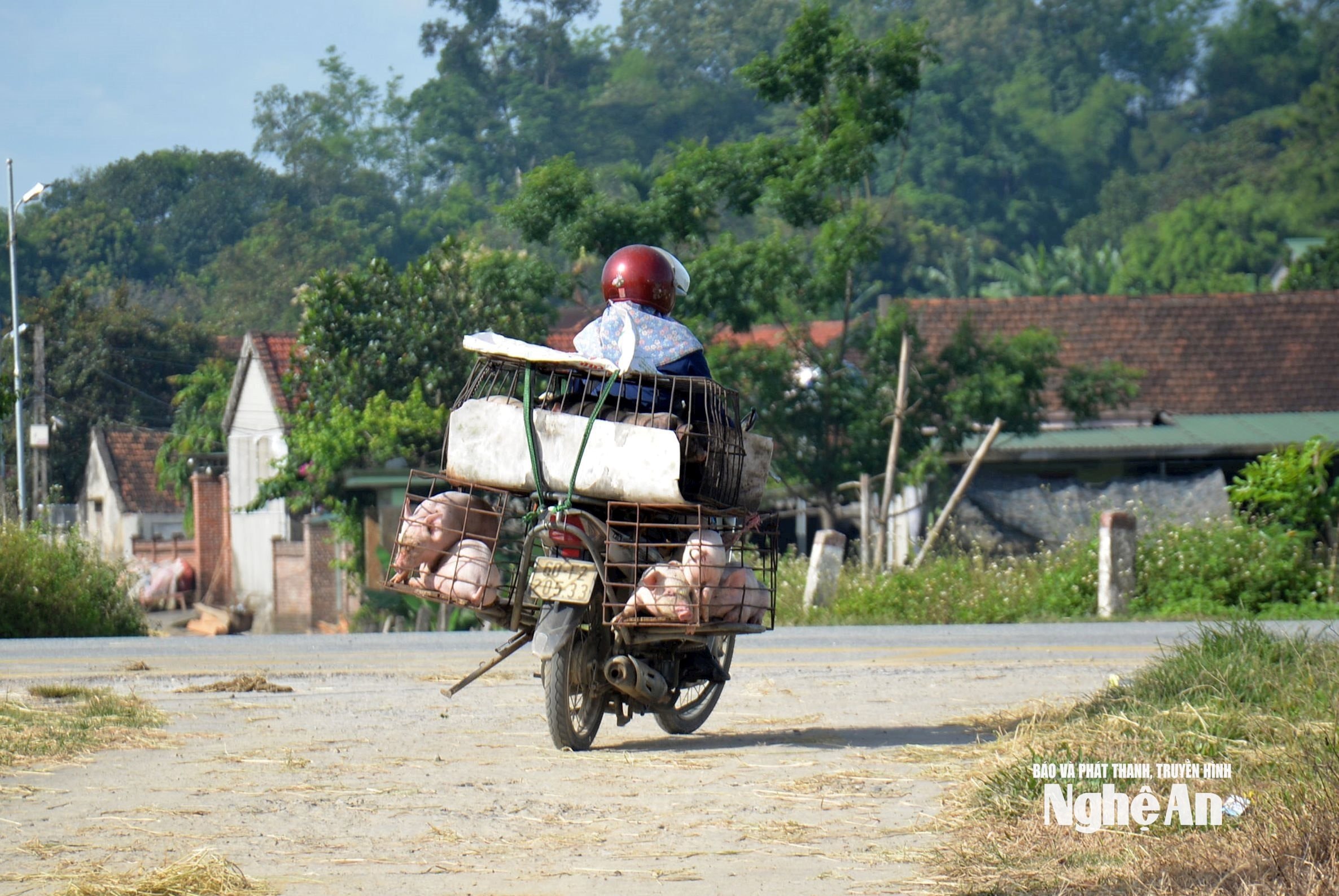
Mr. Le Van Ty, Vice Chairman of the Hoa Quan Commune People's Committee, stated that the main reason is the difficulty in controlling the transportation and trading of pigs between areas with and without outbreaks. Meanwhile, erratic weather patterns weaken the animals' resistance, creating favorable conditions for the virus to spread. Furthermore, some small-scale farmers do not apply biosecurity measures and continue to restock their herds before the quarantine period is over. However, Mr. Ty also acknowledged that the local government's disease control efforts in the past have not been sufficiently decisive.
African swine fever poses a significant threat to Nghe An's livestock industry. Without decisive action from the government, relevant agencies, and the cooperation of the people, the risk of prolonged outbreaks and recurrences is very real. Each farming household needs to become a "fortress" in the fight against the disease. If management remains lax and responsibility is lacking, the disease will not only continue to spread but will also rob thousands of farming families in the province of their livelihoods, assets, and trust.


