
The art of photographing surface textures: Transforming familiar details into something extraordinary.
Discover how to utilize architectural details like brick walls and wooden doors to create unique photos or as backdrops for other photographic works.
Photographing the surface textures of buildings is a creative method for producing unique works of art. These images not only have value on their own but can also be used in combination with other images, enriching monotonous backgrounds or giving a completely new feel to a particular photograph.
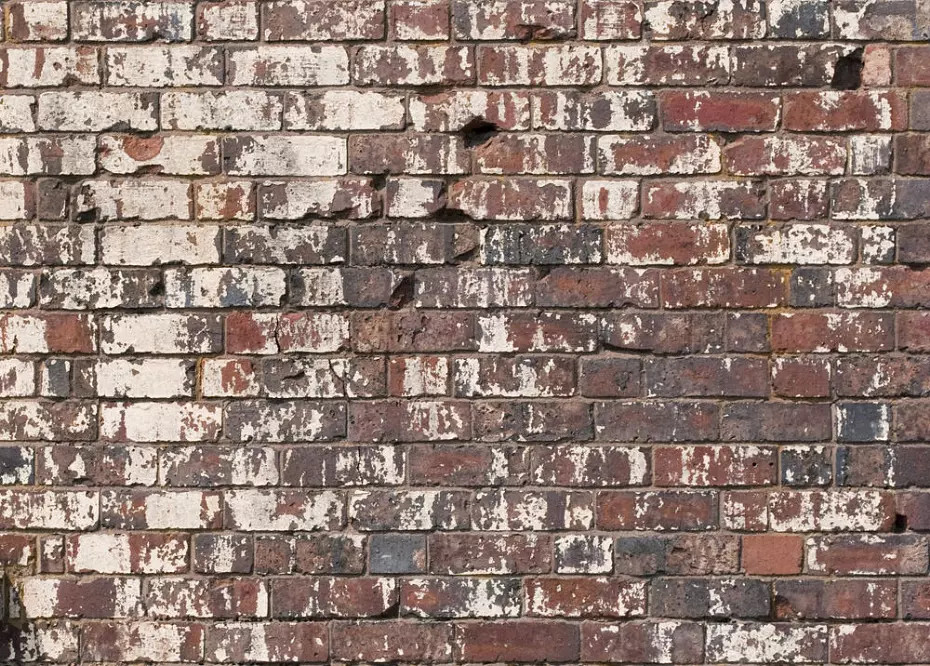
Cities and urban areas are ideal places to find various surface textures. When you start focusing on details instead of the overall structure, you'll quickly discover a myriad of diverse materials, from walls, stairs, doors, and roof tiles to modern metal structures.
Choose the right equipment.
Choosing the right equipment will make the creative process more efficient.Zoom lensUseful for selecting and cropping images. Meanwhile,macro lensThis allows you to get closer to the details you want to photograph. If you want a narrower and more focused perspective,telephoto lensIt's a worthwhile option to consider.
To ensure stability, especially when using telephoto lenses, a tripod is an invaluable tool. Additionally, a remote control or the camera's timer function will help minimize shaking and ensure sharp images.
Techniques for finding and capturing surface patterns.
To capture stunning surface texture photographs, mastering some basic techniques is crucial. Factors such as texture, lighting, and shooting angle all play a decisive role in the final result.
Look for patterns and contrasts.
Objects with repeating patterns, such as a brick wall or the grain of wood planks, often create a very good visual effect. However, the patterns don't always need to be perfectly symmetrical. A variety of colors and lines, especially the combination of two contrasting objects, can also be highly effective.
Try looking for areas where new and old structures intersect. The overlap between strong metal structures and softer, more weathered surfaces can create interesting visual effects.
Utilize light to create depth.
Lighting is key to highlighting surface textures. Choose a shooting angle so that the light comes from one side. This will create sharp shadows, adding depth to the image and emphasizing the material's texture.
For new buildings, glare and reflections should be considered. Sometimes, simply shifting the building's position slightly can eliminate these undesirable effects.
Eliminate interfering factors.
If unwanted objects, shadows, or traces appear in the frame, try changing the shooting angle or using a zoom lens to remove them. Try to shoot straight on so that the textured surface is as flat as possible. These images are very useful when combining them with other images, and the flatter the surface, the easier post-processing will be.
Also, avoid zooming in too close to the subject. Maintaining a certain distance will give you more options for cropping the image later on your computer.
Pay attention to the weather and white balance.
Weather also affects the visual impact of a photograph. Surfaces often have a different appearance when wet and covered in raindrops. Finally, pay attention to your camera's white balance settings. Sometimes, modes like "Cloudy" or "Shade" can produce better color results than automatic mode.


