
The European Parliament has proposed tightening arms export controls by member states.
The proposal to grant the European Commission oversight of arms exports is causing considerable controversy, particularly regarding France's position in the global defense industry.
The European Parliament (EP) has proposed amendments to directives relating to the transfer of defense products, aiming to give the European Commission (EC) the power to oversee and control the licensing of arms exports from member states to third countries. This move is sparking heated debates about national sovereignty and economic interests within the European Union (EU).
Standardize export control procedures at the Union level.
According to a report published on December 22, the new proposal focuses on amending the 2009 directives on defense and security markets. The EP's goal is to establish unified approval and certification procedures at the Union level for defense products. In the current security context, establishing a common control mechanism is considered necessary to ensure consistency in the bloc's foreign policy.
If approved, the EC would have the power to directly intervene in the licensing process, which is currently under the exclusive jurisdiction of each member state. This would create a major turning point in how the EU's internal defense market operates.
Challenges to France's export position
This proposal is facing strong opposition from France, the world's second-largest arms exporter for the past five years. For Paris, export controls are not only economic in nature but also a strategic tool linked to foreign policy and geopolitical partnerships.
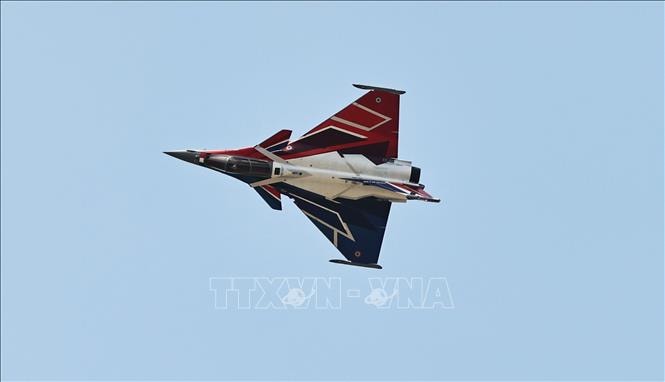
Many experts believe that transferring decision-making power to the EU level could threaten France's strategic agreements with non-EU partners, such as large-scale military equipment contracts with the United Arab Emirates (UAE). Relinquishing this control is seen as a decline in national sovereignty in this sensitive security area.
Risks of unfair competition and legal barriers.
Besides the issue of sovereignty, the new regulations are also feared to trigger an economic war between defense companies in the region. Nicolas Ravailhe, a professor at the French School of Economic Warfare, warns that the centralized mechanism could weaken internal competitors and create loopholes for outside interests to intervene.
Notably, the Mars analysis group warns that the EP's proposal risks violating the European Council's Common Position 2008/944/PESC. This document affirms that member states are responsible for ensuring that national laws allow them to directly control the export of military technology and equipment. Under current regulations, a centralized European mechanism is not permitted to replace the direct control of each member state based on the EU's common list.


