
Heartfelt acts of kindness in the 'dialysis patient community' amidst scorching temperatures exceeding 40 degrees Celsius.
With temperatures exceeding 40 degrees Celsius, the rented rooms in the "dialysis patient neighborhood" on Le Ninh Street, Vinh Hung Ward (Nghe An province) have turned into furnaces in the middle of summer.
Yet, amidst the sickness and poverty that surrounds them, the patients, including married couples here, quietly rely on each other, clinging to life through love, sharing, and unwavering resilience.
The kind gesture of the old soldier in the poor boarding house.
In early June, the heat was scorching. In the small row of rented rooms on Le Ninh Street, Vinh Hung Ward, the heat from the corrugated iron roof pressed down into each cramped room. The old fan spun steadily but was not enough to alleviate the stifling heat. Patients lay still after their dialysis sessions, some coughing softly, others breathing heavily.
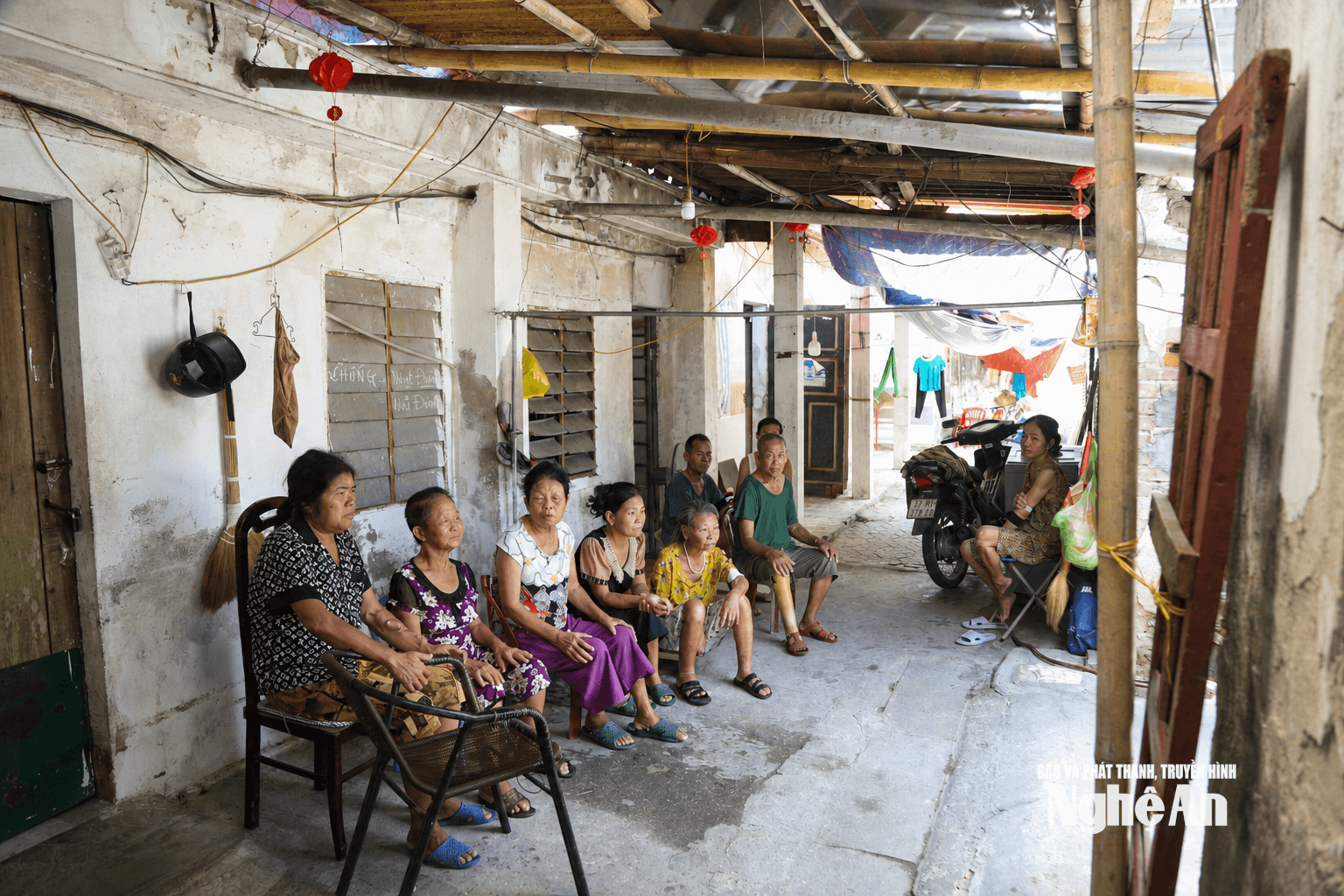
Locals call this place the "dialysis neighborhood," while the tenants jokingly call it the "duck coop neighborhood" because the rooms are low-ceilinged, damp, and unbearably hot in the summer.
But amidst what seemed to be only sickness and hardship, human kindness still shone through in a very warm way.
For nearly ten years, Mr. Nguyen Quoc Huy has become accustomed to that rhythm of life. Mr. Huy, originally from Giai Lac commune, is 73 years old this year. He doesn't undergo dialysis, but he is a familiar face to everyone in the boarding house.
He followed his wife, Dong Thi Son, to rent a room for easier access to treatment. Since his wife fell ill, his life has revolved around taking her to and from the hospital, hastily preparing meals, and anxiously listening to her breathing at night.
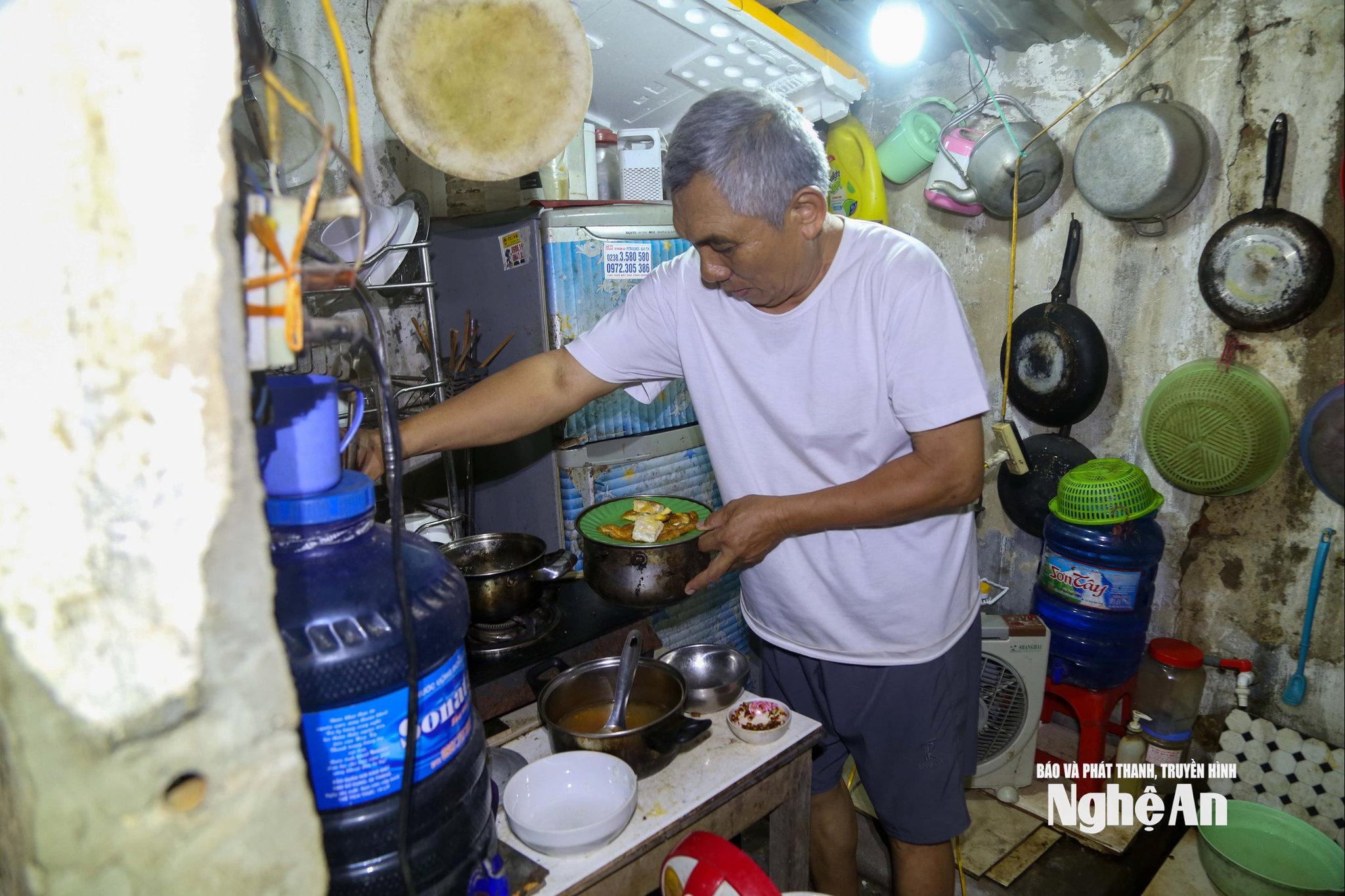
In his youth, Mr. Huy served in the army for over twenty years, enduring the hardships of the Central Highlands battlefield. During his time away from home, Mrs. Son stayed in their hometown, raising the children, managing the household, and handling everything. Therefore, when his wife fell ill, he didn't consider caring for her a sacrifice. "Back then, when I was in the army, she stayed home to take care of the children. Now that she's sick, I'm taking care of her," he said.
Then, Mr. Huy himself discovered he had malignant cancer after about two years of following his wife to the rented room in the neighborhood. Through radiation therapy, his health deteriorated, and he was no longer as agile as before. But he still stayed by his wife's side, taking care of her meals, medication, and hospital visits.
Besides taking care of his wife, Mr. Huy is also a person many patients turn to whenever they need help. If a tire is flat, he inflates it. If it's punctured, he patches it. If a fan breaks down in the scorching sun, he takes it apart to check it. If the electricity is intermittent or appliances malfunction, he tries his best to help anyone who calls. Often, he doesn't charge any fee. "I help with what I know how to do. I do whatever I can," he says.
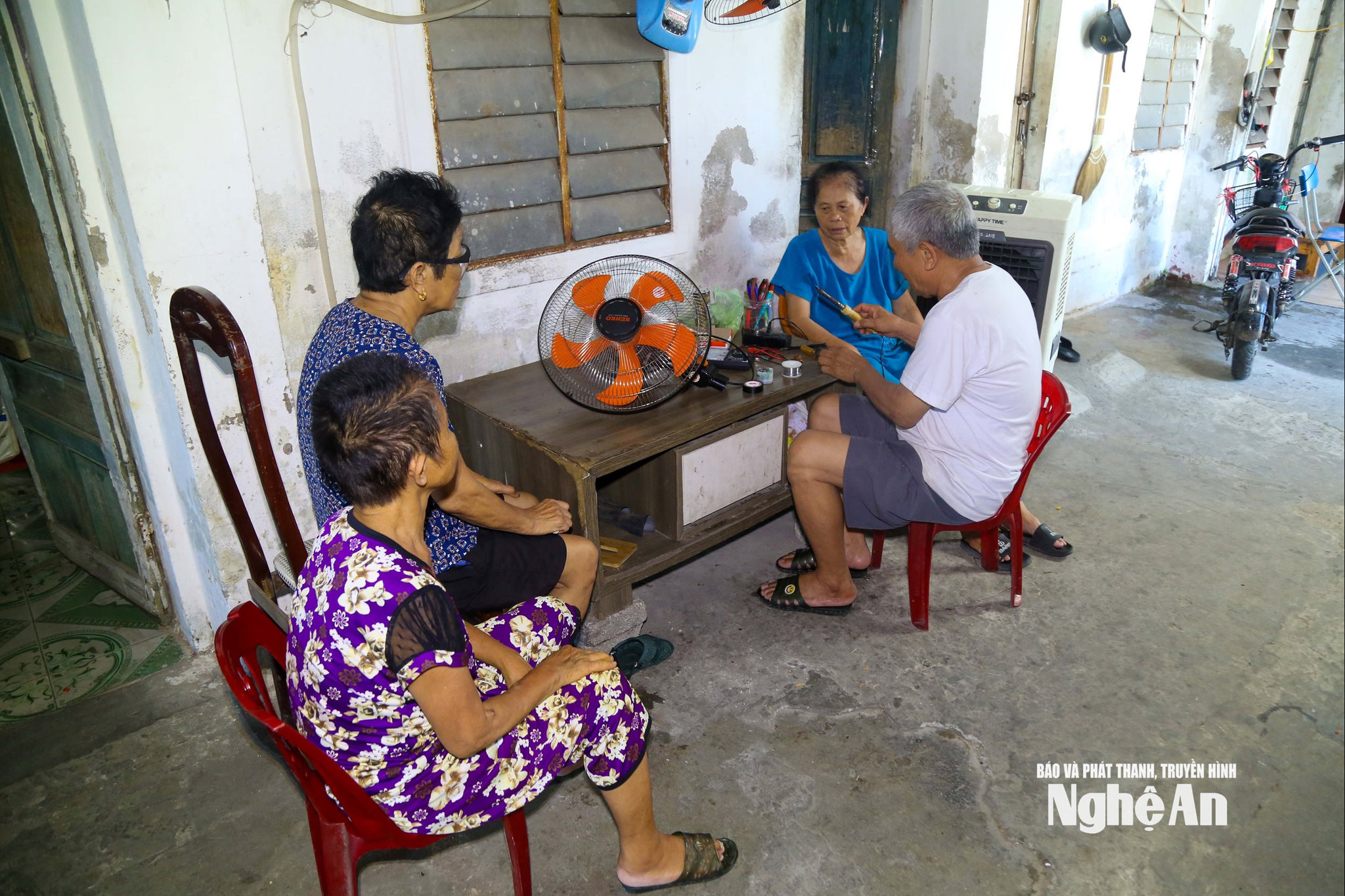
For dialysis patients, getting a fan running again on a day with temperatures exceeding 40 degrees Celsius, having their bicycle tire repaired in time to get to the hospital, or having a fan fixed promptly are all invaluable.
One stormy night, hearing his neighbors calling for help, Mr. Huy rushed over. Outside, the water was knee-deep, making it impassable for vehicles. Without hesitation, he carried the sick person from the boarding house to the hospital for emergency treatment. “At times like that, there’s no room for delay. A slight delay, and they might not survive,” he shared.
When husband and wife are each other's "legs and eyes".
In the "dialysis village," there are currently 29 patients undergoing treatment, including 6 elderly couples who live together. They come from different rural areas, but they share one thing in common: when old age, poverty, and illness all come their way, they still choose to stay together.
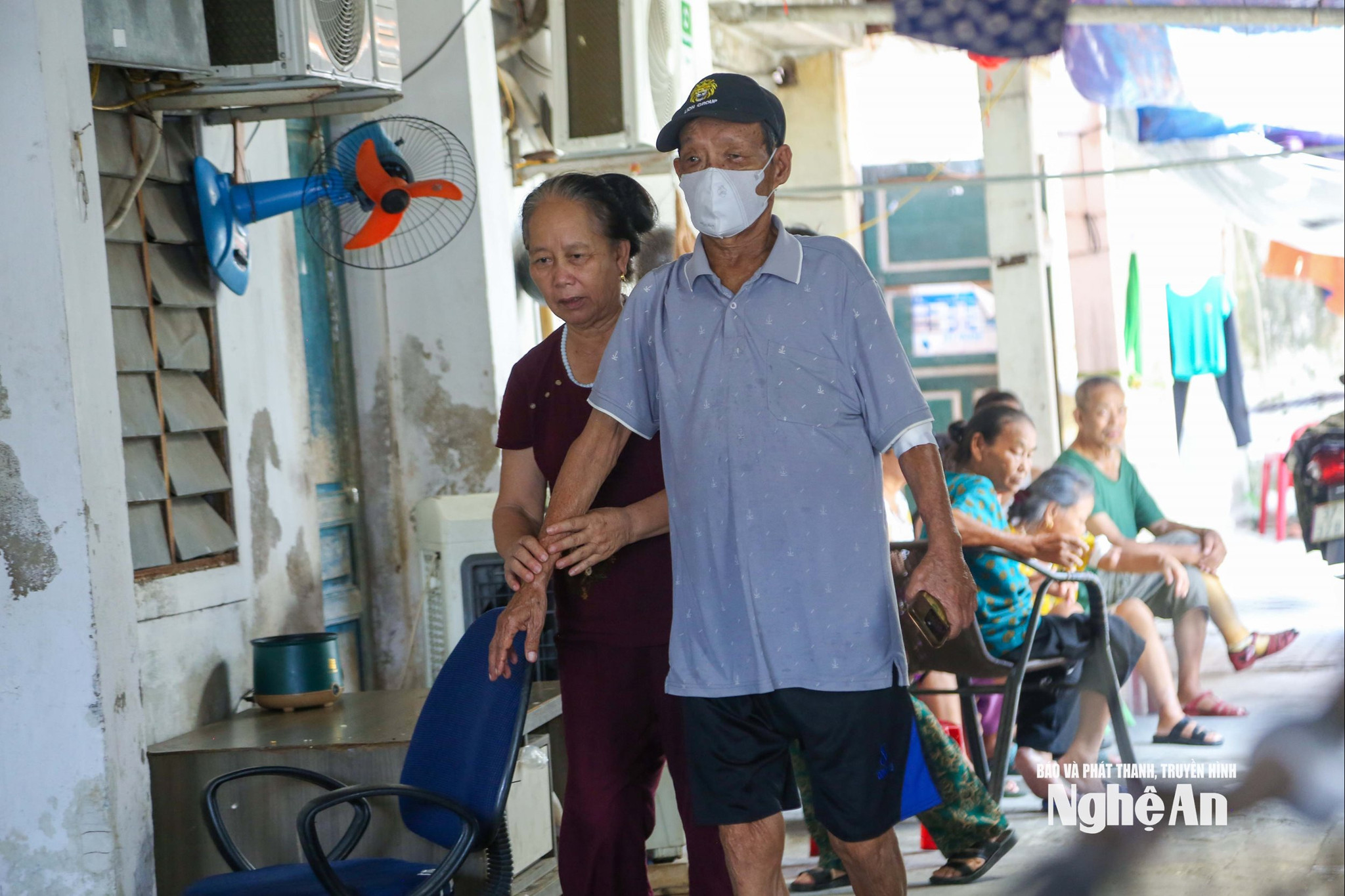
In a rented room of about 10 square meters, Mrs. Nguyen Thi Phuc, 79 years old, from Quynh Anh commune, sits silently beside her old bed. Her eyes have been blind for many years. Every step she takes, every time she sits up, she relies on her husband, Mr. Pham The.
But Mr. The is also not well. One of his eyes is damaged, his health has deteriorated due to heart failure, and he has been on a pacemaker for nearly 5 years. Since 2021, when Mrs. Phuc started dialysis, he has followed her to the rented room to take care of her. With their advanced age and frail health, the two of them can only rely on each other.
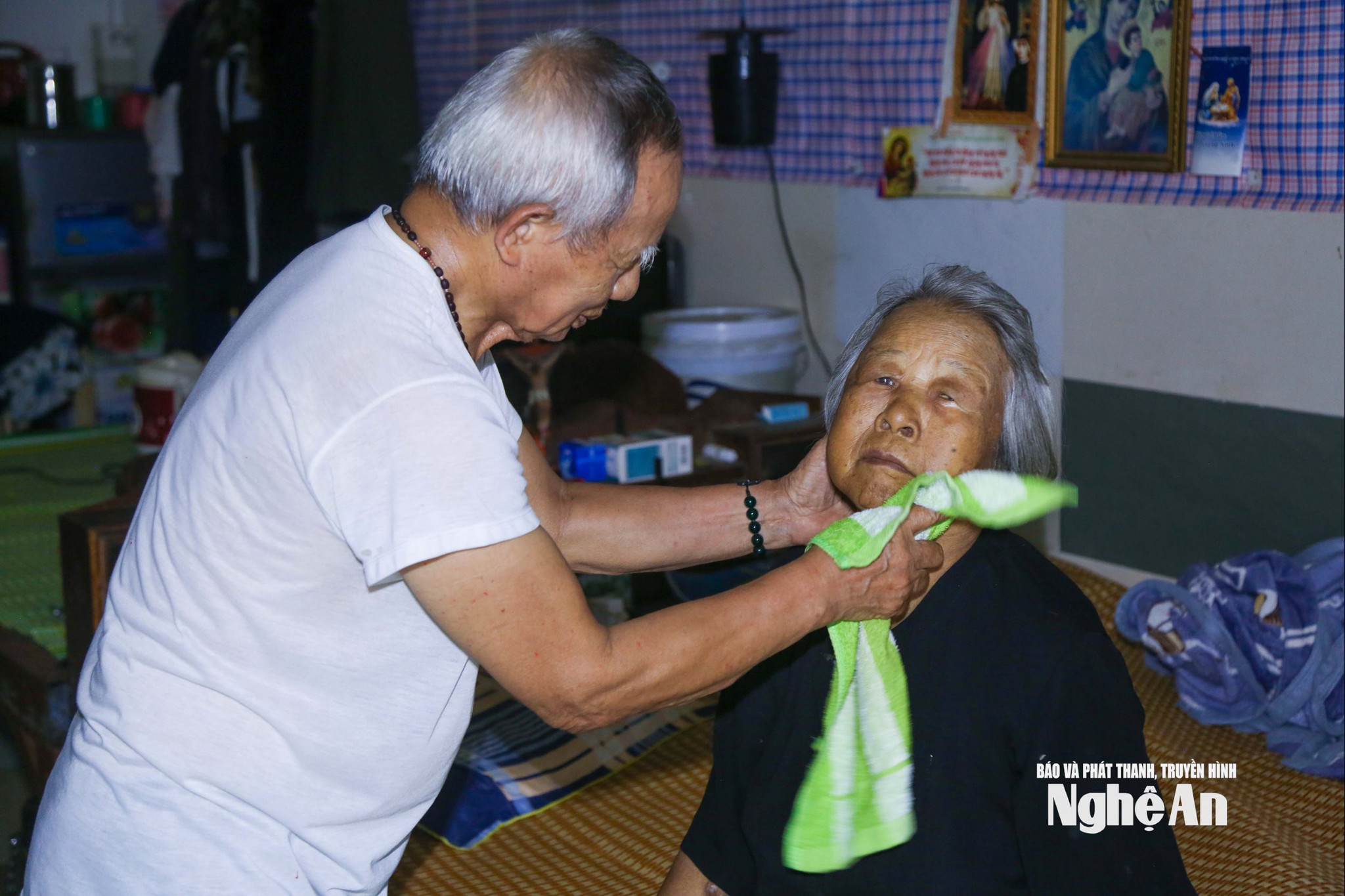
During the hottest days of the year, the small room felt like it was being roasted alive. Even running the fan all day couldn't dispel the heat radiating from the corrugated iron roof. Some nights, the couple stayed awake almost all night. She was exhausted, and he sat beside her, sometimes fanning her, sometimes helping her sit up, and sometimes fumbling for her medicine.
"There were days when she was so tired that I had to stay up all night taking care of her. It was so hot that it felt suffocating wherever you sat, but if I didn't take care of her, who would? As husband and wife, we should take care of each other as long as we have the strength," Mr. The said.
He only had one eye, and she was almost completely blind. Yet, in that cramped rented room, he was still his wife's eyes, her legs guiding her through each short step.
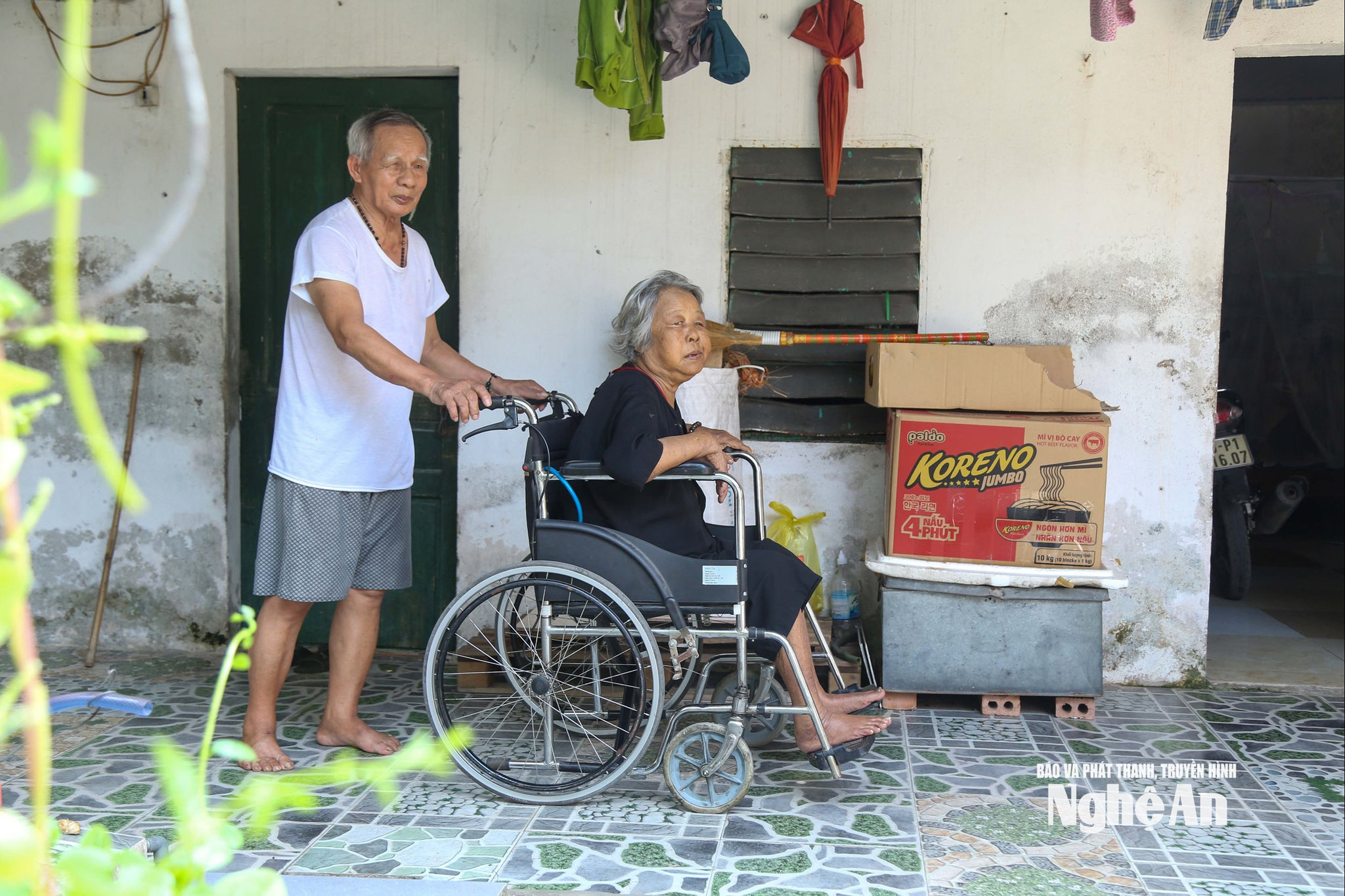
Next to Mr. The's and Mrs. Phuc's rooms lived Mr. Pham Van Thin and Mrs. Ta Thi Long. Mr. Thin had been receiving dialysis treatment there for three years. He was a war veteran who lost his right leg after the war. Mrs. Long was a former volunteer youth worker and also suffered injuries, losing a leg. These two people, who had once faced bombs and bullets, were now entering an even more silent battle, battling the illnesses of old age.
Every week, Mr. Thin undergoes dialysis three times, each session lasting about four hours. He has to restrict his diet, limiting vegetables and fluids. Furthermore, his diabetes has gradually worsened his memory. Once, during a check-up, he wandered into a different hospital, causing Mrs. Long to panic and hire a car to find him. She's not well herself, but she still accompanies her husband to their rented room. "He's on dialysis and so forgetful; sometimes I worry a lot. I'm also sick, but I still have to try my best to take care of him," she said.
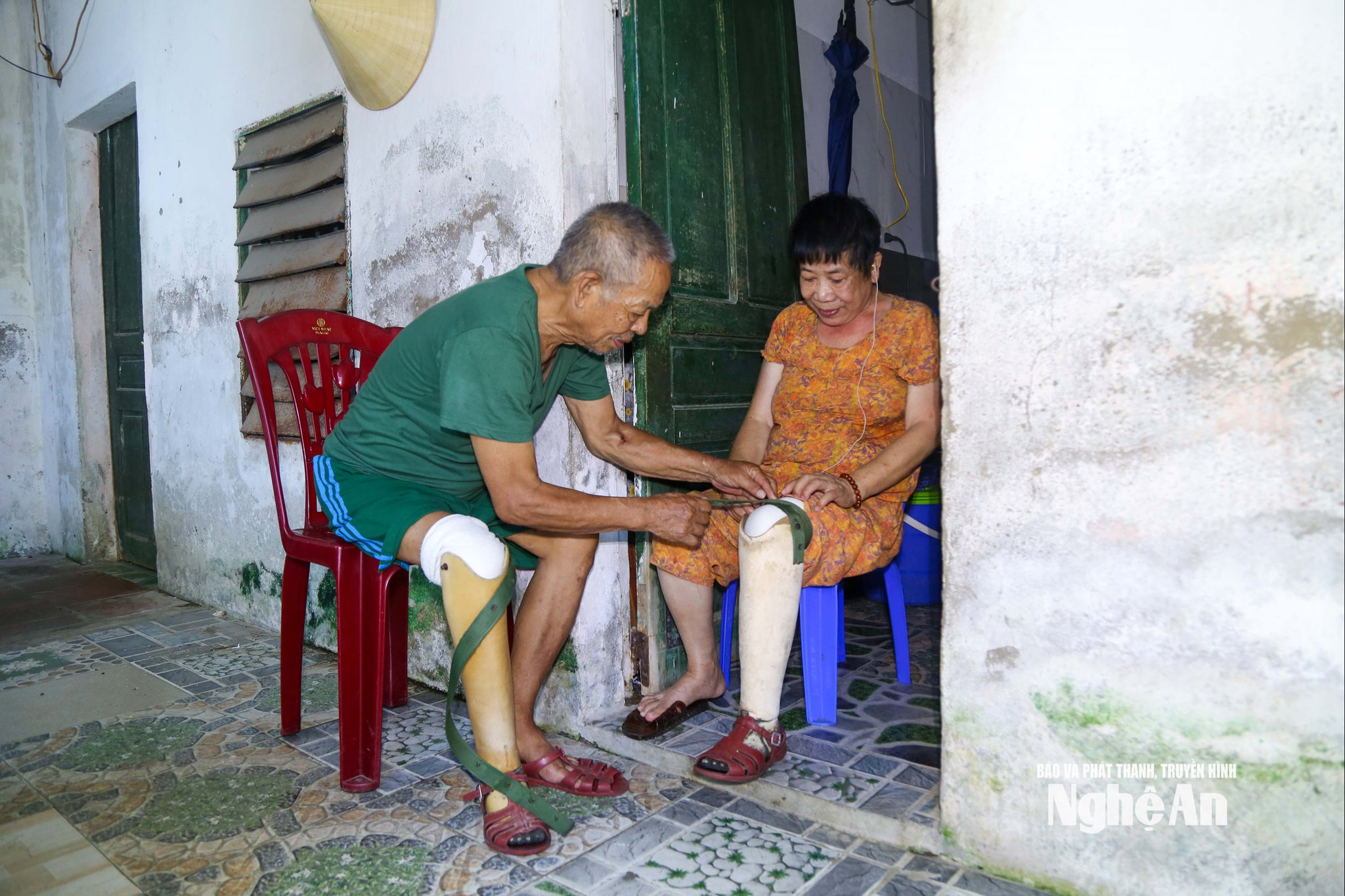
In the small rented room of Mr. Thin and Mrs. Long, love is no longer a youthful promise, but a quiet care after each dialysis session, a hand to hold when the other person is unsteady on their feet.
In the "dialysis village," life is not only sustained by medicine, machines, or dialysis treatments. Life is also sustained by compassion: an elderly husband staying up all night fanning his wife during the hot night, a frail wife helping her husband to the hospital, or people quietly repairing bicycles, fixing fans, and carrying neighbors to the hospital for emergency treatment during storms.
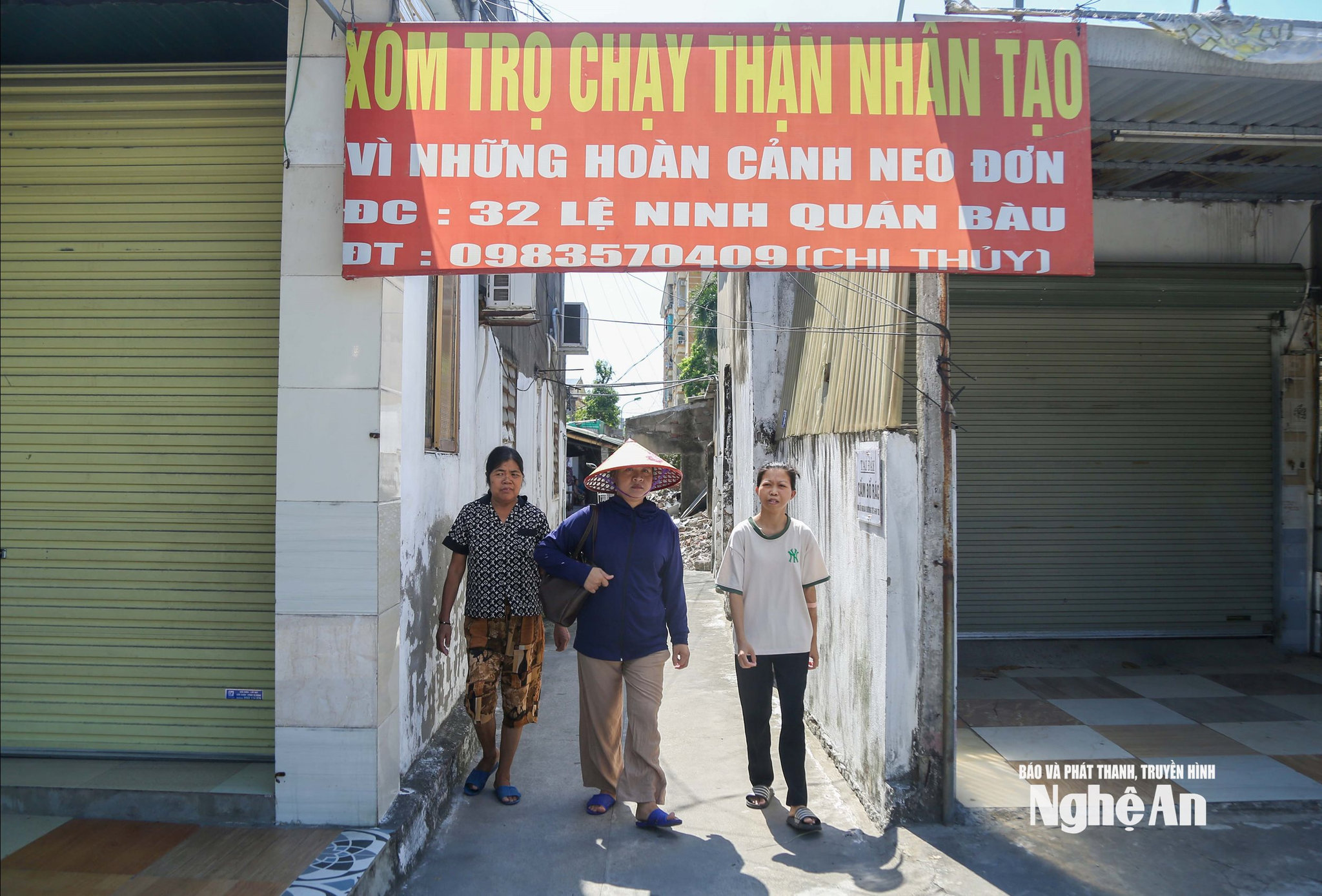
Illness can drain a person's strength, poverty can make life even more difficult, but the people in the "dialysis neighborhood" still have each other. Spouses rely on each other, neighbors help out, and these less fortunate individuals warm each other's hearts with compassion and sharing...


