
Food poisoning after eating bread in Ho Chi Minh City: 235 people hospitalized, investigation into cause and responsibility of the vendor.
A food poisoning incident following the consumption of bread in Ho Chi Minh City has resulted in 235 people being hospitalized. Authorities are investigating the cause and considering the responsibility of the owner of the establishment involved.
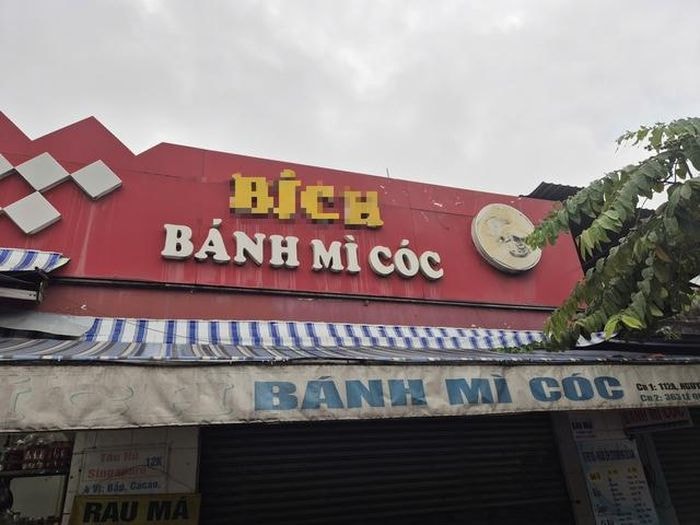
As of the morning of November 10th, Ho Chi Minh City recorded 235 cases of food poisoning after eating bread at Co B.'s Banh Mi Coc shop – branch 1 Nguyen Thai Son (Hanh Thong ward) and branch 2 Le Quang Dinh (Binh Loi Trung ward).
Patients were transferred to 13 hospitals in the area, with 96 currently receiving inpatient treatment. Many cases exhibited symptoms such as diarrhea, vomiting, and high fever, requiring intravenous fluids and special care.
Military Hospital 175 received the highest number of cases with 131 food poisoning incidents after eating bread, of which 23 are currently receiving inpatient treatment.
Gia Dinh People's Hospital has 52 cases, with 1 patient testing positive for Salmonella, a common cause of food poisoning.
In addition, many other hospitals such as Tam Anh, My Duc Tan Binh, Becamex, and Trung My Tay also received similar cases, including pregnant women and young children.
Two bakeries have been temporarily closed, and all ingredients have been sealed for testing.
Initial findings: suspected Salmonella infection causing food poisoning.
According to data from hospitals, the majority of patients who suffered food poisoning after eating bread showed symptoms of intestinal infection, suspected to be caused by Salmonella.
The Ho Chi Minh City Department of Health has reported the incident to the City People's Committee and the Ministry of Health, and has instructed hospitals to classify and treat patients according to food poisoning protocols.
The Ho Chi Minh City Food Safety Department is also coordinating with relevant authorities to investigate the origin of raw materials, processing methods, storage, and transportation of bread at the establishment.
Ms. B's Banh Mi Coc (Vietnamese sandwich) shop has been registered since 2020 and has a food safety knowledge certificate from 2017. However, according to the Food Safety Law, production and business establishments are responsible for ensuring safety throughout the entire process of sourcing raw materials, processing, preserving, and selling their products.
In the event of food poisoning after eating bread, the business owner is held responsible for violations of hygiene procedures or substandard storage, even if they have all the necessary business licenses.
With this large-scale food poisoning incident following the consumption of bread, the business owner could face penalties at three levels: administrative, criminal, and civil. If the processing, storage, or bacterial control procedures violated food safety regulations, the establishment could face administrative penalties, license revocation, or closure.
In cases of serious consequences, such as multiple hospitalizations or deaths, the establishment owner may be held criminally liable under Article 317 of the Penal Code for violating food safety regulations.
Regarding civil liability, those who suffered food poisoning after eating bread have the right to claim compensation for damages under the Civil Code and the Law on Consumer Rights Protection.
The compensation includes medical expenses, hospital fees, medication, lost income during treatment, and emotional distress. The maximum compensation can be up to 50 times the basic salary if the two parties cannot reach an agreement.
Consumers should retain bread purchase receipts, medical records, and hospital bill receipts as evidence for claiming compensation.
If the investigation determines that the cause of food poisoning after eating bread is due to contaminated raw materials (such as Vietnamese sausage, pâté, raw vegetables, etc.), the business owner is still responsible for compensating the customer first, and then has the right to request the supplier to reimburse the corresponding amount of the damage.
Health authorities are currently continuing their investigation to determine the exact cause and will take appropriate legal action.


