
US Secretary of State unexpectedly cancels meeting at the last minute; Europe worries the Ukraine peace process lacks substance?
On the sidelines of the 62nd Munich Security Conference (MSC), the unexpected absence of US Secretary of State Marco Rubio from the meeting, which followed the "Berlin format," caught European allies off guard. This move raised concerns about a lack of coordination between Washington and Brussels in their efforts to negotiate a peace settlement for Ukraine.
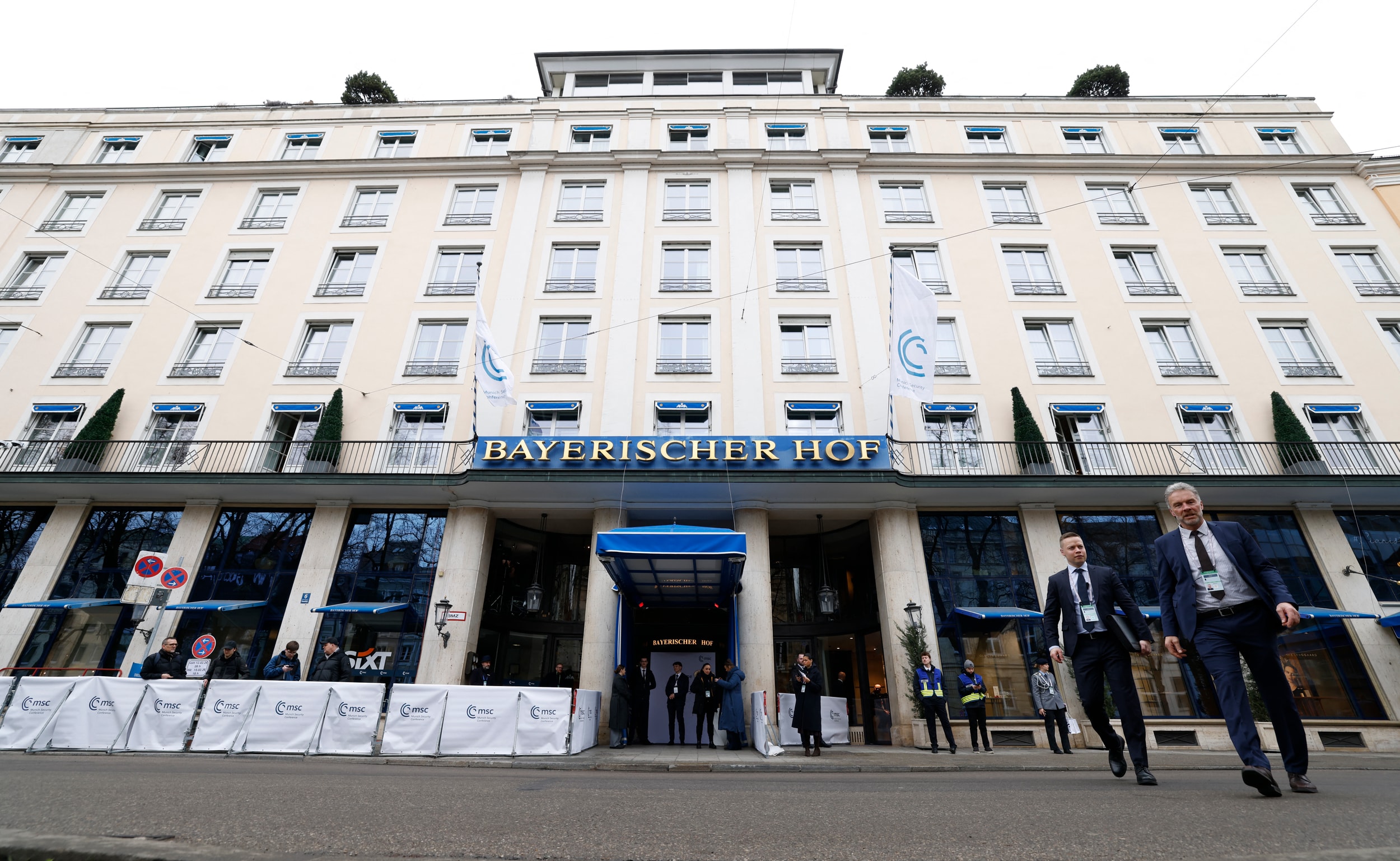
A "cold shower" in Munich.
According to the Financial Times, US Secretary of State Marco Rubio canceled his attendance at a meeting on Ukraine at the last minute, citing "conflicting schedules."
This was a crucial meeting, held on February 13th (local time) in the Berlin format, bringing together key European leaders to unify their positions ahead of upcoming rounds of negotiations.
The meeting was attended by French President Emmanuel Macron, German Chancellor Friedrich Merz, along with leaders of the European Commission (EC), the European Council (EC), and the NATO Secretary General. The goal of the European leadership group was to integrate the vision of a "fair peace agreement" into the US-led negotiation process.
However, the absence of the US Secretary of State created tension at the meeting. An unnamed European official told reporters that the last-minute cancellation was "puzzling," while another source bluntly stated that without Rubio, the entire meeting lacked substance.
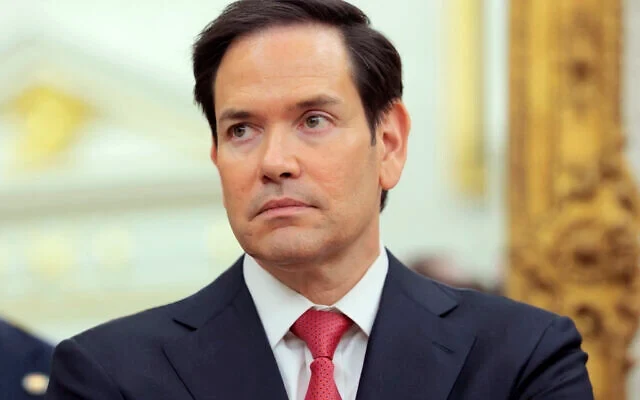
Signs of rifts or "America First"?
Although the US explained that this was merely a scheduling issue and affirmed that Rubio would still deliver a speech at the conference on the morning of February 14th, as well as discuss the Russia-Ukraine issue in other bilateral meetings, observers still question Washington's level of priority for traditional multilateral forums.
This is not the first time senior US administration officials have skipped meetings with European allies. Previously, Secretary of State Rubio was absent from the NATO foreign ministers' meeting in December 2025 without giving an official reason.
Similarly, US Defense Secretary Pete Hegseth did not attend the defense ministers' meeting at NATO headquarters in Brussels last week.
Marco Rubio has repeatedly emphasized the importance of prioritizing U.S. national interests and avoiding wasteful spending, rather than "catering" to views he deems inappropriate. He also announced he will not attend the G20 meeting in South Africa later this month.
Europe fears being marginalized.
The current situation is putting Europe in a difficult position. The Kremlin, through spokesman Dmitry Peskov, has just announced that the next round of trilateral talks between Russia, the US, and Ukraine will take place in Switzerland on February 17 and 18.
Faced with pressure to be isolated from crucial US-mediated discussions, some EU leaders have called for a re-establishment of diplomatic engagement with Russia.
Meanwhile, EU High Representative for Foreign Policy Kaja Kallas said Brussels was drafting its own demands for Moscow and insisted it would not accept any agreement if European conditions were not met.
On the Russian side, Foreign Minister Sergey Lavrov accused Kyiv and European countries of trying to undermine the Washington-led peace efforts. Moscow has also repeatedly stated that it will not be pressured to sign an agreement that undermines national security or serves merely as a pause for Ukraine to rearm.
The divergence between the US and its European allies in Munich is creating unpredictable variables for the upcoming peace conference in Switzerland.
In other developments, speaking at the Munich Security Conference on February 13, French President Emmanuel Macron delivered a strong message, calling for the continent to be "bold" in reshaping its position on the international stage.
According to Reuters,Macron acknowledged that geopolitics is "not in Europe's DNA," but insisted that this is a time for change. Europe needs to move away from short-term thinking and focus on long-term strategies, including building its own long-range strike capabilities, rather than relying entirely on an external security umbrella.
The French leader argued that the current security structure – designed during the Cold War – is no longer adequate. A key point was the proposal to integrate France's nuclear deterrence capabilities into Europe's common defense system.
Macron revealed that he is holding strategic dialogues with German Chancellor Friedrich Merz and his British counterparts.
Later this month, the French president is expected to deliver a detailed speech on the new nuclear doctrine, clarifying how France's arsenal can protect the bloc's common interests while remaining compliant with the country's constitution.
Amidst ongoing negotiations, Macron warned Europe against compromising with Russia's demands. He argued that even if an agreement is reached on Ukraine, Europe will still face a hardline Russia. Therefore, a short-term deal that fails to address core issues would be a strategic mistake.
Besides military matters, Macron also emphasized the need for Europe to be more decisive in the fight against fake news and the negative aspects of social media – factors that are undermining Western democracy from within.
"This is a time for boldness. It's time for a strong Europe. We must start thinking in our own interests," - French President Emmanuel Macron.


