
Fishermen in Nghe An province are in the season for catching scad fish.
As the year draws to a close, the weather turns cold after a series of warm, sunny days, and the season for scad fish – a winter delicacy of the Nghe An coastal region – begins. Fishermen are delighted with the bountiful harvest and high prices, resulting in a good income from each fishing trip.
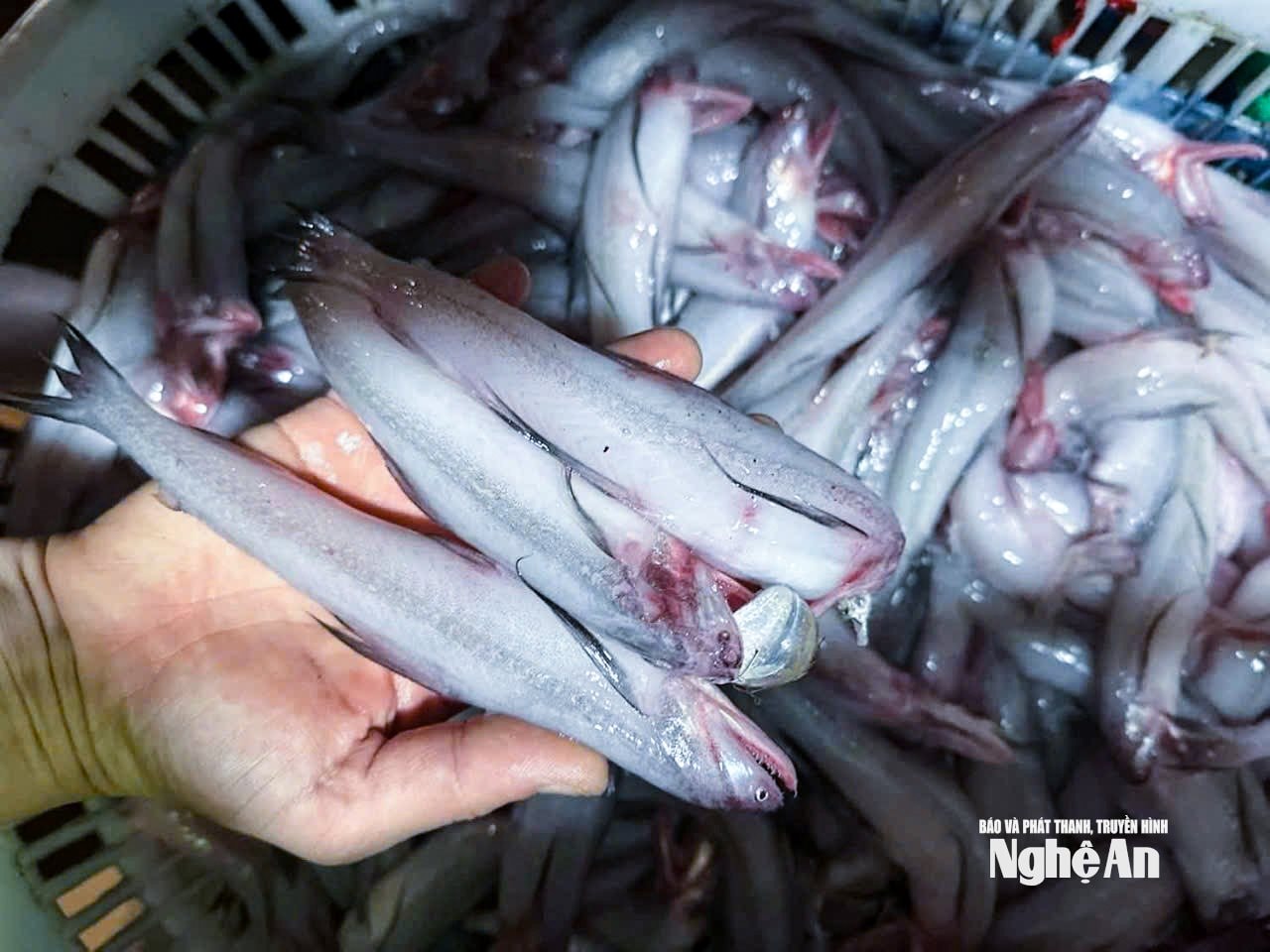
Fresh catfish is in high demand.
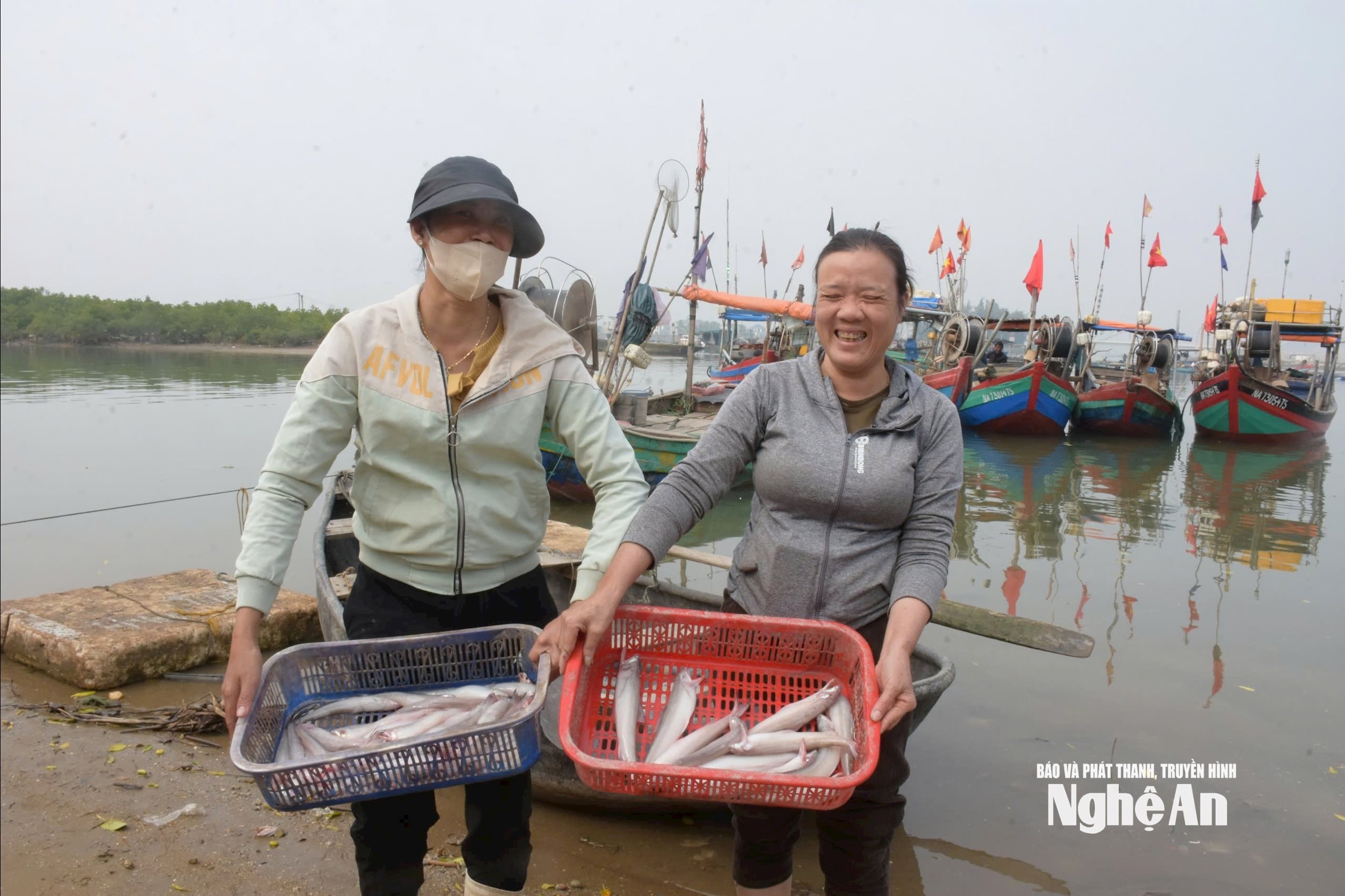
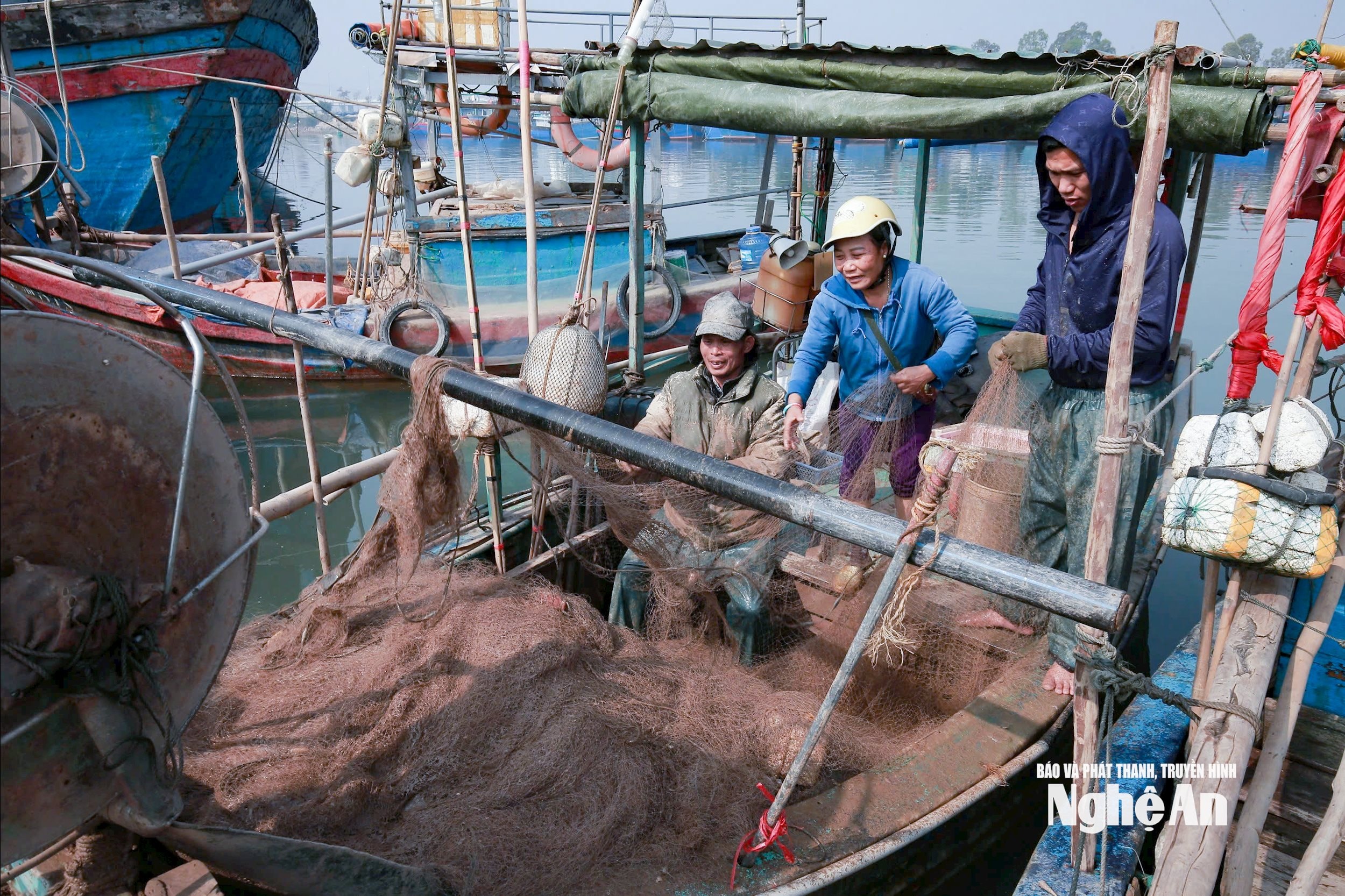
From around 7 a.m., the atmosphere at the estuaries and fishing ports in Cua Lo, Dien Chau, Tan Mai, etc., is bustling with activity. After a long period of sunshine, the weather has turned colder in recent days, with slightly rough seas, creating ideal conditions for more scad fish to appear. Taking advantage of the early season's "bounty from the sea," fishermen set out to sea from dawn, casting their nets a few nautical miles from shore, hoping for a bountiful catch.
Fisherman Nguyen Van Quyen from Cua Lo ward said: “These days, the scad fish season is starting. This species usually lives 3-10 nautical miles from the shore, at a depth of about 20-60 meters. After about 5 hours of casting nets, my boat caught more than 6 kg of scad fish, selling them at the dock and earning about 1.5 million VND. Compared to many other seafood species, scad fish at the beginning of the season fetch a good price and are easy to sell.”
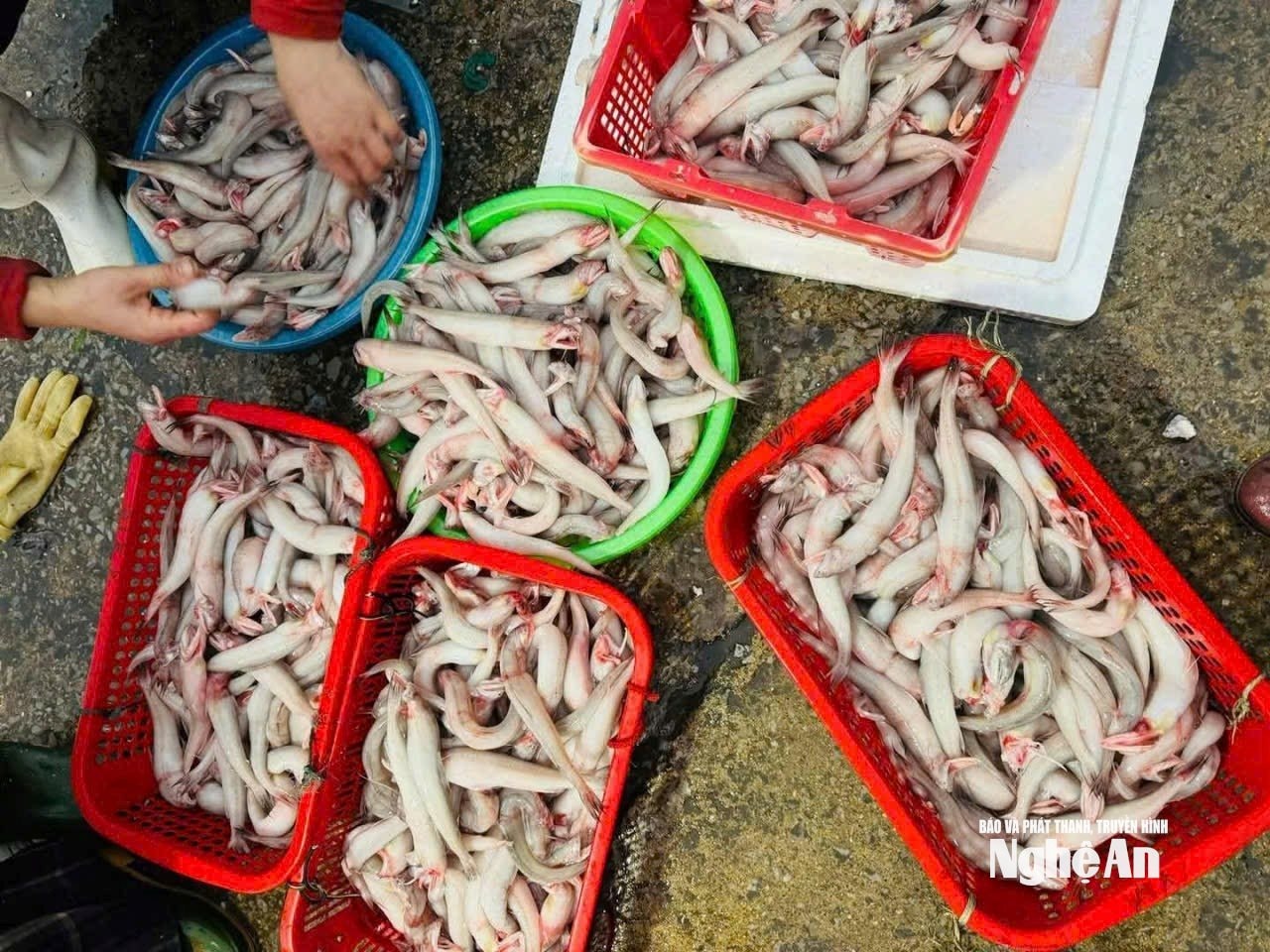
The soft-bodied, milky white catfish, with its subtly sweet taste, is a familiar ingredient in many rustic yet refined dishes such as catfish soup with mustard greens and chili, catfish braised with Vietnamese coriander, or catfish hotpot on cold days. Although fishing is heavily dependent on the weather and going out to sea in winter is quite arduous, the fishermen are still happy because they earn a decent income. On average, each small boat can earn 2-3 million VND per trip; on favorable days, the figure can be even higher.
According to experienced fishermen, the season for scad fish lasts only from the end of the lunar year until the end of March of the following year. The peak time for the fish is usually after warm, sunny days, when the weather suddenly turns cold. Scad fish are mainly caught using small boats, with only one person per trip, setting sail around 2 AM and returning to shore at 8 AM, suitable for near-shore fishing with low costs.

In the waters off Dien Chau, scad fish are caught in offshore fishing grounds, with boats returning to shore within a day. The price of fresh fish ranges from 120,000 to 250,000 VND/kg, depending on size and classification. Fisherman Tran Van Canh, from Quyet Thang hamlet, Dien Chau commune, shared: "During the scad season, each fishing trip brings in a good income. As soon as the boats dock, traders are already waiting to buy, sometimes even competing to get the catch."
Not only is it favored for its freshness, but Nghe An's catfish is also highly valued by culinary experts due to its unique natural conditions. The sea area here has a moderate depth, a not-too-high dissolved salt content, and a system of ocean currents carrying abundant plankton, a natural food source for the fish. These factors create a tender texture and a distinctive sweet flavor, different from catfish from many other sea areas. In this context, the first catfish harvest of the season is expected to contribute to improving the income of coastal fishermen after a year of many fluctuations. However, while joy was still spreading at the fishing ports, unexpected unfavorable news emerged in the market, leading to significant repercussions.
The market is cautious, prioritizing catfish with a clear origin.
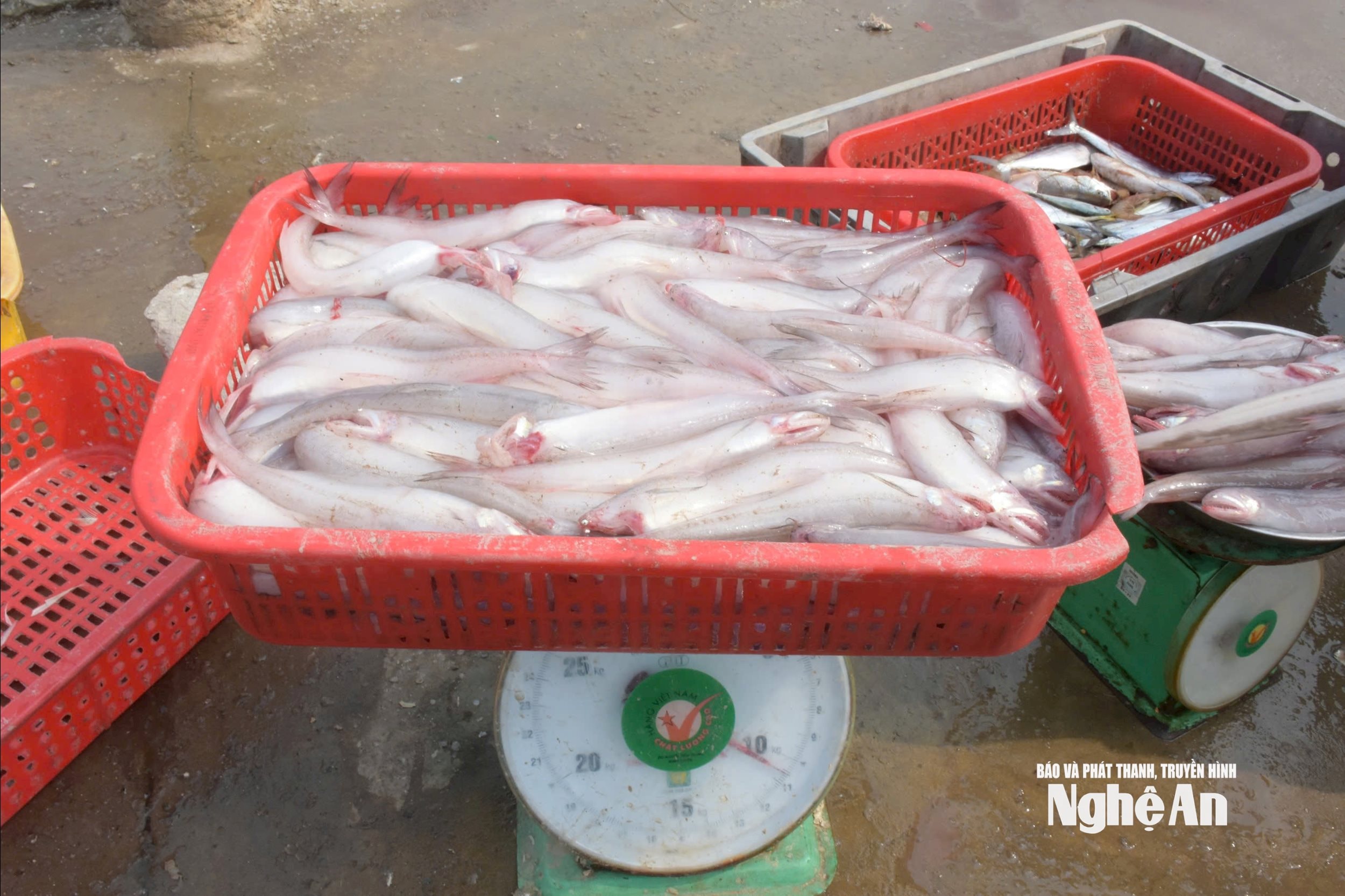
Recently, the Economic Police Department of Thanh Hoa Provincial Police announced that, in coordination with the Traffic Police, they inspected and seized a tractor-trailer transporting a large quantity of frozen catfish, seriously violating food safety regulations. Upon inspection, authorities discovered 271 boxes of ice-packed catfish, totaling over 7 tons. Further investigation revealed that the total amount of catfish imported from China through the Huu Nghi International Border Gate reached nearly 9.7 tons, intended for distribution to various outlets along National Highway 1A, from Thanh Hoa to Binh Dinh.
Test results from the National Institute of Food Safety and Hygiene Testing show that all samples of scad fish contained formaldehyde levels ranging from 90-105 mg/kg. This substance is absolutely prohibited in food processing and preservation due to its high toxicity, which can cause serious harm to human health when ingested through the digestive or respiratory systems.
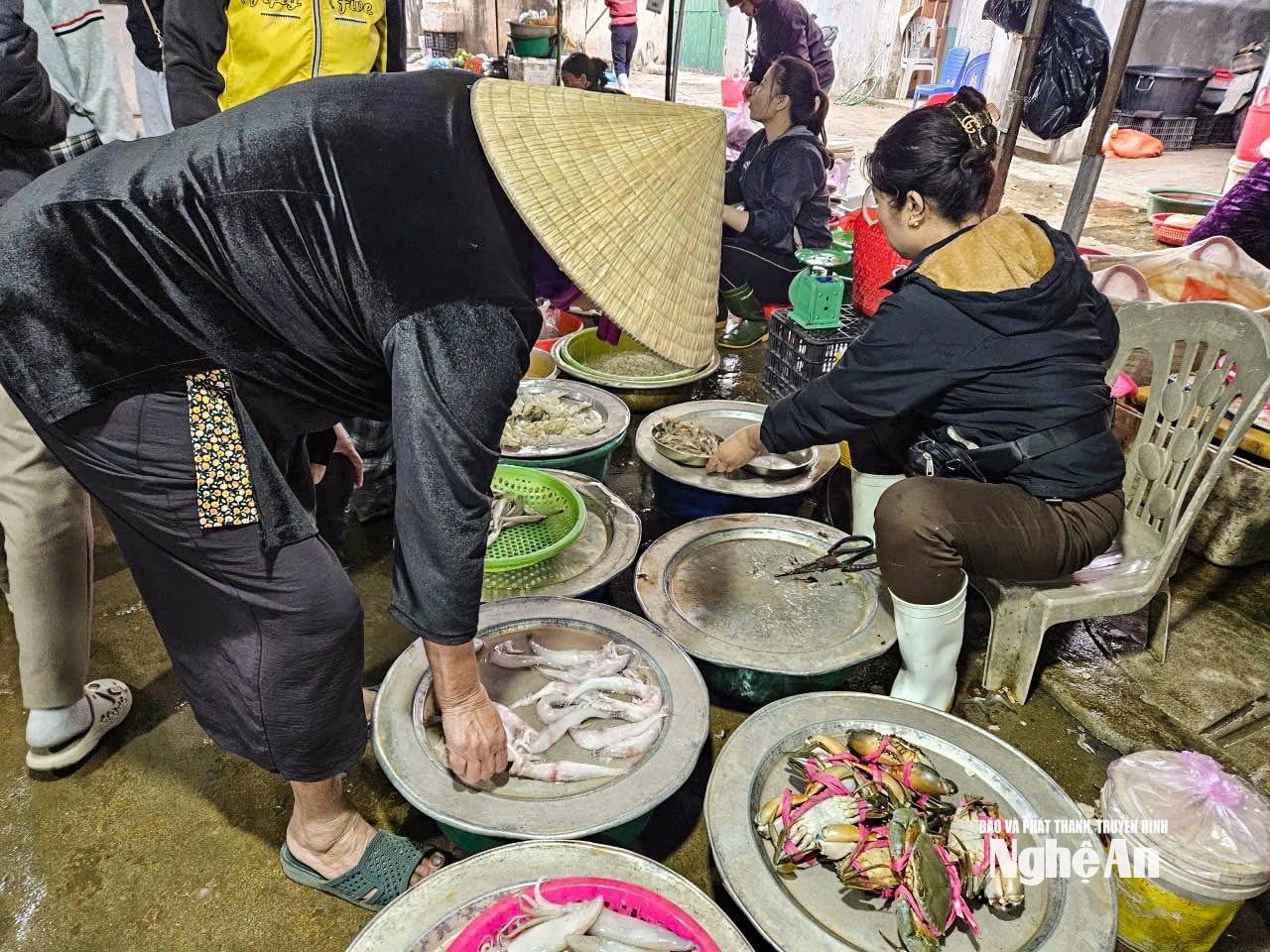
At local markets, many consumers are showing more caution towards this once-familiar specialty. Ms. Pham My Ha, residing on An Duong Vuong Street, Truong Vinh Ward, shared: “Catfish is a favorite dish of my family, especially on cold days. On average, I buy 2-3 kg per week to cook in hot pot. But when I heard that the fish was preserved with formaldehyde, I was really worried about the health of my whole family. Now I only dare to go to the docks in Cua Lo and Cua Hoi to buy fish when the fishermen are unloading their nets; only by seeing it with my own eyes can I feel safe.”
Observations at several major markets in Nghe An province show that the consumption of catfish has decreased in the first few days following the announcement.
According to vendors, the fish sold at the market is mostly seasonal, only imported when local fishermen have a bumper catch. The majority of the fish comes from Cua Lo, Dien Chau, or Ha Tinh. “We prioritize fresh fish, preserved properly, and don’t go for the cheapest option. Sellers also face just as much psychological pressure as buyers, because even a single piece of bad news can affect the entire stall,” said Mrs. Hien.
Currently, naturally caught catfish in Nghe An are being sold at prices ranging from 150,000 to 300,000 VND/kg, significantly higher than cheaper imported catfish. However, this price difference has caused considerable concern among consumers. Traders advise buyers against being tempted by low prices and choosing fish that appear "too perfect." Naturally caught catfish usually have soft, easily broken bodies and a distinctive seafood smell; while fish preserved with formaldehyde look very fresh, have an unusually bright white color, a firm body, and little odor.
Formaldehyde is a toxic substance commonly used in the textile industry, paper manufacturing, household materials, or in medical laboratories for sample preservation. It is strictly prohibited in food preservation. Using formaldehyde to preserve fish to extend its freshness is a serious violation and poses a significant risk to public health. Experts say that inhaled formaldehyde can cause rhinitis, bronchitis, and pulmonary edema; and ingested formaldehyde can cause acute gastritis, enteritis, and damage to the excretory system. More dangerously, long-term accumulation in the body can increase the risk of cancer, cause skin irritation, and lead to respiratory and digestive disorders.


