
A ceasefire in the Middle East: Does China hold the key?
Pakistan is receiving international praise for successfully brokering a ceasefire in the Middle East. However, officials reveal that China's quiet role behind the scenes was actually the key factor in saving the negotiations at the last minute.
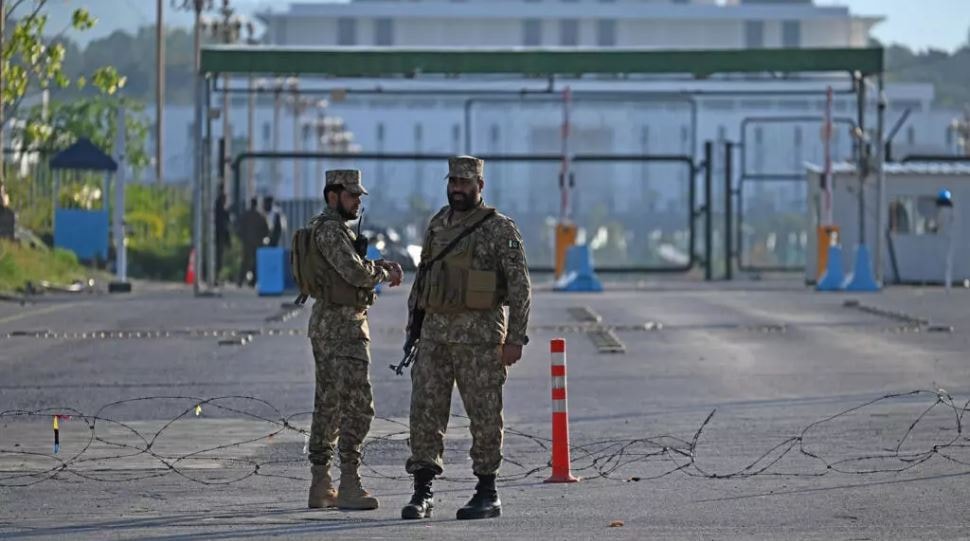
The quiet role in the Middle East ceasefire agreement.
Pakistan has received international praise for its role in the Middle East ceasefire, however temporary, it has played. However, Pakistani officials say China's quieter role has now proven crucial to achieving the agreement, which seemed on the verge of collapse on the night of April 7th.
"On the night of the ceasefire, hope was dwindling. But China intervened and persuaded Iran to agree to a preliminary ceasefire," a senior Pakistani official familiar with the negotiations told AFP.
The anonymous source added: "Although our efforts were central, we were unable to create a breakthrough. This was ultimately only achieved after Beijing convinced the Iranians."
This assessment perfectly aligns with President Donald Trump's statement. Immediately after announcing the ceasefire agreement on social media, Trump told AFP that China was key to bringing Iran to the negotiating table.
The upcoming talks have sparked a faint glimmer of hope for an end to the war. This conflict has killed thousands and shaken the global economy since Israel and the US launched airstrikes on February 28th. Furthermore, it has triggered Iranian retaliation in the Gulf region and Israeli cities.
Pakistan sets up negotiating table, world looks to Beijing.
Pakistan – a country with deep cultural and religious ties to its neighbor Iran and whose leaders maintain close personal relationships with President Donald Trump – will now play a coordinating role between Washington and Tehran.
To reach a lasting agreement, Pakistan will have to lead the opposing sides through thorny obstacles, including the opening of the strategic Strait of Hormuz and Iran's nuclear program.
An AFP diplomatic source revealed: "Pakistan has established a group of experts to assist both sides in negotiations on maritime, nuclear, and related issues." This source, along with several experts and former officials, stated that when Pakistan set up the negotiating table, all attention was focused on China's role.
"China was asked to act as a guarantor. Iran, on the other hand, wanted a guarantor," the source emphasized.
The main alternative is Russia. However, the West and the European Union do not approve. This means that China is in the "perfect position".
A strong and unwavering neighborly bond.
Beijing has extremely close ties with both Islamabad and Tehran. China has consistently been Iran's largest trading partner throughout the years the country has struggled under US-led sanctions.
At the same time, China has also poured billions of dollars into infrastructure projects in Pakistan under President Xi Jinping's "Belt and Road" Initiative. The two governments frequently refer to each other as "iron brothers."
Former Senator Mushahid Hussain Sayed, former head of the Pakistani Senate's Defence and Foreign Affairs Committee, stated: "As close partners and neighbors, Pakistan and China have worked closely together from day one to end the hostilities."
He added: "China's role is indispensable in finalizing any peace agreement, as a guarantor, given the fact that Iran doesn't place much faith in the 'Trump-Nenetna' duo'."
Following the Pakistani Foreign Minister's visit to Beijing last month, China declared its support for Islamabad's reconciliation efforts.
Subsequently, Beijing initiated talks to help de-escalate the escalating armed conflict between Pakistan and Afghanistan. They organized a meeting between officials from both countries in Urumqi (China), following weeks of fighting.
Hours before the ceasefire took effect on April 7, China and Russia also took a significant step: vetoing a UN Security Council resolution on reopening the Strait of Hormuz. This move stemmed from their perceived bias in the resolution and reflected escalating tensions and deep disagreements among the major powers regarding the regional situation.
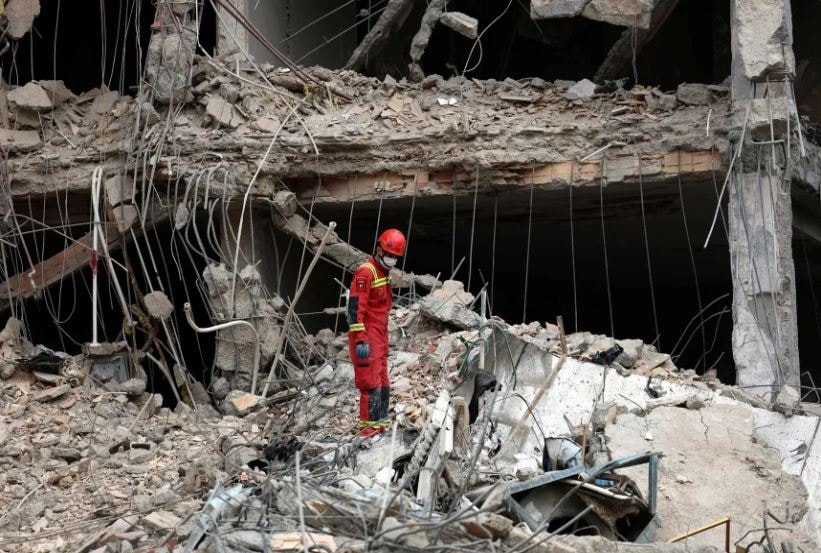
A tough battle lies ahead.
In its peace-building efforts, China is not seeking public attention. It is simply reiterating its position that it is playing a mediating role and encouraging an end to hostilities.
According to a spokesperson for the Chinese Foreign Ministry, Foreign Minister Wang Yi held 26 telephone conversations with his counterparts from the countries involved, while Beijing's Middle East envoy "traveled back and forth" throughout the war-torn region.
Analysts and officials believe that the prospect of China publicly stepping into the role of official guarantor in the coming weeks remains highly uncertain.
Referring to Beijing's firm role behind the scenes, the diplomatic source told AFP: "They have their own calculations and do not want to be publicly drawn into this conflict."
The negotiations are facing a tough battle to resolve the vast differences in the parties' positions. A major sticking point currently is the issue of Lebanon. While the Pakistani and Iranian prime ministers are adamant about including Lebanon in the ceasefire agreement, Israel vehemently rejects it.
Nevertheless, the US announced it would hold separate talks in Washington next week between Israeli and Lebanese officials.
"The negotiations are very complex and sensitive... To reach a consensus, all parties will have to make significant concessions and compromises," an AFP source said.


