
People in Nghe An light fires to keep warm in the freezing weather.
(Baonghean.vn) - Affected by the verstärkte cold front, temperatures in Vinh City have dropped sharply, impacting people's work and daily lives, with many having to light fires to keep warm.
 |
These days, Nghe An province in general and Vinh City in particular are experiencing the coldest spell of the season so far. According to the National Center for Meteorological and Hydrological Forecasting, on the night of December 17th, a reinforced cold front swept down to the North Central and Central Central regions. The lowest temperatures in the plains and coastal areas of the Northern and North Central regions are generally between 8-11 degrees Celsius; in the mountainous and midland areas of the Northern region, temperatures are generally between 3-7 degrees Celsius, with some high mountainous areas experiencing temperatures below 0 degrees Celsius. People in Vinh City have to wear multiple layers of clothing to protect their health when going out. Photo: NC |
 |
On the morning of December 18th, despite the lack of rain, many people had to wear raincoats to protect themselves from the cold wind as they continued their work on the roads. Photo: NC |
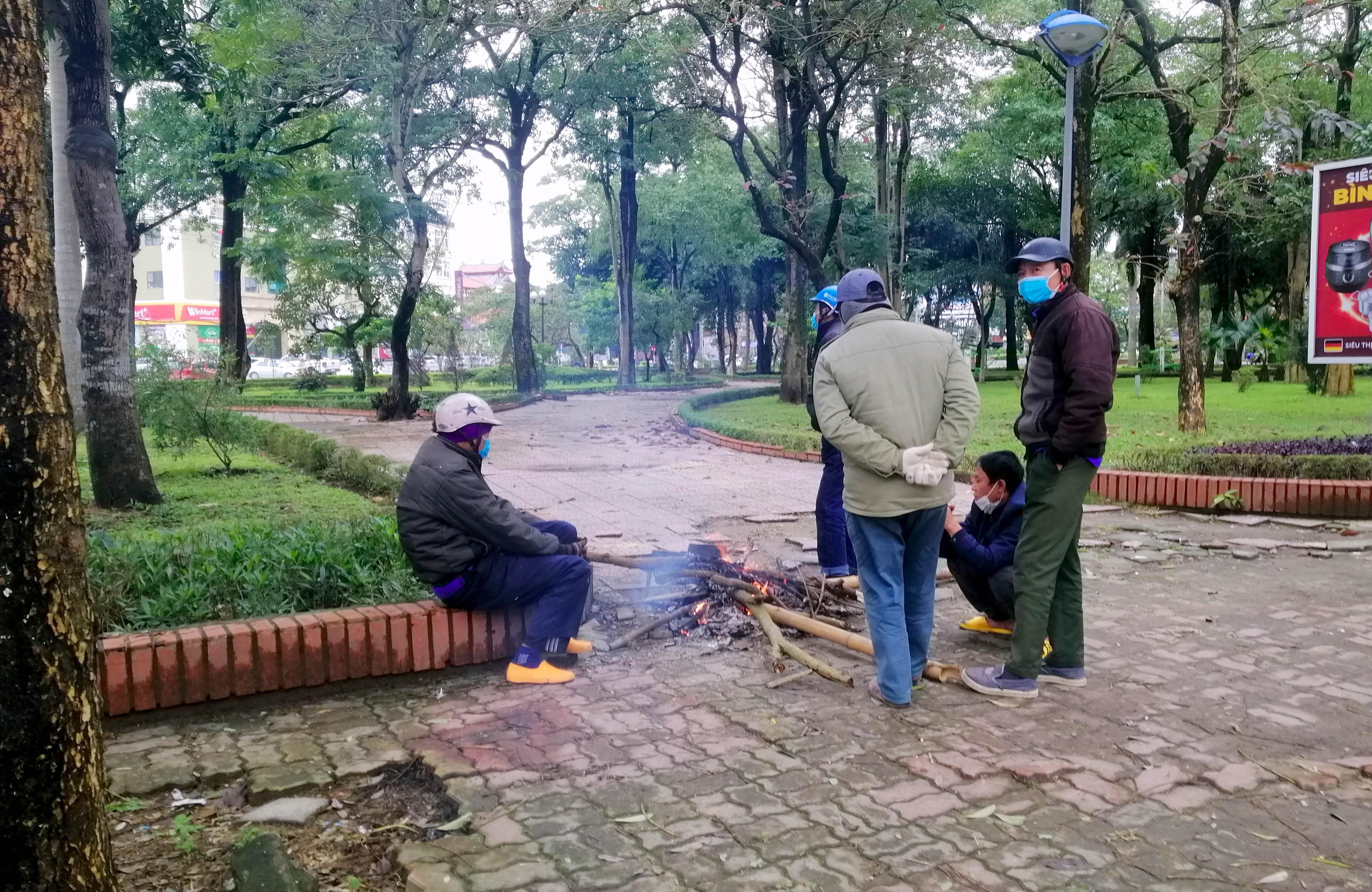 |
Along the streets and in parks throughout the city, it's easy to spot people lighting fires to keep warm, especially those working as laborers who often have to wait for work in the freezing weather. Photo: NC |
 |
Freelance workers in Vinh City have to wear multiple layers of clothing and light fires to keep warm while waiting for work. Because it's the end of the year, everyone is enduring the freezing weather in the hope of earning some extra income for the upcoming Tet holiday. (Photo: NC) |
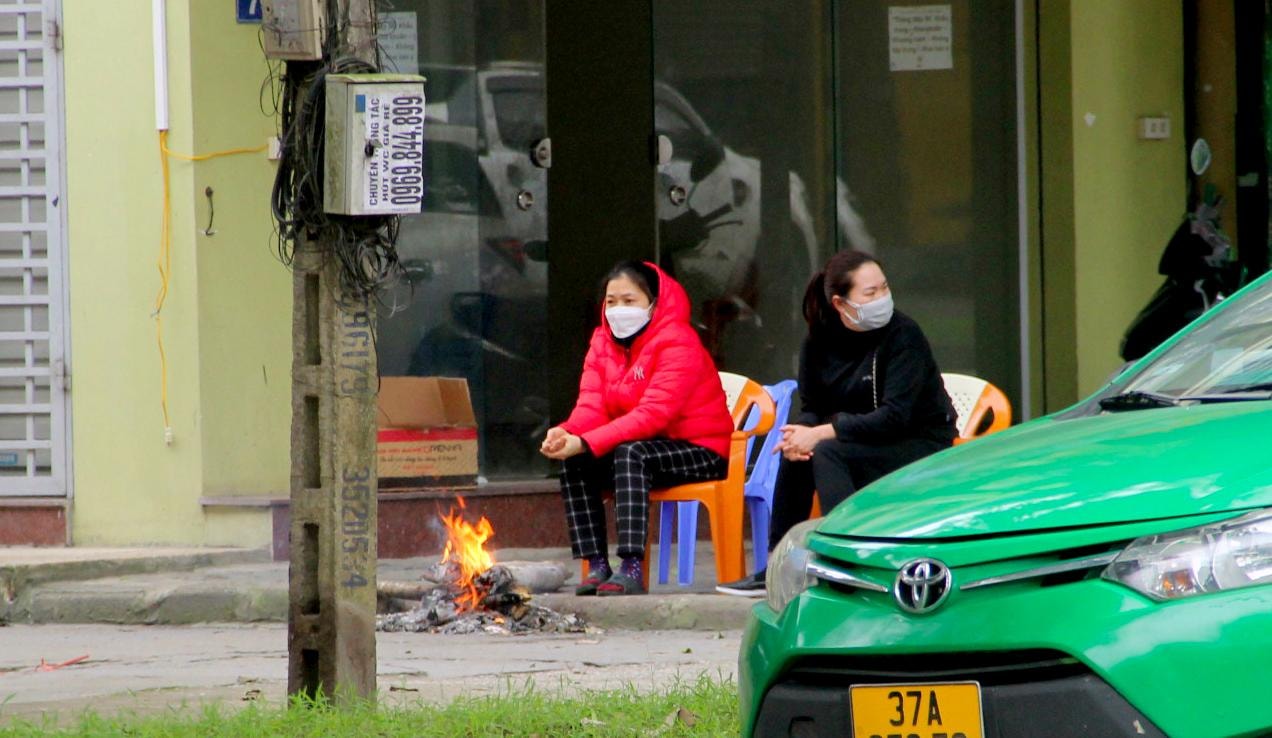 |
Images of people lighting fires to warm themselves on the sidewalks are common on many streets. Photo: NC |
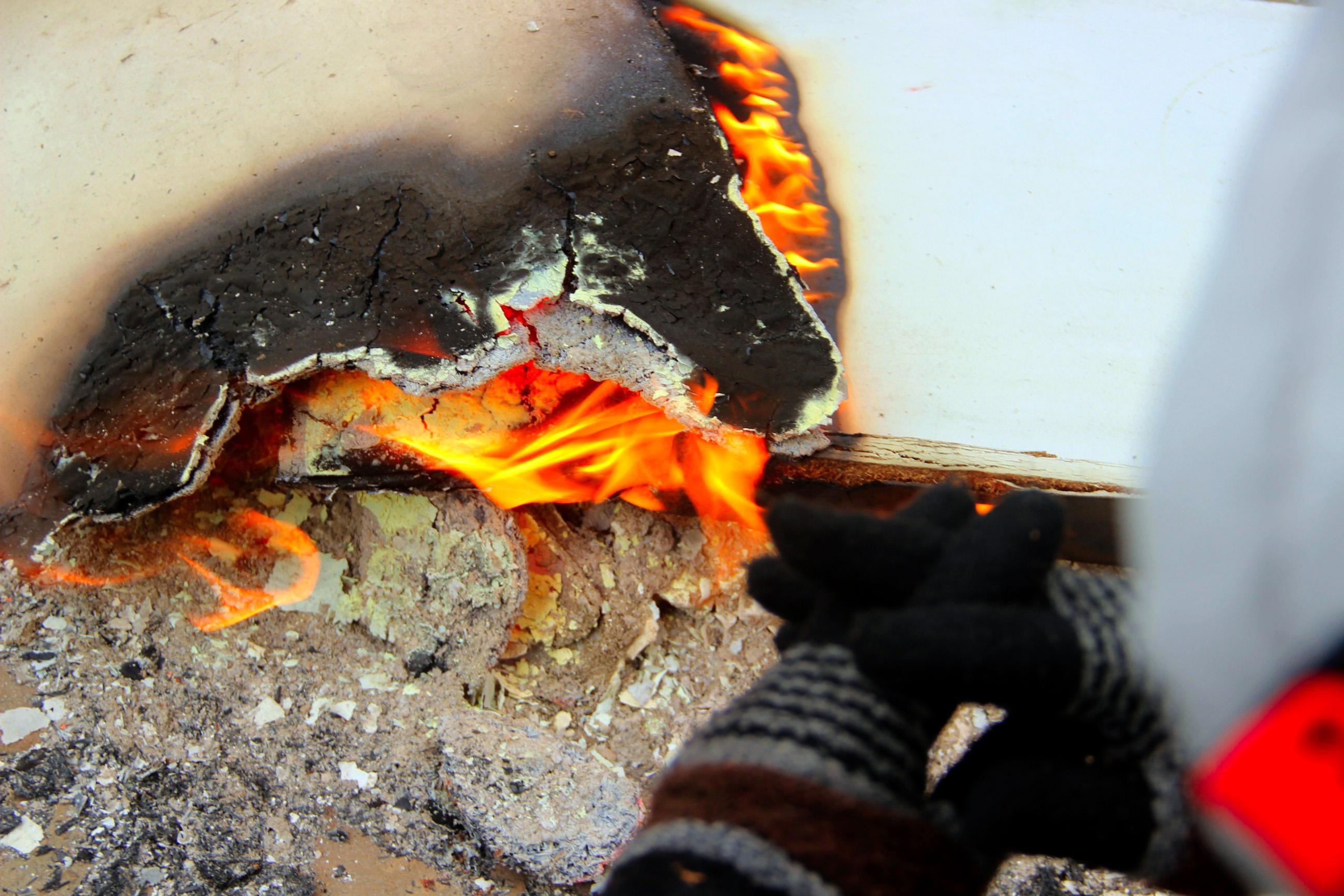 |
According to forecasts, from the night of December 17th to 19th, the North Central region will experience severe cold weather; therefore, people need to prepare heating equipment and proactively protect their livestock from the cold to ensure safety. Photo: NC |


