
People in Quynh Phu commune are struggling to find water for daily use.
As a coastal commune with groundwater primarily contaminated by salinity and alum, thousands of households in Quynh Phu commune have struggled with the problem of clean water for many years.
Struggling to find clean water sources.
Quynh Phu commune was formed by merging four former administrative units: Van Hai, Thuan Long, Phu Nghia, and An Hoa communes. Due to its geographical location near the sea, and the severe impact of saltwater intrusion, the people's water supply has long relied primarily on rainwater, dug wells, and drilled wells.
However, most of these natural water sources do not meet standards. Pumped water often tastes brackish, is contaminated with salt, and contains alum and sediment, posing many potential health risks if used long-term.
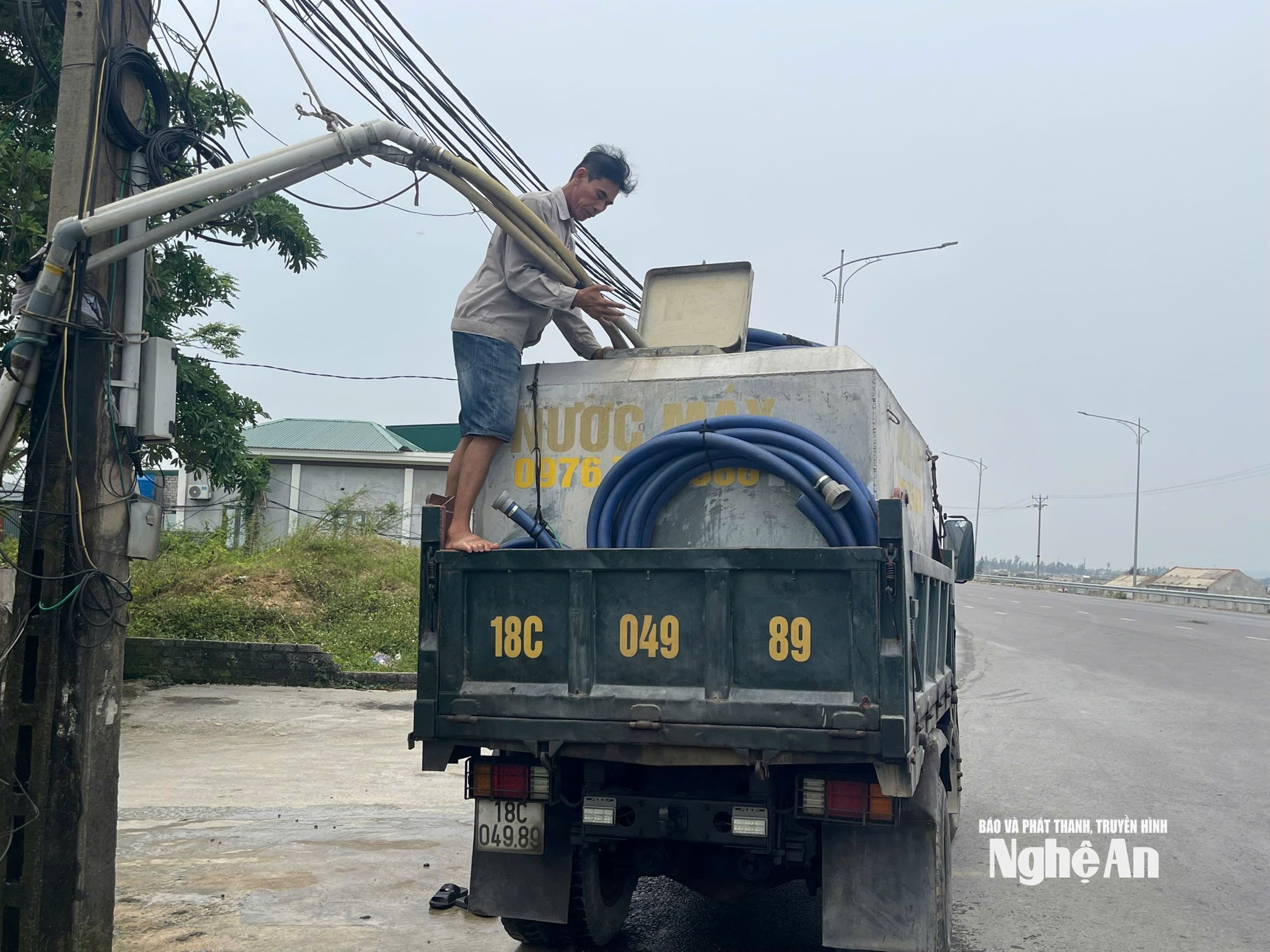
In Duc Long village, the severe and long-standing problem of clean water shortage is evident. Mr. Tran Xuan Dung, a local resident, shared that most households have to endure using saline well water for daily bathing and washing, while for cooking or drinking, they are forced to ration and buy water from households with less saline water sources in the surrounding area.
"We residents just hope to have a stable clean water supply soon so we no longer have to live in constant anxiety due to water shortages like we do now. Constantly using water contaminated with salt and alum like this, everyone is worried about developing skin or intestinal diseases," Mr. Dung expressed his concern.
Sharing the same concern, Mr. Pham Minh Tuan, head of Duc Long village, said that the village currently has about 1,100 inhabitants, but in reality, only 6-7 households at the foot of the mountain have access to freshwater. Most residents have to buy a 3-cubic-meter water tank.3At a price of 150,000 VND, this is a significant financial burden for farmers in coastal areas, forcing them to use every drop of water sparingly.
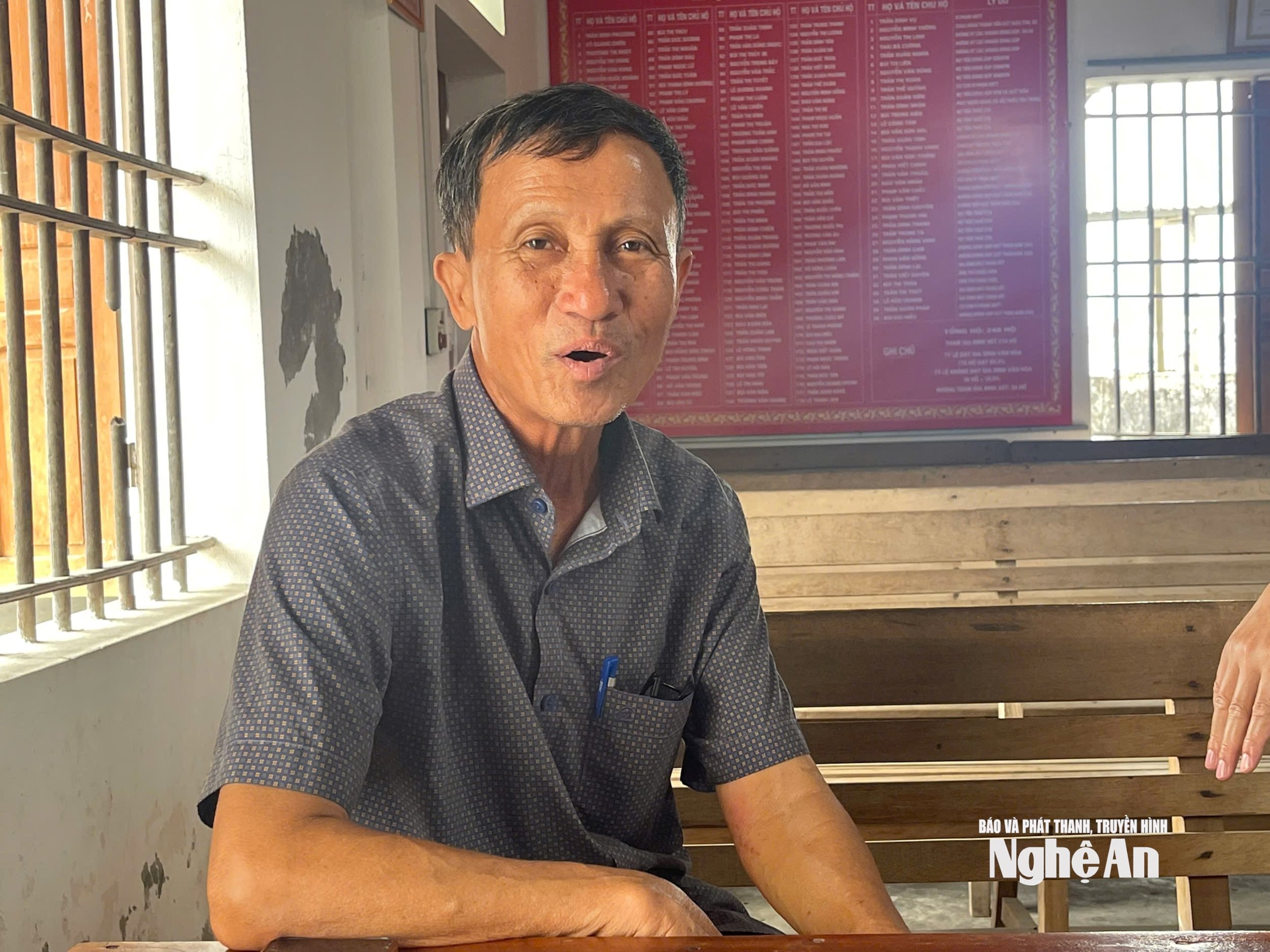
Notably, more than 10 years ago, each household contributed 2-3 million VND to invest in a water pipeline system from the Quynh Luu Water Plant to the village. Initially, there was water, but the pressure was very weak, flowing only in a trickle, and then it stopped completely, causing the expensive pipeline system to gradually become buried, rust, and severely degraded.
"Before the commune merger, about 80% of households in the village had registered for piped water connection, but that hope has yet to be realized," Mr. Tuan further shared. A similar longing for clean water is also common in many residential areas in the former Phu Nghia, Van Hai, and Thuan Long regions.
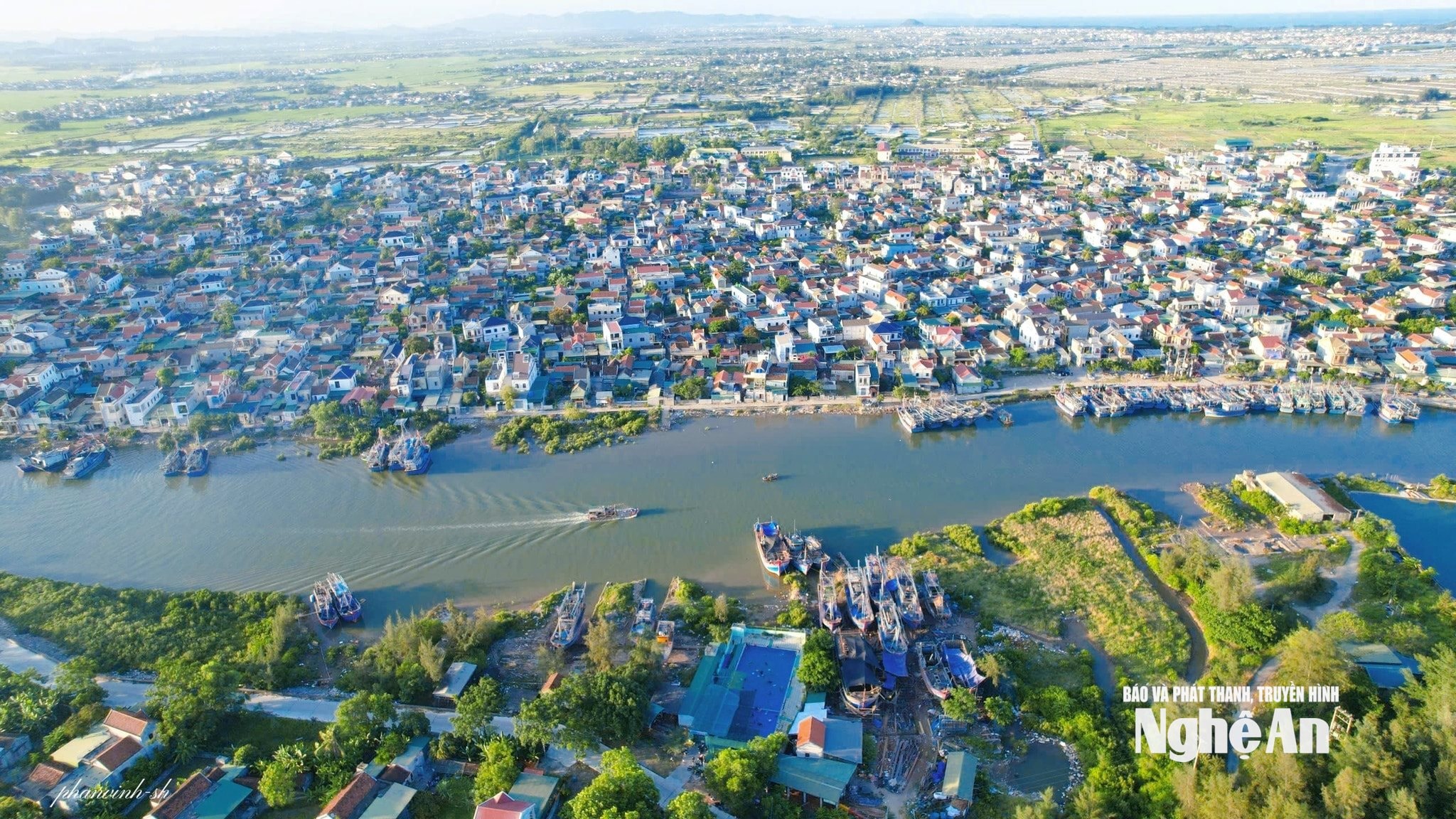
The bottleneck needs to be resolved soon.
Statistics show that only 5,762 households have been fortunate enough to be connected to and use clean water (including 4,536 households from Hoang Mai Water Plant and 1,226 households from Quynh Tho Water Plant). In the Quynh Nghia area (formerly Phu Nghia), 1,022 households have completed registration and paid for connection from Hoang Mai Water Plant but are still waiting.
The local story of the "thirst" for clean water is linked to the unfinished and delayed construction of the Quynh Tho Rural Water Supply Plant. In 2011, the project was approved by the Provincial People's Committee with a total investment of over 17.9 billion VND; of which, state capital accounted for 90%, and the remaining 10% was the local counterpart capital.
.jpg)
Construction began in 2013 on an area of nearly 17,000 square meters.2in Tho Phu hamlet with a water reserve of approximately 11,000 m³.3The project is invested in by the People's Committee of Quynh Tho commune.
After being stalled for many years, in 2017 the project was adjusted, increasing the total investment to approximately 27.5 billion VND. However, it wasn't until March 2026, 15 years after the approval date, that the plant finally began supplying water. Even after becoming operational, the plant's water supply capacity is very limited, only able to pump water in two alternating cycles per day (each cycle lasting 3 hours) to serve the former Quynh Tho commune area.
.jpg)
Mr. Ho Van Thanh, Chairman of the People's Committee of Quynh Phu commune, confirmed that due to the limited groundwater input of the Quynh Tho Water Plant, it is very difficult to upgrade and expand its service capacity. Therefore, the fundamental and strategic solution currently is to connect to the clean water source from the Hoang Mai Water Plant.
"Currently, the main pipeline system has been extended to the former Tien Thuy commune area; however, expanding the distribution network to the entire commune requires provincial approval," Mr. Thanh said.
In reality, the people's expectations are very high. Since September 2023, the People's Committee of Quynh Luu District (at that time) issued a directive to the communes to survey the clean water needs of the people in Van Hai and Thuan Long communes (formerly), and subsequently, the rate of agreement to register for connection reached over 90%. However, because the Provincial People's Committee has not yet approved the adjustment of the investment plan for the Hoang Mai clean water supply system, the connection process remains stalled to this day.
.jpg)
Most recently, on August 11, 2025, the Department of Agriculture and Environment issued Document No. 6600/SNNMT-TL recommending that the Provincial People's Committee direct relevant departments and agencies to promptly complete the necessary procedures to approve the adjustment of the investment policy for the project. This is the most important legal hurdle to create a basis for connection for the remaining households.
However, to this day, thousands of households in Quynh Phu commune are still anxiously awaiting the final decision. The delay in investing in and connecting the clean water supply system not only exacerbates the difficulties in the daily lives of people in the coastal area, but also poses a major obstacle, directly affecting the completion of the criteria for building advanced new rural areas in the locality.


