
The leader sets the pace of the system - Part 1: Dare to think, dare to act
The clearer decentralization of authority also places greater responsibility on the shoulders of leaders. Experience over the past year has shown that where leaders are decisive, thorough, and willing to think outside the box, take action, and accept responsibility, the system operates smoothly, tasks are resolved more quickly, and public trust is strengthened.
Perform:Duc Chuyen - Khanh Ly - Hoai Thu |Design:Huu Quan
August 23, 2026
The clearer decentralization of authority also places greater responsibility on the shoulders of leaders. Experience over the past year has shown that where leaders are decisive, thorough, and willing to think outside the box, take action, and accept responsibility, the system operates smoothly, tasks are resolved more quickly, and public trust is strengthened.

The distinguishing feature of the two-tiered local government model lies not only in the reorganization of the administrative apparatus but also in the changes in the way power is exercised.
When more authority is delegated directly to the commune level, the head of the commune no longer simply organizes the implementation of decisions from higher levels, but must directly lead, manage, and handle issues arising at the grassroots level and be accountable for the results.
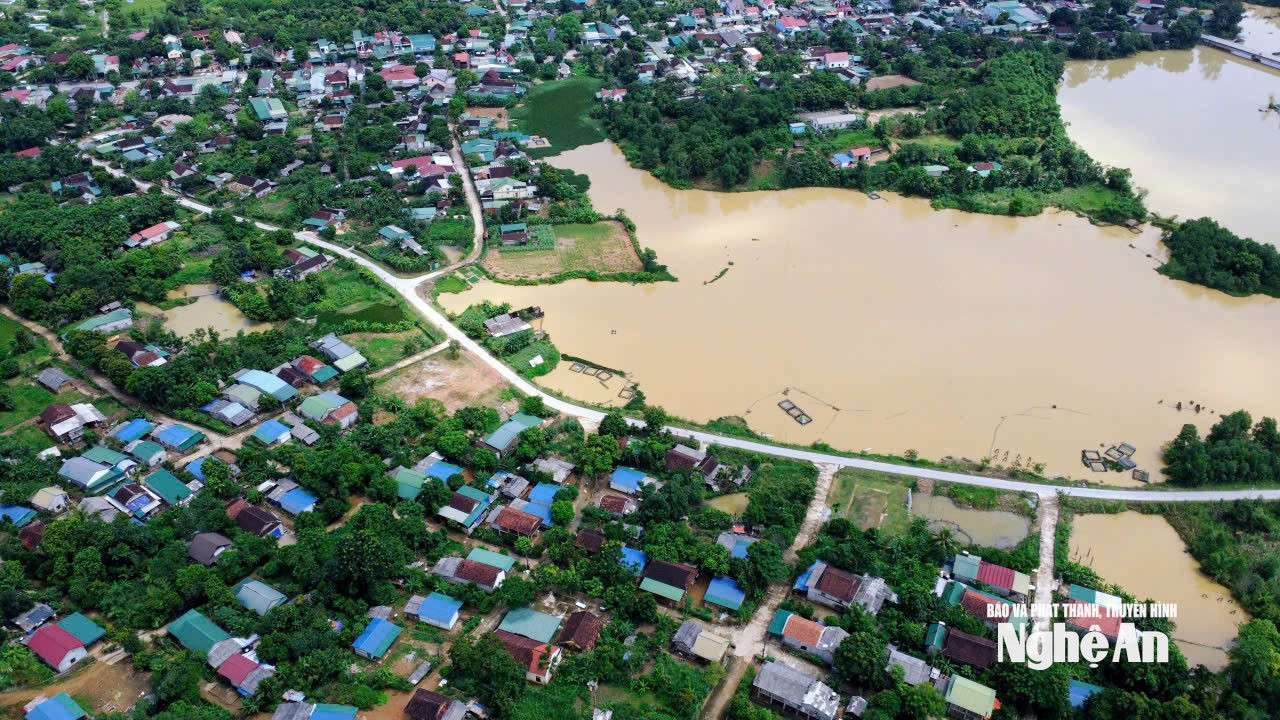
In the mountainous commune of Chau Khe, the new model's progress began with initiatives closely related to people's lives. In the Dong Tien village production area, which boasts the largest rice paddy area in the commune, a prolonged water shortage for irrigation was a problem due to the dilapidated canal system. Residents repeatedly petitioned for a solution, but it remained unresolved. After the two-tiered local government model came into operation, commune leaders directly surveyed the area and directed the allocation of funds for the construction of a main canal over 1,030 meters long, channeling water from the spillway to serve agricultural production.
Leading us along the new irrigation canal, Ms. Vi Thi Thuong, head of Dong Tien village, shared: "I've noticed that since the two-tiered government system came into operation, the role of the leader has become more prominent. This is not only evident in major policies but also in being closer to the people, directly taking the lead in resolving outstanding issues at the grassroots level, with faster progress, clearer responsibilities, and accountability."
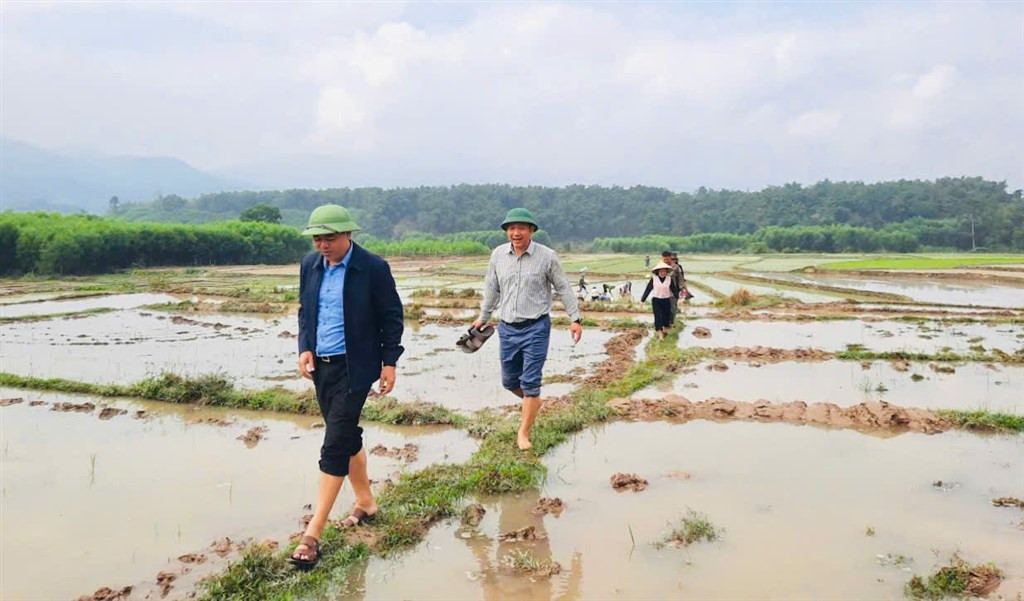
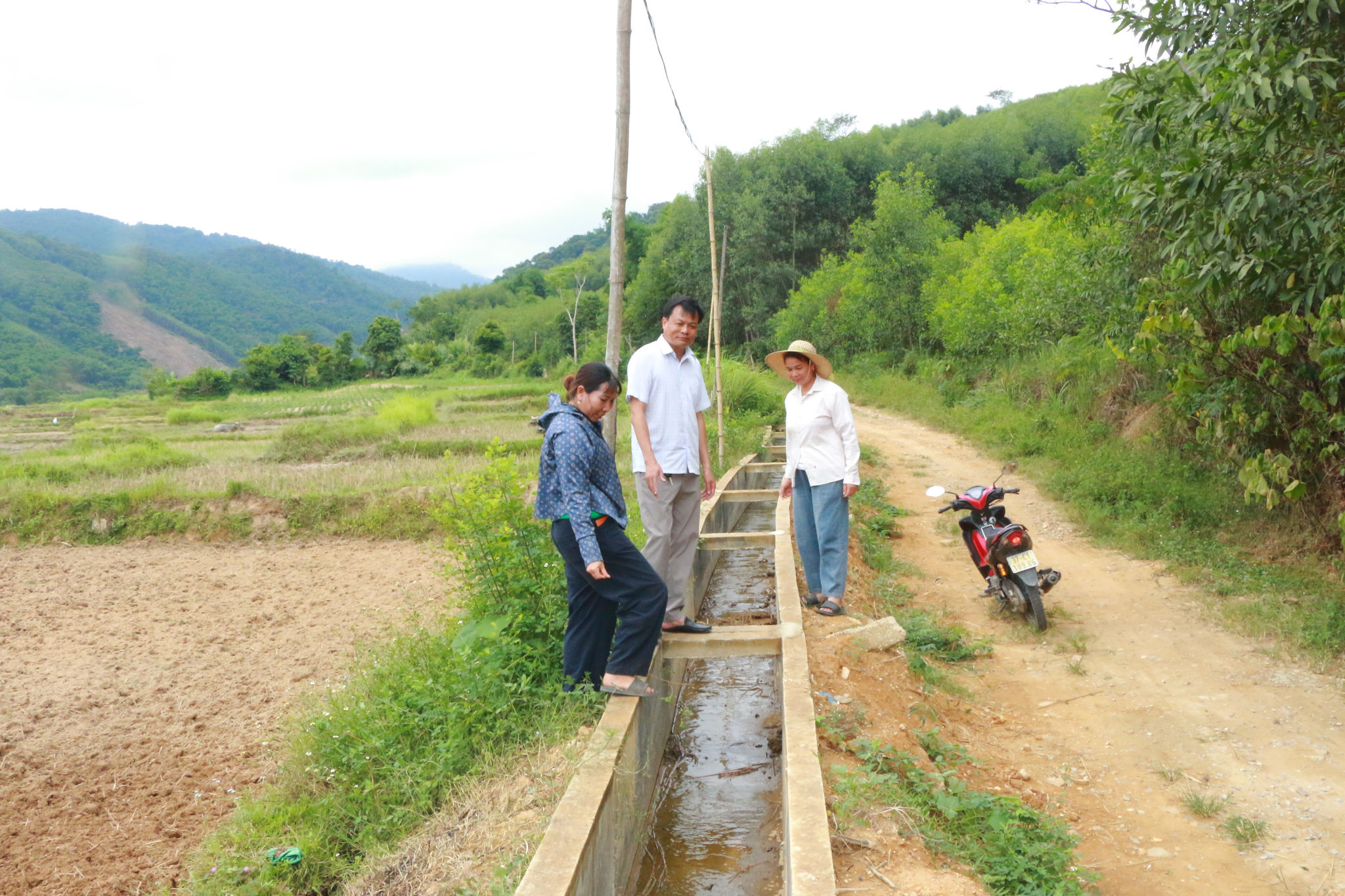
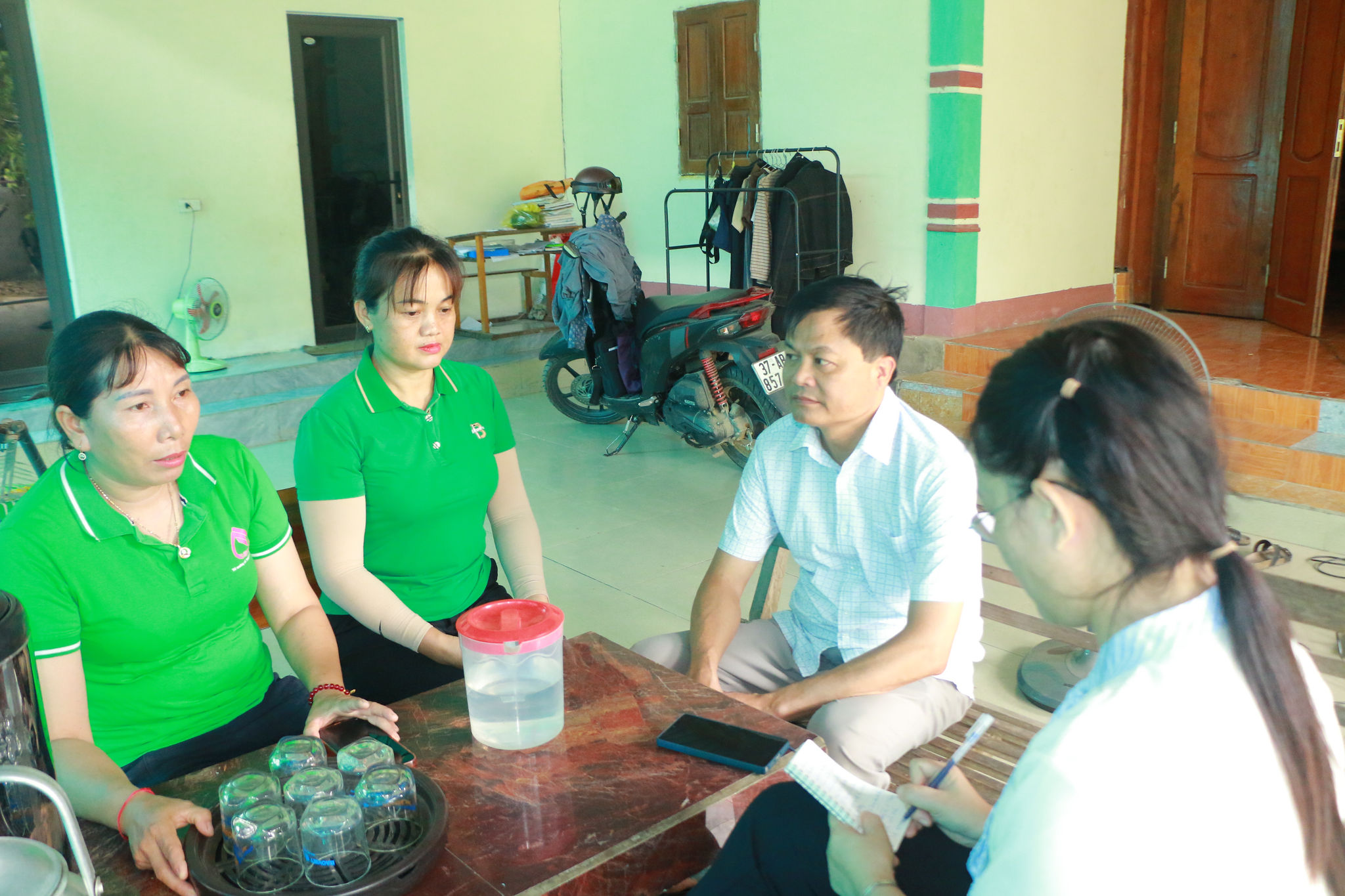

An irrigation project not only solves the problem of water supply but also demonstrates a change in management methods. When leaders directly go to the grassroots, listen to the people, and make decisions within their authority, long-standing problems can be resolved more quickly.
As a mountainous locality facing many difficulties, with a high poverty rate, scattered population, and uneven levels of education, Chau Khe commune is entering the new model with considerable pressure.
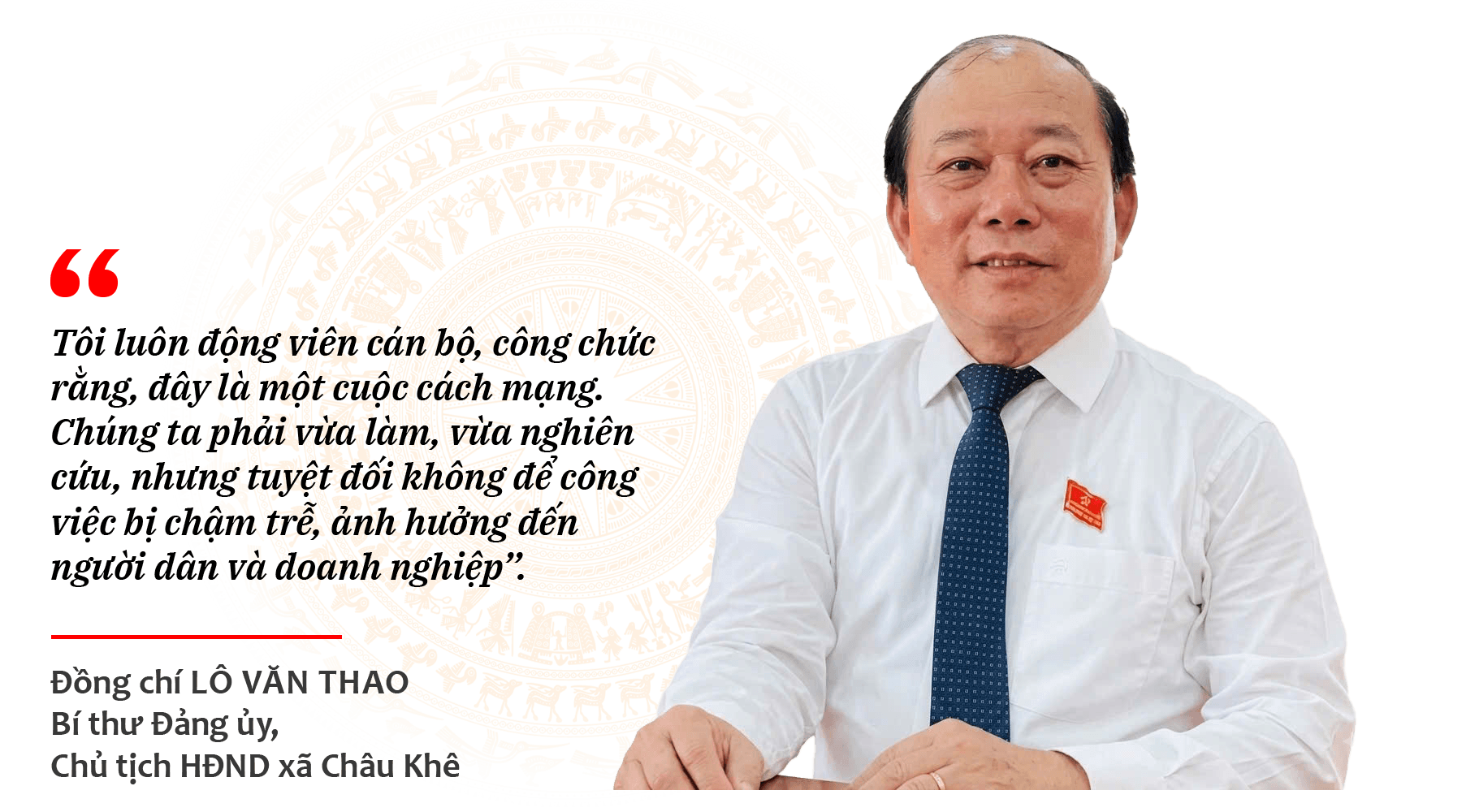
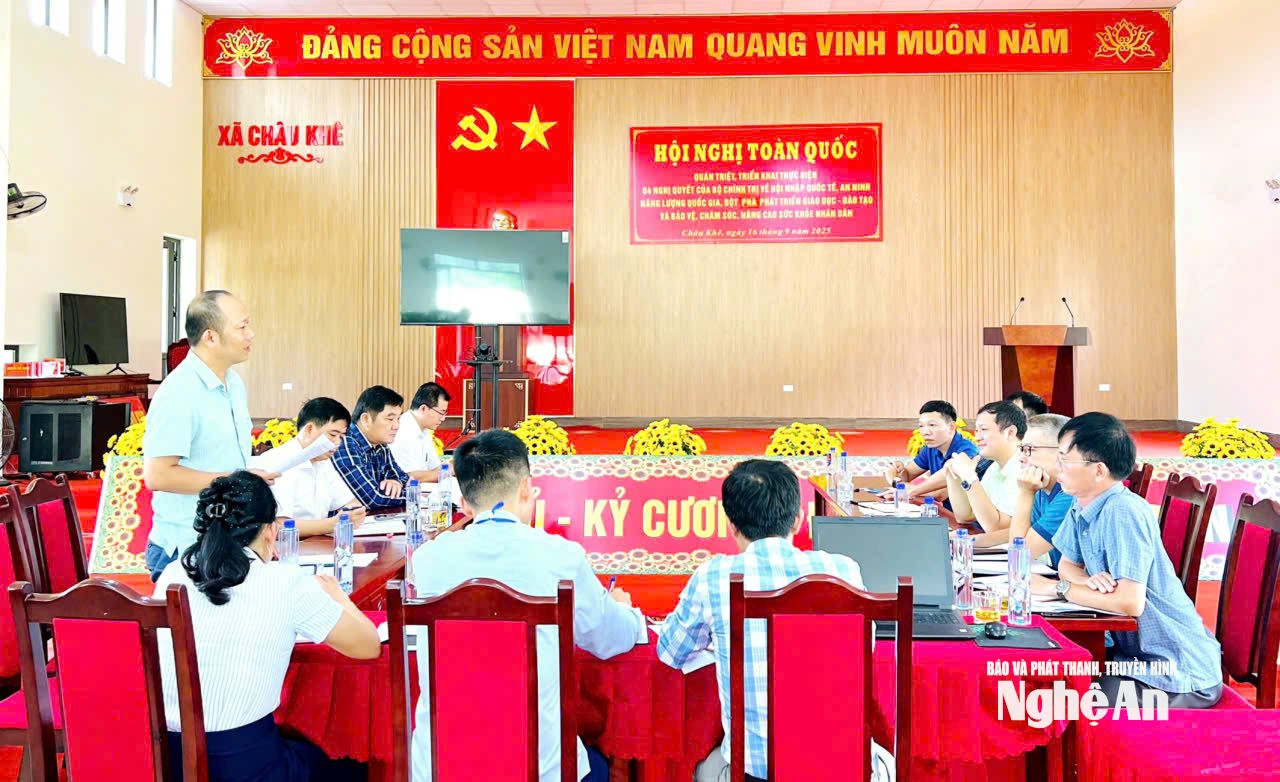
According to Comrade Lo Van Thao, Secretary of the Party Committee and Chairman of the People's Council of the commune, the formation of a larger administrative unit not only expands the scope of management but also requires innovation in leadership methods, first and foremost by quickly stabilizing the organization and building unity and cohesion among cadres and civil servants so that work is not interrupted.
"I always encourage officials and civil servants by saying that this is a revolution. We must both work and conduct research, but absolutely not allow the work to be delayed or affect the people and businesses," Comrade Lo Van Thao shared.
Along with organizational stability, the commune Party committee and government proactively monitor the local area, focusing on resolving issues that are likely to become complicated, such as land, resources, minerals, hydropower, etc., promptly addressing legitimate requests from the people, and limiting the risk of hotspots forming.
Thanks to these achievements, Chau Khe commune was one of 17 localities awarded a Certificate of Commendation by the Standing Committee of the Nghe An Provincial Party Committee at the conference summarizing one year of operation of the two-tiered local government model.
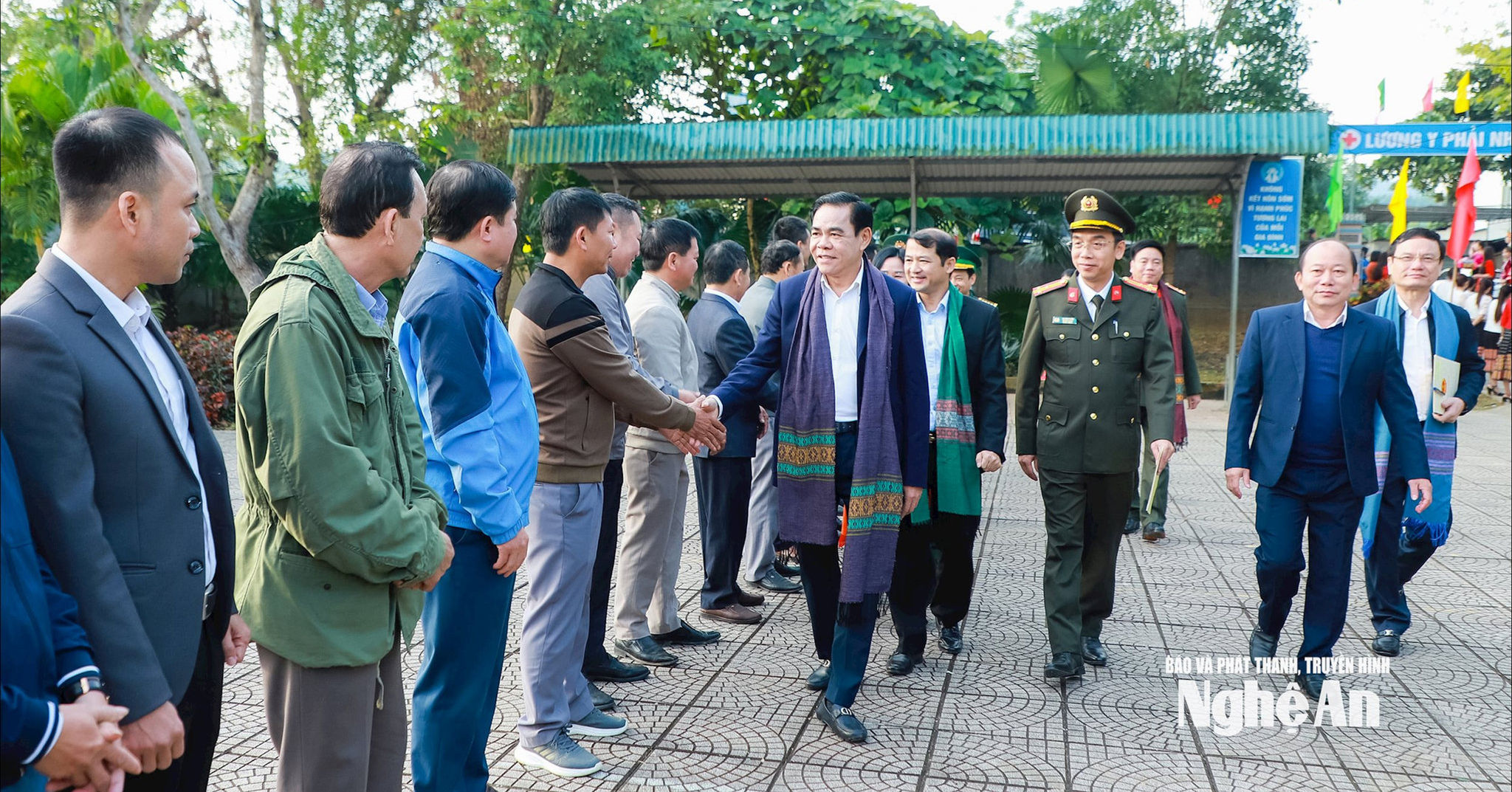
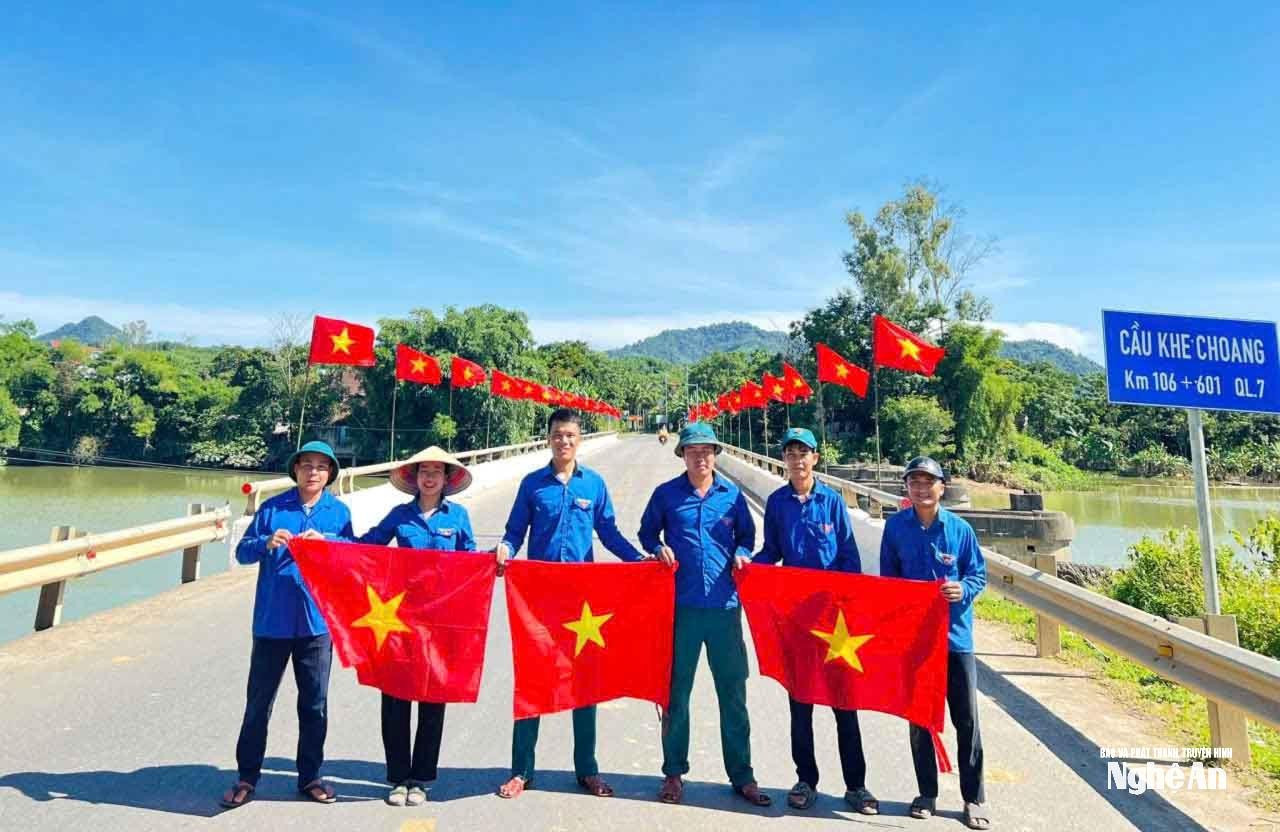
While in Chau Khe commune, this mark was evident in the resolution of people's livelihood issues, in Quynh Anh commune, the leader faced more complex administrative challenges after the merger.
Formed by merging five communes, with a natural area of nearly 40 km² and a population of over 60,000 people, of which Catholics account for nearly half, Quynh Anh commune has to simultaneously address land encroachment, illegal construction, and public debts inherited from the previous administrative unit, while its budget revenue remains limited.
To address these issues, the commune Party Committee established six rapid response task forces, focusing on land issues, illegal construction, and citizen complaints. As a result, six cases of illegal land encroachment, four problematic garbage collection points, and numerous other incidents were resolved.
.jpg)
Along with addressing difficult issues, the commune Party committee proactively reorganized its staff. Through a review, six Party committee officials were transferred to the commune People's Committee, and one official was transferred to the Fatherland Front agency, in order to better allocate personnel to meet the demands of the tasks.
After one year, Quynh Anh commune has transitioned from the adaptation phase to stable operation. Economic growth reached over 9%; state budget revenue in 2025 reached 173% of the plan; administrative reform and public services ranked among the top 20 communes and wards in the province. Many key projects were completed on schedule, including the Memorial House, tomb, and access road to the Ho Tung Mau Memorial Area.
.png)
These results show that when leaders proactively identify the right problems, are decisive in their direction, and flexible in organizing implementation, the difficulties arising after mergers are gradually resolved, creating a foundation for local development.
.png)

While the initial phase of the two-tiered local government model prioritized rapid organizational stabilization, after more than a year of operation, the focus has shifted to improving governance quality, operational capacity, and the ability to foster development.
Leaders should not only handle routine tasks but also proactively identify problems, assign and coordinate resources, and be accountable for the final results.

In Thanh Binh Tho commune, this is reflected in a unique feature: all three top positions in the Party committee, government, and Fatherland Front are held by female officials. In the early days of operating the new model, some people wondered about the leadership capabilities of the three "female leaders." However, changes in administrative reform, digital transformation, and a spirit of service have gradually dispelled those doubts.
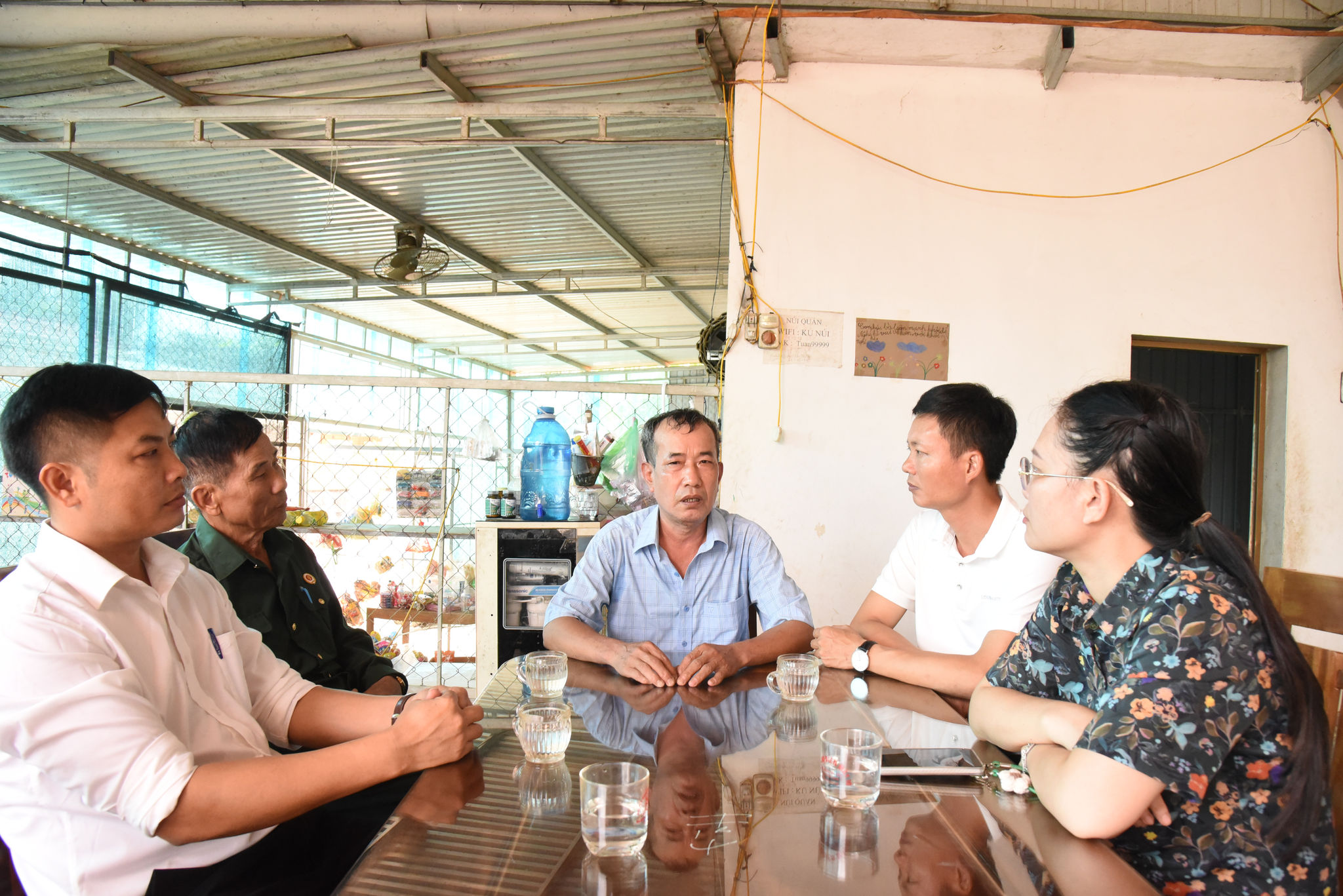
Mr. Hoang Tan Dieu, Secretary of the Party Branch of Binh Son 2 village, shared: "What the people feel most clearly is the positive change in the service attitude of the officials. Administrative procedures, especially those related to land, are guided attentively and resolved faster than before. People no longer have to travel back and forth as many times as they used to."
.jpg)
According to Comrade Nguyen Thi Thuy An, Secretary of the Party Committee and Chairwoman of the People's Council of Thanh Binh Tho commune, the locality implements the "6 clear" principle: clear person, clear task, clear responsibility, clear progress, clear results, and clear authority; at the same time, linking individual responsibility, especially the responsibility of the head, with the results of task implementation. This approach contributes to shortening the time for handling work and limiting the situation of shirking or avoiding responsibility.
In Tien Phong commune, the role of the leader is demonstrated through the way they handle outstanding tasks and transitional projects after the new model comes into operation.
According to Ms. Lo Thi Nguyet, Chairwoman of the People's Committee of Tien Phong commune, the locality has taken over several previously unfinished programs and projects that were under the investment of the former district level, along with many land-related documents that need to be resolved. "As the head of the local government, I am determined to boldly find ways to resolve these issues and not use difficulties as an excuse for delays," Ms. Lo Thi Nguyet shared.
.jpg)
.jpg)
.jpg)
With that spirit in mind, the commune proactively assigned specific tasks, reviewed and categorized each group of work to address issues right from the start.
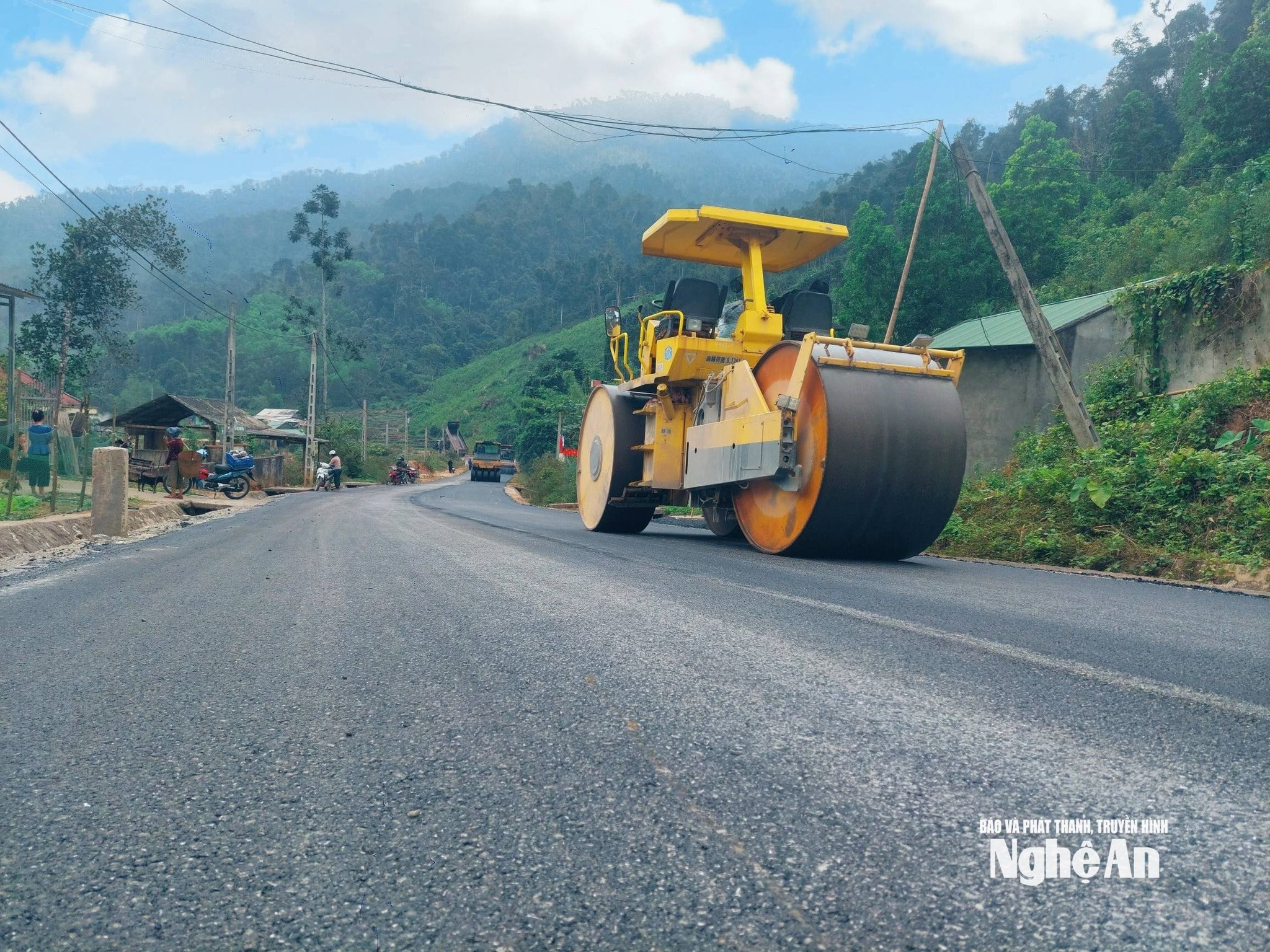
As a result, land procedures and transitional projects are processed faster and more transparently. In addition, the more than 15 km long, 7 m wide road from National Highway 48 to the center of the commune and to the Seven-Tier Waterfall Tourist Area (Muong Dan), with a total cost of nearly 150 billion VND, has been basically completed. The locality has also proactively coordinated the surveying of cadastral maps, accelerating the issuance of approximately 500 land use right certificates to the people.
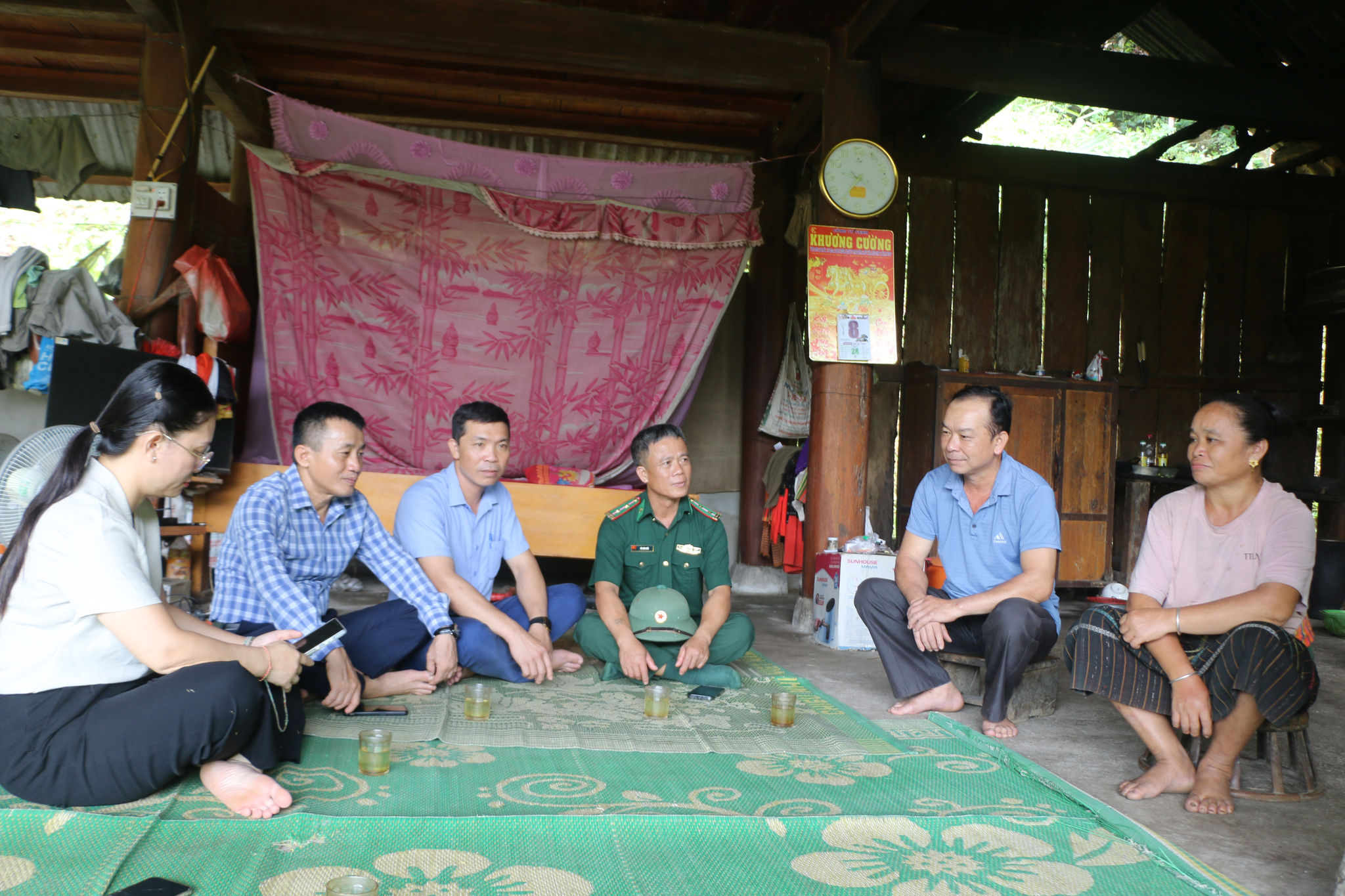
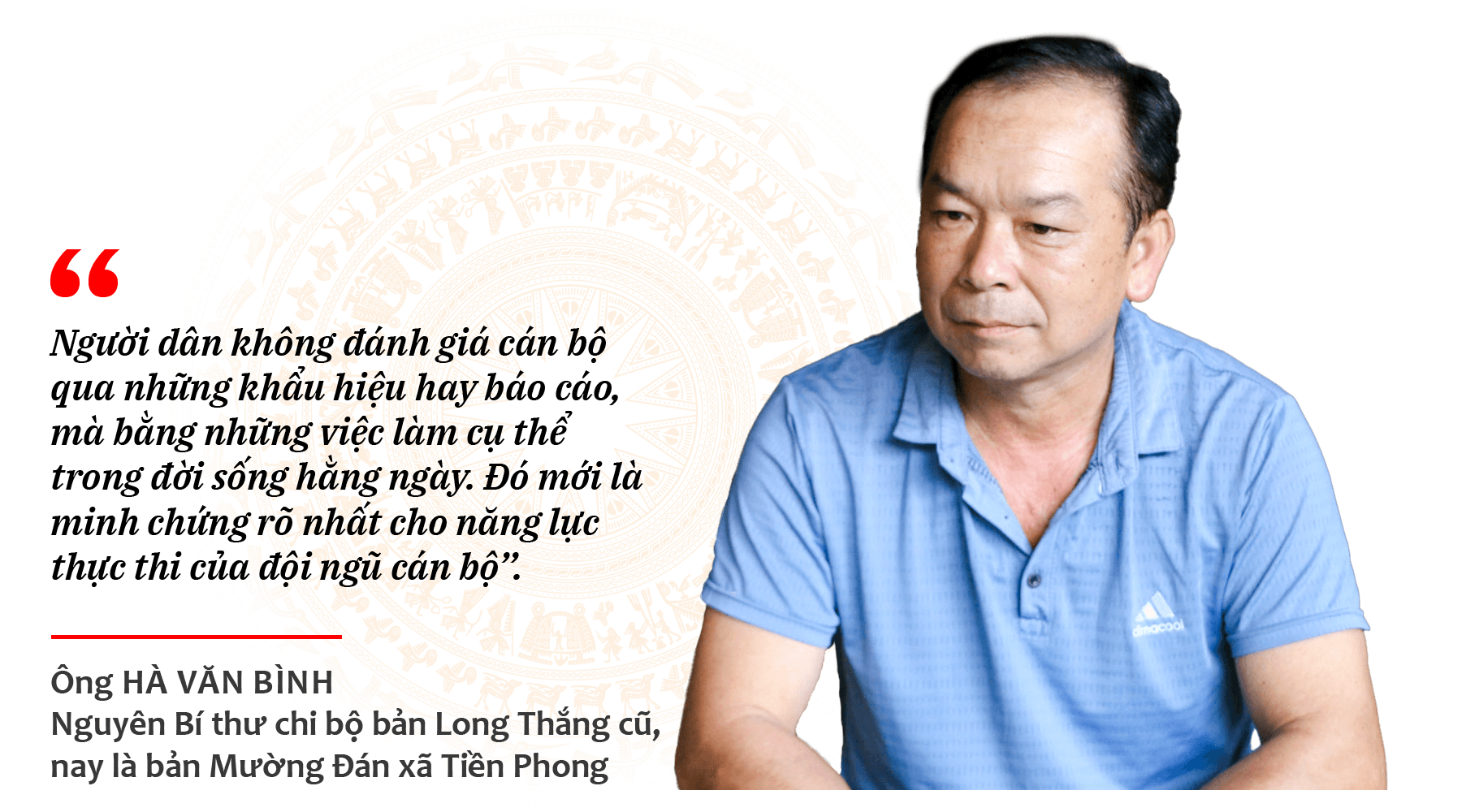
According to Mr. Ha Van Binh, former Party Secretary of Long Thang village, now Muong Dan village: "People don't judge officials by slogans or reports, but by concrete actions in their daily lives. That is the clearest evidence of the officials' ability to implement policies." Completed projects, timely resolution of procedures, and the removal of outstanding issues are the most concrete measures of a government apparatus that knows how to act and take responsibility.
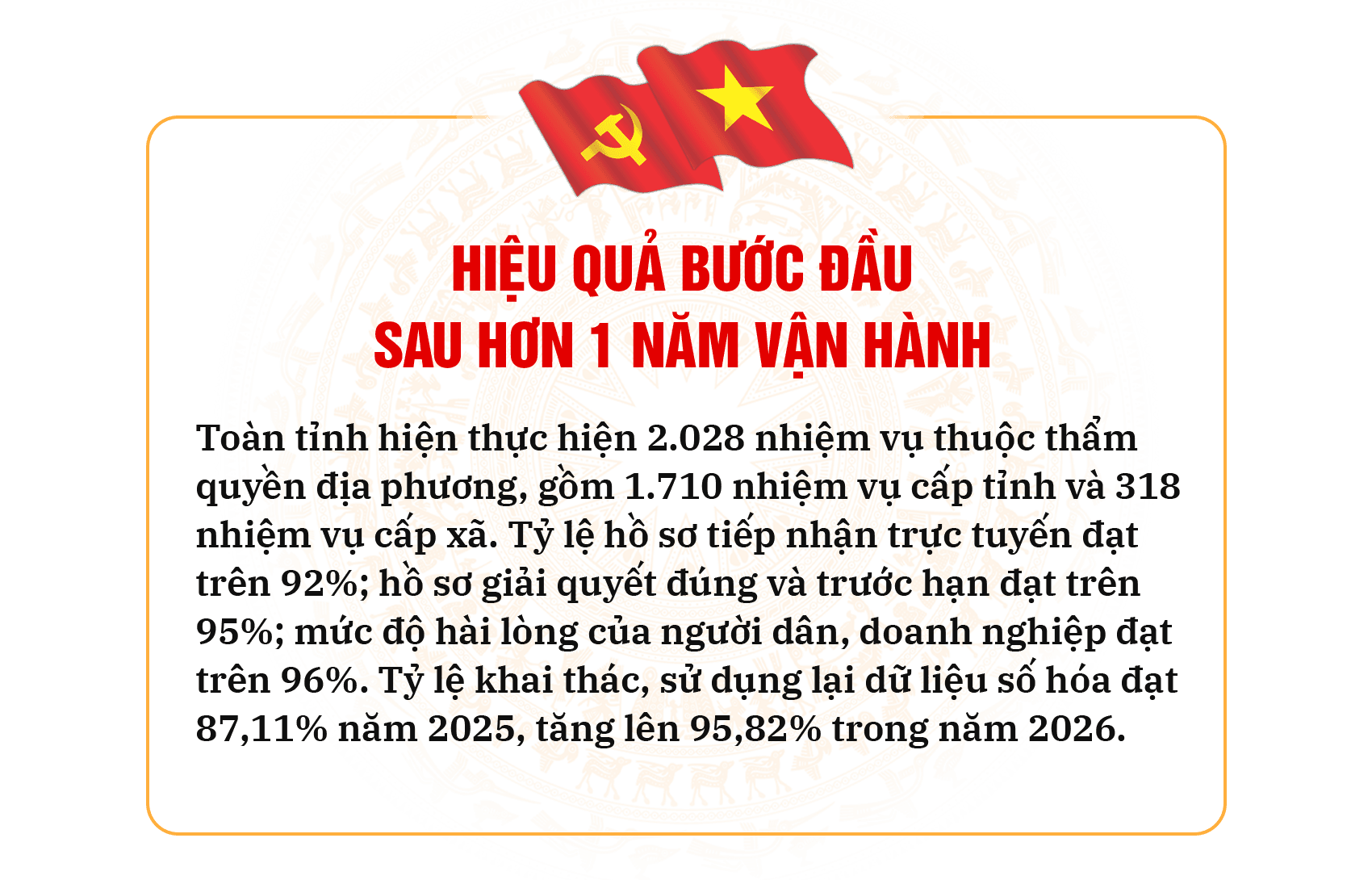
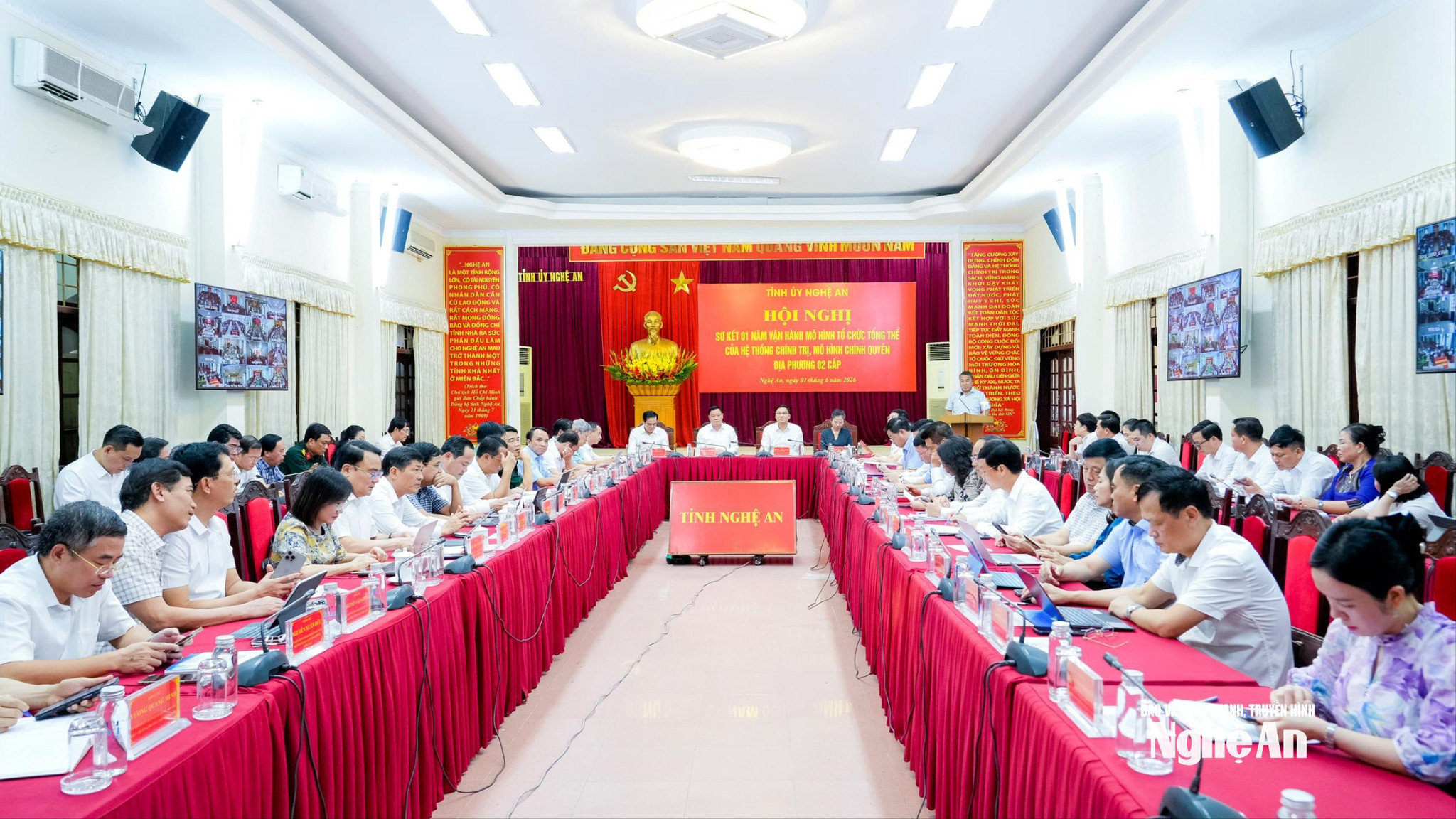
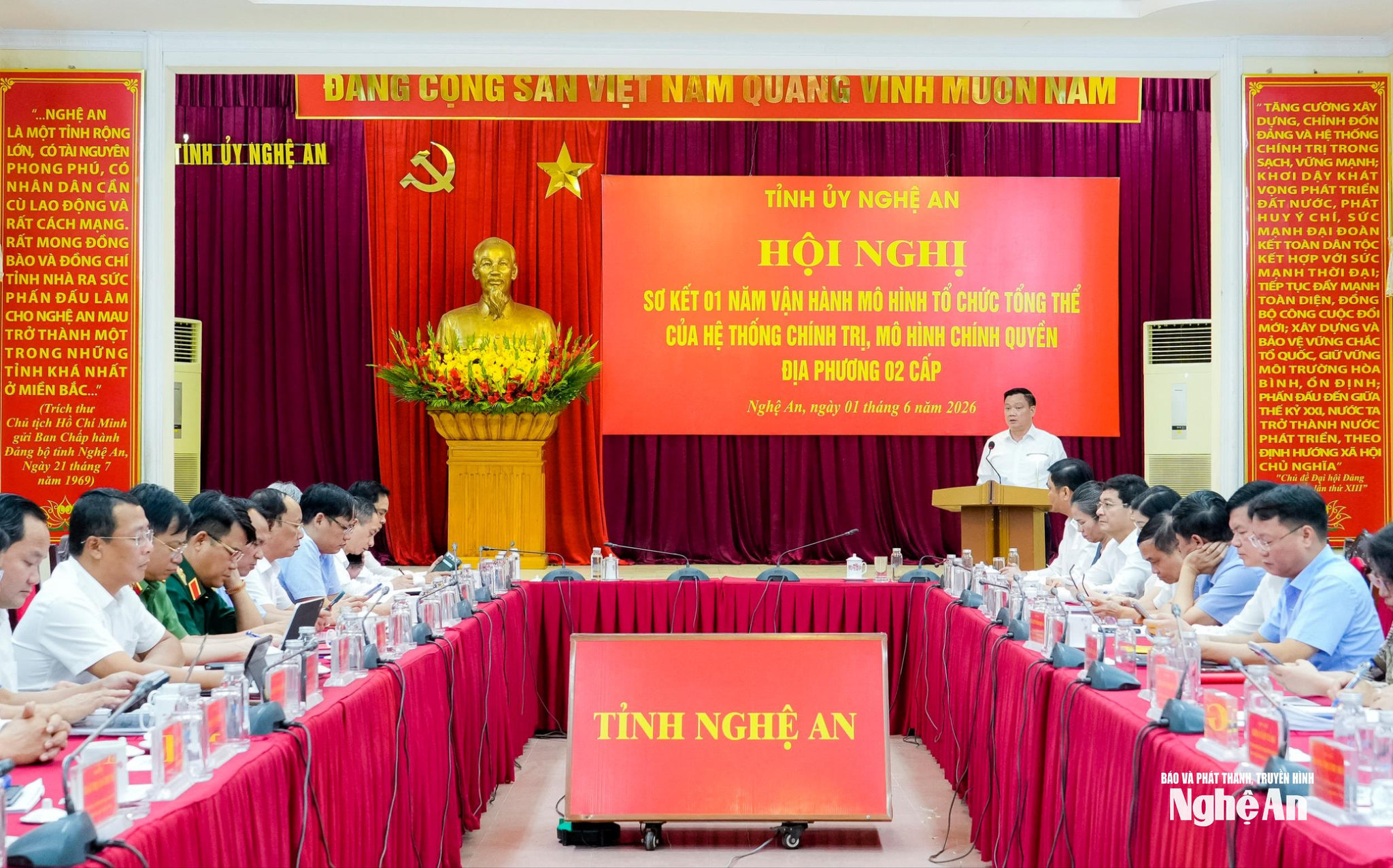
At the conference summarizing one year of operation of the two-tiered local government model in the province, Provincial Party Secretary Nguyen Khac Than assessed that, despite the large volume of work, high demands, many new and unprecedented tasks, and profound impacts on the entire political system and social life, with the leadership of the Party committee, the management of the government, the efforts of the entire political system, and the consensus of the people, the model has initially met the requirements set forth.
Notably, the decentralization and delegation of power, coupled with increased responsibility and initiative at the commune level, has initially proven effective, bringing the government closer to the people.
According to Comrade Nguyen Viet Hung, Director of the Department of Internal Affairs, the outstanding lesson learned after more than a year of operating the new model is: Wherever the Party committee maintains its core leadership role, and the head of the organization is attentive, decisive, and proactive, the system operates smoothly, work flows efficiently, and socio-economic development sees positive changes.
Based on practical experience, Comrade Bui Van Hien - Secretary of the Party Committee and Chairman of the People's Council of Thong Thu commune - also observed: "What we see most clearly after one year of implementing the two-tiered local government model is that the role of the Party committee at the grassroots level has become even more important. If the Party committee is united, thorough, decisive, and proactive, the work will run smoothly; but if it is hesitant, it is very easy to overlap and cause bottlenecks."

The experience in Nghe An shows that granting more authority to the commune level is not simply a change in administrative organization, but also requires a transformation in governance thinking. The clearer the authority, the more specific the responsibilities; the greater the authority, the higher the demands on the competence and leadership of the head of the commune.
After more than a year, the two-tiered local government model has moved beyond the organizational stabilization phase and into a phase requiring higher operational quality.
At the National Conference summarizing one year of operation of the overall organizational model of the political system, General Secretary and President To Lam affirmed that the policy of reforming and reorganizing the political system's apparatus to be streamlined, efficient, effective, and effective is entirely correct, necessary, and strategically significant for the country's development; he also emphasized that after the initial organizational restructuring phase, the next task is to improve the operational quality, service capacity, and development-creating capacity of the new apparatus.
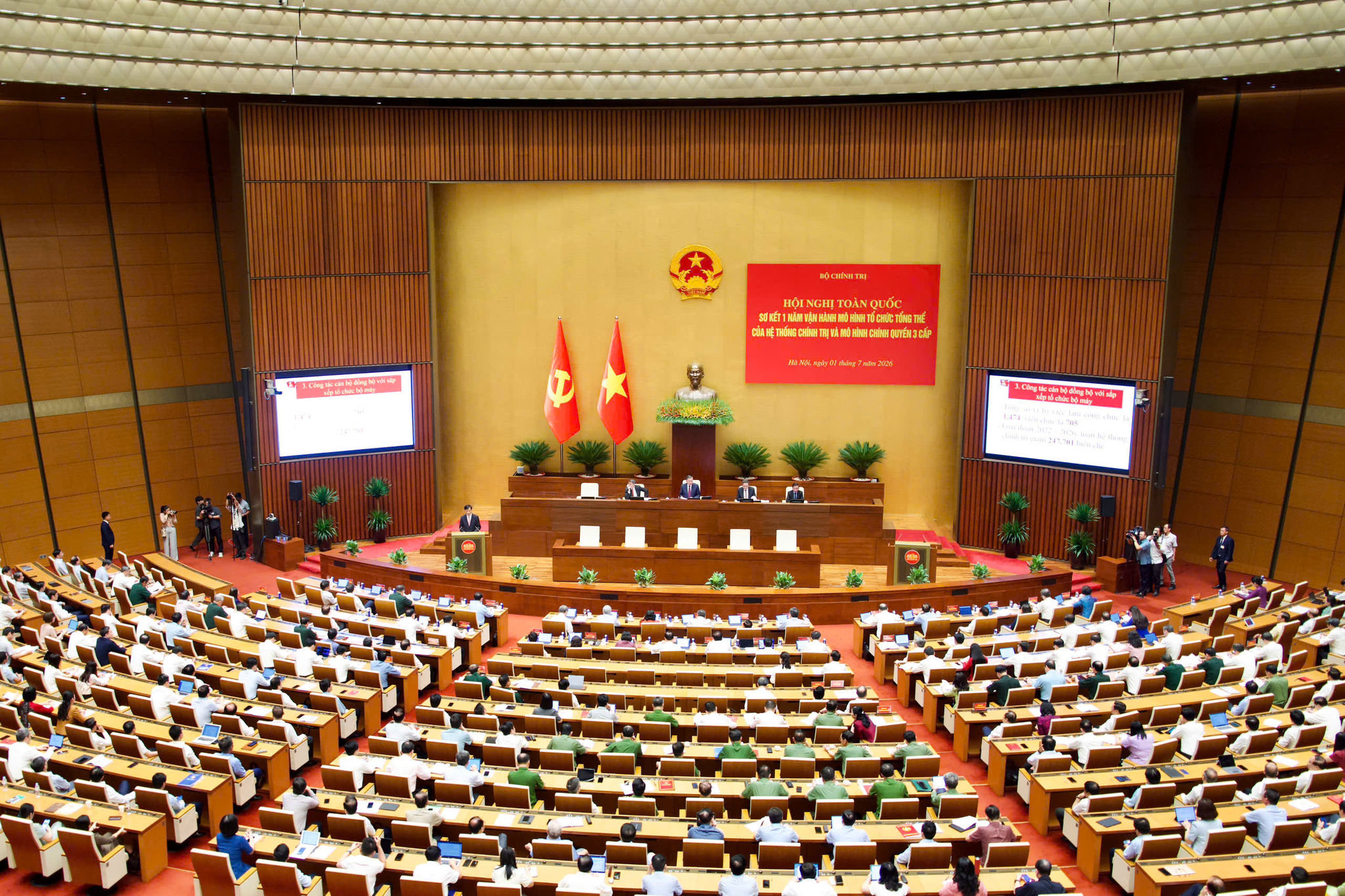
That is also a requirement set at the commune and ward levels. An administrative apparatus can be streamlined through administrative decisions, but to be truly effective, it still needs people with the courage to lead, the responsibility to act, and the closeness to the people to understand their needs.
(To be continued)


