
The leader sets the pace of the system:Part 2: Close to the people, focused on the work
The effectiveness of the two-tiered local government system is measured not only by the speed of work processing but also by its ability to resolve issues arising at the grassroots level. Being close to the people and involved in their work helps leaders understand the realities on the ground, engage in timely dialogue, remove bottlenecks, create consensus, and bring policies and guidelines into practice.
Perform:Duc Chuyen - Khanh Ly - Hoai Thu |Design:Huu Quan
August 23, 2026
The effectiveness of the two-tiered local government system is measured not only by the speed of work processing but also by its ability to resolve issues arising at the grassroots level. Being close to the people and involved in their work helps leaders understand the realities on the ground, engage in timely dialogue, remove bottlenecks, create consensus, and bring policies and guidelines into practice.

Operating a two-tiered local government model is not just about reorganizing the administrative apparatus, but also requires a more practical approach to leadership, governance, and serving the people. One of the most prominent requirements is that the leader must directly understand the local area, confront difficult issues, and listen to the voices from the grassroots.
Experience in Nghe An shows that wherever leaders do not remain detached from complex issues, but directly meet and dialogue with the people, long-standing bottlenecks have a greater chance of being resolved.
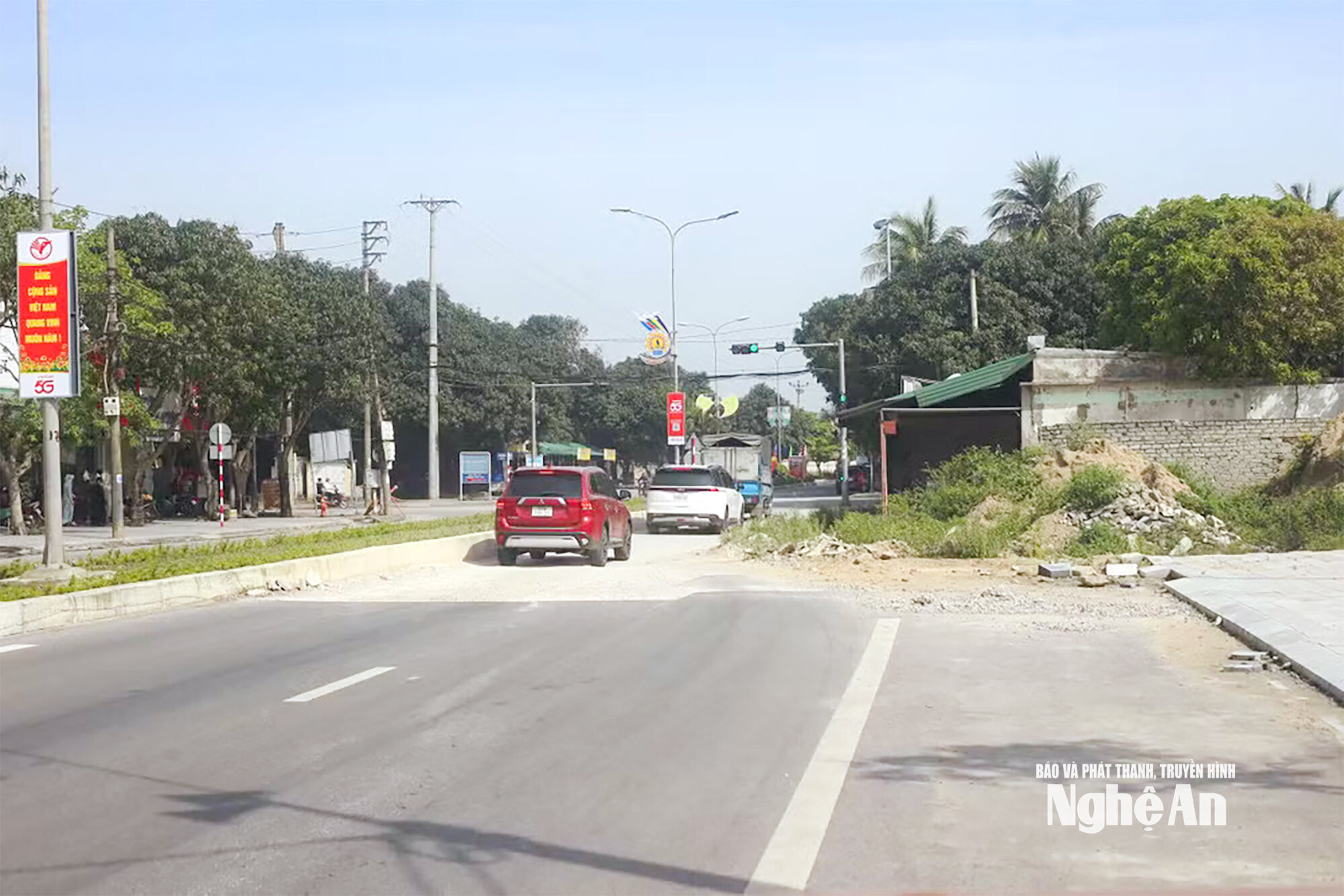
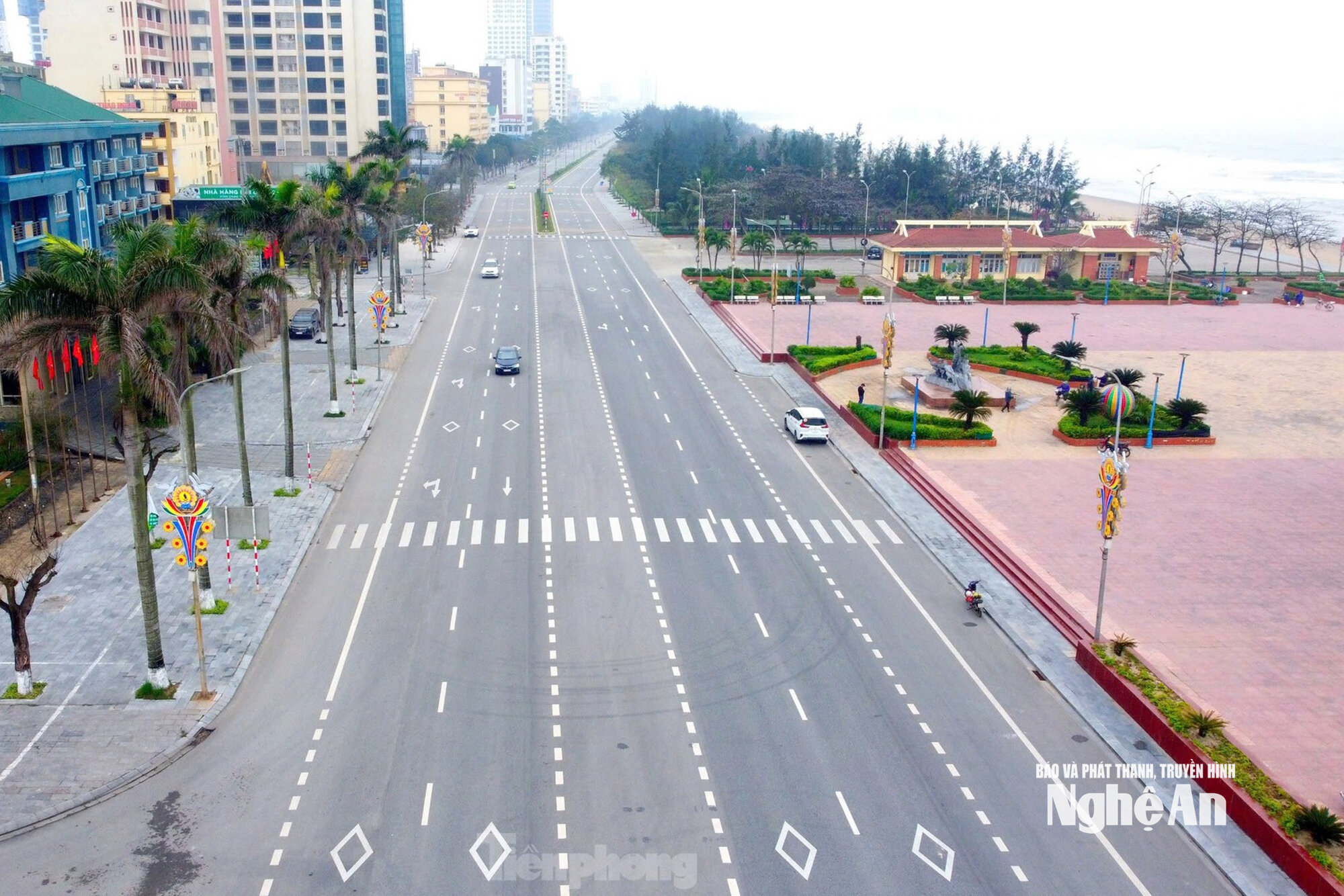
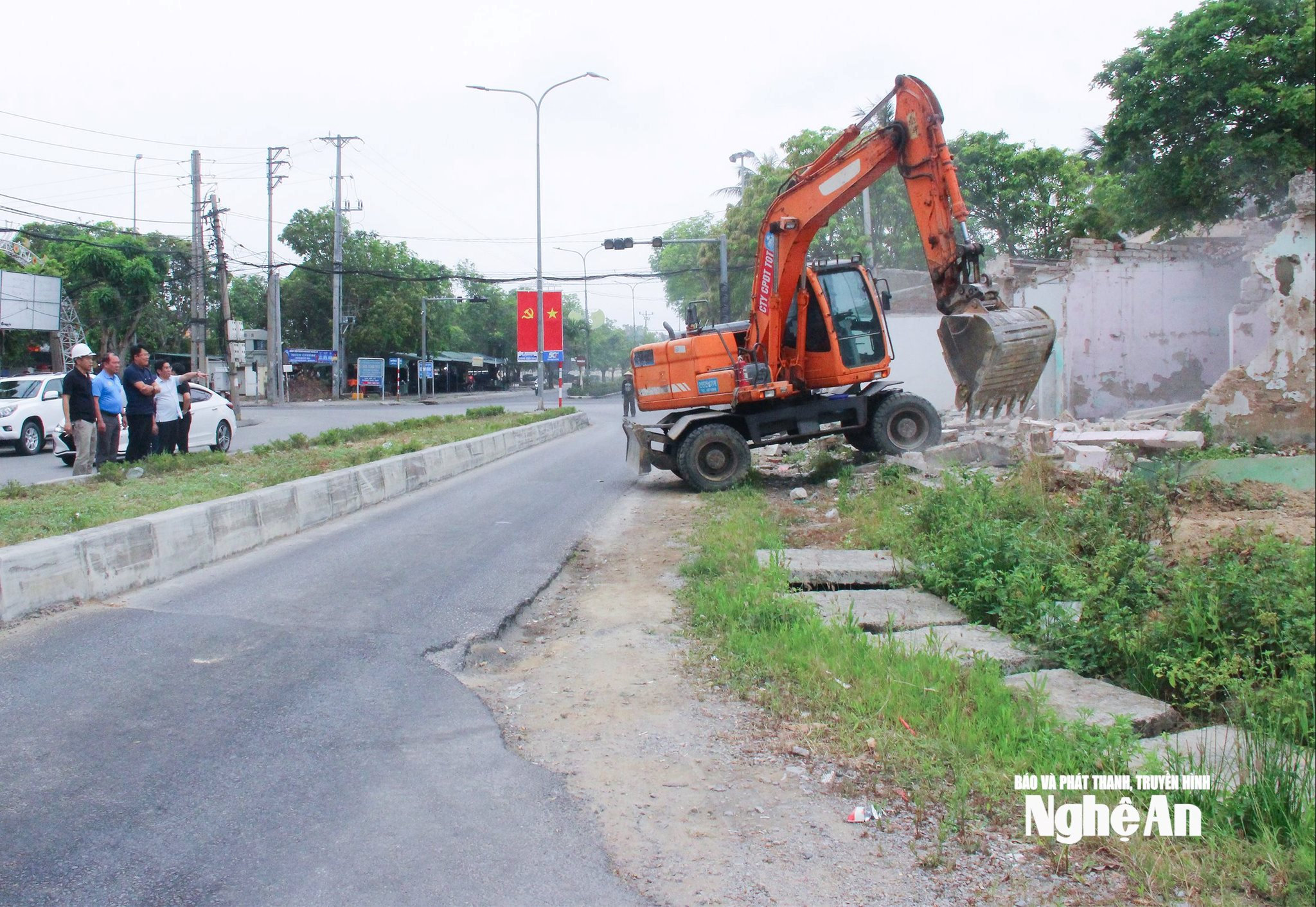
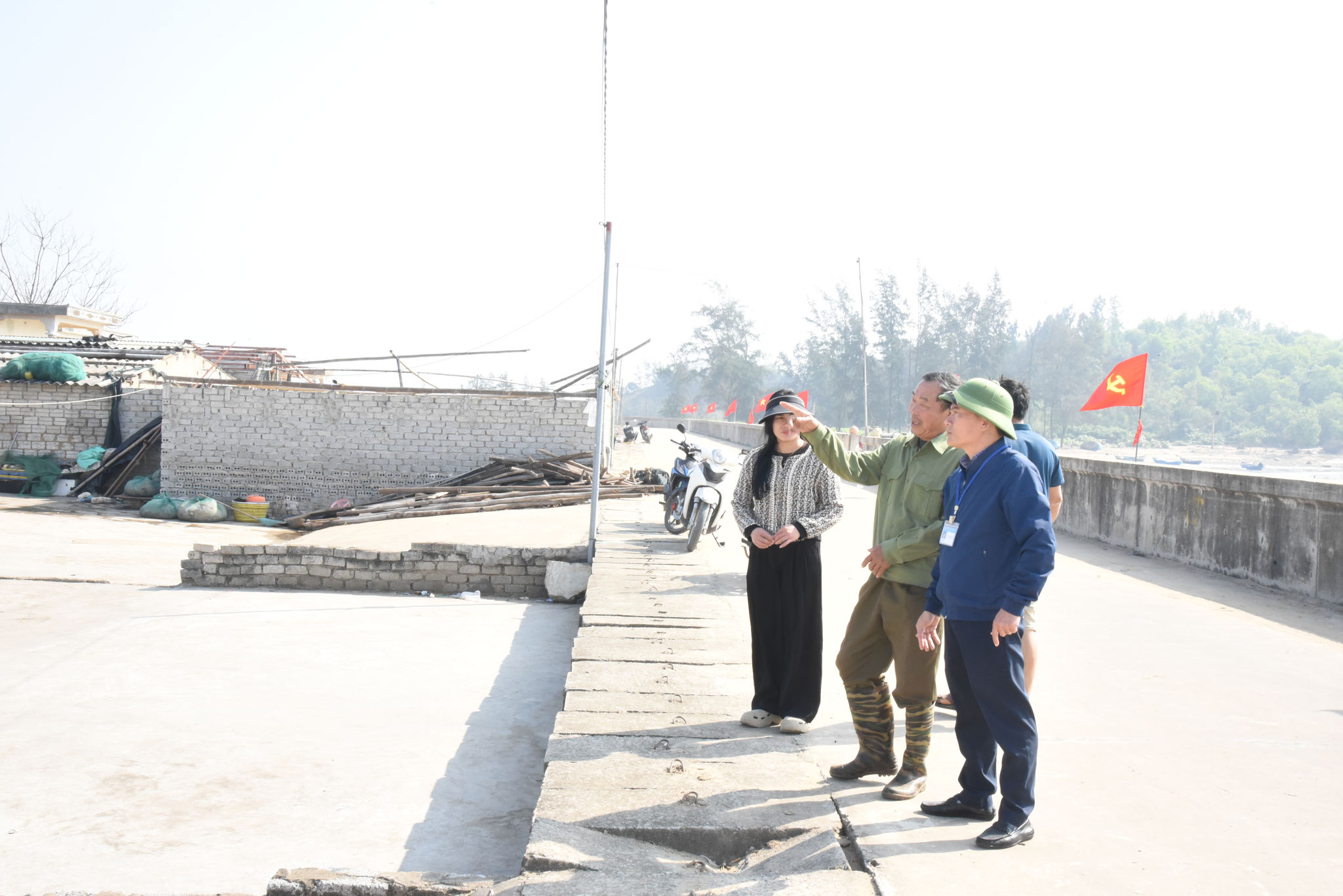
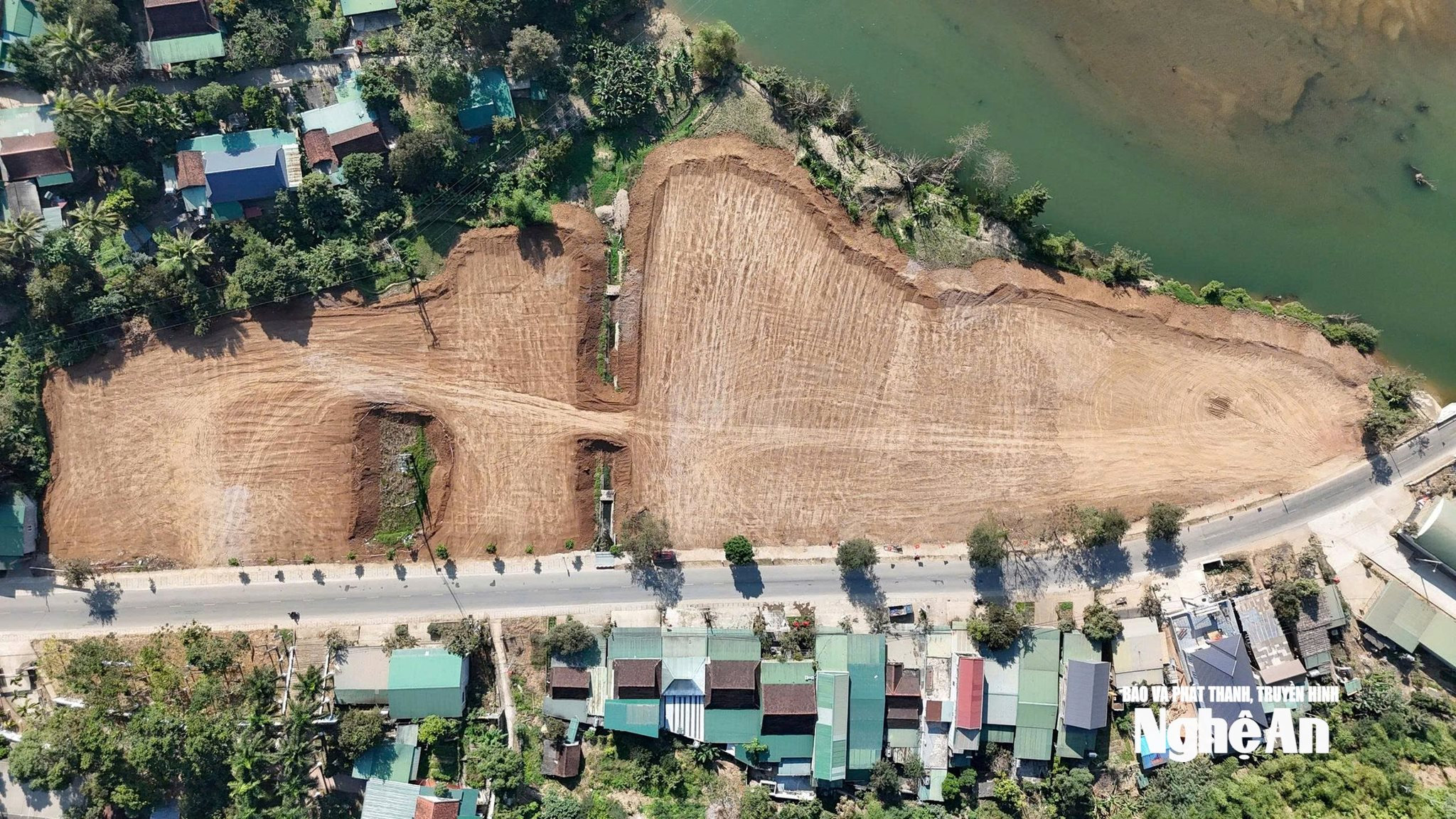
One example is the land clearance issue along the Binh Minh coastal road in Cua Lo ward. Just under 50 meters at the intersection with Nguyen Xi road, near Lan Chau island, this "bottleneck" has existed for many years, affecting traffic and the aesthetics of the coastal city. Behind those few dozen meters of cleared land lie accumulated grievances among the residents after a long period of unresolved issues.
Instead of merely applying administrative measures, the leaders of Cua Lo ward directly visited residents' homes to listen, engage in dialogue, and share their concerns. Immediately afterward, a public dialogue was organized with the participation of the Party Secretary, the Chairman of the People's Committee, the Chairman of the Vietnam Fatherland Front Committee of the ward, along with specialized units and the Provincial Land Development Center.
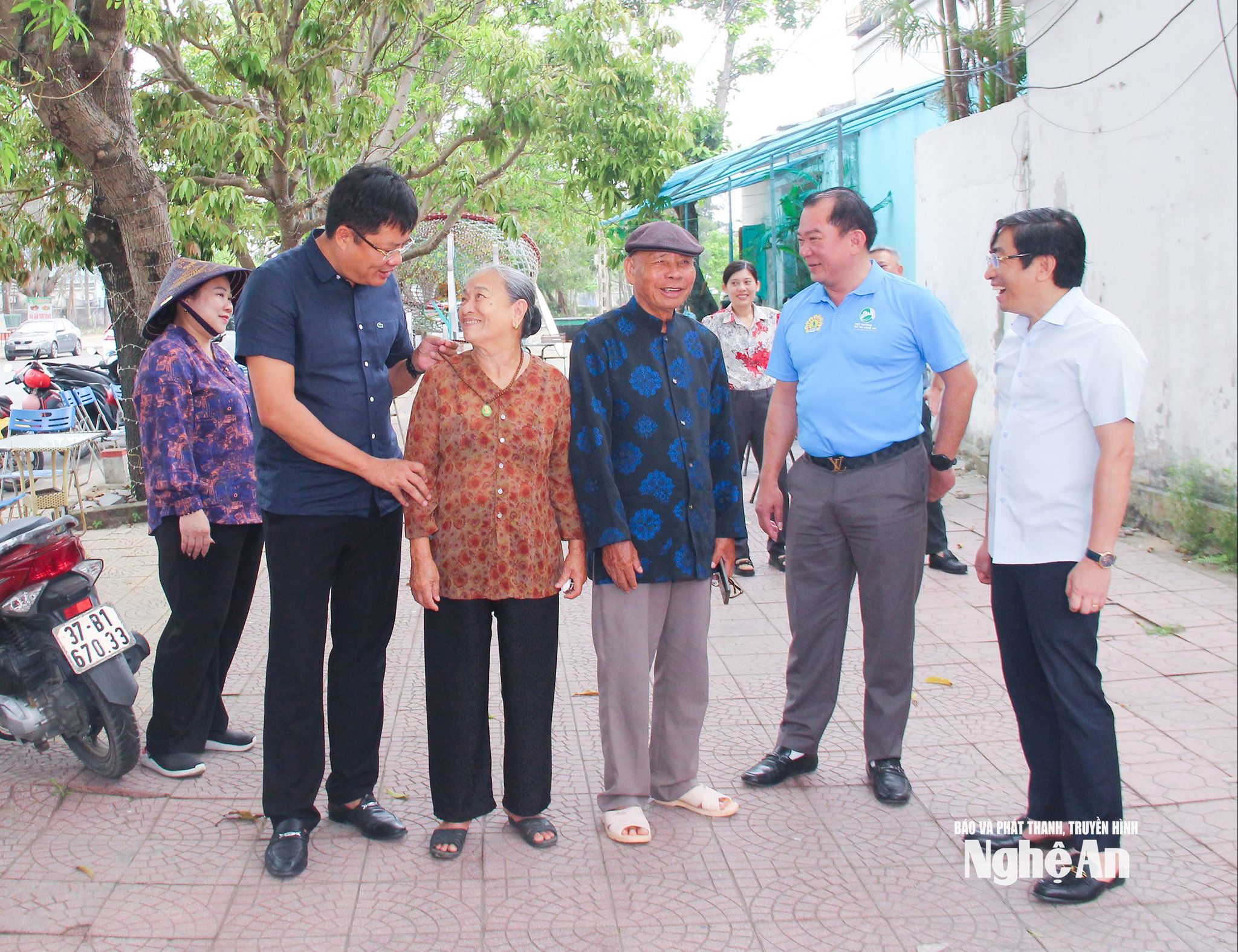
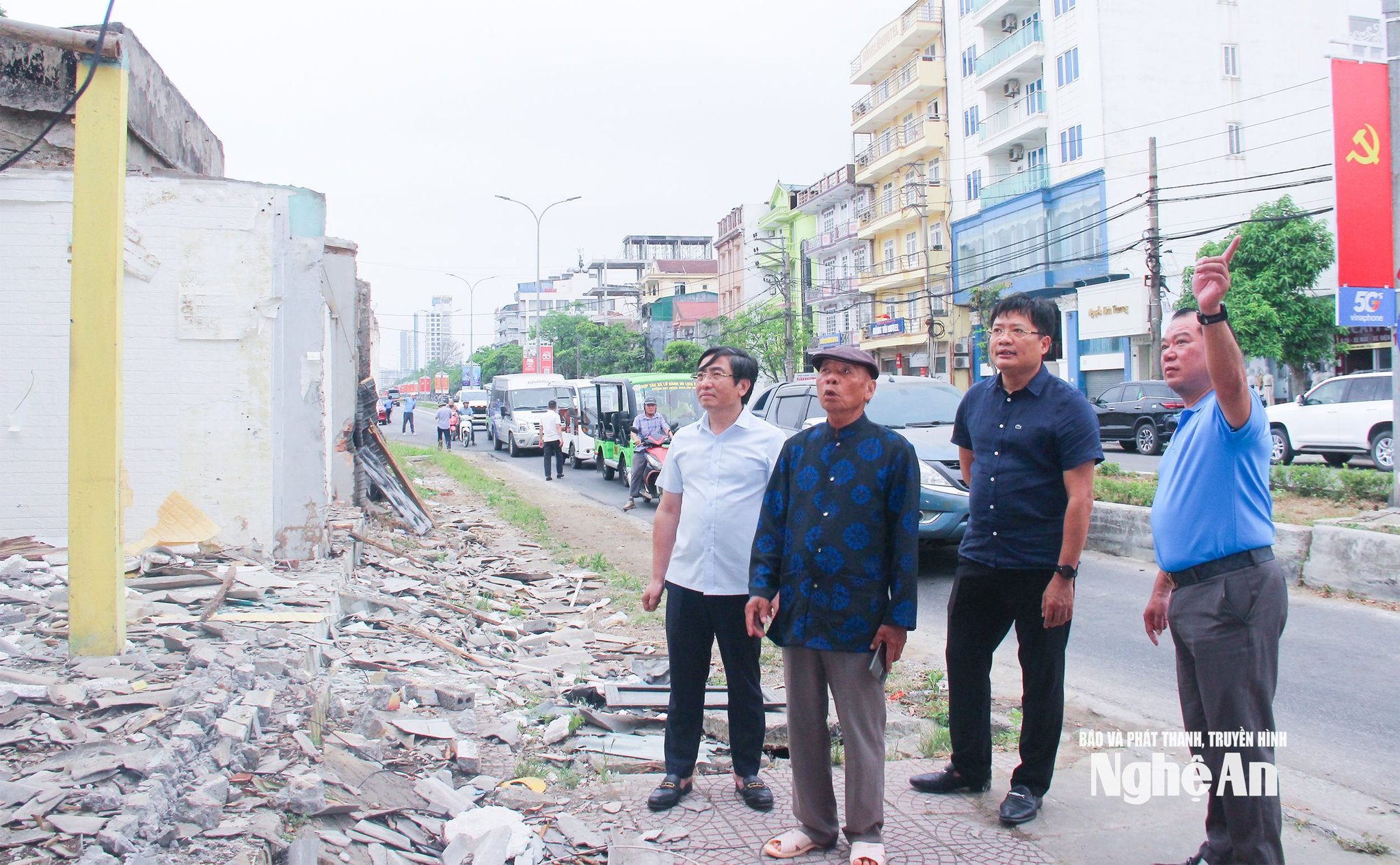
During the dialogue, the authorities frankly accepted responsibility and publicly apologized to the people for allowing the issue to drag on, causing inconvenience in their lives. This willingness to address the issue has led to positive changes.
Families whose land is subject to clearance have agreed to hand over the land, proactively hiring workers to dismantle structures and move assets to facilitate construction before the Cua Lo Tourism Festival 2026. The Party Secretary and the Chairman of the People's Committee of the ward were present at the site to directly supervise land clearance and resolve bottlenecks.
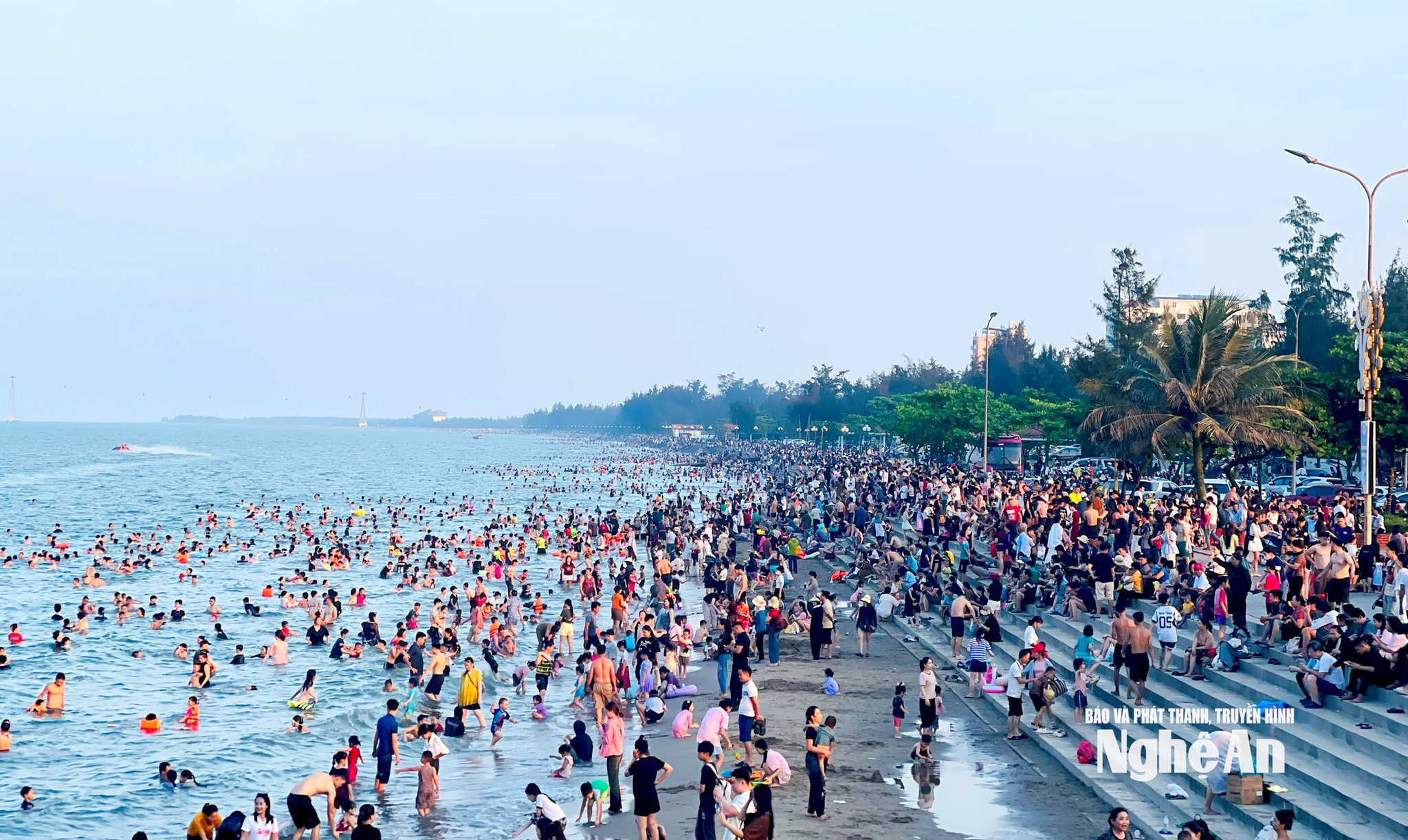
Comrade Ngo Duc Kien - Secretary of the Party Committee and Chairman of the People's Council of Cua Lo Ward, shared: "Each task is assigned specifically, ensuring clarity of responsibilities, tasks, and timelines, and the head of each department must directly meet and dialogue with the people. When there is no longer a gap, all misunderstandings can be resolved."
From a grassroots perspective, Comrade Cao Van Duong - Secretary of the Party Branch of Nghi Thuy 1 Block, Cua Lo Ward, happily expressed: "A road has been connected, but more importantly, the people's trust in the Party Committee and the government has been strengthened, and the role and responsibility of the leaders have been affirmed."
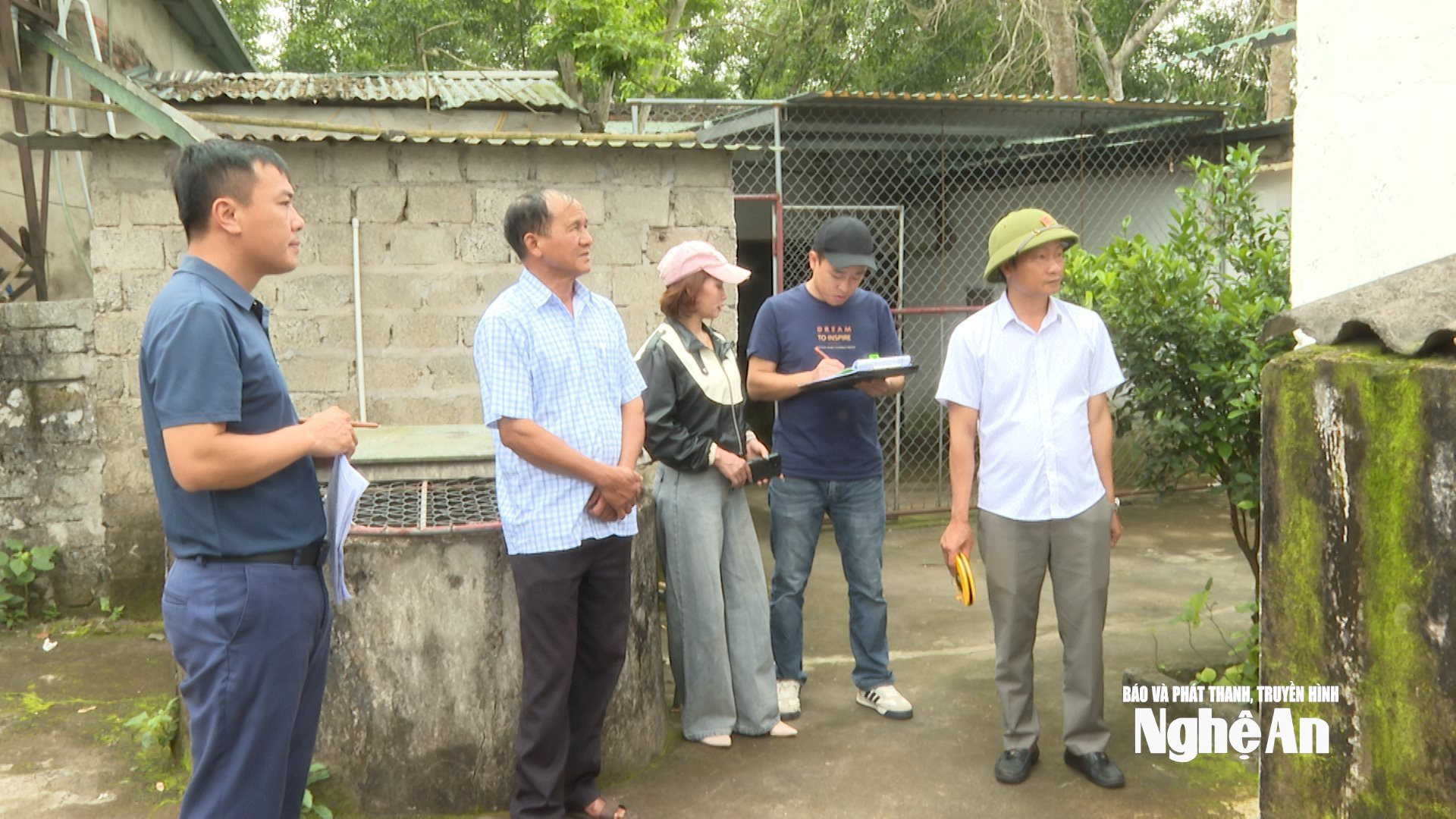
In Hoa Quan commune, the challenge of land clearance for the Vinh - Thanh Thuy expressway also presents many difficulties, as there are 197 graves that need to be relocated, including 101 with owners and 96 without owners.
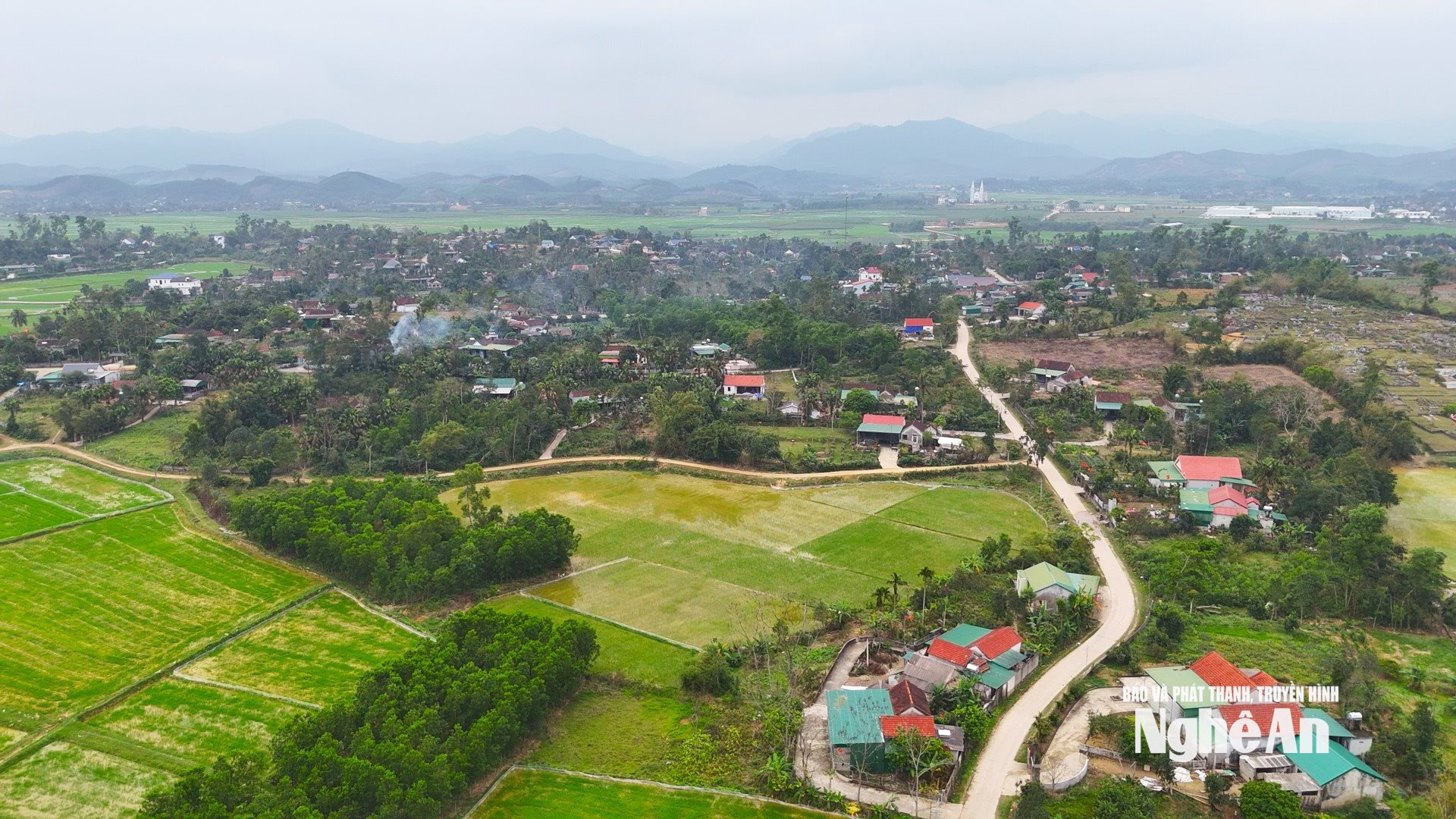
Under the decisive leadership of the head of the organization, along with effective propaganda and mobilization efforts, the Chi Phu cemetery planning project has been implemented. To date, 120 graves have been relocated, with the entire process expected to be completed in August.
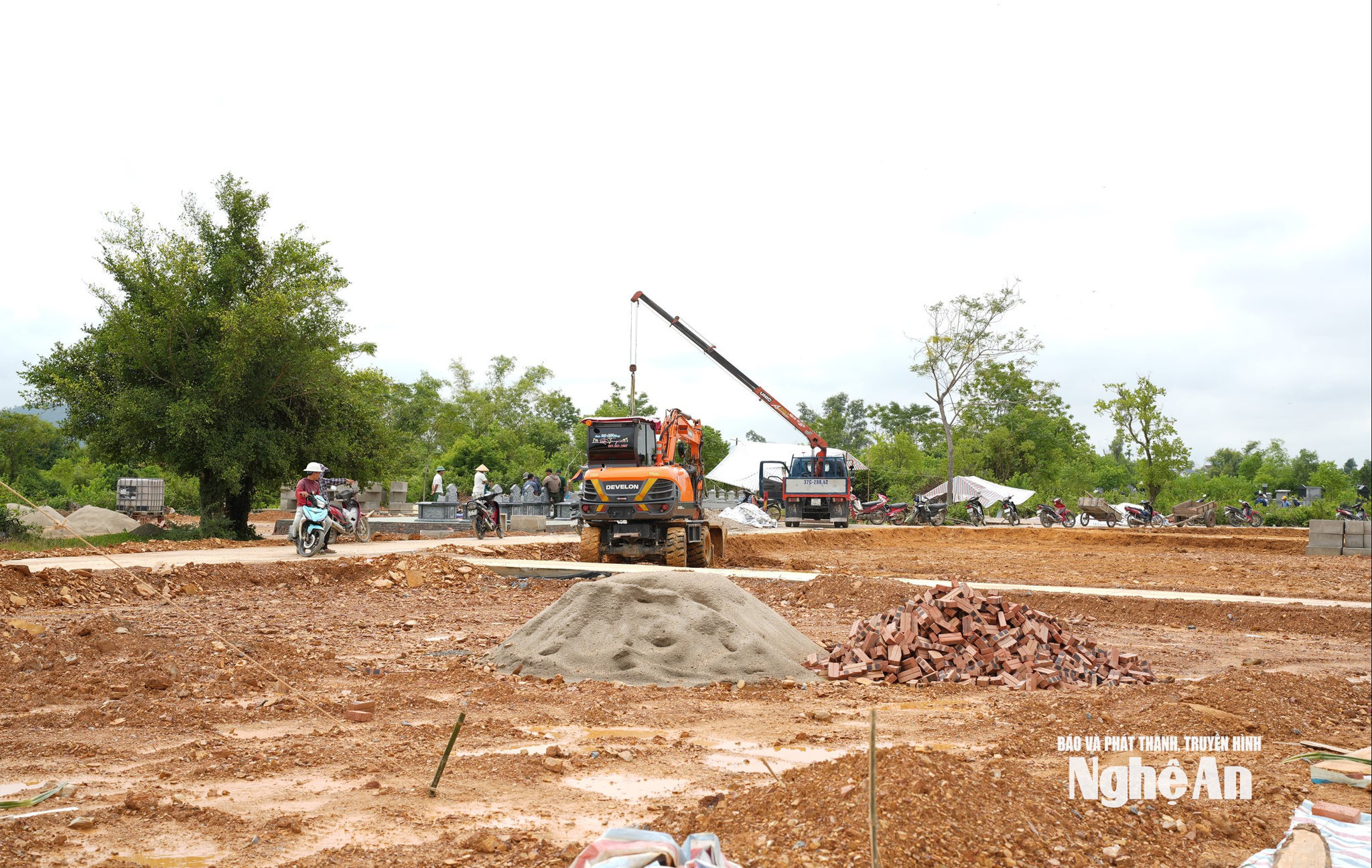
The local authorities have also approved compensation plans for 87 land plots, including 57 households requiring relocation and resettlement. The incentive bonus policy, as stipulated in Decision No. 72/2025/QD-UBND dated September 18, 2025, of the People's Committee of Nghe An province, has been well-received by the people. Households that relocate and hand over the land early will receive support according to regulations, thereby creating further motivation for people to participate in the project.
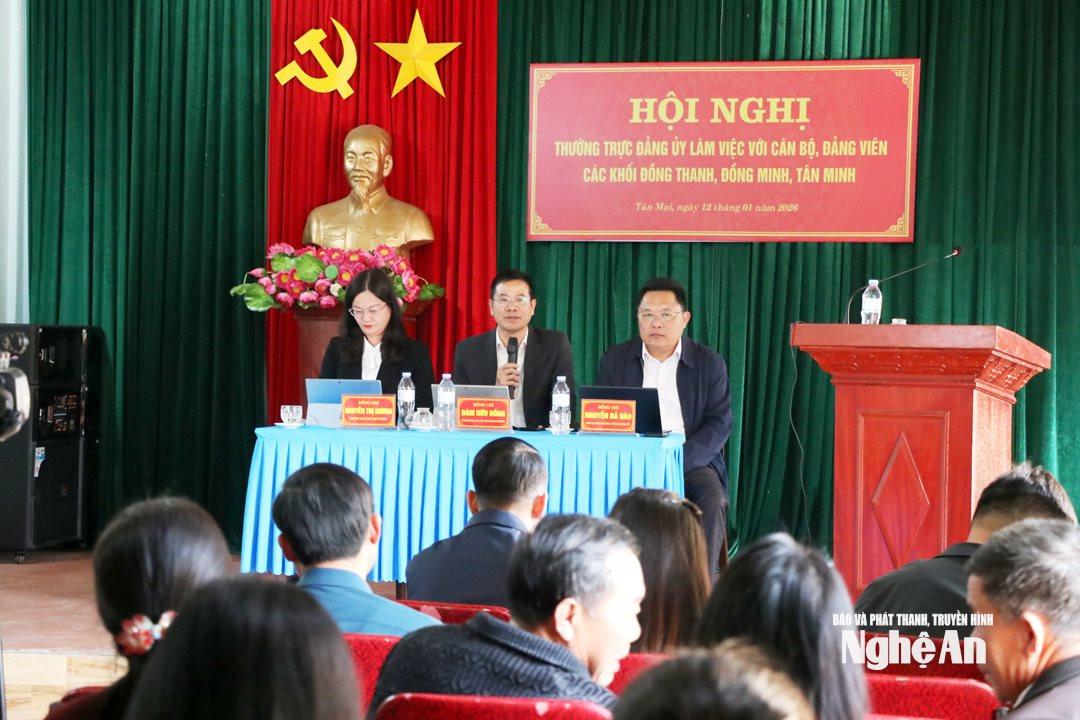
In wards and communes such as Tan Mai and Quynh Luu, in response to the land clearance requirements for the Quynh Lap LNG Thermal Power Plant Project, ward leaders also chose to engage in direct, open, and transparent dialogue regarding compensation and relocation of graves to create consensus…
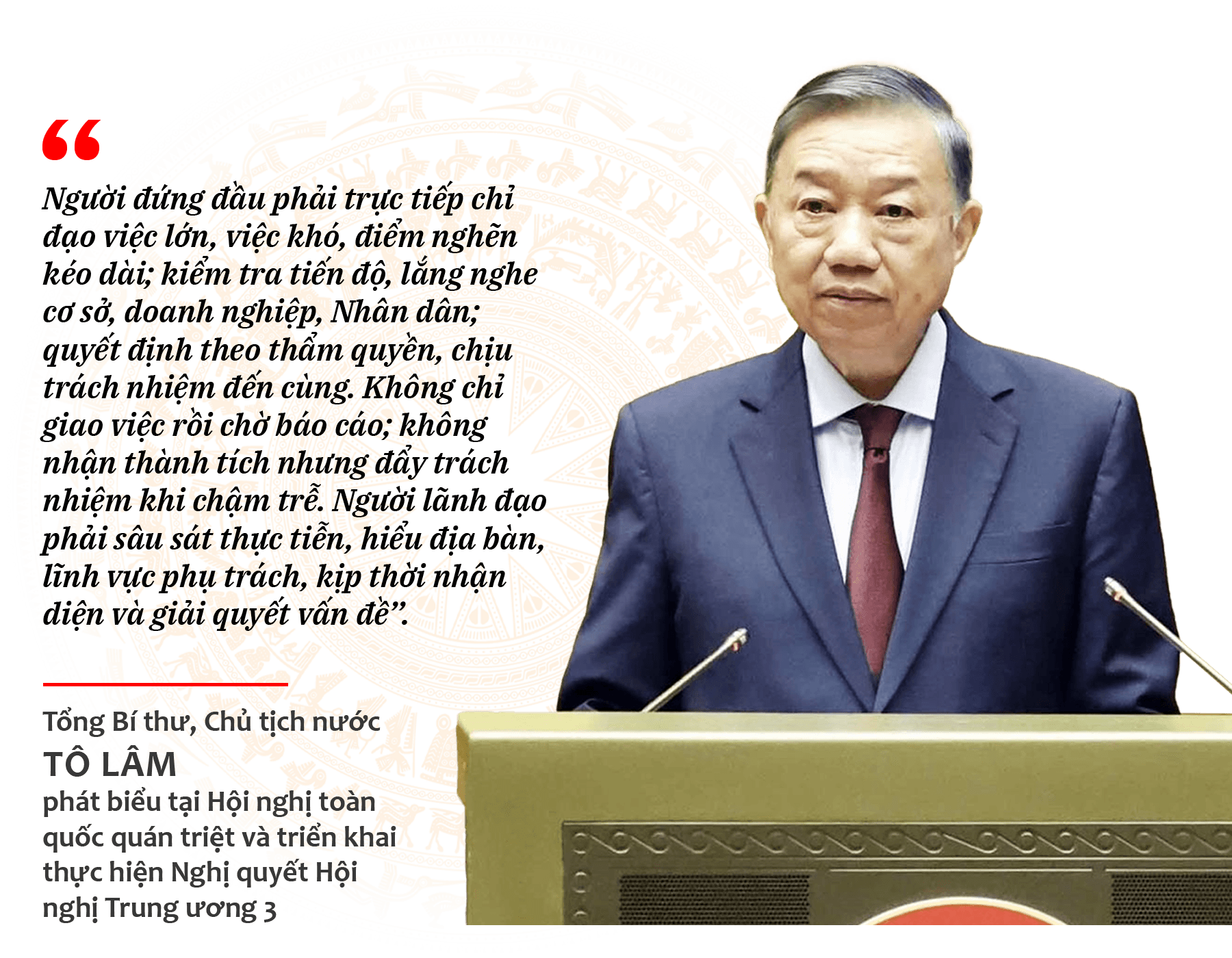
These stories show that, with sensitive issues, leaders cannot simply delegate tasks and then wait for reports. To build consensus, they must first directly confront the issues and the people; they must explain what the people don't understand, listen to their concerns, and take responsibility for what falls within their authority.
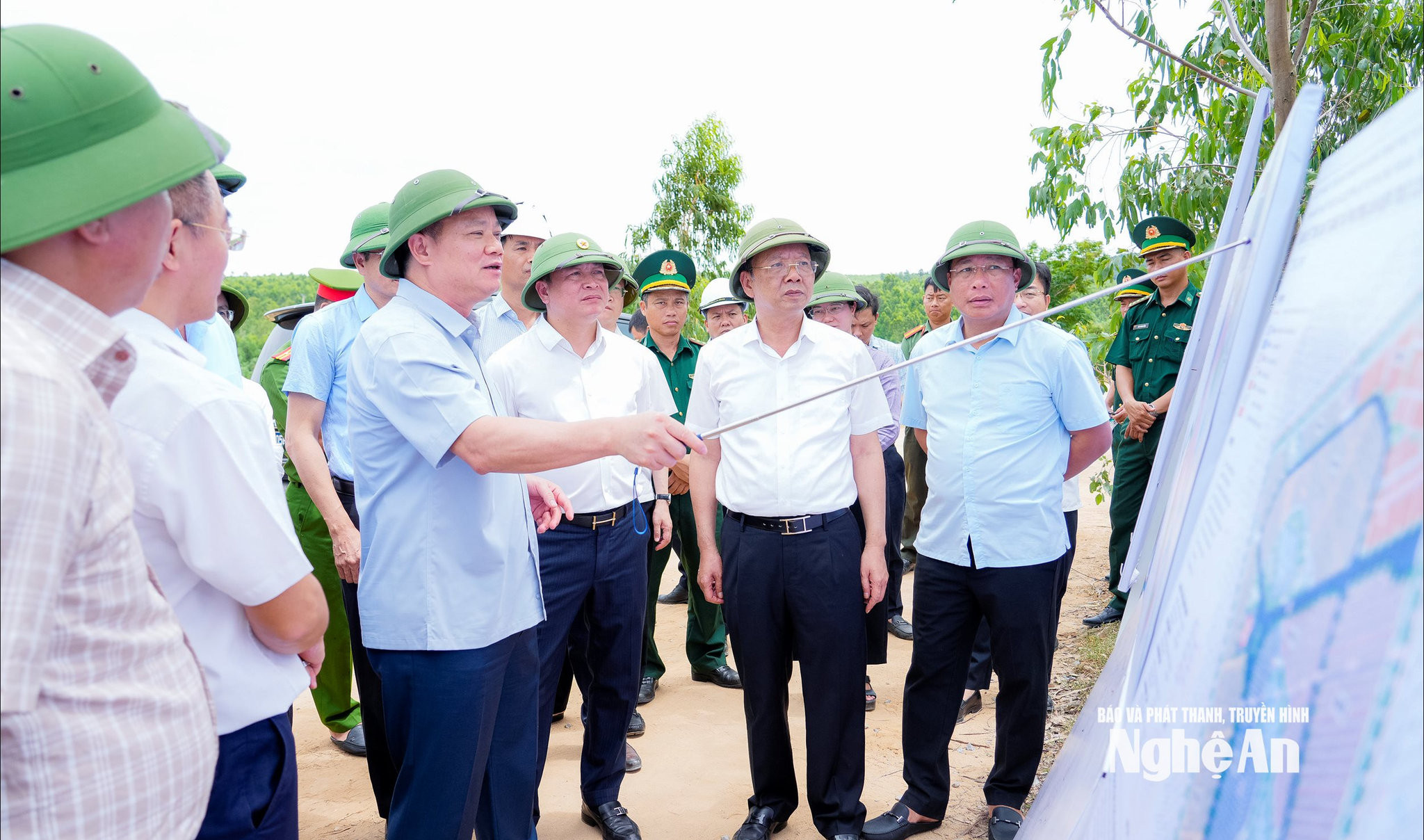
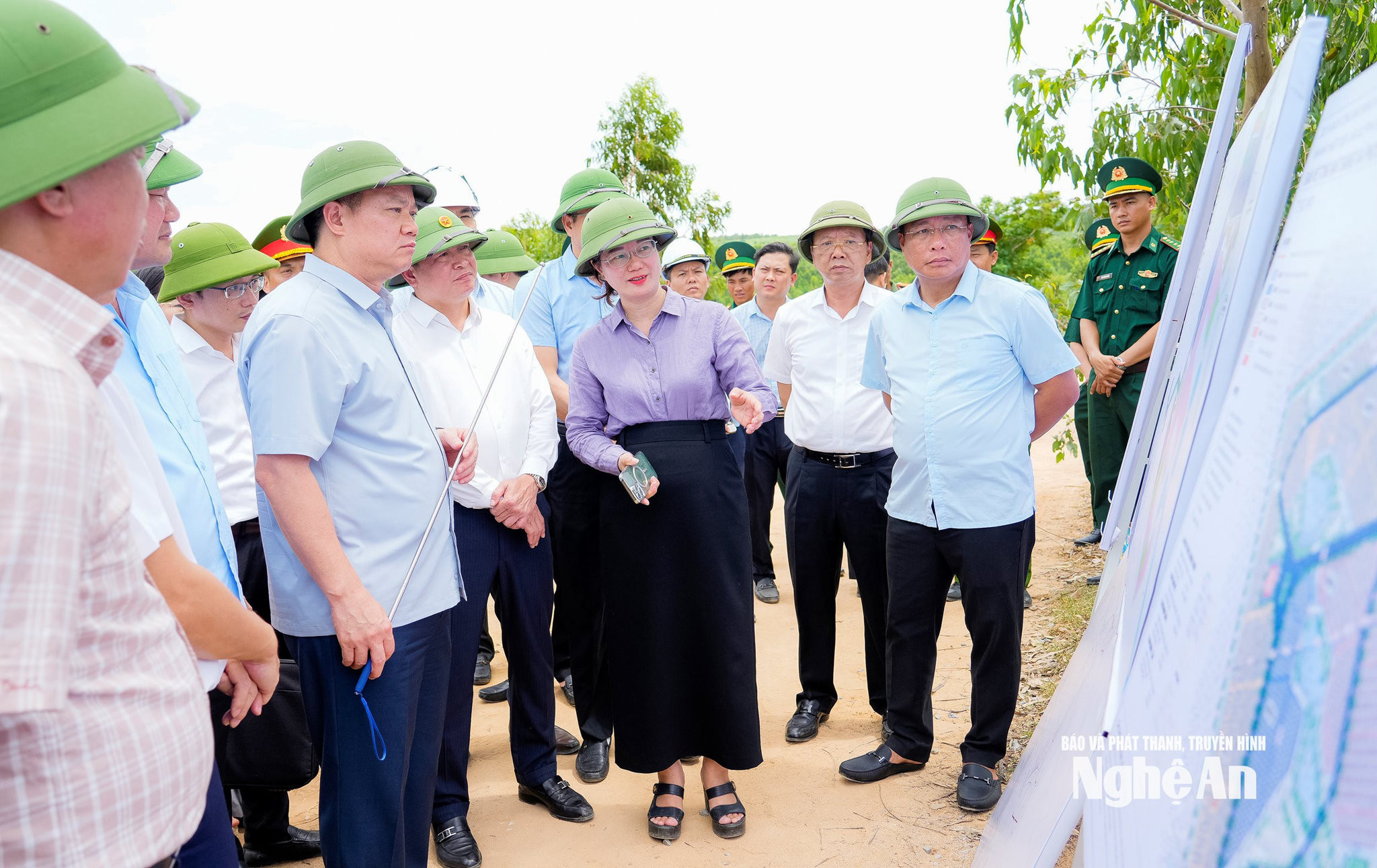
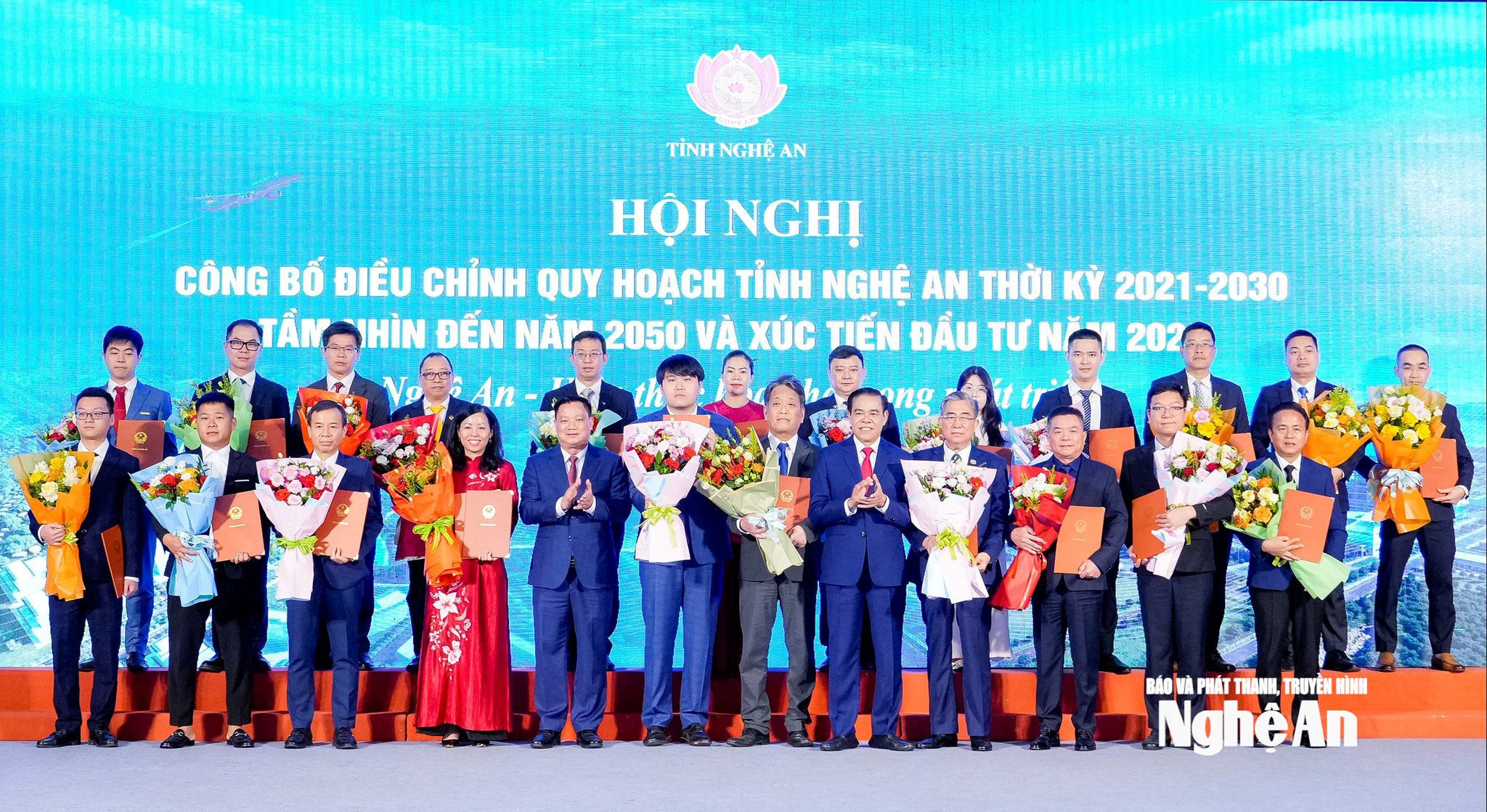
The spirit and responsibility of leaders were also emphasized at the conference "Announcing the adjustment of the Provincial Planning for the period 2021-2030, with a vision to 2050 and promoting investment in 2026", with the theme "Nghe An - realizing the aspiration for development".
At the conference, Comrade Nguyen Khac Than - Member of the Central Committee of the Party, Secretary of the Provincial Party Committee, and Head of the Provincial Delegation of National Assembly Deputies - requested: "Heads of agencies, units, and localities must directly lead, direct, and proactively handle work within their authority... without shirking or avoiding responsibility, and without allowing the dossiers of businesses and investors to be delayed."
This is not only a requirement for public service responsibility, but also a way for the new system to operate more closely to reality, reducing the gap between the government and the people and businesses.

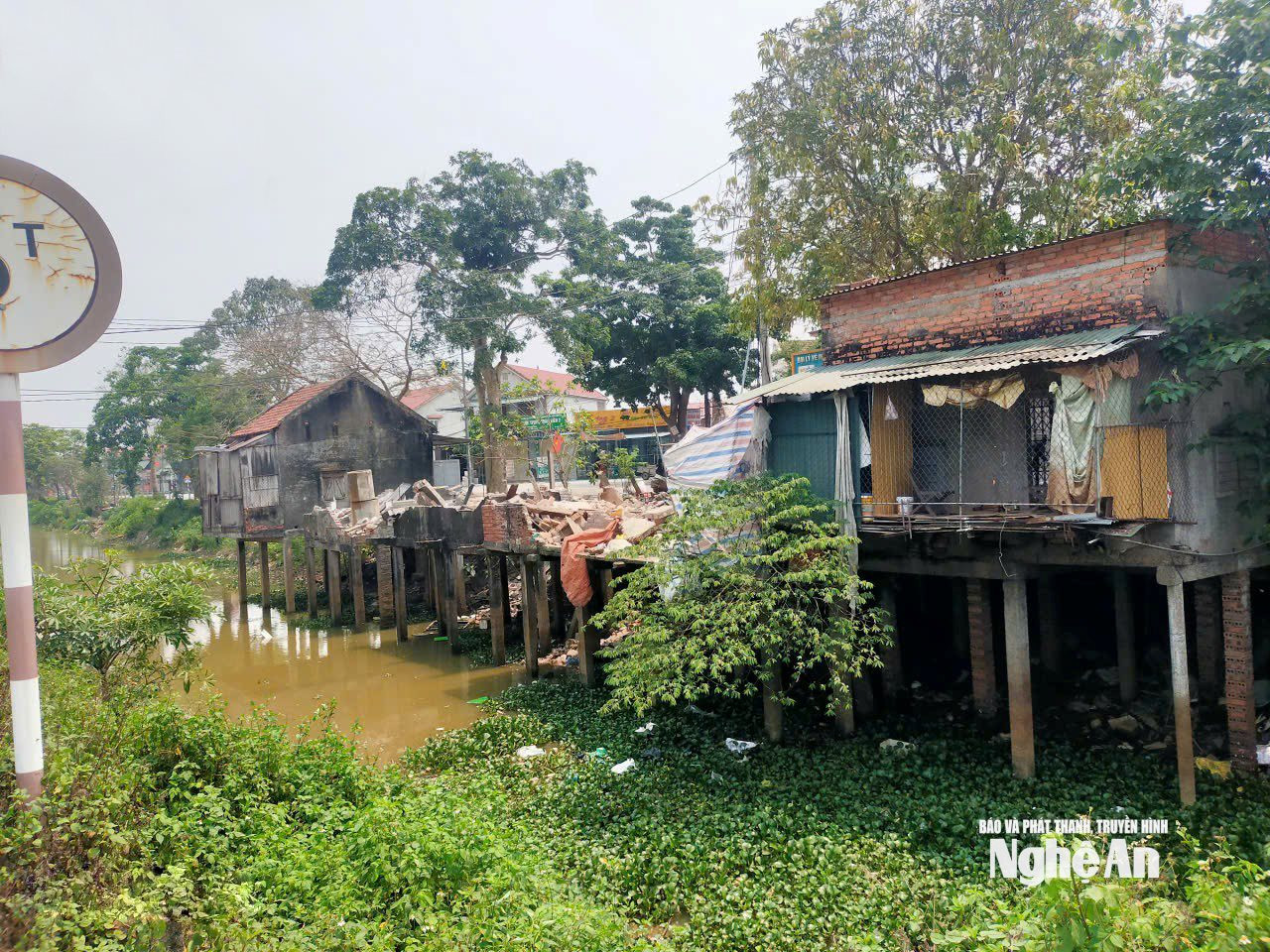
A broader management scope also means that the problems arising at the grassroots level are more diverse and complex. With long-standing issues, if the leader lacks perseverance, thoroughness, and direct involvement, small problems can become major bottlenecks.
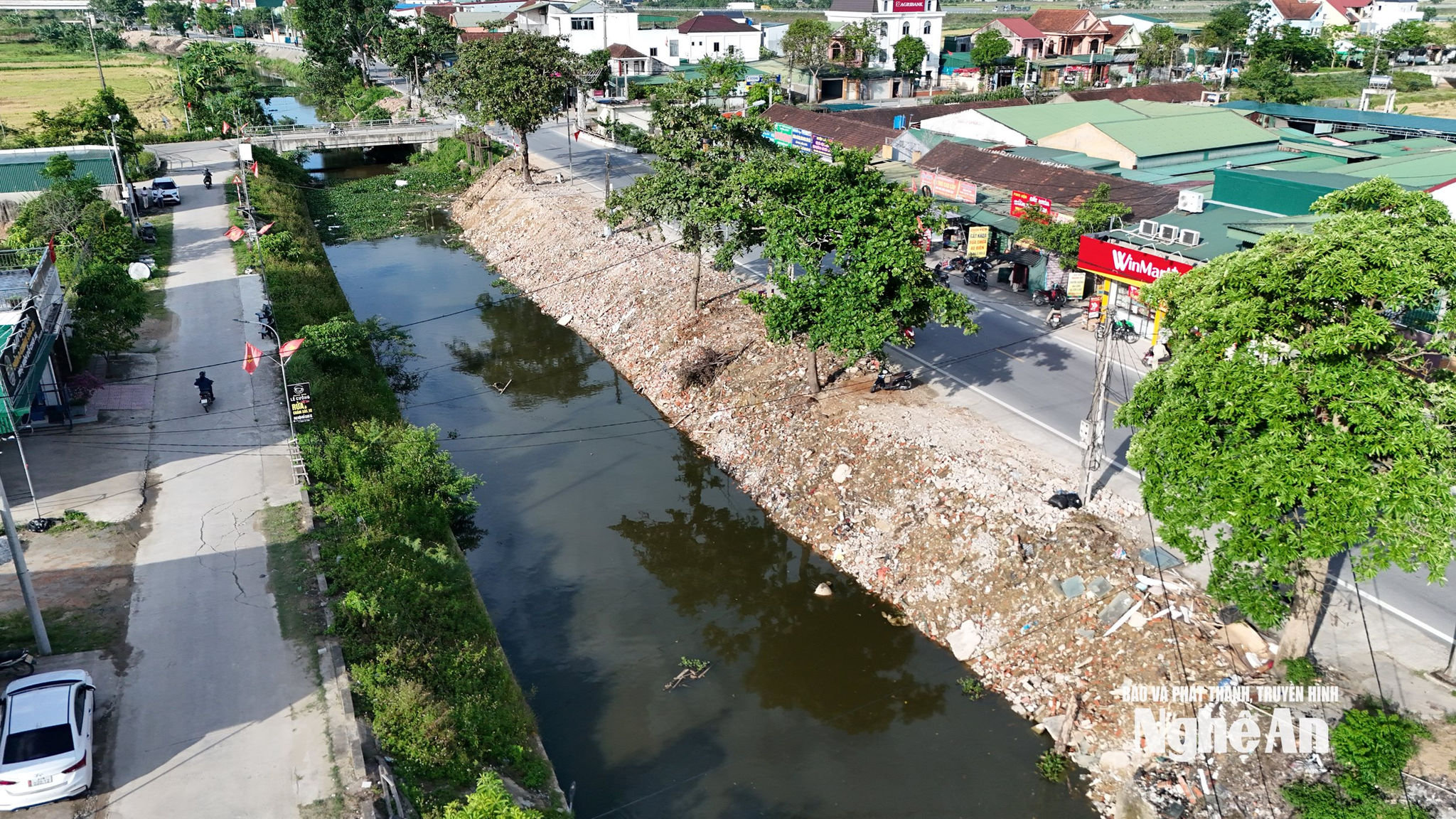
In Hung Nguyen Nam commune, a long-standing issue of encroachment on the 12/9 canal and Provincial Road 542C, spanning over 40 years, has been resolved. In less than three months, 44 households voluntarily dismantled their encroaching kiosks and handed over the land without the need for coercive measures.
Mr. Cao Anh Duc, Chairman of the People's Committee of Hung Nguyen Nam commune, said that to achieve these results, the commune's Party committee and government organized many working sessions and direct dialogues, listening to and addressing requests based on legal regulations. Households that voluntarily dismantled their structures early were awarded Certificates of Commendation and received 2 million VND in support per household.
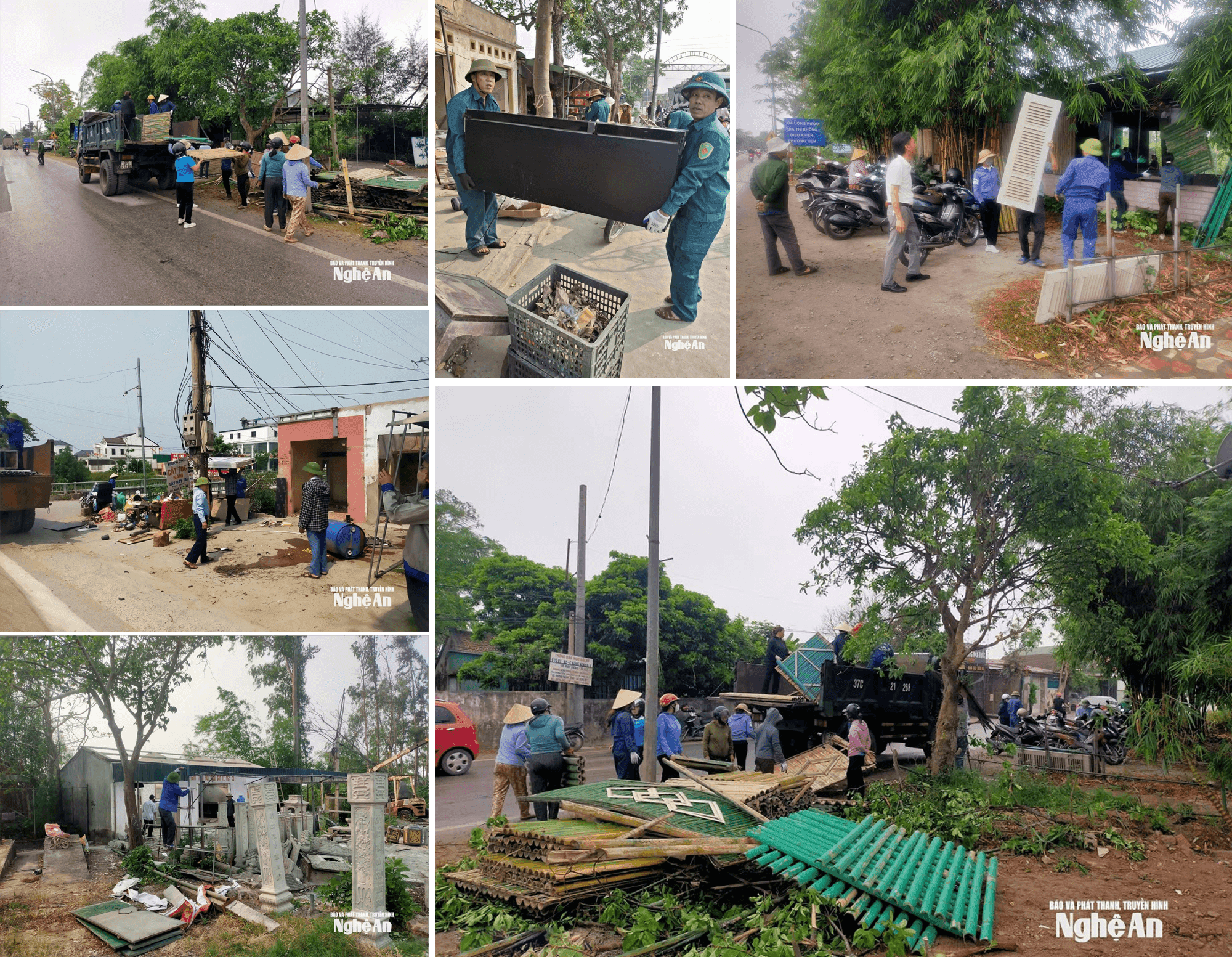
Police officers, militia members, and youth union members also directly assisted residents in dismantling, transporting materials, and clearing the site. This consensus did not stem from mere administrative orders, but from the way the government demonstrated fairness, impartiality, and the "actions speak louder than words" spirit of its leaders.
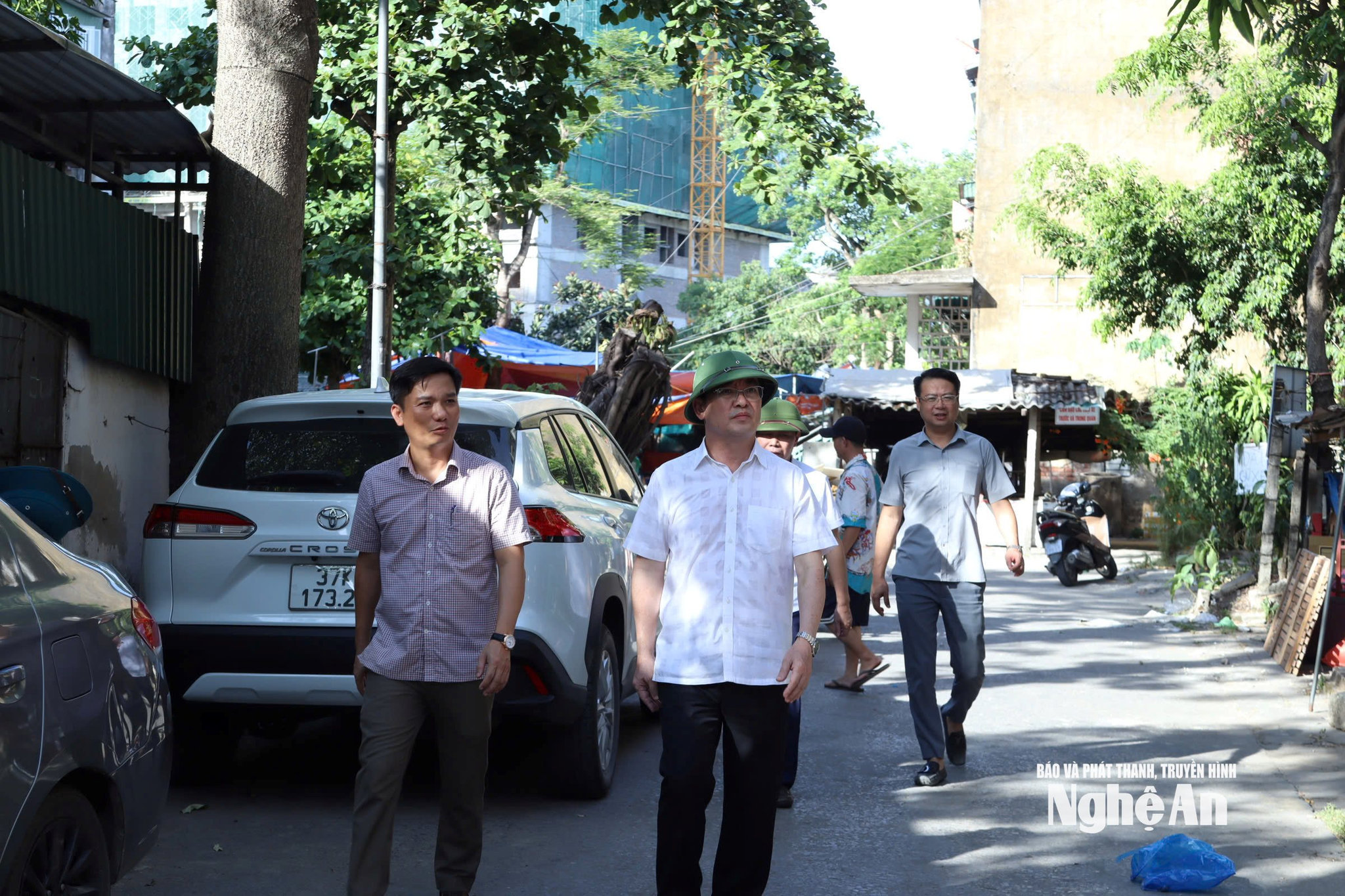
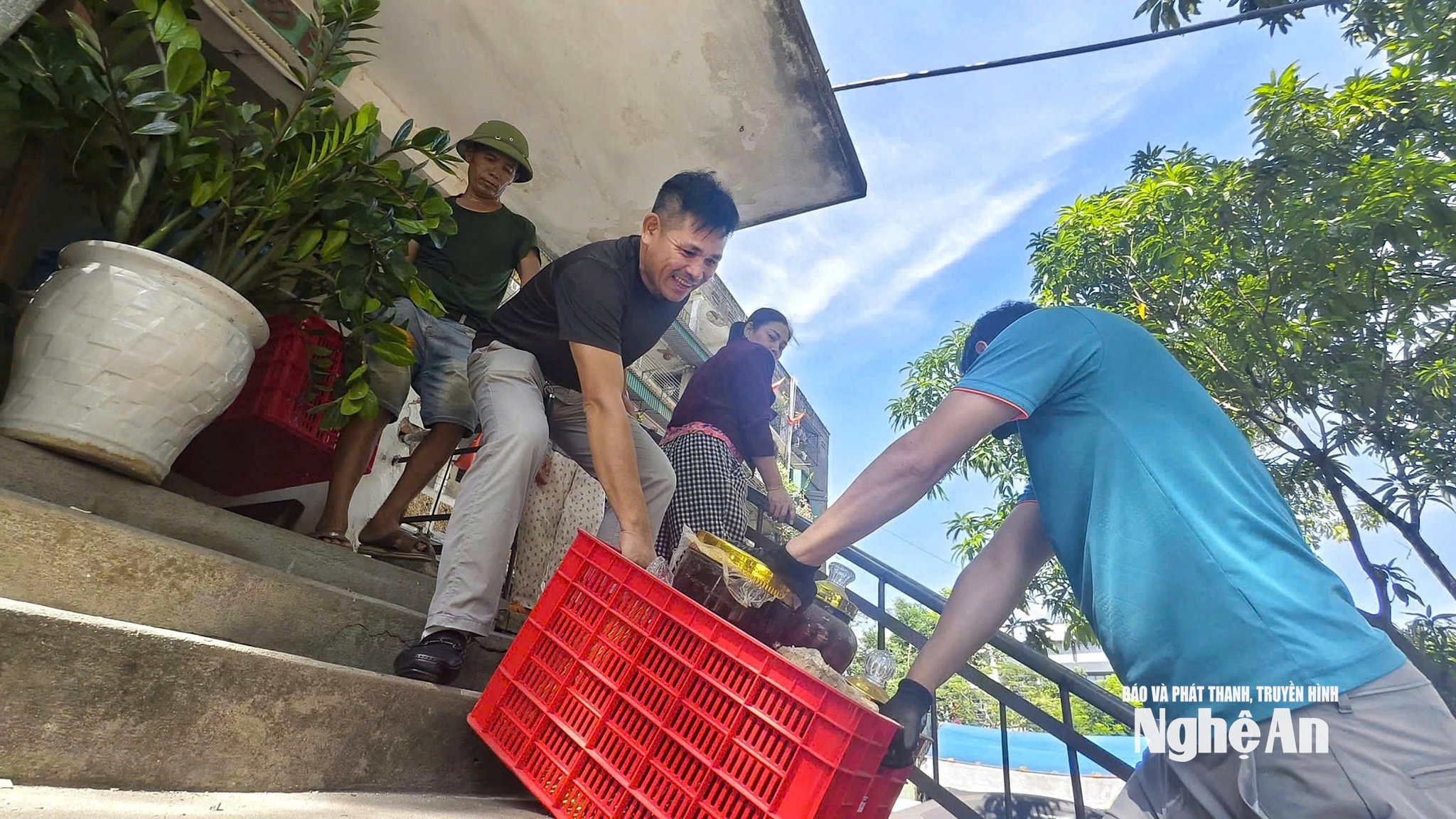
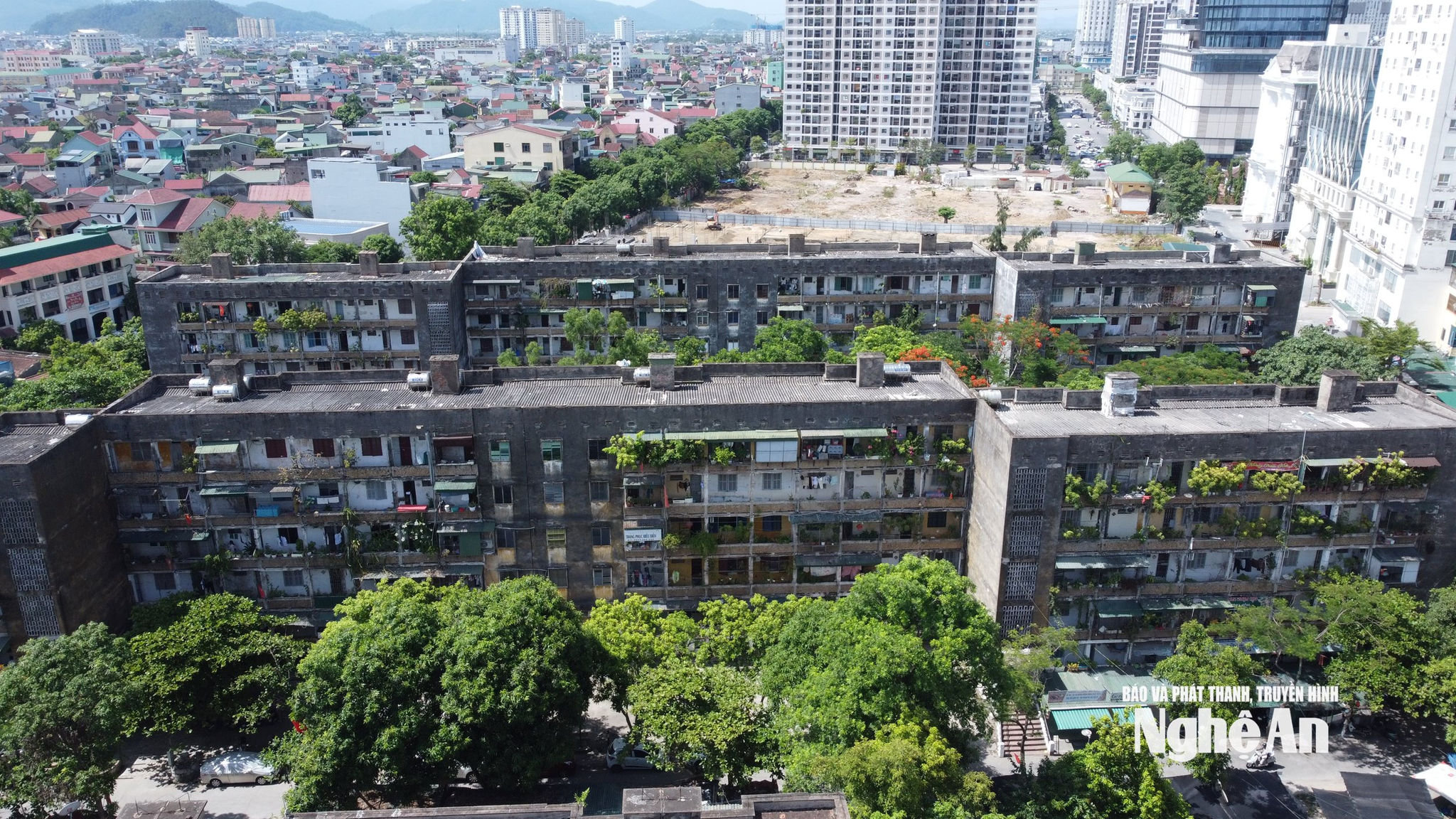
In Thanh Vinh ward, to address outstanding and emerging issues in the operation of the two-tiered government system, the Standing Committee of the Party Committee holds weekly meetings to listen to public opinion, review the progress of tasks of departments and agencies, and promptly direct and resolve issues according to the principle: clear responsibilities, clear tasks, clear timelines, clear accountability, clear outcomes, and clear authority. This approach has contributed to resolving many important issues, including the relocation of 140 households in the C5 and C6 Quang Trung apartment buildings, which were assessed as level D, the highest level of danger for apartment buildings.
In addition, many key projects have been completed and put into use, such as the extended Ly Thuong Kiet road and the Dinh Cong Trang road. The results of the assessment of the indicators for serving citizens and businesses on the National Public Service Portal show that the ward achieved 99%; the administrative reform index for 2025 ranked 7th in the province; and 22 out of 22 socio-economic targets were completed or exceeded.
In many other localities, the leaders also directly handle pressing issues related to land, construction, and urban order; dismantling illegal constructions and encroachments on agricultural and forest land occurring in their areas.
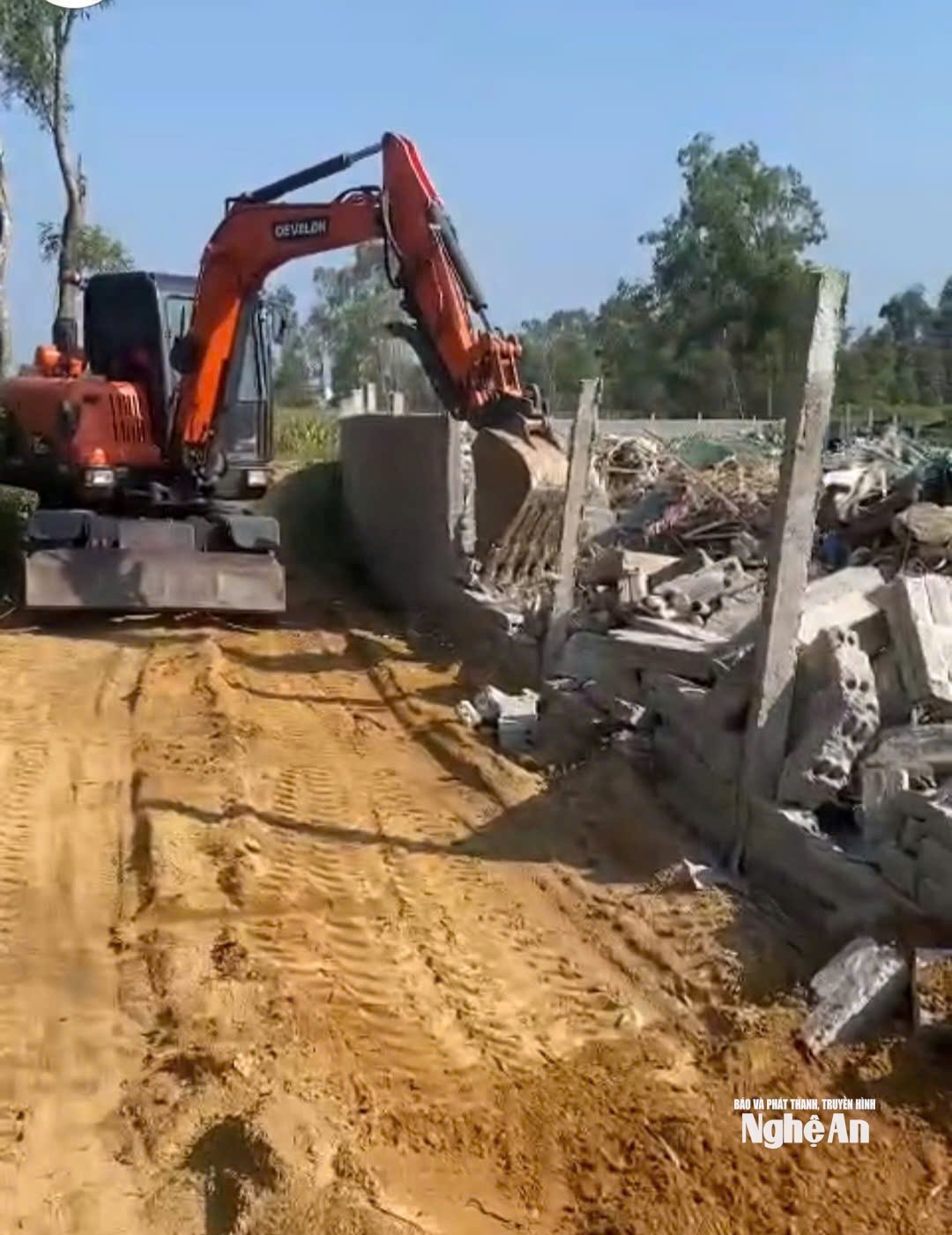
A typical example is the decisive demolition of illegally constructed tombs on land designated for perennial crops, agricultural land, and protected forests in several localities such as Dong Loc, Hoang Mai, and Quynh Luu.
Or consider the handling of the 90-meter-long, 5-meter-wide concrete road that "suddenly appeared" overnight before the merger, cutting through eight plots of agricultural land belonging to local residents, along with the campaigns to restore order in land management and construction in Vinh Phu ward.
In the field of public investment, the sense of responsibility of leaders is further challenged by the large workload and stringent procedural requirements.

In Tam Thai commune, clearly defining individual responsibilities, monitoring the progress of each project, and the close supervision of the Chairman of the People's Committee in resolving land issues and urging contractors to complete work have helped the locality, which was once criticized for its low disbursement rate, rise to the group with a high disbursement rate.
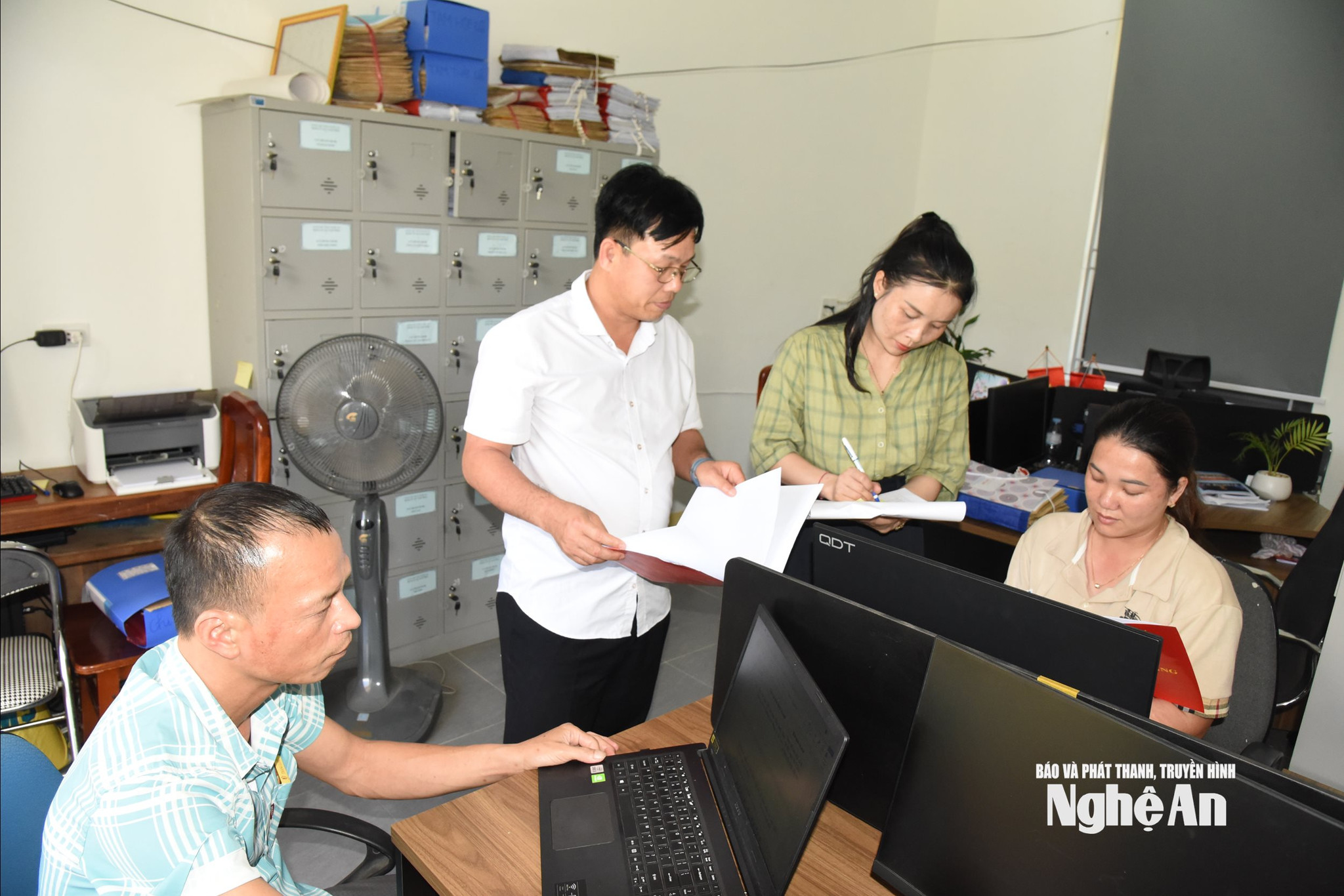
Behind those figures lies a very specific requirement for leaders: Do not shy away from difficult tasks, do not let problems linger, and translate responsibility into concrete action.

The ultimate goal of reform and streamlining the administrative apparatus is to better serve the people and businesses. Therefore, the vitality of the two-tiered government system is not only reflected in numbers and reports but also felt through changes in daily life.
In Chau Tien commune, a traffic black spot at the foot of Kem Kho slope, bordering Bong and Tham Men villages, has seen four accidents due to the steep slope, sharp curves, and lack of lighting. Previously, because the road lies between two villages, there were times when responsibility for handling the situation was not agreed upon.
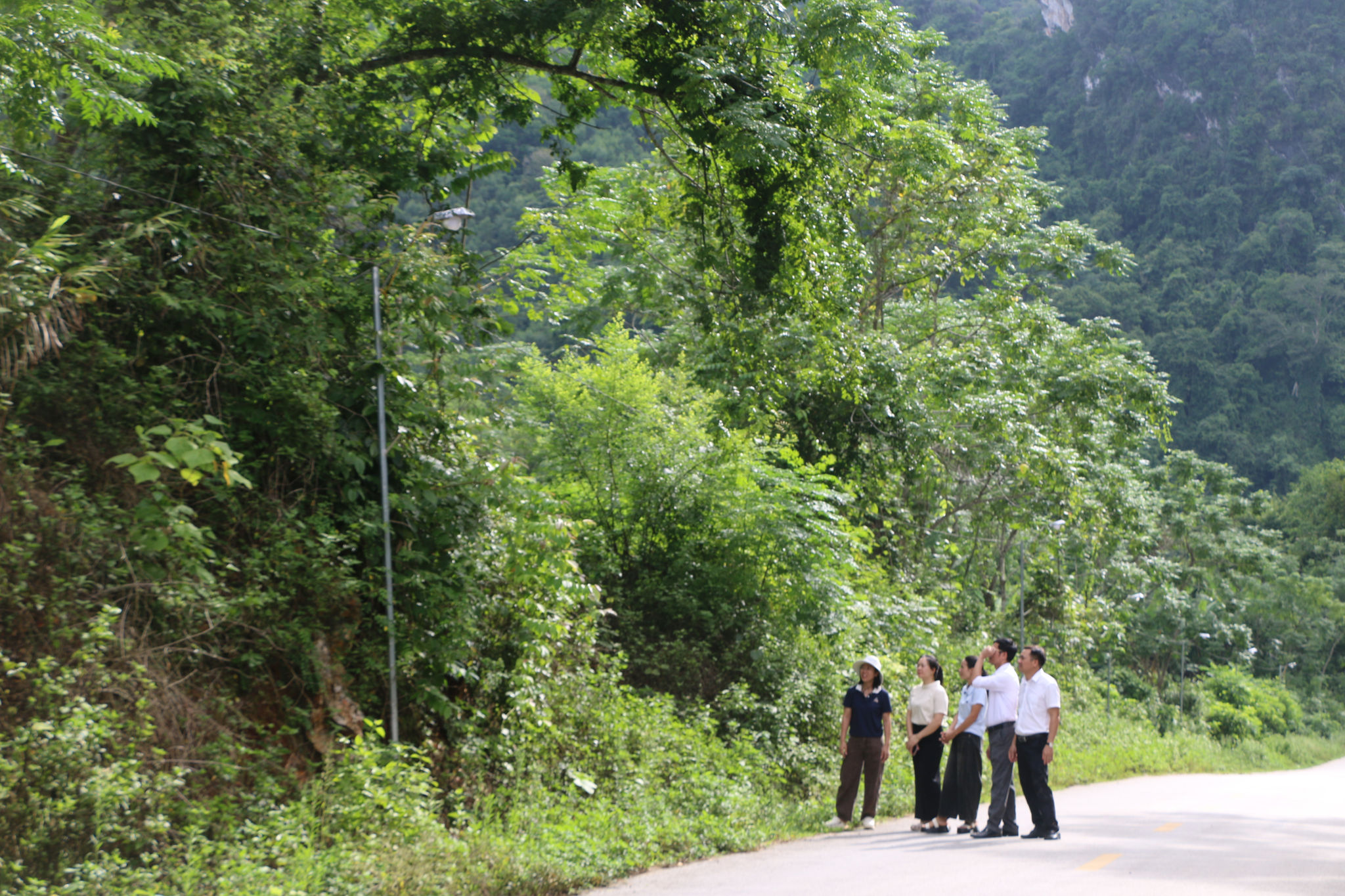
Faced with this situation, the head of the commune's Party committee and government directly surveyed and directed the coordination with the two villages to implement the "Security Power Line" model of effective community mobilization. The commune provided 20 million VND in support; each household in the two villages contributed 100,000 VND along with labor for installation. By April 2026, 35 lampposts along a 500-meter stretch of road were illuminated.
A section of road was illuminated, but along with that came a strengthened consensus between the two villages. "This light not only illuminates the road but also resolves the conflicts in the relationship between the two villages, further reinforcing the people's trust in the leadership of the Party Committee and local government," shared Ms. Lo Thi Thu, Secretary of the Tham Men Village Party Branch.
.jpg)
In the border commune of Na Ngoi, the role of the leader is demonstrated through seemingly small but significant actions for social stability. Upon discovering two cases showing signs of illegal religious activities, the Chairman of the People's Committee of Ha Ba Thai commune personally met with, shared with, analyzed, and persuaded the families to return to the traditional lifestyle and customs of the Mong people, thus stabilizing their lives.
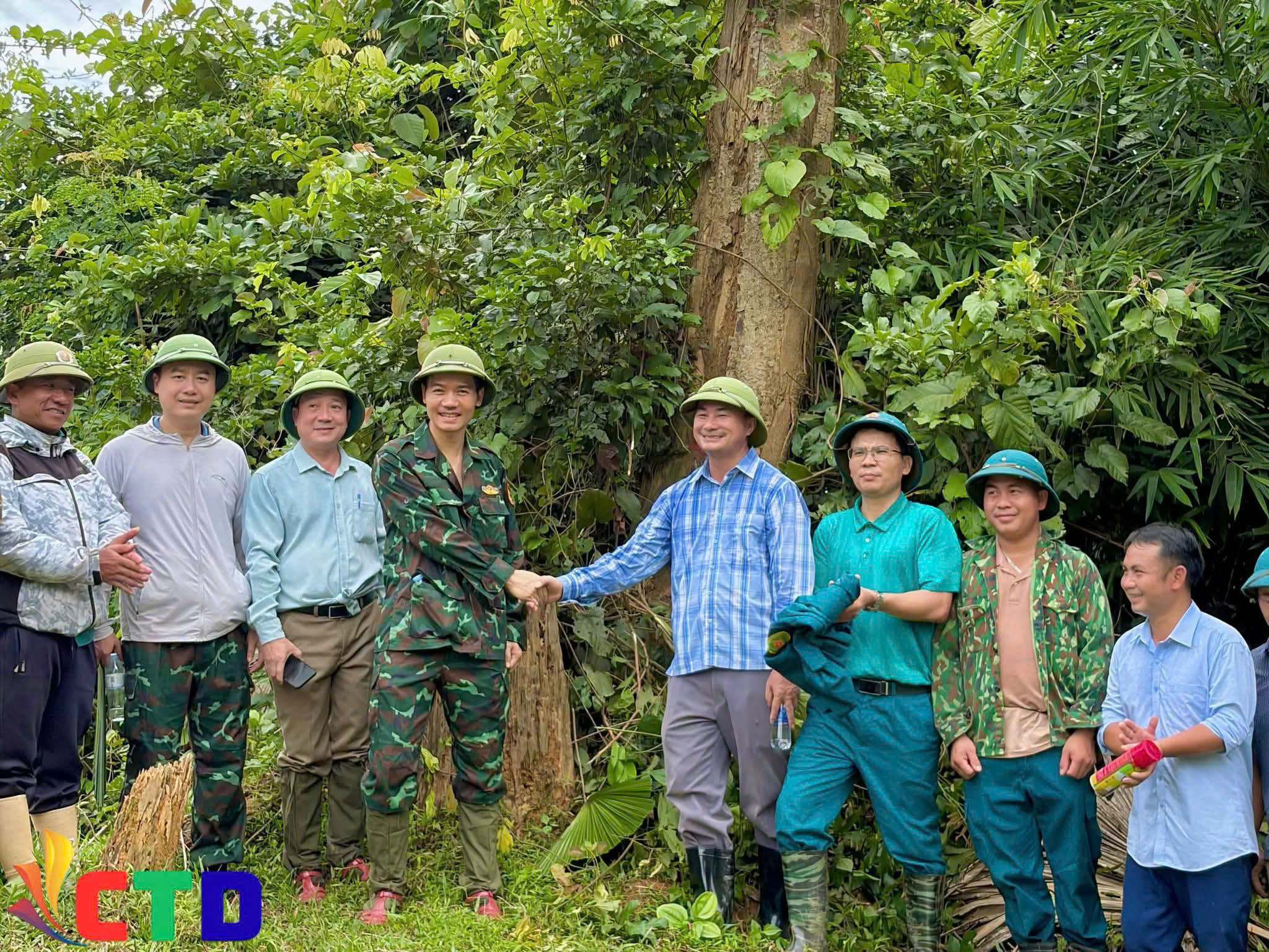
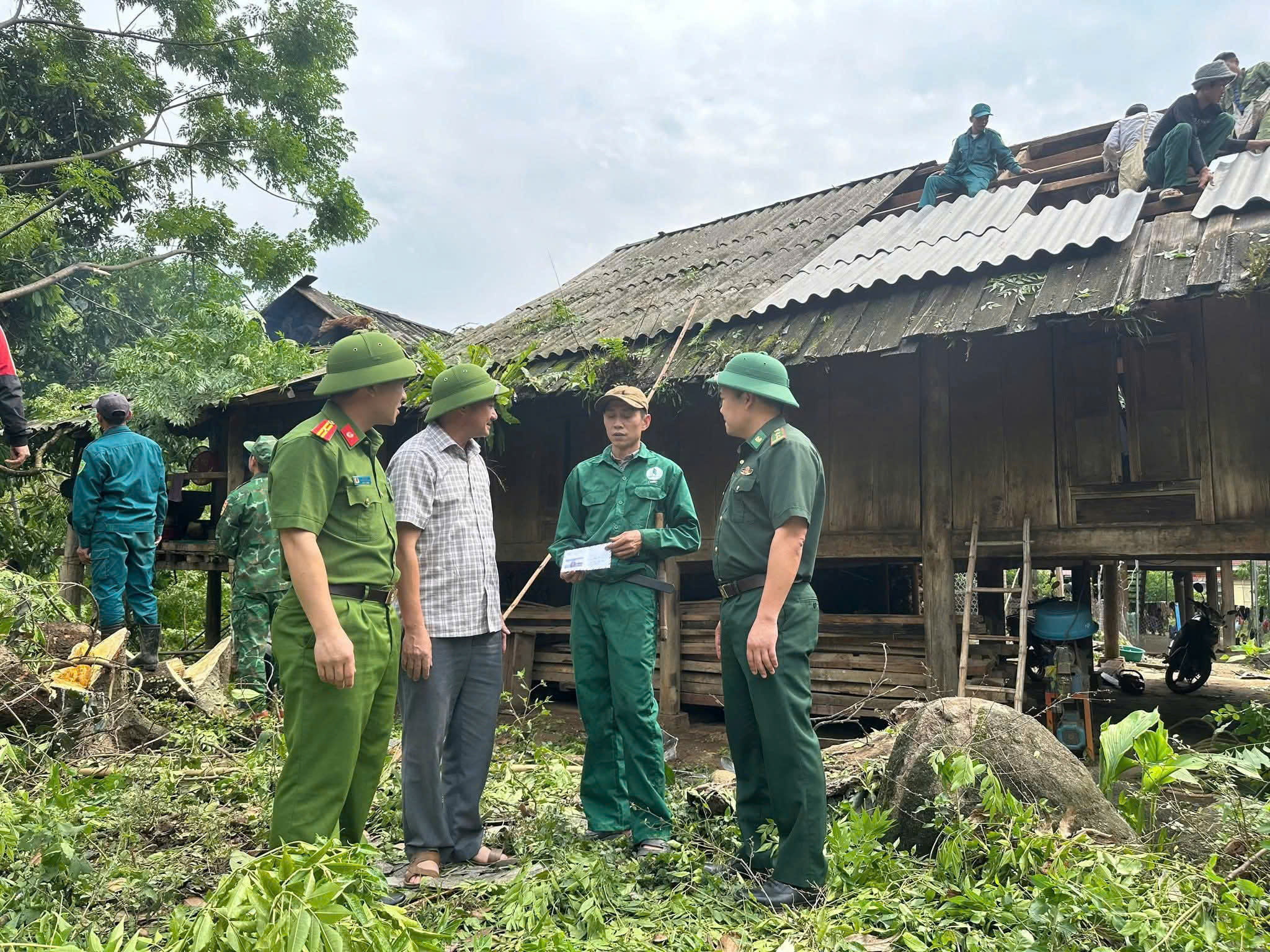
When a dispute over water resources for agricultural production arose among five households in Buoc Mu village, and the conflict threatened to escalate, the commune leaders went directly to the scene and coordinated with the village elders, headmen, and influential figures in the clan to engage in dialogue. After numerous attempts at persuasion, the households voluntarily cleared and shared the water source, ending the conflict.
These approaches demonstrate that, at the grassroots level, there are issues that cannot be resolved solely through administrative procedures. To resolve conflicts, leaders must understand the local area, be close to the people, know how to rely on the community, and leverage the role of respected individuals.

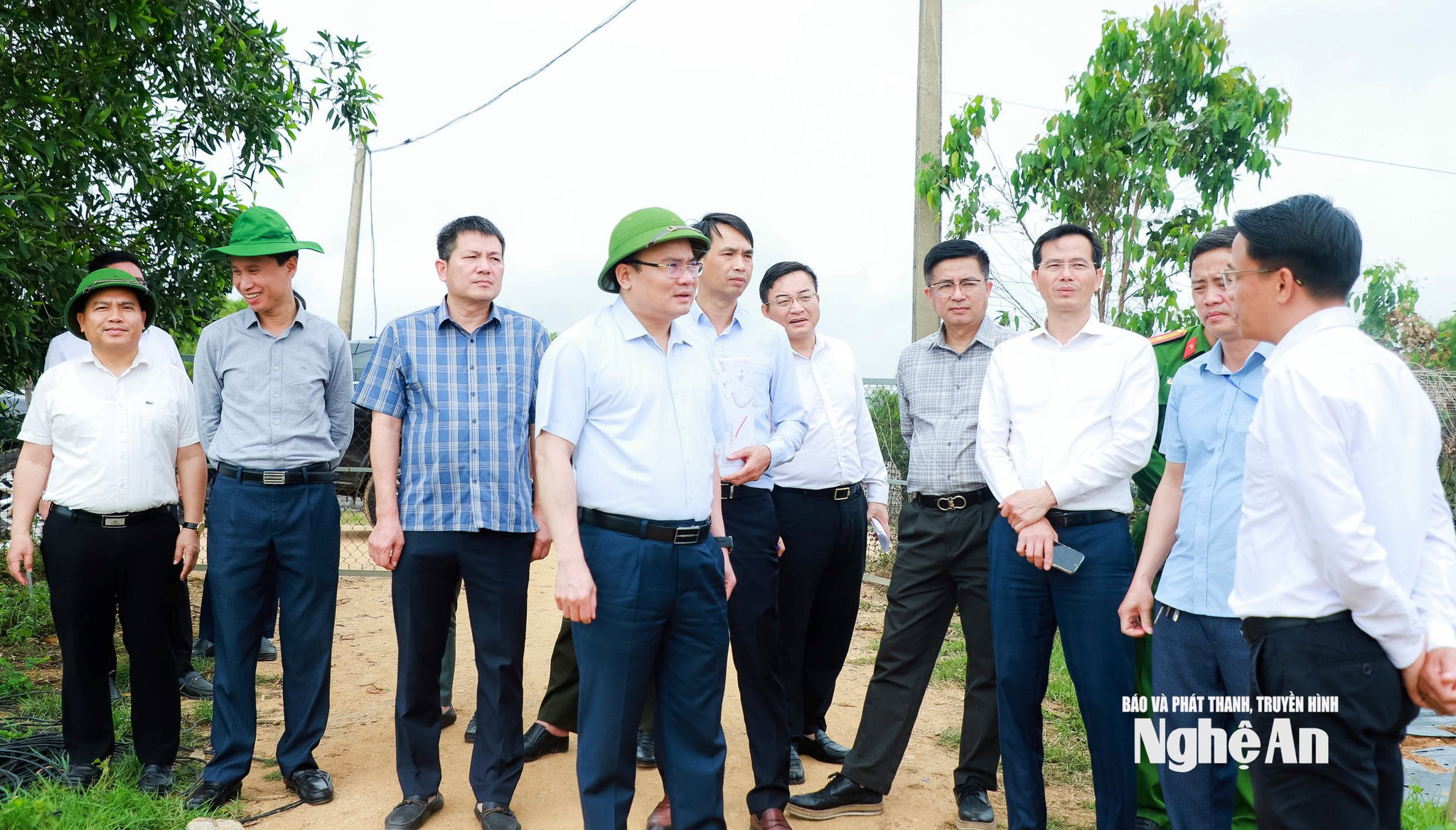
From land clearance and land management to public investment and resolving community conflicts, the mark of the leaders in Nghe An is being demonstrated through concrete actions. More importantly, resolving difficult issues not only produces immediate results but also contributes to strengthening discipline, improving management effectiveness, fostering consensus, and cultivating close relationships between the Party, the government, and the people.
Operating a two-tiered local government system represents a major shift in organization and governance methods. In this process, the leader is one of the key factors determining the effectiveness of the system.
When leaders dare to take on difficult tasks, engage in direct dialogue, and act for the common good, the "Party's will and the people's aspirations" will converge in concrete and practical results; thereby creating a foundation for building an administration that is close to the people, respects the people, serves the people, and fosters development.
.jpg)
(To be continued)


