
The leader sets the pace of the system:Part 3: Fire tests gold.
After the organizational stabilization phase, the two-tiered local government system entered a phase of substantive operation. With a more streamlined structure but a broader scope of responsibility, difficulties regarding human resources, geographical areas, workload, and the demands of serving the people quickly became apparent. This was also the time when the governance capacity, leadership qualities, and accountability of the heads of departments were most clearly tested.
Perform:Duc Chuyen - Khanh Ly - Hoai Thu |Design:Huu Quan
August 23, 2026
After the organizational stabilization phase, the two-tiered local government system entered a phase of substantive operation. With a more streamlined structure but a broader scope of responsibility, difficulties regarding human resources, geographical areas, workload, and the demands of serving the people quickly became apparent. This was also the time when the governance capacity, leadership qualities, and accountability of the heads of departments were most clearly tested.

The first year of operating the two-tiered local government system was called a "trial by fire" by many grassroots officials. After the restructuring, not all conditions could be met immediately.
As the workload increases, the governance methods also change, requiring commune-level authorities not only to perform assigned tasks but also to proactively address issues within their jurisdiction.
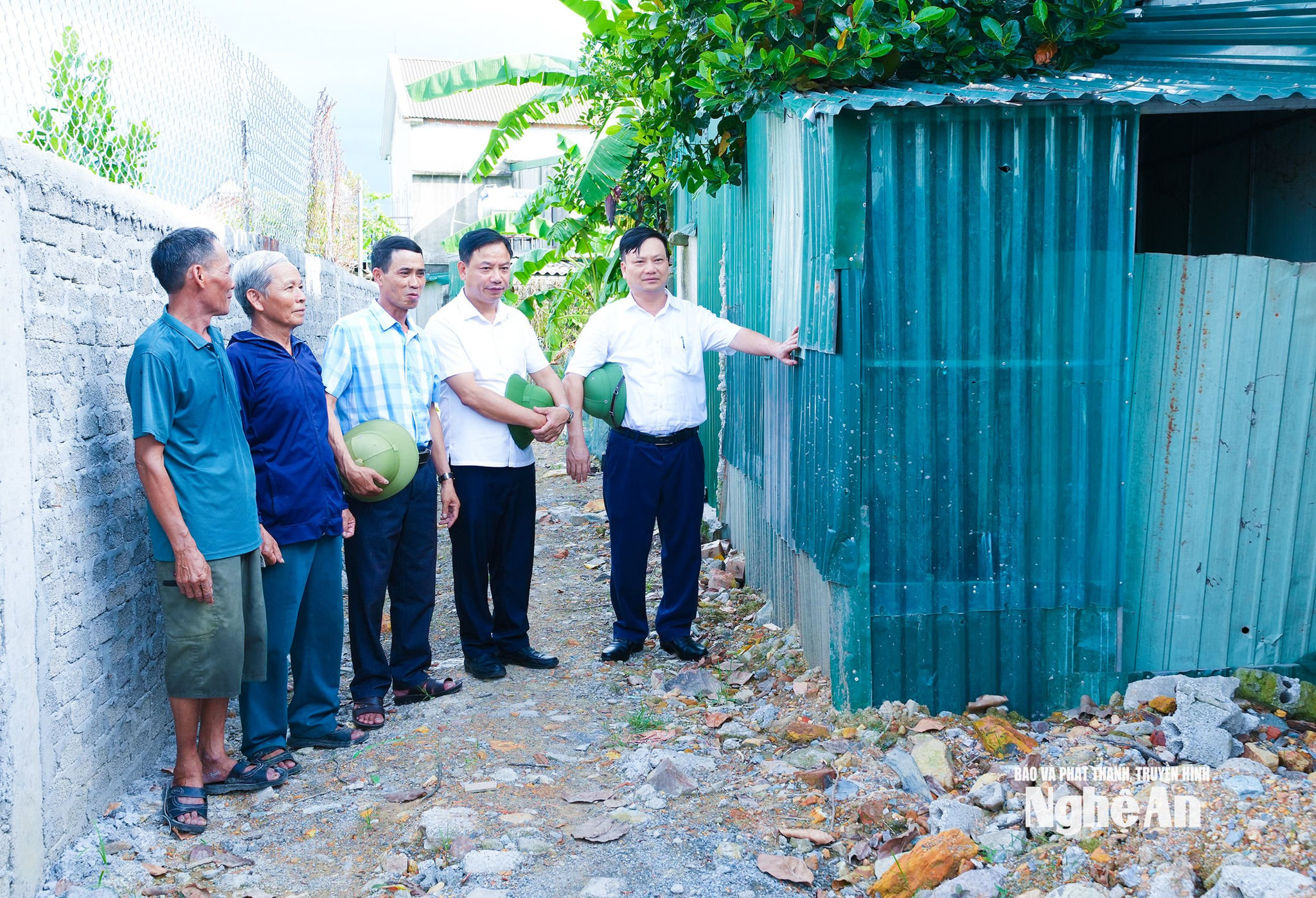
The first challenge lies in the human resources issue. As of August 1, 2026, 130 communes and wards in Nghe An province have 8,415 commune-level officials and civil servants, lacking 1,325 people compared to the provisional allocation and 345 people compared to the central government's prescribed staffing quota. Of these, the Party and mass organizations have 3,486 people, lacking 344 people compared to the provisional allocation and 24 people compared to the quota; the government sector has 4,929 people, lacking 981 people compared to the provisional allocation and 321 people compared to the quota.
A shortage of personnel means that many staff members have to handle multiple tasks simultaneously, while the demands for quality and timely completion of work are increasingly high. However, it is precisely in this context that the organizational skills and ability of the leader to unite the team become decisive factors.

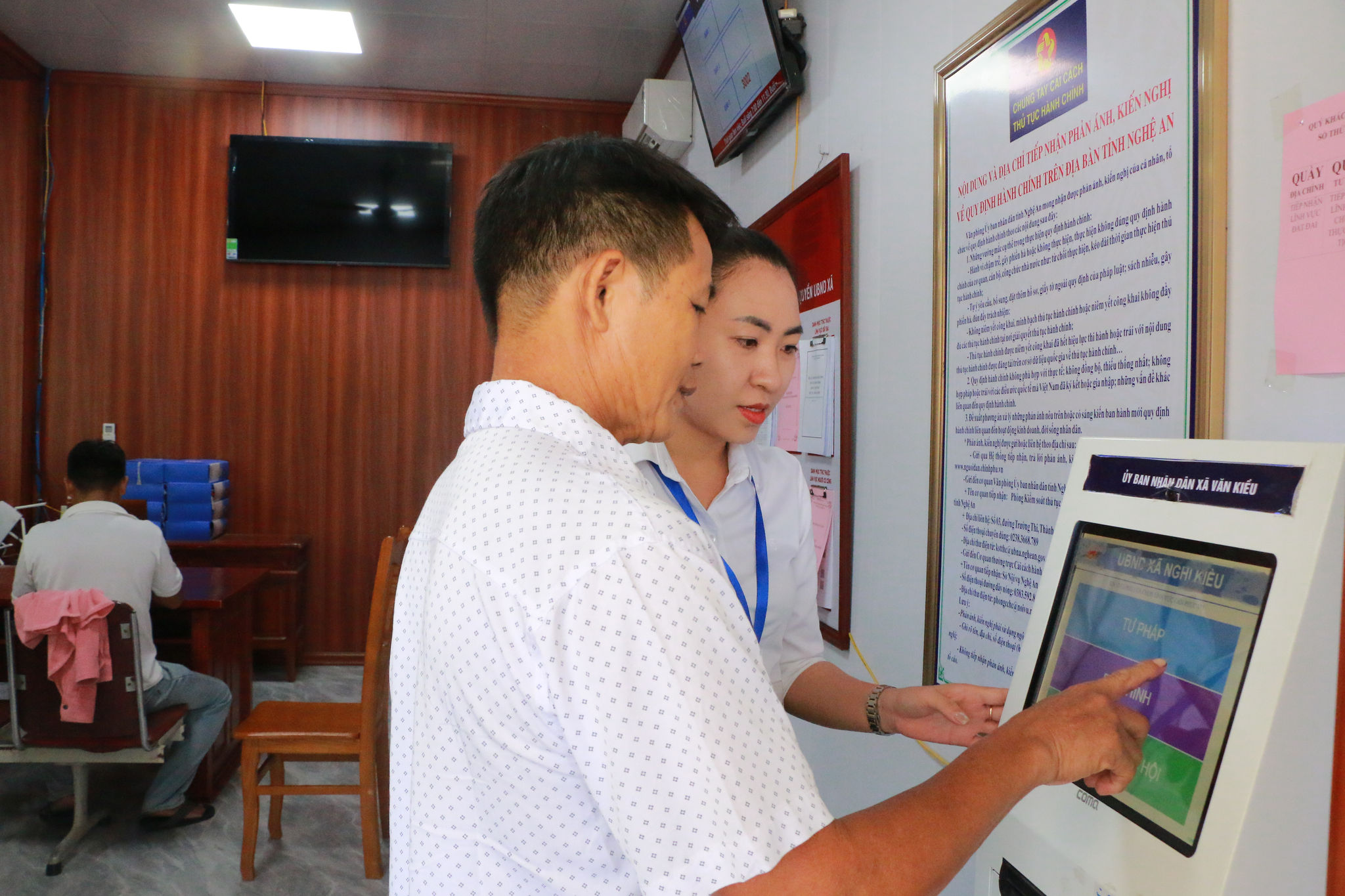


In Keng Du commune, a border area where over 90% of the population are Khmu ethnic minorities, the pressure is very real. After restructuring, the entire commune only has 33 officials and civil servants out of a total of 59 allocated positions. The fragmented terrain, limited infrastructure, and unstable internet connection create many obstacles to the implementation of online public services and digital transformation. A portion of the staff also lacks skills and work experience.
In that context, instead of waiting until there were enough people and the necessary conditions to start, the commune's Party committee and government chose to begin by strengthening the workforce. The leader directly met with, dialogued with, and understood the concerns of the staff, assigned tasks according to their abilities and strengths, built a cohesive working environment, and emphasized the responsibility of setting a good example.

"The human factor remains the decisive element in the success of all reform initiatives," shared Comrade Tho Ba Re, Secretary of the Party Committee and Chairman of the People's Council of Keng Du commune.
Meanwhile, Chairman of the People's Committee of Luong Van Ngam commune stated that in mountainous areas, if officials are afraid of making mistakes, avoid responsibility, or handle work mechanically, the first to suffer are the ethnic minority people. Therefore, the leader must directly guide professional staff, resolve difficulties within the framework of the law, and base solutions on the legitimate rights of the people.

.jpg)
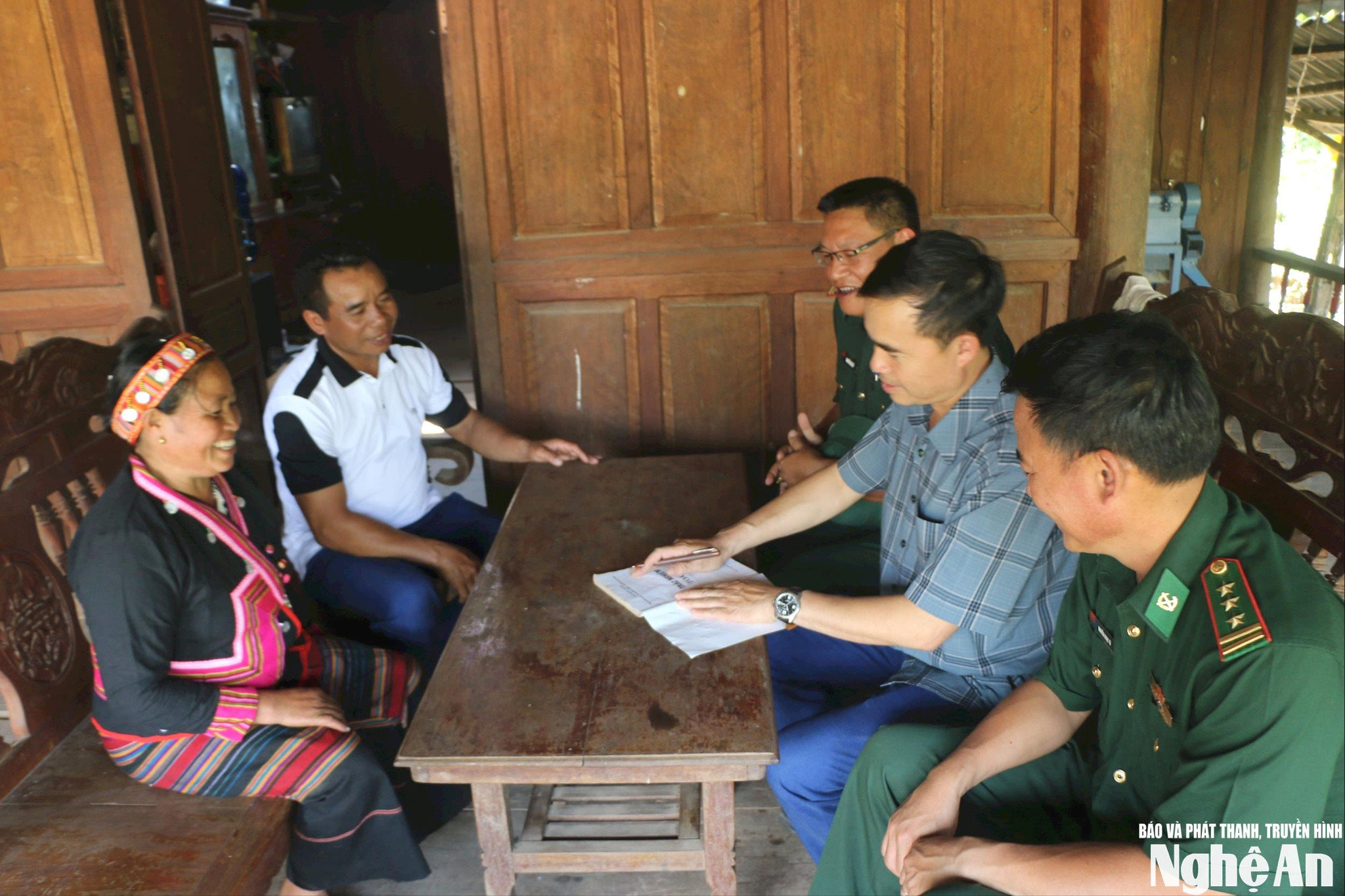
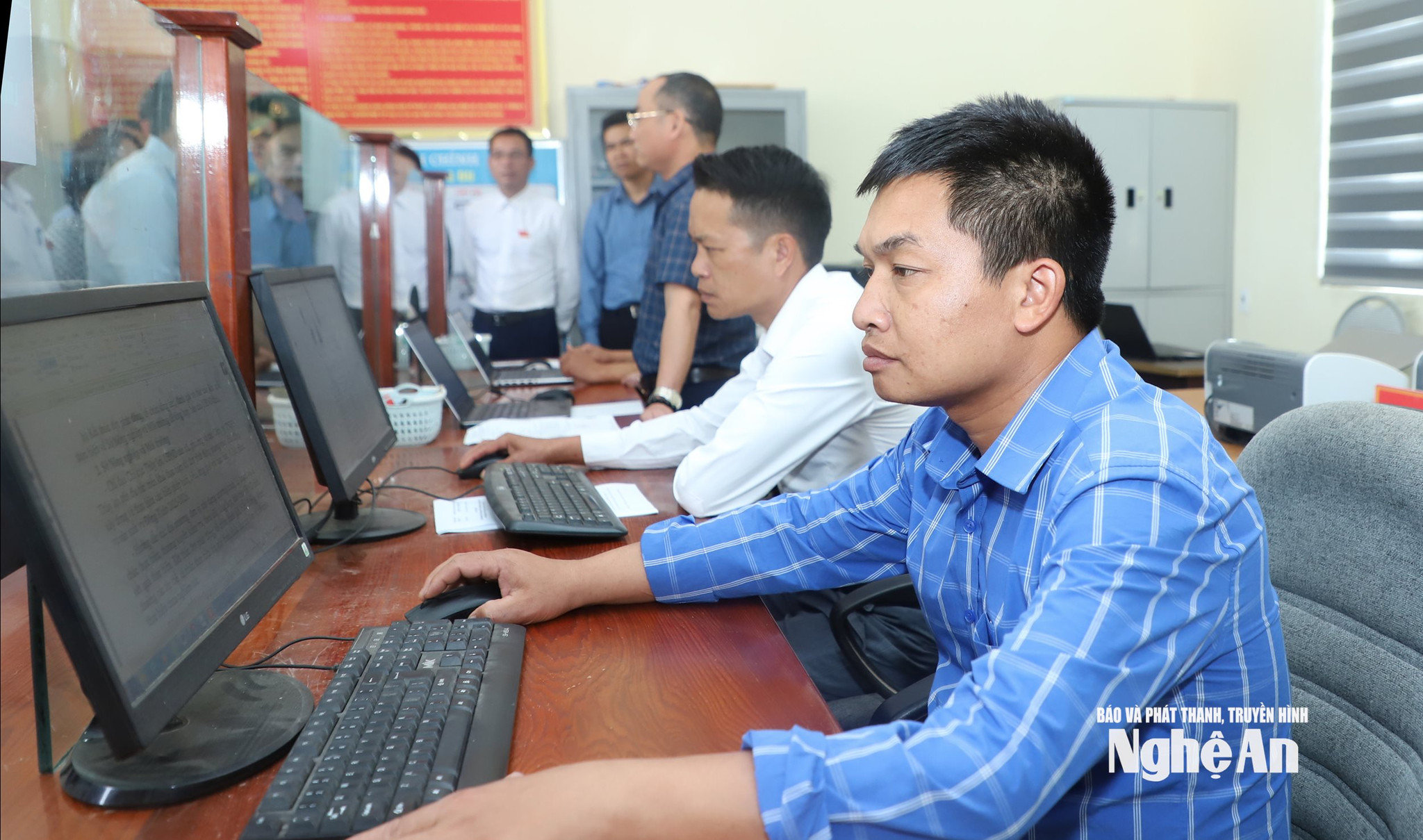
Thanks to this approach, despite many difficulties, the Keng Du commune's administrative apparatus remains basically stable; administrative reform and digital transformation are gradually progressing; and political security, social order and safety, and border sovereignty are maintained.

In Bac Ly, the Party Secretary of Lu Quang Hung commune stated that in the initial stage, it's impossible to wait for all conditions to be perfect before starting work. The important thing is to build unity within the collective, inspire cadres to change their working style, and proactively engage with the grassroots and their work.
In Binh Chuan, Deputy Secretary of the Party Committee of the commune, Le Thanh Do, emphasized that the leadership qualities of a leader are demonstrated in knowing how to organize work scientifically, clearly assigning responsibilities to specific people, and regularly going down to the grassroots level to resolve difficulties for the people, preventing shirking of duties or bottlenecks in resolving issues.
.jpg)
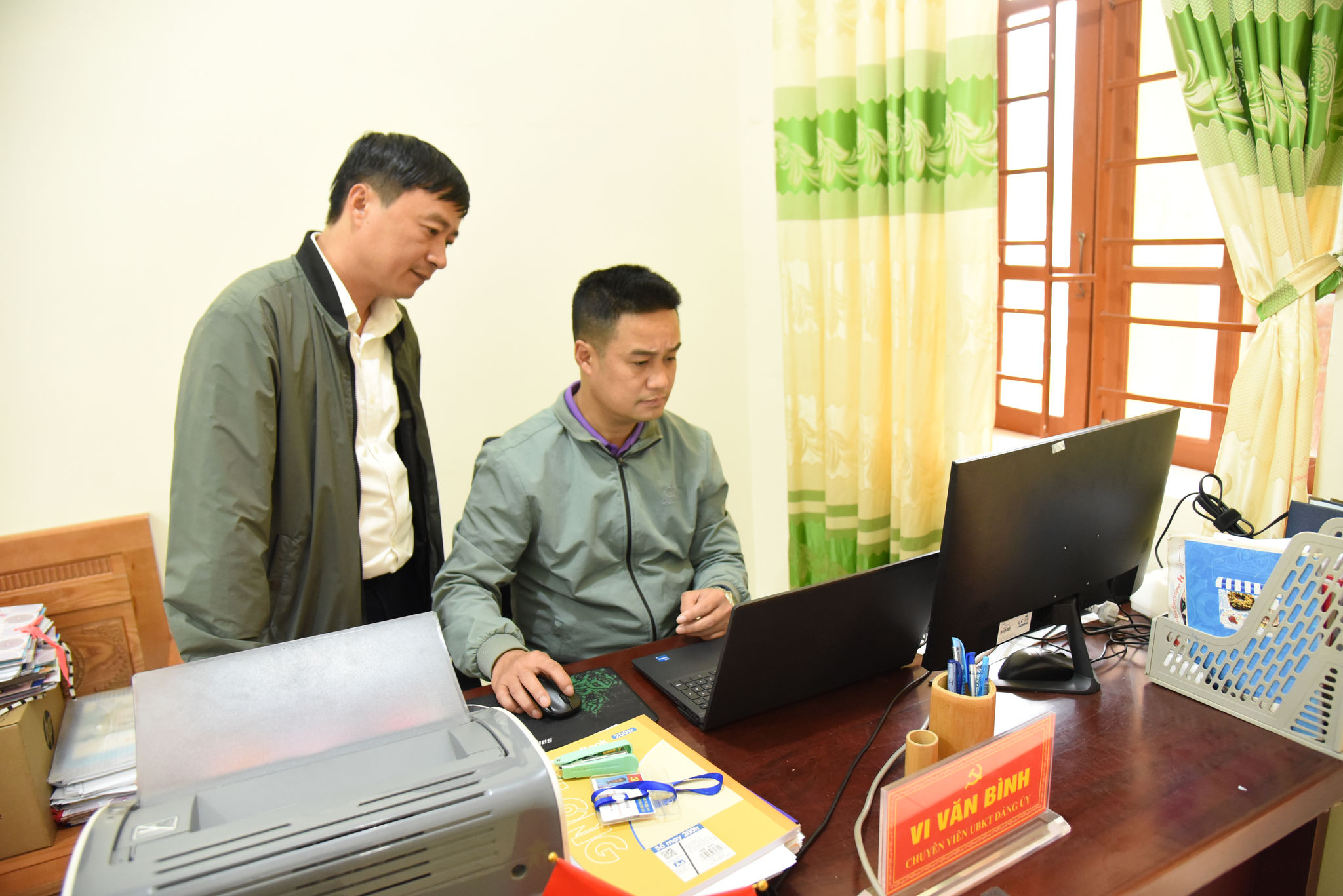
In Chau Tien commune, the land data digitization campaign has become another test. Thousands of old, inconsistent records and much inaccurate data from different periods have made the process of reviewing and cleaning up the data quite difficult.
Officials had to go down to the villages, taking advantage of evenings and holidays to cross-check each file according to the requirements of being "correct, complete, clean, relevant, consistent, and for common use."
According to the Chairman of the People's Committee of the commune, Nguyen Tien Hung, in areas where errors are likely to occur, the leader must directly engage in dialogue with the people and coordinate with specialized agencies to resolve each issue, instead of choosing the safe option of avoiding responsibility.
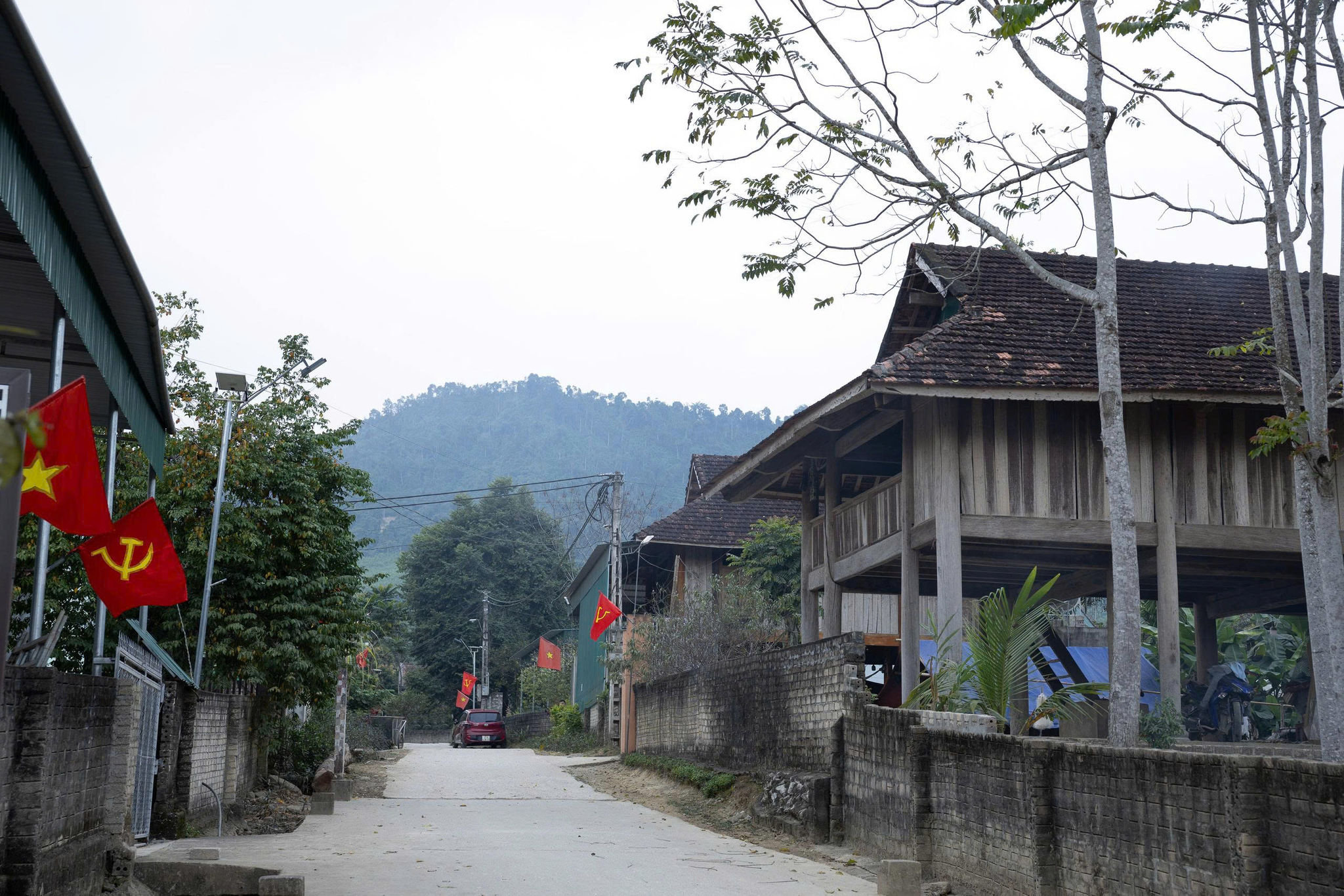
From the communes of Keng Du, Bac Ly, Binh Chuan to Chau Tien…, it can be seen that the two-tiered local government, after one year of operation, has moved beyond the "getting acquainted" phase to the phase of verifying its implementation capacity. The pressures of practice have revealed both difficulties and the qualities and capabilities of the leaders. But it is precisely from this practice that obstacles need to be identified more clearly.

When authority is decentralized, and power is given more strongly to the grassroots level, the effectiveness of the system no longer depends solely on "how much power is given," but more importantly on "how that power is exercised." Greater power means greater responsibility.
At the conference summarizing one year of operation of the two-tiered local government model, Provincial Party Secretary Nguyen Khac Than frankly pointed out: A portion of leading and managerial cadres have not yet met the assigned tasks, especially in terms of comprehensive leadership capacity and the ability to create development; some Party committees, governments, and heads of departments have not been truly decisive; the ability to forecast, understand the situation, organize the implementation of tasks, and handle emerging issues is sometimes passive and hesitant; the sense of responsibility of a portion of cadres is not high...
These limitations lie not only in the process, but fundamentally in the capacity to exercise the assigned power. Bottlenecks often appear in areas directly related to people's lives and the investment environment, such as land, land clearance, public investment, construction, public assets, administrative procedures, complaints, and denunciations. These are areas that require leaders to be thorough, decisive, and accountable to the end.
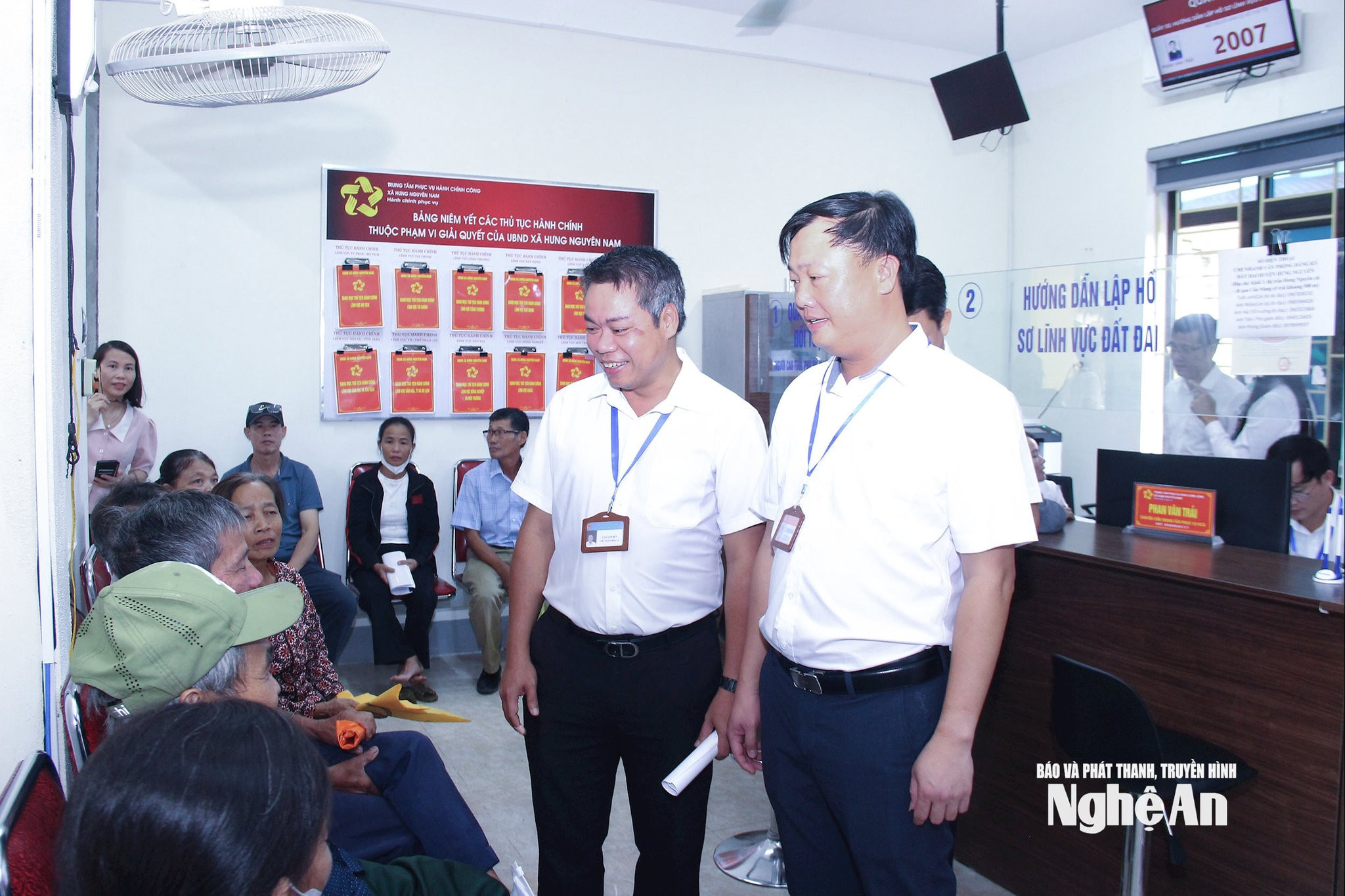
Another obstacle is the reluctance to take responsibility. Reform is not about transferring files from one level to another, but about shortening processing times, improving service quality, and empowering local authorities to take proactive action.
Therefore, Nghe An province encourages officials to innovate and take initiative, while simultaneously strengthening discipline, order, and the inspection of official duties and the accountability of leaders. Cases of evasion, shirking responsibility, and delays in handling matters must be addressed, criticized, and held accountable. Decentralization does not mean lax management; the more power is granted, the greater the responsibility must be.
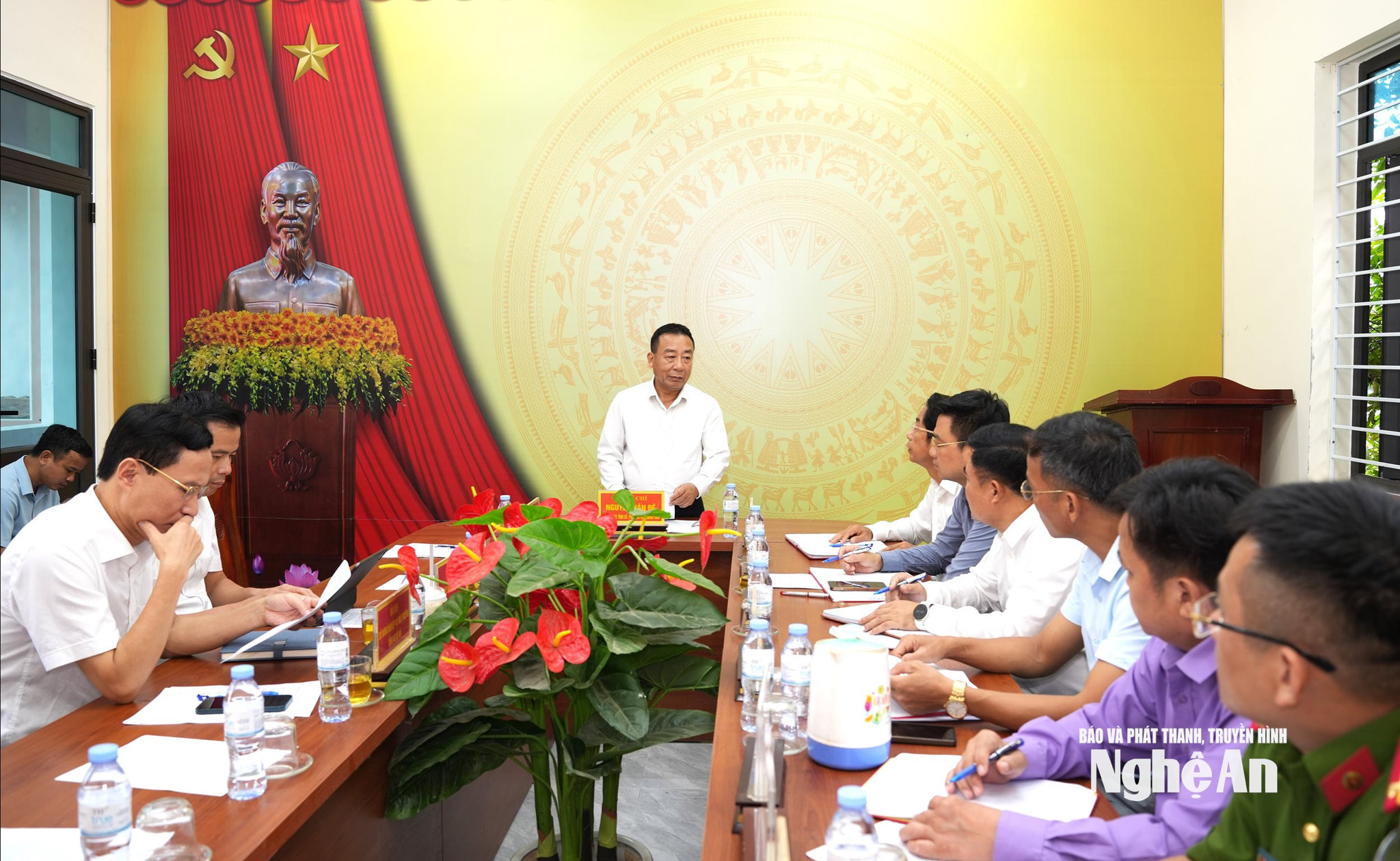
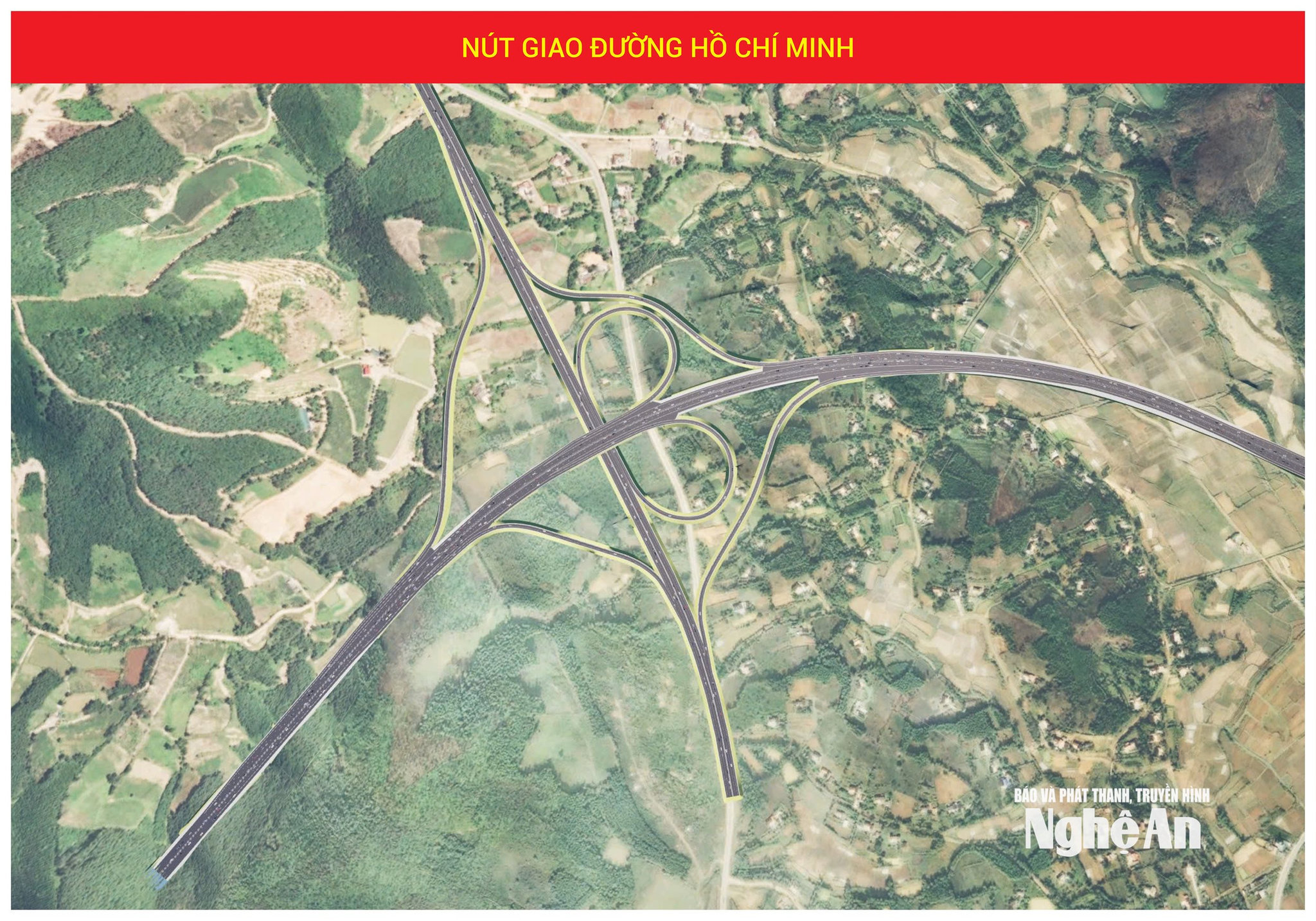
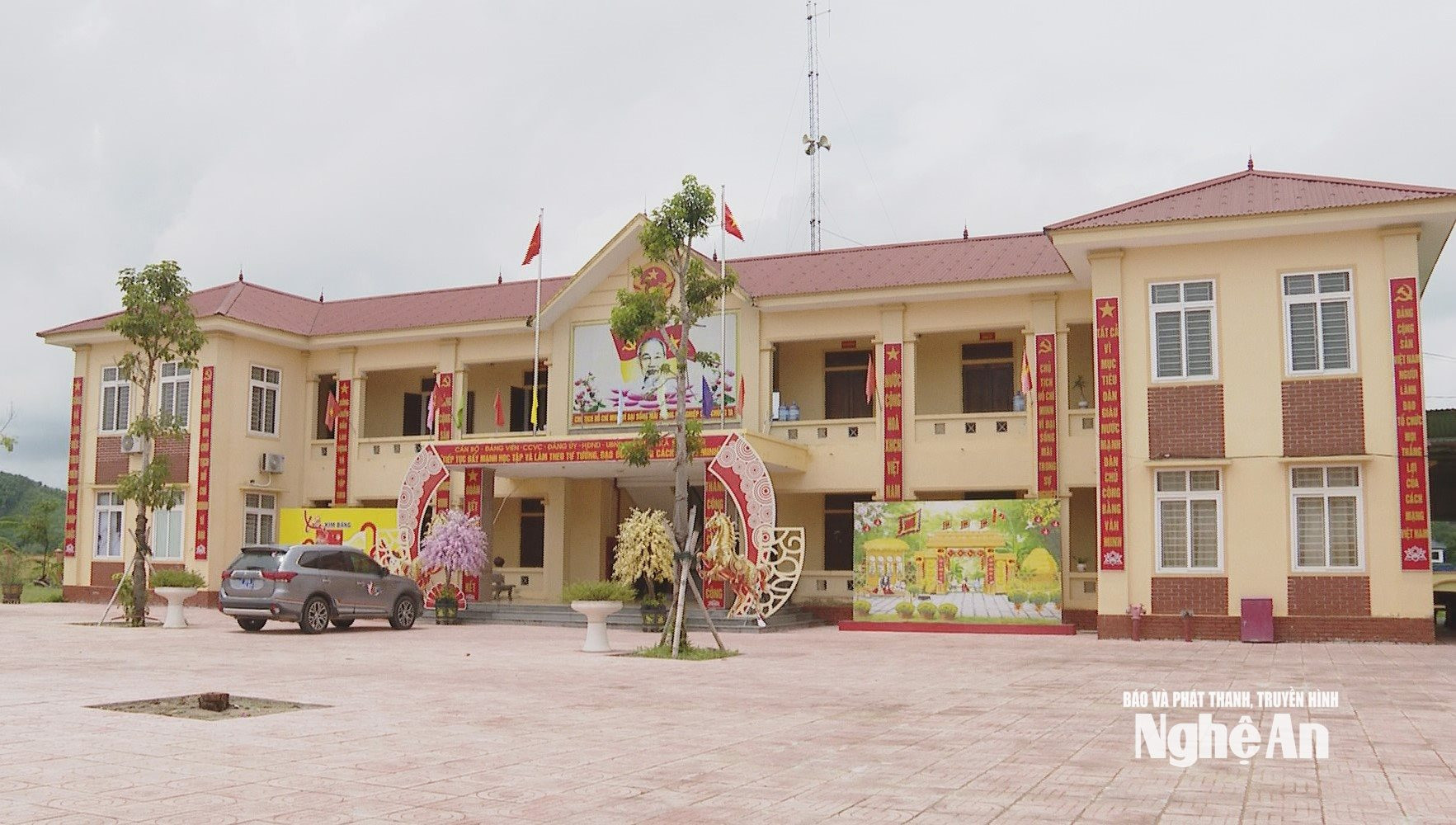
In urgent document No. 5594/UBND-KT dated May 21, 2026, the Provincial People's Committee also severely criticized 11 departments, agencies, localities, investors, and 34 communes and wards with low public investment disbursement rates. This shows a consistent requirement in governance: Authority must be linked to the results of task implementation; responsibility must be clearly defined for each collective and individual. If delays reduce the effectiveness of governance, then violations of the law by the head of the agency are an even more dangerous obstacle, as they directly erode the people's trust in the government apparatus.
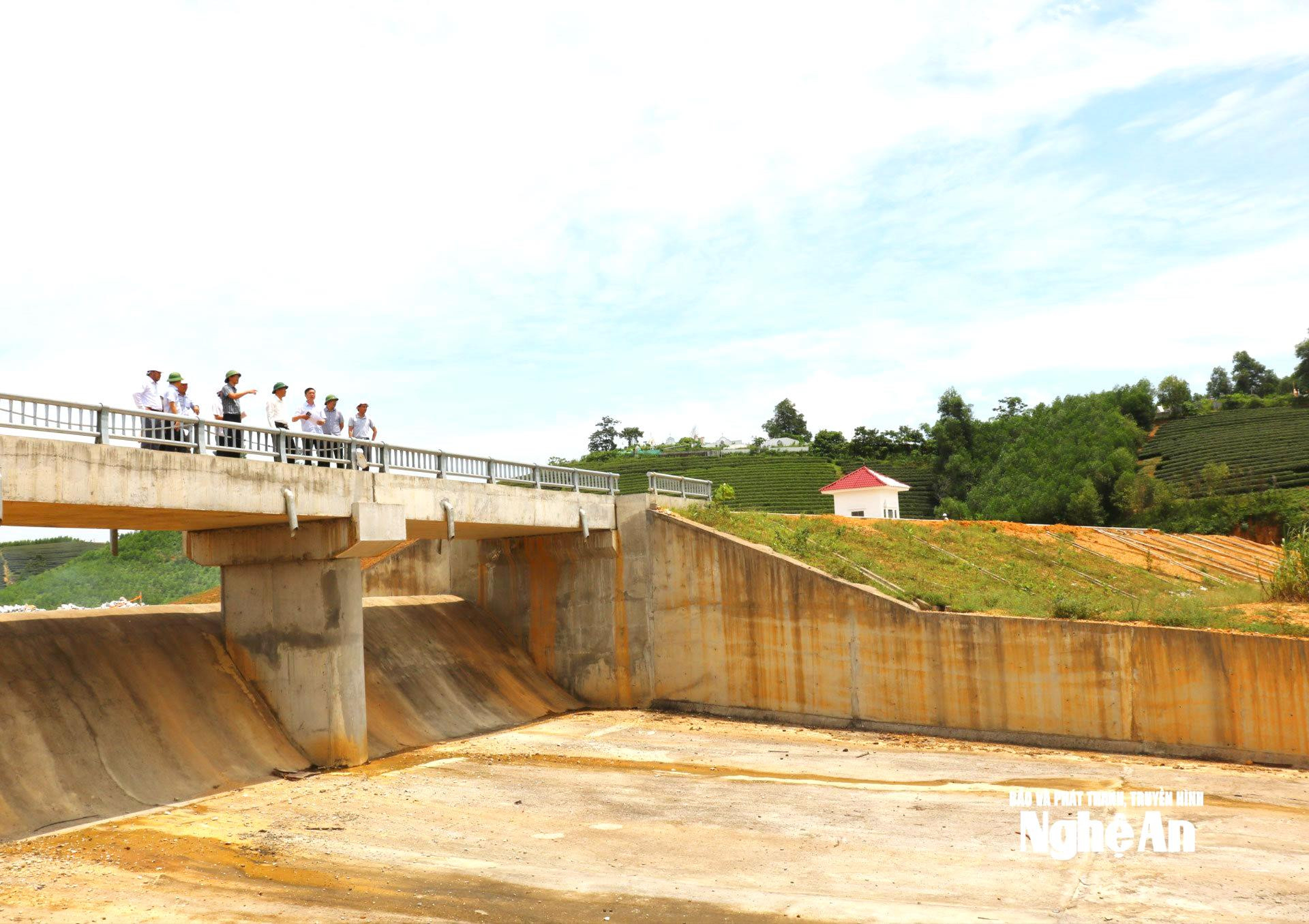
The case of Mr. Nguyen Khanh Thanh, former Chairman of the People's Committee of Bich Hao commune, who was prosecuted, arrested, and expelled from the Party for "receiving bribes," serves as a costly lesson. Practical experience highlights an inseparable principle: empowering leaders must go hand in hand with controlling power; encouraging innovation but not relaxing discipline; promoting the initiative of leaders but placing them within a transparent, open, and accountable oversight mechanism.
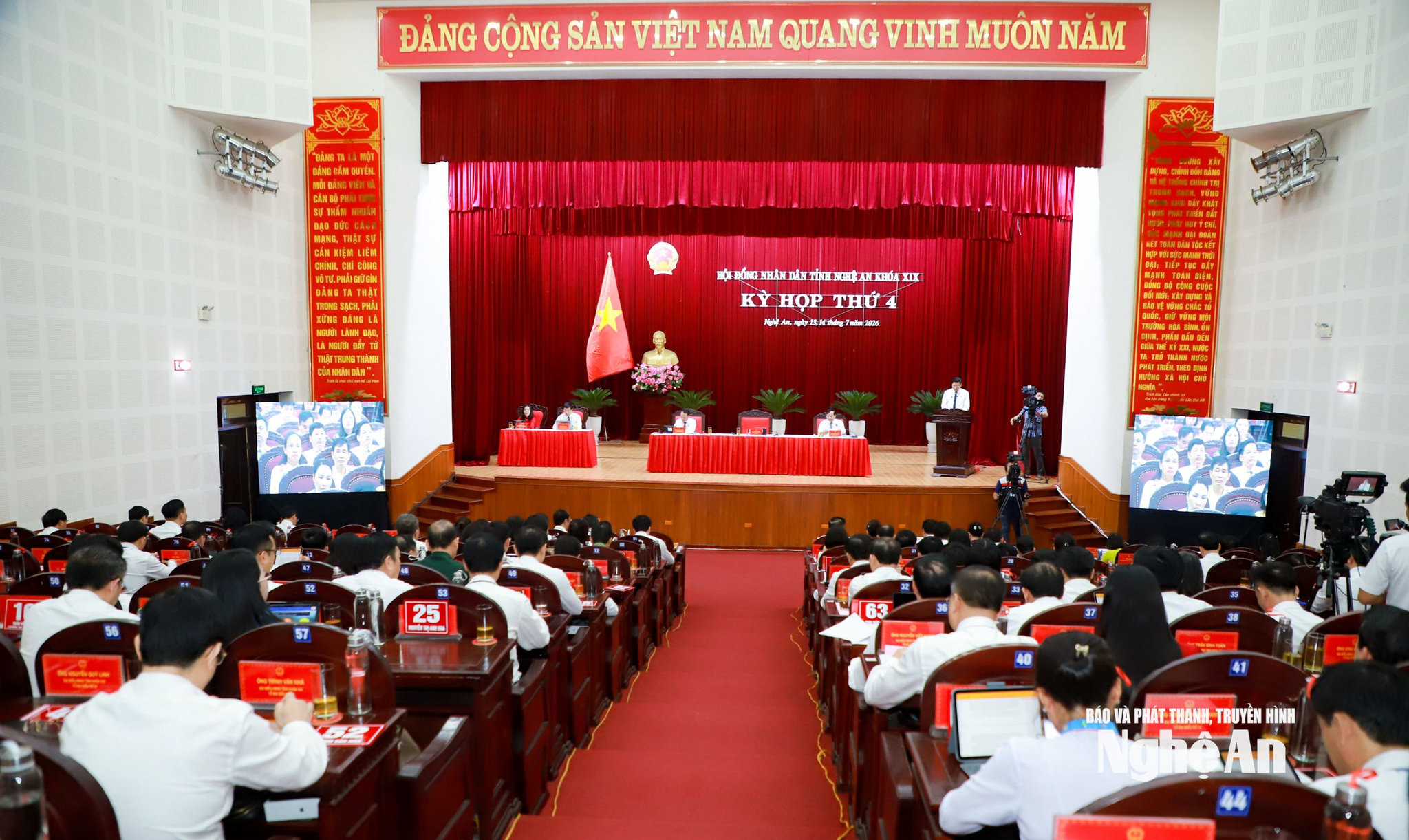
At the 4th session of the 19th Provincial People's Council, Chairman of the Provincial People's Committee Vo Trong Hai outlined the "three no's" sanctions: "Failure to complete tasks, failure to retain the position, and failure to be reassigned to equivalent duties," while also requiring the implementation of a mechanism to "resolve issues on the same day, definitively within a week" for procedures related to investment, land, and site clearance. This is not just a requirement for progress. More importantly, it demonstrates a new approach to governance: using the effectiveness of implementation and the satisfaction of the people as a measure of the competence of the leader.
However, tightening discipline only solves half the problem. A modern governance system needs not only strong sanctions to deal with underperforming officials, but also clear mechanisms to protect those officials who dare to think, dare to act, and dare to take responsibility for the common good.

If we only focus on "combating" without a mechanism for "building," the system easily falls into a defensive state; conversely, if we require officials to dare to act but lack a mechanism to protect those who do the right thing and act for the common good, the fear of making mistakes and avoiding responsibility will be difficult to overcome.
This spirit was emphasized by the Politburo in Conclusion No. 14-KL/TW dated September 22, 2021, on encouraging and protecting dynamic and creative cadres for the common good; and is also placed within the requirements for operating a two-tiered local government system in Conclusion No. 76-KL/TW dated July 28, 2026, of the 14th Central Committee of the Communist Party of Vietnam, with the orientation of promoting the initiative, autonomy, and self-responsibility of the grassroots level, overcoming passivity, dependence, avoidance, and shirking of responsibility.
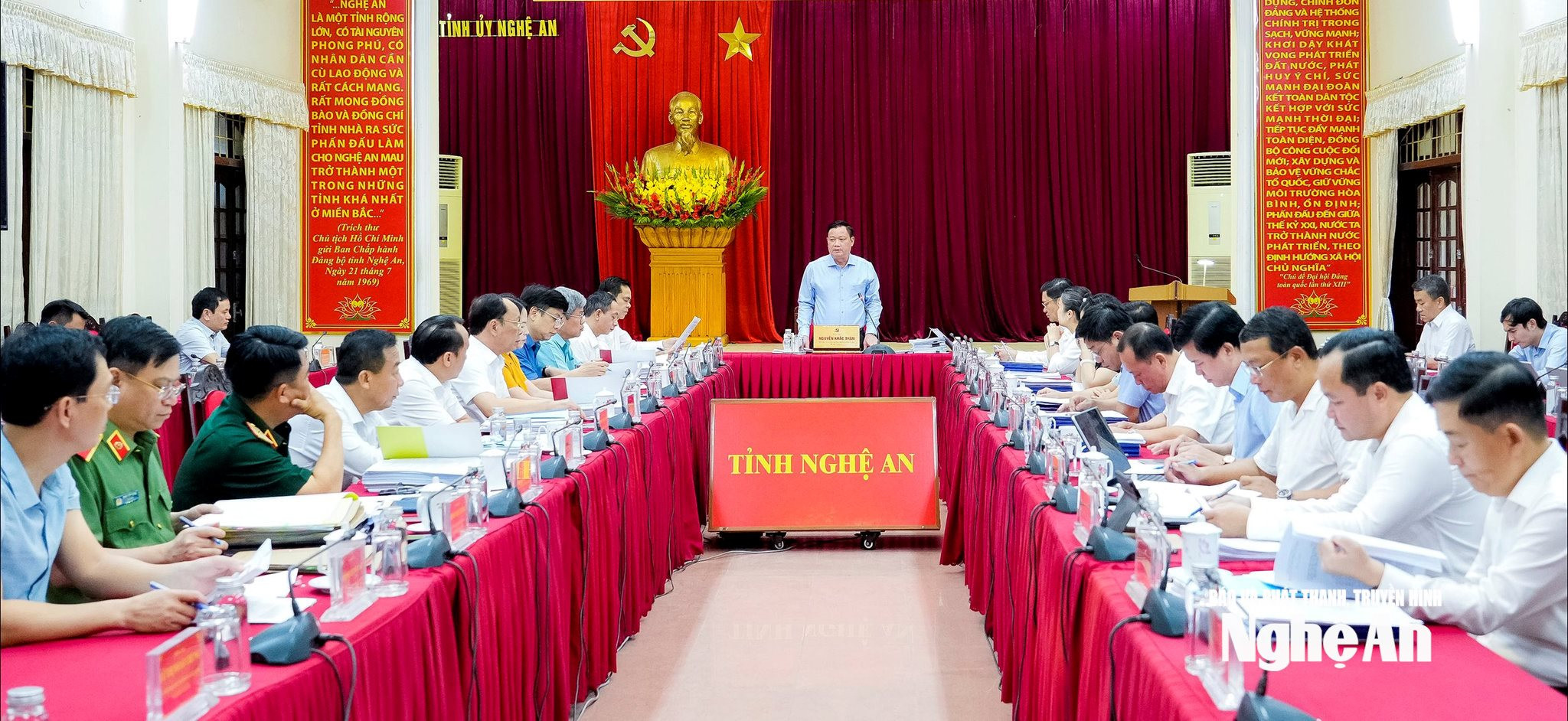
In Nghe An, this requirement is being concretized through stronger decentralization and delegation of power to the grassroots level, especially for tasks directly related to citizens and businesses. However, delegation of power must be accompanied by resources, conditions for implementation, inspection, supervision, and control of power. The goal is not just to shift responsibility from higher to lower levels, but to shift from a "request-and-grant" system to proactive problem-solving, from "accountability" to "solution." In this process, the leader plays a decisive role.
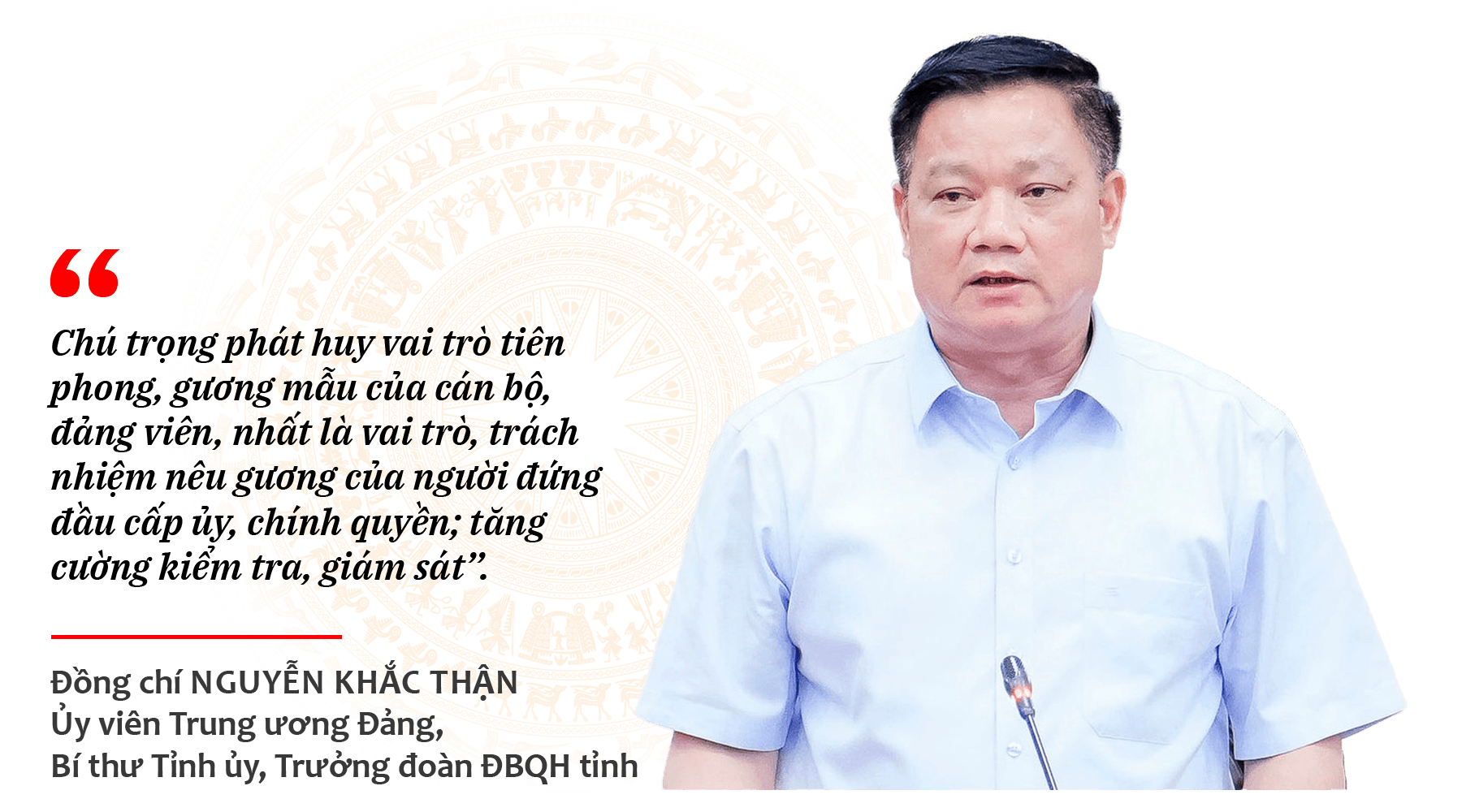
Provincial Party Secretary Nguyen Khac Than emphasized: “Focus on promoting the pioneering and exemplary role of cadres and Party members, especially the role and responsibility of setting an example by the heads of Party committees and government; strengthen inspection and supervision; the Party Secretary of the commune must comprehensively lead all local tasks, and be accountable to the Provincial Party Standing Committee for the results of socio-economic development, ensuring national defense and security, and building the Party and political system in the area.” This is a high requirement, but also an opportunity to affirm the value of the new model. When the commune becomes the “administrative center” closest to the people, the head must become the pillar for the smooth operation of the apparatus and for resolving issues more practically.
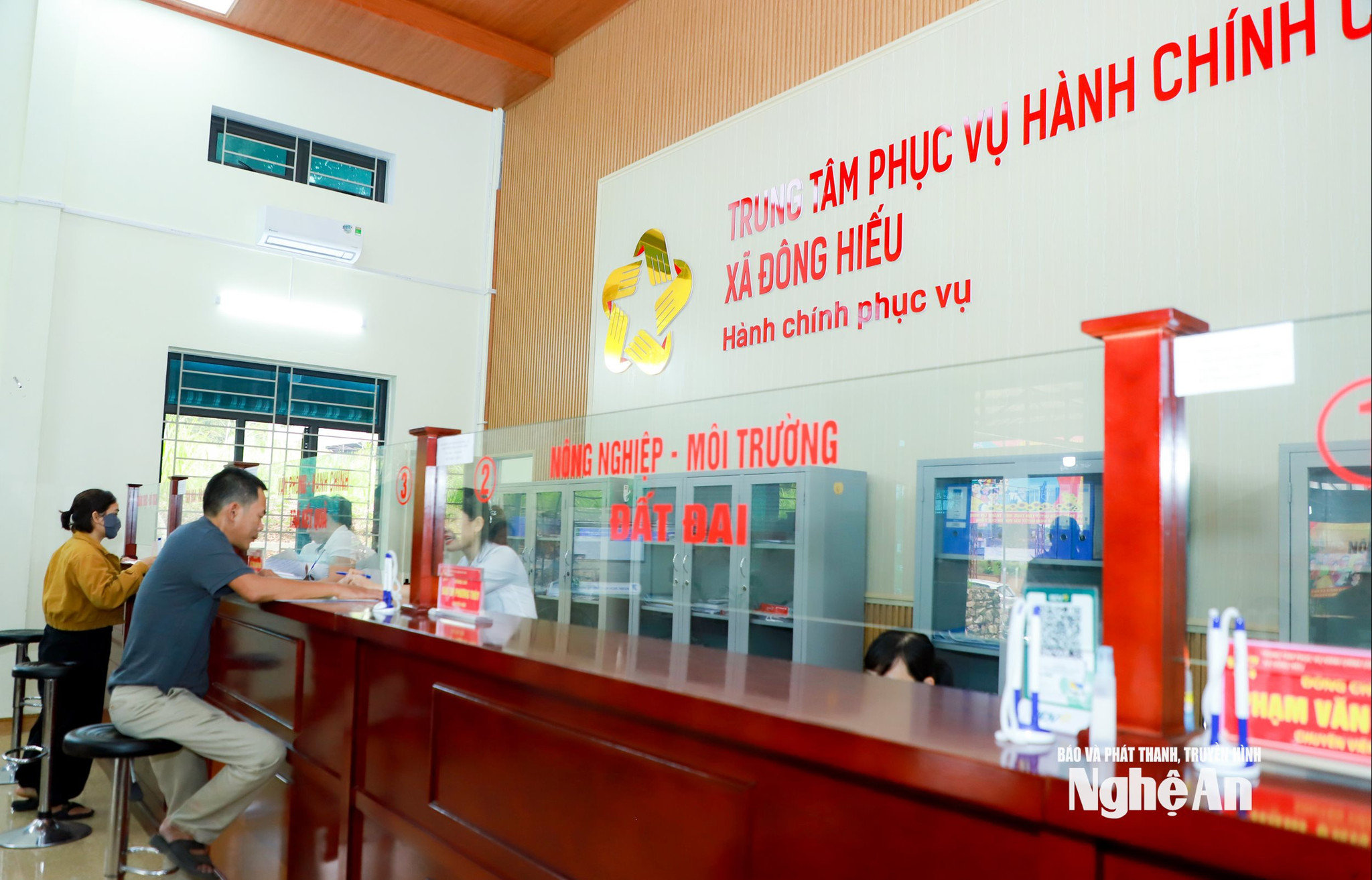
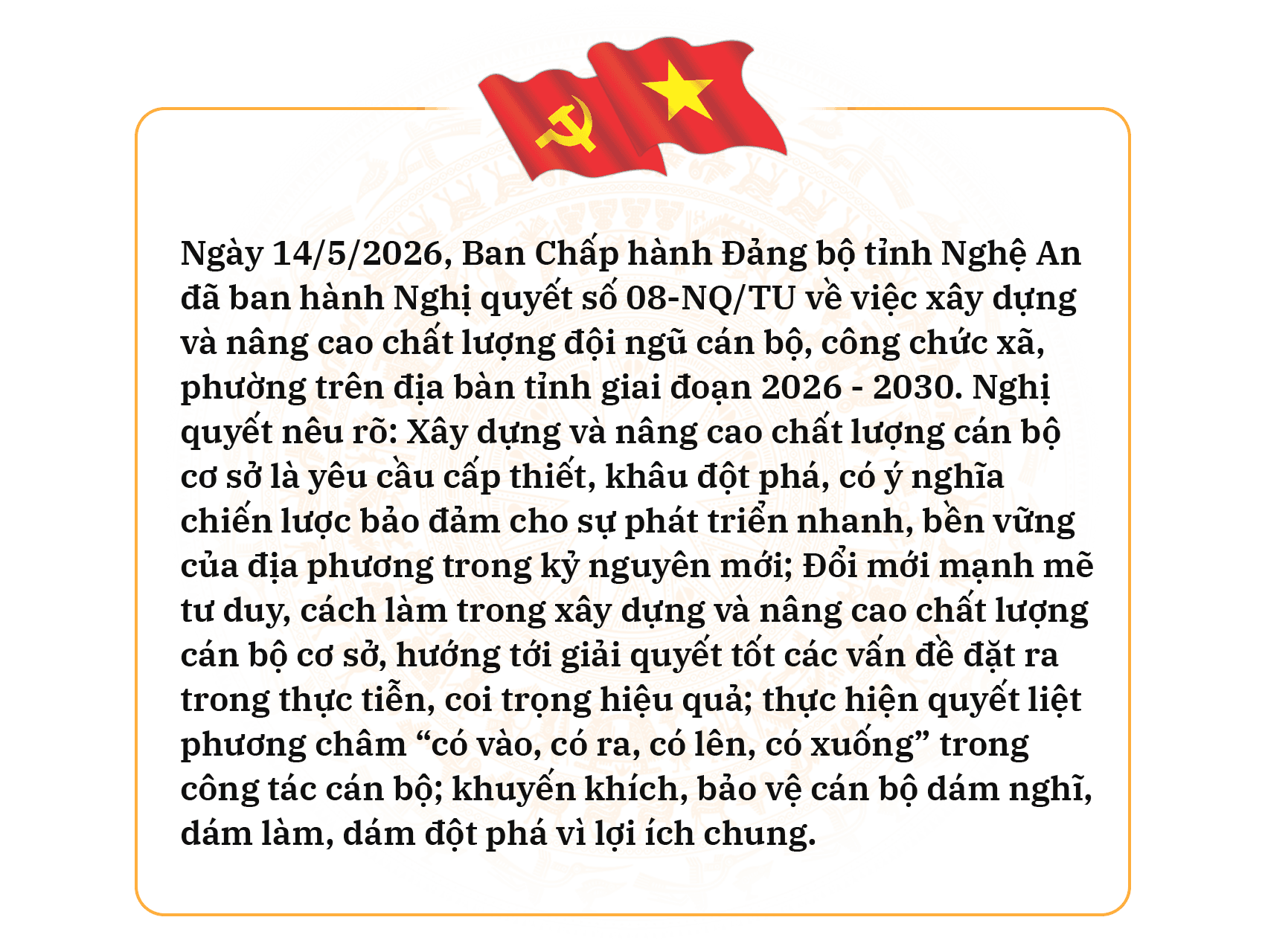
Along with the implementation of Resolution 08-NQ/TU on building and improving the quality of commune and ward officials and civil servants in the period 2026-2030, Nghe An is gradually perfecting the system of evaluating work performance (KPI) throughout the entire political system.
The evaluation should not only be based on quantity and progress, but also on quality, responsibility, discipline, coordination, and service efficiency. This is a crucial shift from subjective evaluation to evaluation based on data and work results. Through this, officials who are sluggish, evasive, or shirking their responsibilities must be resolutely replaced; at the same time, a mechanism must be created to protect those who dare to think, dare to act, and dare to take responsibility for the common good.


After a year of operation, the "tests" at the facility have clearly revealed its strengths, weaknesses, and areas requiring further improvement.
The true test of a leader's capabilities is also when their competence is most clearly revealed: not during favorable times, but when there is a shortage of staff, a heavy workload, and immense pressure; not in their ability to talk about responsibility, but in their direct approach to taking on tasks, resolving issues, and assuming responsibility for the final outcome. This is also the most authentic measure of the governance capacity of local governments at both levels in the new era.

(To be continued)


