
The 'green planter' in Chao village
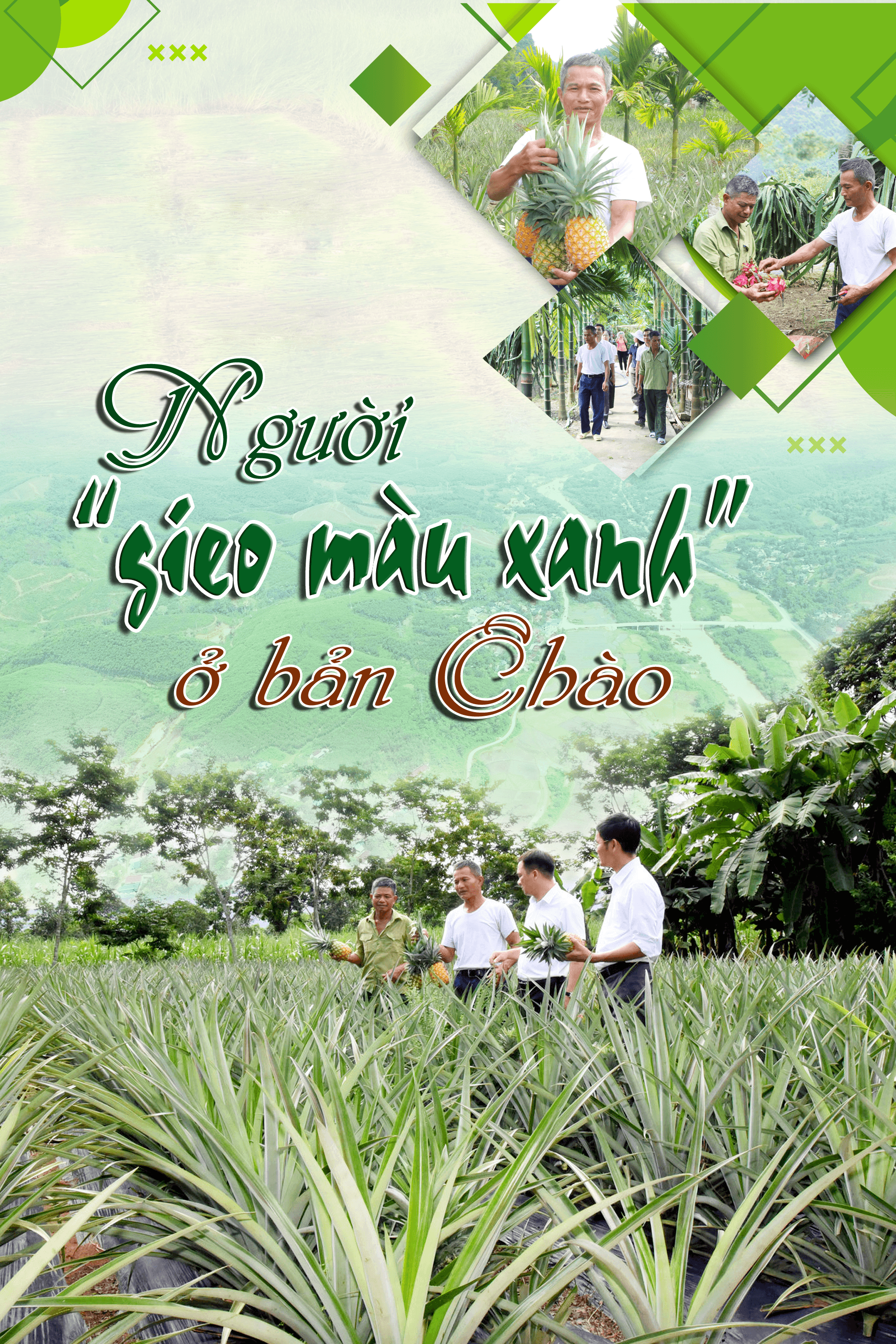
Nestled amidst the lush green hills of Chau Tien commune, the verdant farm of Mr. and Mrs. Tran Van Hien in Chao village is a vivid testament to the journey of transforming barren land into a prosperous model orchard through hard work, determination, and aspiration for sustainable agriculture. Behind today's bountiful harvests lies more than twenty years of persistent labor, continuous innovation, and a change in mindset to create wealth on their homeland.
Hoai Thu - Khanh Ly/Present:Hong ToaiJuly 19, 2026
*****
Nestled amidst the lush green hills of Chau Tien commune, the verdant farm of Mr. and Mrs. Tran Van Hien in Chao village is a vivid testament to the journey of transforming barren land into a prosperous model orchard through hard work, determination, and aspiration for sustainable agriculture. Behind today's bountiful harvests lies more than twenty years of persistent labor, continuous innovation, and a change in mindset to create wealth on their homeland.
One day in mid-July, the sun cast a golden glow over the hillsides of Chau Tien commune. A winding concrete road, like a soft silk ribbon, led us into Chao village. Amidst this peaceful setting, the farm of Mr. Tran Van Hien (born in 1972) and his wife stood out, full of life.
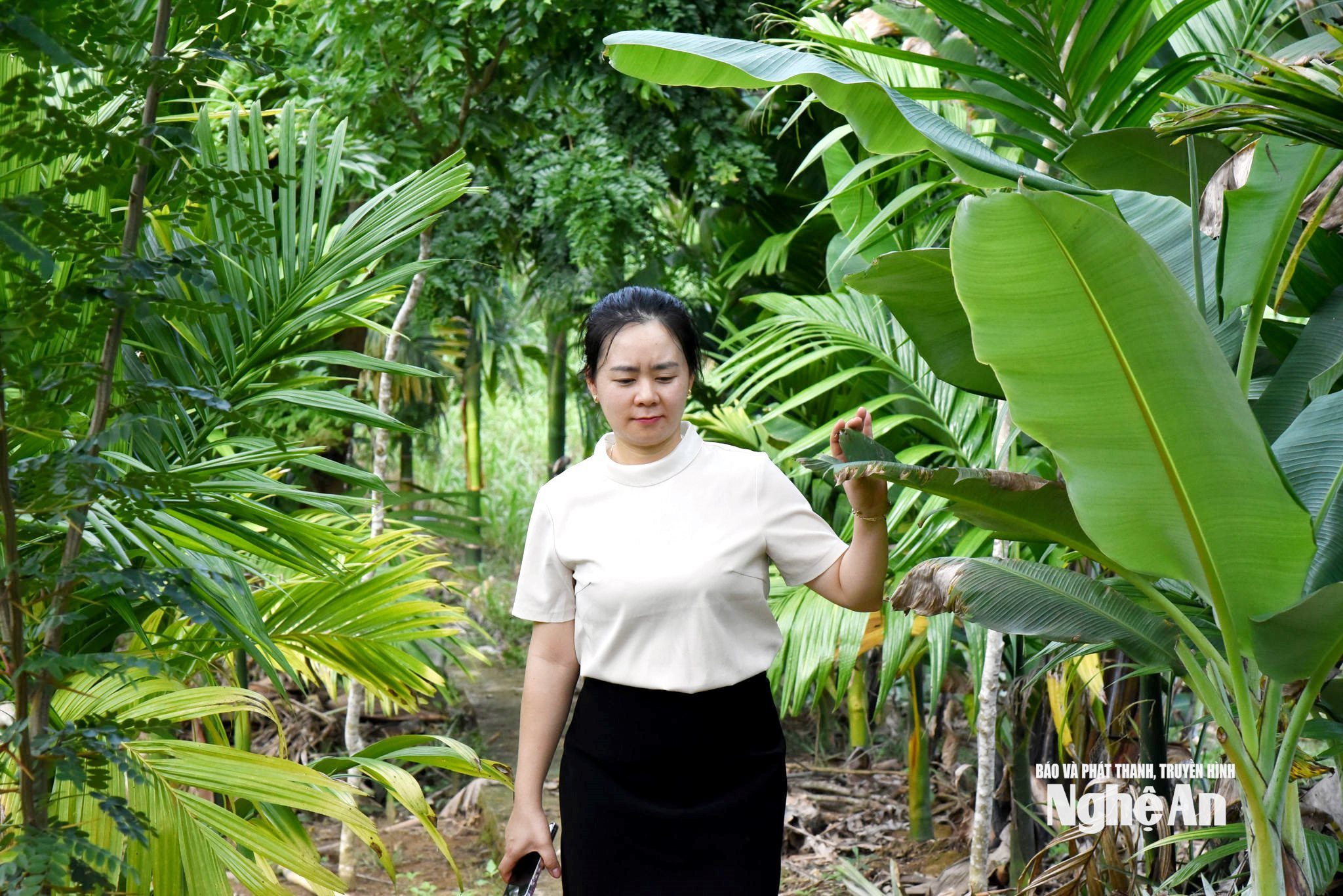
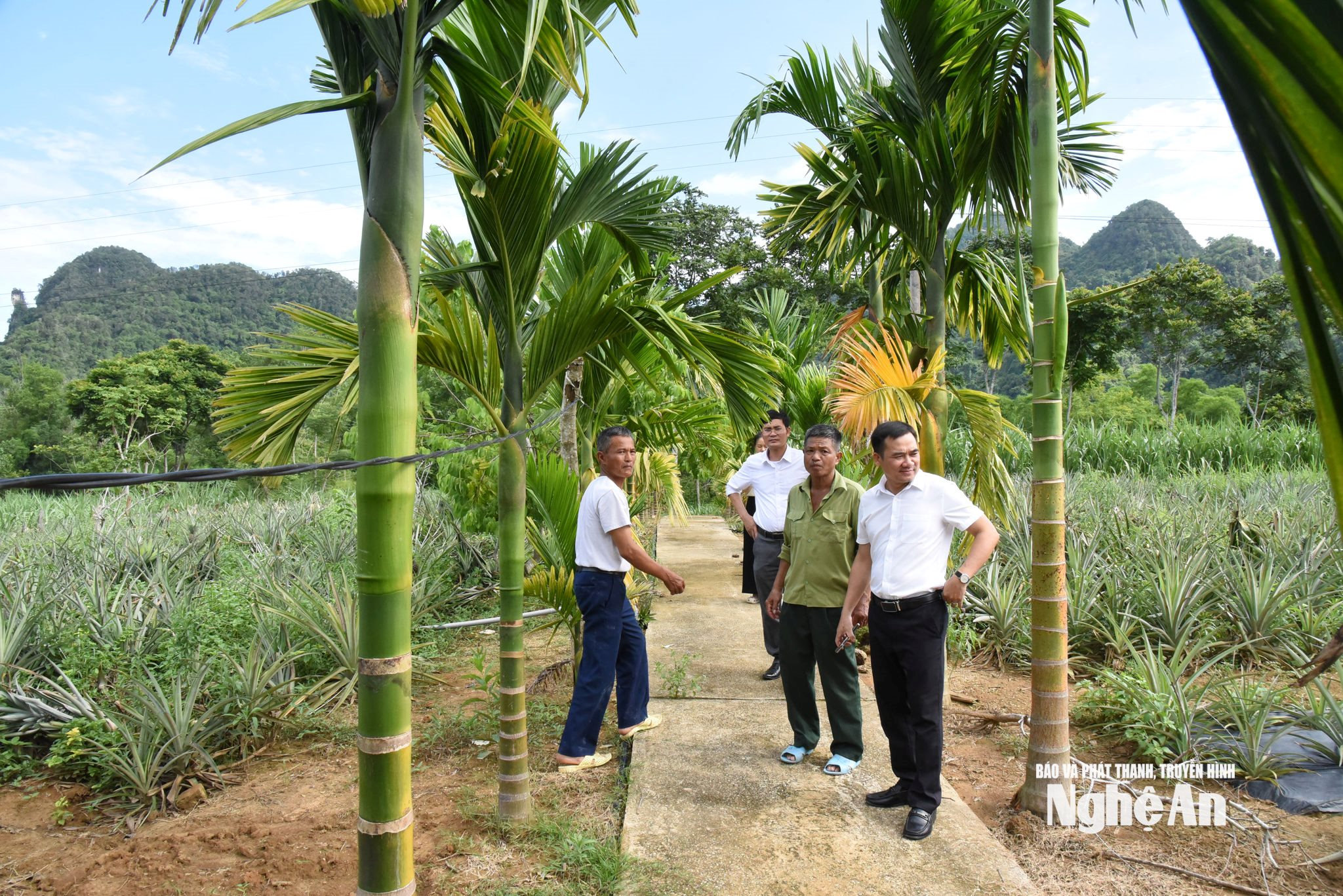
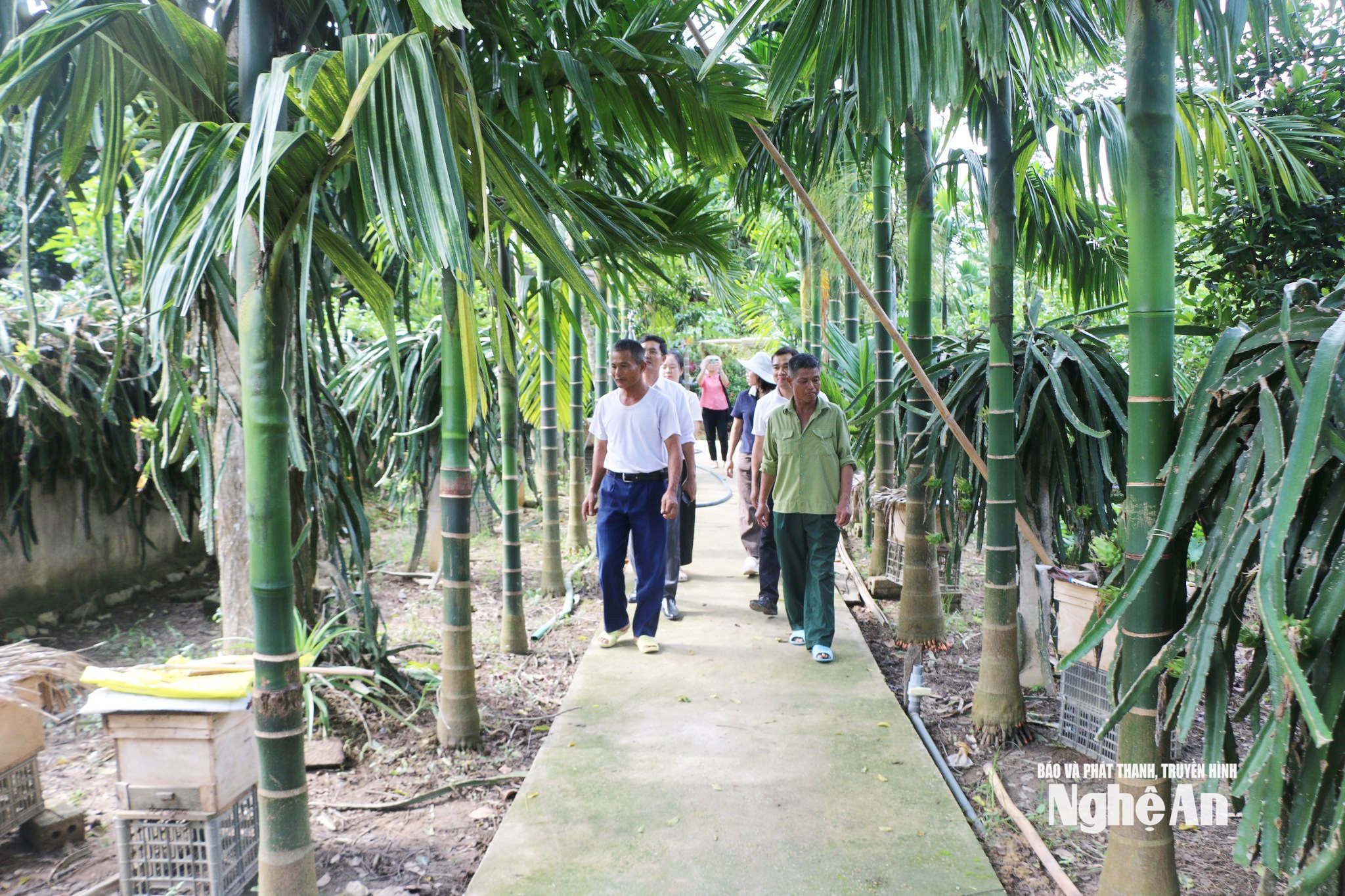
The first impression isn't the size of the garden, but rather the sense of order and meticulous attention to detail. Each area is scientifically planned, making it convenient to maintain while creating a refreshing green landscape.
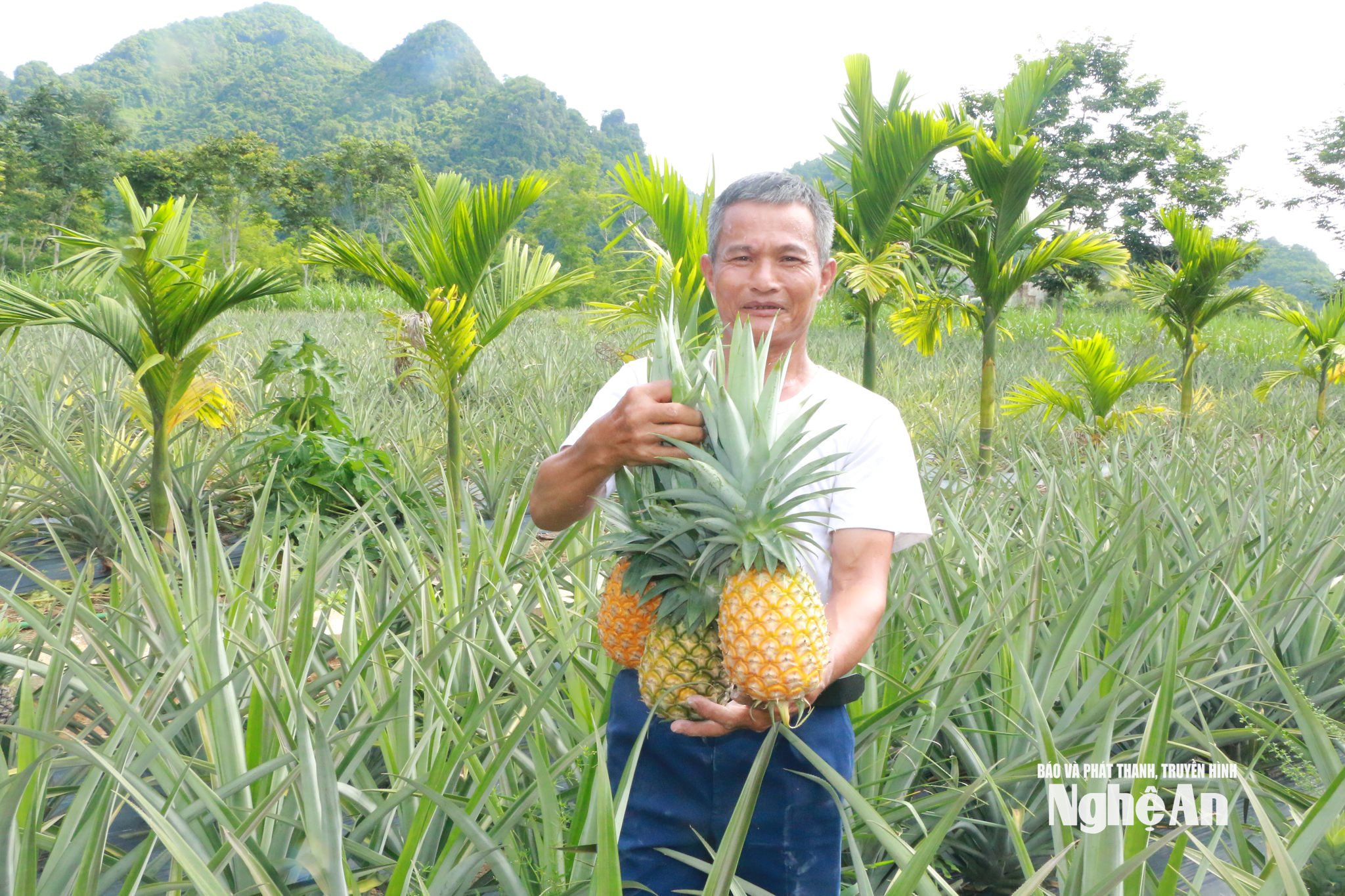
Walking along the main concrete path in the garden, more than 300 towering betel palm trees are beginning to bear fruit. Their fronds sway in the wind like giant green umbrellas, providing shade for the entire garden.
After years of diligent cultivation, the first clusters of betel nuts have appeared, raising hopes for a stable source of income in the future.
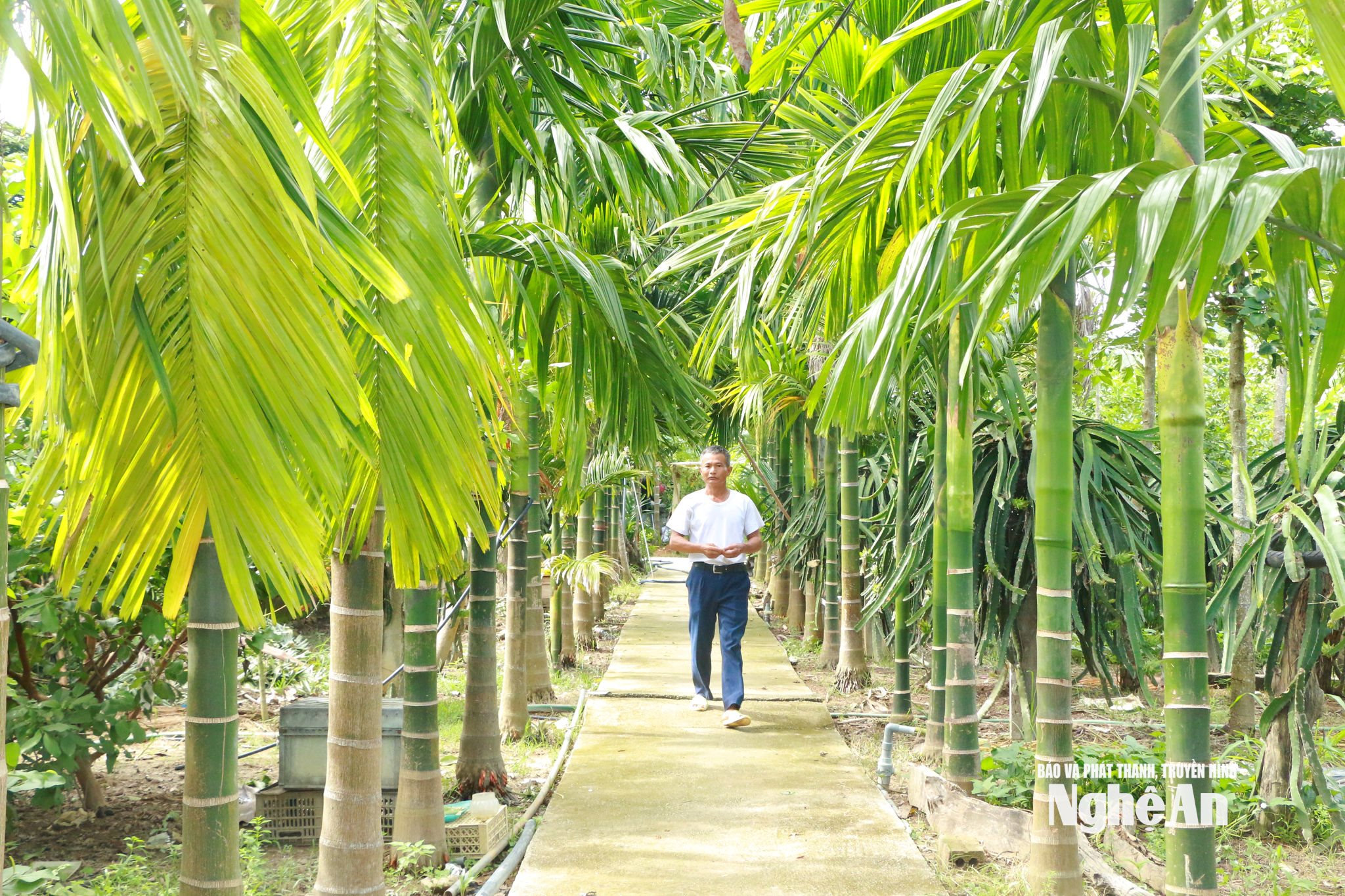
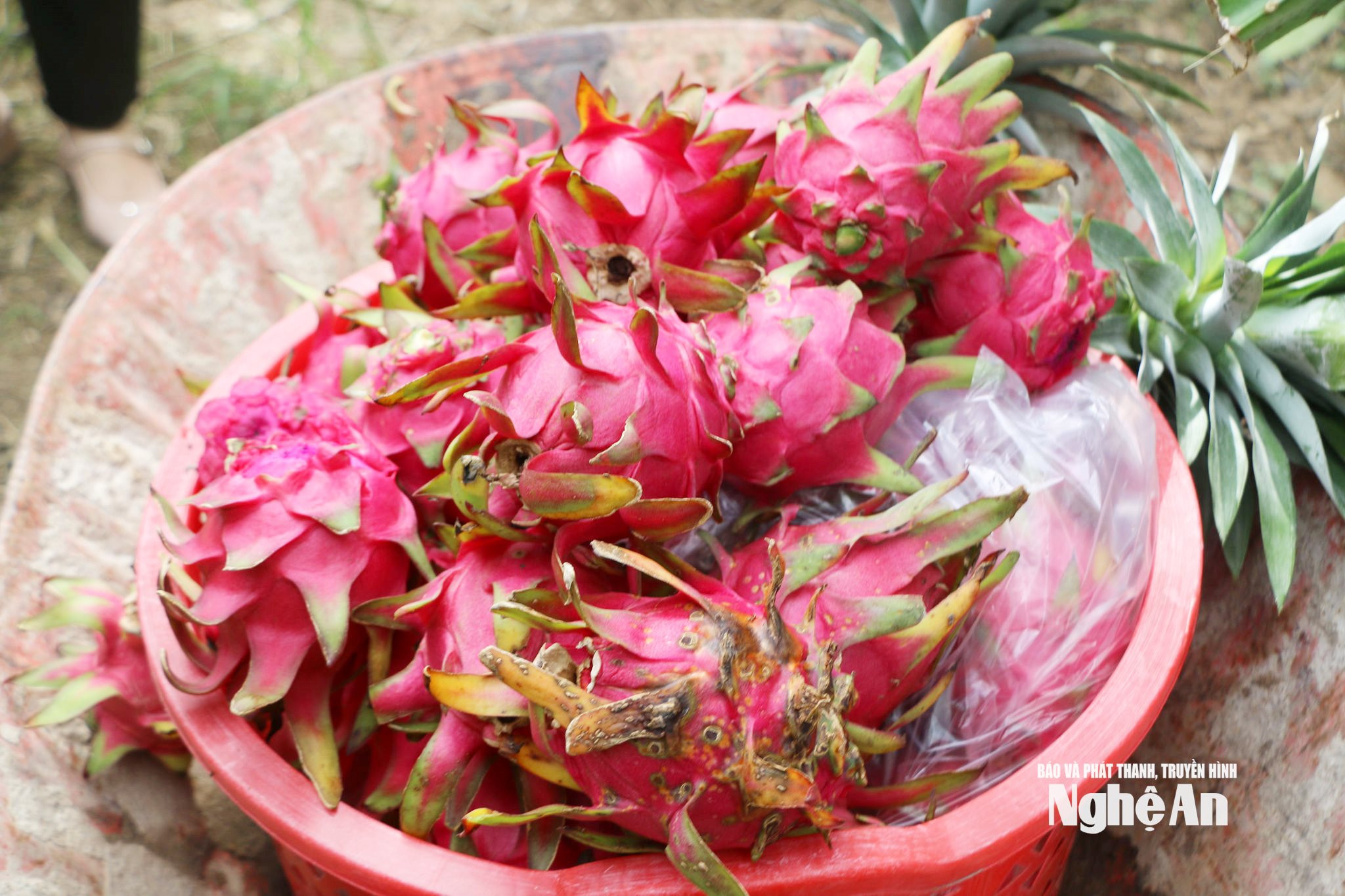
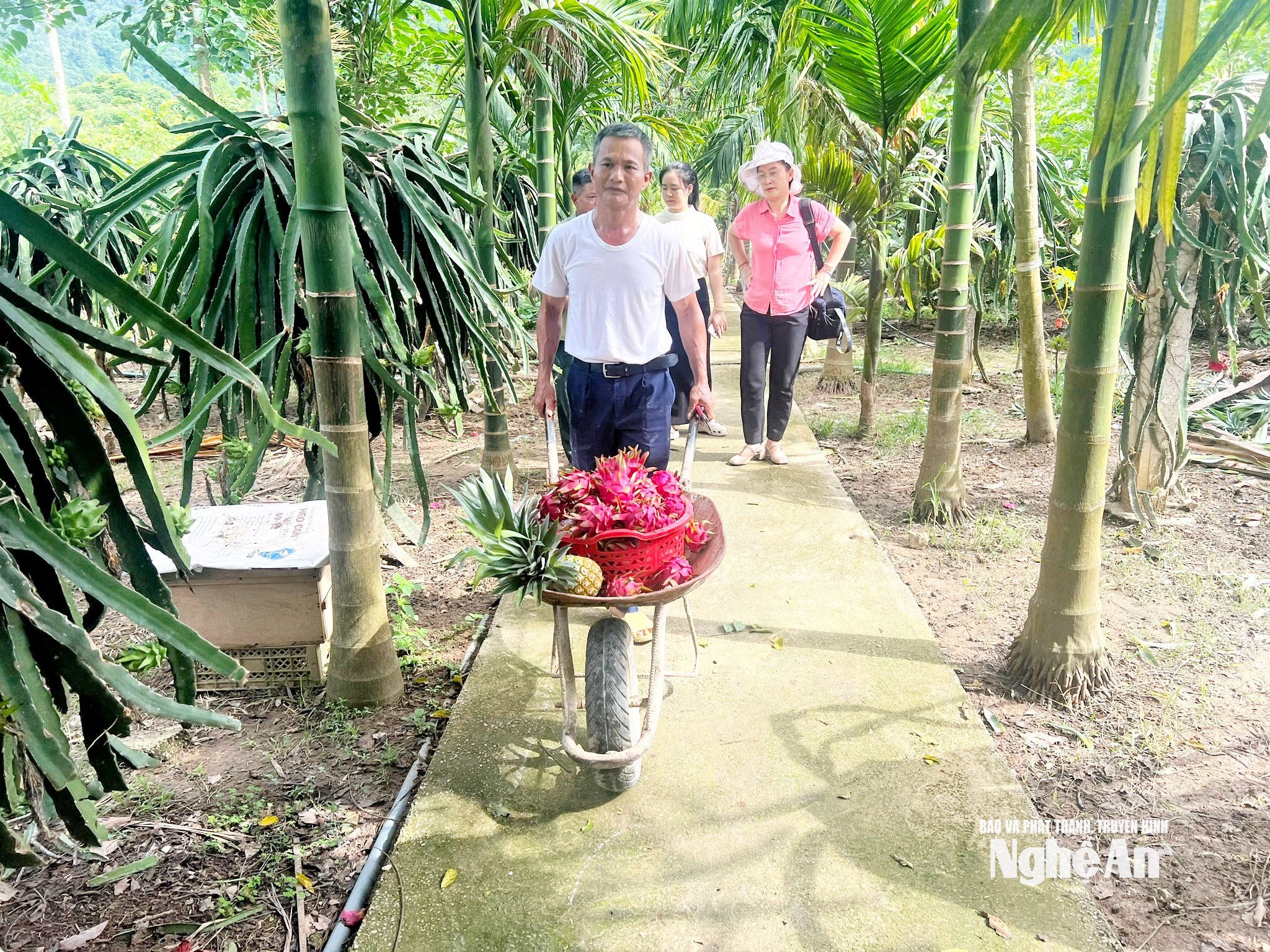
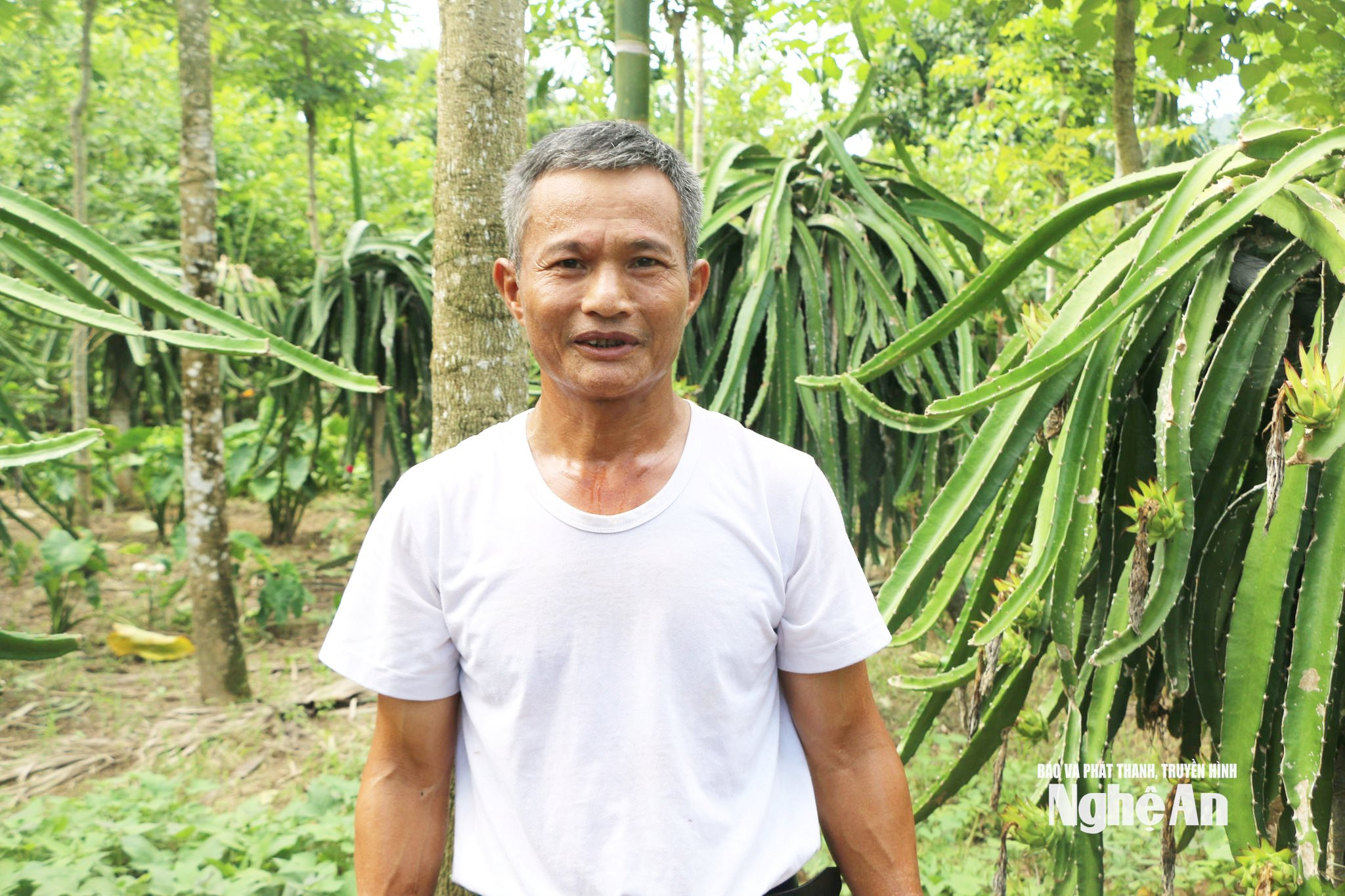
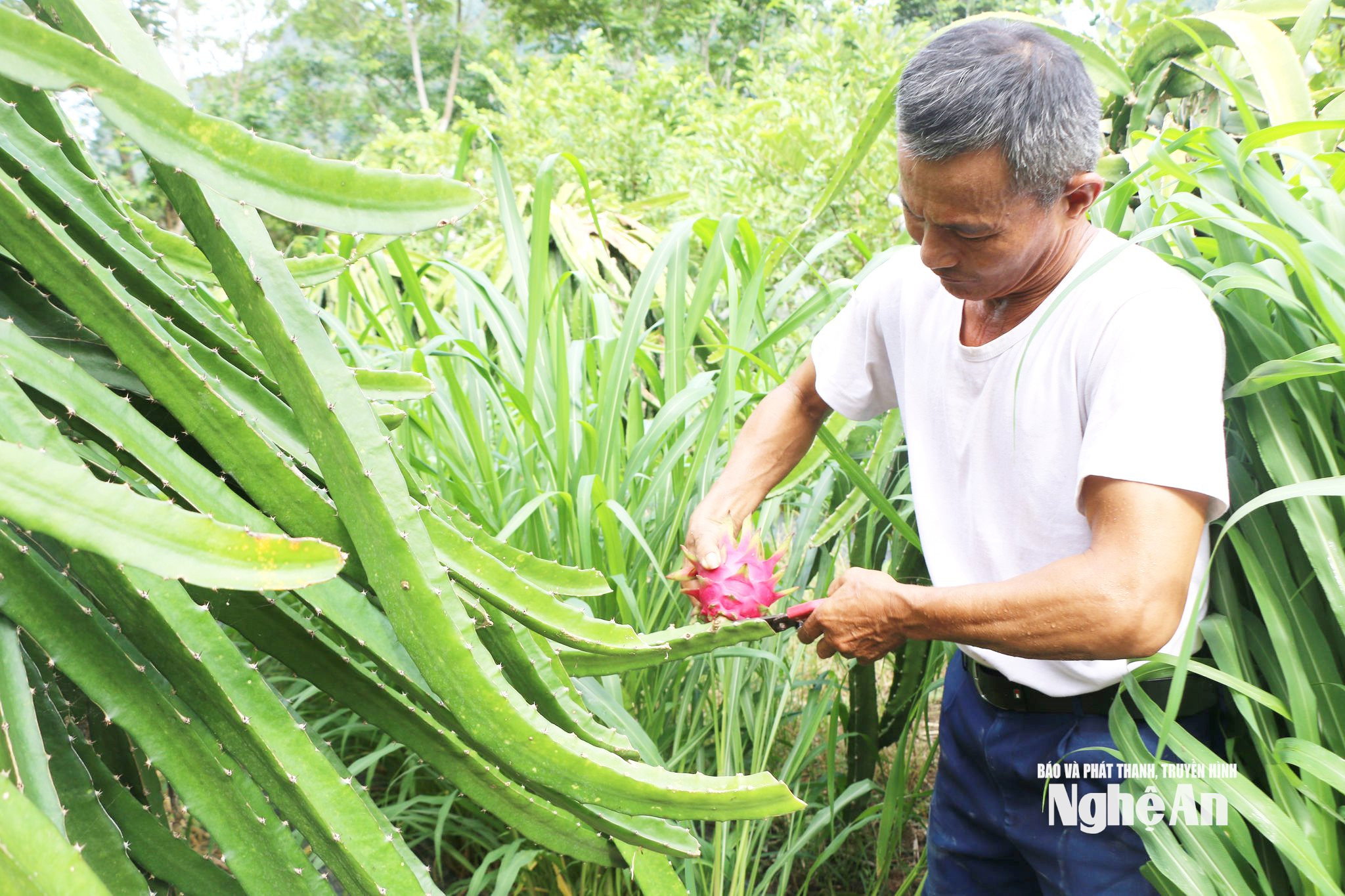
Beneath the palm trees lies a whole "kingdom" of fruit trees that Mr. and Mrs. Hien have painstakingly cultivated over many years. Most striking are the more than 140 healthy dragon fruit plants clinging to the concrete pillars, now in their harvesting season.
Mr. Hien recounted that decades ago, he and his wife only dared to try planting three dragon fruit trees after learning from a local family in the commune. After seeing that the trees were suitable for the climate and soil, and that the fruit, though not large, had firm flesh, a rich sweet taste, and was popular in the market, he discussed it with his wife, Mrs. Bui Thi Dung, and decided to expand the planting area.
.jpg)
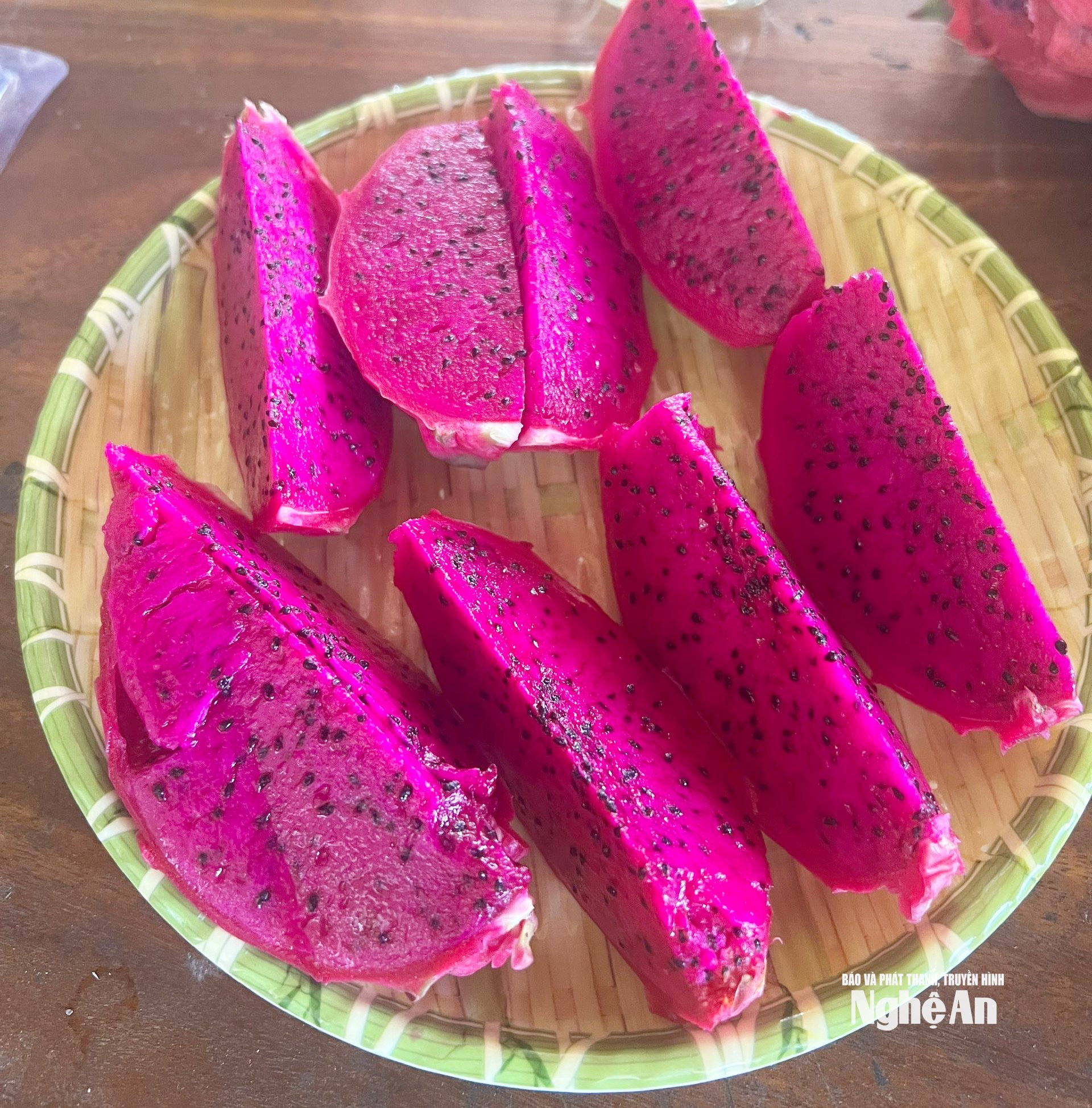
To date, from May to September, the entire orchard is ablaze with the vibrant red of ripe dragon fruit. Traders come directly to the farm to buy the produce, so there's virtually no worry about finding buyers. Each season, dragon fruit alone brings in an income of 25 to 30 million VND.
Right next to it are over 200 large guava trees and more than one acre of lush green pineapple plants that thrive all year round.
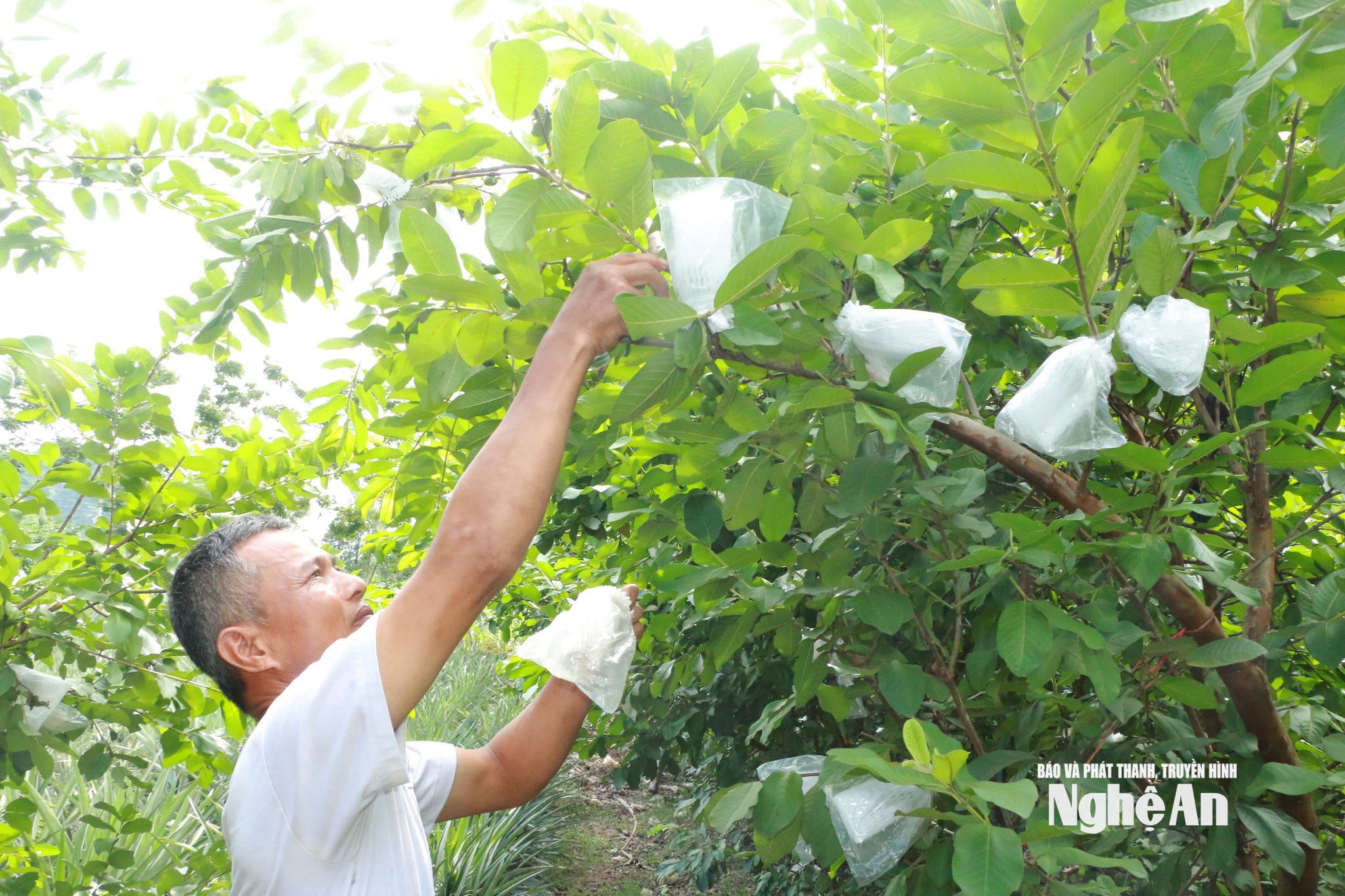
Each guava is carefully wrapped in a special bag from a young age to protect it from pests and fruit flies. During harvest season, the workload increases many times over, and the family has to hire three to five local laborers at a rate of 250,000 VND per day.
However, what attracts many people to visit and learn from Mr. Hien's farm is not the quantity of crops or the income generated, but rather the owner's production philosophy.
He didn't practice farming in a way that maximized yield, but instead chose to build a closed ecosystem where virtually nothing was wasted.
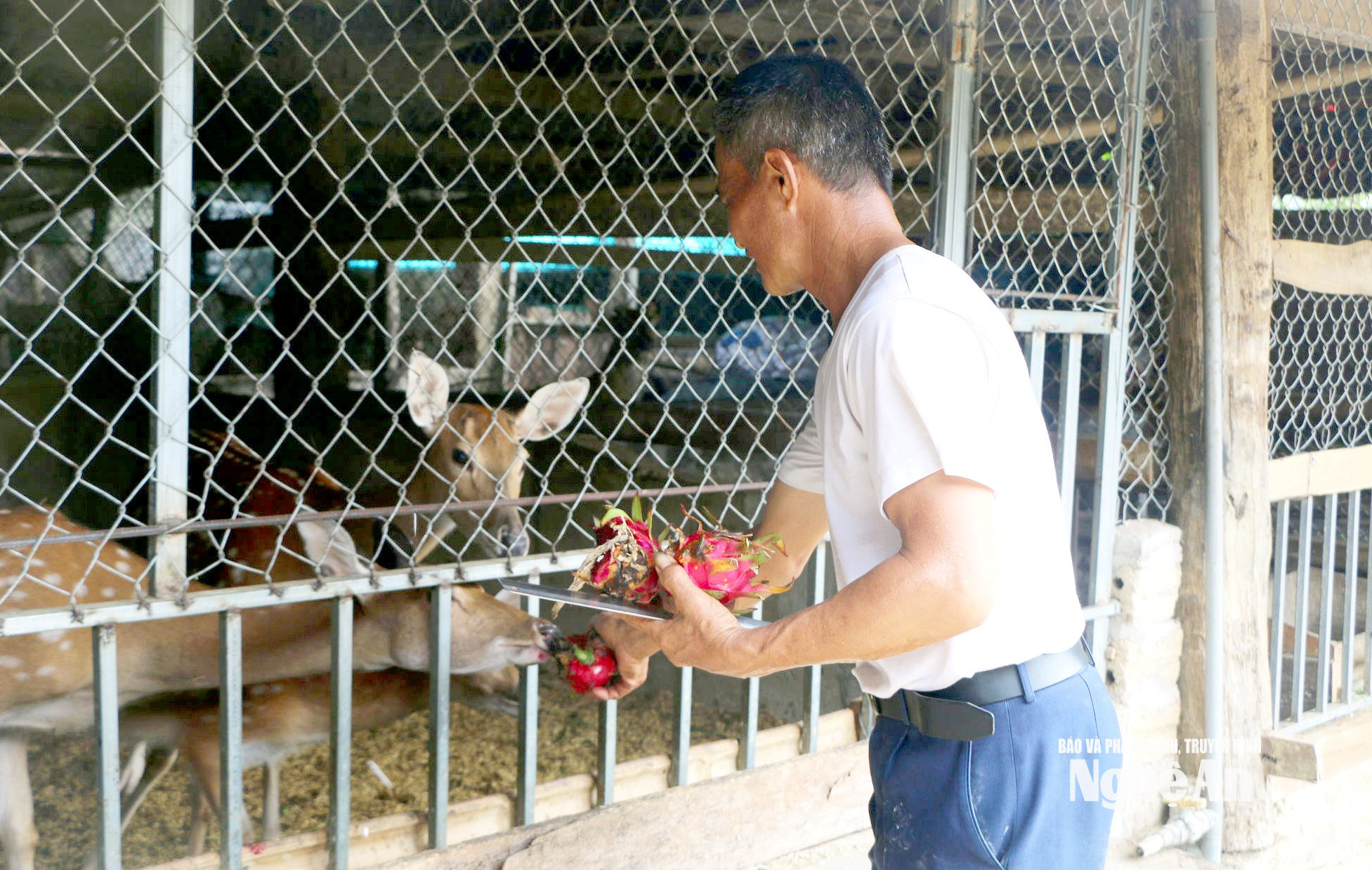
Damaged, unsightly, or slow-consuming dragon fruit or guava are not thrown away but are chopped up and used as feed for deer and fish.
Natural vitamins from fruits help deer grow healthily, produce high-quality antlers, and significantly reduce the cost of industrial feed.
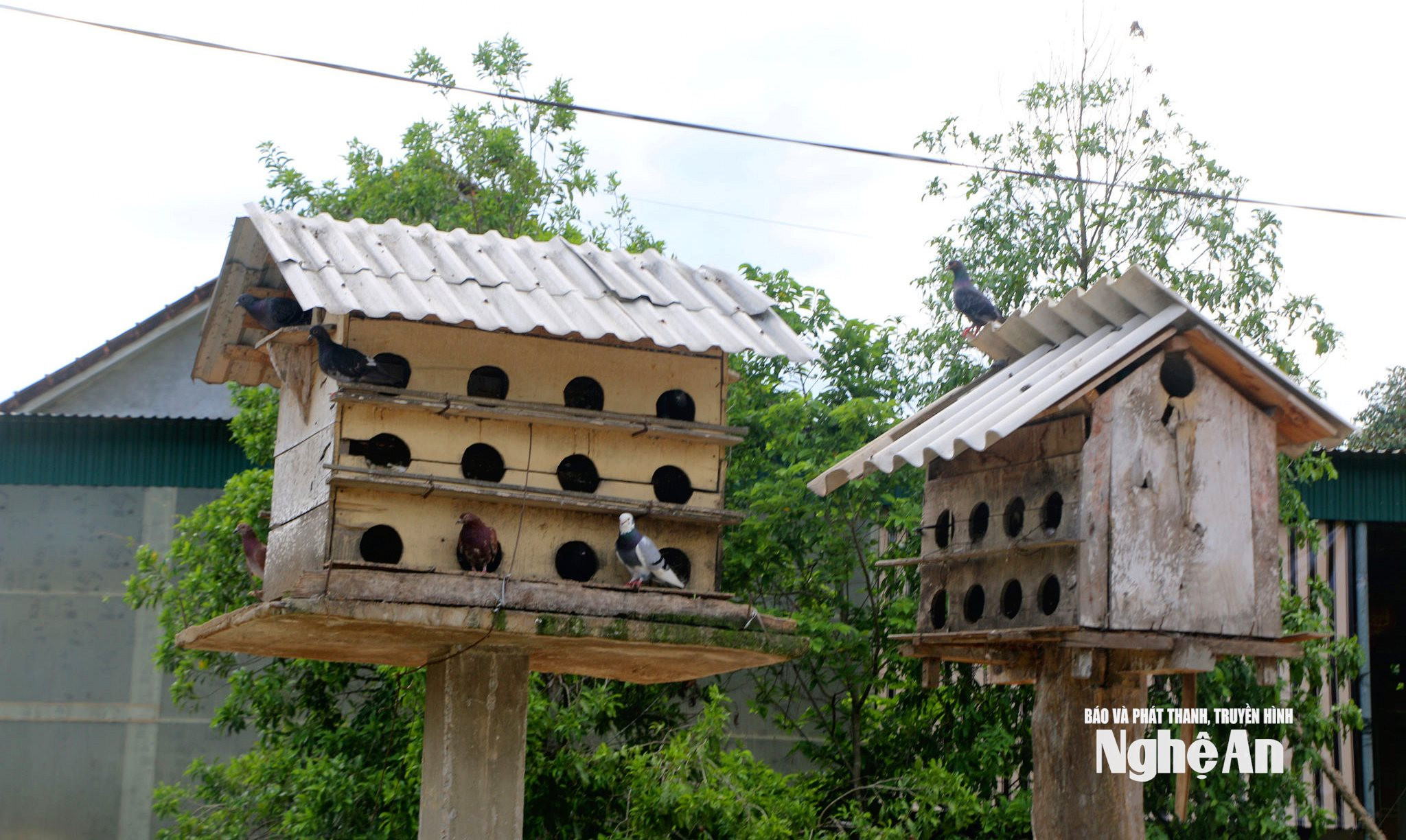
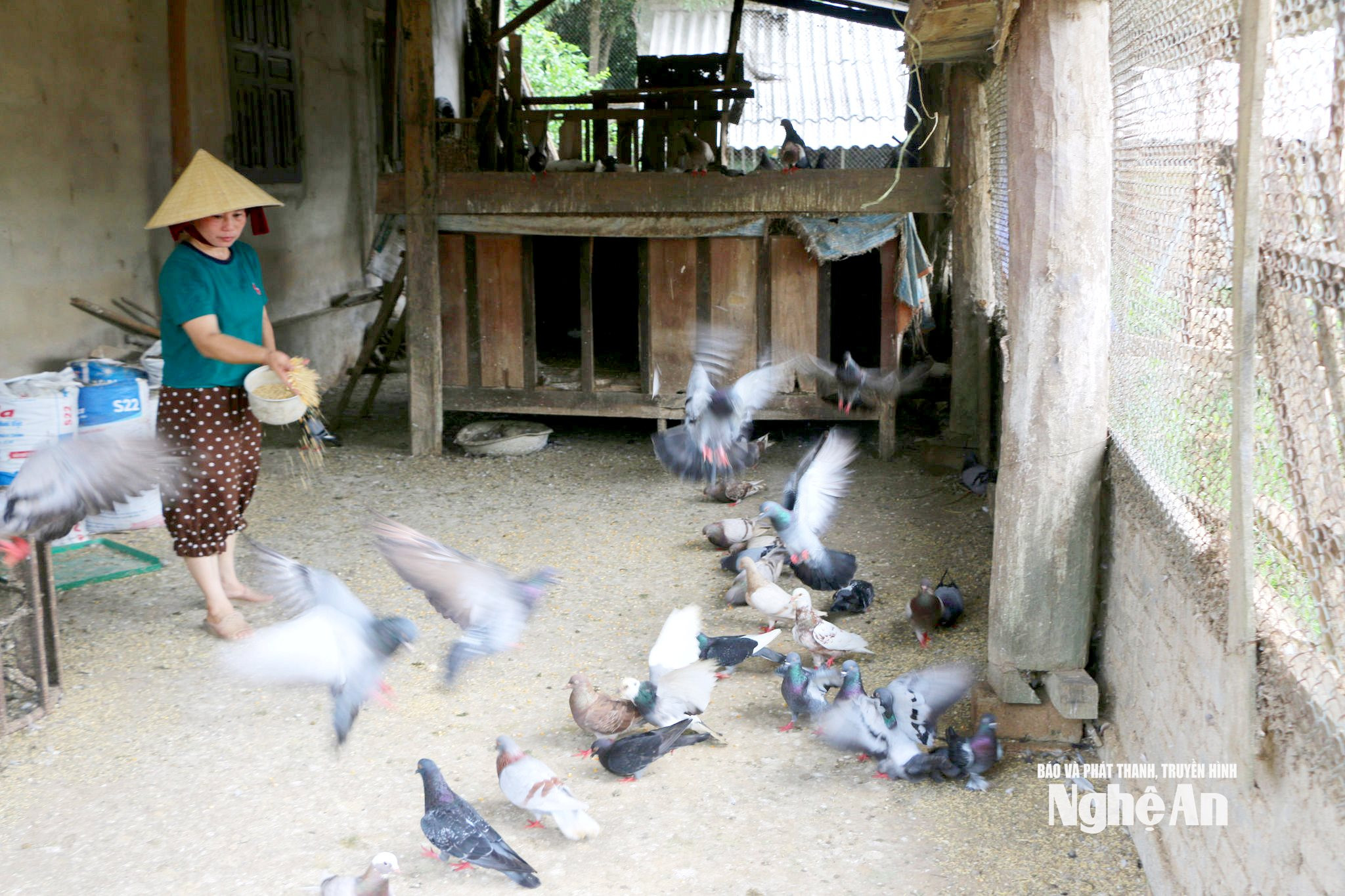
The flock of approximately 300 pairs of French pigeons is also raised naturally. All their food consists of rice and corn grown by the family themselves, without the use of growth hormones. As a result, the pigeon meat is firm, flavorful, and regularly ordered by restaurants and customers both within and outside the district.
Each month, raising pigeons for meat and breeding alone generates revenue of 5 to 7 million VND.
From crops to livestock, from feed sources to by-products, Mr. Hien has carefully calculated every link to create a closed loop system. This model not only reduces production costs but also limits disease outbreaks, protects the environment, and produces clean products that meet market demands.
Standing amidst a sprawling, tree-shaded garden covering over a hectare, with its spacious and well-maintained property, it's hard to imagine that this place was once just a barren wasteland full of weeds and rocks. To achieve this lush greenery today, the farmer had to sacrifice more than twenty years of persistent clearing, overcoming numerous failures and times when he felt he would have to start all over again...
.png)
Sitting under the shade of a betel nut tree in full bloom, Mr. Tran Van Hien slowly recounted the early days of his business. The calm voice of the man in his fifties occasionally faltered when he recalled the arduous period of establishing his career.
His family originally came from Dien Chau. In the 1960s, his parents moved to the old Quy Chau region to clear land and start a new life. Tran Van Hien's childhood was spent working in cornfields and cassava plantations, and accompanying his parents to the forests and streams to earn a living.
In 1992, after getting married, he moved out to live on his own. The young couple's only assets at that time were a few acres of rice fields and a simple house. Life was a constant struggle, working the land from dawn till dusk, but poverty still clung to them.
Unwilling to be content with what they had, around 1999-2000, Mr. Hien and his wife decided to make a choice that many at the time considered risky: moving to the Ta Cham area, a few kilometers from their old home, to clear land and start a new life.
Back then, Ta Cham was still a remote area. There was no electricity, no roads, only reeds, wild plants, and old-growth forest. Without excavators or plows, the couple began their journey using only their own hands.
During the day, they cleared bushes, cut down trees, dug up roots, and leveled small plots of land. As evening fell, the two of them diligently carried loads of manure and baskets of fertile soil to improve the barren land. But clearing the land was difficult; maintaining the faith to continue was even harder.
The couple had high hopes for their first litter of 20 breeding goats. However, due to a lack of experience in goat farming and insufficient knowledge of disease prevention techniques, an epidemic quickly wiped out almost the entire herd.
All his accumulated capital vanished in an instant, along with the empty goat pens. Failure did not deter the farmer. He chose to start over with the motto "use short-term gains to support long-term growth."
During the day, he still works as a laborer for the Northwest Nghe An Irrigation Company, completing his duties at the office. After work, on days off or weekends, he puts on his grass trimmer and takes his machete to clear land for hire, working for forest owners to earn extra money.
Once he had saved up some money, he switched to raising cattle. But instead of traditional grazing methods, he found a different path.
He traveled deep into remote villages to buy thin, weak cows and buffaloes at low prices, then raised them in enclosures, grew grass, and fattened them up. After just a few months of scientific care, the herd of buffaloes and cows had smooth, shiny coats and were plump, allowing him to sell them on the market for a high profit.
And so, the buying, raising, and selling transactions followed one another, with small amounts of capital gradually accumulating into a large sum. It was this capital that enabled the couple to invest more systematically in their orchard and livestock facilities later on.
Besides cattle, the family also once developed a pig herd of about 60 fattening pigs along with many breeding sows. However, when disease outbreaks became complicated and market prices fluctuated constantly, he quickly scaled back the operation.
That decision demonstrated the shrewdness of the businessman. Instead of clinging to the old, risky model, he shifted to developing higher-value livestock such as spotted deer and French pigeons, while also expanding the area of fruit trees.
According to him, modern-day farmers cannot rely solely on physical strength and experience. "To succeed, they must be willing to learn."
His smartphone always accompanies him into the garden. Every evening, after finishing his farm work, he goes online to research farming techniques, monitor agricultural product prices, and read articles about successful production models both within and outside the province.
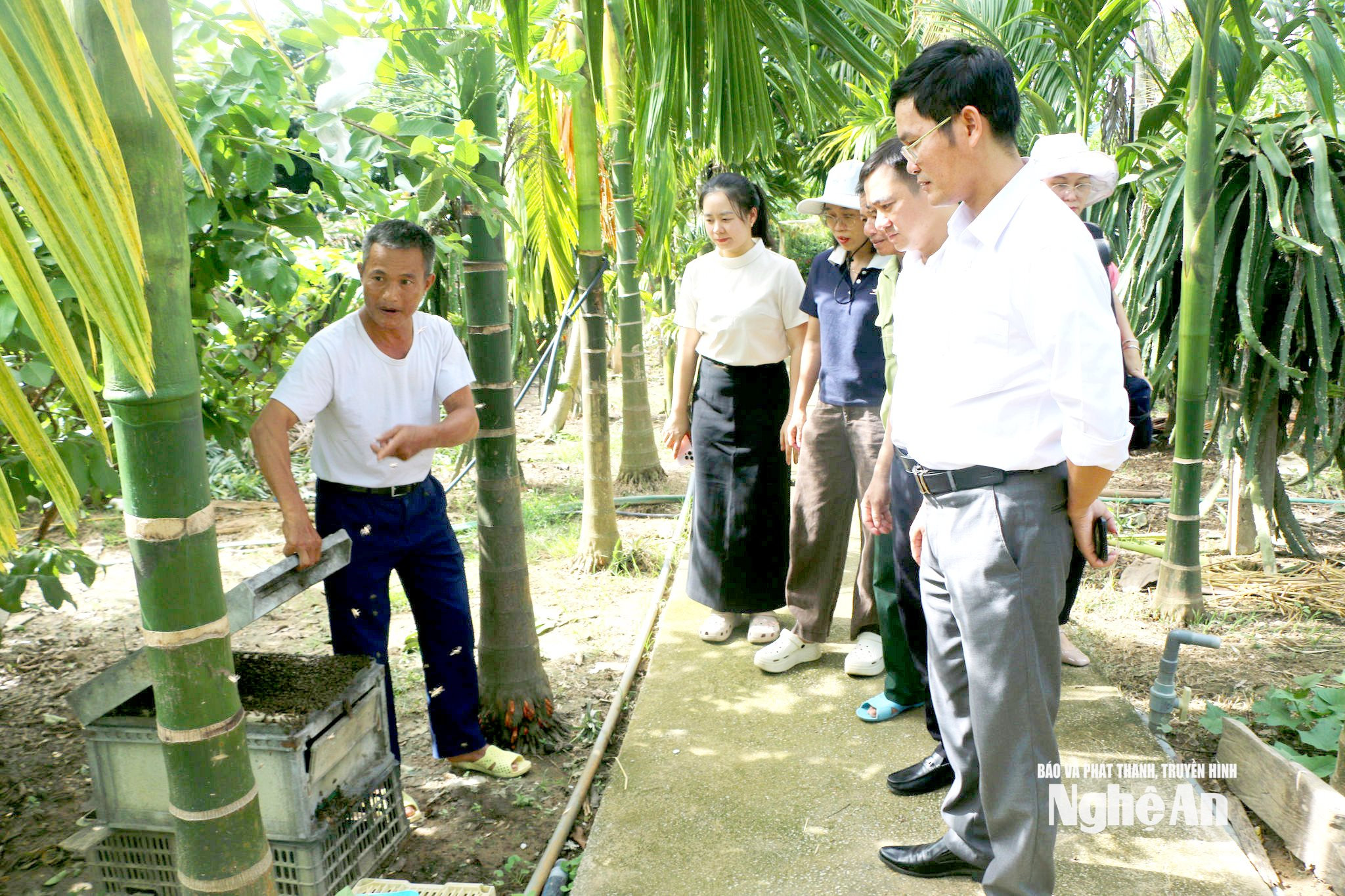
From boldly planting 300 more betel nut trees, experimenting with golden flower tea, raising bees under fruit trees, to developing a deer herd... all are the results of careful research, calculation, and consideration, not impulsive decisions.
What is admirable about Mr. Hien is not only his diligence, but also his willingness to embrace change. He is not afraid to abandon old methods when they are no longer suitable, nor is he afraid to experiment with new ones to improve production efficiency and increase income.
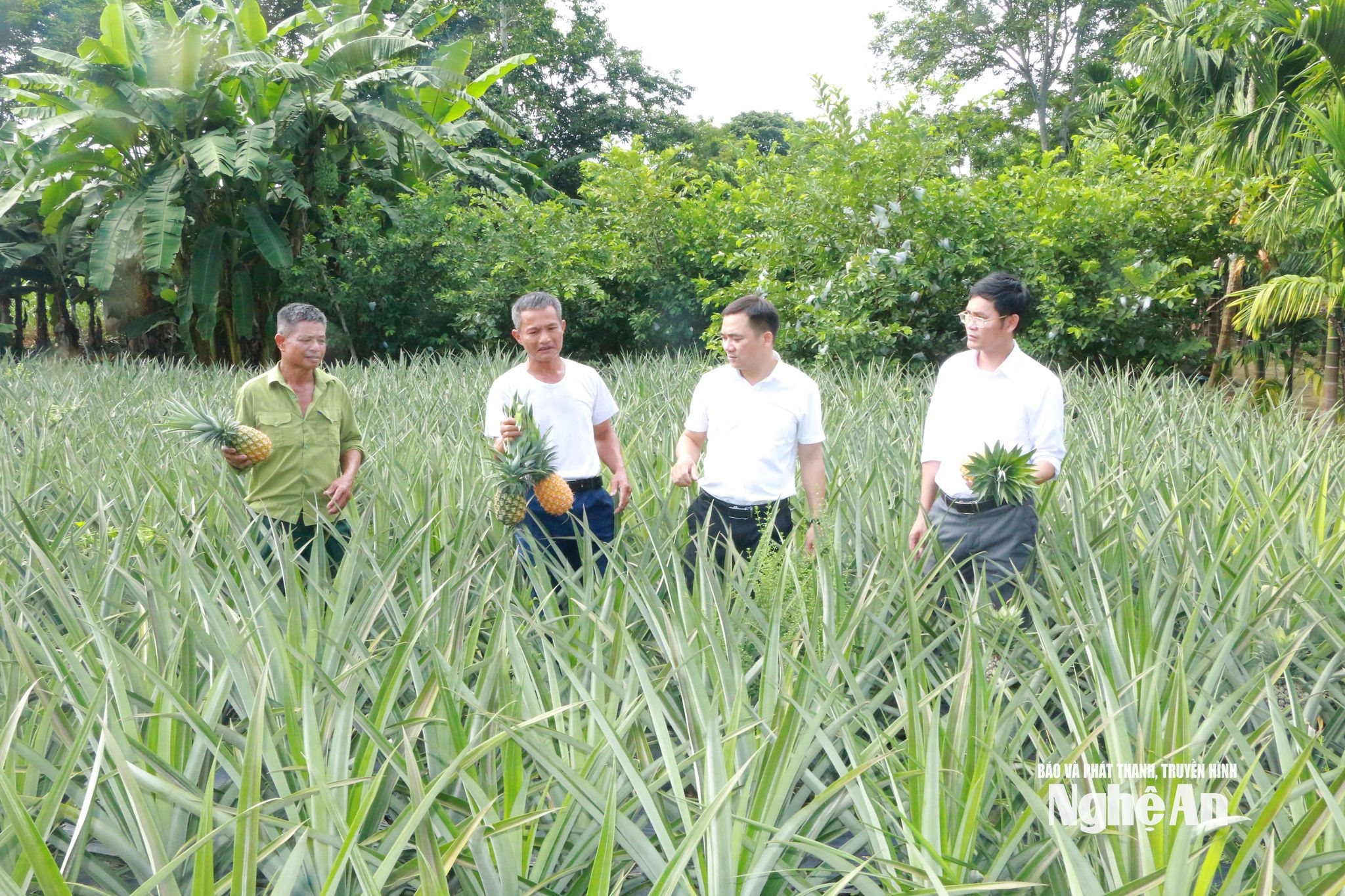
Accompanying the family on this journey was the support of the local Party committee and government. From guiding the restructuring of crop patterns and providing cement for internal garden roads to encouraging the application of digital transformation in production management and connecting agricultural product consumption, all of this has further motivated farmers like Mr. Hien to boldly invest and develop their economy in a sustainable direction.
.png)
More than twenty years have passed since he first struck the ground with his hoe on the reed-covered land of Ta Cham, and now Mr. Tran Van Hien owns a green farm spanning over one hectare, along with one hectare of acacia forest.
The betel nut trees begin to bear fruit, the dragon fruit orchards turn vibrant red each season, the large guavas and honey pineapples are harvested one after another, the deer herd is healthy, and the French pigeons breed regularly... Each season that passes brings another season of sweet fruits nurtured by hard work and innovative thinking.
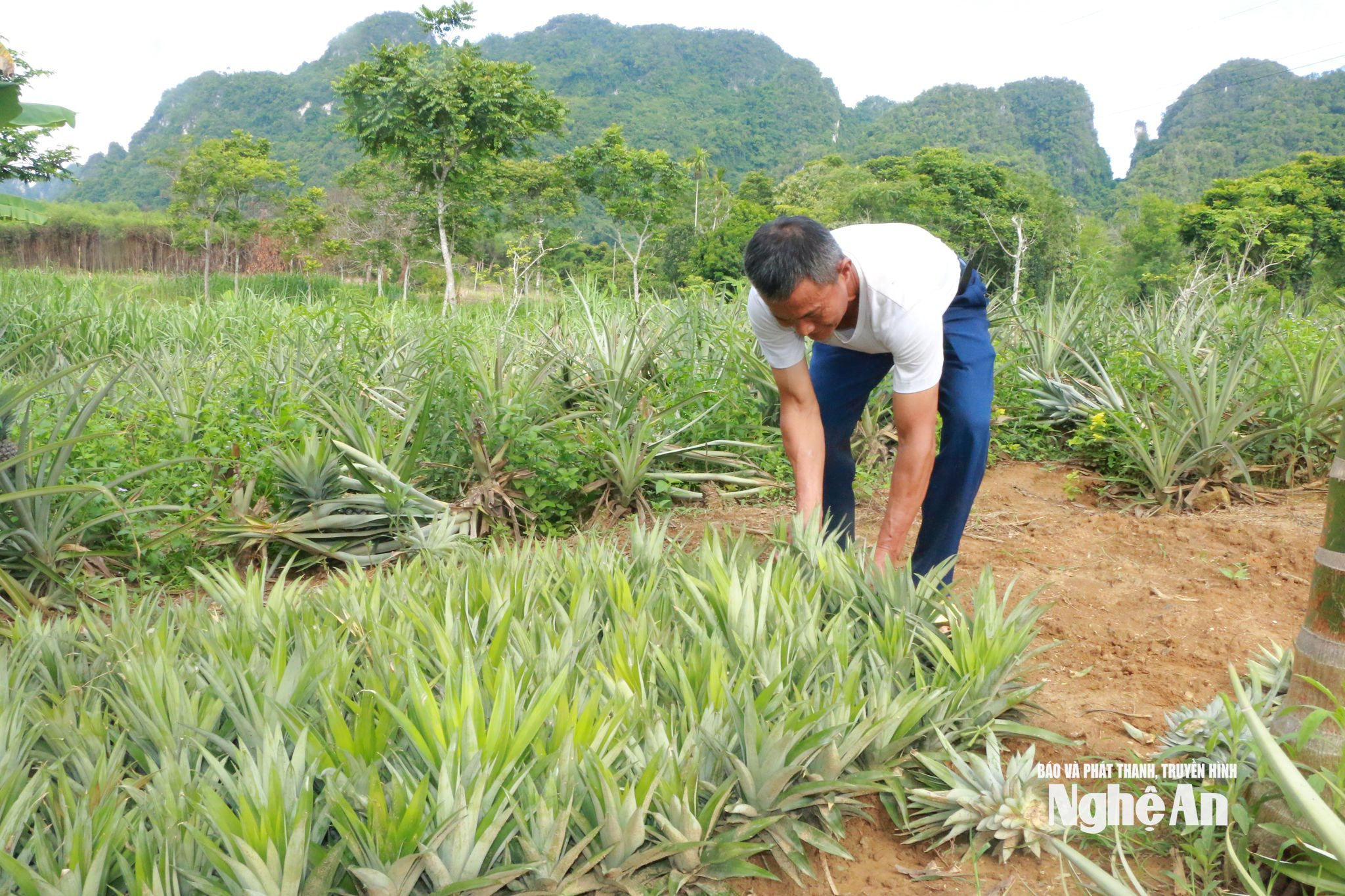
Visiting Mr. Hien's farm at any time of day, you'll easily find the image of a man in his fifties busy with one task after another.
Sometimes he'd be pruning dragon fruit, other times wrapping individual guavas, checking the deer enclosure, feeding the pigeons, or diligently repairing the tractor and engine... Perhaps that's why the villagers still affectionately call him by his familiar name:""The diligent villager greets you."
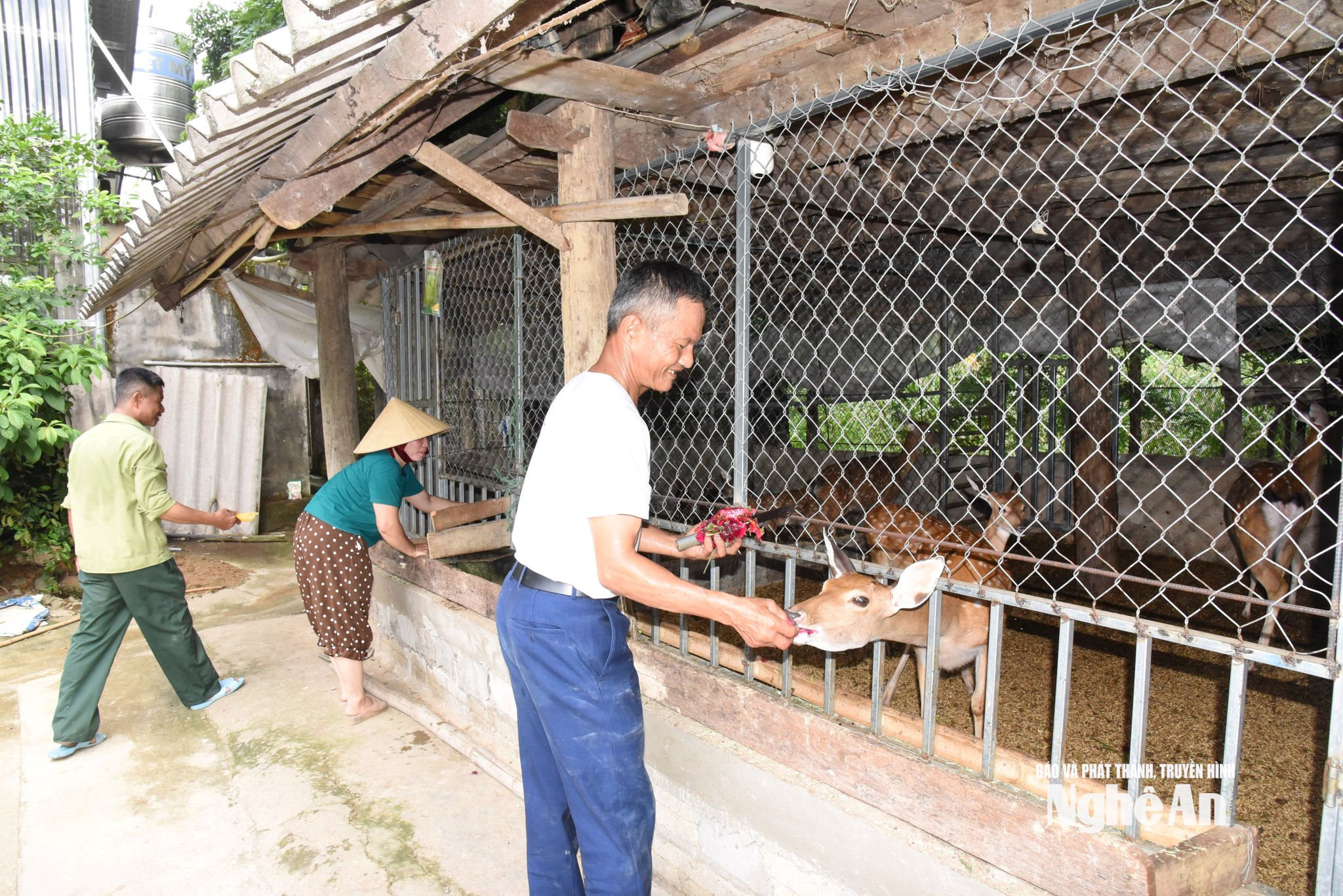
According to Mr. Tran Van Lam, Secretary of the Party Branch of Chao village, Mr. Hien's farm is currently one of the exemplary models in the locality. Many groups of farmers from within and outside the commune have come to visit and learn from his experience in building model gardens associated with green and sustainable economic development.
Amidst the trend of many young workers leaving their hometowns to seek employment elsewhere, Mr. Hien's story further demonstrates that with a change in mindset, bold application of science and technology, and persistent pursuit of goals, agriculture remains fertile ground for farmers to prosper right in their own homeland.
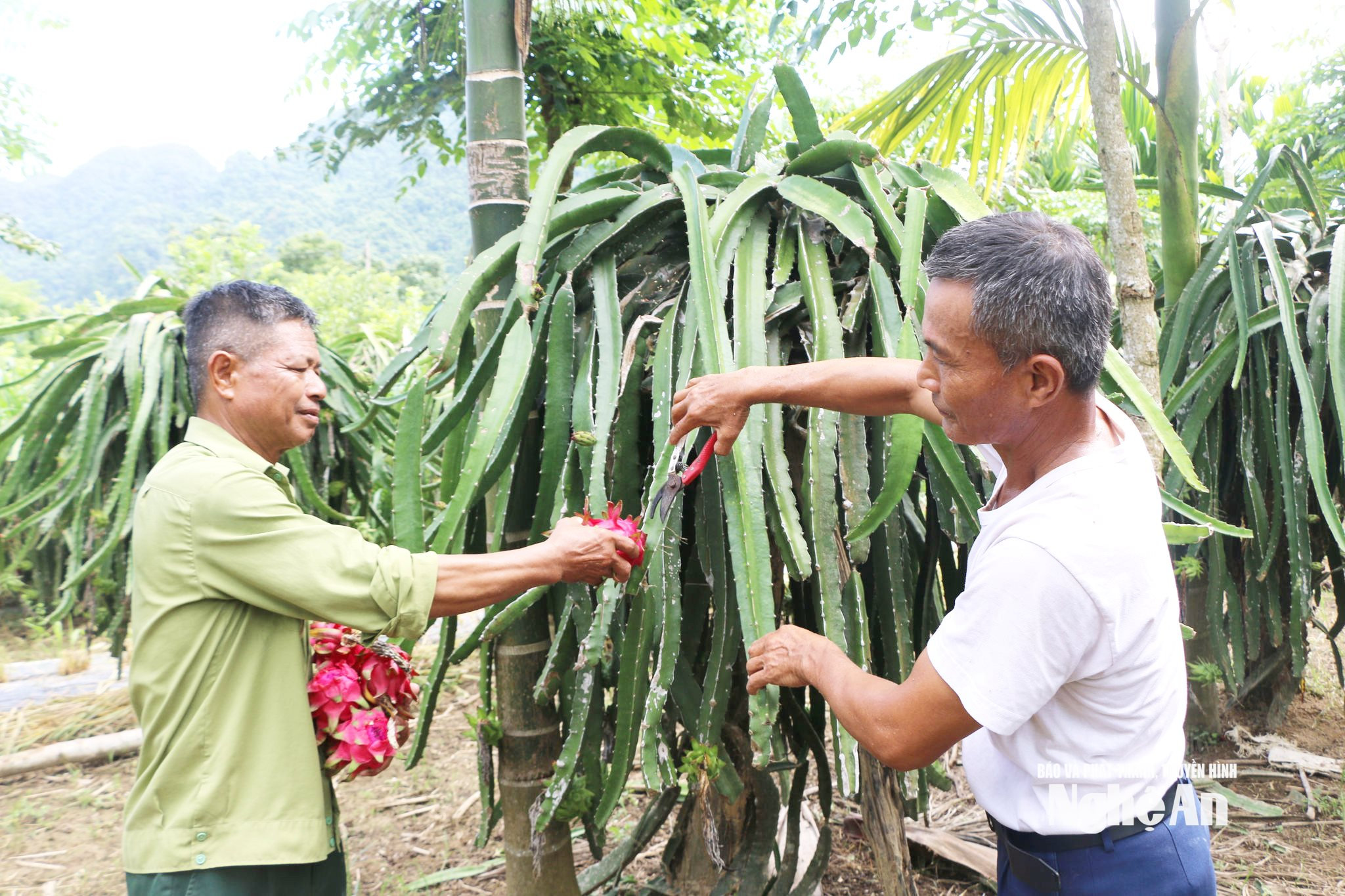
Looking at the lush green garden, Mr. Hien couldn't hide his joy as he shared his plans to build a more spacious new house after years of saving. This wasn't just the result of years of hard work by him and his wife, but also the happiness of having two grown children, now working in the Federal Republic of Germany, who always encourage and support their parents.
But perhaps, for that farmer, the greatest joy is waking up each morning and stepping out into the garden he cultivated from scratch. He says that watching the plants grow day by day, seeing his livestock healthy, and seeing the trucks carrying his produce leave the farm gate, all the hardships seem to vanish.
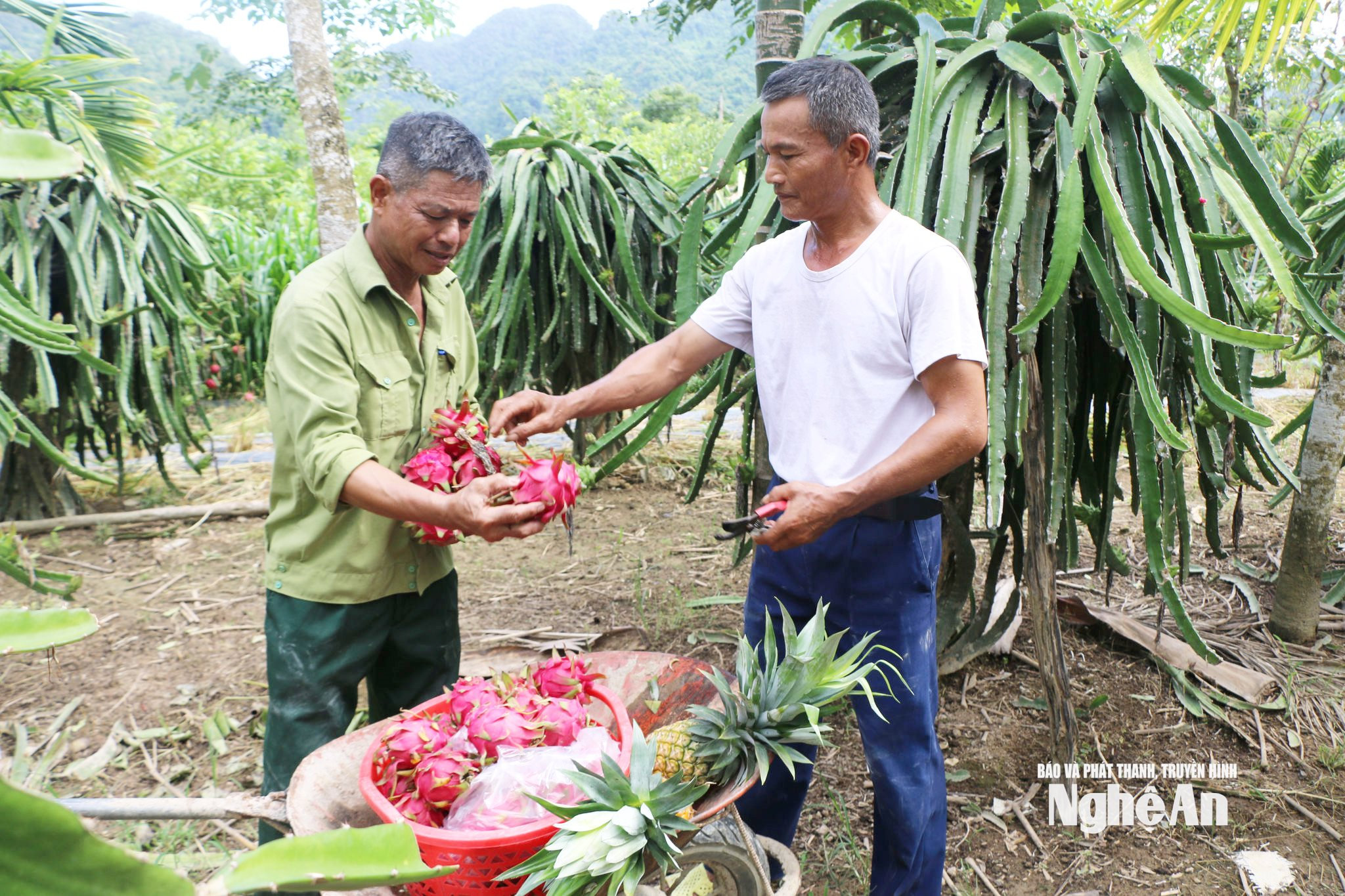
As evening fell over Chao village, the last rays of sunlight cast a golden glow on the rows of betel nut trees in full bloom. Mr. Hien was still busily wrapping each guava, then he stopped by the deer enclosure to check the feed trough.
That man, over fifty years old, never thought of himself as a role model for wealth creation. For him, as long as you work hard, learn diligently, and are willing to adapt each day, the land will not let you down.
Perhaps it is thanks to this that on land once covered only in reeds and rocks, today stands a lush green farm – the result of more than twenty years of persistent labor and the belief and aspiration for green agriculture of a farmer who dared to think and act.


