
The "keeper of the flame" of faith in Boong village.
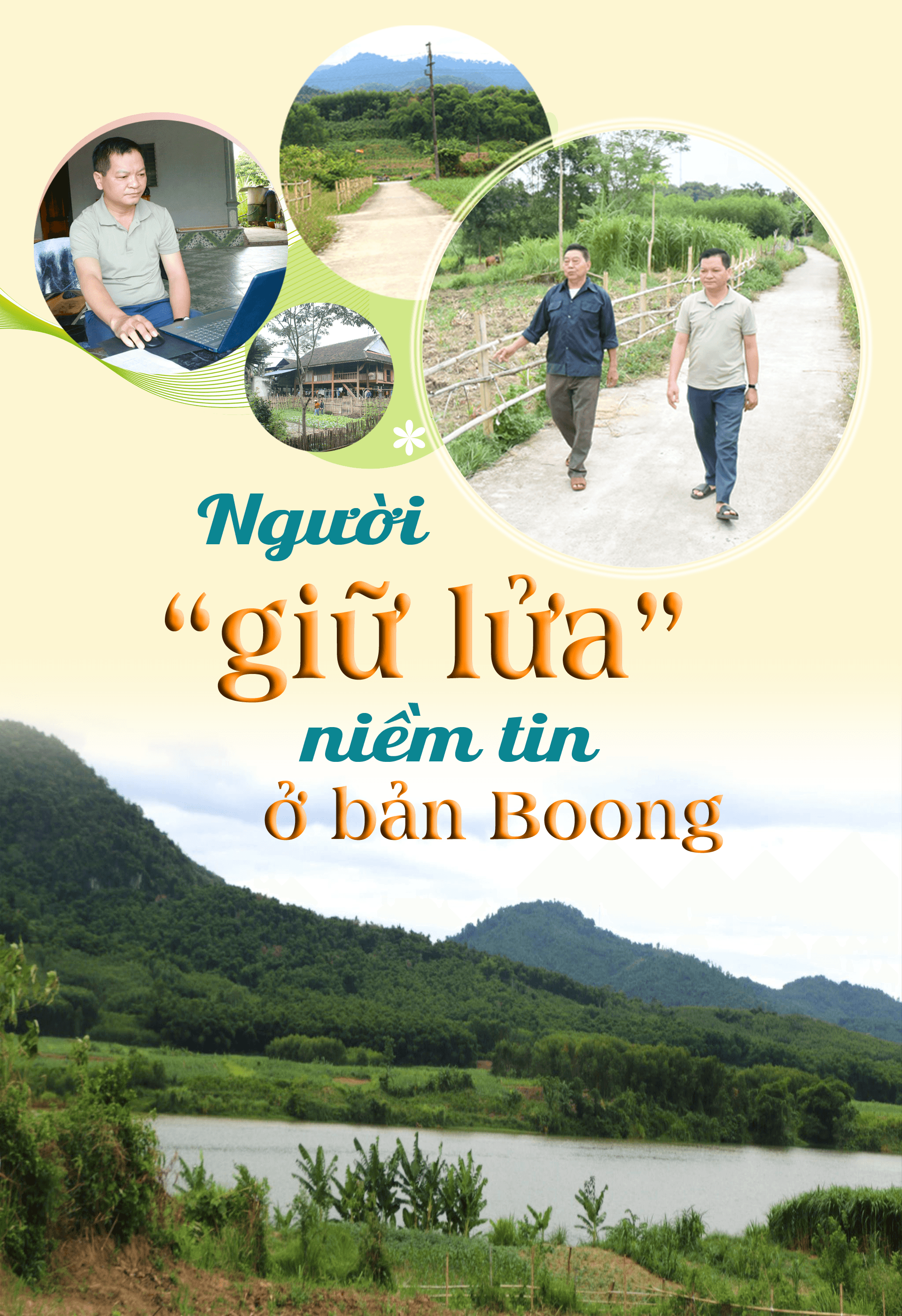
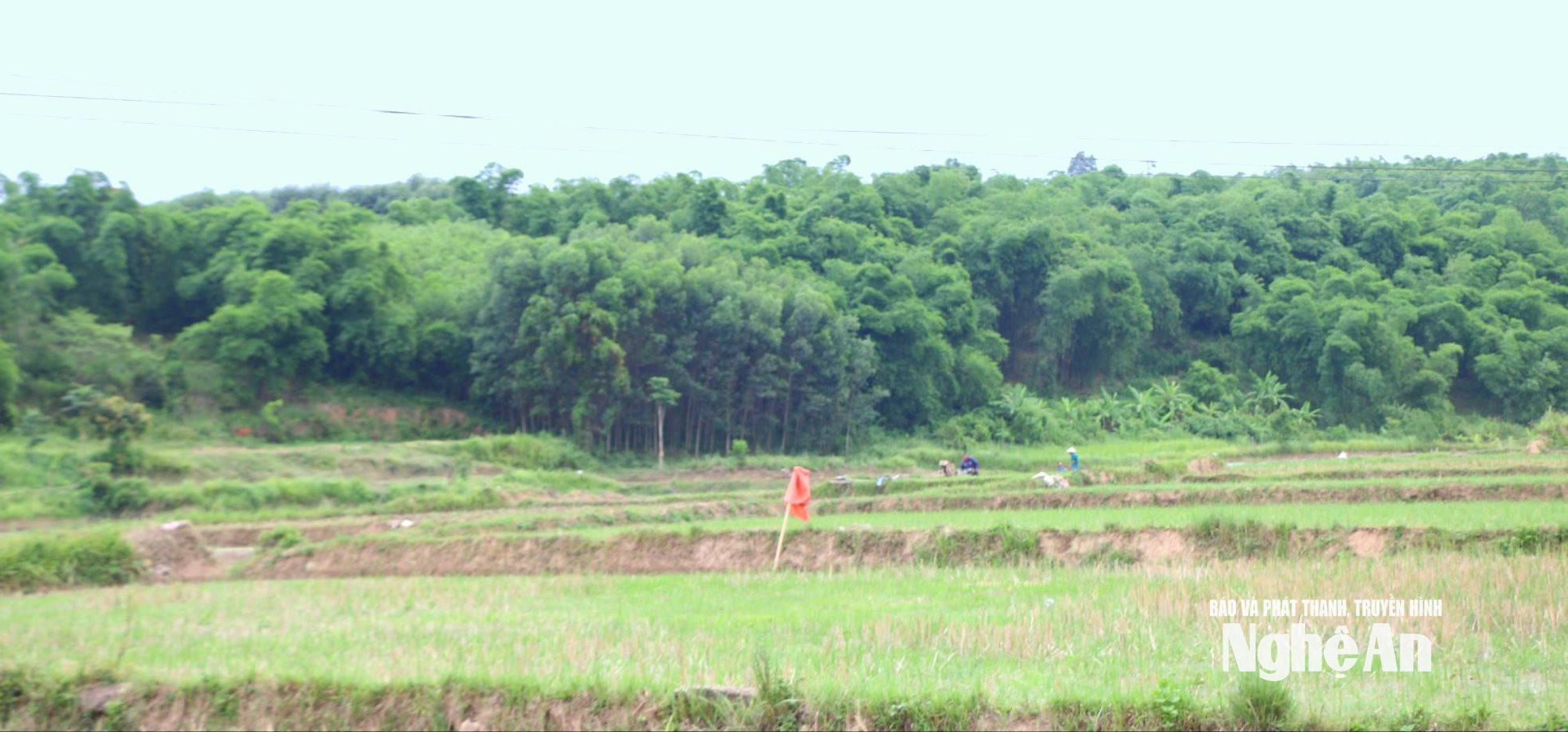
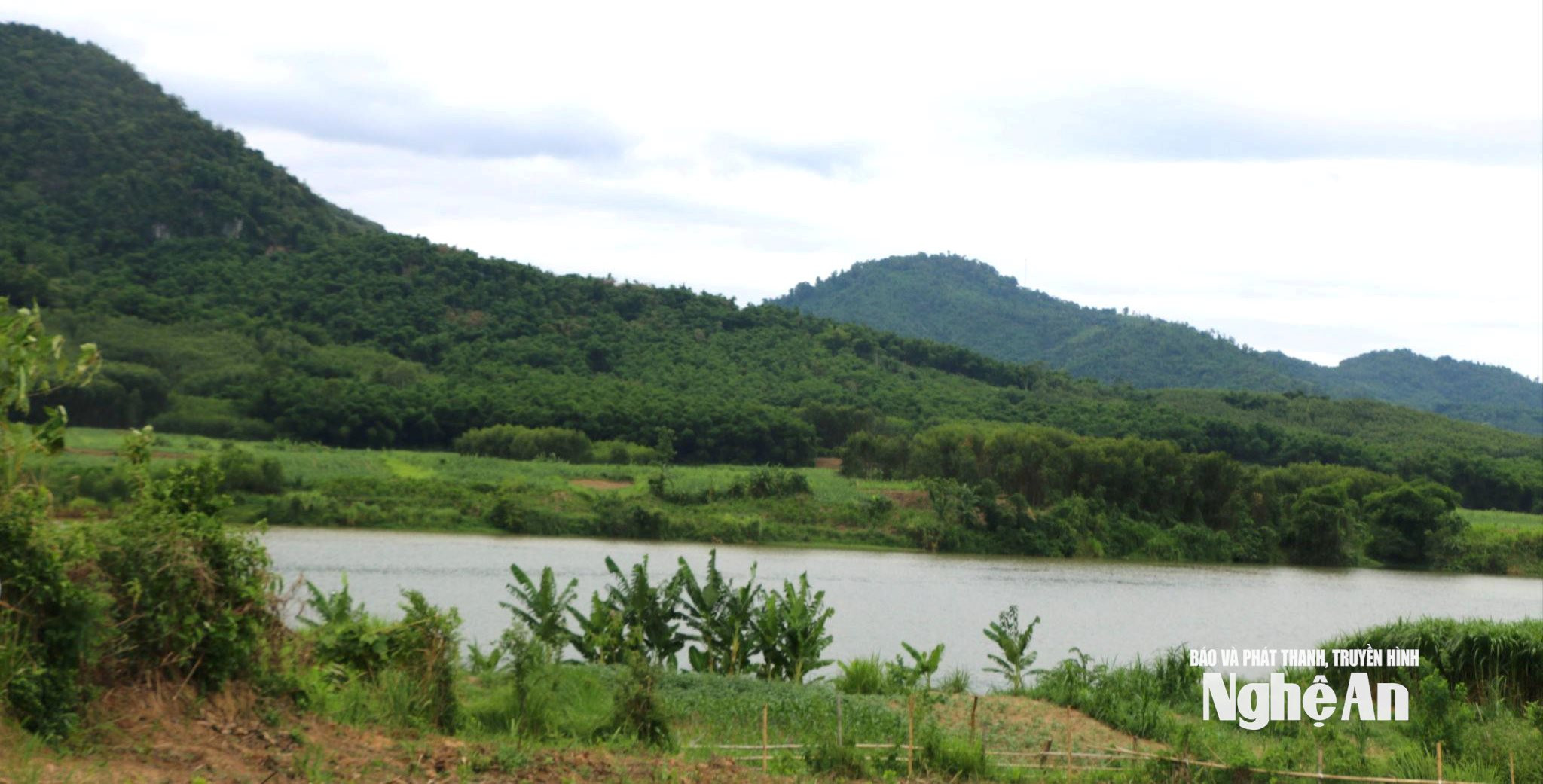
Giữa cái nắng bỏng rát của miền Tây Nghệ An, bản Boong nép mình thanh bình bên dòng khe nhỏ, với những tuyến đường bê tông sạch sẽ, những cánh đồng mía trải dài, những triền đồi keo, mét xanh ngút mắt. Phía sau diện mạo khởi sắc ấy là câu chuyện về sức mạnh của dân chủ cơ sở, về một bản hương ước được gìn giữ gần ba thập niên và về vai trò hạt nhân đoàn kết của Bí thư chi bộ kiêm Trưởng bản Kha Văn Nam.
Khánh Ly - Hoài Thu /Trình bày: Hồng Toại • 26/6/2026
*****
Giữa cái nắng bỏng rát của miền Tây Nghệ An, bản Boong, xã Châu Khê nép mình thanh bình bên dòng khe nhỏ, với những tuyến đường bê tông sạch sẽ, những cánh đồng mía trải dài, những triền đồi keo, mét xanh ngút mắt. Phía sau diện mạo khởi sắc ấy là câu chuyện về sức mạnh của dân chủ cơ sở, về một bản hương ước được gìn giữ, truyền đời và về vai trò "hạt nhân" đoàn kết của Bí thư Chi bộ kiêm Trưởng bản Kha Văn Nam.
.png)
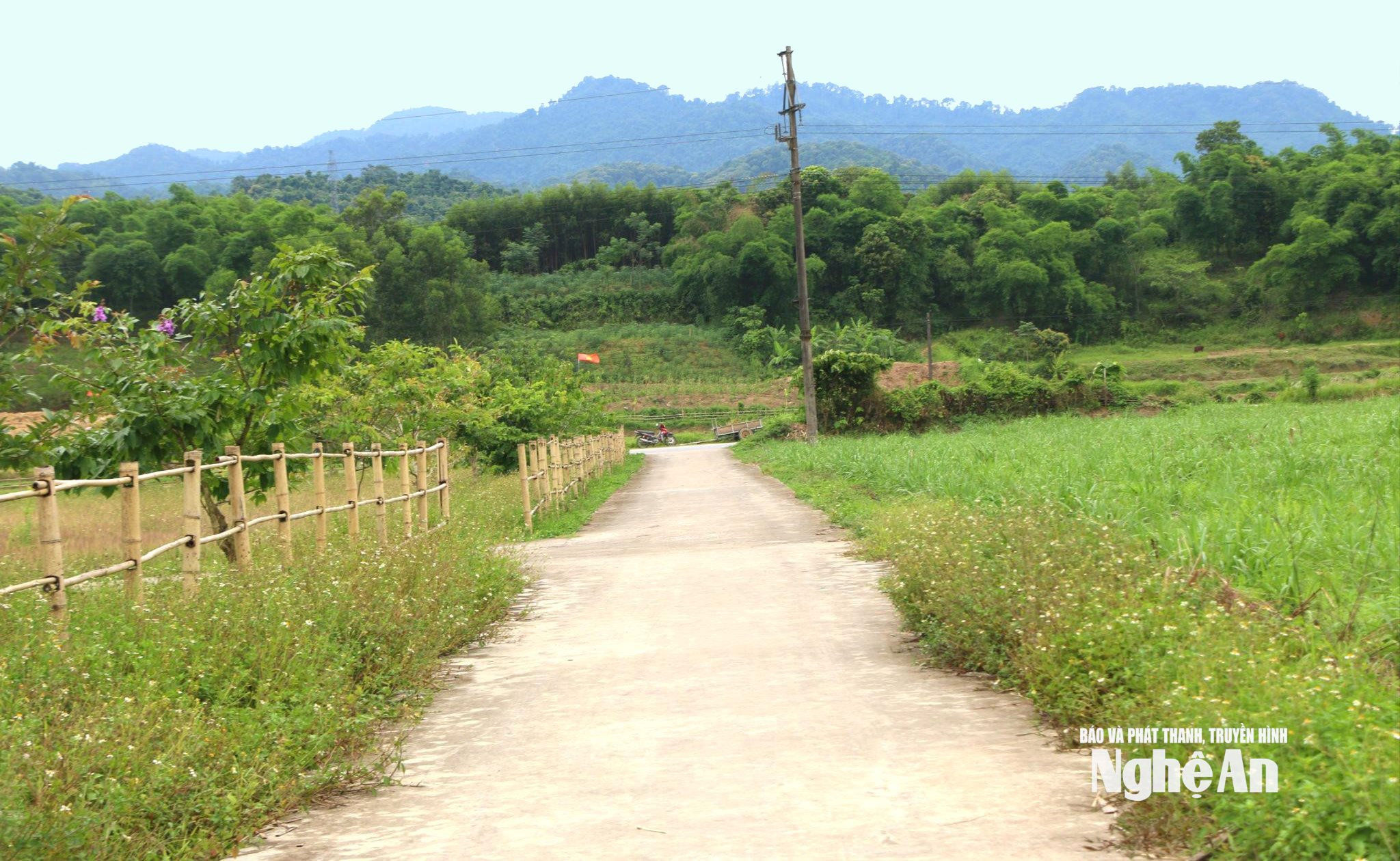
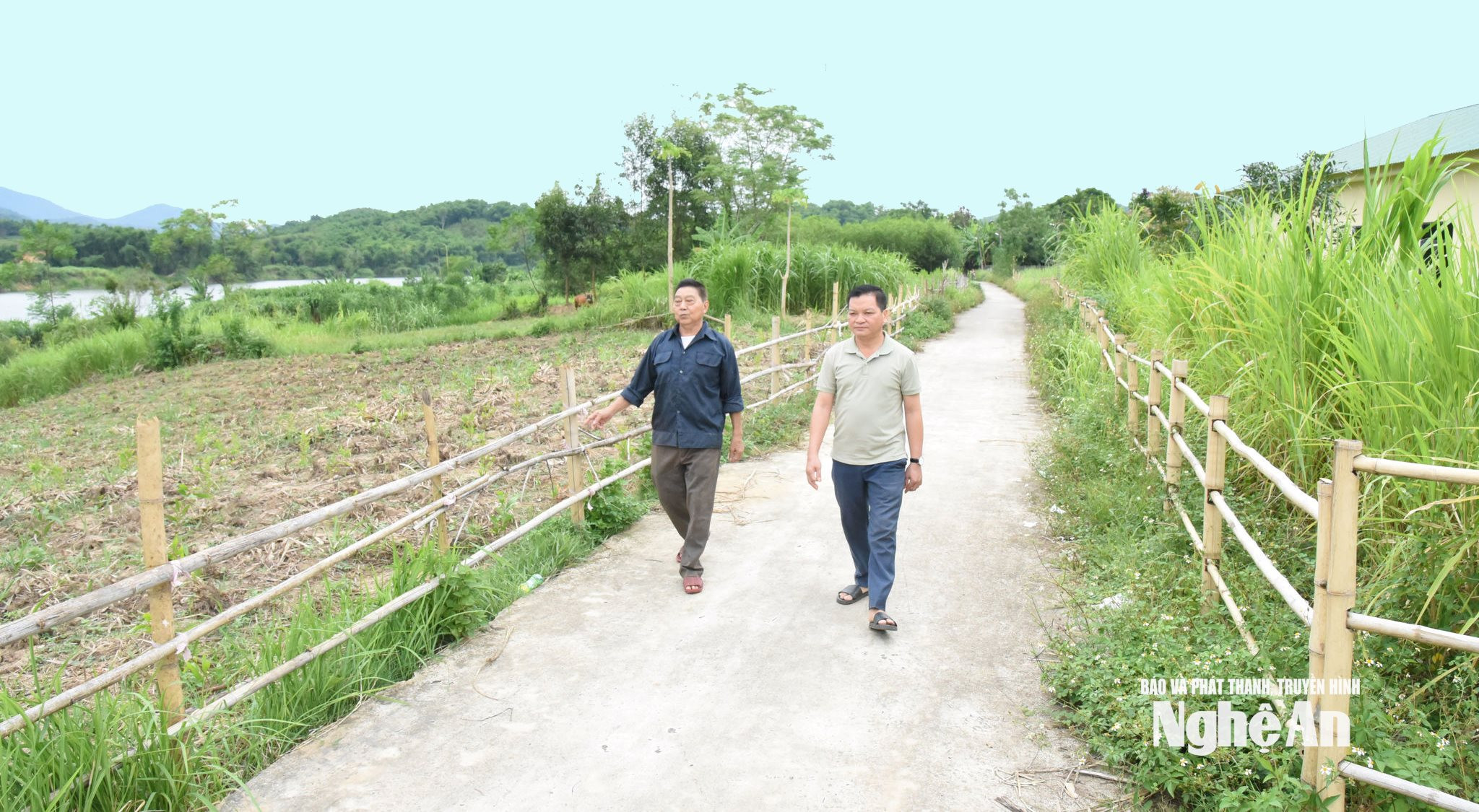
Dẫn chúng tôi đi trên tuyến đường nội đồng vừa hoàn thành, Bí thư Chi bộ kiêm Trưởng bản Kha Văn Nam không giấu được niềm vui. Con đường dài 250m, rộng 3,5m chạy xuyên qua khu sản xuất tập trung hơn 16 ha mía của người dân trong bản.
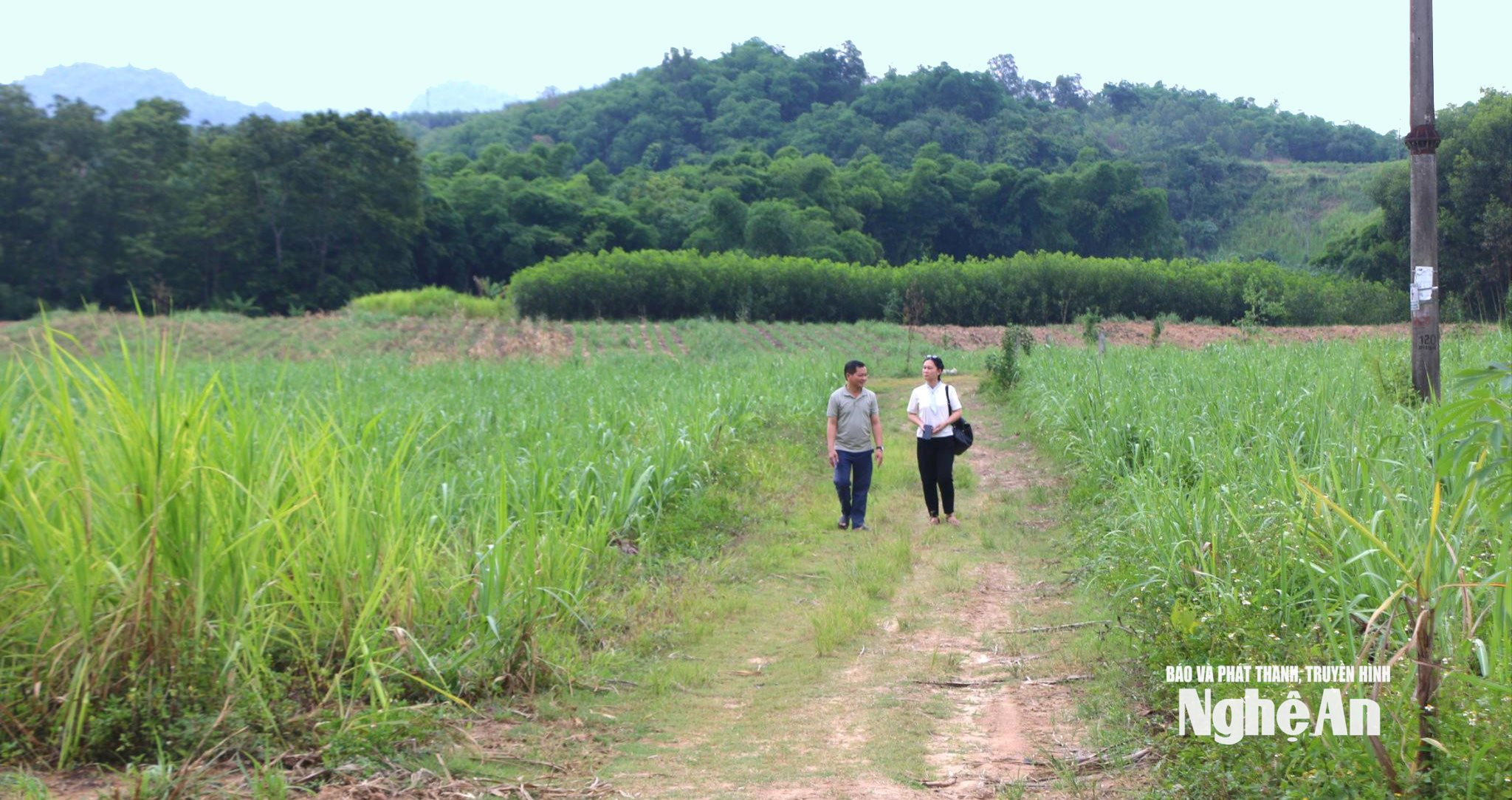
Anh nhớ lại: “Ngày trước muốn vào ruộng chỉ có lối mòn nhỏ, mùa nắng bụi mù, mùa mưa lầy lội. Xe trâu đi còn khó, nói gì xe tải. Bây giờ thương lái có thể chạy xe vào tận nơi thu mua, bà con đỡ rất nhiều công sức”.
Looking at the straight road today, few people know that to complete that project, the Party branch committee, the village management board, and the village head had to spend many months persistently campaigning.
.jpg)
The biggest challenge lies in the fact that the road passes through the agricultural land of nearly 20 households. For the people in the highlands, land is not only an asset but also the livelihood of many generations. Persuading people to donate land for the common good has never been easy. Instead of imposing or following administrative procedures, the Party branch of Boong village chose a democratic path.
First, the 26 party members in the branch held a thorough meeting to discuss and agree on the policy, and then issued a specific resolution. Once the "Party's will" was understood, the content was presented to the people for public discussion.
All options are calculated transparently right on the ground.
Instead of sitting in a meeting room and campaigning with vague words, the Party Branch Secretary and Village Head, Kha Van Nam, along with the village management board, brought measuring tapes to the fields. Every meter of land, every boundary was measured precisely in the presence of the villagers.
Based on that situation, a solution was proposed: To ensure a 3.5m wide road, households along the route would share the affected land equally. Those who had to give up more land would be relocated or receive assistance from neighboring households to ensure their rights were protected. This transparency gradually dispelled initial concerns.
"Everything was discussed democratically, so everyone was in agreement. When they saw that they weren't being disadvantaged, everyone happily donated their land," Nam shared.
The completion of the road marked the beginning of its economic benefits. Motorized vehicles and tractors could now reach the fields. Agricultural products were transported more easily, reducing production costs and preventing price manipulation. But this wasn't the only project built with the consensus of the people.
Previously, Boong village successfully mobilized residents to donate land and trees to open a new road of over 200 meters leading to the community cultural center. Among the pioneers were many exemplary Party members.
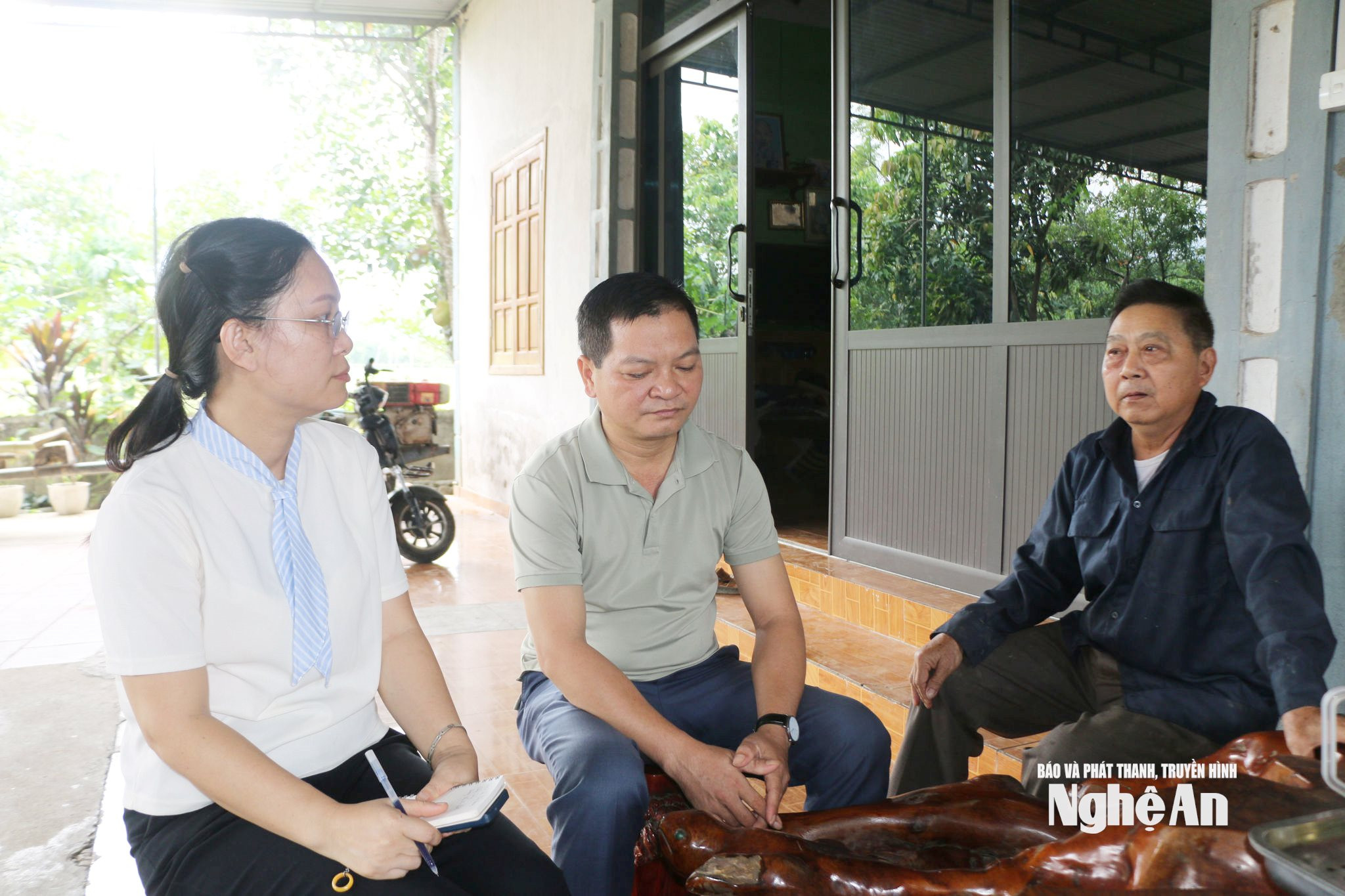
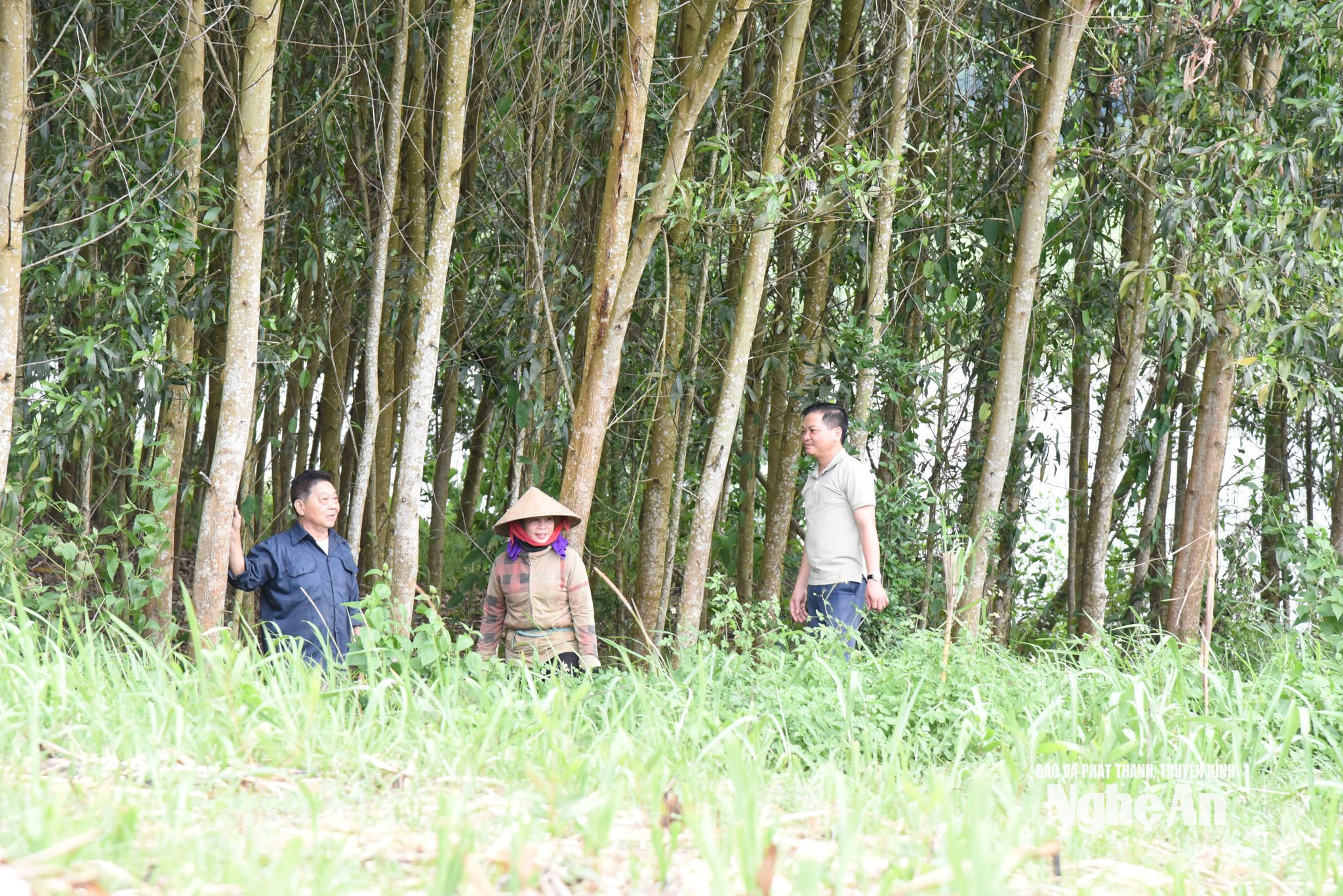
Mr. Ngan Dinh Phong, former Vice Chairman of the Commune People's Committee, former Party Branch Secretary, and Village Head, was one of the first people to voluntarily donate a portion of his family's agricultural land to open a road.
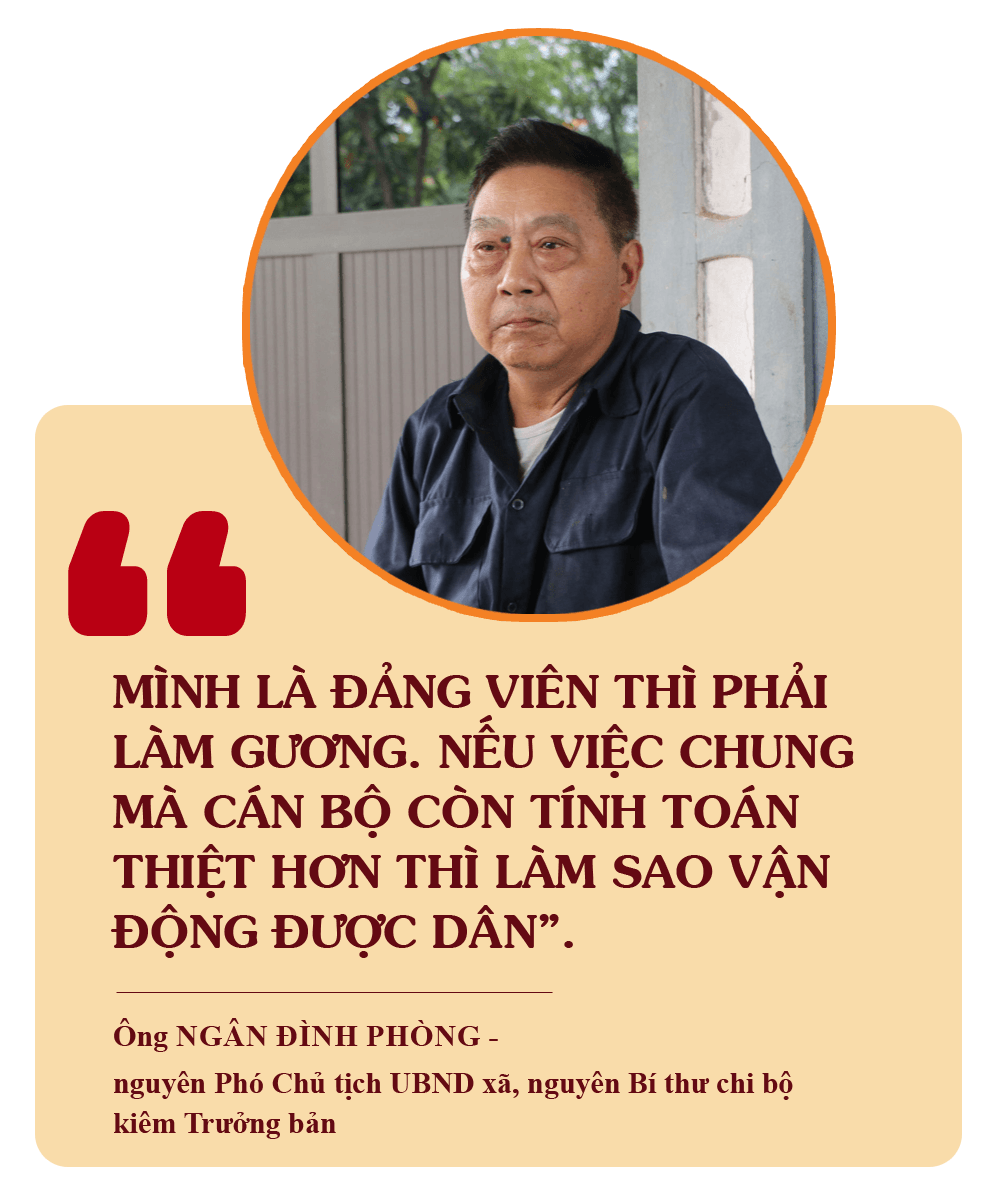
According to him, what gives Boong village its strength is that all policies are discussed openly, from the Party branch to the people. From building roads and constructing centralized waste disposal sites to developing production and reviewing government support policies, everything is discussed democratically before implementation.
This approach has fostered trust between the Party and the people, transforming development policies into voluntary actions by the community.
Thanks to the promotion of grassroots democracy, in recent years the people of Boong village have voluntarily contributed more than 1,200 days of labor, donated over 450m² of agricultural land, and 275 timber and fruit trees of various kinds to build more than 520m of concrete roads within the village and roads leading to the production area.
The villagers also contributed over 55 million VND to the new rural development program. The village also promoted and encouraged people to develop their strengths in agricultural and forestry production, primarily acacia (20 hectares), bamboo (30 hectares), and livestock and poultry farming. As a result, the appearance of the village is changing day by day, and the material and spiritual lives of the Thai people are improving. Average income is over 45 million VND per person per year, and the number of poor households has decreased to only 8.
While the new roads are the most visible sign of change, the village's customary regulations are the "soul" that creates the enduring strength of Boong village. The village currently has 100 households with 463 inhabitants, mainly ethnic Thai people living along the Boong stream.
According to Party Secretary Kha Van Nam, the village's customary regulations have been in place for a long time within the community, officially documented in the 1990s, and continuously supplemented and revised to suit practical realities and legal regulations.
By early 2026, the village charter was finalized with 8 chapters and 25 articles, providing comprehensive regulations ranging from economic development and cultural life building to environmental protection, as well as wedding and funeral customs.
What's remarkable is that these regulations aren't imposed but have become habits and ways of life for the people.
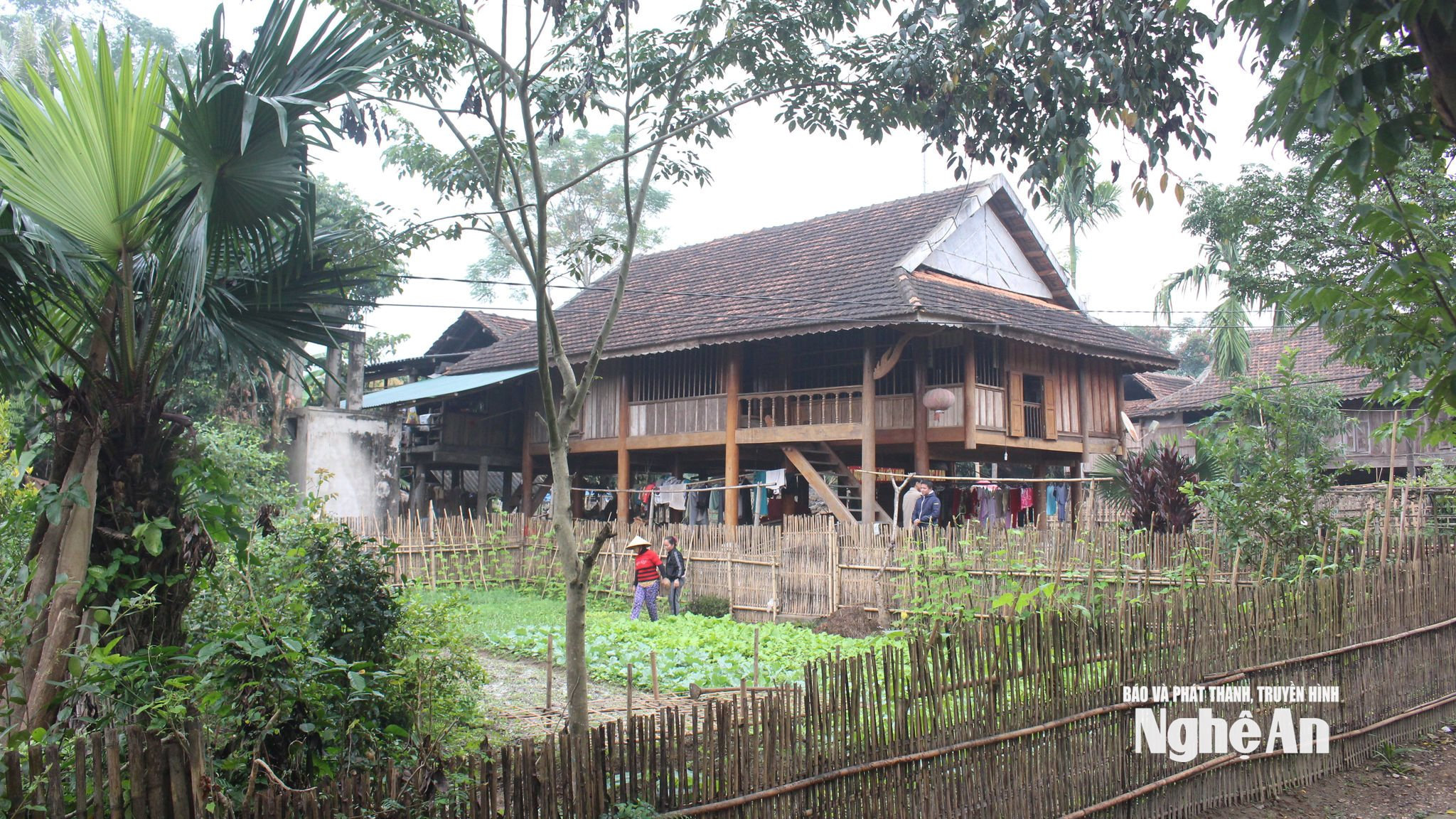
"Village regulations help make legal provisions more relevant to daily life. People understand and voluntarily comply with them as part of their responsibility to the community," Nam said.
Many outdated customs that once existed in the lives of the people have been eradicated thanks to this persistent campaign.
Locals say that in the past, whenever someone fell ill, many families would invite shamans to perform rituals that lasted for many days, costing a lot of money but with negligible results.
Today, scientific diagnosis and treatment have become the only option. People go to medical facilities when they are sick instead of relying on superstitious rituals.
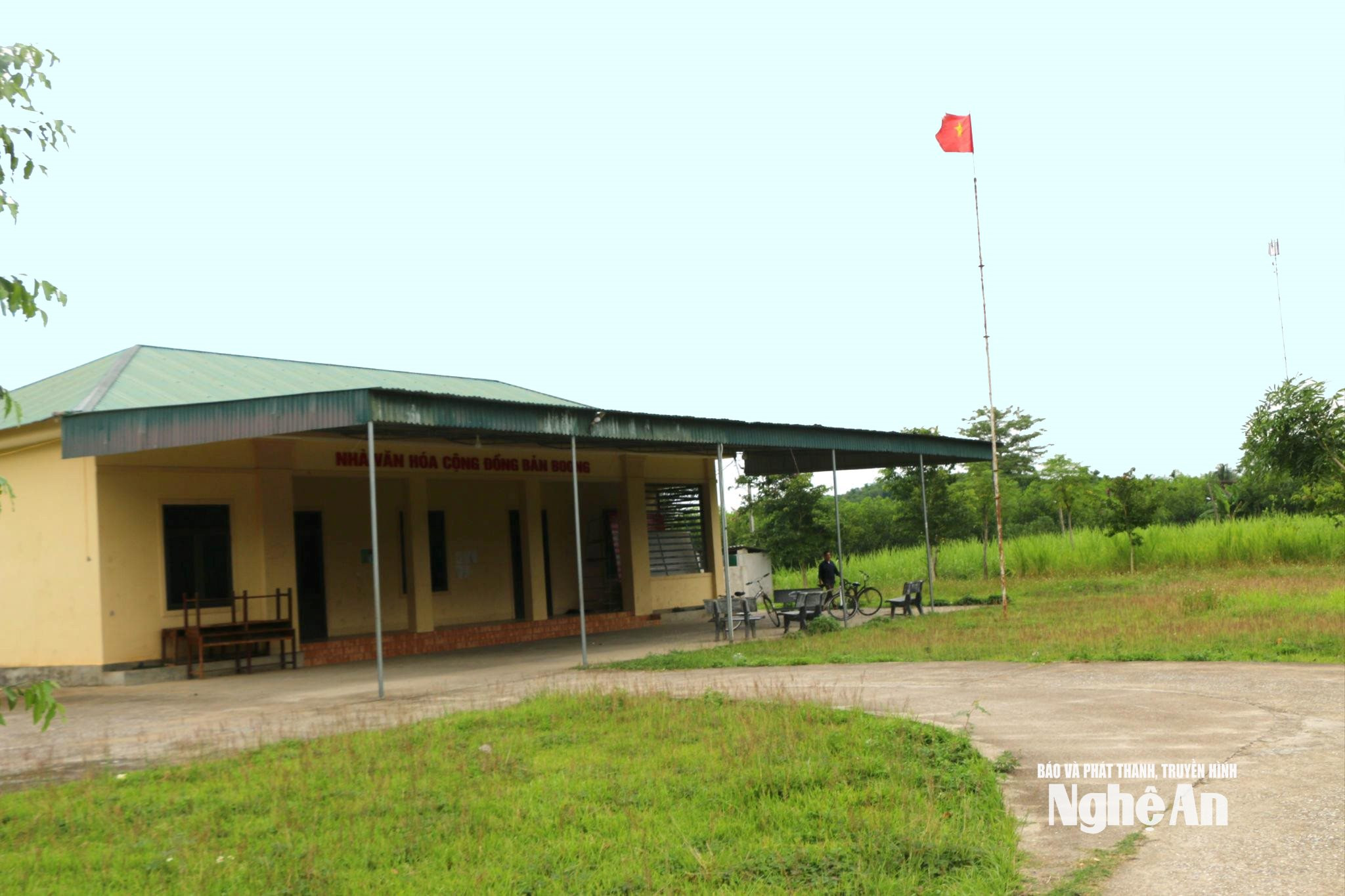
Funerals that used to last for days were also organized more neatly and civilly. Announcing village meetings no longer relied on the familiar sound of a gong but was done through a public address system covering all the alleys and hamlets.
According to the elders, the village of Boong used to maintain a "curfew" bell. After the bell rang, all households would turn off their lights and go to sleep. Anyone needing to go out had to go in groups of two or more and had torches or lamps; otherwise, they would be "punished." Thanks to maintaining the "curfew" bell, the village always ensured security and order, with no theft or social vices occurring. Currently, to suit the current situation, the curfew bell is no longer maintained, but the villagers still unanimously abide by the rule of not making noise after 10 PM in winter and 10:30 PM in summer, including weddings.
What is commendable is that the regulations of the village charter are followed by the people voluntarily. From preserving cultural traditions and ensuring order in the residential area to reminding children who study or work far away to maintain an image and demeanor appropriate to the village's traditions upon returning home, and not to dye their hair too brightly blue or red... all are implemented with the consensus of the community.

One of the most distinctive features of the Boong village's customary rules is the "Quiet Tet" tradition. According to community regulations, from the 28th day of the 12th lunar month until the 4th day of Tet, people restrict the use of motorbikes and other noisy vehicles within the village. The first days of spring thus become different. Gone are the noisy engines; instead, there are the sounds of bustling footsteps on clean, beautiful roads, the laughter and greetings of villagers in traditional attire visiting each other. This beautiful tradition has been maintained for many years as a way to preserve cultural space and strengthen community bonds.
Furthermore, the village regulations also stipulate very specific provisions regarding the spirit of mutual support and compassion. When someone in the village dies, without waiting for the family to ask, each household voluntarily contributes cash, rice, and firewood to support the bereaved family. The Women's Association takes care of cooking and logistics, helping the family arrange the funeral in a thoughtful and dignified manner.
These seemingly simple regulations actually contain profound humanistic values, shaping the unique identity of the Thai community here.
The spirit of solidarity is also demonstrated through the mutual assistance groups maintained by the Women's Union. Each season, members work together to help with cutting sugarcane, planting rice, and harvesting agricultural products, with a particular focus on assisting single-parent families or those in difficult circumstances.
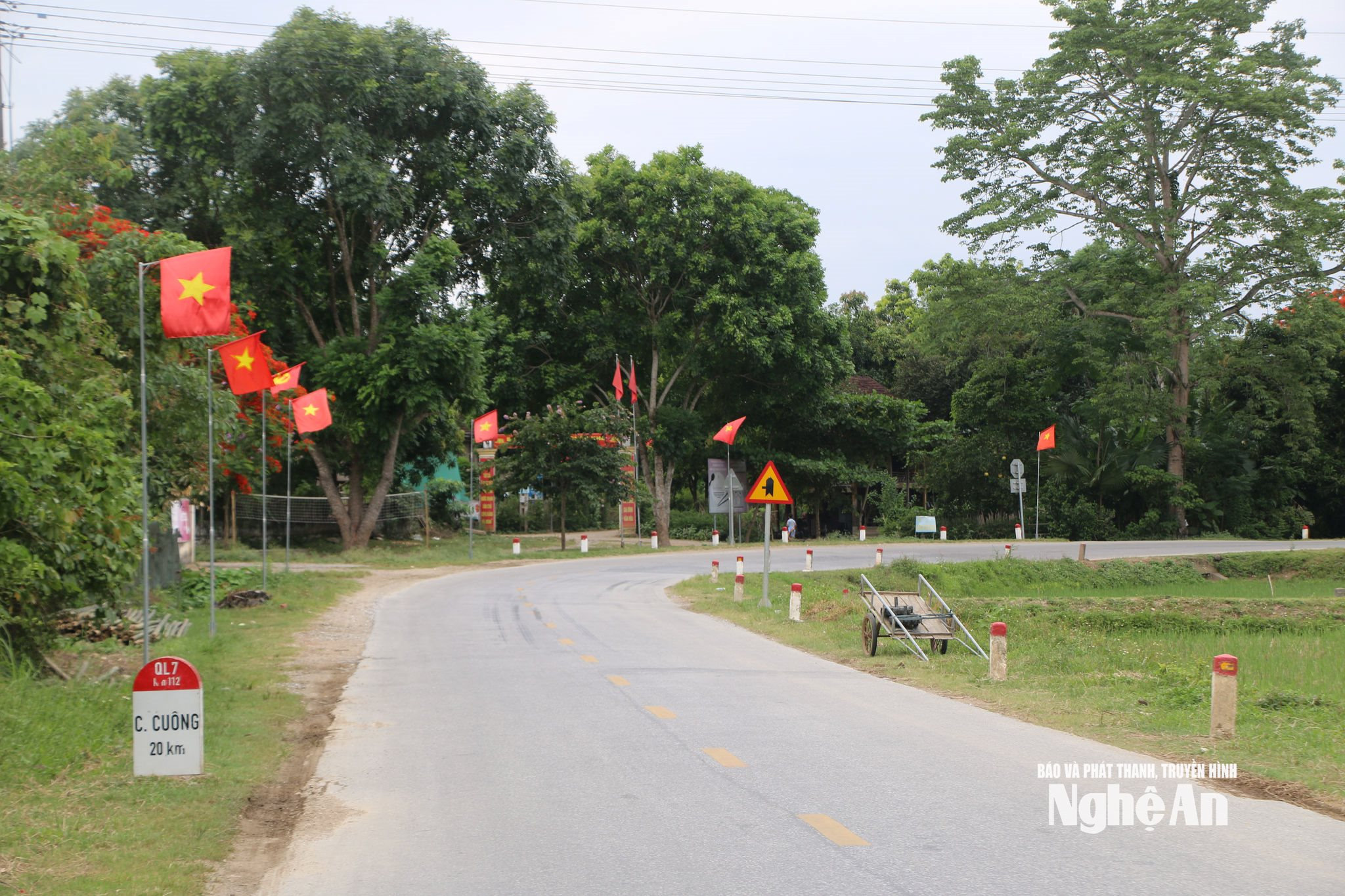
In the modern era, where many traditional values are at risk of disappearing, the village regulations in Boong village are still preserved as a "soft shield," both preserving cultural identity and strengthening community solidarity.

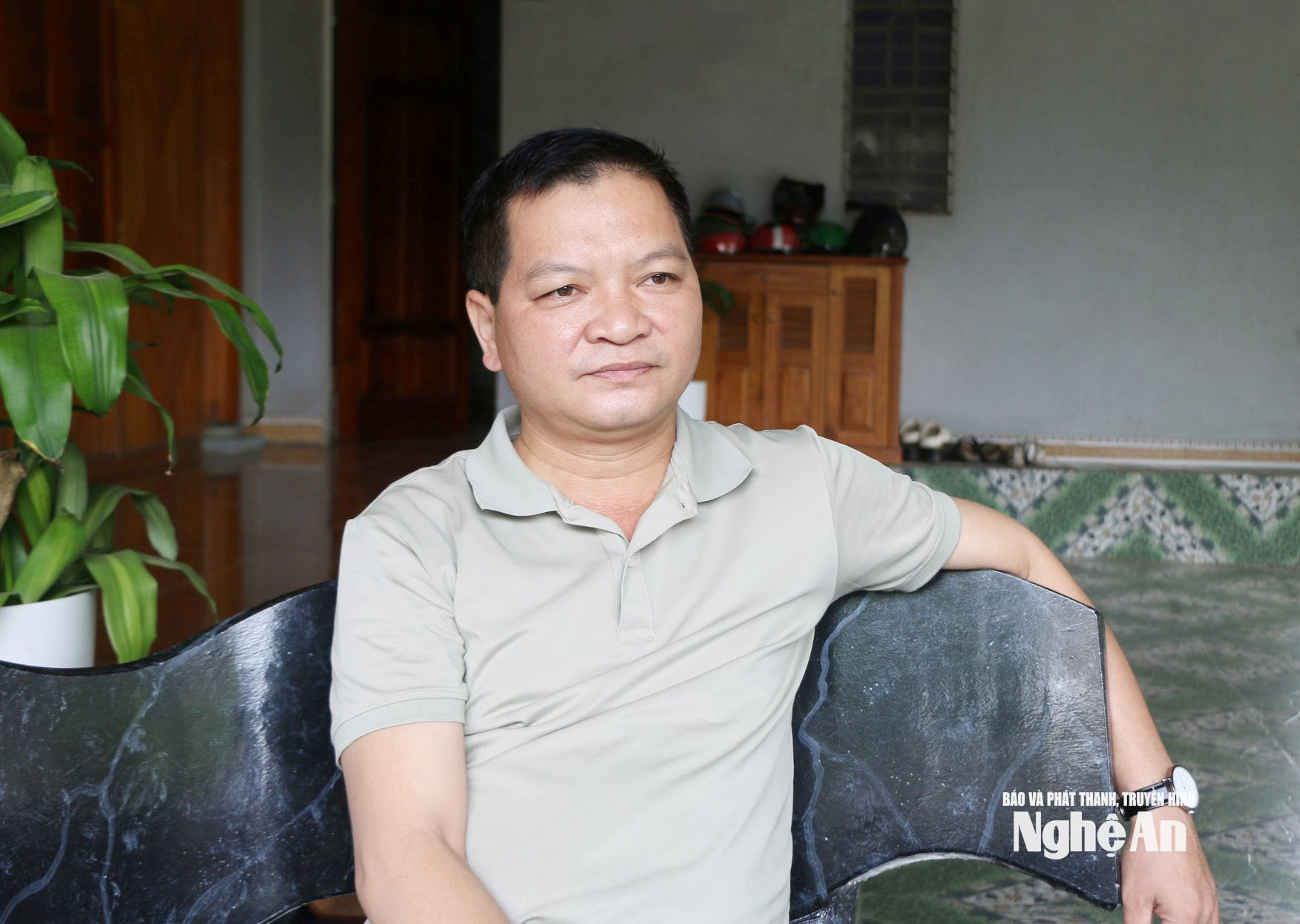
When discussing the changes in Boong village today, the villagers always mention Kha Van Nam, the Party Secretary and Village Head. Not because he makes all the decisions, but because he consistently fosters consensus and connects the Party's will with the people's aspirations.
According to the leaders of Chau Khe commune, Kha Van Nam, the Party branch secretary and village head, is a model grassroots official with the spirit of "actions speak louder than words." In the context of many changes in the grassroots political system and increasingly high demands on village officials, he still successfully fulfills both roles of Party branch secretary and village head.
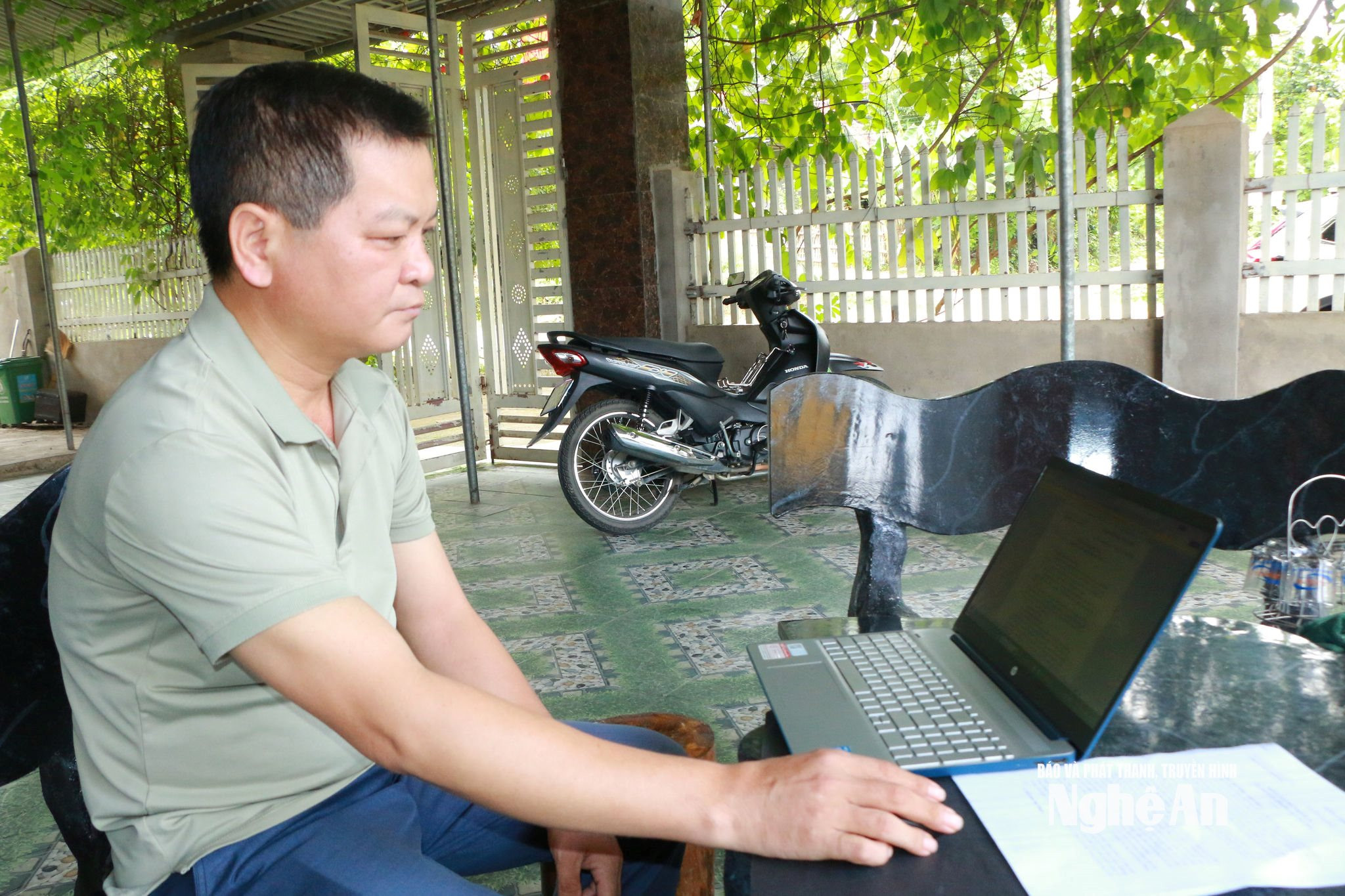
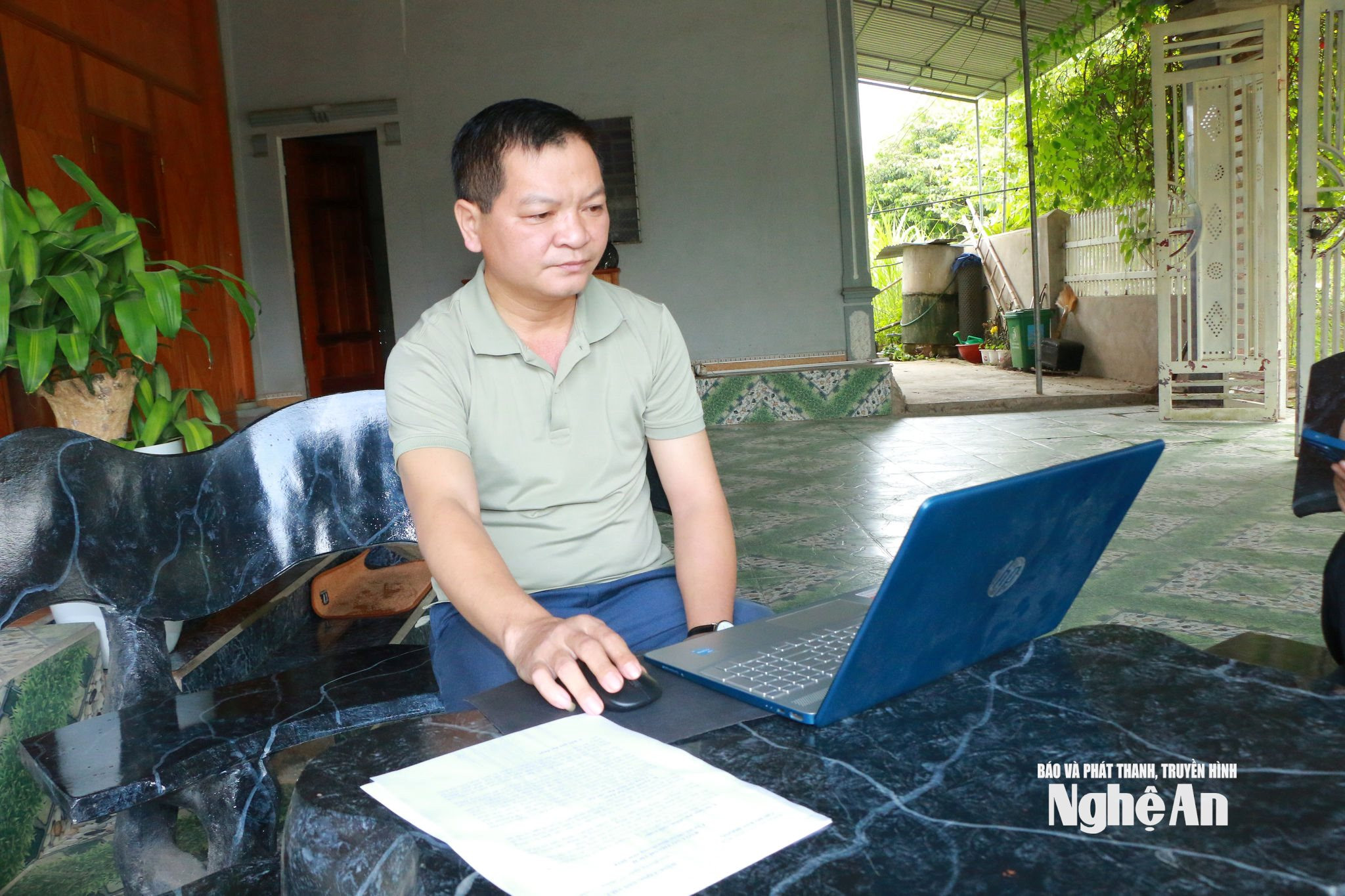
Not only is he deeply involved with the people, but he also actively applies information technology and digital transformation to the Party's work and grassroots management. Most importantly, he consistently adheres to the motto: "The people know, the people discuss, the people do, the people inspect, the people supervise, and the people benefit."
Thanks to this approach, Boong village has maintained unity and stability for many years, becoming a shining example of grassroots democracy implementation. Party Branch Secretary Kha Van Nam is also one of the exemplary individuals commended and rewarded by the Standing Committee of the Nghe An Provincial Party Committee.
In the vast forests of western Nghe An province, new roads will continue to be built, and the sweet sugarcane harvests will follow one another in abundance. But perhaps the most valuable thing in Boong village today is the people's trust in the Party and local officials. And that "flame" of trust is still being quietly preserved and nurtured every day by pioneering Party members like the Party Branch Secretary and Village Head, Kha Van Nam.


