
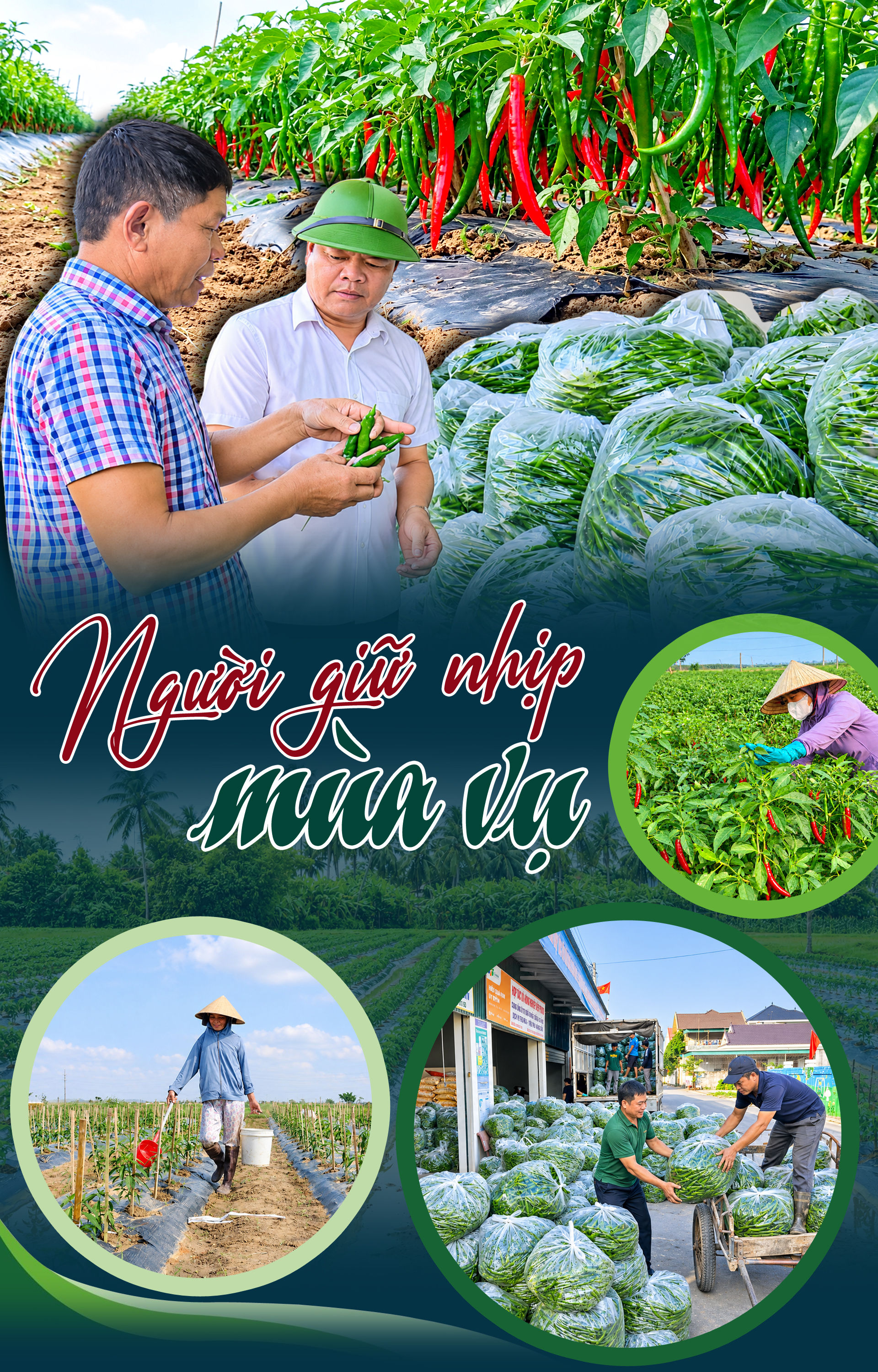
The Seasonal Rhythm Keeper
For over 20 years, Mr. Que Van Duyen has been involved with the Dien Phong Agricultural Service Cooperative, not only organizing production and finding markets for agricultural products but also persistently changing the mindset and practices of farmers in the fields. From small, scattered production areas, he has gradually built up commercial crop zones, bringing farmers closer to businesses and the market economy.
Thanh Phuc - Khanh Ly/Present: Hong Toai •26/11/2026
*****
For over 20 years, Mr. Que Van Duyen has been involved with the Dien Phong Agricultural Service Cooperative, not only organizing production and finding markets for agricultural products but also persistently changing the mindset and practices of farmers in the fields. From small, scattered production areas, he has gradually built up commercial crop zones, bringing farmers closer to businesses and the market economy.
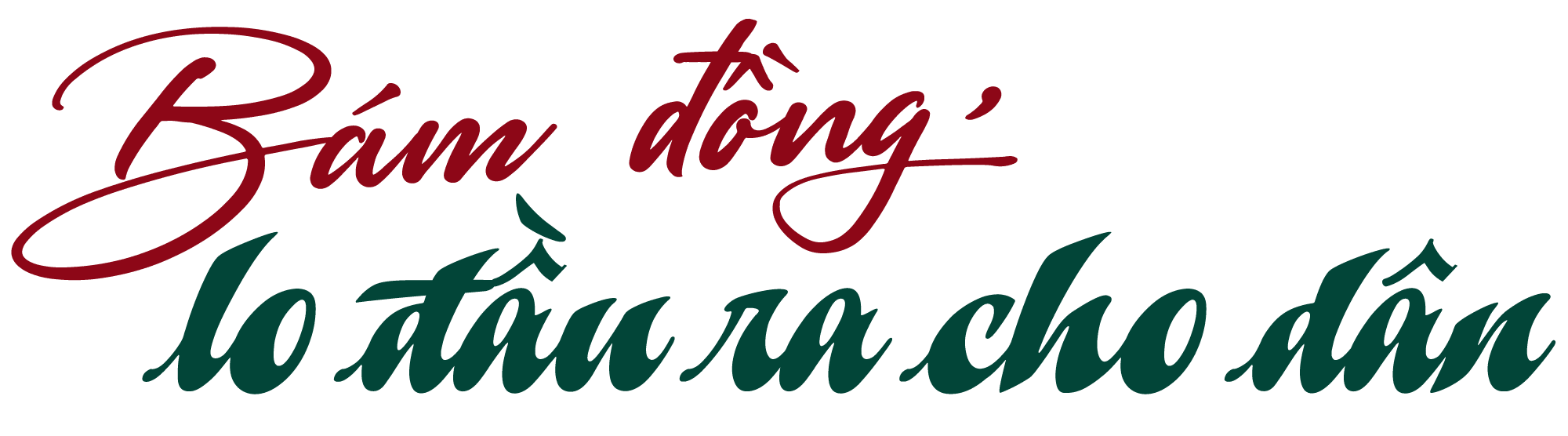
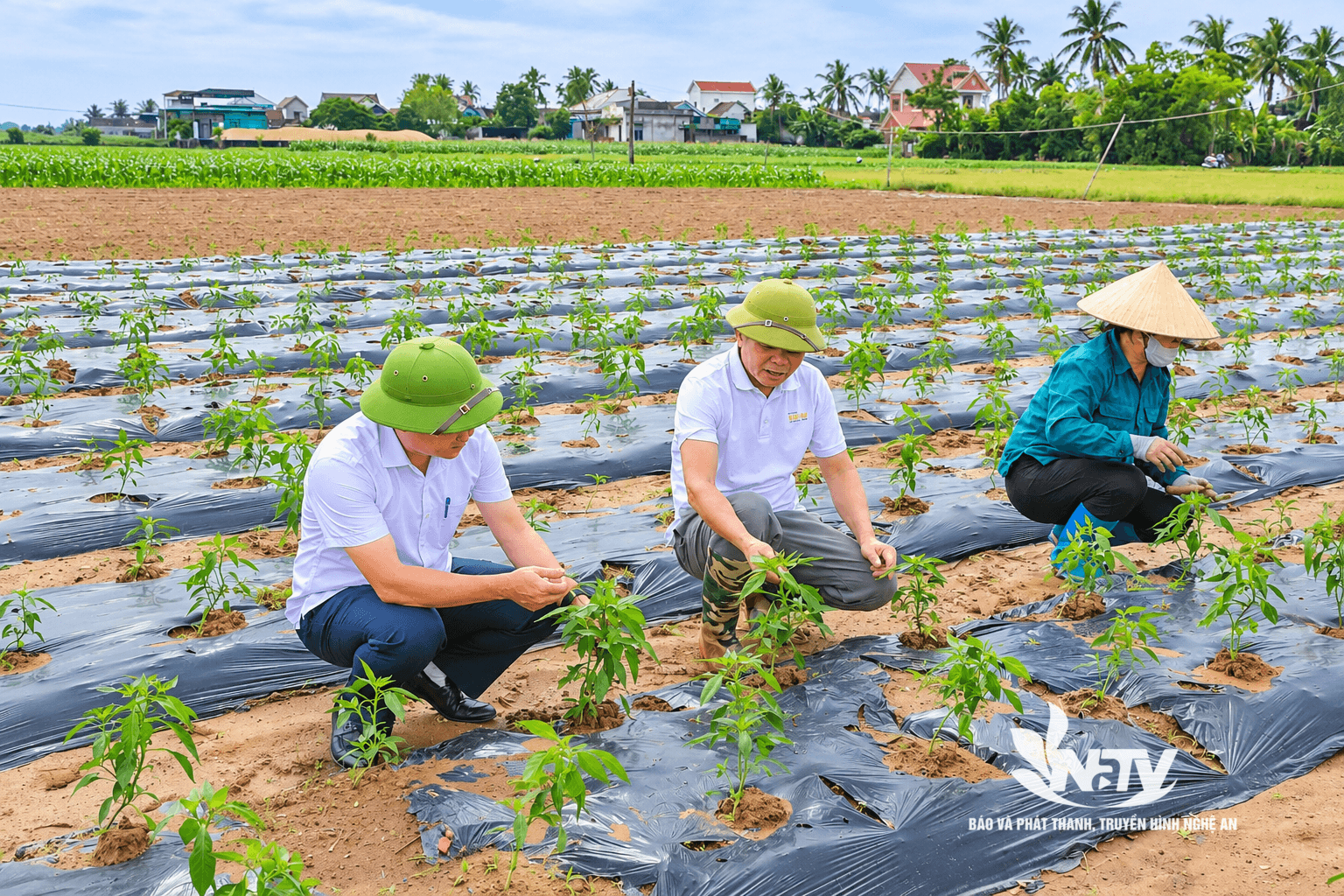
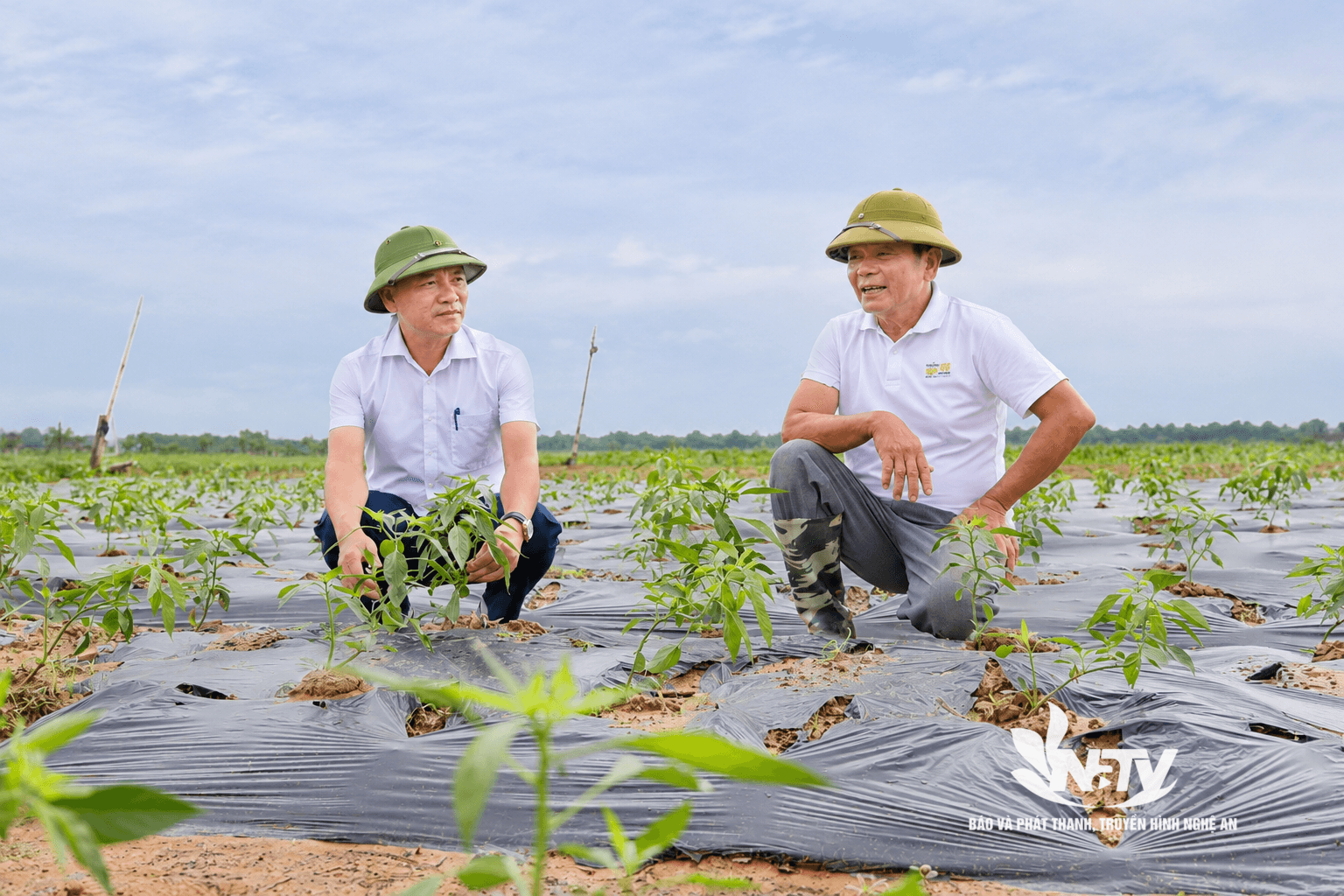
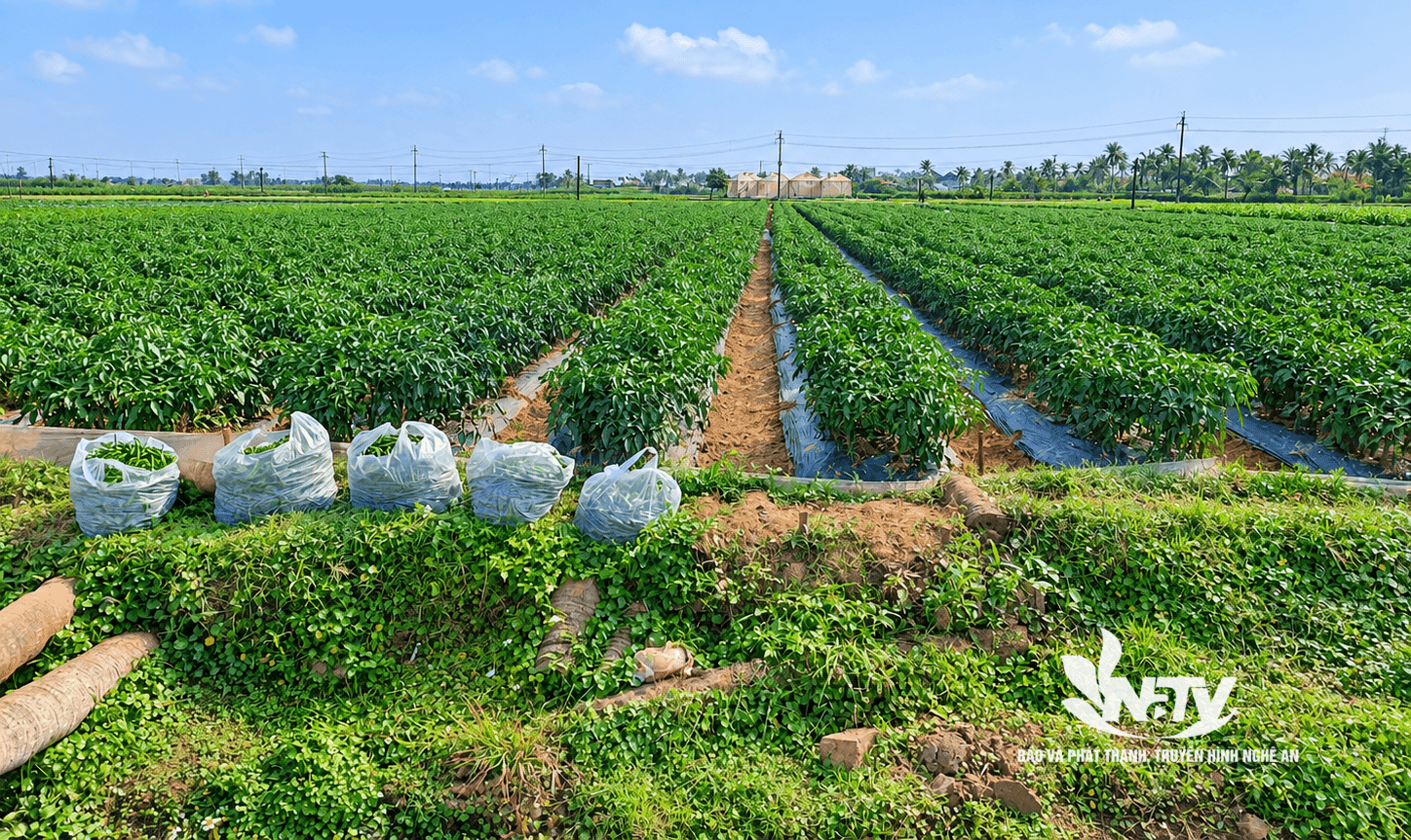
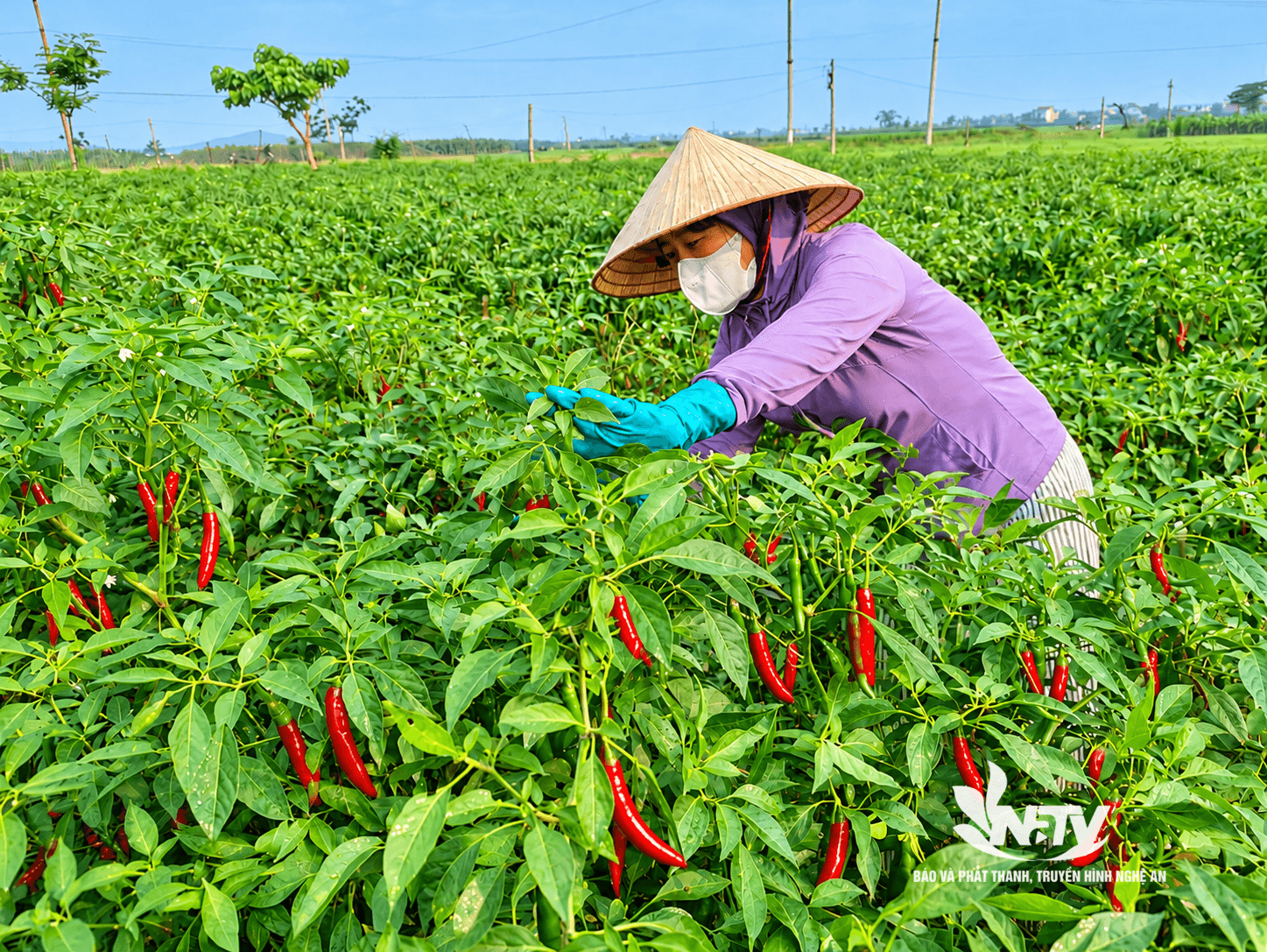
On the first day of winter, following the Deputy Head of the Economic Department of Duc Chau commune, Truong The Huynh, we visited the chili fields of the Dien Phong Agricultural Service Cooperative. The fields were in the midst of a new planting season. Some were setting up trellises, others were weeding, tilling the soil, and fertilizing. The chili plants, newly rooted, were sprouting new shoots and branches. Laughter and chatter filled the vast fields. Amidst the busy farmers, Mr. Que Van Duyen – Chairman of the Board of Directors and Director of the Cooperative – also rolled up his trousers and waded into the fields. Here, he instructed cooperative members on how to stake and string the chili plants to support the trellises; in another plot, he stopped to show a newly planted farmer how to treat plants showing signs of premature death. He spoke and demonstrated simultaneously. Even in the middle of winter, sweat beaded on the forehead of this man, nearly 70 years old.
Mr. Duyen was born in 1962. After years in the military, participating in the Northern border war, he was discharged in 1986 and then worked as a factory worker. From 1990 to 1996, he worked as a freelance laborer in his hometown. At the end of 1996, he joined the Party Committee and served as the village head until 2001. His path to the cooperative began with accounting work, which he did for 13 years. In 2014, he became Deputy Director, and from 2016, when the cooperative transitioned to a new model, he assumed the role of Chairman of the Board of Directors and Director of the Dien Phong Agricultural Service Cooperative.
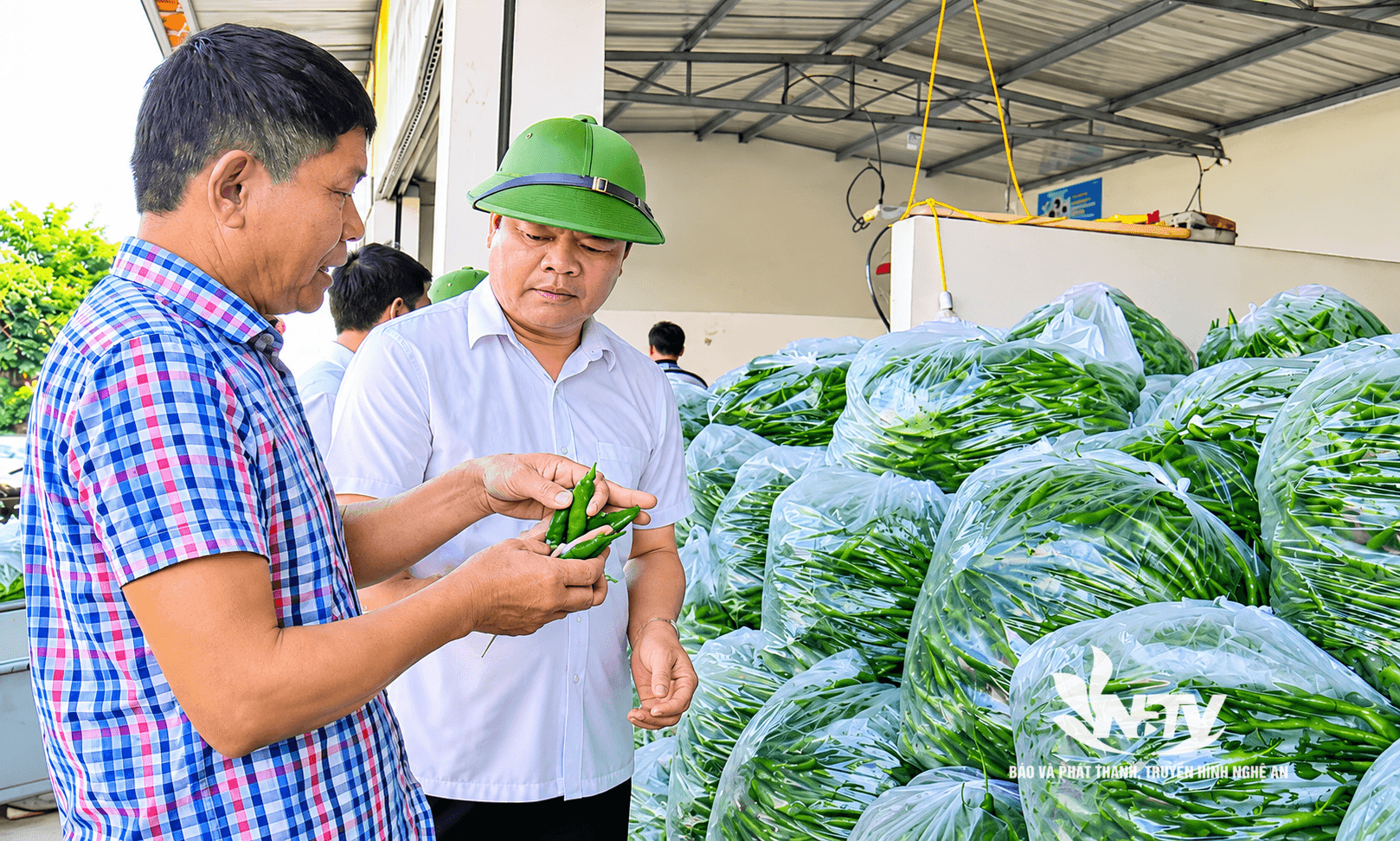
Perhaps it was the years spent in various positions and jobs that gave him a different perspective on farmers and the fields. He didn't see himself as just someone sitting in an office signing papers and managing remote production services. For him, the job of a Cooperative Director was to know which fields were lacking water, which plants were diseased, which households were unfamiliar with techniques, and which businesses needed what kind of agricultural products. Mr. Duyen's greatest concern wasn't simply supplying a bag of fertilizer or a type of seed. It was how to enable people to make a living from their own fields. "The Director of an agricultural cooperative now is like a skilled helmsman in a market economy," he once said. According to him, to increase the value and income of farmers, it's first necessary to ensure output and prices; at the same time, it's crucial to improve quality and build a brand for the products. Through workshops and consumer networking programs, he reached out to businesses, invited them to survey the production areas, and gradually formed linkages for growing chili peppers for export and potatoes.
Therefore, Dien Phong's story is not just about switching crops on a few plots of land. It's a process of changing the way people think about production. From fragmented fields, people gradually became accustomed to planting according to plan, using selected seeds, caring for crops according to procedures, and harvesting according to partner requirements. The cooperative acts as an intermediary, supplying materials, providing technical guidance, and finding markets for the produce. The model of chili peppers, potatoes, and clean vegetables is gradually moving local production towards a market-oriented approach.
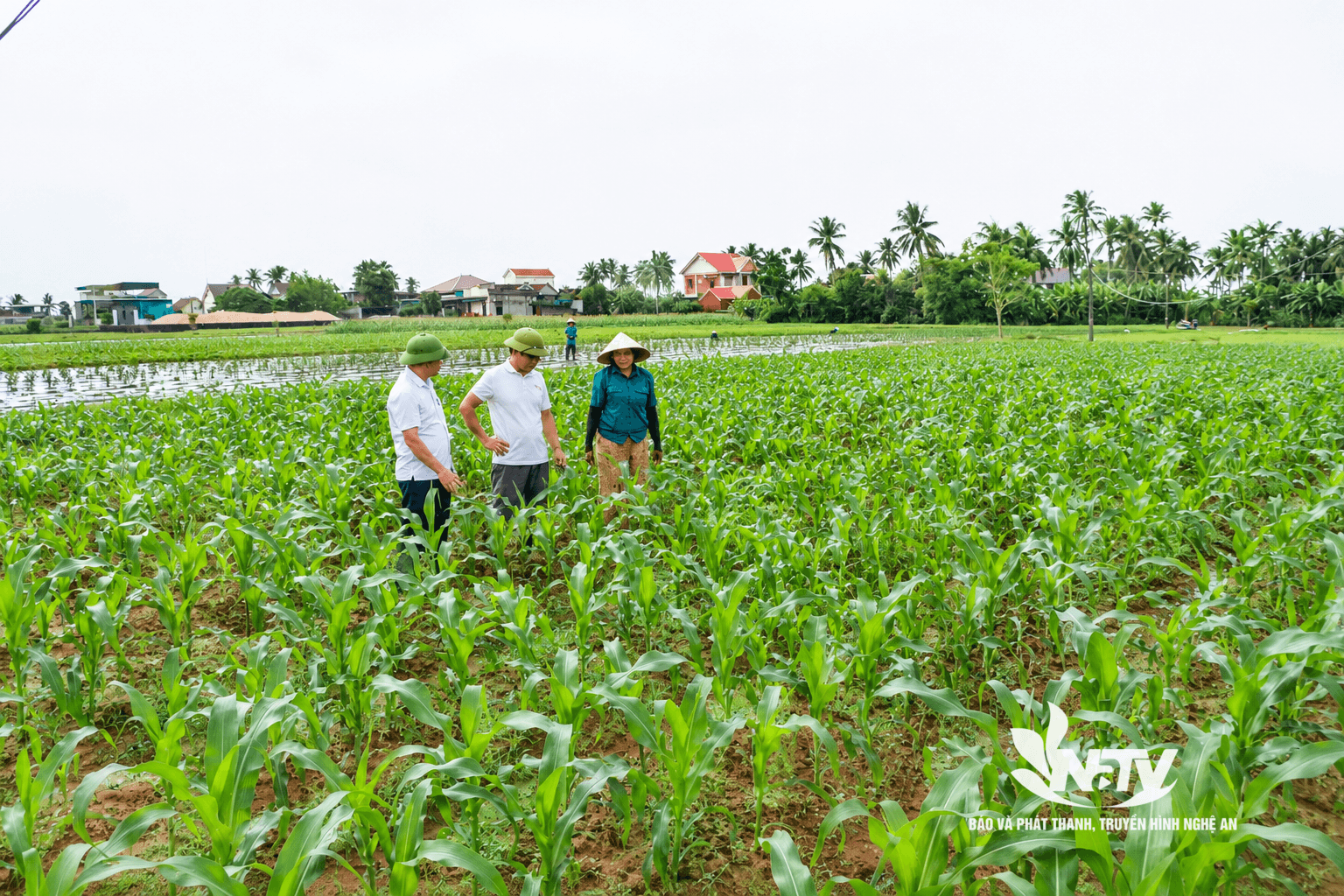
The figures also partly reflect that journey. For chili peppers, the area under contract farming increased from 10 hectares in 2021 to 13 hectares in 2022, 15 hectares in 2023 and 2024, then 20 hectares in 2025, and 25 hectares in the 2026 Winter-Spring crop. Potato production is also organized and linked with businesses for guaranteed purchase. The average income of cooperative members is expected to increase to 55-60 million VND/person/year (by 2025).
For farmers, Mr. Duyen is often remembered for very specific things: whenever there was a problem in the fields, he would come to their aid; whenever there were production difficulties, he would work with them to find solutions. Ms. Vu Thi Hoe, a household with many years of experience growing chili peppers, remembers the early days when her family switched from growing vegetables to specializing in chili peppers for export. She said that thanks to the connection of the cooperative, led by Mr. Duyen, the people were provided with seeds, fertilizers, technical guidance on care and harvesting, and a guaranteed market, so they boldly made the switch. With 2 sao (approximately 2,000 square meters) of chili peppers, after about 80 days of planting, the family began harvesting and could continue harvesting until June or July of the following year; the yield was about 3 tons per sao, with an estimated income of 20-25 million VND per sao.
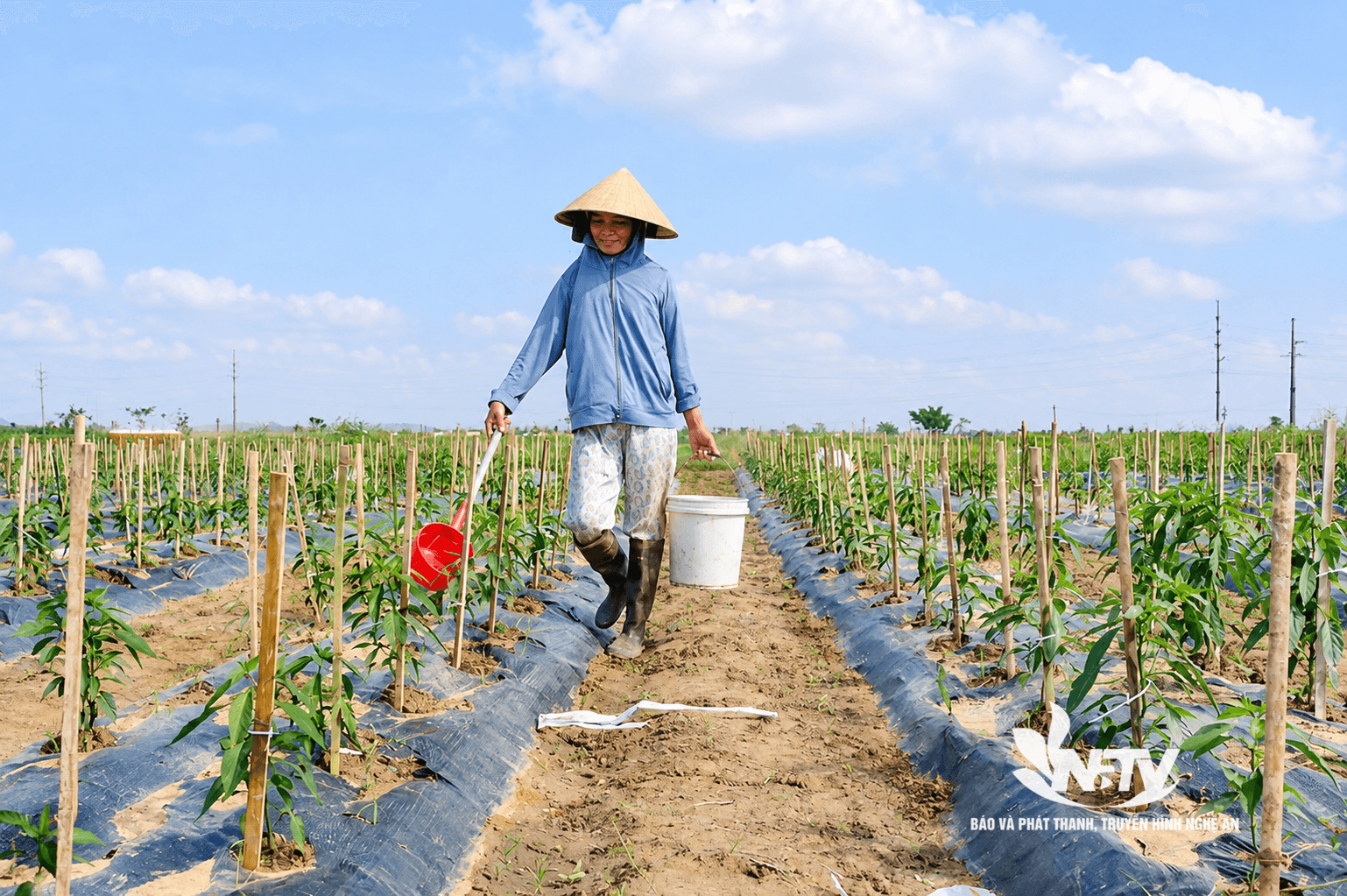
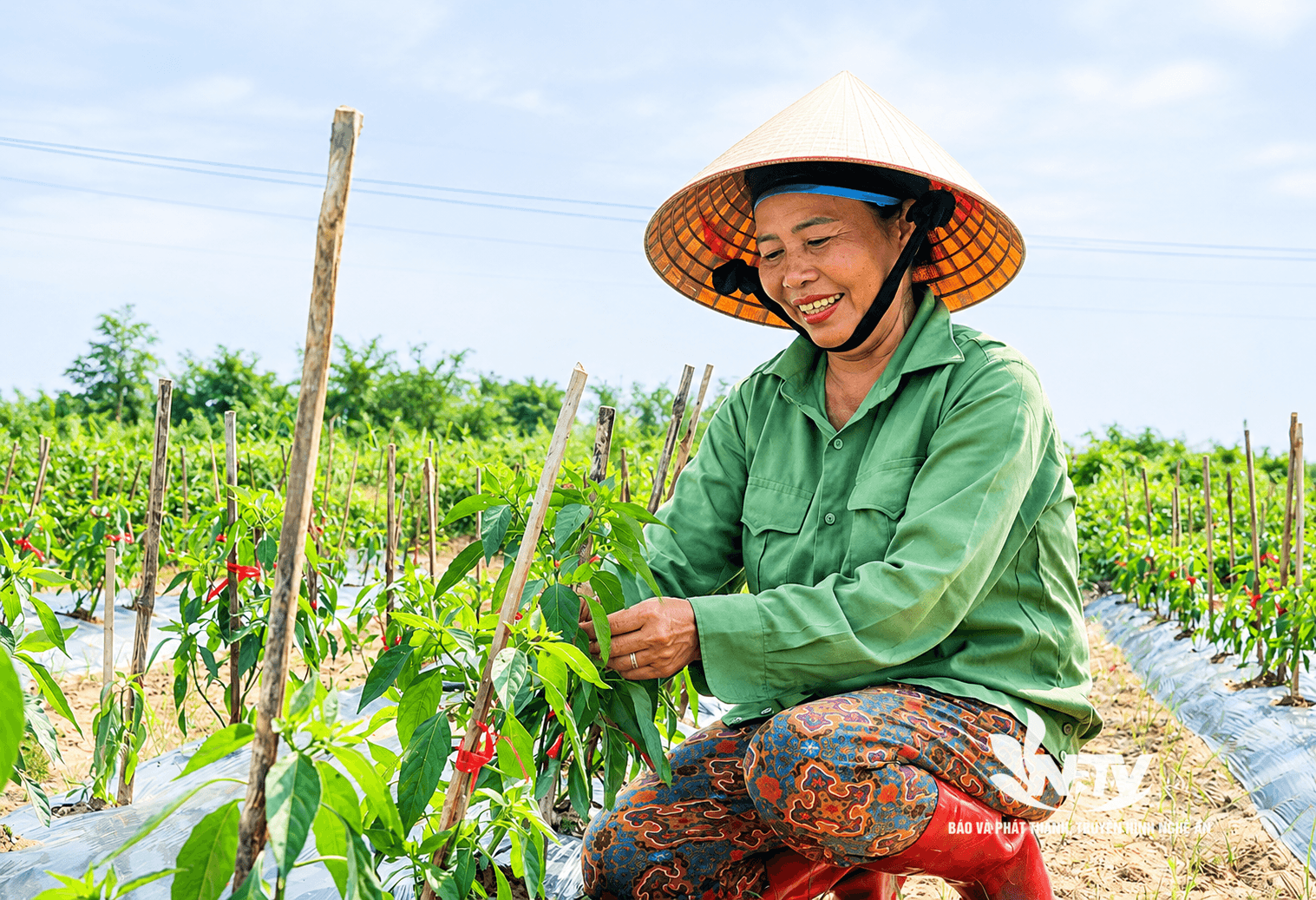
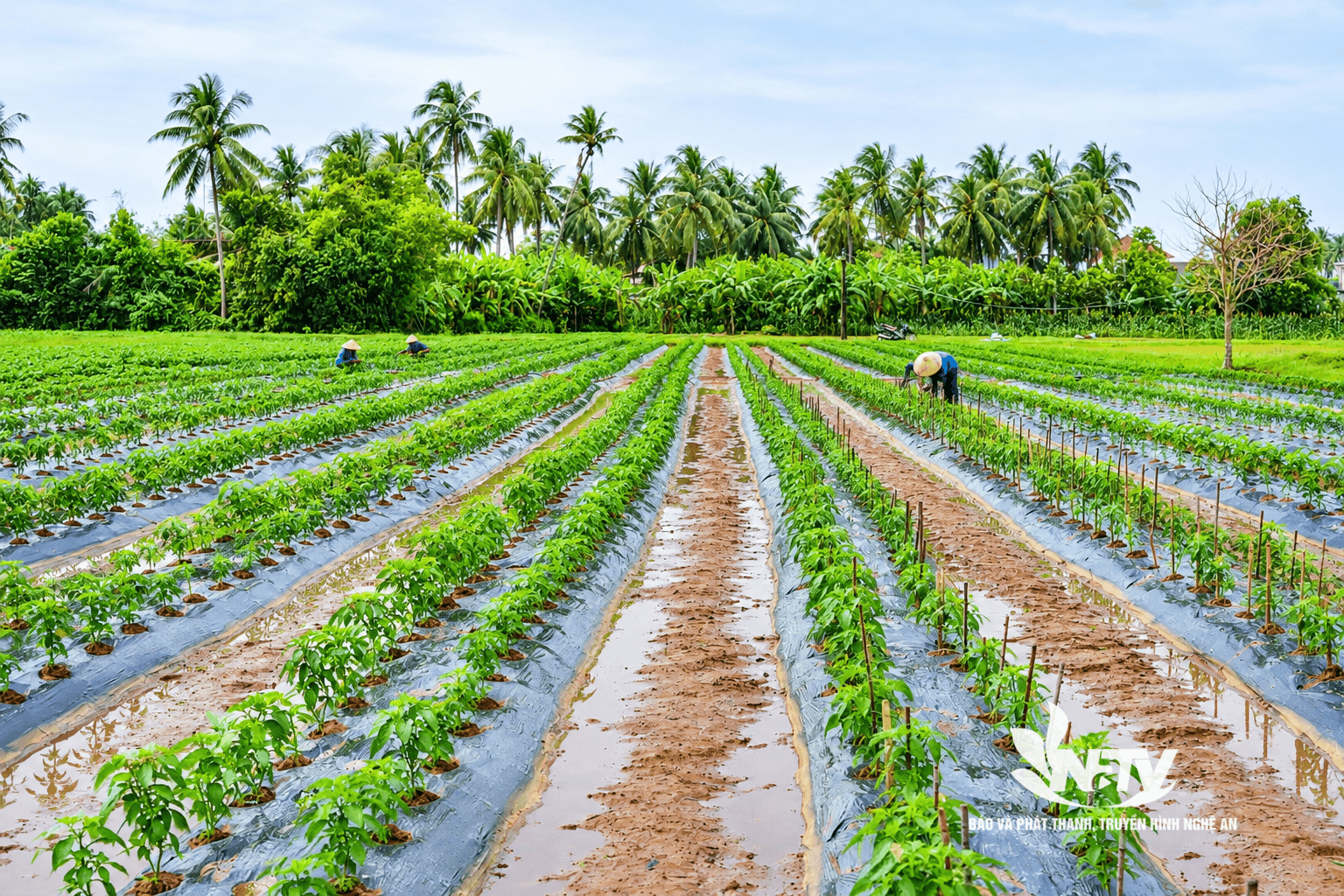
At nearly 70 years old, Mr. Duyen remains dedicated to farming, working alongside his fellow villagers to improve their livelihoods. After the merger, the production area expanded, new lands opened up, and with that came the challenge of reorganizing production. He went around persuading each household and connecting different growing regions to expand the chili pepper cultivation area. This year's winter-spring crop saw an additional 10 hectares of chili peppers planted in these new areas. His approach is as simple as it has been for many years: he speaks to the people through the results on the farm, persuading them with the success of previous harvests.
Some people call people like him "new-style cooperative managers." But for Mr. Duyen, perhaps that name doesn't matter. What he cares about more is that after each harvest, the people have more money, the fields aren't left fallow, and the produce has buyers. Therefore, when the chili fields enter a new season, he goes to the fields, getting his hands dirty with the mud alongside the farmers, taking care of each chili plant, each row of crops...

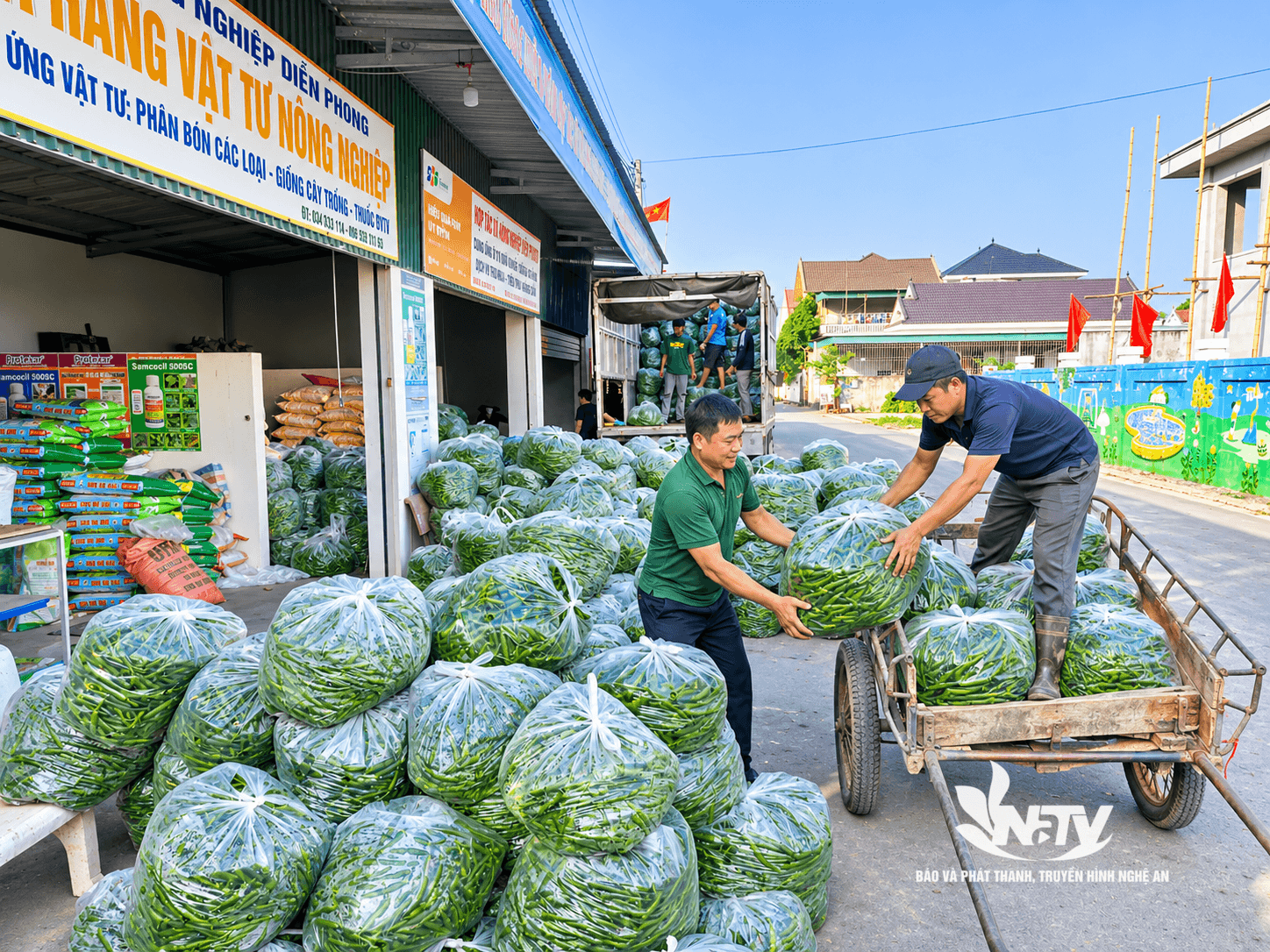
In a collaborative production system, the most difficult thing isn't finding new varieties or securing businesses. The far more challenging aspect lies behind the chili pepper fields: how to get hundreds of farmers to follow the same process, maintain the same quality standards, fulfill the same contracts, and aim for the same market outlet?
In the early days of the cooperative, maintaining trust was not easy. When chili prices rose and supplies became scarce, some people would illegally sell their produce. During cultivation, some households did not adhere to the required pesticide withdrawal periods; during harvesting, some people did not sort the produce correctly. Meanwhile, the cooperative had signed commitments with businesses and was responsible for the products collected from the households. Even a single misstep in the chain could affect the entire supply.
Mr. Duyen understood that persuasion alone was insufficient. To change the people's behavior, the head of the cooperative had to lead by example. His family registered to grow chili peppers experimentally, adhering to the care procedures, following the harvesting schedule, and sorting according to the partner's requirements. He used his own fields as proof of his claims. After each harvest, he would analyze the gains and losses for the villagers, explaining why a shipment's price dropped, and why a single substandard chili pepper could affect an entire consignment.
"Once a partnership is formed, it must be fulfilled according to the signed commitments; careless or haphazard actions like 'everyone for themselves' are unacceptable."
Mr. Que Van Duyen said.
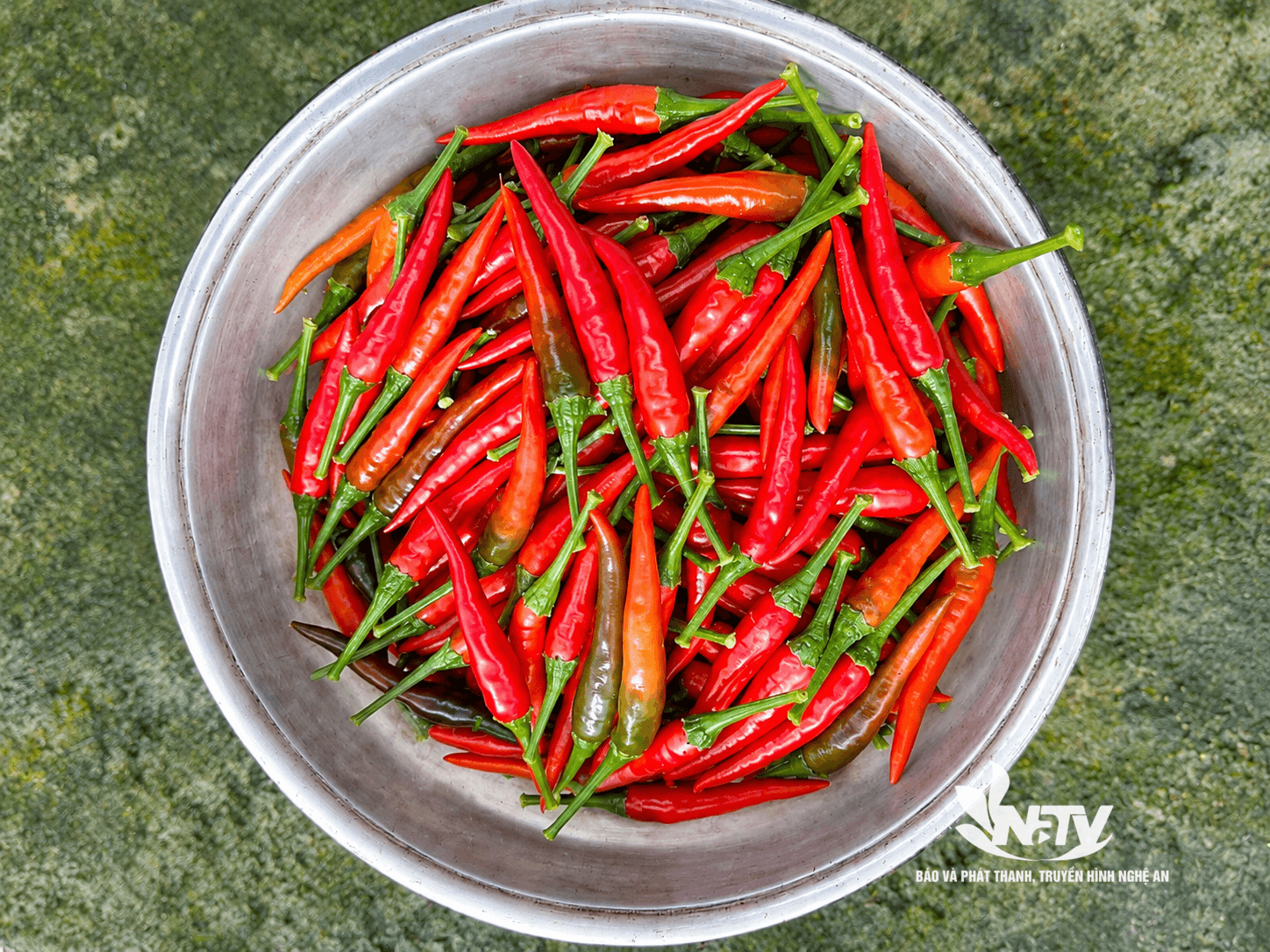
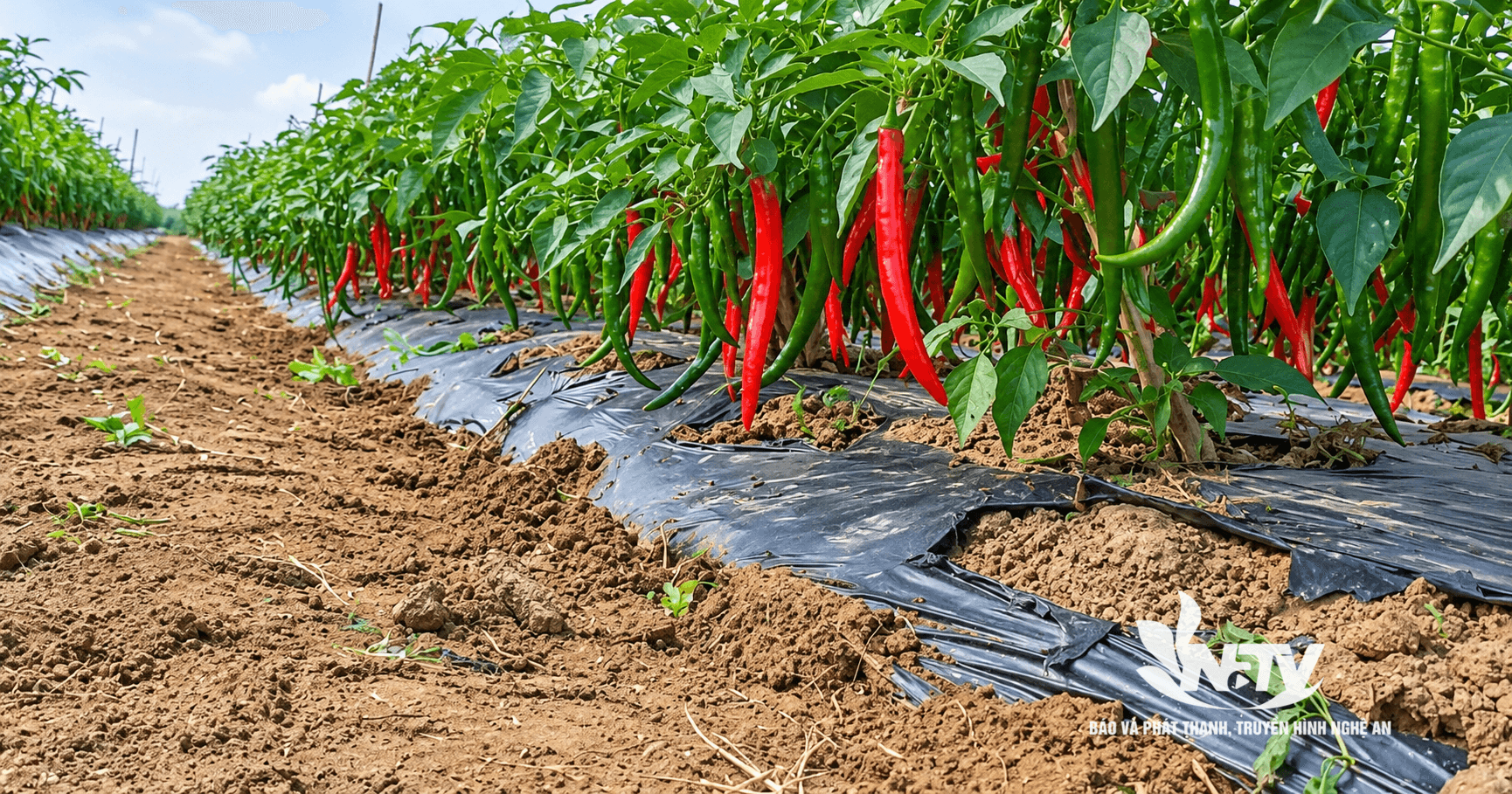
Since 2018, he has established a chili farming group on Zalo. At that time, this was a relatively new approach for an agricultural cooperative. All information about technical procedures, harvesting times, selling prices, and production instructions was updated on the group. Farmers could know the price before harvesting, the harvesting time, and the requirements of their partners. A small Zalo group helped producers on many different plots of land to share information and follow the same process.
The collaborative model is therefore becoming increasingly clear. For the 2025-2026 Winter-Spring crop season, the cooperative organized the production of 15 hectares of chili peppers with 167 participating households. The F1 hybrid chili pepper variety, originating from the Netherlands, was supplied by the partner, and the cooperative processed, soaked, germinated, and cared for the seedlings before distributing them to the households. After about 80 days, the chili peppers began to be harvested and the harvest lasted for about 6 months. The total harvest reached over 600 tons, generating revenue of approximately 6 billion VND; the average profit was about 20 million VND per sao (1 sao = 360 square meters), with many households achieving 30-35 million VND per sao.
But the larger the production, the stricter the requirements. In the early stages, the quality of the chili peppers was relatively uniform, with the percentage of substandard peppers almost zero. Towards the end of the season, some households did not harvest properly, resulting in reduced quality and deductions of 10-20% from some shipments. After collection, the goods are sent to the factory for quality control assessment, and the results are used as the basis for payment. Therefore, the cooperative must inspect the peppers right from the fields, reminding farmers to harvest at the right ripeness and classify them according to standards.
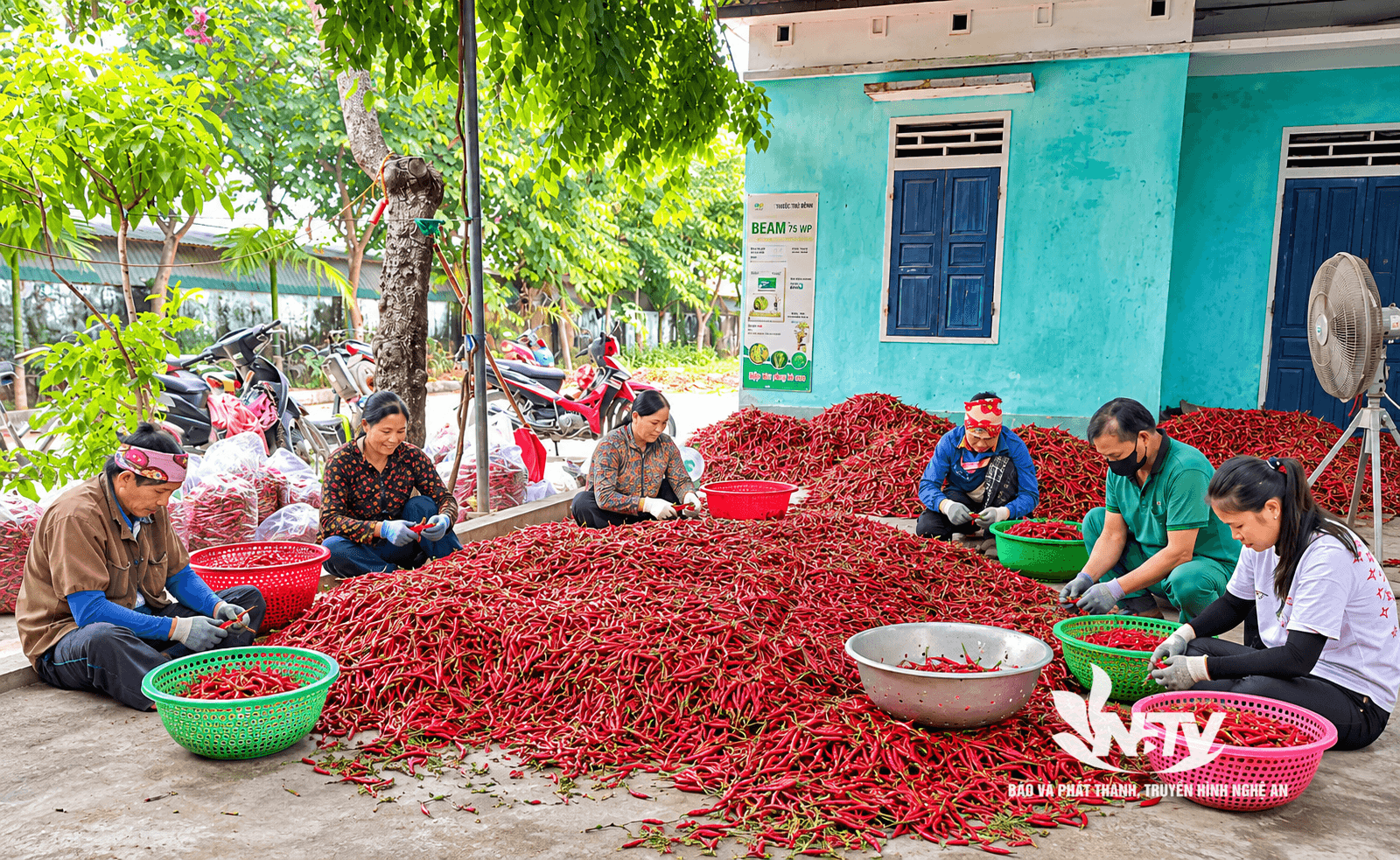
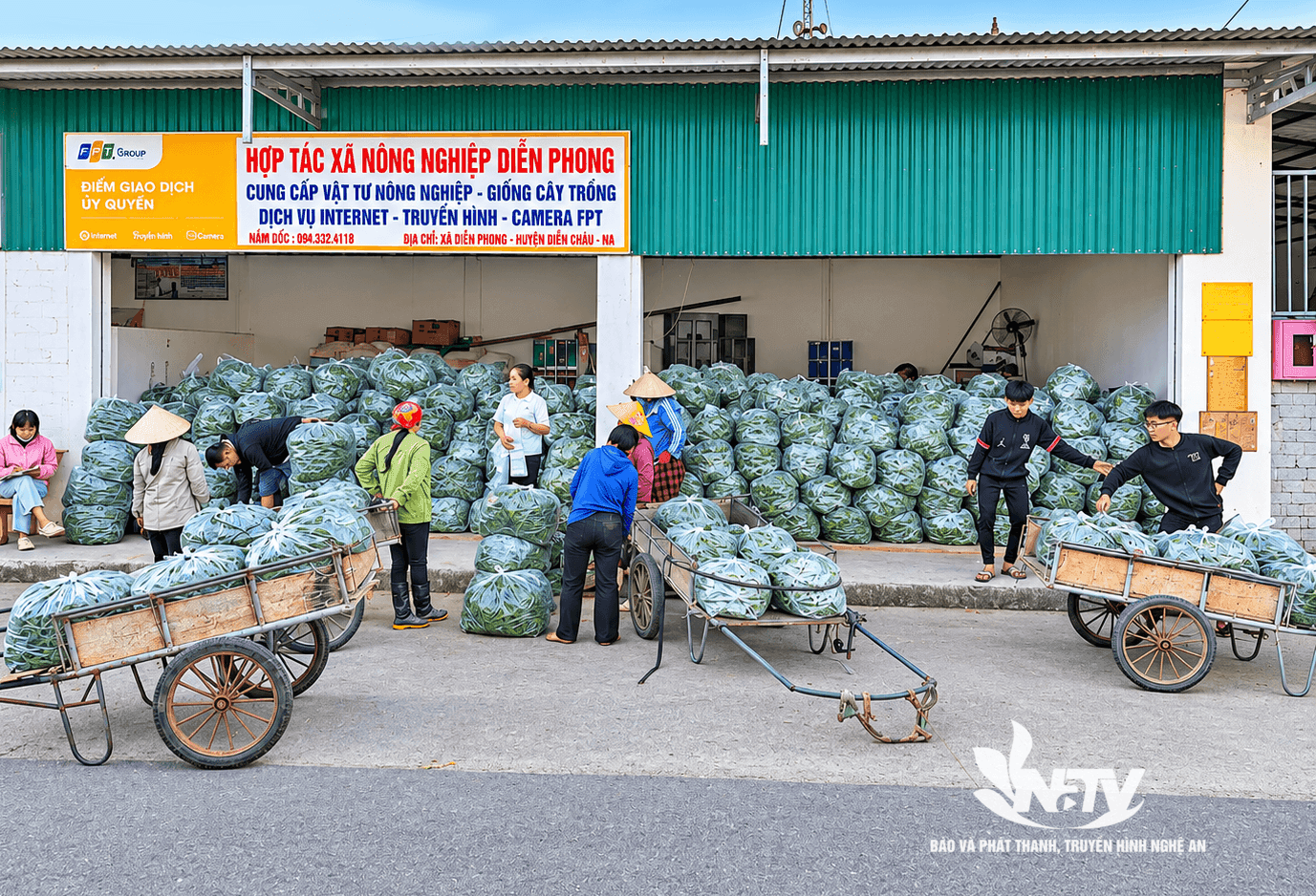
In this supply chain, transparency regarding prices and payments is a top priority for the cooperative. Before each harvest, prices are agreed upon with partners and then announced to farmers via a Zalo group. After the goods arrive at the factory, partners transfer money according to the vehicle weighing invoice, and the cooperative pays the households. In a production chain where trust between farmers, cooperatives, and businesses is easily damaged by price fluctuations, this transparency becomes a way to keep people involved in the linkage. Therefore, maintaining quality is not only about protecting the farmers' money but also about maintaining the reputation of the entire raw material region.
By the 2026-2027 Winter-Spring crop season, nearly 25 hectares of chili peppers were registered for production with approximately 200 households, an increase of more than 5 hectares compared to the previous season. The cooperative continued to supply seeds, materials, provide technical training, inspect fields, and organize purchasing. From chili peppers to chili leaves that met the requirements, everything was utilized as a commodity; green, thick, and standard chili leaves were purchased at a price of about 13,000 VND/kg, averaging an additional 1 million VND per sao (approximately 1000 square meters).
But perhaps the most significant thing isn't the increased acreage or the money earned after a harvest. It's the change in how farmers view their land. From producing out of habit, they've learned to produce under contract; from focusing solely on yield, they now prioritize quality; from finding buyers after harvest, they calculate market demand right from the moment they plant. This is also what Mr. Duyen is trying to do on the larger fields after the merger, not just expanding the acreage, but also broadening the mindset of production.
In the fields of Duc Chau, the chili peppers are growing day by day. For farmers, a successful harvest depends on many things, from the weather and prices to the market. But for Mr. Duyen, the immediate task is to stay in the fields, closely monitoring each chili pepper plot, reminding farmers to follow the correct procedures to maintain yield and quality. Perhaps, having experienced the battlefield, worked as a farm laborer, served in the village, and led a cooperative for over a decade, he understands better than anyone that no harvest is easy. What can be preserved, in the end, is dedication to the land, responsibility to the people, and trustworthiness with those who work with him. And in those fields, he is quietly maintaining the rhythm for the next harvests.
For a cooperative to operate effectively, it must first have a skilled manager who is bold, proactive, and willing to take responsibility. The director should not only oversee the economic activities of the cooperative but also know how to connect with businesses, work alongside members, and implement policies and guidelines. At the Dien Phong Agricultural Service Cooperative, Mr. Que Van Duyen is a prime example of this.”
Mr. Nguyen Ba Chau - Chairman of the Nghe An Cooperative Union.


