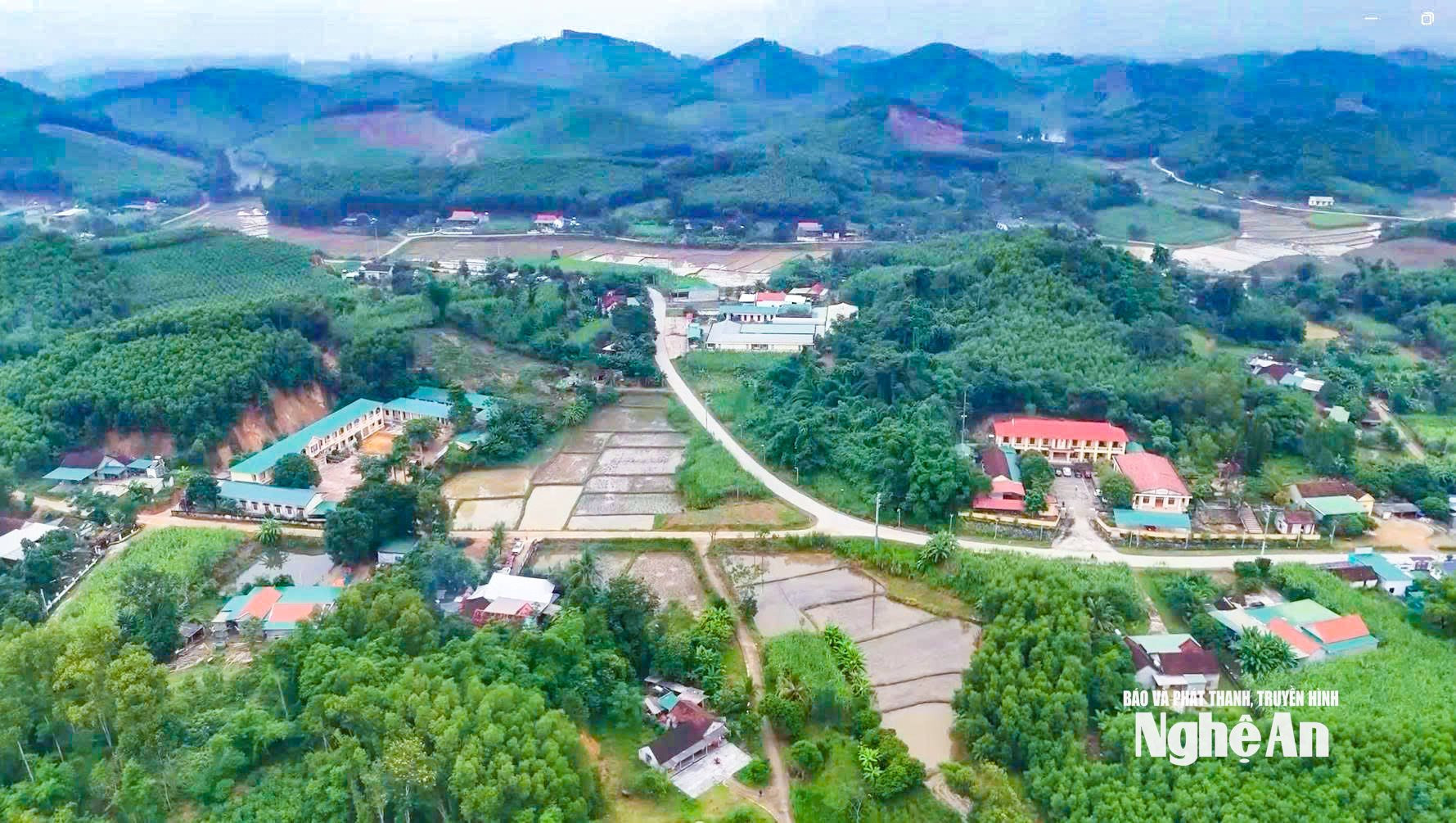
Soldiers 'awaken' barren hills, transforming infertile land into green farms.
After leaving the military, Nguyen Hong Ky (born in 1975), residing in Tan Hop hamlet, Thanh Binh Tho commune, was determined to return to his hometown to start a business. Nearly three decades of diligent work have transformed barren land into a sprawling green farm covering tens of hectares, building a circular economy model that generates hundreds of millions of dong in income annually. Their story is not only a journey to wealth from forest farming but also a testament to the resilience of a soldier, innovative thinking, and the aspiration to prosper on their homeland.
.png)
Khanh Ly - Hoai Thu /Present:Hong Toai 8/7/2026
*****
After leaving the military, Nguyen Hong Ky (born in 1975), residing in Tan Hop hamlet, Thanh Binh Tho commune, was determined to return to his hometown to start a business. Nearly three decades of diligent work have transformed barren land into a sprawling green farm covering tens of hectares, building a circular economy model that generates hundreds of millions of dong in income annually. Their story is not only a journey to wealth from forest farming but also a testament to the resilience of a soldier, innovative thinking, and the aspiration to prosper on their homeland.
.png)
In early July, we visited Thanh Binh Tho commune, a mountainous area. The road leading to Tan Hop hamlet winds through rolling hills covered with acacia trees, interspersed with lush green tea plantations stretching as far as the eye can see. Locals often mention the family of Mr. Nguyen Hong Ky and Ms. Nguyen Thi Mui as a prime example of successful local economic development.
.png)
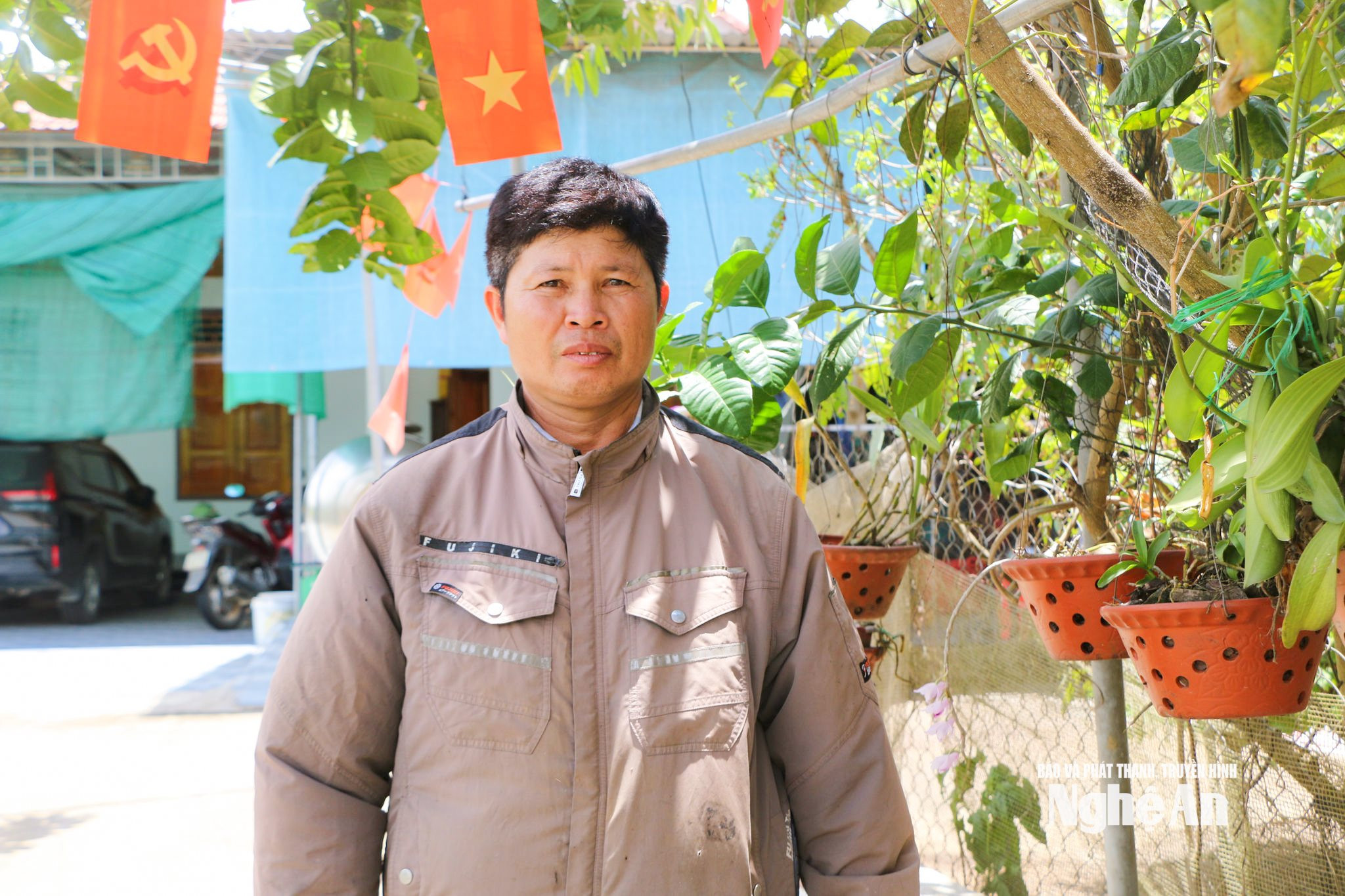
Few people know that behind today's impressive estate lies nearly 30 years of hard work, perseverance, and enduring hardships. Sitting beside a cup of green tea with its sweet and bitter taste, Mr. Ky slowly recounted his youthful years. Born in 1975, after three years of service in Regiment 335 ( thuộc Division 324, Military Region 4) stationed in Tuong Son commune, Anh Son (formerly), he was admitted to the Party while still in the military.
In 1998, Mr. Ky was discharged from the army and returned to his hometown, successively holding various positions in the locality: Deputy Secretary of the Youth Union, Secretary of the Youth Union, Commander of the Commune Military Command, and currently, after the implementation of the two-tiered government system, he is a military personnel and ordnance officer of the Thanh Binh Tho Commune Military Command. Despite his busy social life, the former soldier still harbors a deep desire: to engage in economic activities to improve his family's living standards.
In the early days, he, along with his father and younger brother, built dams to raise fish, cleared land, and planted acacia trees. Back then, there were almost no machines; everything relied on human strength. They dug holes with hoes, carried saplings along red dirt roads, and then, during harvest season, used ox carts to haul loads of acacia trees out of the forest. "Those were extremely hard days. For almost a year, we were constantly on the hill, our shoulders always marked by the carrying poles," he recalled.
When the young couple got married and moved out on their own, even greater challenges began. Lacking capital, resources, and experience, Mr. Ky sometimes considered pooling resources with others to ease the pressure. But his wife, Ms. Nguyen Thi Mui, advised him to choose a different path. "We'll share the hardships, but we must be independent and do things ourselves," she encouraged him.
In 2004, the couple decided to borrow 40 million dong – a very large sum at the time – to buy acacia saplings. They then dug the holes, transported the saplings, and planted each tree themselves to save costs. The debt caused them many sleepless nights, but that very decision marked a turning point for their family. Their hard work paid off.
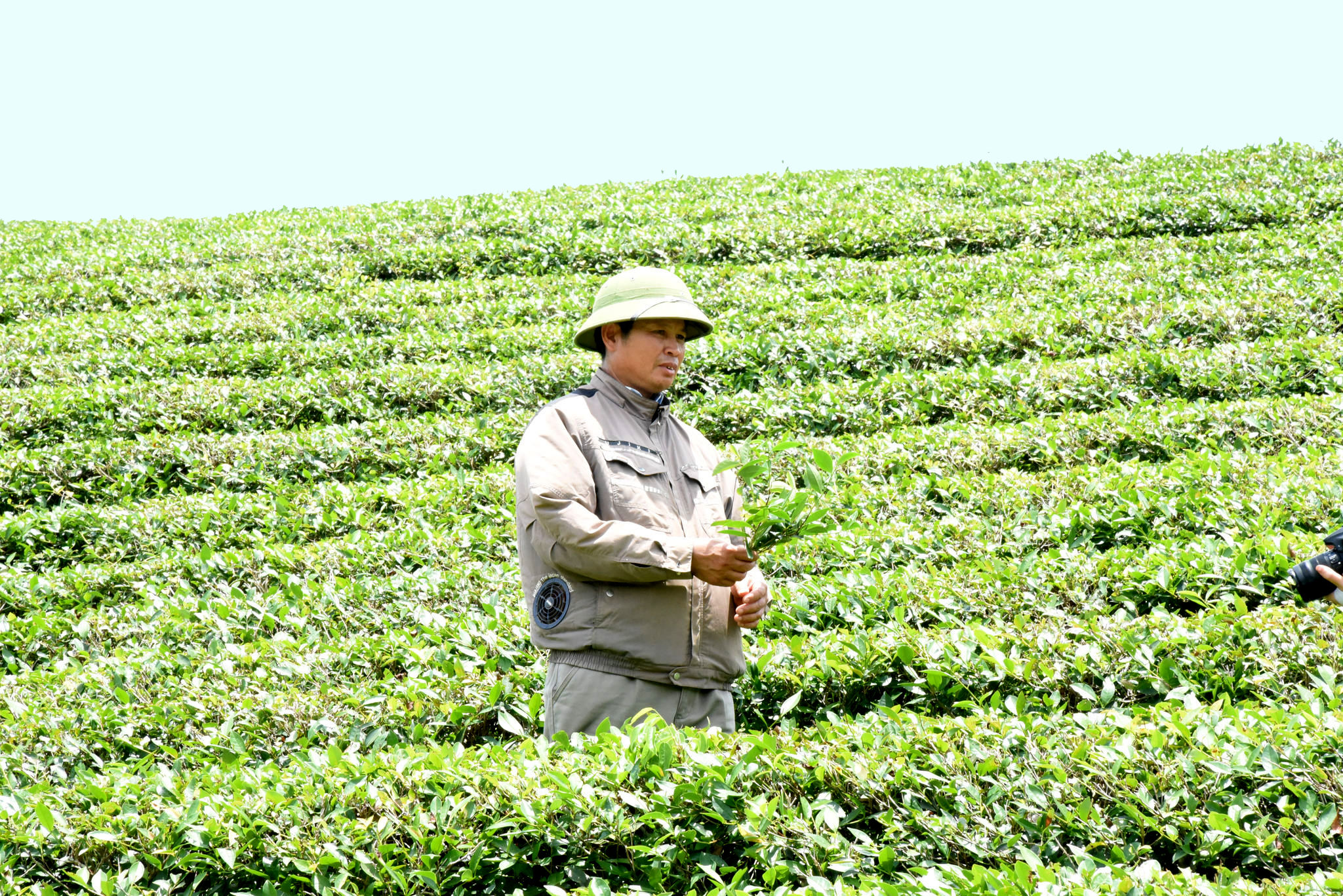
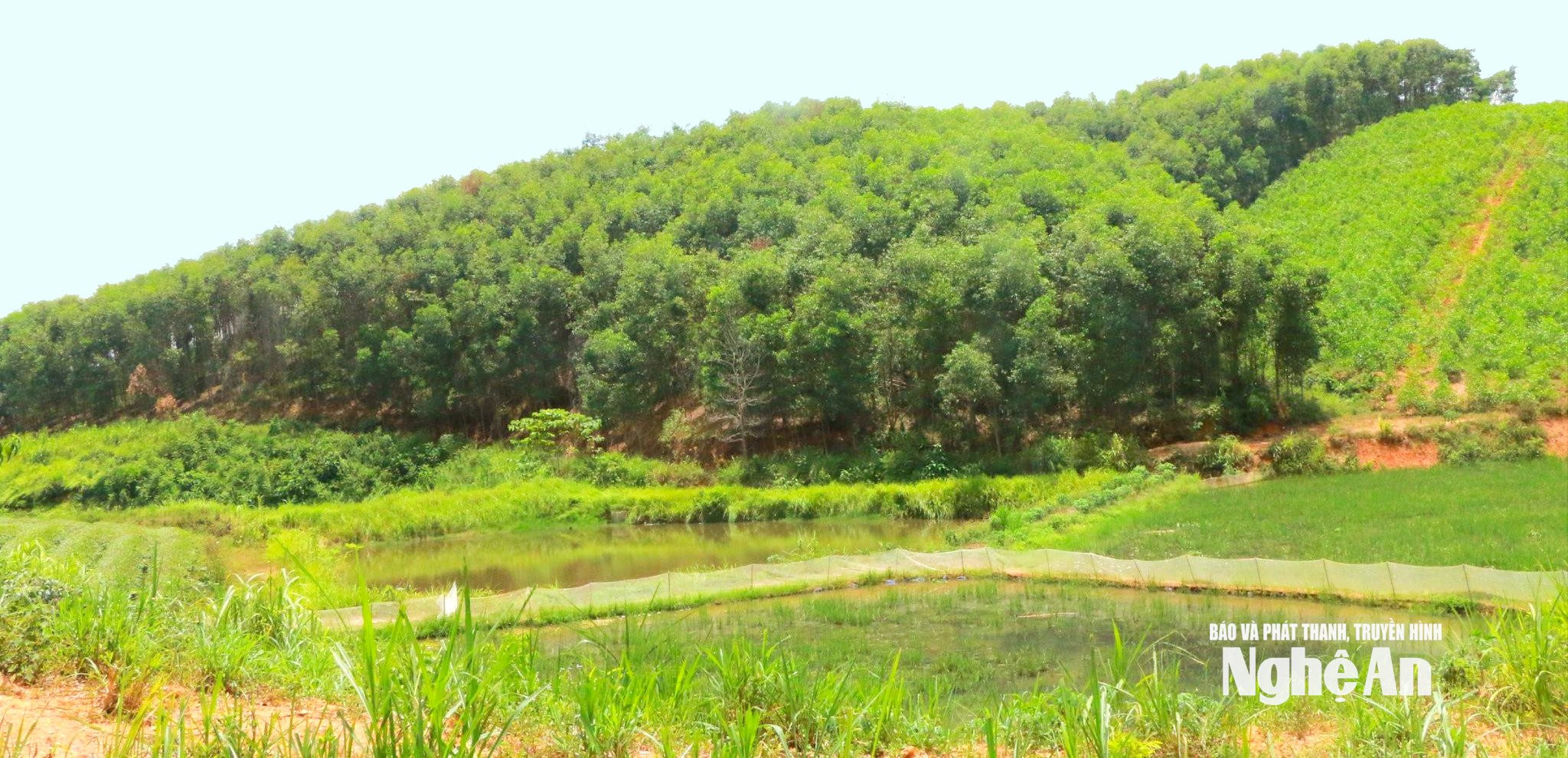
After several planting and harvesting cycles, the forest area has expanded. To date, Mr. Ky's family owns 15 hectares of acacia trees, bringing in an average income of 400-500 million VND per year.
If he had only focused on acacia forests, perhaps Mr. Ky's model wouldn't have made such a significant impact. What many admire is his mindset of always seeking new directions. While many households were still hesitant about tea cultivation, he boldly invested in 2 hectares of organic tea.
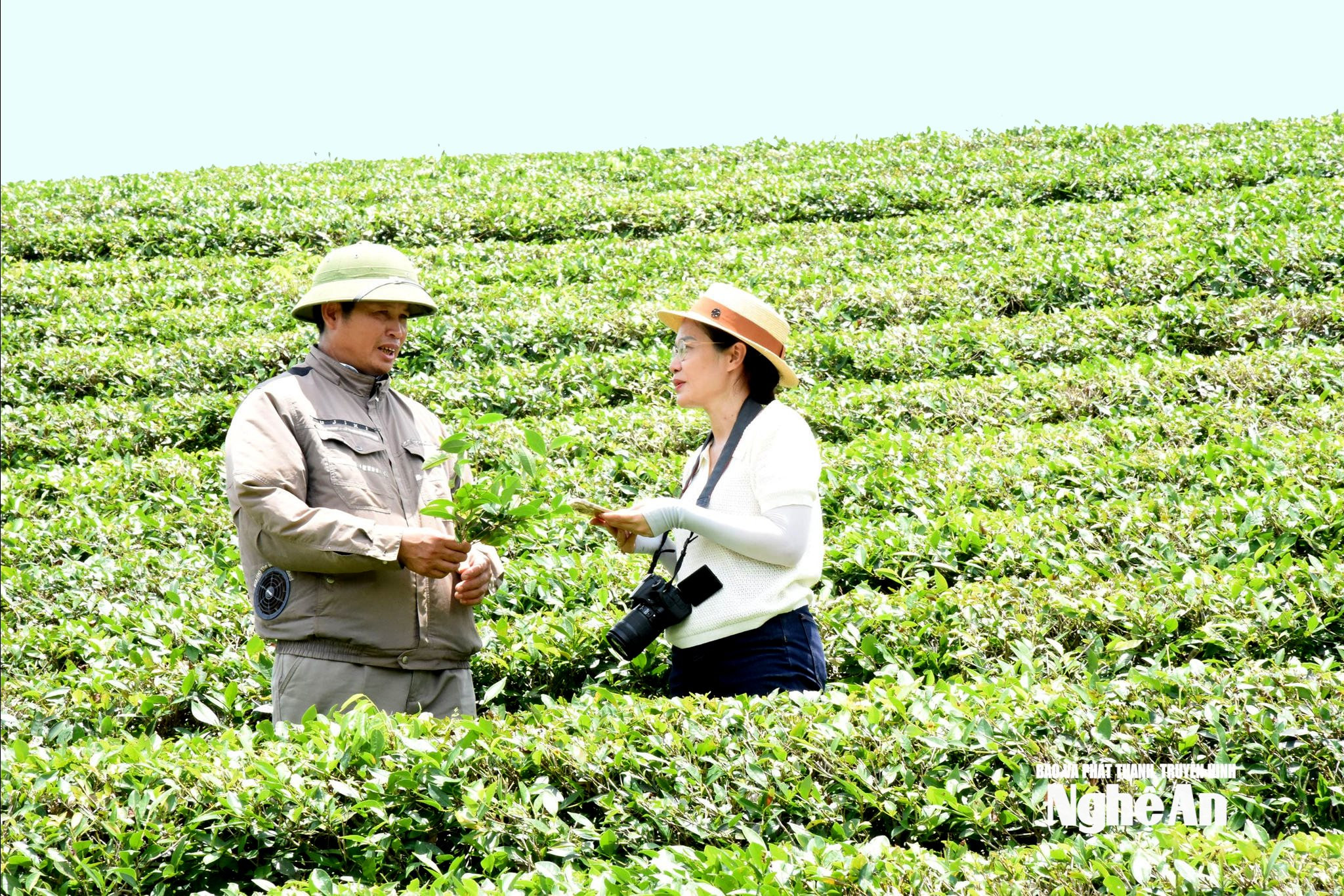
When the black snail farming model was still quite new in the area, he continued to be a pioneer in experimenting with it.
On fields that previously only produced one rice crop, he developed a crop rotation model. "From December of the previous year to April of the following year, we plant rice. After harvesting, we retain the water to raise black snails. The fields are not left fallow and provide income year-round," he shared. Last season, after harvesting the rice, the money from selling snails alone brought in over 13 million VND. Currently, the family maintains about 200 kg of commercial snails with a stable selling price of 60,000-65,000 VND/kg. Even more noteworthy is that the entire model is operated in a way that maximizes the use of available resources.
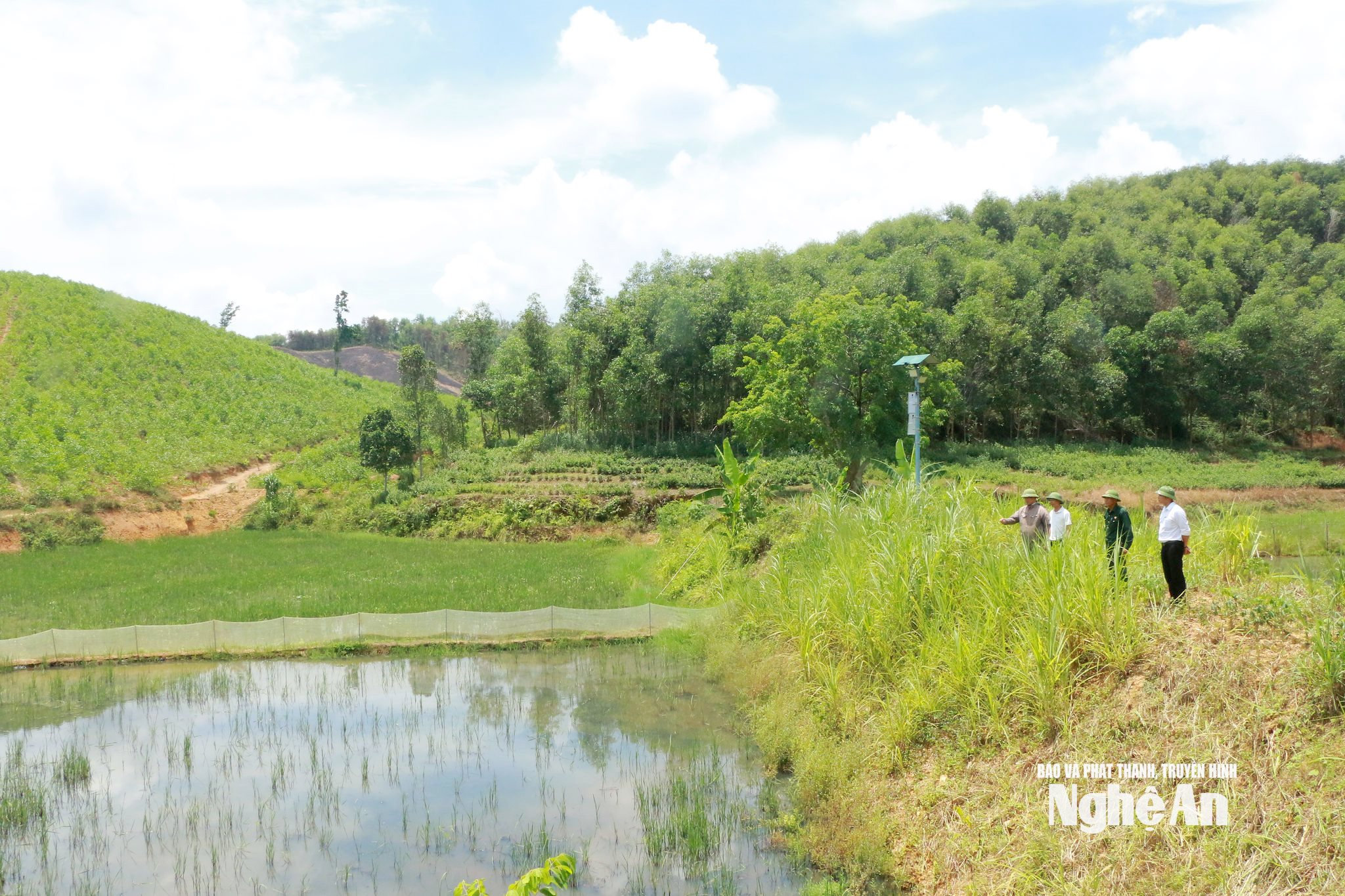
Along with the farm, in his garden spanning over 1 acre, after several changes of crops such as pomelo, mango, plum, passion fruit, sapodilla..., Mr. Ky chose Thai jackfruit as his main crop with more than 50 trees.
The beautiful fruits are sold on the market. The small, unattractive, or damaged fruits become a natural food source for the snails. "This reduces feed costs and creates a clean product," Ms. Mui shared.

Following Mr. Ky on a tour around the farm, it's hard to imagine that this was once a barren hillside. Towering acacia trees stretch to the horizon. Below are lush green tea hills. Fish ponds, stocked with various types of grass carp, silver carp, and catfish, are nestled among the hillsides.
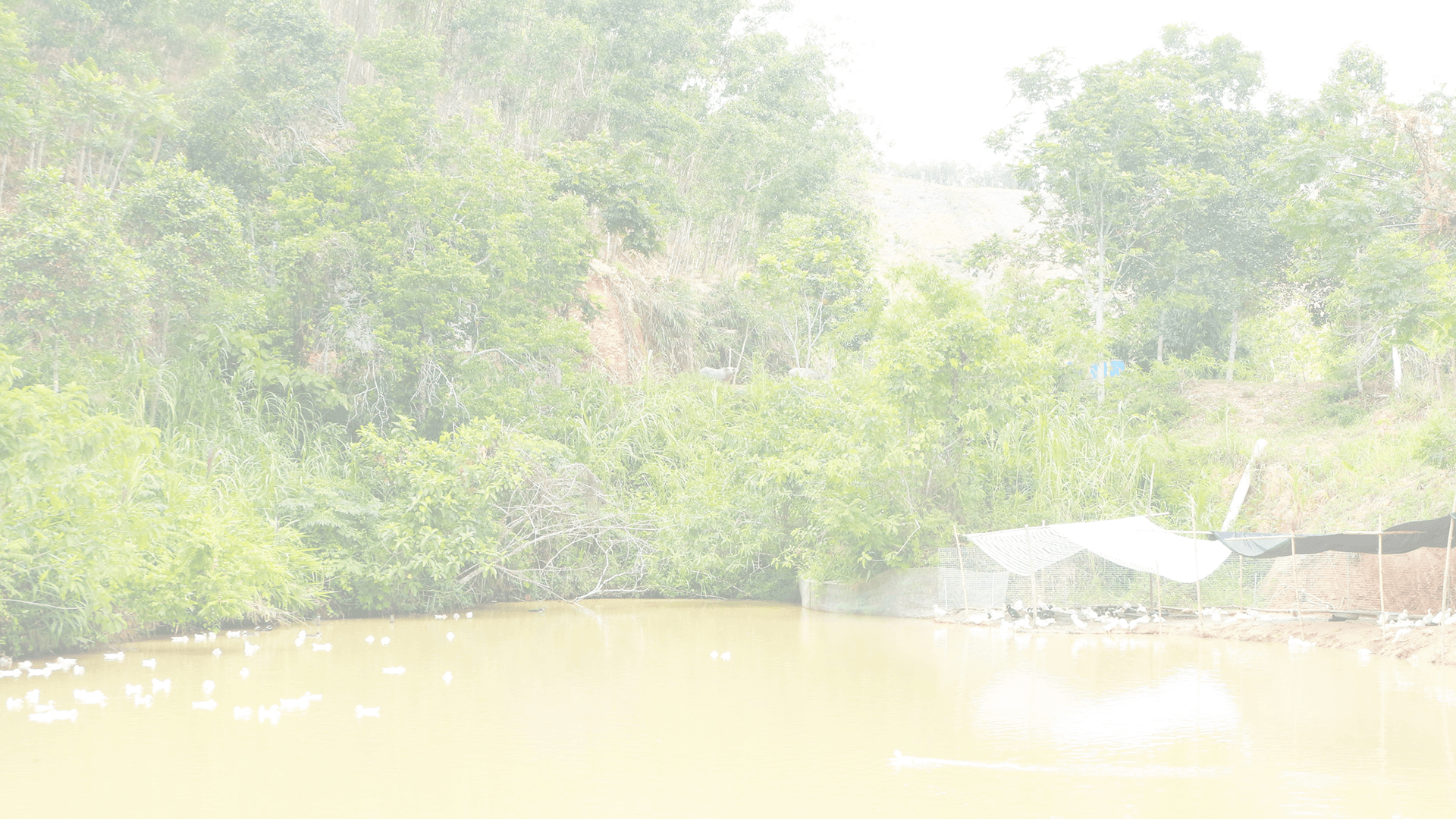
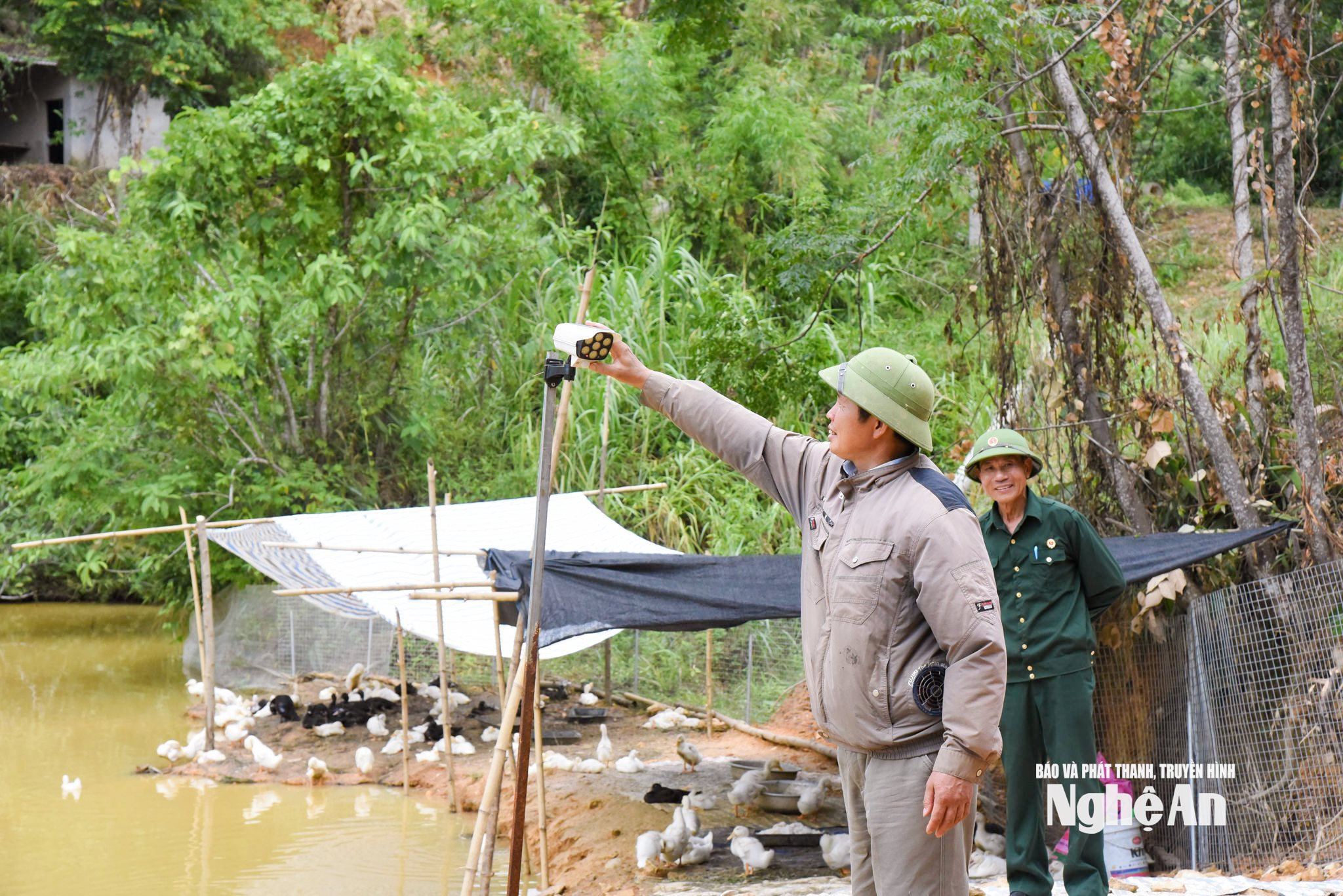
Over 200 ducks are raised in a sturdy enclosure fenced with rust-resistant steel mesh, surrounded by surveillance cameras. The black snail farm also has a solar-powered camera system for convenient management. Each aspect demonstrates the meticulous attention to detail of the farm owner.
.jpg)
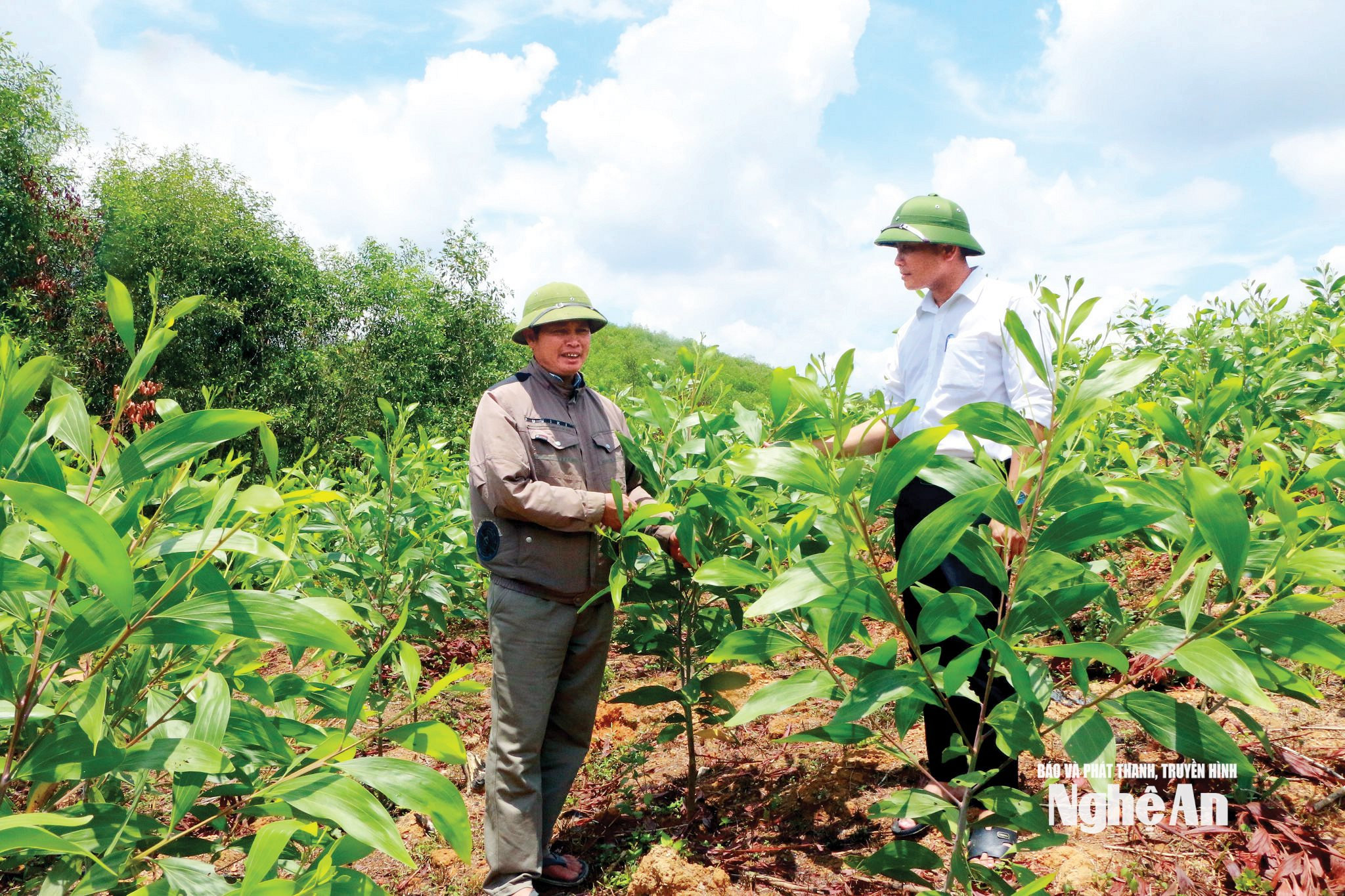
According to Mr. Ky, with an area of 17 hectares including 15 hectares of acacia and 2 hectares of tea, his family applies a staggered harvesting method. Once an area reaches maturity, it is harvested and replanted immediately, thus ensuring the forest remains stable.
Alongside cultivating perennial crops, the family continues to raise fish and ducks, collaborating with roast duck shops and restaurants to supply fresh food daily, generating short-term income. This income is used to hire laborers for digging holes, planting trees, or caring for plants, instead of having to shoulder all the heavy work themselves as before.
That's also how they balance their cash flow and avoid financial pressure during the long production cycle of acacia trees.
Besides being hardworking, Mr. Ky also always considered knowledge as the foundation for development.
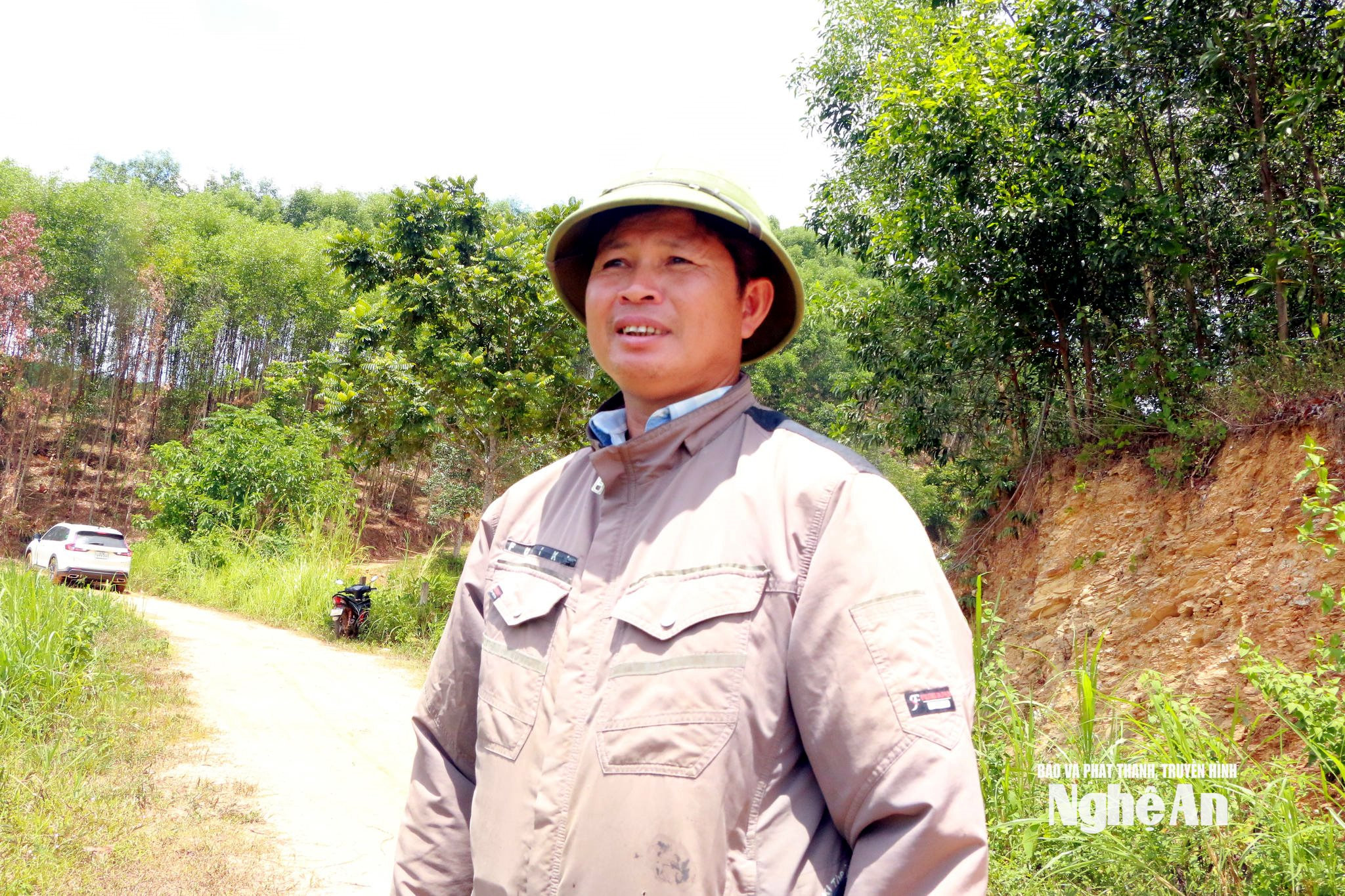
During the first eight years of his career, he worked locally, developed his business, and simultaneously pursued further education, including attending the local Military Intermediate School, the local Military College, and then the Political Intermediate School.
Mornings spent in the forest, afternoons at the office, and evenings and weekends attending classes became a familiar rhythm of life. When recalling that time, he always expresses special gratitude to his hardworking wife.
"If it weren't for my wife managing the household and encouraging me to study, I wouldn't be where I am today," he said. As for Ms. Mui, knowledge is always a long-term investment. "Whatever you do, you have to learn to make it sustainable," she said with a gentle smile.
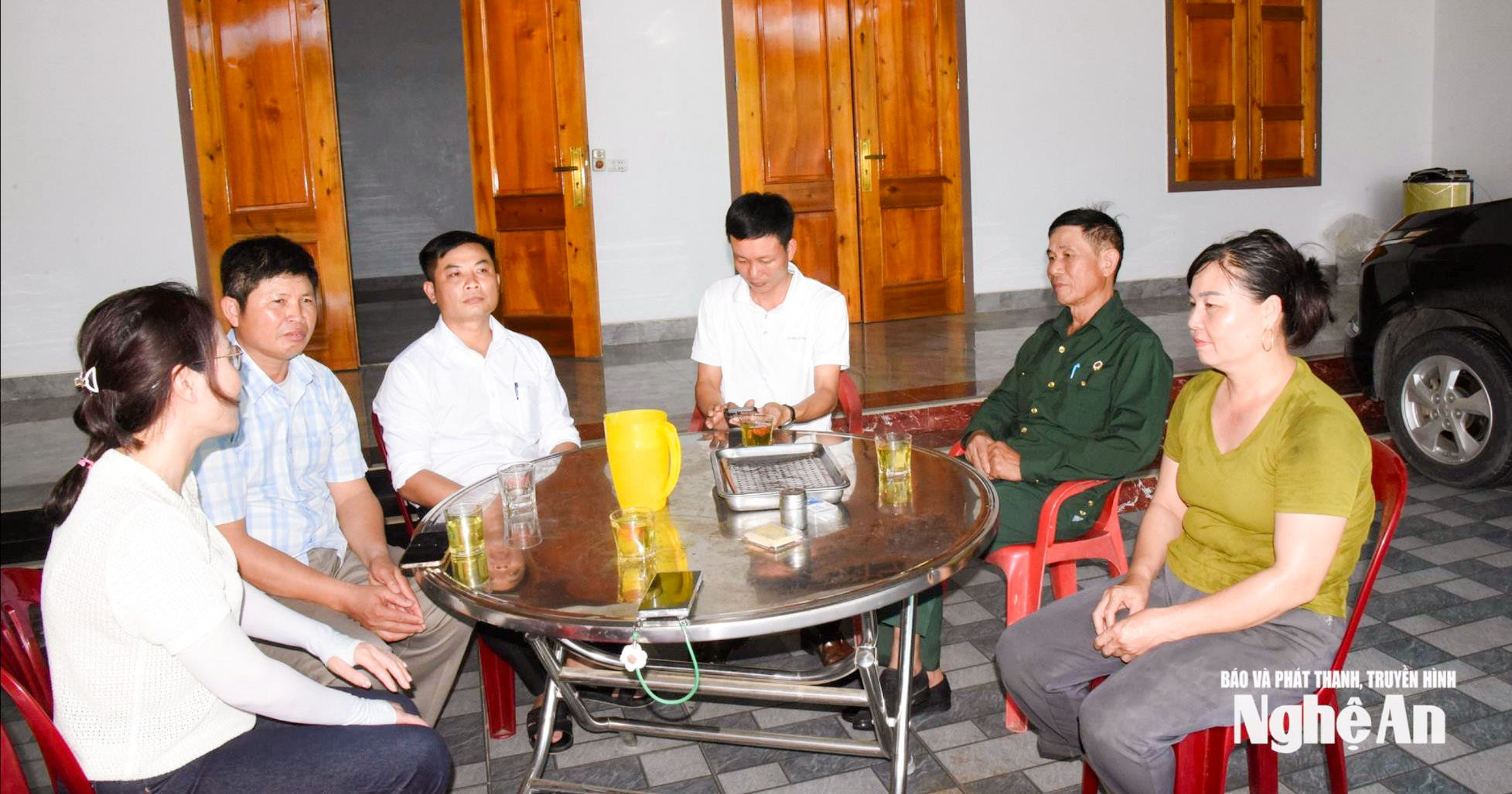
Perhaps it was this shared commitment that helped the couple gradually overcome the most difficult stages to reap the rewards.
Besides being skilled in reforestation, Mr. Ky also has a talent for mechanics and welding. He repairs all the machinery his family invested in for agriculture and forestry, such as milling machines, drilling machines, lawn mowers, plows, and irrigation systems, all by himself.
From having just enough money to buy an old 81 motorbike for transportation, the couple now not only earns hundreds of millions of dong annually but has also been able to buy a car.

Besides focusing on developing his family's economy, Mr. Nguyen Hong Ky always exemplifies the spirit of a Party member and soldier in all fields. Despite being busy with his farm, he always performs his duties well at the Commune Military Command, and actively participates in the activities of the Veterans Association, the Farmers Association, and other local movements.
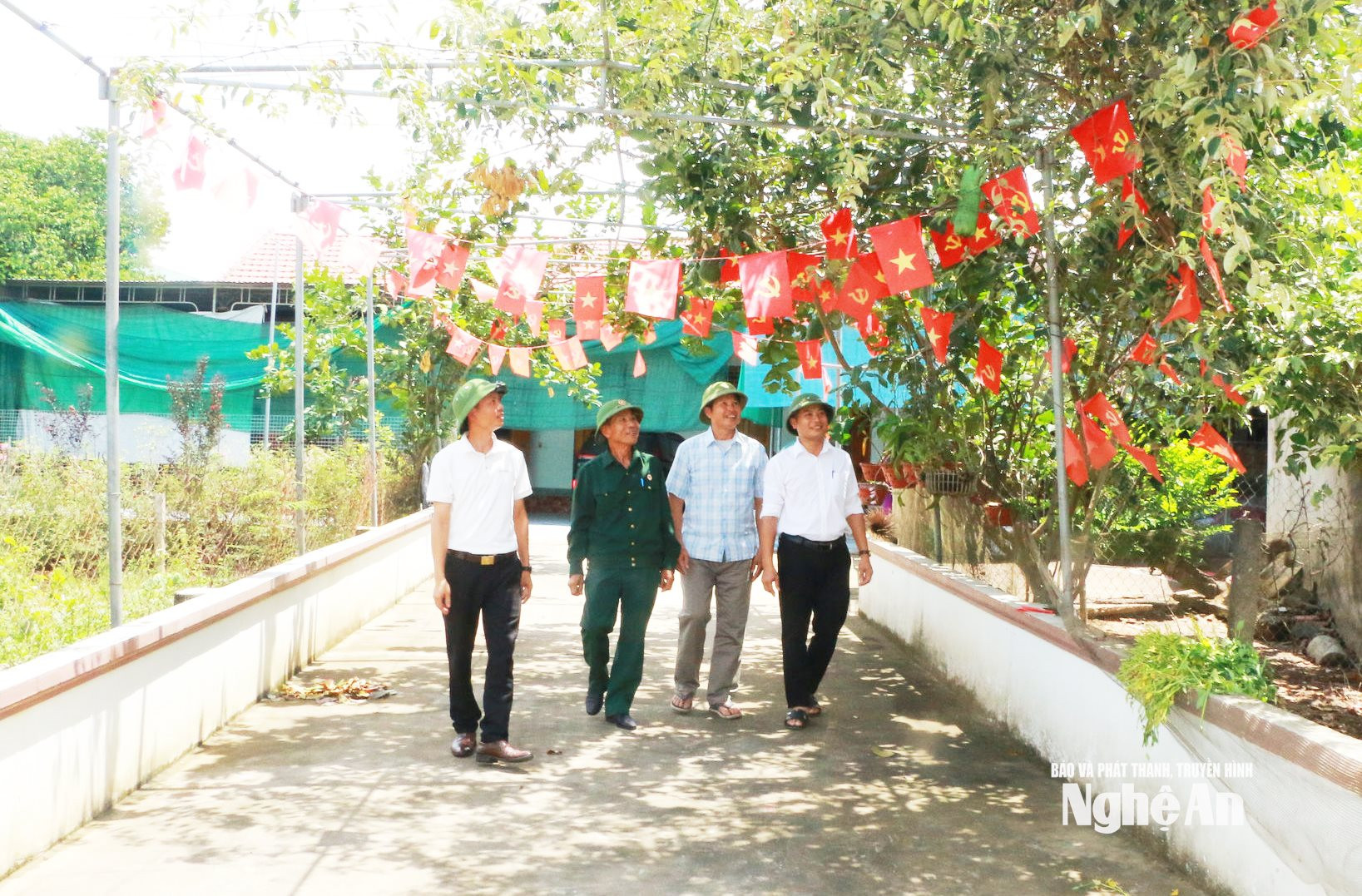
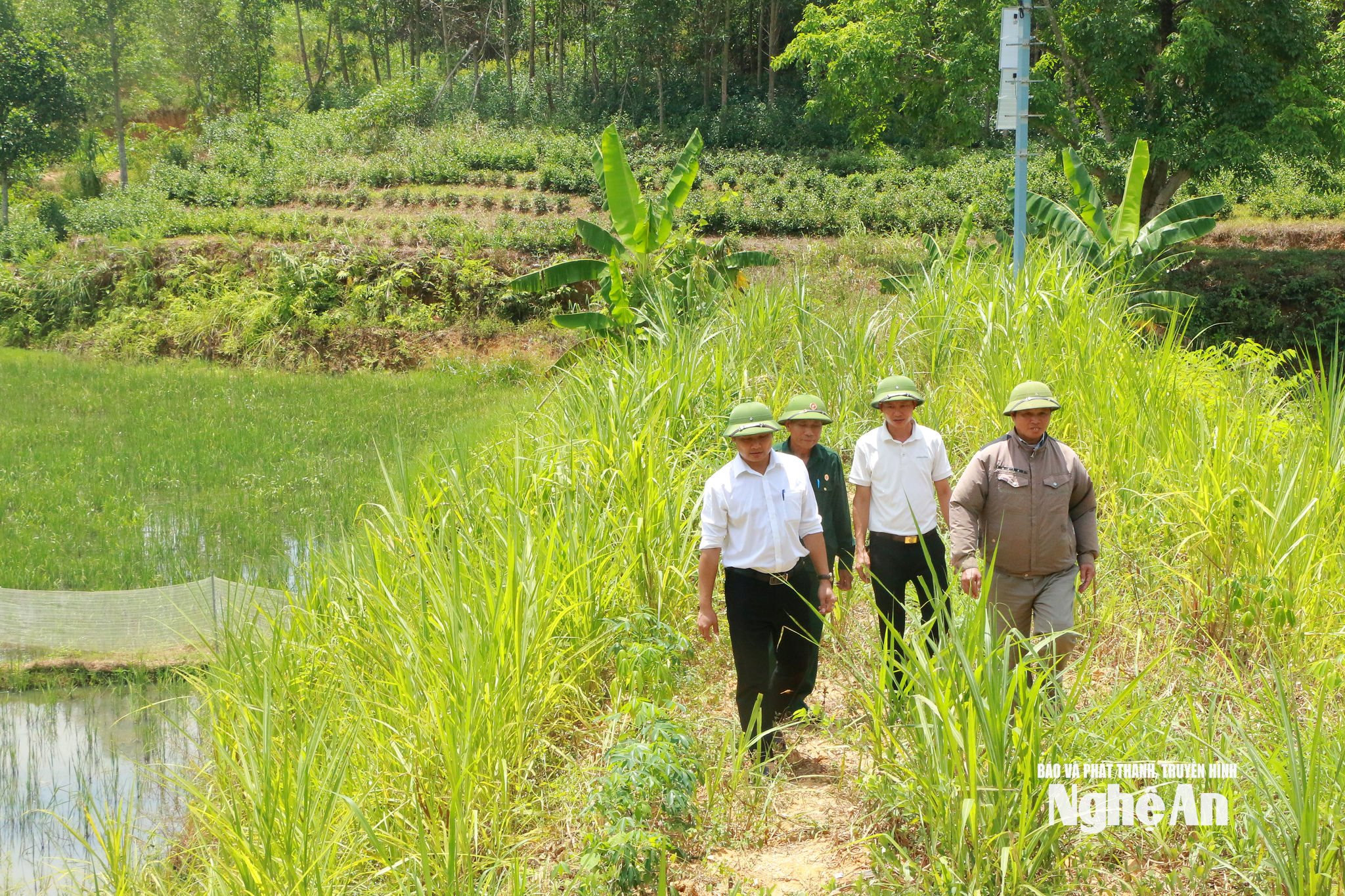
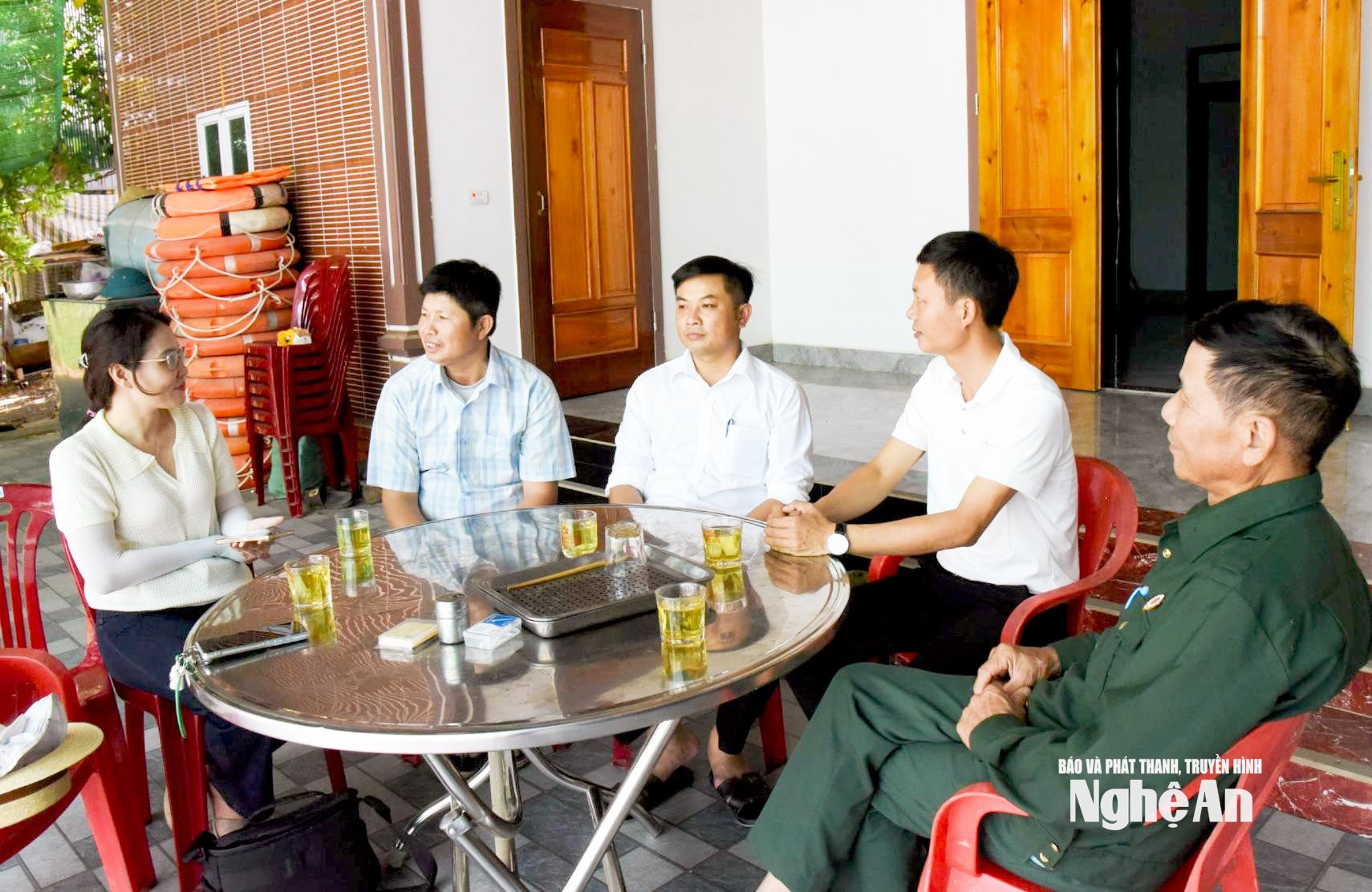
According to Mr. Nguyen Duy Cong, Chairman of the Veterans Association of Thanh Binh Tho commune, Mr. Ky's model is a shining example in the commune's movement of veterans excelling in economic activities. "What is valuable about Mr. Nguyen Hong Ky is not only his income of hundreds of millions of dong per year, but also his spirit of daring to think and act, always ready to share his business and production experience with association members," Mr. Cong commented.
Meanwhile, Ha Van Phuong, Secretary of the Tan Hop hamlet Party branch, said that Ky has always been an exemplary Party member, enthusiastic about local movements, and has also created seasonal jobs for many rural workers.
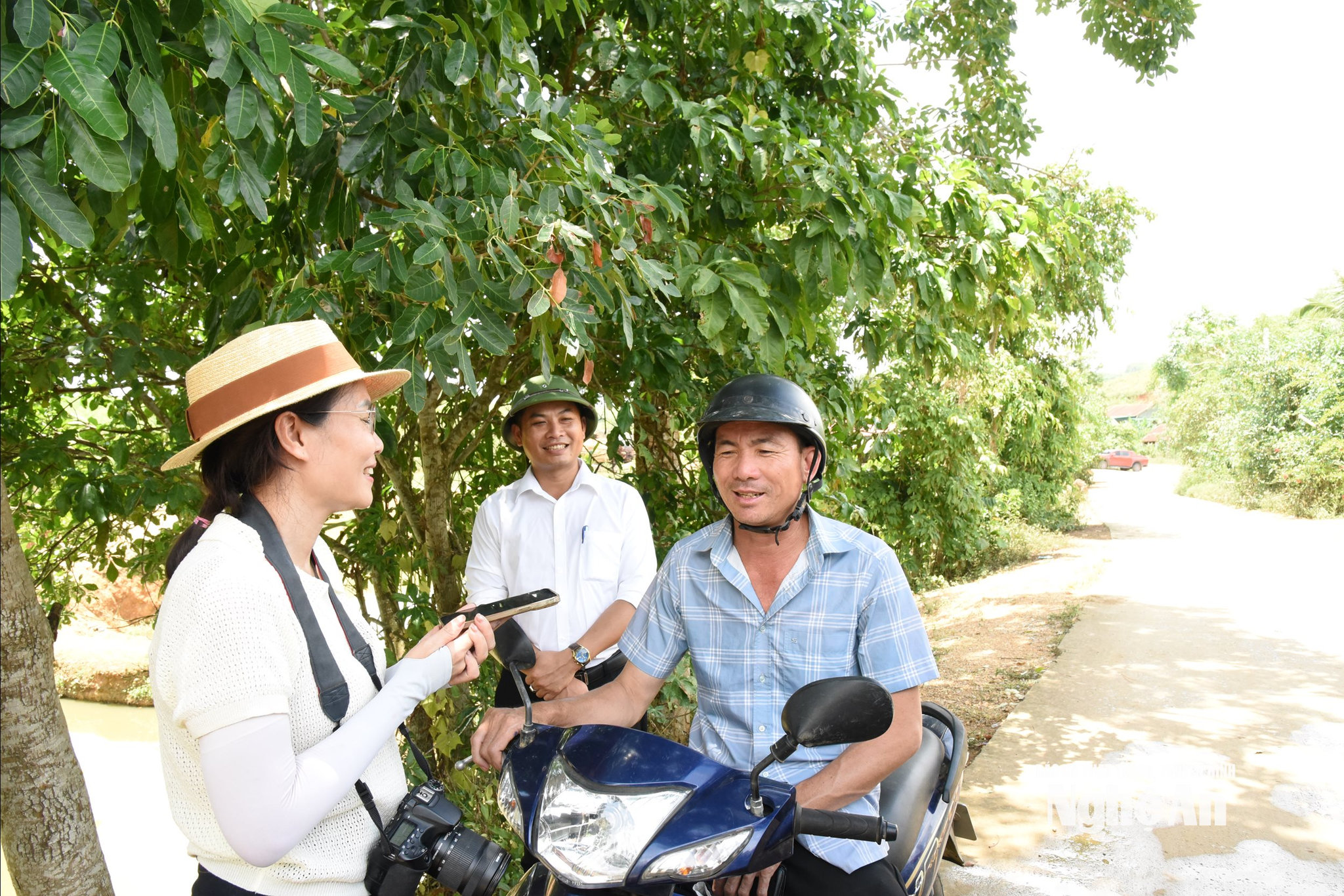
Leaving Mr. Nguyen Hong Ky's farm as the afternoon sun cast its light upon the endless green hills covered with acacia and tea plants, we understood why the locals call him the "awakener" of the barren hills.
Because what he created was not just forests or a high-income farm; more importantly, it was the way a soldier brought the discipline of the military into productive labor, transforming hardship into motivation, turning barren land into a green landscape of hope, and inspiring a path to sustainable wealth creation right in his own homeland.