
The Hmong people in Tay Son are developing a green economy from the purple cardamom plant.
The purple cardamom plant – often referred to as the "purple gold" of the deep forest – is becoming a new source of livelihood for the Hmong people in Tay Son commune, Ky Son district (Nghe An province).
.jpg)
For many years, the purple cardamom fruit has been considered the "purple gold" of the old forest by the people of Ky Son highlands. During the harvest season, the Mong people in Tay Son wade through streams and climb steep slopes into the deep forest to pick cardamom fruit. The purchase price ranges from 60,000 to 80,000 VND/kg for fresh fruit, and if dried, that figure rises to 400,000 to 500,000 VND/kg. Each cardamom season, some people earn tens of millions of VND from harvesting this herbal fruit…
Mr. Mua Xai Co, a resident of Lu Thanh village, said: "There used to be a lot of cardamom plants in the deep forest. Around July and August, we could harvest the fruit. We would go into the forest, pick them, and sell them to traders. Families who diligently went into the forest could earn 5-10 million VND per season from this fruit."
.jpg)
However, in recent years, wild cardamom has become increasingly scarce. Therefore, many households in the village have come up with the idea of bringing cardamom plants to cultivate on the fields and gardens around their homes.
Mr. Mua Ba Lu, Secretary of the Party branch of Lu Thanh village (Tay Son commune, Ky Son district), said: "In the village, many households have brought cardamom from the forest to plant near their homes. Typical examples include the households of Mr. Mua Ba Do and Mr. Mua Ba Vu… who have thousands of purple cardamom plants intercropped in their peach orchards, and they are growing well."
Recognizing this advantage, in 2024, Tay Son commune implemented a large-scale model for cultivating purple cardamom, as part of Project 2 of the National Target Program for Sustainable Poverty Reduction.
.jpg)
With a total support budget of 660 million VND, 70 poor and near-poor Mong households in the commune received seeds, fertilizers, and training in planting and caring techniques. Nearly 70,000 purple cardamom plants have been planted interspersed in peach orchards, under the canopy of secondary natural forests and 2-3 year old planted forests. The survival rate of the plants reached over 95%.
Mr. Mua Ba Phenh, from Lu Thanh village, shared: “Before, we had to go far into the forest, it was hard work and there weren't many trees. Now, with the support of seedlings, we can plant them right on our fields, and the trees are easy to grow; we just need to clear the land and they'll thrive.” Indeed, this type of tree is not picky about soil, easy to plant, resistant to pests and diseases, only needs fertilization once a year, and has the ability to grow in clumps – once it takes root, it spreads into large bushes, overwhelming weeds and covering the ground.
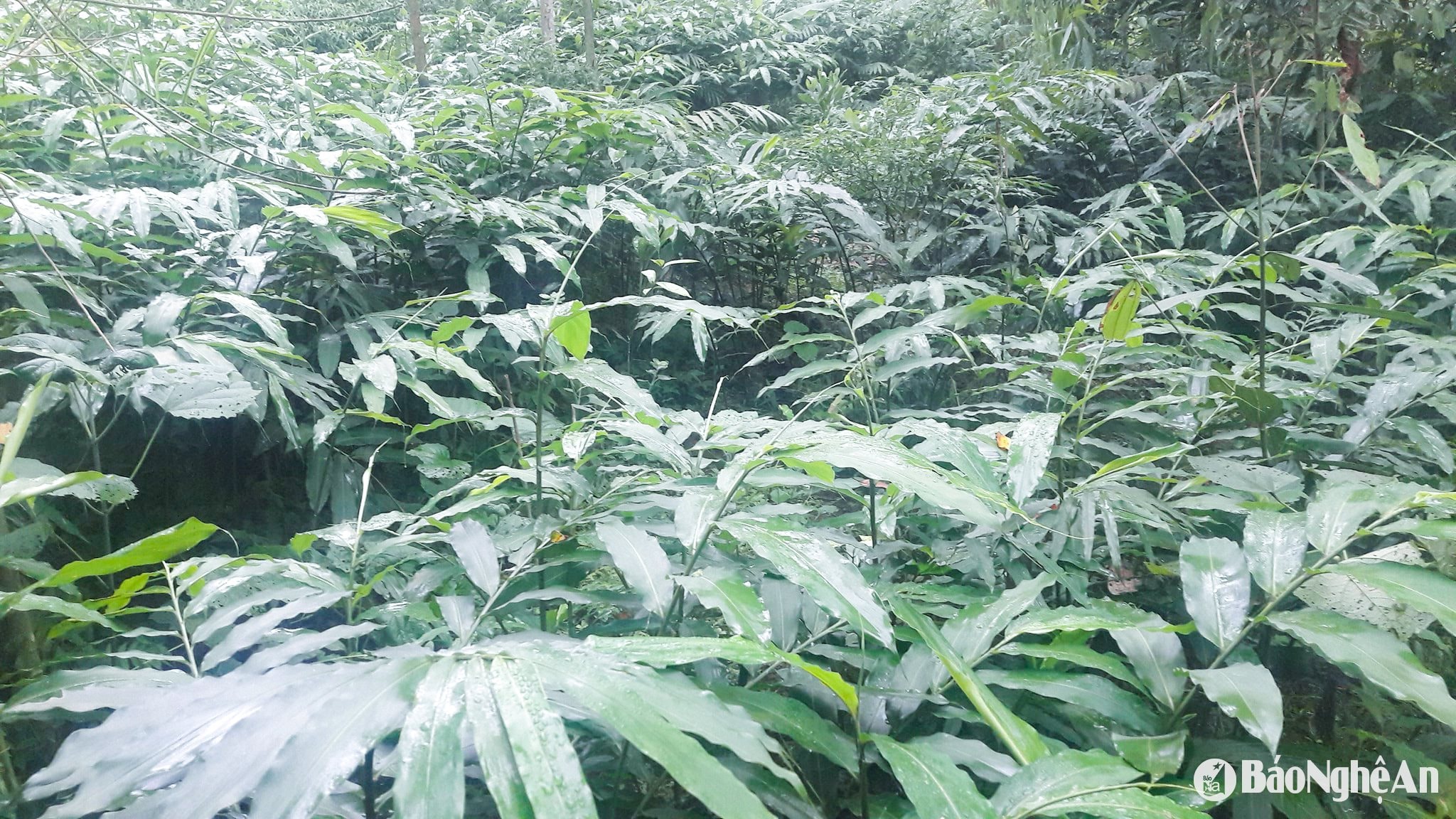
According to calculations, with an estimated yield of 1-1.5 tons of fresh fruit/ha/year, when the plants enter the stable harvesting stage (from the 3rd year onwards), growers can earn 50-70 million VND/ha, many times more than growing corn or cassava. Besides its economic value, purple cardamom also contributes to forest conservation. Due to its high water content and soft stem, this plant helps reduce the risk of forest fires during the dry season. Its horizontally developing root system helps retain soil and prevent erosion. Intercropping with peach, tea, or under acacia trees creates a multi-layered vegetation ecosystem, protecting the environment while improving soil aeration and moisture retention.
Mr. Vu Ba Re, Vice Chairman of the Tay Son Commune People's Committee, said: "The project has breathed new life into the commune's agricultural production. The people are very excited because the crop is easy to grow and sell, and it's also linked to forest protection and suitable for the local natural conditions. In the future, we will continue to expand the area, aiming to establish a specialized purple cardamom cultivation zone in Tay Son."
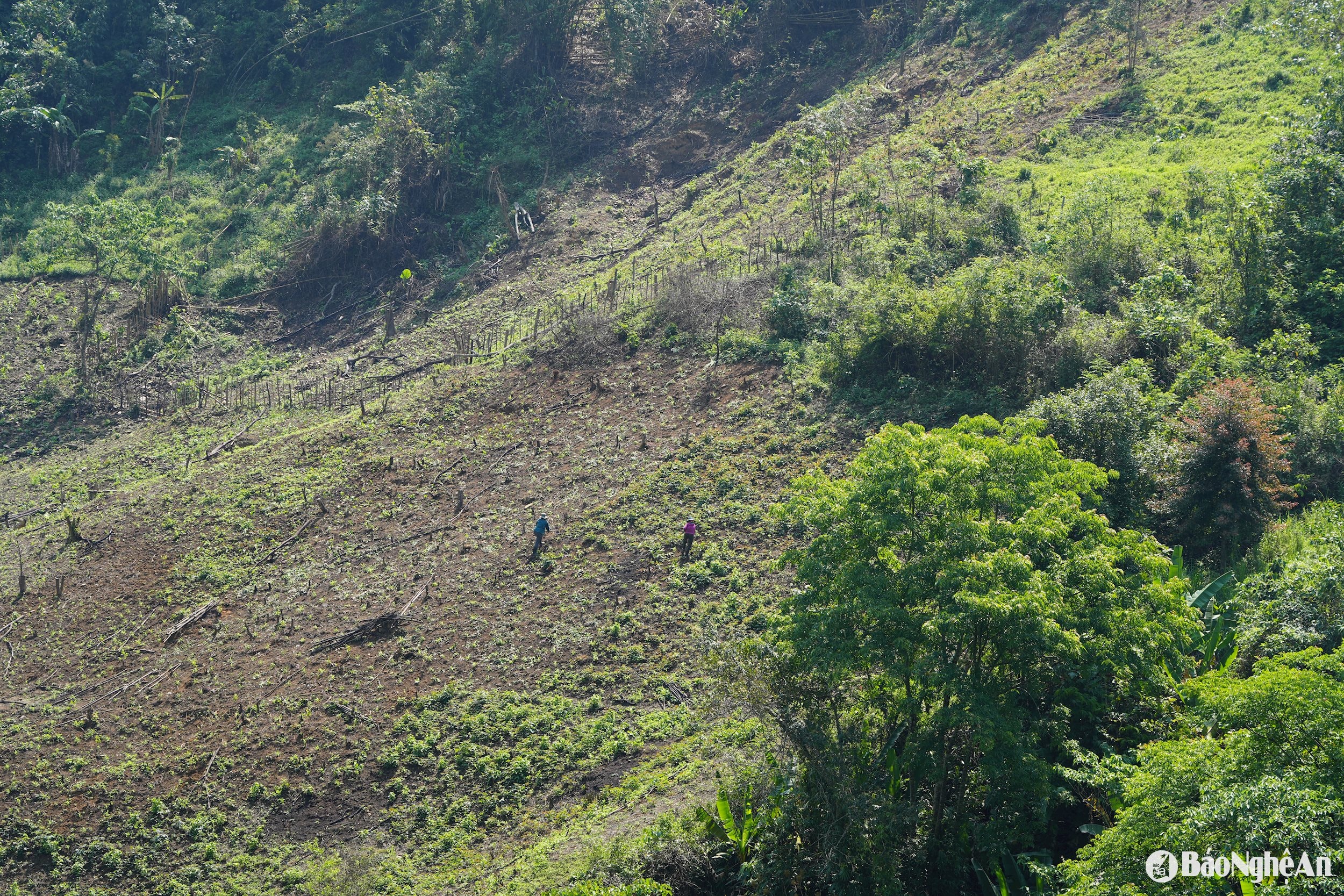
As the trend of consuming natural medicinal herbs increases, especially those with medicinal value like purple cardamom used in traditional medicine to treat digestive, respiratory, and inflammatory diseases, developing raw material areas in mountainous regions like Tay Son is essential. On the high slopes of Ky Son, purple cardamom bushes are taking root and growing green under the forest canopy, carrying with them the hope of escaping poverty through this native herb…/.


