
Consumers in Nghe An tighten their belts during the 'price surge'.
From fresh produce to fast-moving consumer goods, prices have been steadily rising in recent months. This has not only forced consumers in Nghe An to change their shopping habits but also put small traders and retailers in a difficult position...
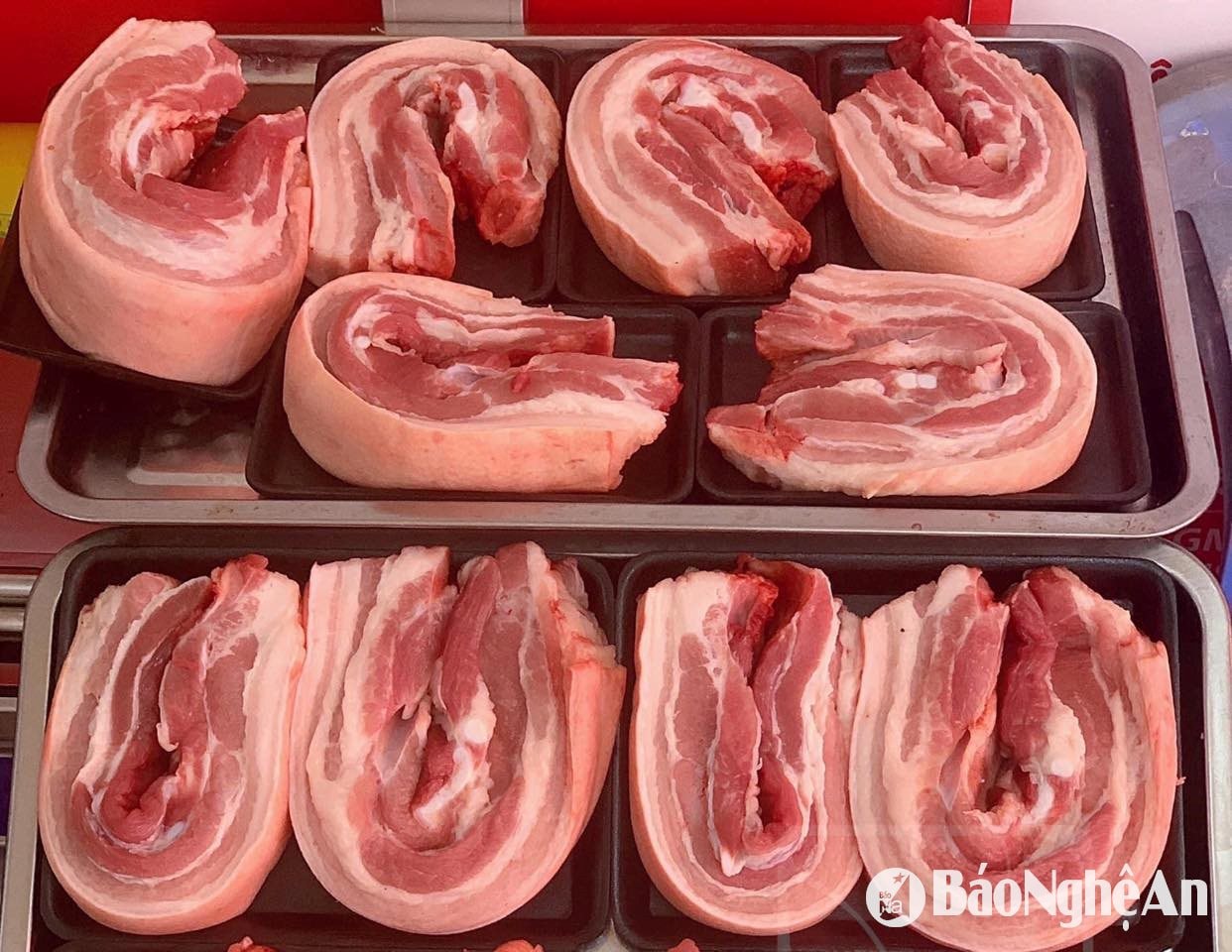
"Previously, my family used to eat pork ribs at least three times a week, but now we only dare to buy them once, or even switch to tofu or chicken to save money," said Ms. Hoang Thuy Quynh, a civil servant living in Vinh City. According to her, the price of pork ribs has increased from around 135,000-140,000 VND to 180,000-200,000 VND per kilogram, an unimaginable fluctuation in the past year.
Surveys at many traditional markets show that pork is the commodity group experiencing the sharpest price increase, with prices currently ranging from 130,000 to 220,000 VND/kg depending on the type, 30-40% higher than the same period last year.
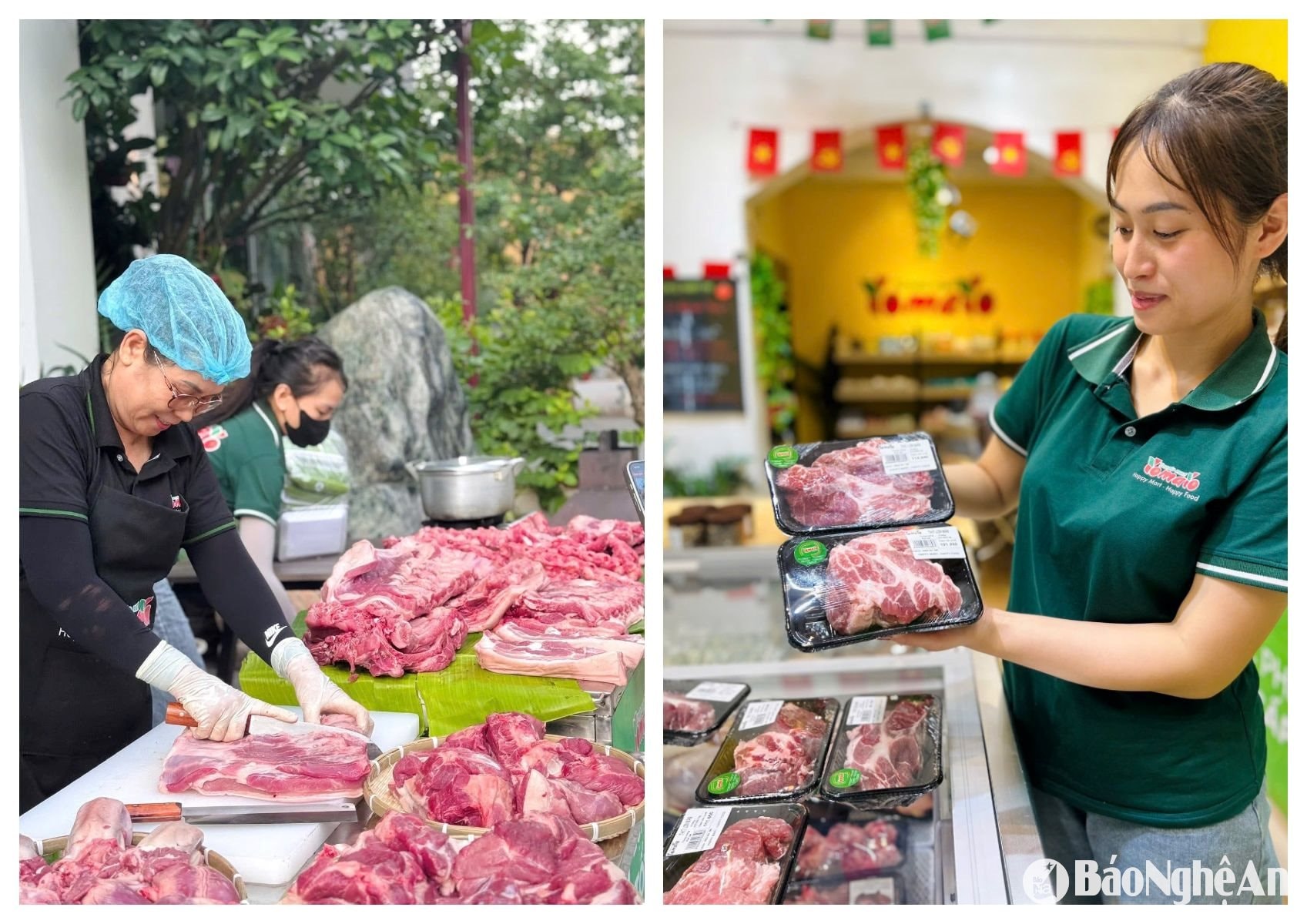
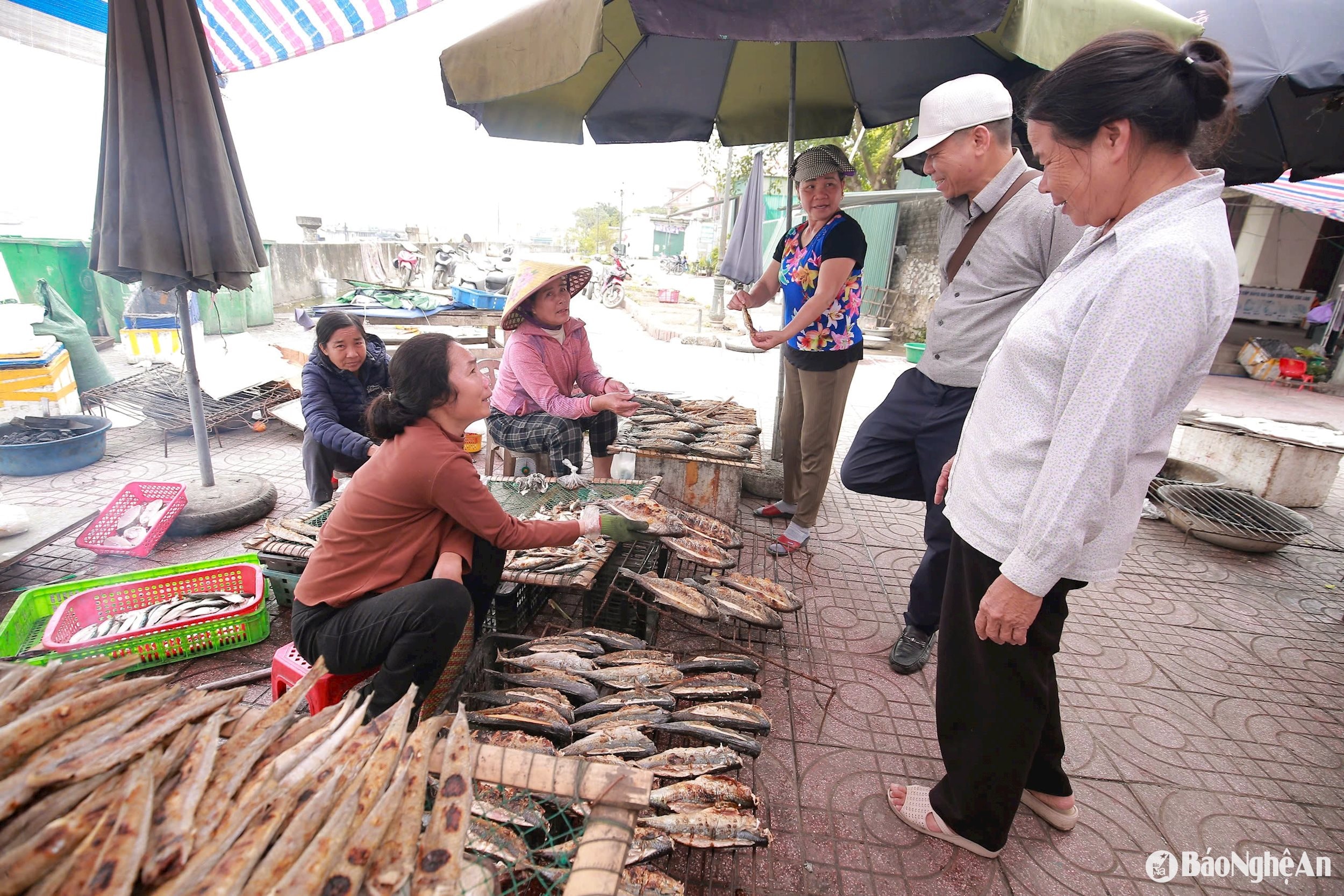
Beef is also following the trend, currently priced from 200,000 to 280,000 VND/kg, while seafood such as mackerel, shrimp, and squid have all increased by an average of 16-20%.
Not only fresh food, but also fast-moving consumer goods and other essential items such as powdered milk, cooking oil, fish sauce, coffee, sugar, etc., have simultaneously set new price levels. A carton of 180ml liquid powdered milk, which used to cost 750,000 VND, has now risen to 830,000 VND. The price of Bien Hoa granulated sugar has increased by 2,000 VND/kg; fish sauce has increased by 6,000 - 7,000 VND/bottle; Nescafé Vietnam 560g coffee has increased by 10,000 VND/pack...
Household monthly expenses have therefore been affected. Ms. Lan (residing in Hung Loc ward, Vinh City) said that food expenses alone have increased total spending by 10-15% each month.
Meanwhile, for retailers, retaining customers amidst soaring prices has become even more challenging. “Previously, price adjustments usually happened at the end of the year, but this year we have to constantly update prices from the beginning of the year. For items like milk, cooking oil, and pepper, the price changes every time we restock,” shared Ms. Nguyen Thi Ngoc, owner of a grocery store on Phan Dang Luu Street (Vinh City). According to her, the 5-10% increase on most items is narrowing profit margins, while purchasing power has decreased by up to 30%.
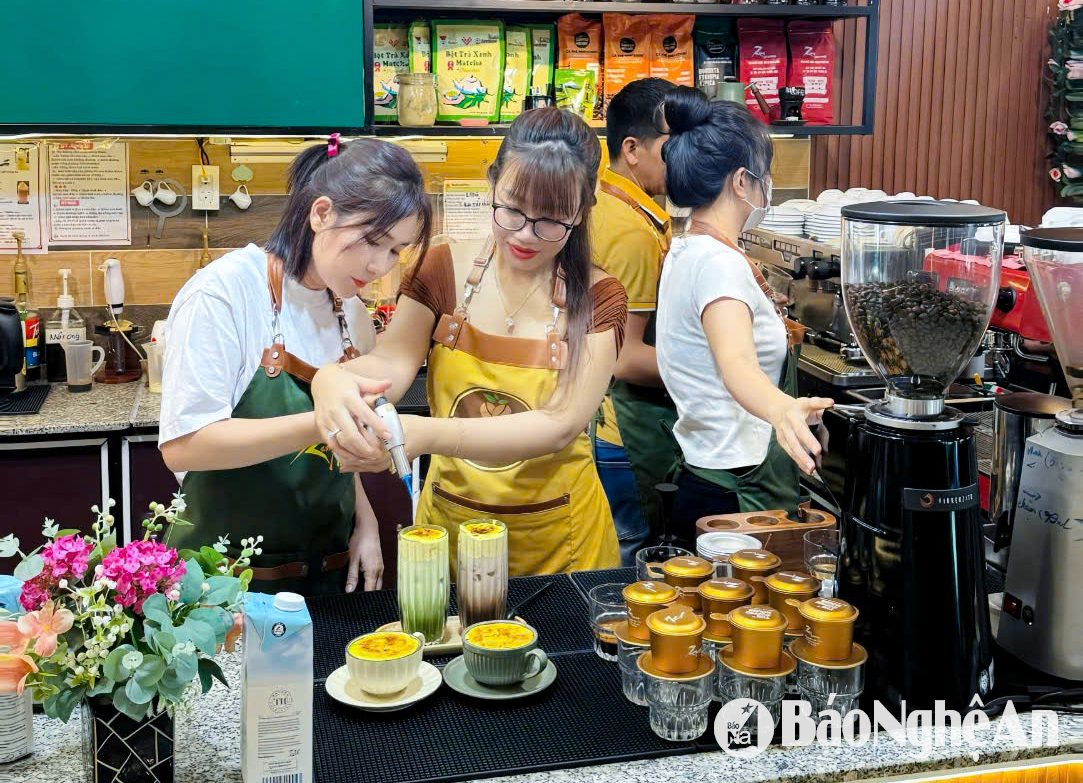
At some eateries, rising ingredient costs have led to an increase of 5,000 VND per serving. However, many others have chosen to maintain prices by reducing the amount of ingredients, a unique approach adopted by Ms. Nguyen Thi Thuy Hang and her husband, owners of a breakfast eatery along National Highway 46 in Hung Chinh commune (Vinh City).
For the past five years, the price of eel porridge and eel soup at the restaurant has remained unchanged at 30,000 VND per bowl, with a commitment to "never raise prices" displayed prominently in the shop. "If the price of ingredients increases, we'll reduce the amount of eel by one. We explain this clearly to our customers, and everyone understands and sympathizes. For working people, 40,000 VND a bowl for breakfast is already a considerable expense," Ms. Hang said.

However, not everyone can weather the storm like Ms. Hang's and her husband's eatery. A chain of banh mi (Vietnamese sandwiches) in Vinh has also had to raise the price of each sandwich from 15,000 VND to 18,000-20,000 VND. A store employee shared: "Everything from packaging and flour to vegetables has increased in price. If we don't raise prices, the more we sell, the more we lose."
In modern distribution channels, supermarkets are at the forefront of efforts to stabilize prices. Mr. Tran An Khang, Director of GO! Vinh supermarket, said: “Suppliers are constantly proposing price increases of 5-10% due to rising input costs. However, the supermarket system is trying to maintain stable prices for 9 essential product groups under the market stabilization program.”
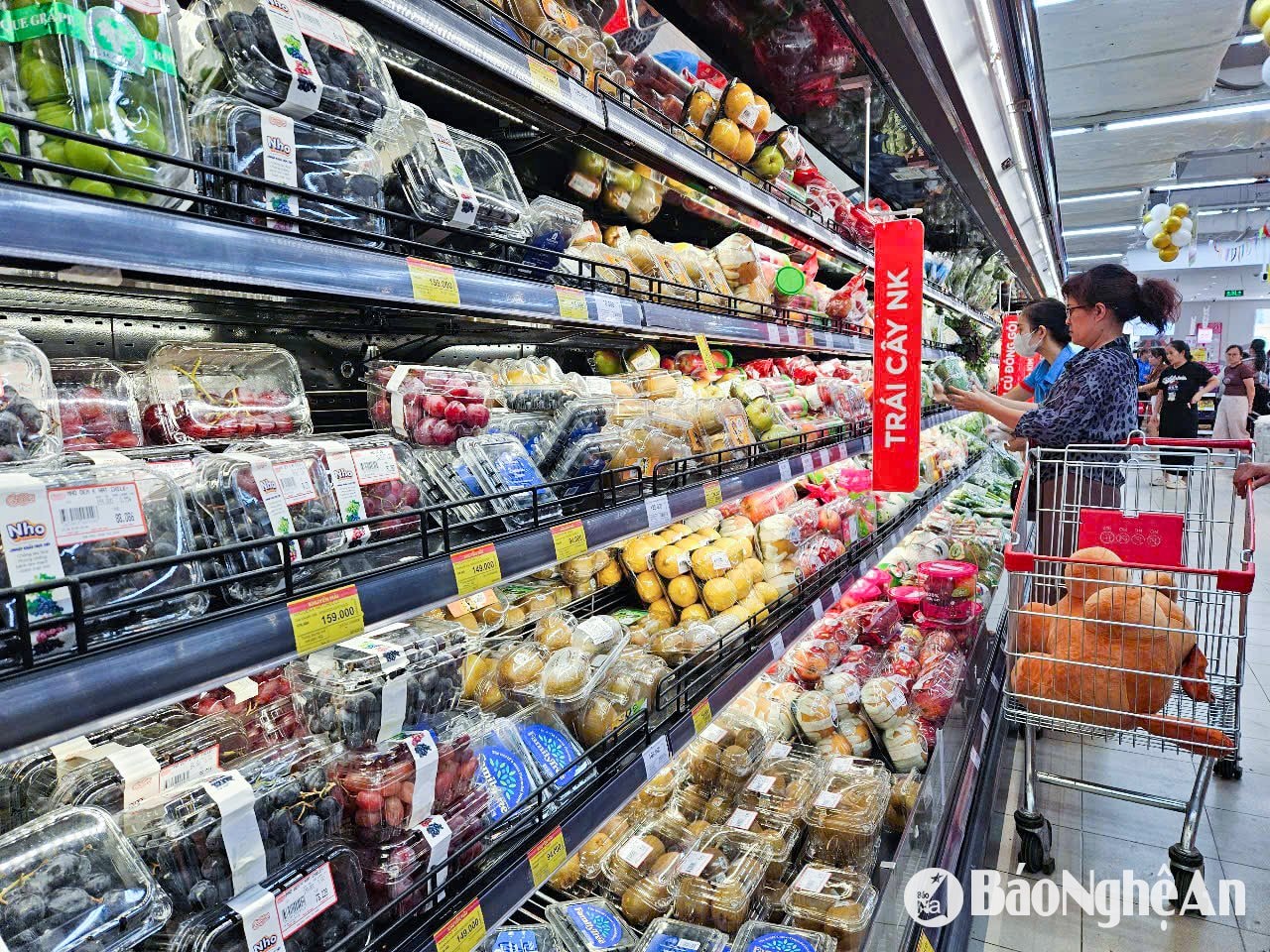
According to the Nghe An Provincial Statistics Office, total retail sales of goods and consumer service revenue in May 2025 reached over 14,628 billion VND, an increase of 11.56% compared to the same period last year. Despite maintaining growth, the consumer price index (CPI) in May also increased by 0.18% compared to the previous month and by 2.06% compared to the same period in 2024. Specifically, the food and beverage group increased by 2.92%; and the housing, electricity, water, and construction materials group increased by 3.51%.
Factors such as the 4.8% increase in electricity prices from May, hot weather, and rising food and fuel prices have contributed to the increase in the CPI.
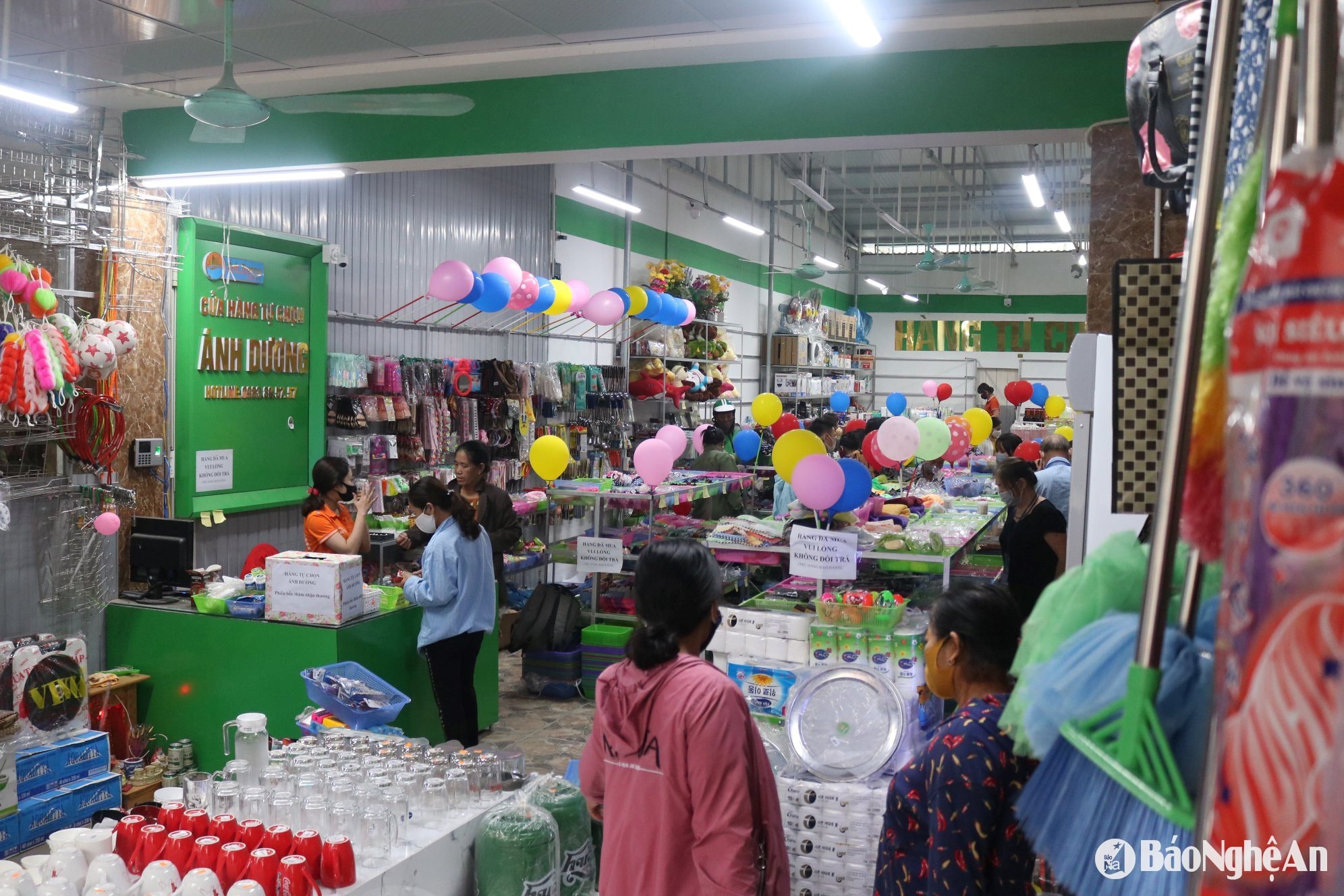
This situation requires close coordination among manufacturers, distribution channels, and regulatory agencies to curb price increases, ensure market stability, and alleviate the cost burden on consumers.


