
Young people "knock on the door" of the Tet market.
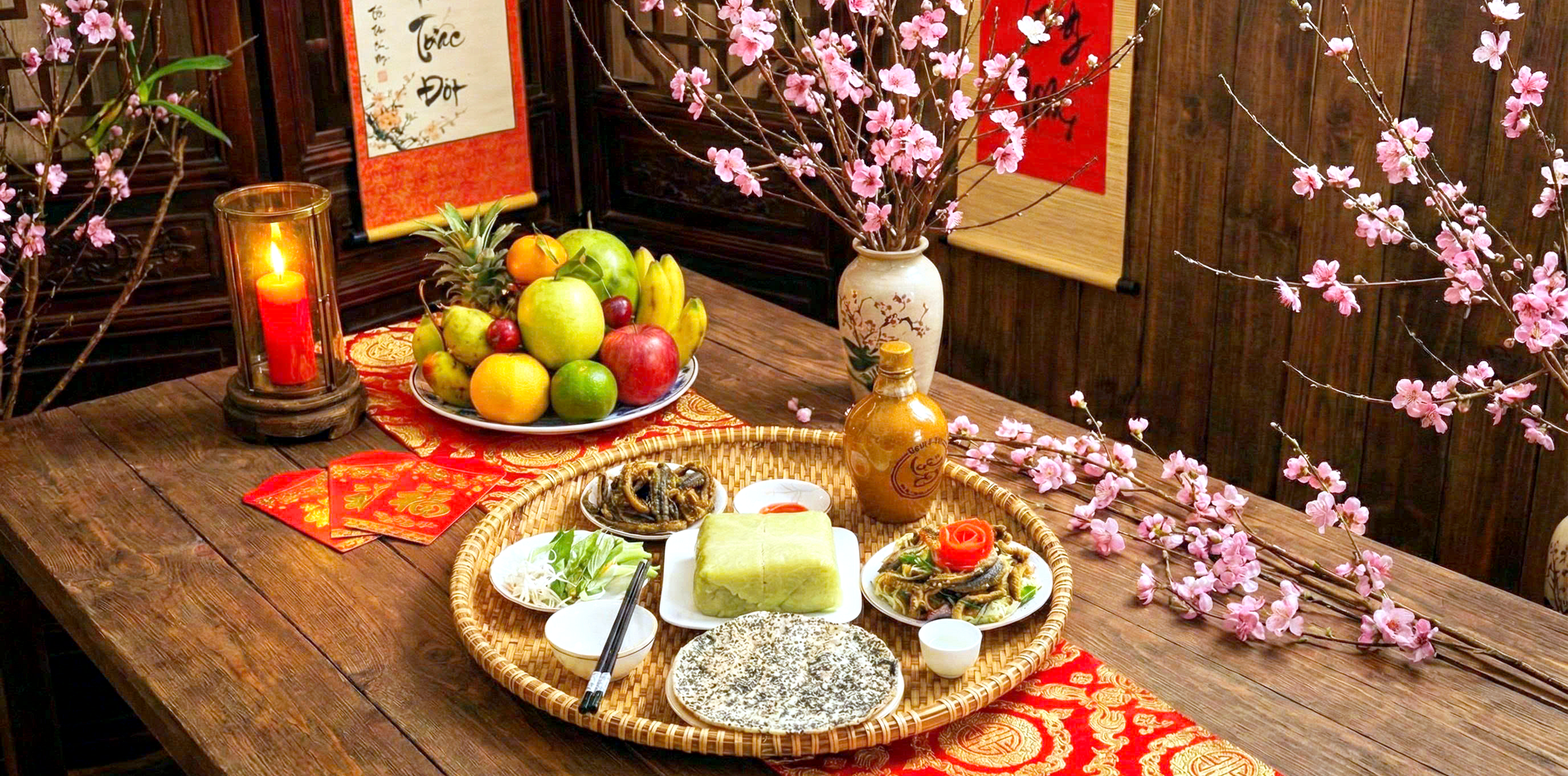
Tet (Vietnamese Lunar New Year) isn't just about peach blossoms, sticky rice cakes, or stalls brimming with gifts. There's another Tet season, beginning with the hearth of the countryside, with memories of family meals, and with young people choosing to return to local specialties to open a new door for the Tet market. There, highland dried beef, dried pork, or freshwater eels are not just dishes, but stories carrying the scent of the earth, the smell of kitchen smoke, and aspirations to travel far...
.png)
Content:Thanh Phuc/Present:Hong Toai 15/02/2026
*****
Tet (Vietnamese Lunar New Year) isn't just about peach blossoms, sticky rice cakes, or stalls brimming with gifts. There's another Tet season, beginning with the hearth of the countryside, with memories of family meals, and with young people choosing to return to local specialties to open a new door for the Tet market. There, highland dried beef, dried pork, or freshwater eels are not just dishes, but stories carrying the scent of the earth, the smell of kitchen smoke, and aspirations to travel far...
.png)
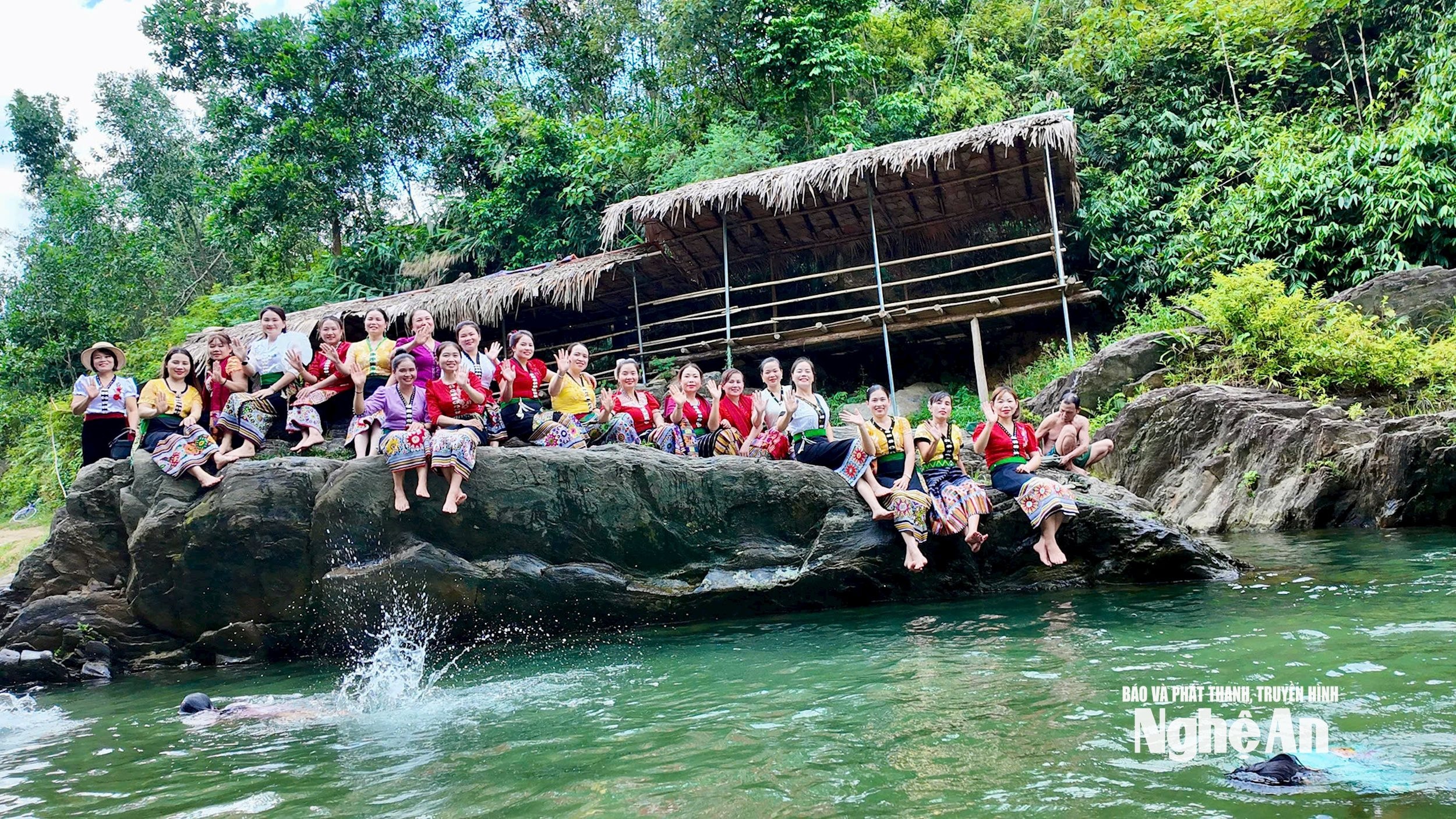
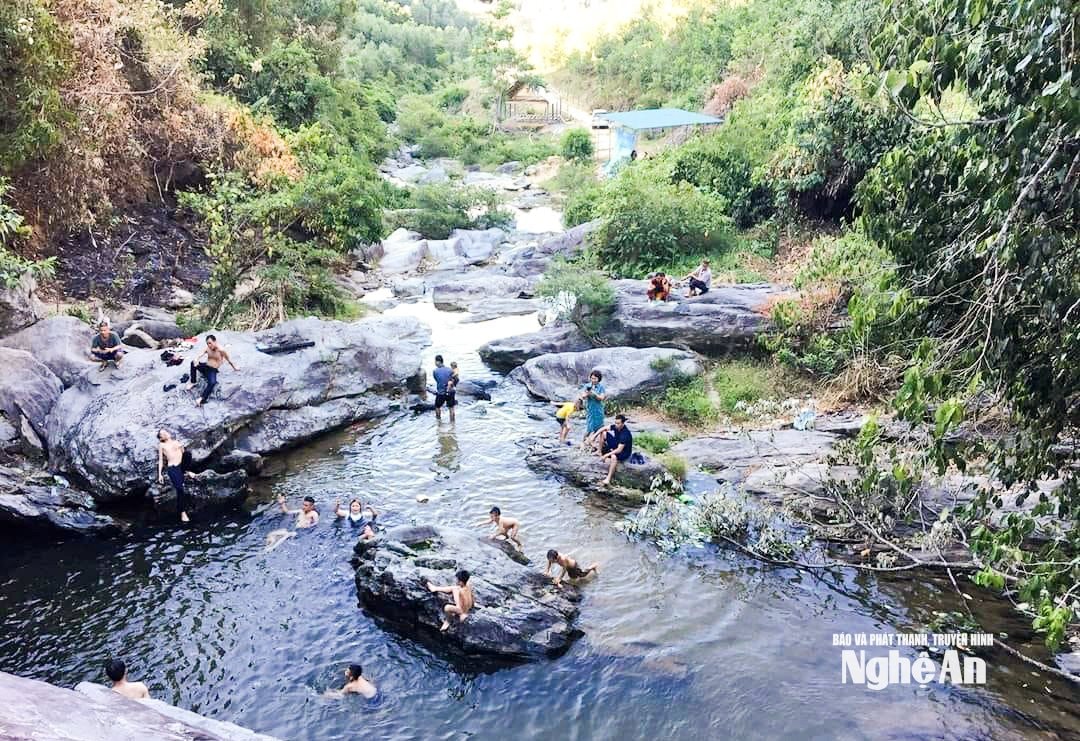
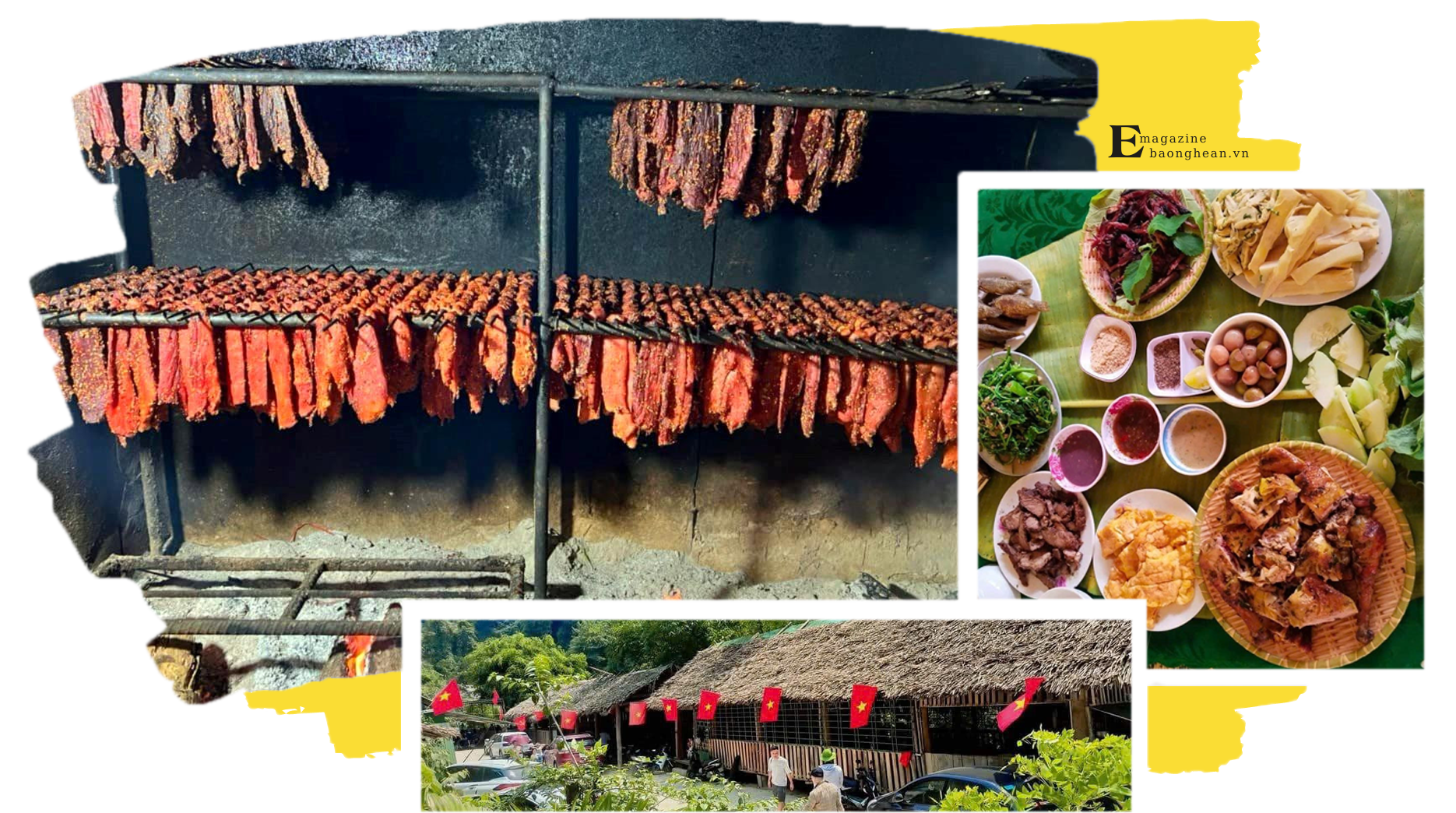
Every spring, Liếp Waterfall in Sơn Lâm commune loses its usual tranquility. The crowds flocking to the waterfall for spring excursions grow larger, filling the path with laughter and chatter. During this season, visitors can admire the changing leaves in the forest, see the new shoots sprouting on the mountainside, breathe in the scent of damp earth, and welcome a new season amidst the vast wilderness. But Liếp Waterfall captivates visitors in spring not only with its scenery. What makes many choose to stay longer are the New Year's meals, imbued with the flavors of the Thái people. By the glowing fire, smoked beef and pork, smoked sausages, sticky rice cooked in bamboo tubes, and various meatballs are laid out simply yet warmly. In the midst of the mountain forest, the first meal of the year becomes a complete experience, allowing people not just to "celebrate Tet," but to truly live in the Tet atmosphere of the village, to sit by the fire listening to stories of the mountains and forests, and to feel the slow pace of life in the highlands.
The woman who keeps the hearth burning year-round is Lo Thi Theu, a quiet Thai woman preserving the traditional cuisine, the scent of the kitchen smoke, and the memories of her village over the years. From dishes she made for family and friends, Theu gradually perfected the preparation and preservation methods, so that dishes like dried beef, dried pork, sausages, bamboo rice, fish stew, and moss-covered meats are no longer just for meals at the waterfall. When tourists leave, many ask her to make more dishes to take home as gifts, so that the scent of the mountain smoke can accompany them back to the city.
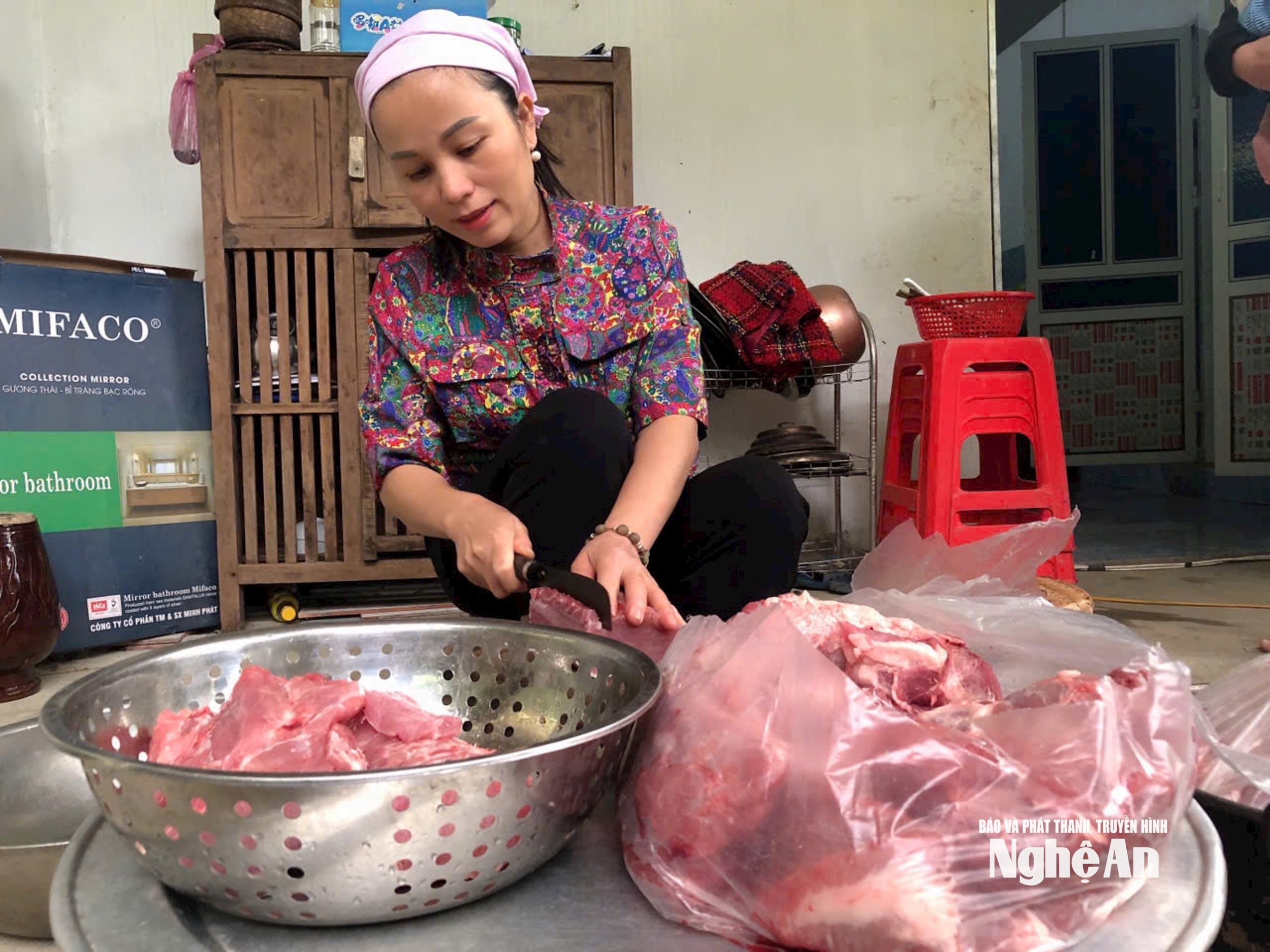
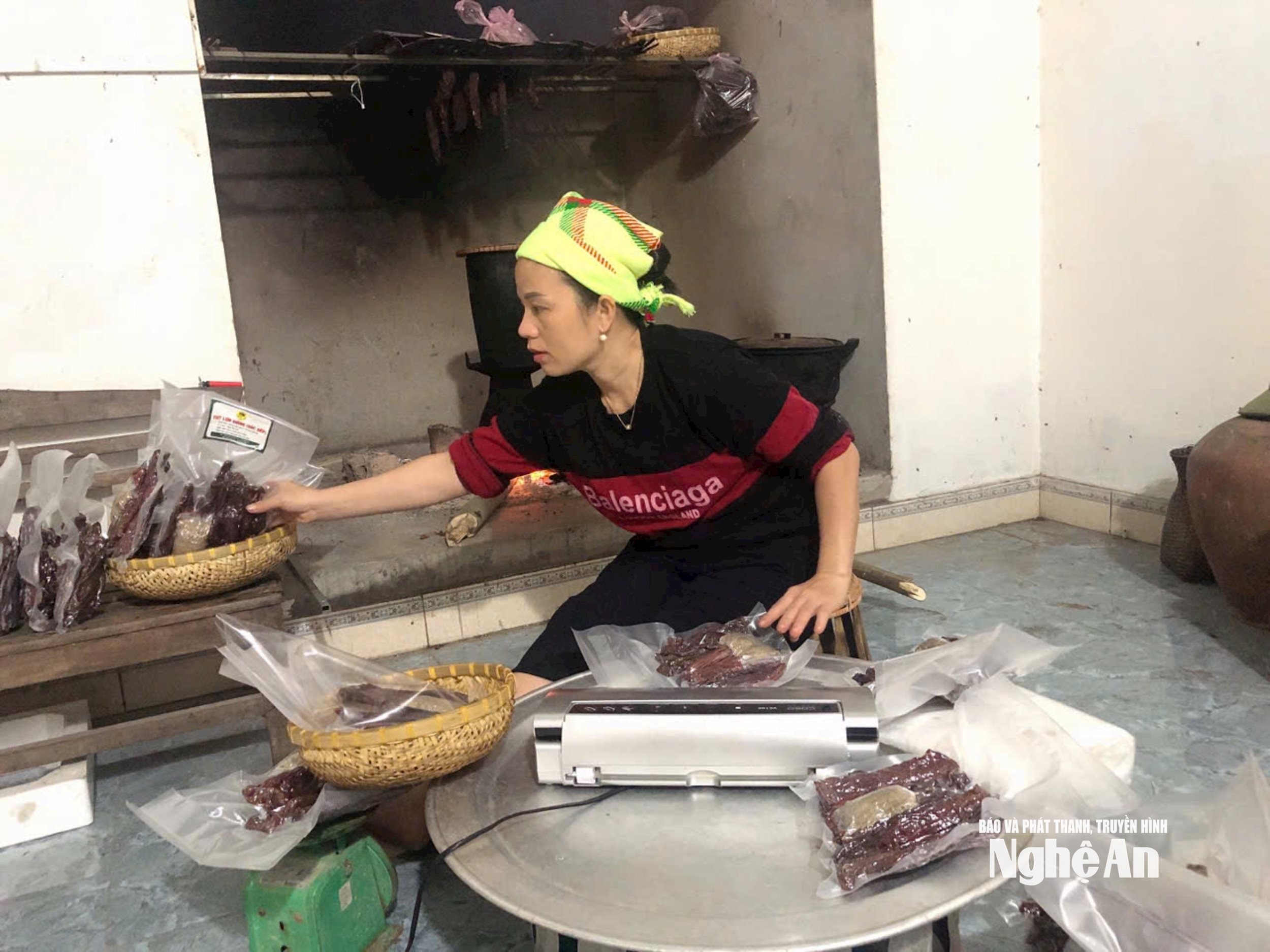
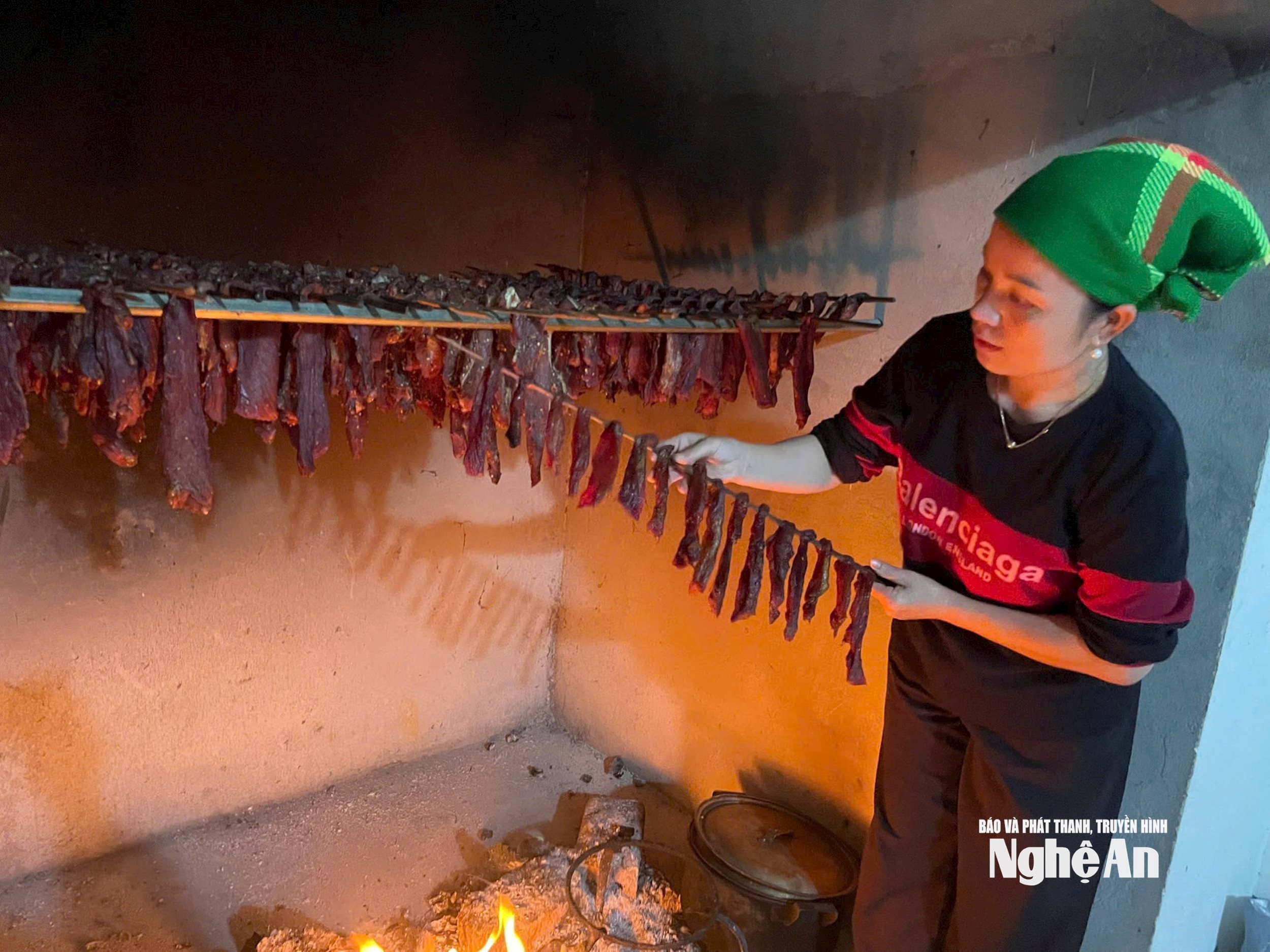
Realizing that cuisine not only retains tourists but also creates livelihoods, Thêu's family moved permanently to the waterfall, expanding their space to welcome guests. The communal kitchen not only serves tourism but also creates jobs for many Thai households in the resettlement area. In 2024, the Liếp Waterfall Tourism Cooperative was established with 19 members, marking a shift from spontaneous meals to a systematic community-based ecotourism development. Prior to that, in 2023, Lô Thị Thêu was commended by the District People's Committee for her achievements in preserving traditional culinary culture and promoting local tourism during the 2023-2025 period. This recognition served as a renewed inspiration. From the communal kitchen at the foot of Liếp Waterfall, Thai specialties not only captivate tourists but also travel with them, becoming traditional Tet (Lunar New Year) gifts imbued with the flavors of the mountains and forests. So when Tet (Lunar New Year) arrives, dried beef, dried pork, and sausages are carefully packaged and brought along by tourists as Tet gifts. Amidst the bustling streets, people can still recognize the familiar smoky scent, the scent that has helped awaken Liếp Waterfall and opened up a sustainable livelihood for the Thai people here.
.png)
As evening falls, in the small workshop in Thuan Trung commune, the lingering smoke from the stoves mingles with the fragrant aroma of crispy fried eel. Workers are busy preparing and packaging; golden-brown bags of eel are vacuum-sealed and neatly arranged according to Tet orders sent to the South, the North, and even in suitcases of Vietnamese people living abroad, all the way to the West. Amidst this hustle and bustle, Nguyen Cong Thang, a 25-year-old, stands by the stove, tending the fire and stirring the eels, ensuring each batch retains the authentic taste of home. Inspired by memories of Tet feasts, Thang chose his own path to "knock on the door" of the Tet market: reinventing the familiar field eel, bringing this local specialty out of his family's small kitchen and making it a convenient gift that suits the tastes of many regions. For Thang, eel is more than just a dish. It's the smell of childhood, of evenings when his parents sat by the stove, diligently preparing each eel to deliver to restaurants. For over 20 years, his family has been involved in the eel farming business in a simple way: manual, small-scale work, enough to support their children's education and maintain their livelihood, but they never thought about expanding their eel farming business to a wider market.
Leaving his hometown to study and then working in the technology sector, Thang gradually realized a paradox: Nghe An's eel is a famous specialty, but it mostly remains within the local area. Those who want to enjoy the authentic taste have to travel there; those far from home have to rely on frozen delivery; while the wider market is almost completely neglected. The idea of turning freshwater eel into a convenient product that could appear on the Tet holiday dinner tables of many families arose from these concerns.
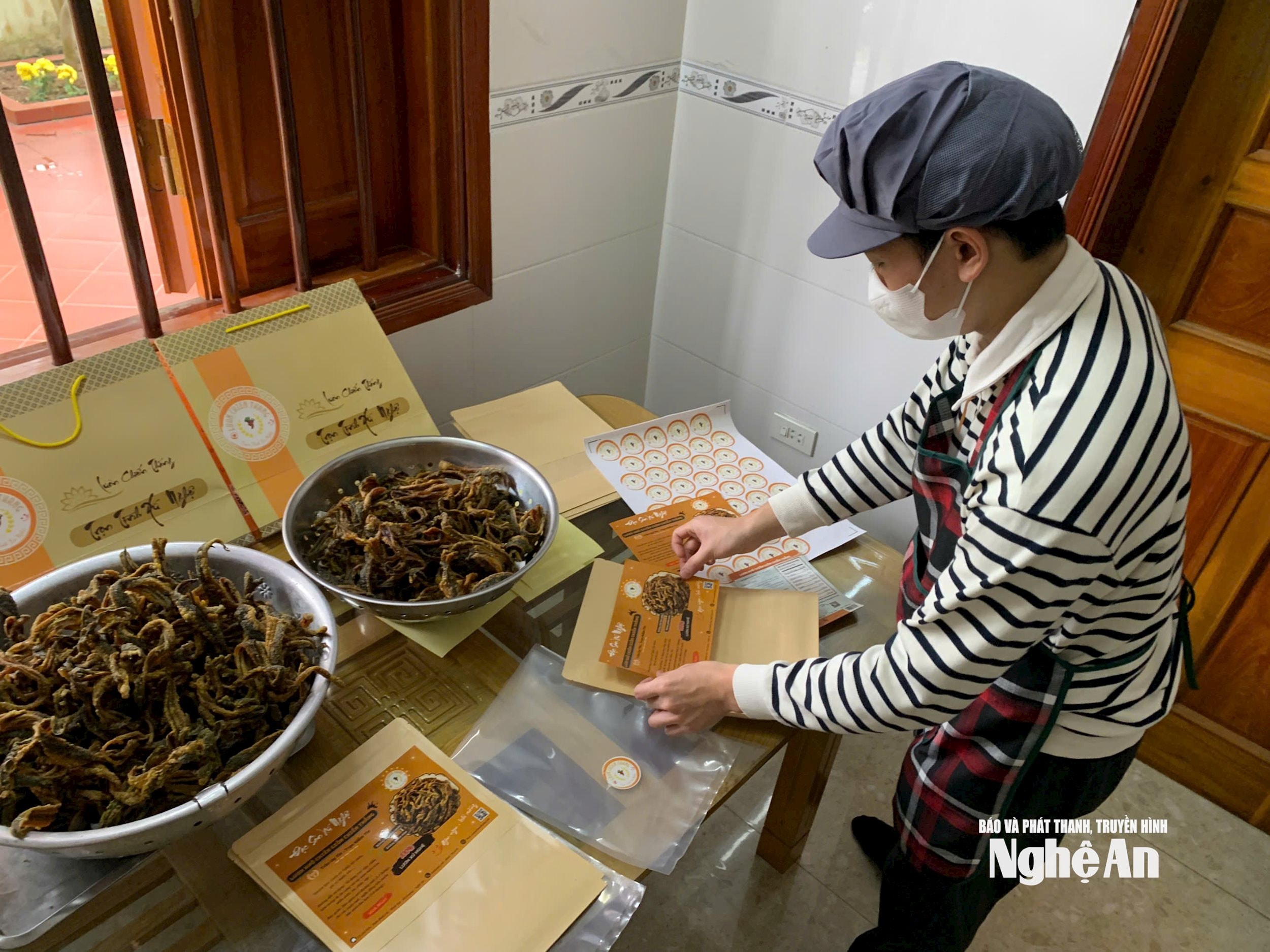
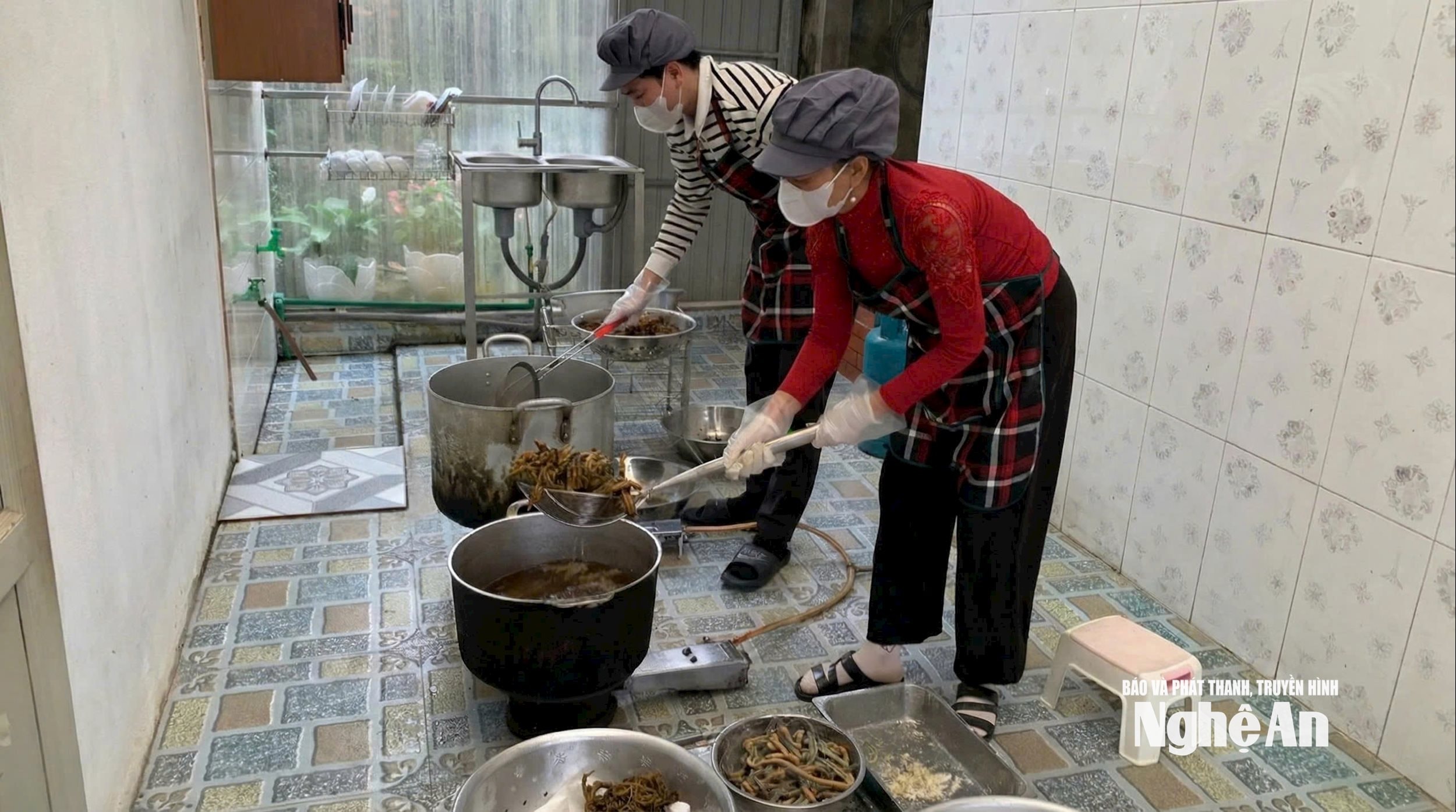
In 2022, during the Covid-19 pandemic, while studying online in his hometown, Thang and his parents began researching and "reinventing" eel dishes by creating crispy fried dried eel, catering to the tastes of consumers in Hanoi and the northern provinces, where fresh eel is less familiar due to its fishy smell. However, this path was not easy. "The biggest challenge wasn't the technology, but how to preserve the 'soul' of Nghe An's freshwater eel, preventing the dish from becoming industrialized," Thang shared. Therefore, from selecting only fresh, firm freshwater eels; to meticulously peeling and deboning the meat by hand to maintain its structure; and then marinating it with authentic local spices, everything was done with care. Technology only played a role in packaging and vacuum sealing for long-distance shipping, but it couldn't replace the skill and finesse of the artisans.
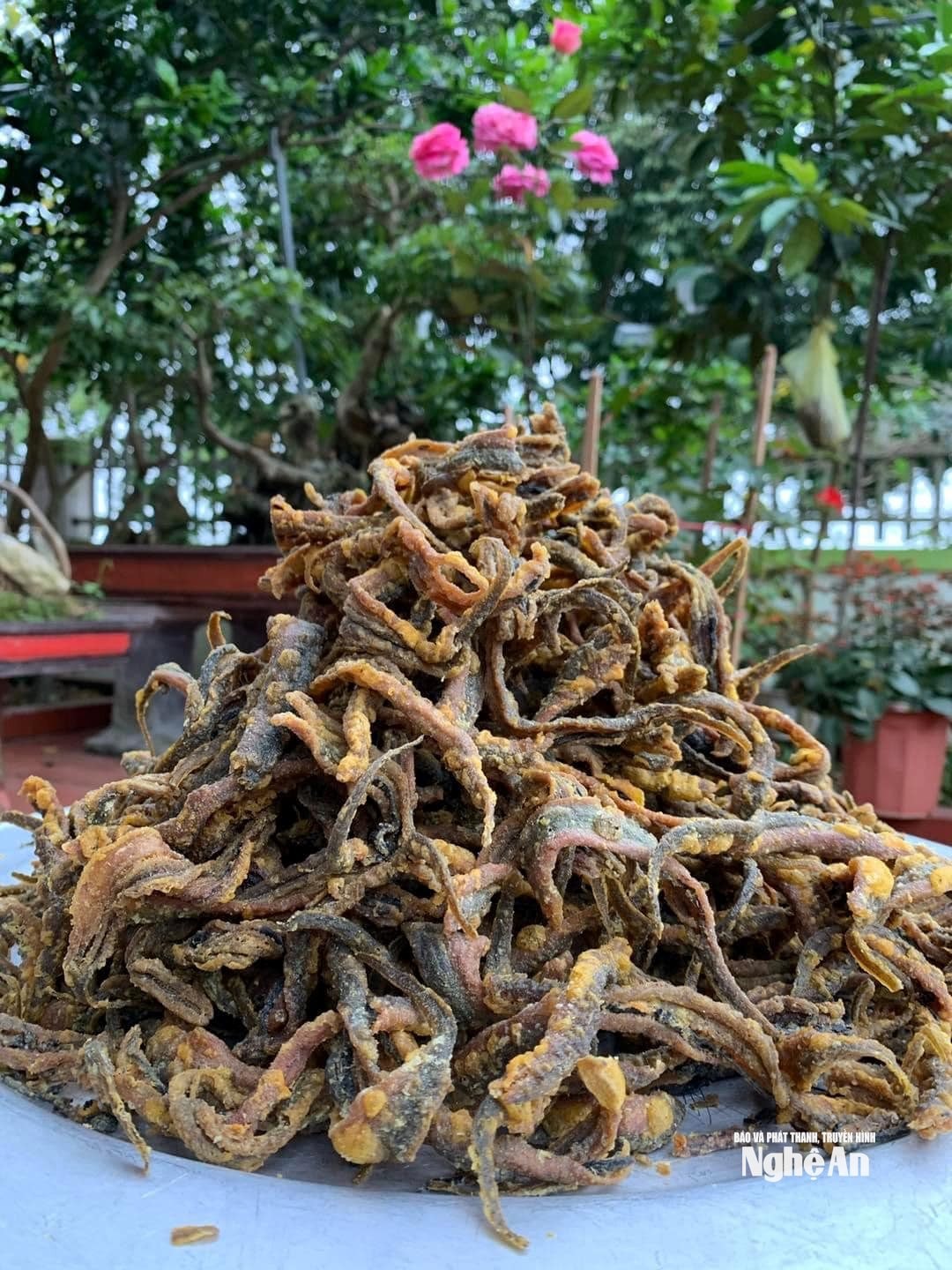
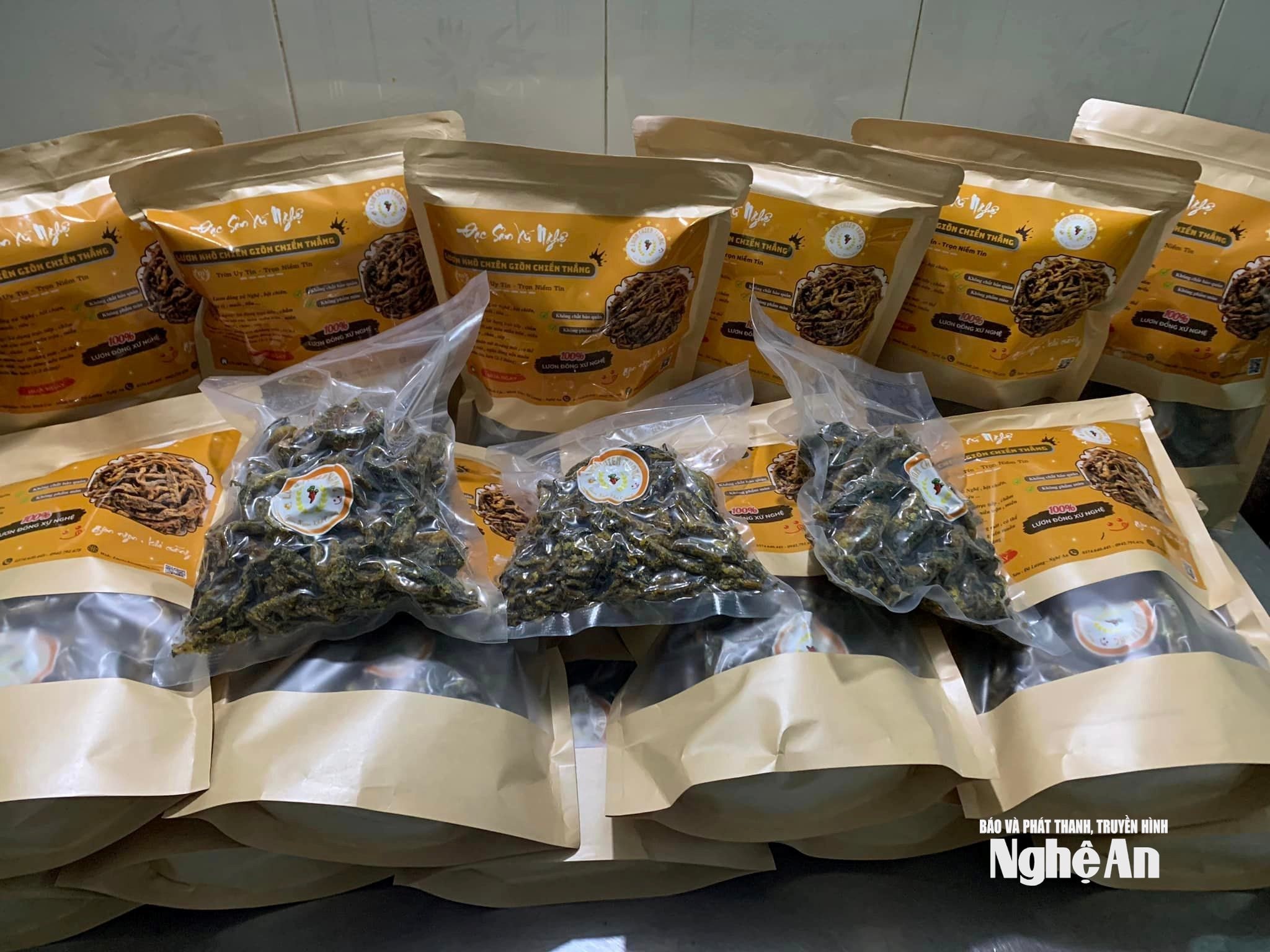
From the family kitchen, packages of crispy fried eel were born, positioned as a convenient meal, a change of pace for Tet (Lunar New Year), and a gift bearing the distinctive mark of Nghe An province. Each Tet season, Thang's facility supplies the market with approximately 440 kg of dried eel, equivalent to nearly 1.8 tons of processed fresh eel. This model not only opens up a market for the local eel but also creates seasonal jobs for local workers, helping to continue the traditional craft in a new way. But for Thang, what makes him happiest isn't the numbers. It's the short messages from customers far away: "Thanks to this package of eel, I feel less homesick during Tet." At that moment, Thang understands that he's not just selling a dish, but sending the taste of home, the memories of the Tet feast of the people of Nghe An, especially those far from home.
.jpg)
In the fragrant, smoke-scented dried meat packages and the golden-brown eel bags of Tet, there's not just food, but also memories, livelihoods, and faith in local values. And when hometown specialties become Tet gifts, it's also when spring finds its way back through the hearth, through the smoke from the kitchen, and through the way people cherish things that cannot be industrialized.


