
.png)

In Yen Dinh Hamlet, Nghi Thuy Ward (Cua Lo Town), residents are familiar with the image of Phung Ba Huynh (born in 1963), the "trumpet bearer," silently and diligently working on volunteer tasks for the community, especially environmental sanitation.
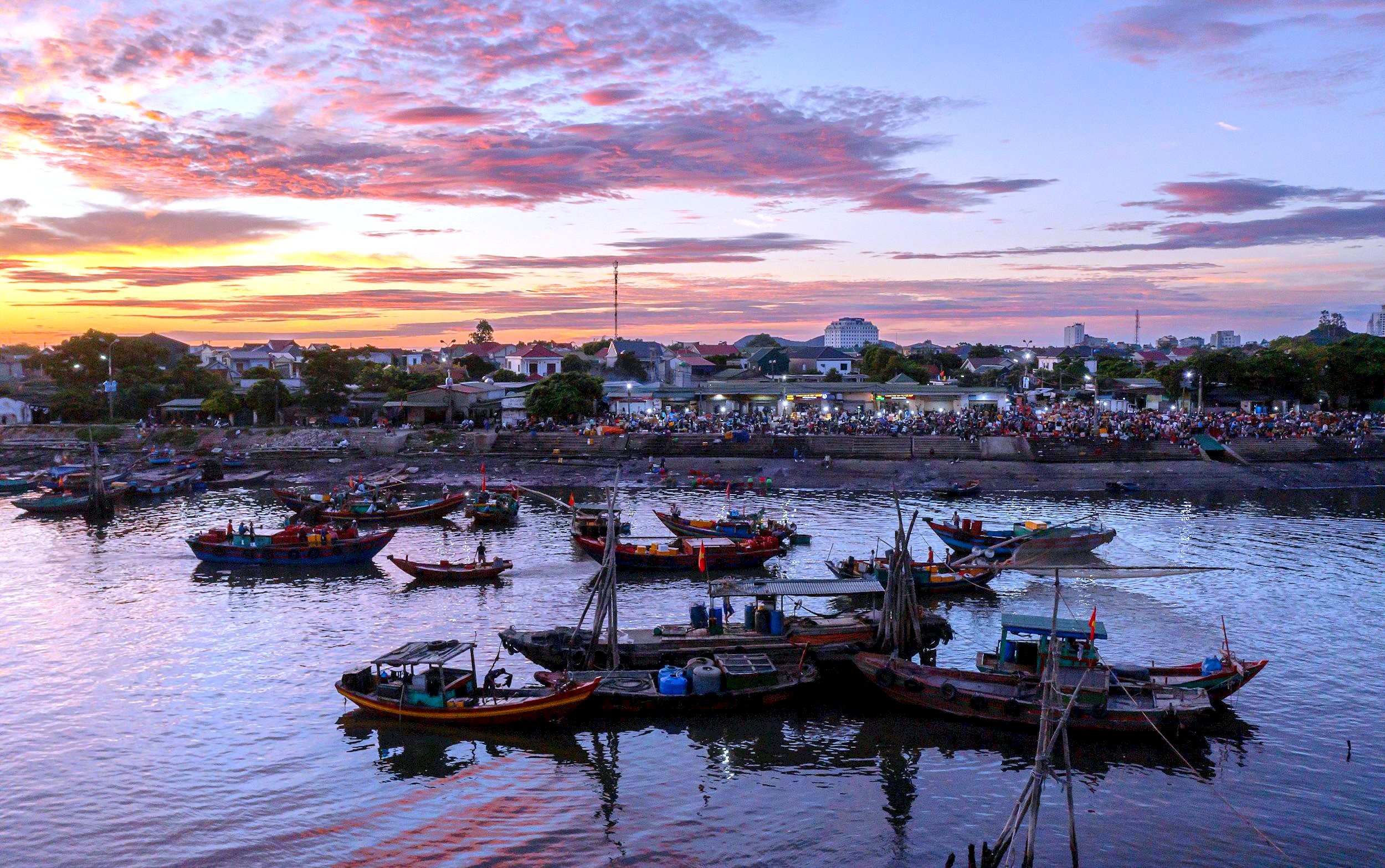
Living right near the Nghi Thuy market and fish market, whenever he has free time, early in the morning or late in the afternoon, he diligently collects and picks up trash, maintaining a clean and beautiful environment. Especially when the water level is high and trash floats in from other places, the "traffic bearer" of Yen Dinh ward often rows his boat along the river to collect trash and bring it ashore.
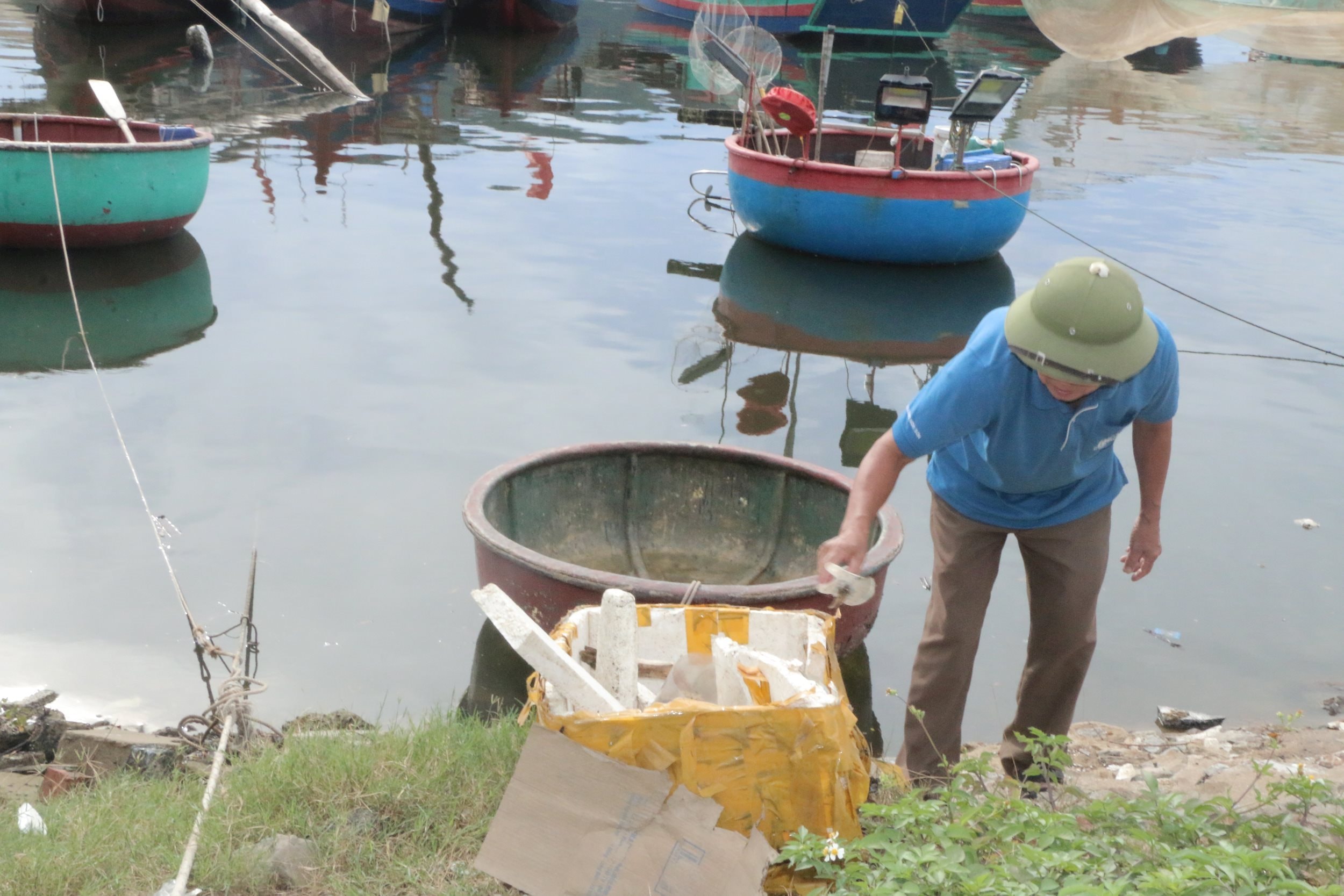
The beautiful images and kind deeds of Mr. Nghi Thuy have been recorded by officials and residents and repeatedly posted on the Nghi Thuy Fishing Village and Nghi Thuy Propaganda pages, creating a ripple effect in the community and attracting many comments expressing admiration such as "an official who walks the talk," "a true exemplary official, a son of Nghi Thuy fishing village, truly wonderful..."
Born and raised in the coastal area downstream of the Cam River, Phung Ba Huynh, the head of Yen Dinh neighborhood, has a sturdy build, a tan complexion, and a hearty voice. Speaking about his work, he humbly shared, "These are just ordinary, small actions with the desire to contribute to cleaner and more beautiful streets and residential areas."
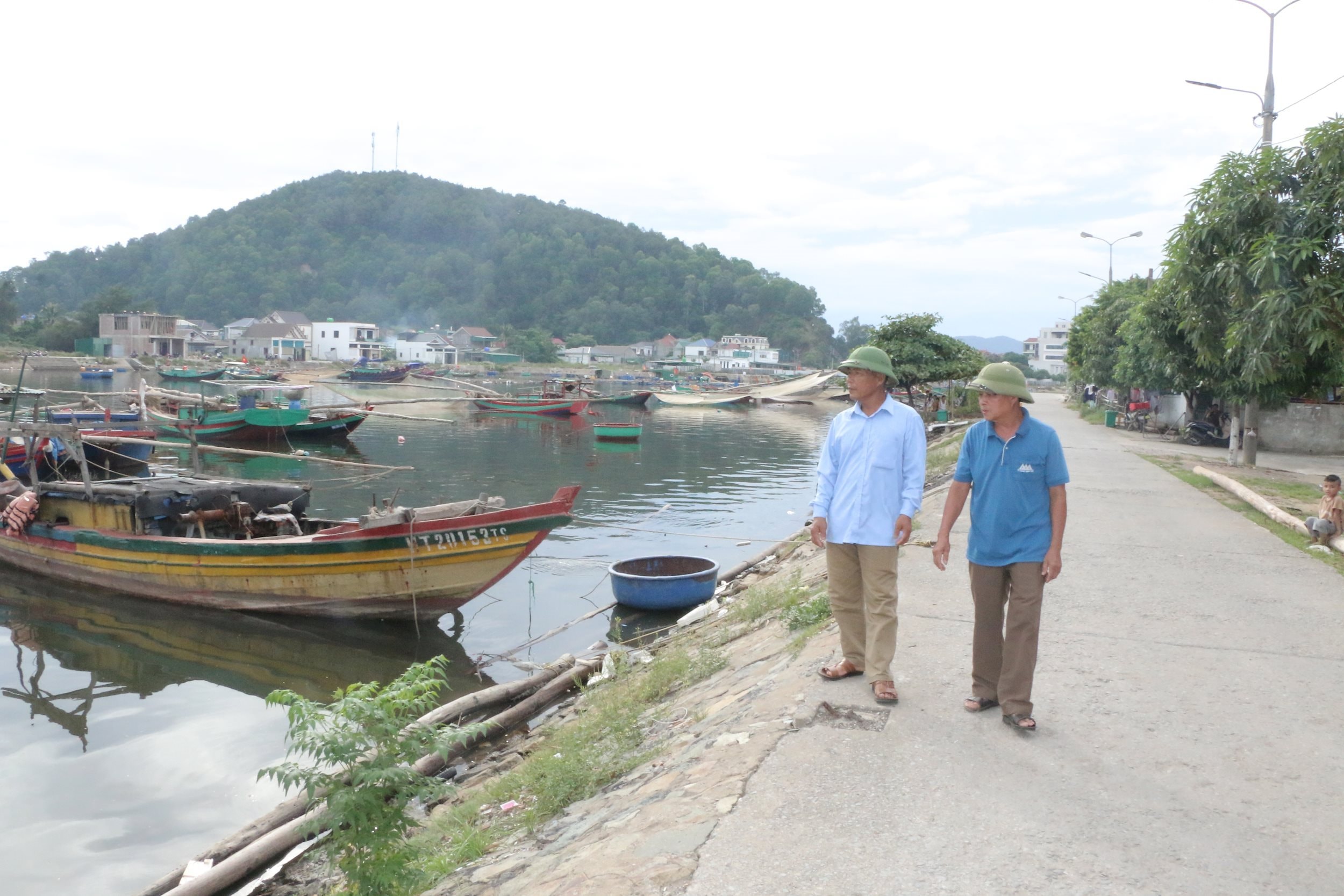
Previously, the Nghi Thuy market and fish market area was a dumping ground for garbage, especially after trading activities. Since 2017, when he was still the head of the Yen Dinh Farmers' Association, Mr. Huynh has been concerned about environmental sanitation.
He voluntarily took on the additional role of security officer for the block to coordinate with the committee and other forces in raising awareness, reminding people, and penalizing those who litter indiscriminately. As a result, people's awareness has been increasingly raised.
Upon being elected as neighborhood leader, Mr. Phung Ba Huynh became even more concerned with maintaining the common landscape. Together with the neighborhood committee and the Youth Union at all levels, he mobilized residents to clean up and renovate the polluting garbage dump into a playground and exercise area; he also solicited funding for volleyball and badminton courts; installed street lighting; and designed swings and slides for children to play on.
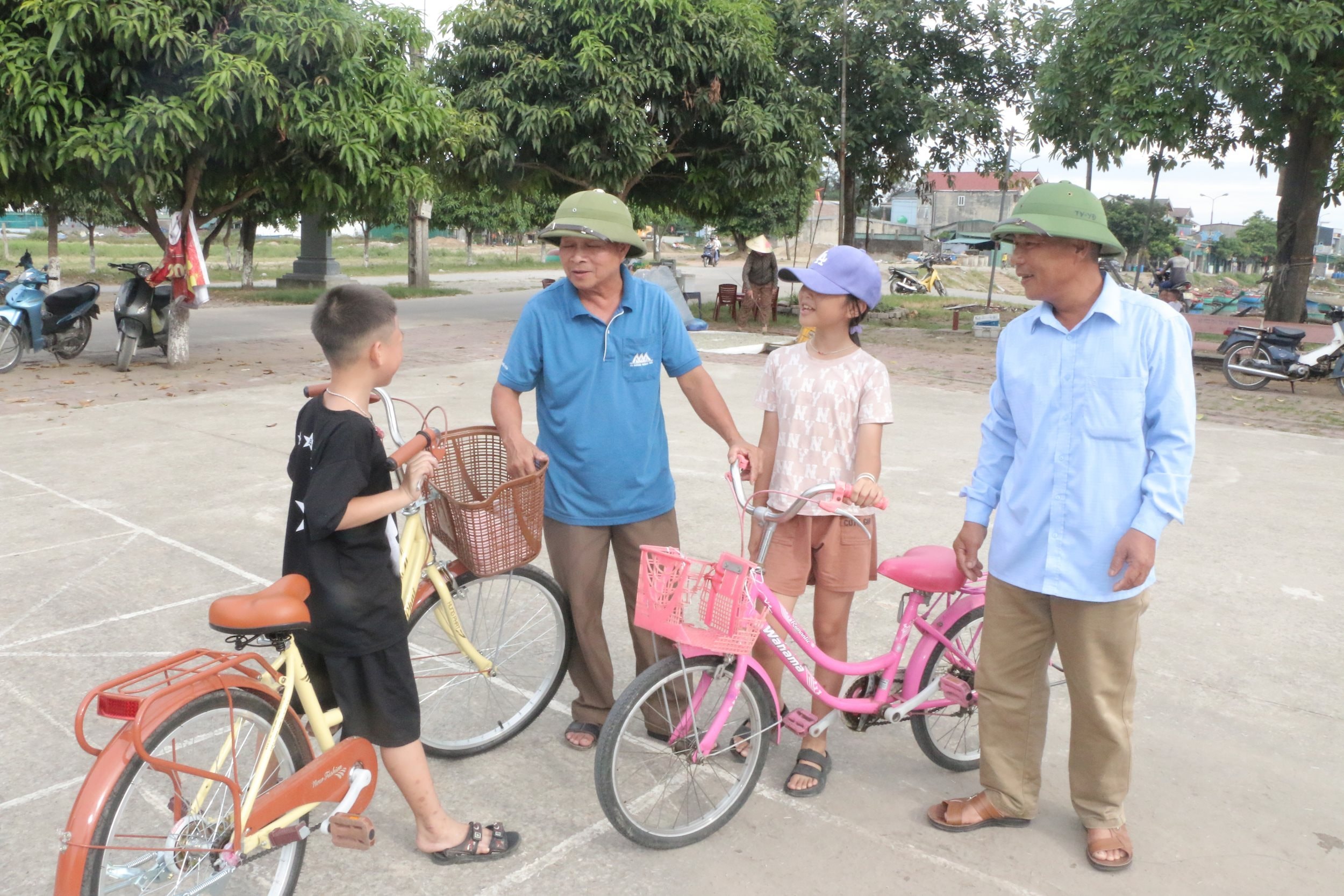
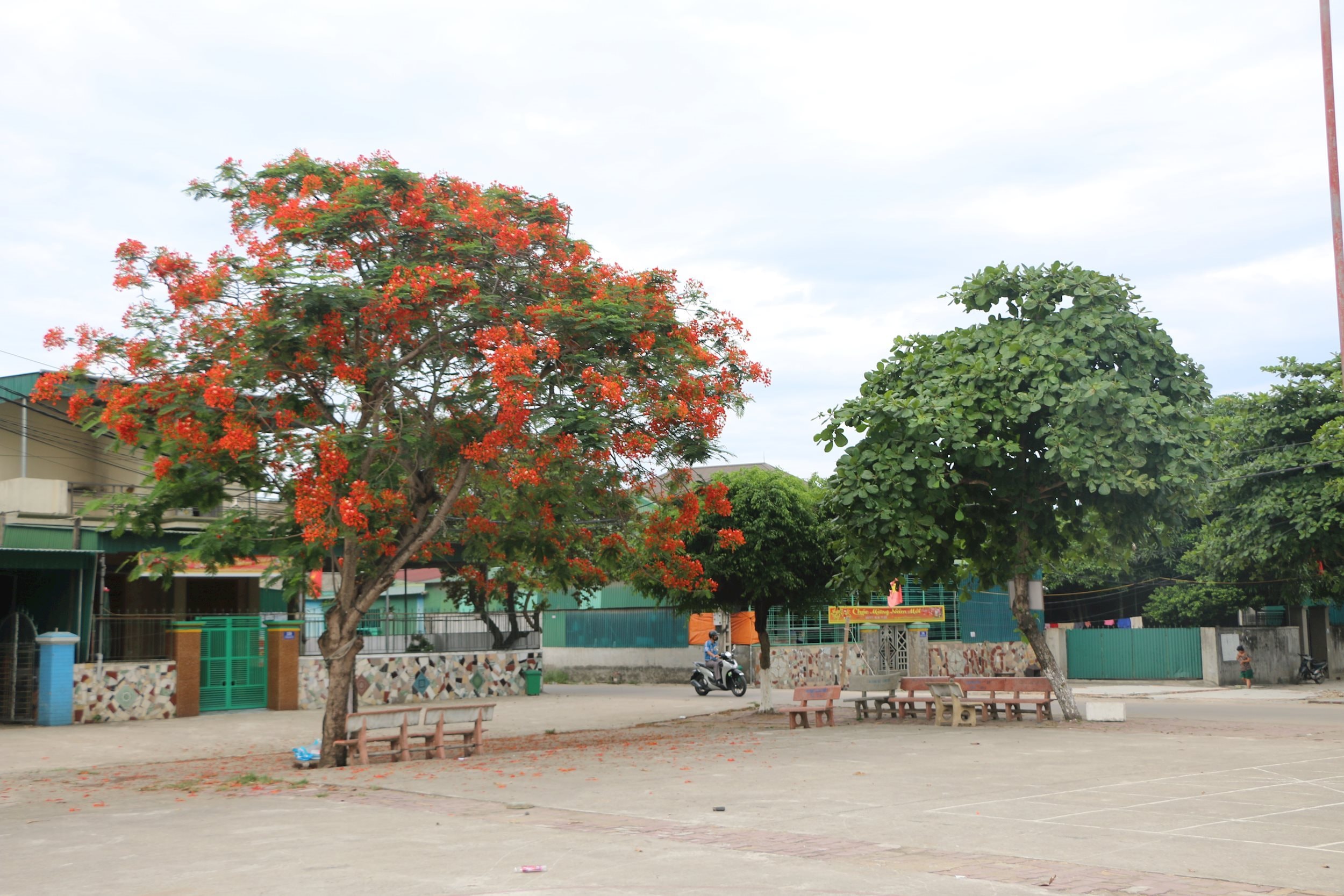
Currently, this area has become a place for physical exercise, sports, and recreation for the local people. Leading us on a tour around Yen Dinh block, Mr. Phung Ba Huynh happily shared that the row of trees (estimated at over 50) along the fishing wharf road and in the area around the block's cultural center were planted and cared for by Mr. Huynh and Mr. Phung Ba Trung, also a resident of the block, who funded the planting and maintenance themselves and called on several households to help. Now, they are thriving, providing shade and contributing to the beautification of the landscape.
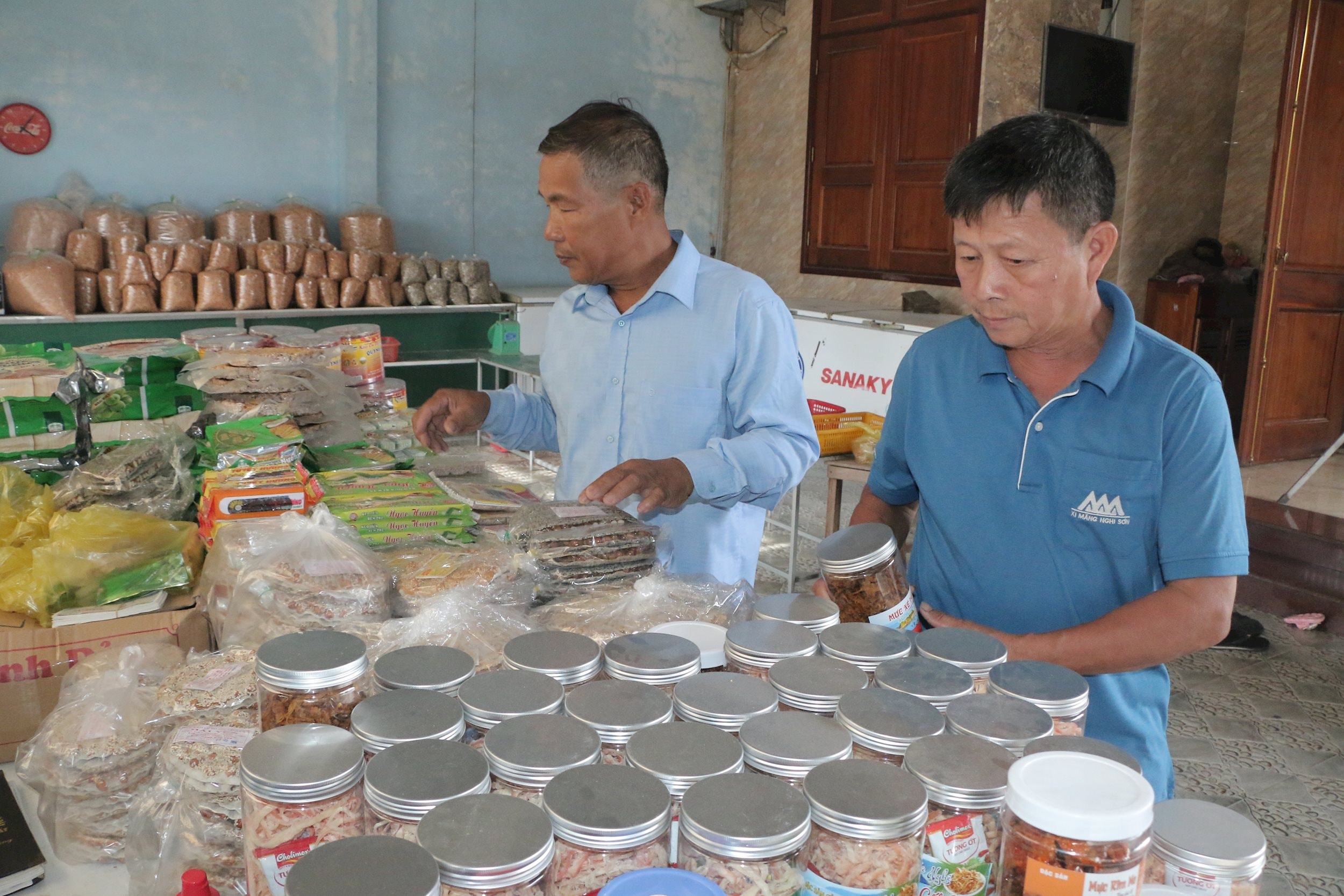
Not only is he dedicated to serving the community and the people, Mr. Phung Ba Huynh is also a prime example of a successful entrepreneur with his model of processing, trading, and selling seafood products. His family has a fish sauce making business that has been passed down through 3 or 4 generations, providing employment for 2 permanent workers and many seasonal workers with incomes ranging from 5 to 7 million VND.
The "leader" of the Yen Dinh block shared: "A stable economy also allows me to support general movement activities and stay involved in people's affairs and block work."
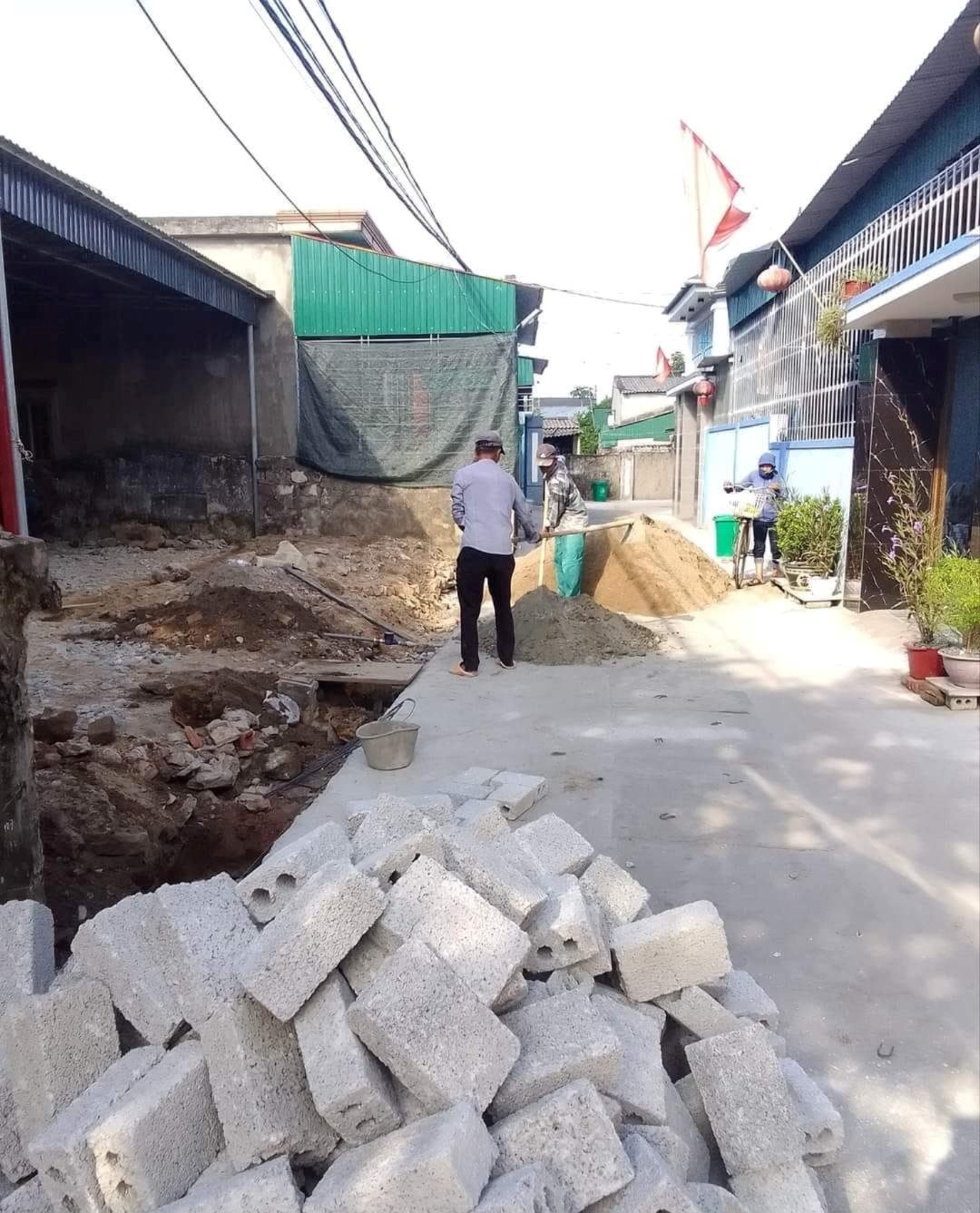
In 2024, Mr. Phung Ba Huynh and the Yen Dinh Block Steering Committee propagated and mobilized the people to implement the project of constructing a covered drainage ditch and pouring concrete on a 270m long section of road.
In addition to the money for cement, sand, and gravel from the ward's resources, residents of Yen Dinh block contributed 4 million VND per household. Block leader Phung Ba Huynh set an example by donating land, moving his block back more than 7 meters. Block leader Phung Ba Huynh set a leading example by donating land, moving it back more than 7 meters.2At the old house left behind by their grandparents, which is now being converted into a church to widen the road, many residents in Yen Dinh neighborhood have voluntarily moved their fences back to allow for a clear road and sidewalk.
For example, Mr. Phung Ba Trung's family voluntarily donated land from two houses (7 square meters donated from one house).2The land and a house are currently being used by the son and his wife, so they are donating 9 square meters.2) to widen the road.
Mr. Trung is currently a security guard at the Nghi Thuy Ward Credit Fund and has been repeatedly praised on Nghi Thuy Ward's public relations channels for his environmental actions. There have been times, as early as 4 am, when it was still dark, when residents waking up for exercise have spotted and recorded him quietly mowing grass, cleaning up trash, and picking up fallen stones in public areas.
Everyone wants to accomplish something great, but I think life is made up of small things. Working together for a green, clean, and beautiful environment is a small but meaningful act, contributing to a cleaner and more beautiful homeland and village.”
Mr. Phung Ba Trung

For people like Mr. Phung Ba Trung, maintaining environmental hygiene seems to be not only deeply ingrained in their consciousness but has become a natural reflex. Many even jokingly call him the "nemesis of trash." At first, some thought he was eccentric, but over time, many people have come to understand, admire, and support the community-oriented work of people like him.
Mr. Hoang Van Hai, Secretary of the Party Committee of Nghi Thuy Ward, shared: During his lifetime, President Ho Chi Minh paid great attention to and valued setting a good example. He said, "A living example is worth more than a hundred propaganda speeches."
Therefore, humble role models like Mr. Phung Ba Huynh and Mr. Phung Ba Trung, who "do good work and live good lives," are highly commendable and deserve to be emulated.
"If everyone consciously maintained environmental hygiene and worked together to beautify the streets like you all do, Nghi Thuy ward would soon become an attractive tourist destination, a green, clean, beautiful, and civilized urban area."
Nghi Thuy Ward is located north of Cua Lo town, covering an area of 180.75 hectares and divided into 6 residential zones; with a population of over 9,500 people, the ward has a diverse range of economic sectors: trade, tourism services, small-scale industries, seafood exploitation and processing, etc.
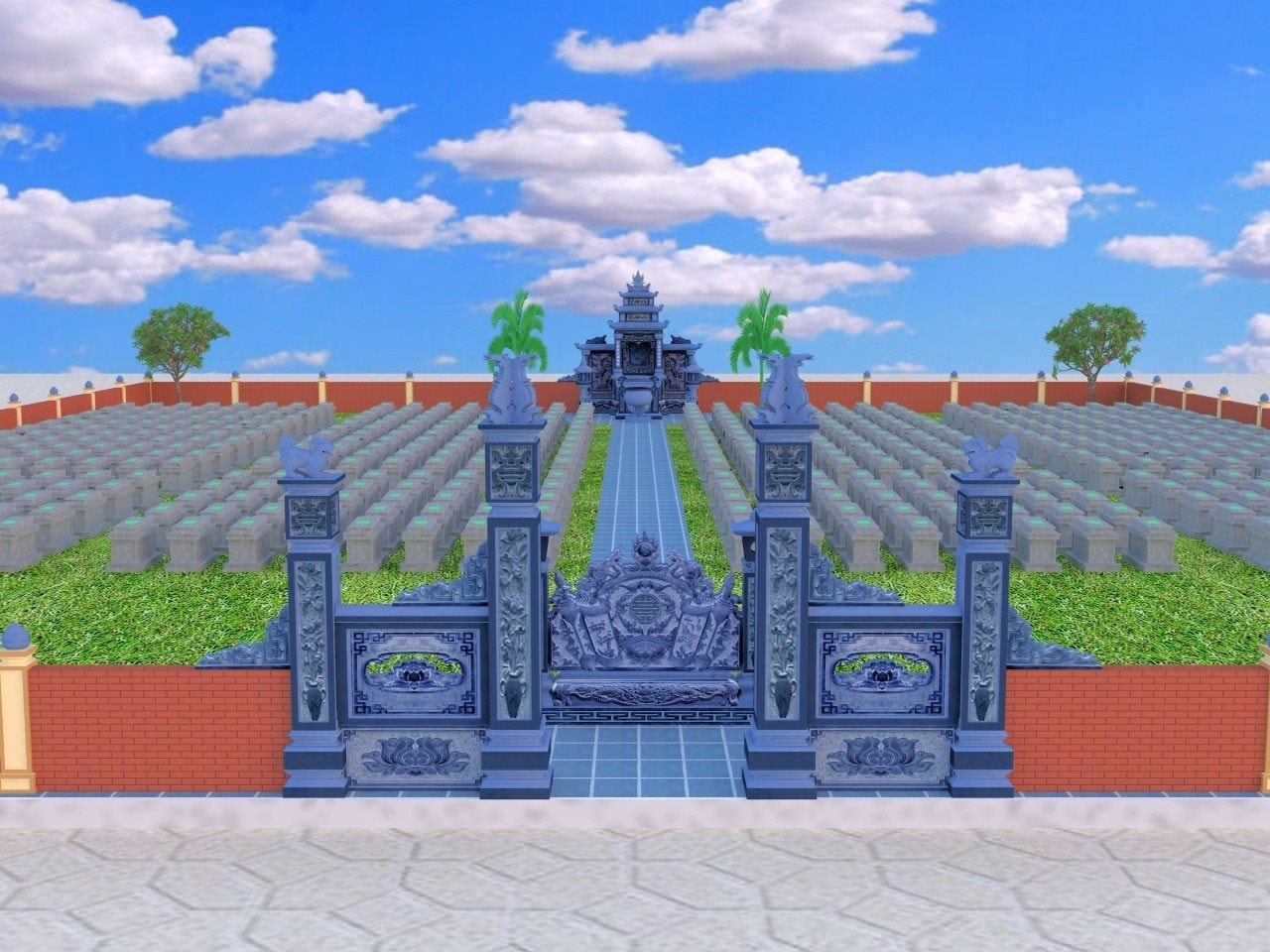
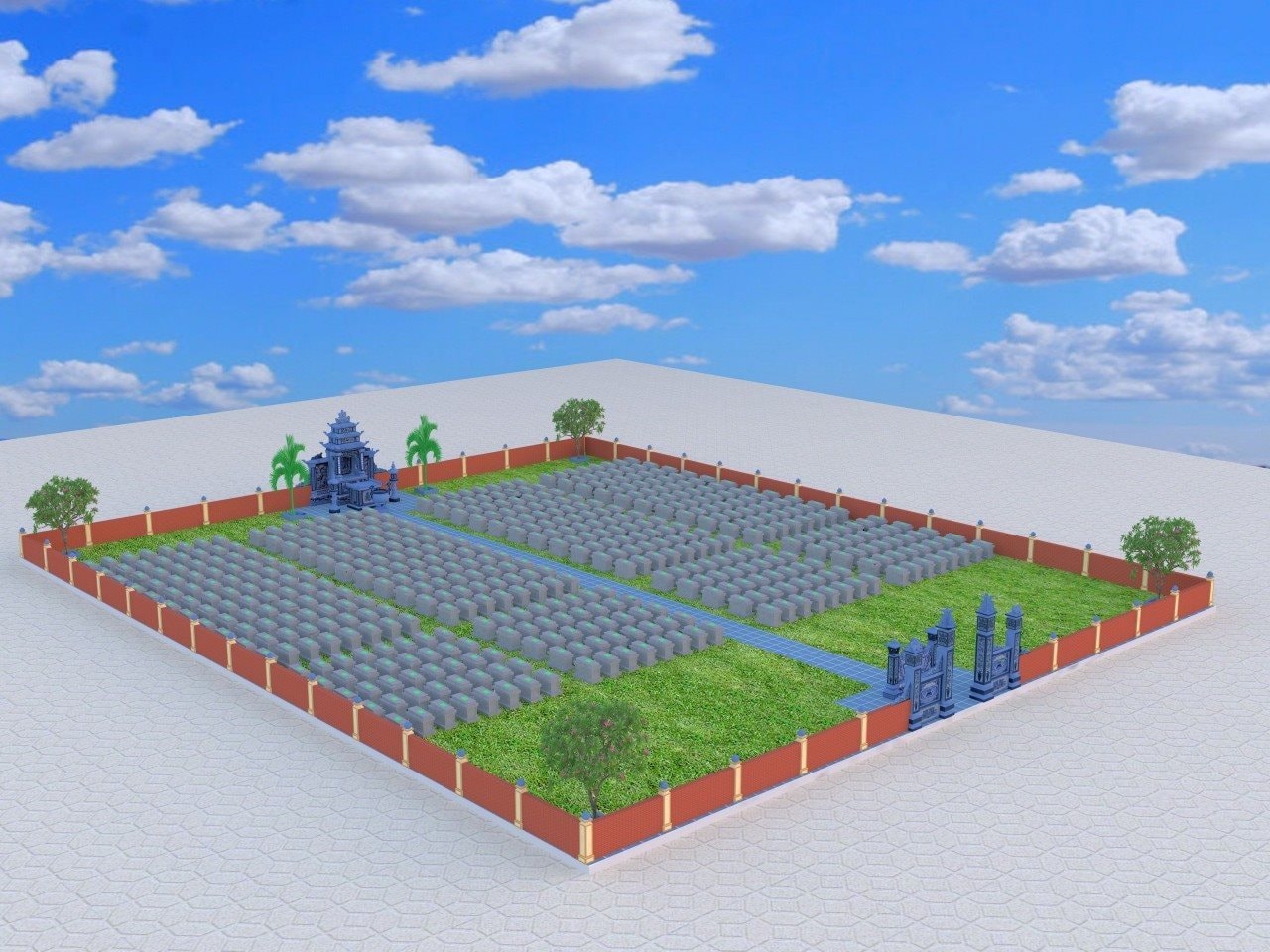
To gradually form and develop an urban area that meets the diverse needs of tourism and services, the Party Committee, government, and political system of Nghi Thuy ward pay great attention to "people mobilization" work, creating consensus between "the Party's will and the people's aspirations," but without implementing it in a scattered or general way. Instead, they focus on specific projects and tasks that are relevant to the actual conditions and bring benefits to the community.
For example, recently (June 11th), the Party Committee and the People's Committee of Nghi Thuy ward started the construction and renovation of the unclaimed graves of local residents. According to investigations, since 1999, during the construction of Cua Lo Port, Nghi Thuy Secondary School, and other infrastructure projects, the Nghi Thuy Ward People's Committee exhumed and relocated nearly 500 unclaimed graves from the ward to the Cua Lo town cemetery. To date, this area has been buried under sand and debris.
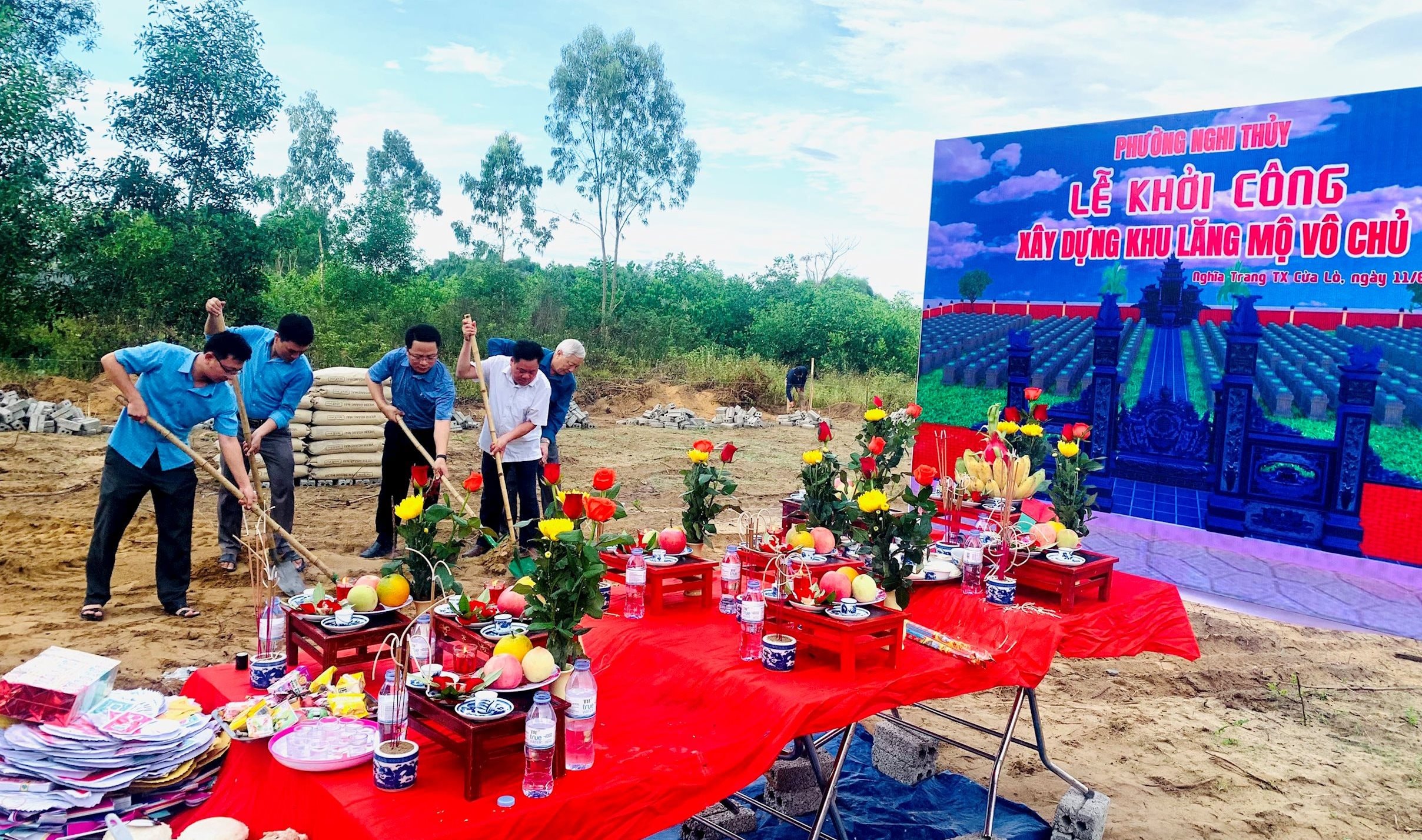
The graves had sunk, tilted, become covered in moss, and rotted away... a heartbreaking sight. Therefore, the Party Committee, the government, and the Fatherland Front Committee of the ward are calling for the collective support of all citizens and benevolent individuals to renovate the graves to make them more presentable and clean so that they can rest peacefully in the eternal realm.
Before commencing implementation, the Committee for the Restoration of Unclaimed Graves held an expanded meeting to publicly solicit opinions on the plan, design, and estimated construction costs in order to reach a consensus for implementation.
According to the ward leaders, this is "a project born from the people's hearts and strength," because immediately after the appeal from the Ward's Fatherland Front, many groups and individuals donated and supported this charitable endeavor. To date, the Campaign Committee has received 776 million VND in donations/estimated at nearly 850 million VND.
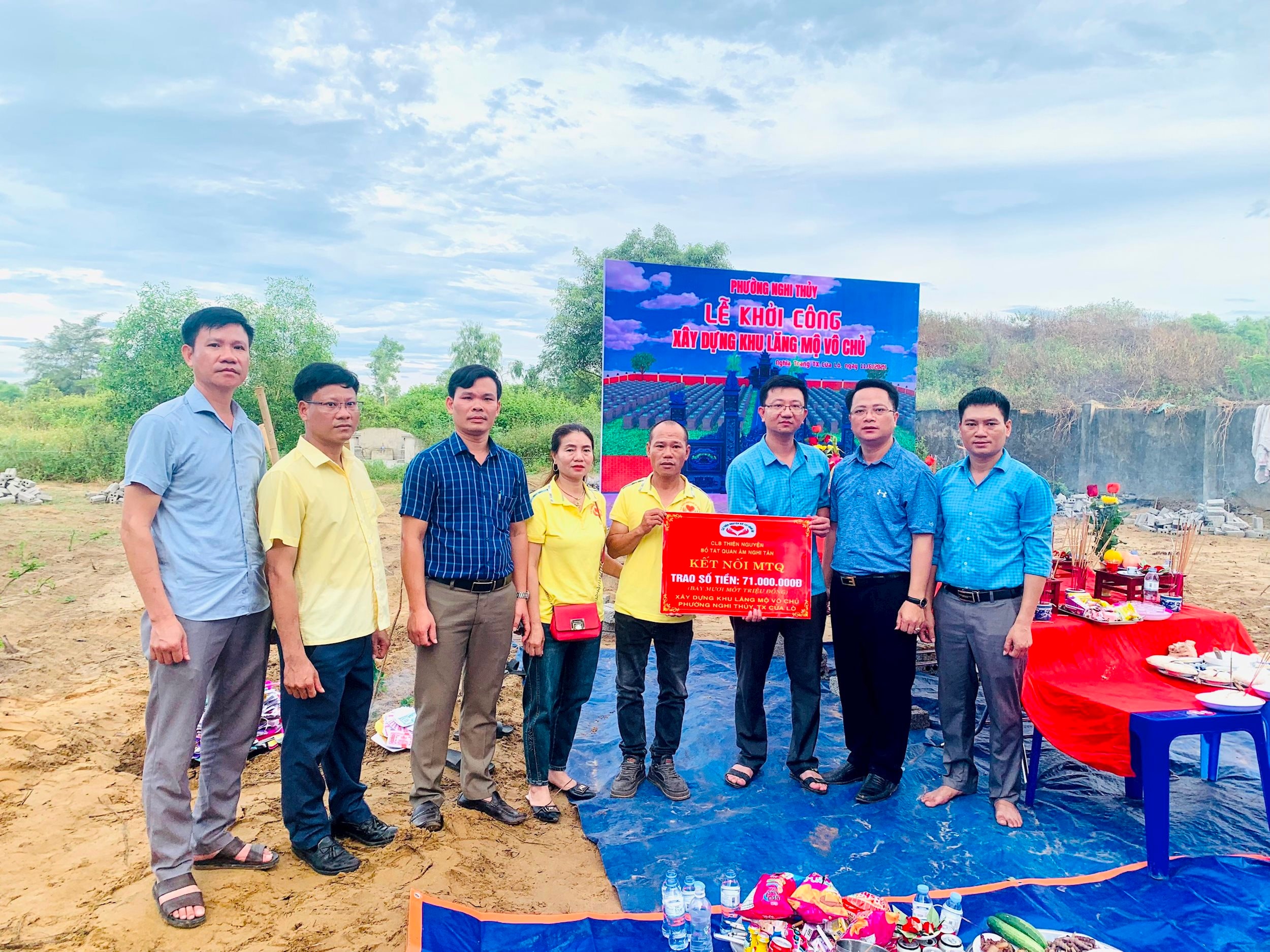
For example, the family of Mr. and Mrs. Hoang Nhat An and Trinh Thi Hien, along with their children, donated 55 million VND. Similarly, the Bodhisattva Quan Am Charity Club of Nghi Tan ward, Cua Lo town, connected with benefactors to raise 71 million VND, which was immediately handed over during the groundbreaking ceremony for the restoration of an unclaimed grave in Nghi Thuy ward.
Leveraging the advantages of the area, which includes a fishing village, an ancient village well, a market, a fishing port, and many historical relics and festivals such as the Yen Luong Temple Traditional Festival, which was recently declared a National Intangible Cultural Heritage; the Mai Bang Temple Festival…
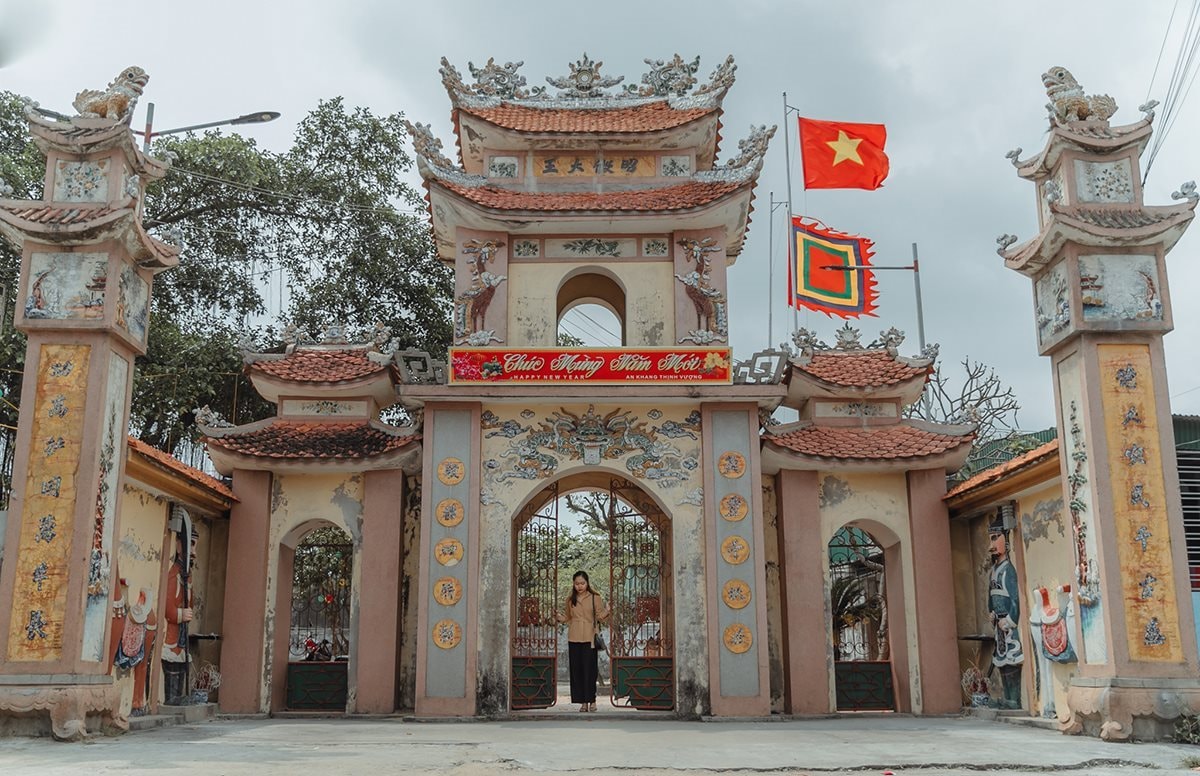
To realize the dream of transforming Nghi Thuy ward into a destination for sightseeing, experiencing, and exploring the cultural characteristics of the coastal people, officials in the Nghi Thuy ward's political system have "gone to every alley, knocked on every door, and inspected every route" to launch a campaign to seal open ditches, repair uneven roads, and build a synchronized, smooth, clean, and beautiful transportation system.
Many communities have mobilized local resources to build concrete roads, install streetlights, hang flags, and put up house number signs, creating a vibrant urban beautification emulation movement at the grassroots level.
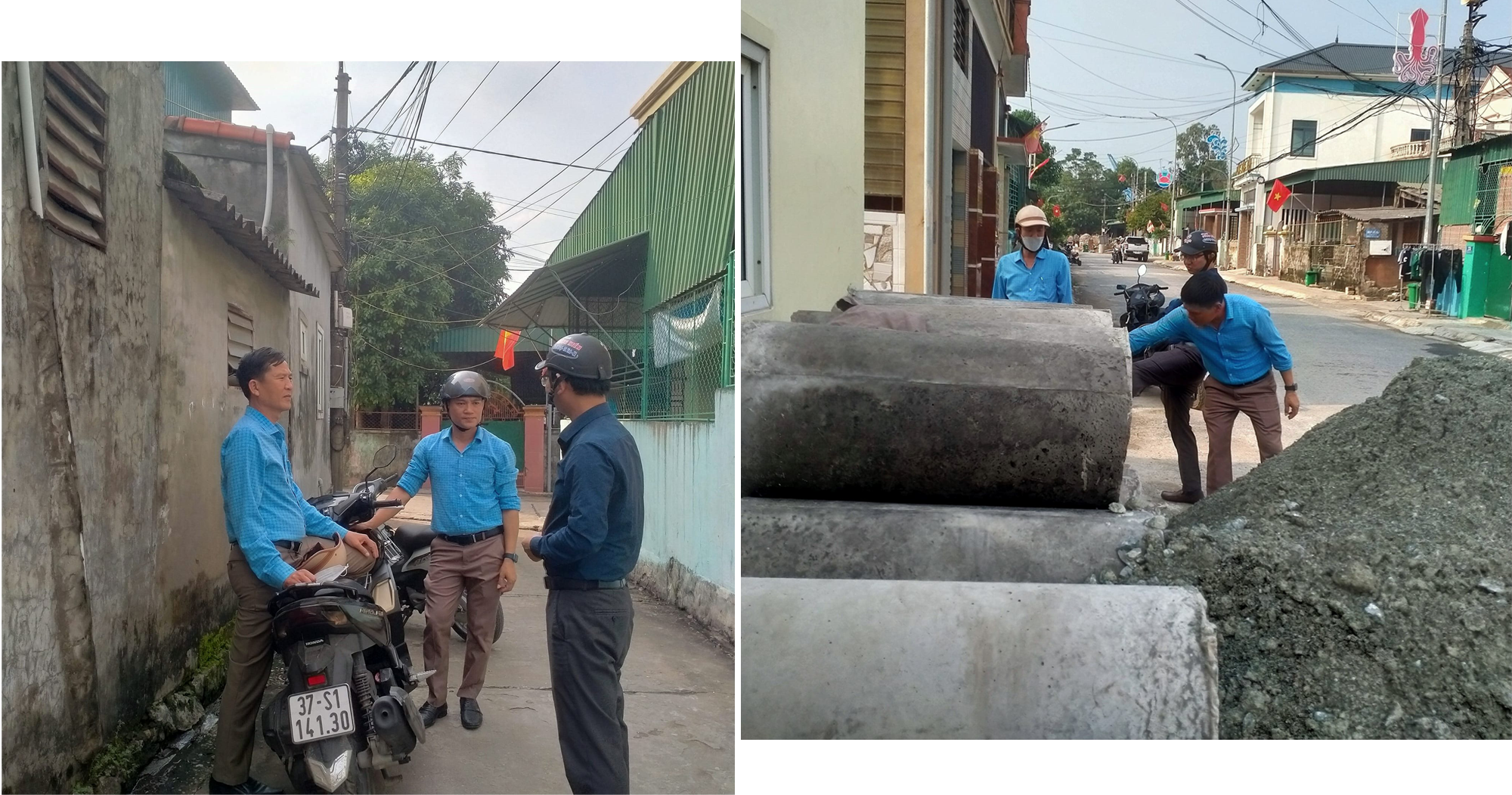
For example, the Dong Tien block mobilized the people to build and decorate a 429m long, 3.8m wide road with a total cost of 188 million VND contributed by 40 households. This block was also selected to implement a model of effective people mobilization at the town level, building a model residential cluster in alley 4A, Pham Huy street, with a length of 270m and 29 participating households.
The Binh Minh neighborhood mobilized the people to build and install 24 streetlights, flags, and 4 decorative displays along Le Thi Bach Cat street, spanning 510 meters in length and over 6 meters in width, at a cost exceeding 40 million VND. In addition, the neighborhood completed the construction of enclosed restrooms, a stage, concrete paving of the courtyard, painting and repairing the fence, and decorating the cultural center's gate, with a total cost exceeding 95 million VND…

With strong determination, the entire political system in Nghi Thuy ward has joined forces to organize the clearance of traffic safety corridors, urban beautification, and to propagate and mobilize people along Binh Minh, Pham Huy, Nguyen Xi, Cao Huy Tuan streets, etc., to install streetlights, decorative lights, standard and hygienic trash cans, trim trees, and repaint fences.
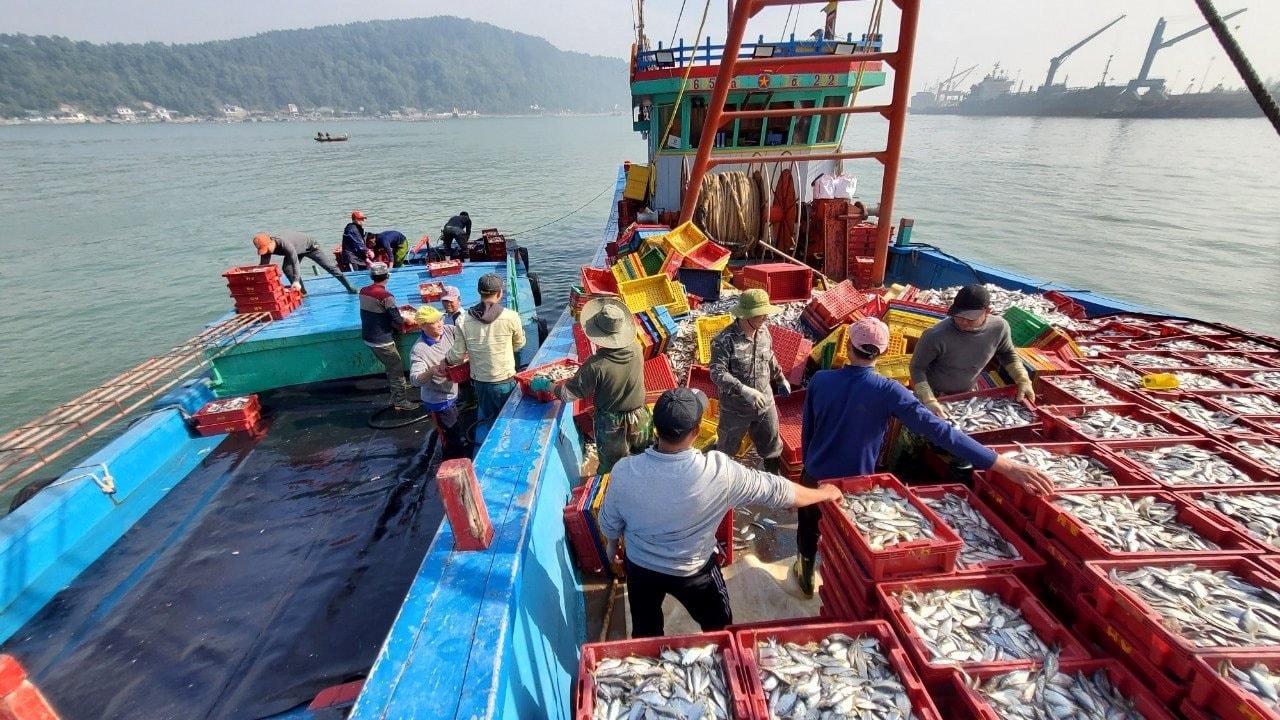
Simultaneously, a comprehensive environmental cleanup was carried out in residential areas, public spaces, and beach areas; 1,000 pots of sea daisies were planted, and rows of bauhinia flowers were planted in front of the primary school gate. Residents of the ward, as well as children of Nghi Thuy ward working domestically and abroad, were mobilized to contribute to the construction and restoration of historical and cultural relics to serve spiritual and cultural activities, and to build check-in points... creating scenic highlights with a total value of over 1.5 billion VND.
Many families have proactively repaired fences, widened gates, and donated land to make roads wider and more spacious. Many neighborhoods have proactively sealed off drainage ditches, transforming abandoned and polluted areas into sports fields and community cultural activity spaces.
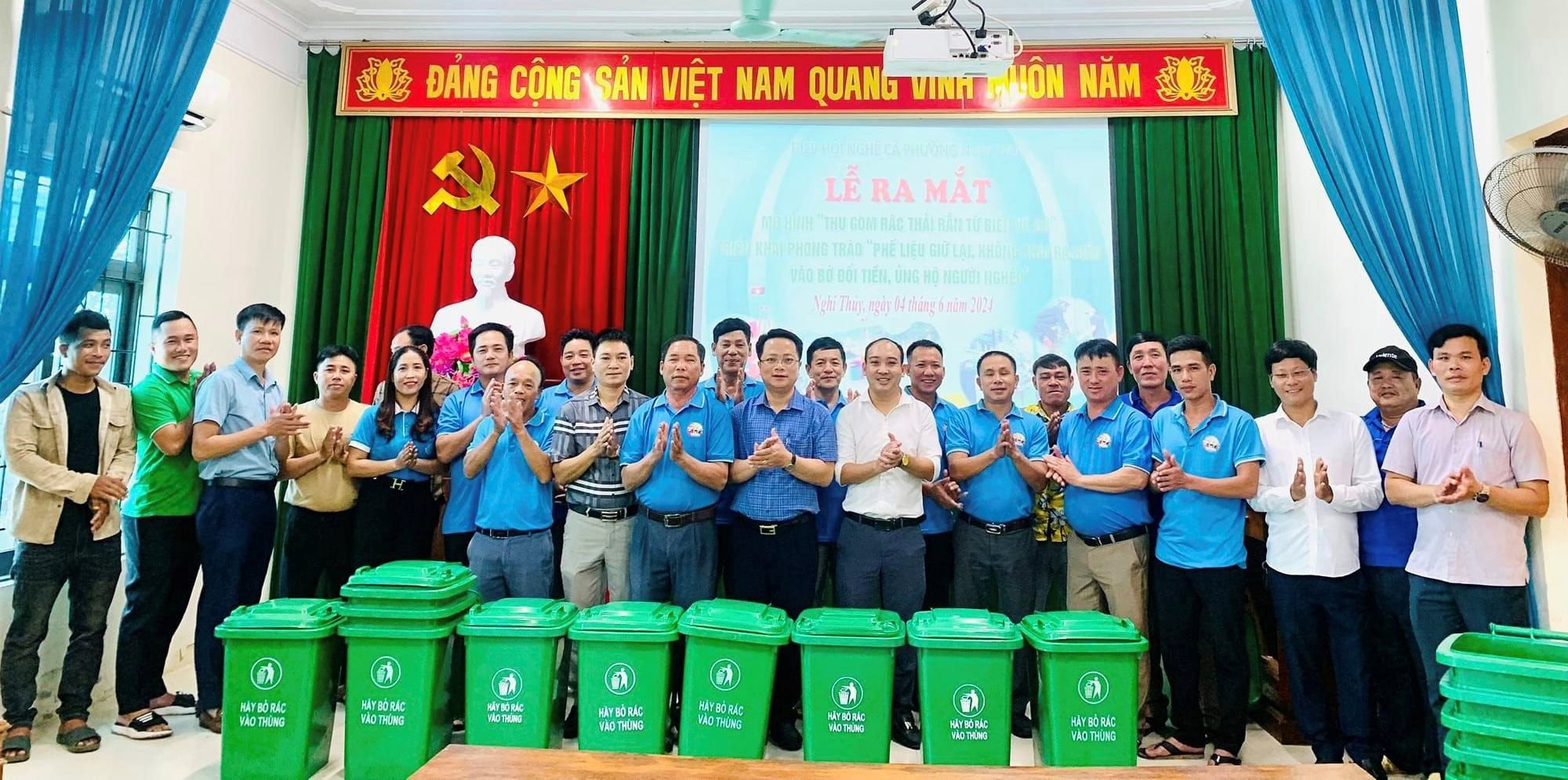
To promote exemplary roles, organizations and associations within the political system have also chosen to implement specific and practical tasks, such as the Fatherland Front with its model of mobilizing people to purchase nearly 100 covered trash cans, installing 285 house number signs and 15 security cameras on main roads; and building 6 beautiful and civilized sections of roads and alleys.
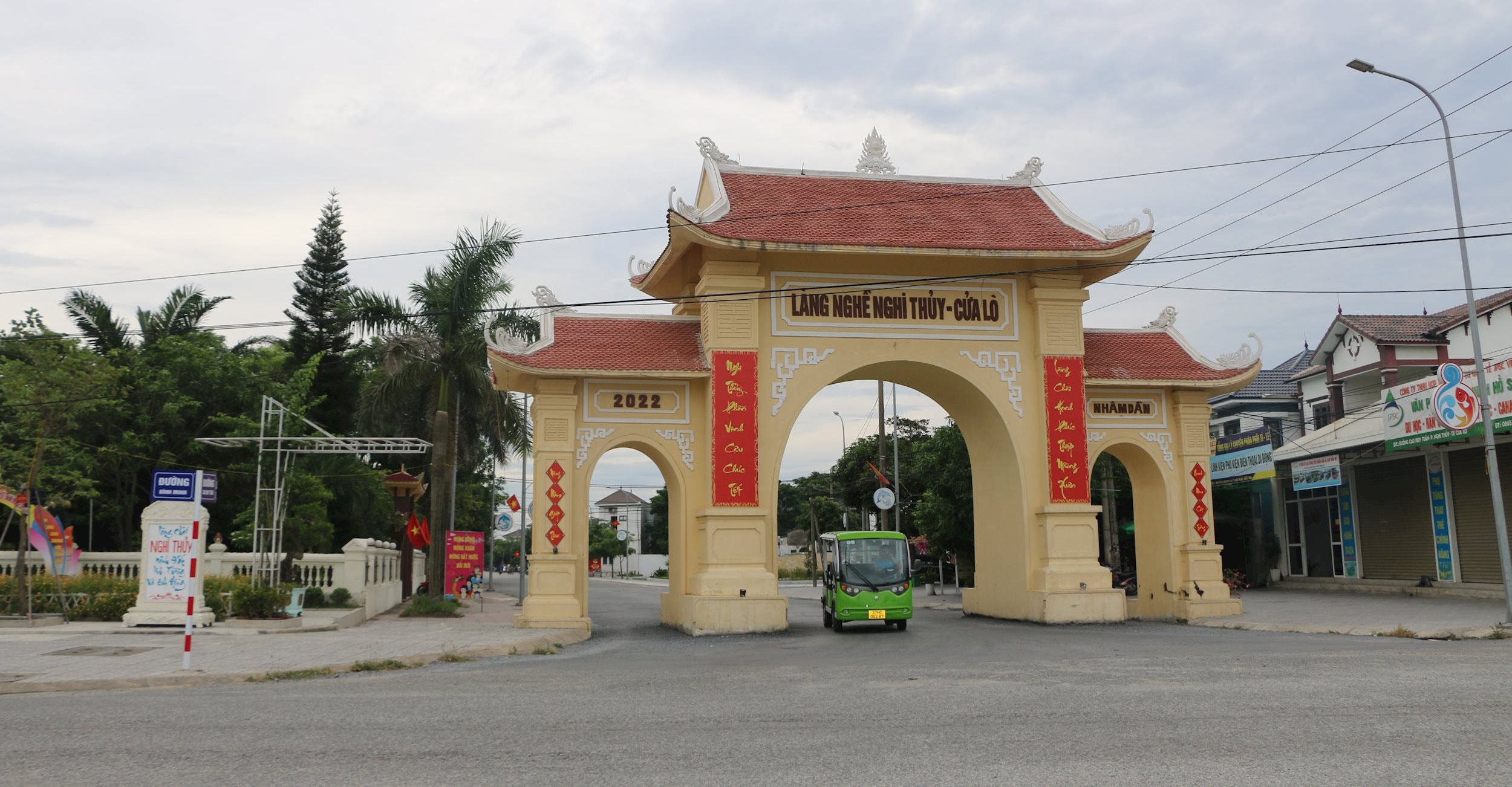
The Fisheries Association, with its model of collecting solid waste from the sea and bringing it ashore, and the movement "Retain scrap materials, don't throw them into the sea, exchange them for money on shore, and donate them to the poor."
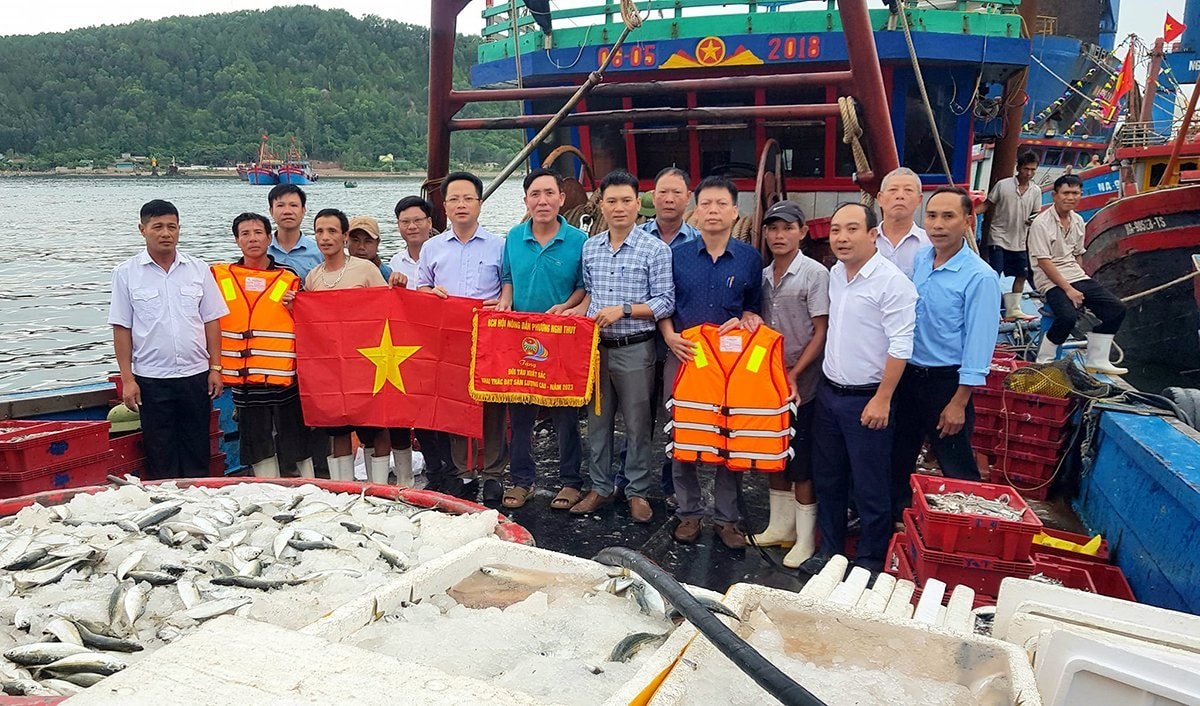
The Farmers' Association, through its model of donating national flags and life jackets to fishing boats with high yields, aims to encourage fishermen to actively venture out to sea and maintain their presence there. Each fishing boat that goes out to sea displays the red flag with a yellow star as a "living landmark" to affirm the sacred sovereignty of the Fatherland's seas and islands.
The aforementioned meaningful projects and activities are regularly and promptly praised and publicized by Party committees, government agencies, and mass organizations within the political system on social media channels, thereby spreading and multiplying examples of "kind people and kind deeds" in the community.


