
Increased supply leads to lower vegetable prices in Nghe An.
In mid-December, many key vegetable-growing areas in the province began harvesting their winter vegetable crops. Although yields were not high due to the prolonged heavy rains and floods, the simultaneous release of vegetables to the market helped to gradually restore supply, bringing down the price of green vegetables at local markets.
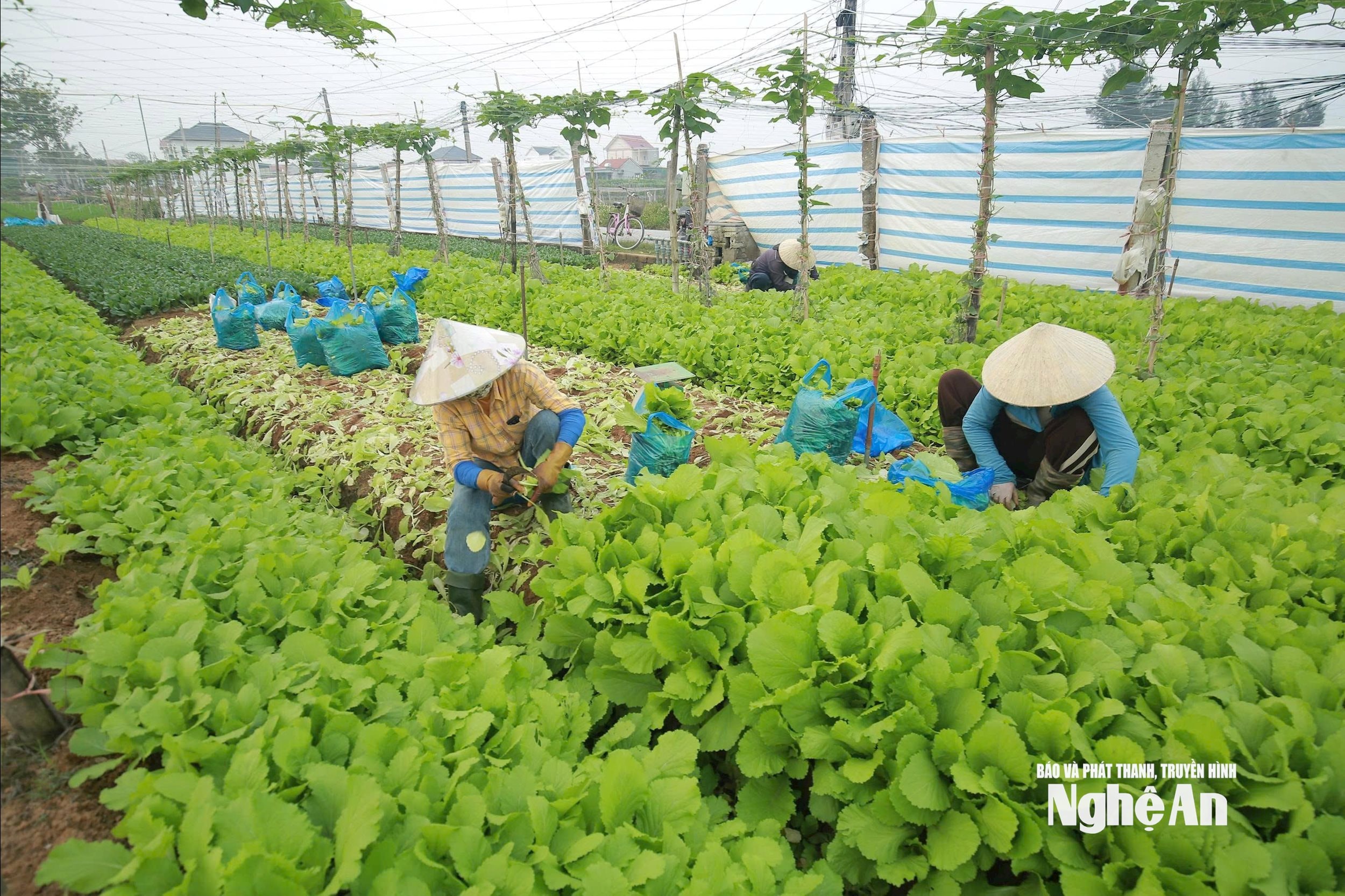
After several replantings due to damage caused by floods, farmers in Quynh Anh commune and Quynh Mai ward, the province's largest vegetable-producing area, are entering the harvest season for their first crops. The prolonged unfavorable weather throughout the planting season caused many areas to miss their planting time, resulting in poor plant growth and reduced yields and production compared to the same period last year. However, this is also the time when more vegetables begin to be brought to market, creating a significant change in supply.
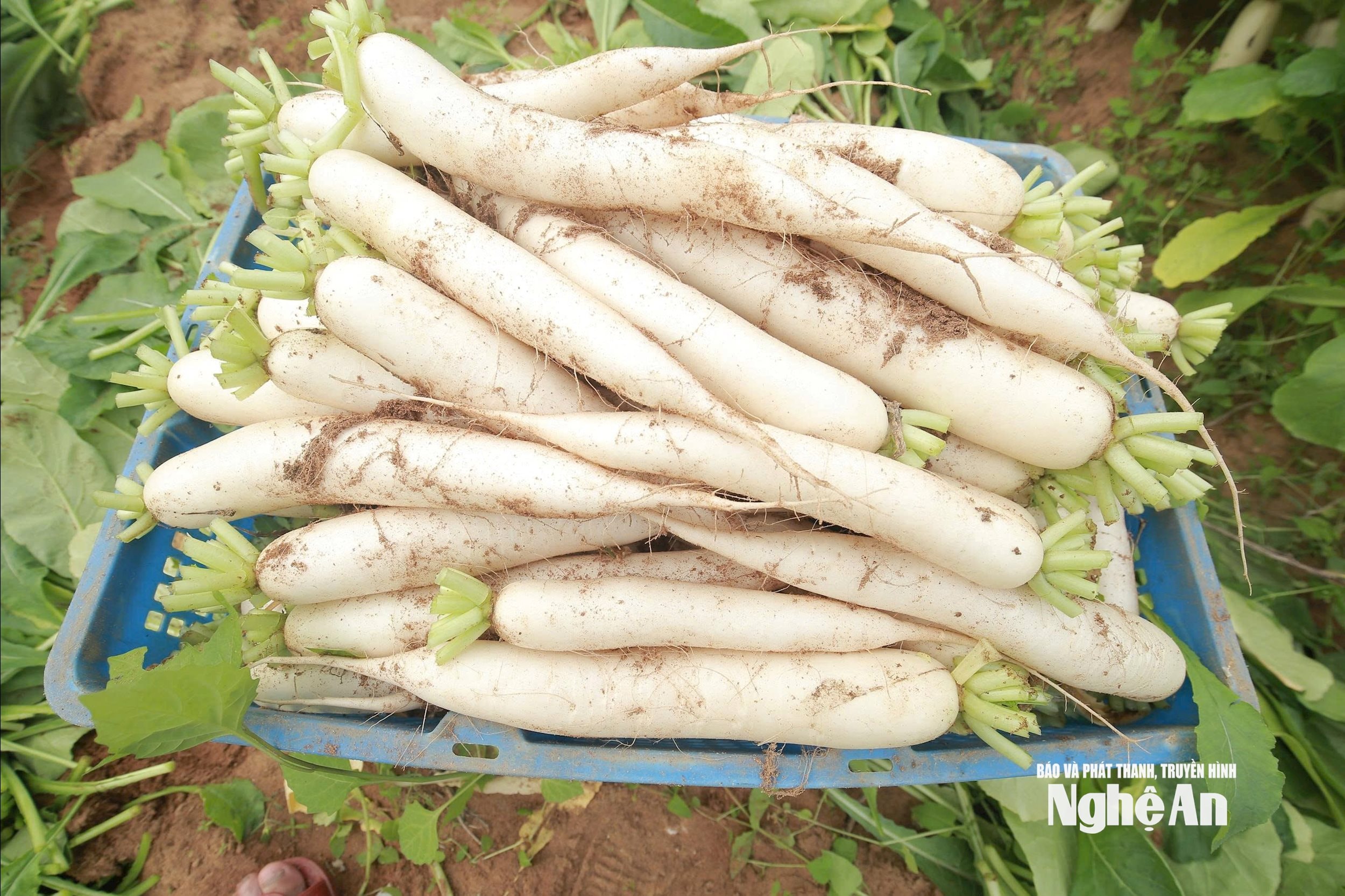
In the vegetable fields of Quynh Anh commune and Quynh Mai ward, many types of vegetables are ready for harvest, such as sweet cabbage, mustard greens, pickled mustard greens, scallions, radishes, chayote, and carrots. Mrs. Tran Thi Binh's family in Binh Minh village (Quynh Mai ward) planted nearly 1 hectare of various vegetables this season. However, more than 3 sao (approximately 0.3 hectares) of radishes sown in August were flooded due to heavy rains and the land only dried up in October before they could be replanted.
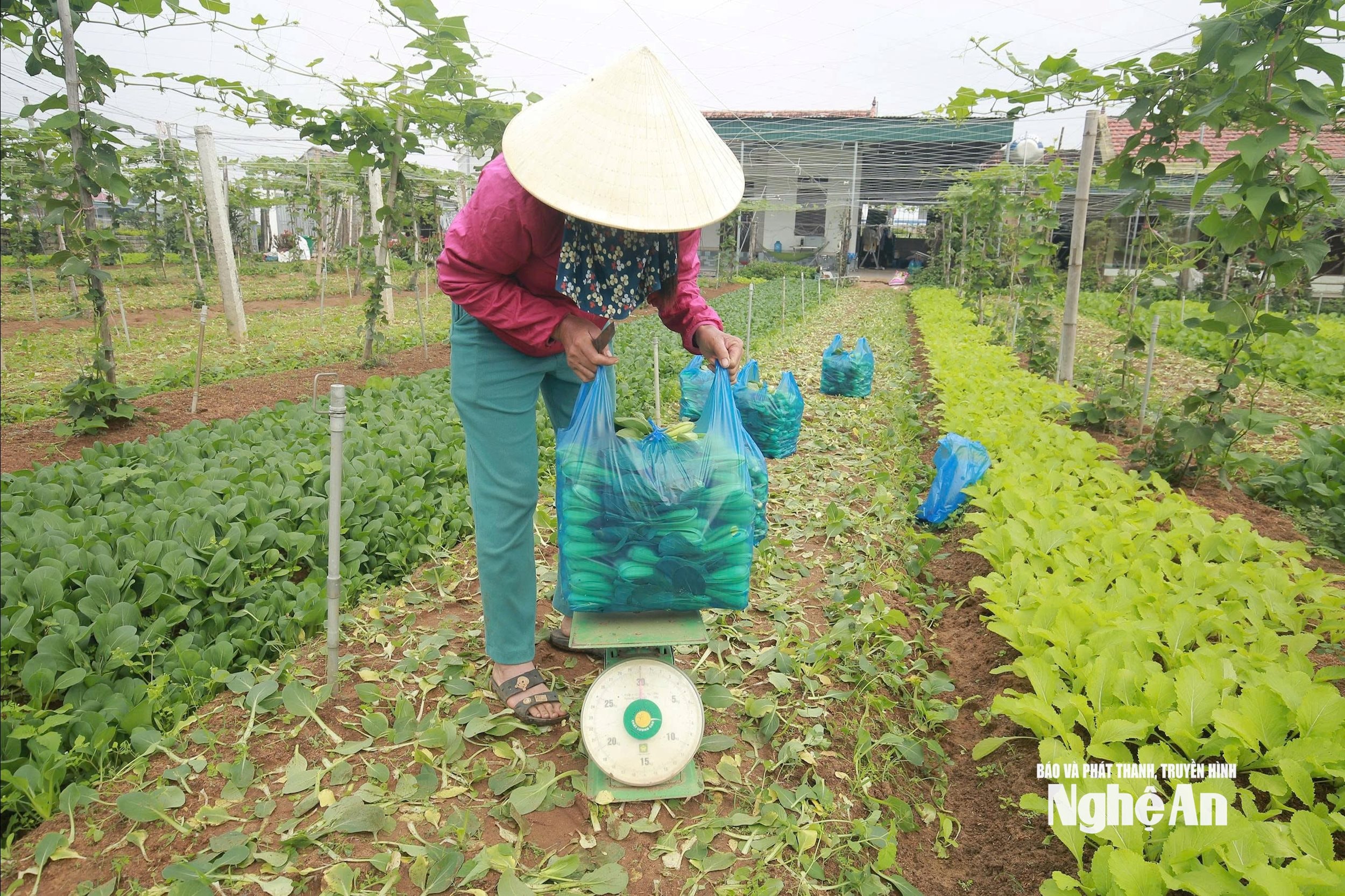
After nearly two and a half months, the plants grew poorly, forcing the family to harvest early. “Each plot only yielded about 2 tons, and the current selling price is 4,000-5,000 VND/kg, lower than the same period last year. Meanwhile, the cost per plot is about 2 million VND, so the profit is very low,” Mrs. Binh shared.
Ms. Nguyen Thi Hong (Quynh Anh commune), who grows 2 sao (approximately 2,000 square meters) of sweet cabbage and mustard greens, said that the current price is only about 2,000 - 3,000 VND/kg, traders are buying sporadically, and consumption is slow. In Quynh Mai ward, Mr. Cao Xuan Ngai planted 3 sao of scallions, and after 2.5 months of harvesting, due to unfavorable weather, the yield only reached about 2.5 tons/sao; the price of scallions is currently 15,000 VND/kg, a sharp decrease compared to half a month ago.
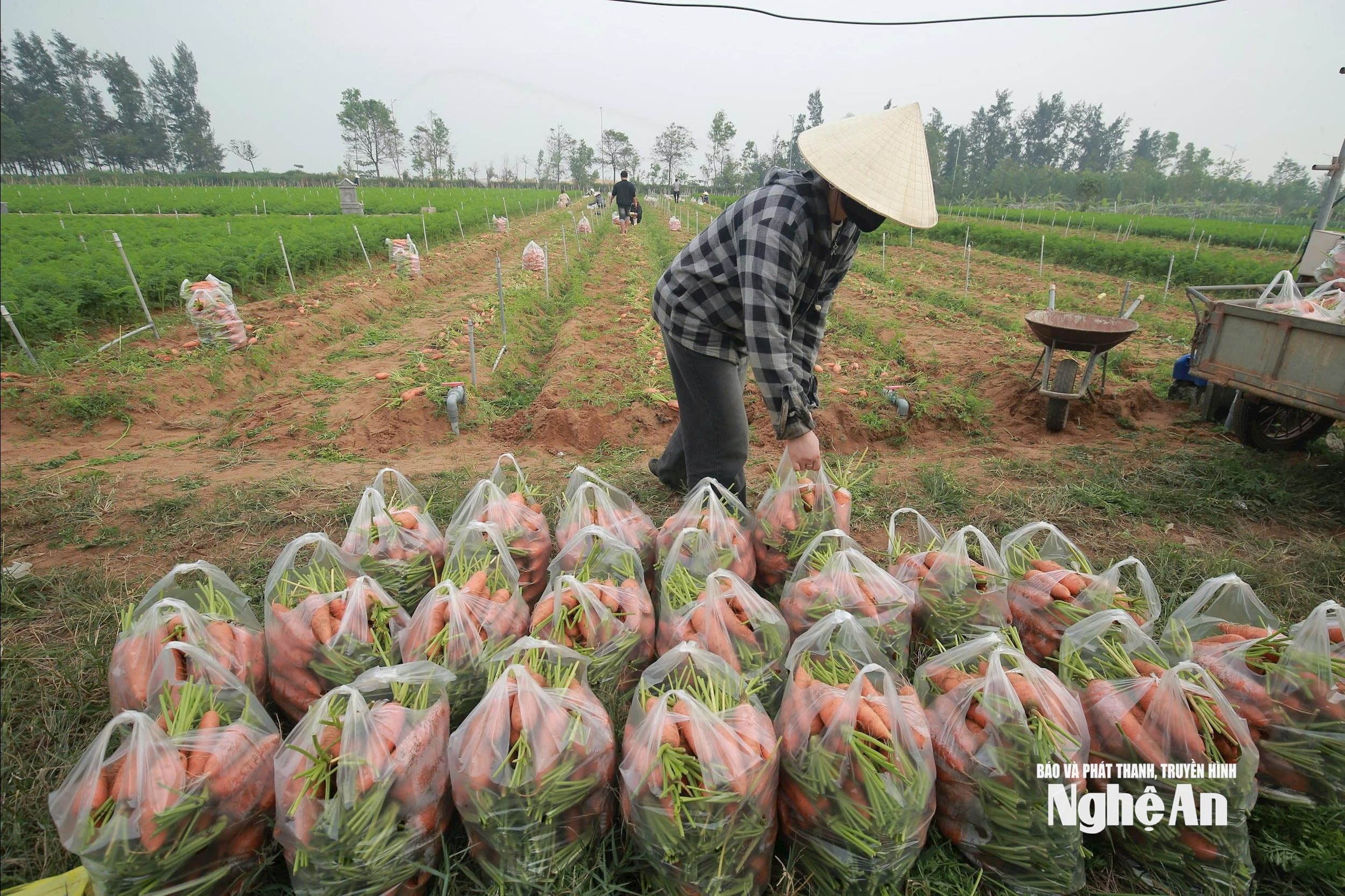
According to vegetable growers, this year's winter crop was severely affected by the weather, with heavy rains and little sunshine, causing damage to many areas and poor crop development. When production restoration was implemented simultaneously in many localities, the amount of vegetables brought to market increased rapidly during harvest time, while consumer demand did not increase proportionally. Furthermore, many households grew their own vegetables for family consumption, reducing market demand and causing early-season vegetable prices to plummet.
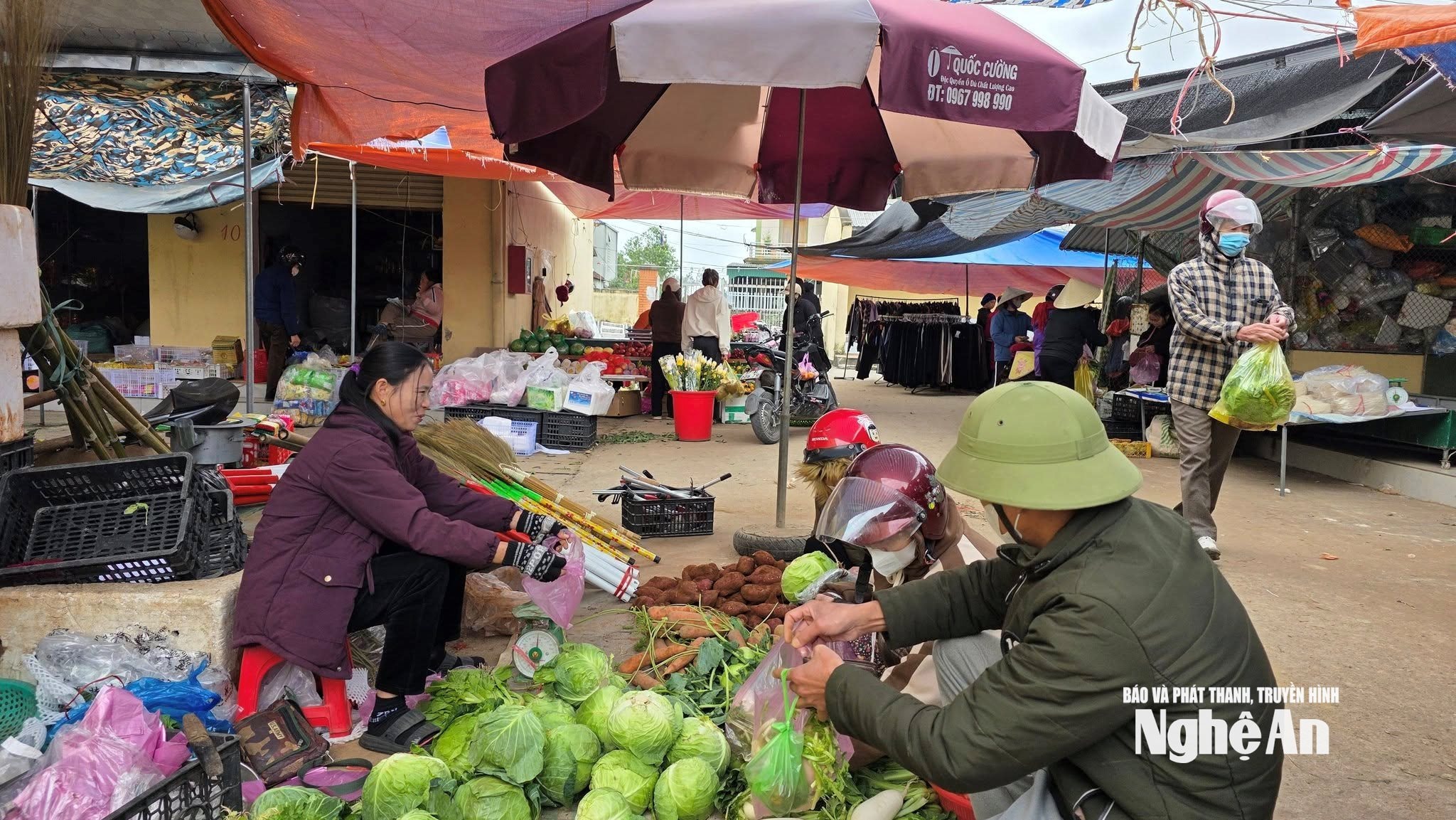
The supply of vegetables from growing regions has quickly impacted prices at local markets. At Coi Market (Vinh Loc Ward), over the past week, the price of green vegetables has decreased significantly compared to the peak period of October and November. Green cabbage is now commonly sold at 8,000 – 10,000 VND/bundle; water spinach and chrysanthemum greens are only 4,000 – 6,000 VND/bundle, down from 10,000 – 12,000 VND/bundle previously; and lettuce is now 30,000 VND/kg.
According to Ms. Pham Thi Dao, a small trader at Coi Market, short-term leafy vegetables only need about 20-25 days to grow, and with recent favorable weather conditions, production has increased rapidly. "With a larger supply and a steady supply of vegetables to the market, prices have decreased. Buyers also have more choices because the vegetables are fresh and diverse," Ms. Dao said.
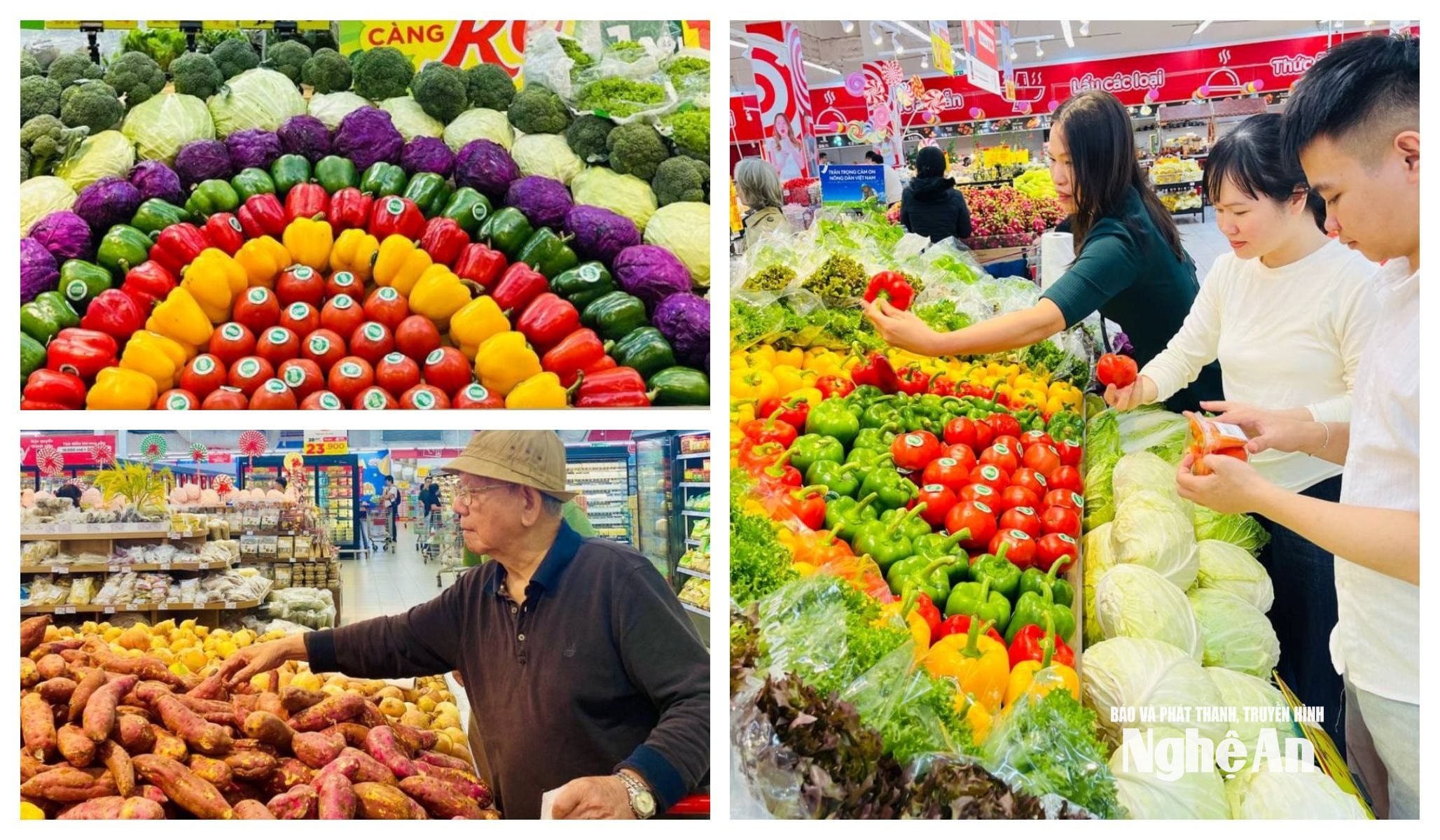
Compared to leafy vegetables, the prices of some root vegetables have decreased more slowly but have also adjusted significantly. Tomatoes are currently priced at 25,000 – 30,000 VND/kg; young pumpkins and bitter melons at around 25,000 VND/kg; eggplants, carrots, and kohlrabi around 20,000 VND/kg. However, items like chili peppers, green squash, and ripe pumpkins still maintain high prices due to their long growth cycles and the fact that supply has not yet recovered.
The drop in vegetable prices has significantly eased consumer spending pressure. Many housewives say that the cost of daily meals is now more manageable compared to the period of prolonged high vegetable prices.
Forecasts indicate that over the next two weeks, many areas of winter vegetables in the province will enter their peak harvesting season, further increasing the supply to the market. Given the lack of improvement in purchasing power, vegetable prices are likely to remain low.


