
Risk of fire in fallen acacia forests.
Hundreds of hectares of acacia forest were broken and felled after the storm, but have not been promptly cleared or harvested, raising the risk of forest fires in Quynh Thang commune, Nghe An province, to an alarming level.
According to reports from residents of Quynh Thang commune sent to the Alo NTV hotline, many areas of planted forest devastated by storms months ago are still lying in disarray, unresolved. The dry, decaying acacia tree trunks, intertwined on the hillsides, not only hinder transportation and production but also become extremely dangerous "fire sources" during prolonged hot weather.
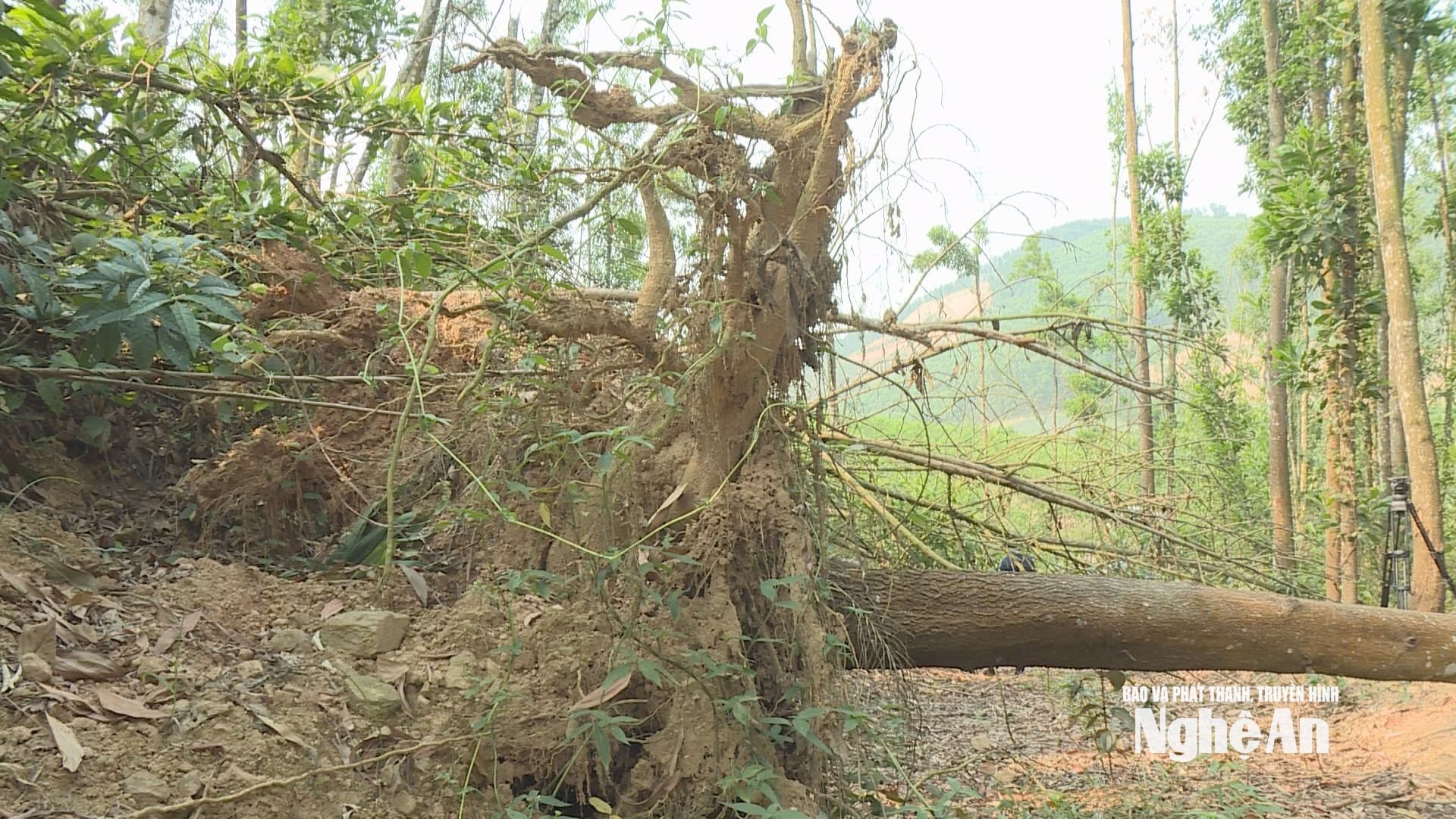
The family of Mr. Le Dang Tien, residing in Hamlet 12/9, Quynh Thang Commune, is one of the households that suffered heavy losses. The entire 9 hectares of acacia forest, 10-12 years old, the result of many years of labor, with an estimated total value of over 1.5 billion VND, was destroyed by the storm. They hoped to salvage some of the forest after the disaster, but to this day, harvesting is still not permitted.
Standing amidst the devastated forest, Mr. Tien couldn't hide his sorrow. The once lush green trees now lie scattered, drying up with time. "I've been farming for so many years, pouring all my efforts into this acacia forest, and now seeing the trees lying here and there, no one can bear it. It's heartbreaking," he shared. Not only has his family lost their main source of income, but they also face the risk of losing everything as the value of the timber continues to decline.
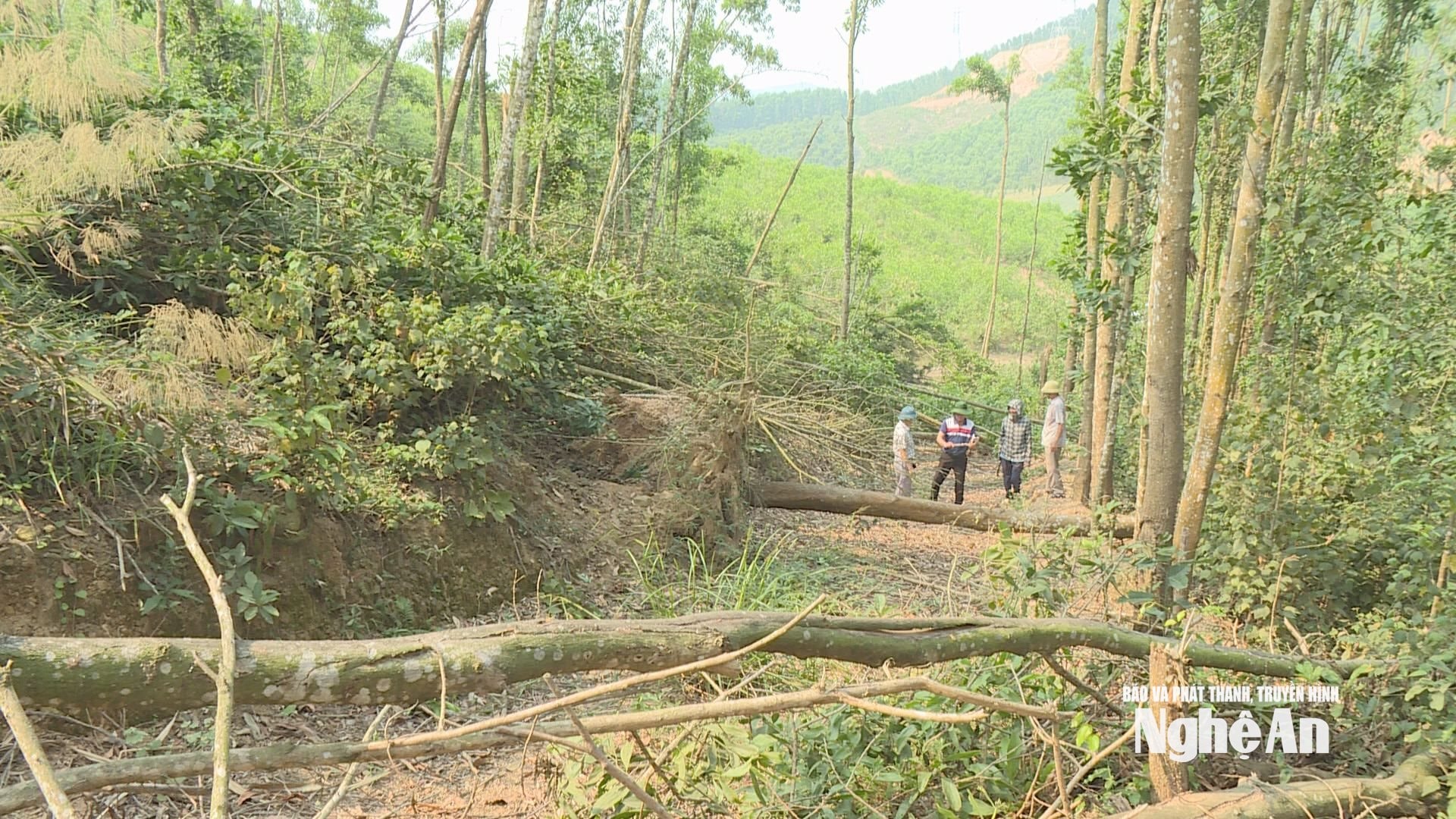
Similarly, Mr. Nguyen Duc Quynh, residing in Hamlet 32, is also facing difficulties as his 5 hectares of acacia forest, part of a JICA project that he planted when he was 61 years old, are now almost completely lost. After 12 years of care, his hope of accumulating savings for his old age is gradually fading as the forest area is broken and left exposed to the sun for more than 9 months.
Not only did Mr. Quynh's family suffer economic losses, but their lives were also disrupted by the fear of forest fires. In harsh weather conditions, he and his relatives have to take turns guarding the forest area to promptly detect and deal with any fires that may occur. "I've made proposals many times, but they haven't been approved, and the fallen trees are unharvestable. If a fire breaks out in my area, it could spread to 25 hectares of the forest, which is very dangerous, so my father and I have to take turns watching over it," Mr. Quynh worried.
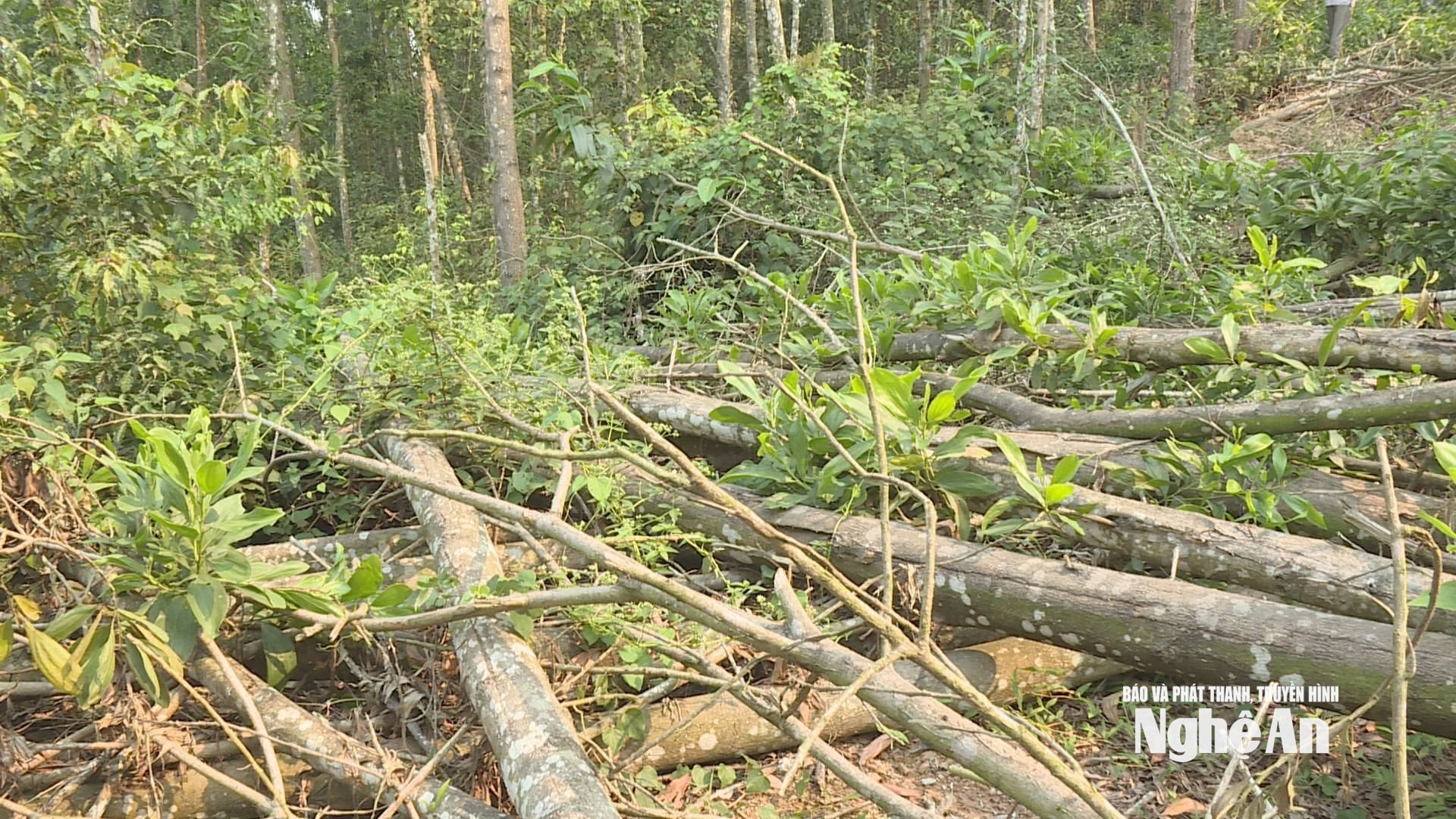
What worries the people of Quynh Thang commune the most right now is the risk of forest fires during the peak of the hot season. According to reports, nearly 300 hectares of 10-12 year old acacia forest in the JICA Project area have been broken and felled after major storms. The fallen tree trunks block pathways, making access to the forest extremely difficult.
The JICA project, implemented in Quynh Thang commune since 2015, aimed to restore protective forests and improve livelihoods for local people. The project included activities such as planting acacia trees, upgrading existing forests, and enclosing and nurturing natural forest regeneration. However, after more than a decade, before the forests were ready for harvesting, natural disasters caused serious damage to nearly 300 hectares.
In response to this situation, on March 13, 2026, the Provincial People's Committee issued Decision No. 835, allowing the liquidation of 362 hectares of planted forest damaged by typhoons No. 5 and No. 10 in 2025. This is considered an important legal basis for proceeding with the recovery and disposal of the fallen forest area.
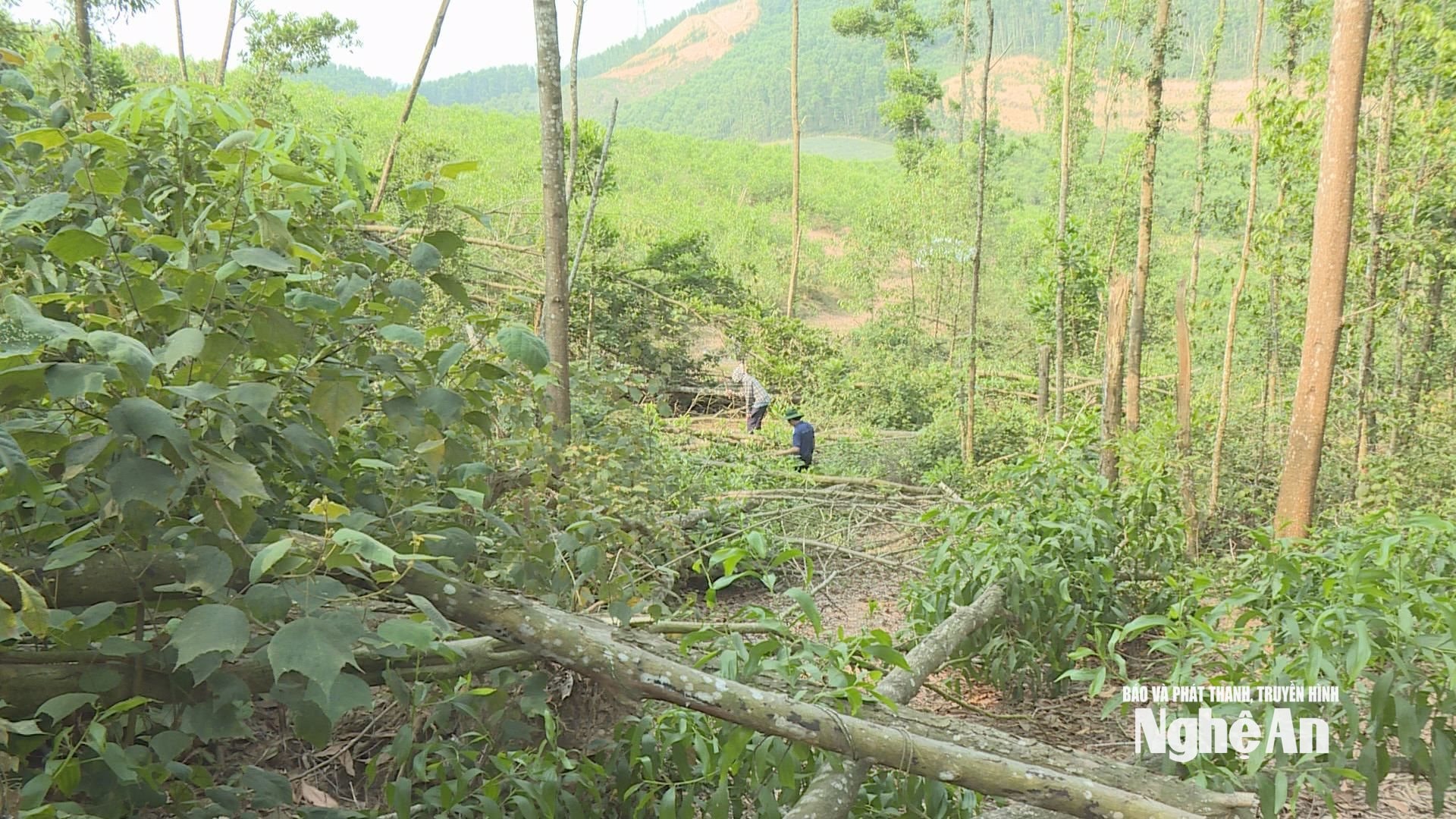
However, in reality, the implementation process is still progressing slowly. It is estimated that approximately 5,300 m²3Timber worth over 20 billion VND belonging to local people is still buried and rotting in the forest. This delay not only severely reduces the value of the assets but also increases the risk of forest fires in the context of increasingly harsh weather conditions.
Explaining the reasons for the delay, a representative of the Northern Nghe An Protective Forest Management Board said that the handling process must strictly adhere to regulations on public assets and auction laws. In addition, field conditions also pose many obstacles. "The trees are scattered everywhere, and accessing remote areas to measure, establish standard plots, number them, and calculate forest volume to develop a liquidation plan takes a lot of time," a unit leader said.
Meanwhile, local authorities have also expressed concern about the existing risk of forest fires. According to the leader of the People's Committee of Quynh Thang commune, this area is currently classified as level 5 – an extremely dangerous level for forest fires. With the acacia forest being over 10 years old, and having broken and decaying trees, even a small spark could cause a large fire.
Notably, the firebreak and firefighting access routes in this area are now completely blocked by fallen trees, making it difficult for authorities to access the area in case of an emergency. This increases the risk of widespread fire and greatly hinders firefighting efforts.
This situation highlights the urgent need to expedite the process of clearing fallen trees. The delay in harvesting not only causes direct losses to the people but also creates risks to environmental safety and fire prevention.
Forestry experts believe that, given the prolonged hot weather and the large amount of flammable material currently present, a small fire could quickly escalate into a large, even uncontrollable, blaze. Therefore, definitively addressing the damaged forest areas should be considered a top priority.
Furthermore, close coordination between relevant agencies, forest owners, and local authorities is needed to resolve procedural obstacles and expedite the inventory, valuation, and liquidation process. Prolonging the current situation not only wastes resources but also poses many unforeseen consequences.
Local residents also hope that relevant authorities will soon have concrete solutions to facilitate the recovery of remaining assets, reduce losses, and stabilize their lives. At the same time, measures to prevent and control forest fires need to be strengthened, especially during peak periods of hot weather.
Clearly, the situation in Quynh Thang commune is not just an economic issue, but also a challenge concerning management, responsibility, and coordination among stakeholders. If not addressed promptly, the risk of forest fires and the resulting damage will continue to increase.
In the context of increasingly complex climate change and unpredictable natural disasters, enhancing the capacity to respond to and manage the consequences of natural disasters is an urgent requirement. For areas of forest damaged, flexible and practical mechanisms are needed to ensure compliance with the law while protecting the legitimate rights of the people.
Every day of delay increases the risk of forest fires and economic losses. This is the time for decisive, coordinated action to prevent the danger, protect forest resources, and safeguard the livelihoods of local people.


