
Principles of driving on slippery mountain roads.
Driving slowly and observing carefully are essential when you embark on an unexpected off-road journey in your vehicle.
Driving in rainy conditions on slippery dirt roads, or navigating landslide areas... these are unexpected situations that may not be part of your travel plan. The vehicle could temporarily lose control while climbing steep, rocky slopes or navigating slippery, muddy sections of road.
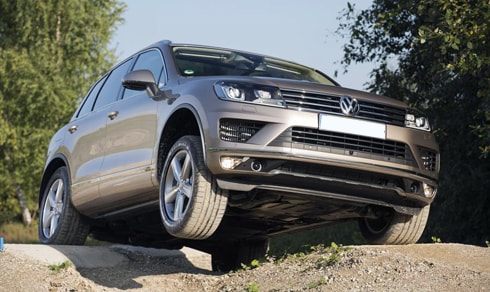 |
Four-wheel drive systems will make it easier for vehicles to navigate challenging terrain. |
When driving in bad weather, especially on mountain roads, drivers must reduce their speed to maintain visibility. On unfamiliar roads, reduce speed as much as possible to maintain steering control. A spare tire, tire removal kit, electric pump, etc., should be checked and prepared thoroughly before each trip.
With high ground clearance, SUVs with all-wheel drive systems offer drivers more confidence behind the wheel when navigating slippery roads. However, these vehicles are more prone to rollovers on slippery surfaces and at high speeds.
With unexpected slippery sections of road appearing after heavy rain or a landslide, if possible, reduce the vehicle's load by having some people get out and walk across the bad stretch.
Turn the steering wheel correctly
On slippery or muddy roads, determine the safest route beforehand, drive slowly, and steer gently in the desired direction. Avoid steering too quickly, and keep both hands on the steering wheel to prevent the impact of loose rocks or debris on the road surface from changing direction.
With the winding mountain pass and poor road surface, choose a safe and secure position to place your wheels to avoid landslides. Observing and following the tracks of the vehicle in front will help you move more confidently and safely.
Use the same gear going downhill as you used going uphill.
You're going downhill on a muddy, sometimes slippery road, so stay calm. Buckle up, shift to a low gear, and observe safe areas such as past tire tracks, rocky surfaces, and avoid areas near the edge of the road or cliffs. Keep the steering wheel straight and apply the brakes to allow the car to slowly crawl downhill. If the next section is uphill, maintain the same gear and gently accelerate to allow the car to roll smoothly.
With an automatic transmission, you switch to M (Manual) mode to shift to a lower gear for safer driving.
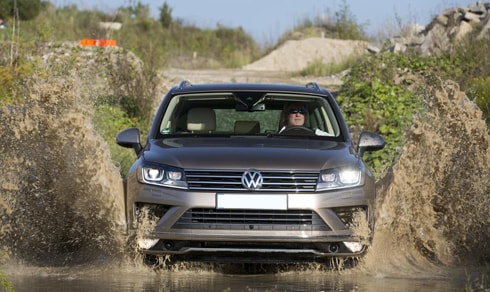 |
Reduce speed and observe carefully when driving through flooded areas. |
Be wary of flooded roads.
Whether you're driving a four-wheel-drive SUV or a sedan, when navigating flooded roads or crossing spillways, carefully check the depth of the water. Unless you have trucks or other vehicles ahead to help you estimate the depth and flow of water, you'll inevitably have to get out of your vehicle. Use a stick to probe the road before deciding whether to cross, checking the depth and road conditions.
According to VNE
| RELATED NEWS |
|---|


