
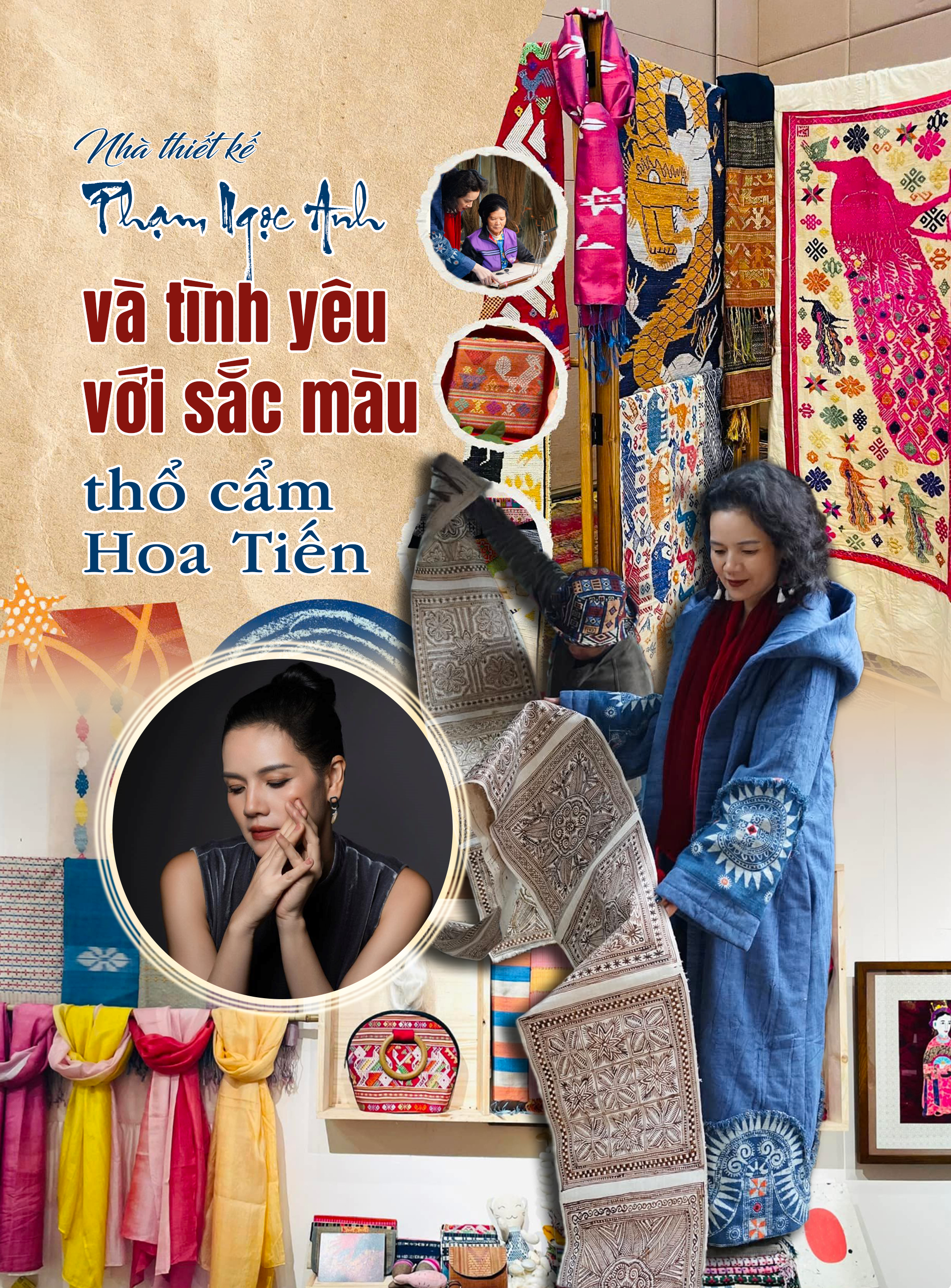
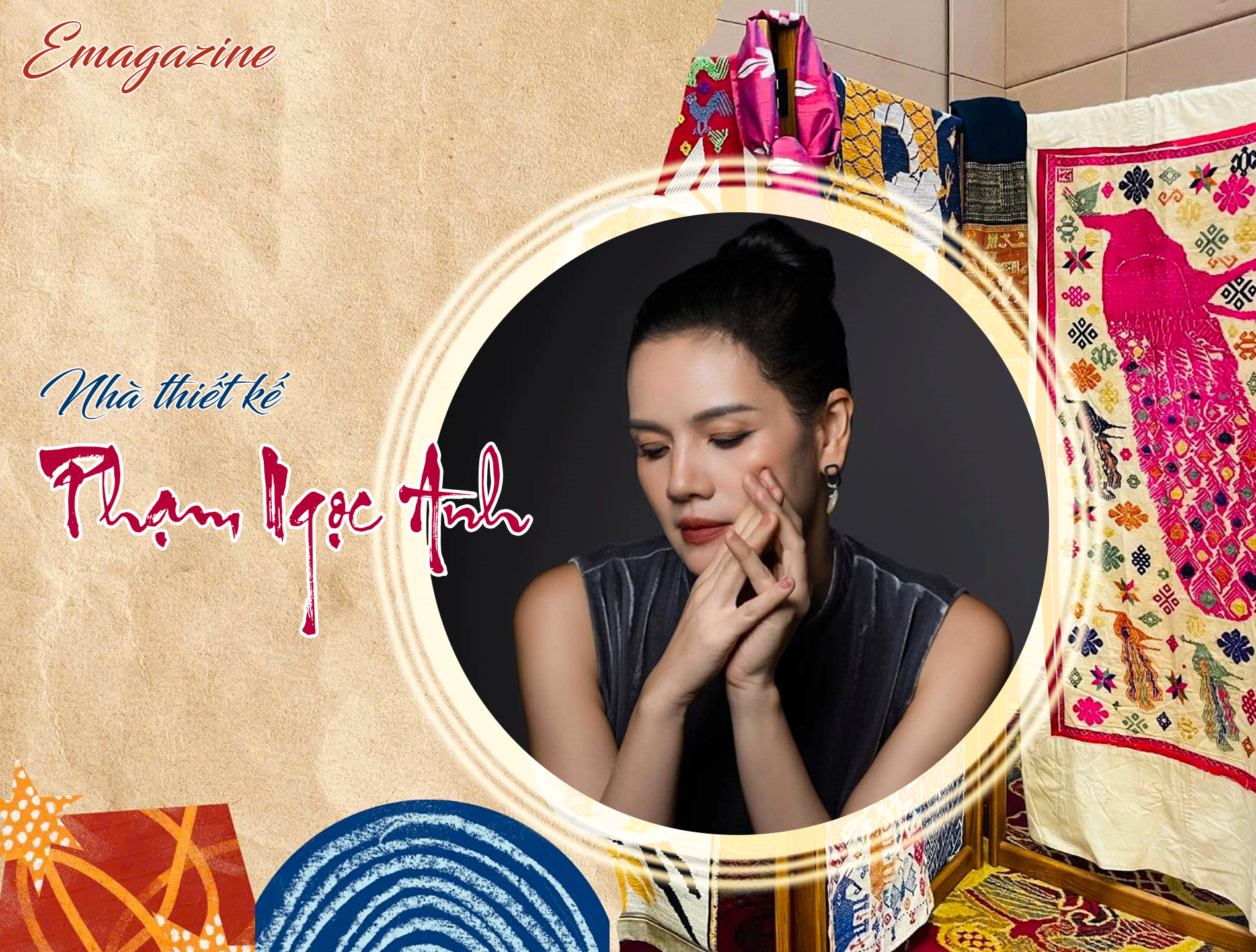
Designer Pham Ngoc Anh and her love for the colors of Hoa Tien brocade.
Having settled in Switzerland for nearly 20 years after getting married, in 2016, Pham Ngoc Anh abruptly abandoned her PhD in Environmental Chemistry to pursue her dream of becoming a fashion designer at almost 40 years old. For her, fashion is a way of telling a story. That story is intertwined with her childhood dreams, her pride in her national culture, and the sustainable fashion path she is pursuing.
Le Xuan(Perform) /Present:Hong ToaiMay 25, 2026
*****
After nearly 20 years of marriage and settling in Switzerland, in 2016, Pham Ngoc Anh abruptly abandoned her PhD in Environmental Chemistry to pursue her dream of becoming a fashion designer at almost 40 years old. For her, fashion is a way of telling a story. That story is intertwined with her childhood dreams, her pride in her national culture, and the sustainable fashion path she is pursuing.

Fashion designer Pham Ngoc Anh: I believe that in this world, any endeavor begins with love. It was this love for traditional culture, inherent in my blood and subconscious, that compelled me to return. I lived abroad for a long time, and upon returning to Vietnam, I sought out my roots, and I was overwhelmed with emotion: how many ethnic groups, how many identities, how many fascinating things there are, and why didn't I know about them when I was a child?
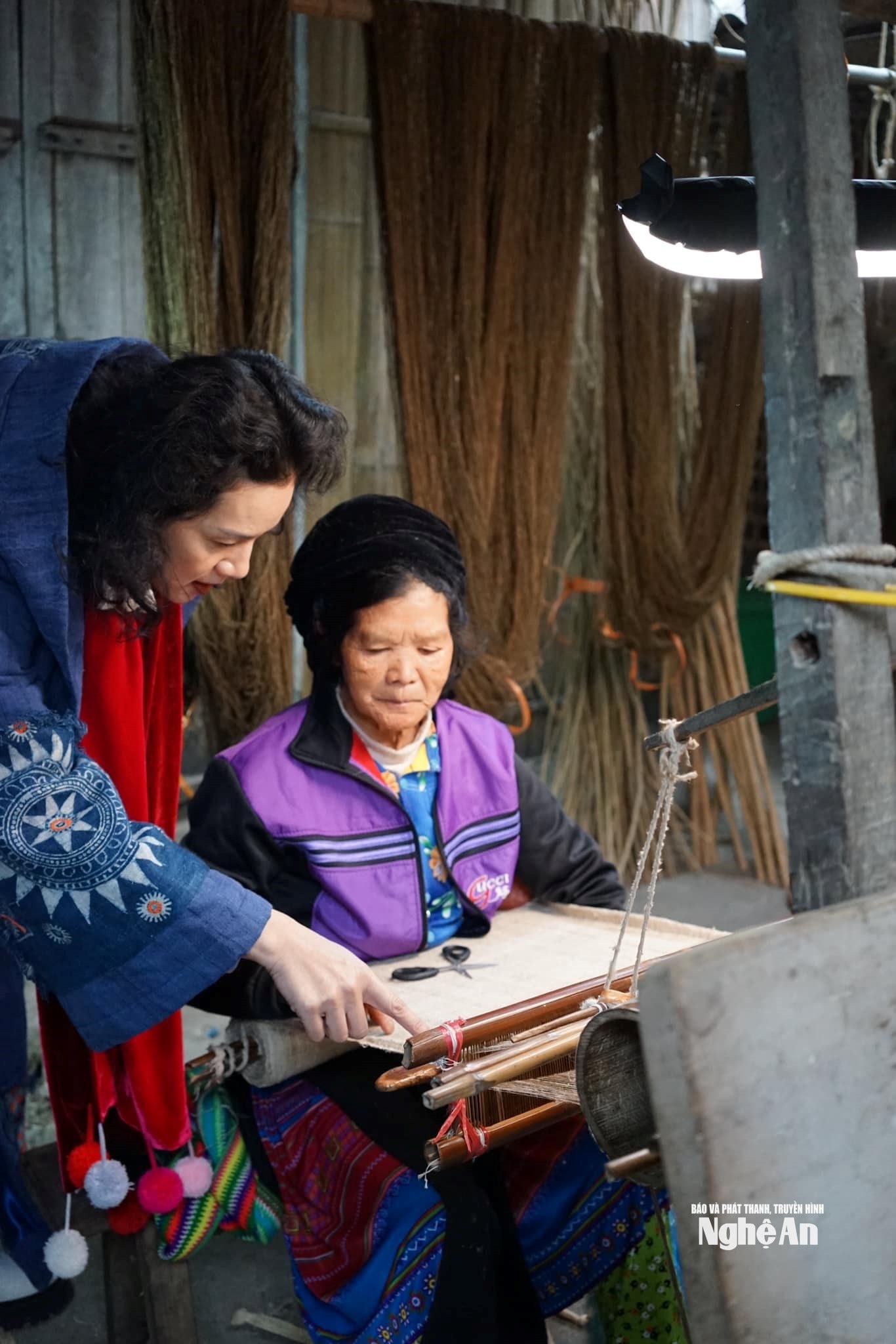
Therefore, everything felt like fate, guiding me. I had the opportunity to meet people from ethnic groups such as the Hmong and Thai, and they introduced me to their brocade fabrics. I learned more about their work, the meticulous process of weaving a piece of fabric, from the stages of obtaining the yarn, weaving the silk, and dyeing the fabric.
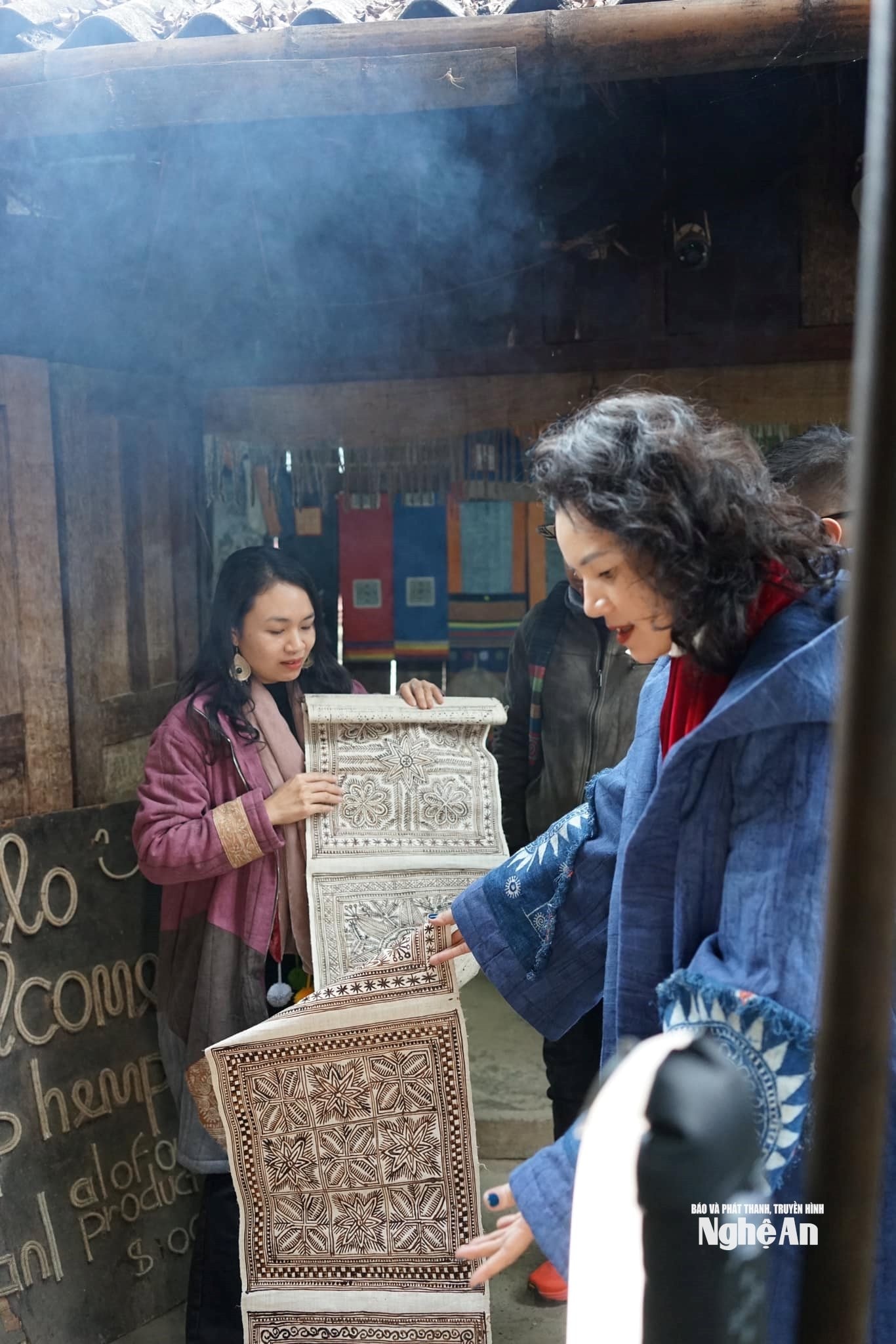
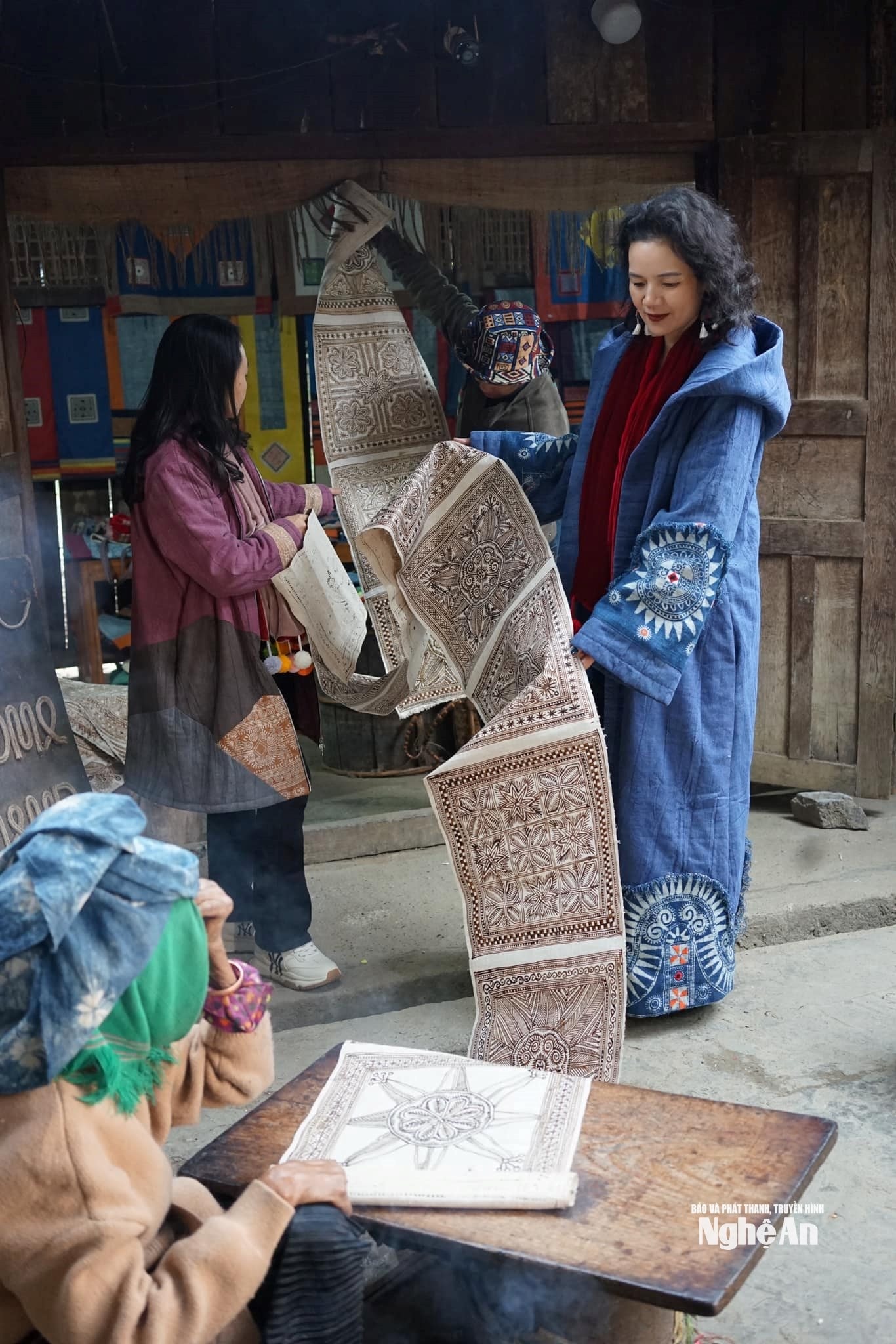
Designing contemporary fashion using traditional ethnic patterns is a very difficult task. I have to think carefully, adjust, and moderate a lot. Because, if I overuse ethnic patterns, it will become just another piece of fabric worn by ethnic minorities, and they already wear it beautifully. The patterns often have quite large designs; if you cut them out, you won't see the full meaning and beauty of the design.
My perspective is to respect the original form, but constantly seek new forms for heritage. I also diligently search for old brocade pieces, so that through the upcycling process, these old brocades are reborn, retaining their traditional spirit but infused with the spirit of the times, making them more accessible, practical, and highly applicable.
Each beeswax strip, each thread sewn together, is a way of preserving and developing cultural heritage, so that heritage does not lie dormant in the past but continues to "live" in the present, through the free spirit of contemporary fashion.
Fashion designer Pham Ngoc Anh:When I listen to the stories told by the locals, I only understand a part of them. To truly understand, I have to live with them. Using fashion to tell those stories only captures a part of them; it doesn't fully convey the stories behind the brocade fabrics. I only express my love through color, patterns, and imagination in each collection.
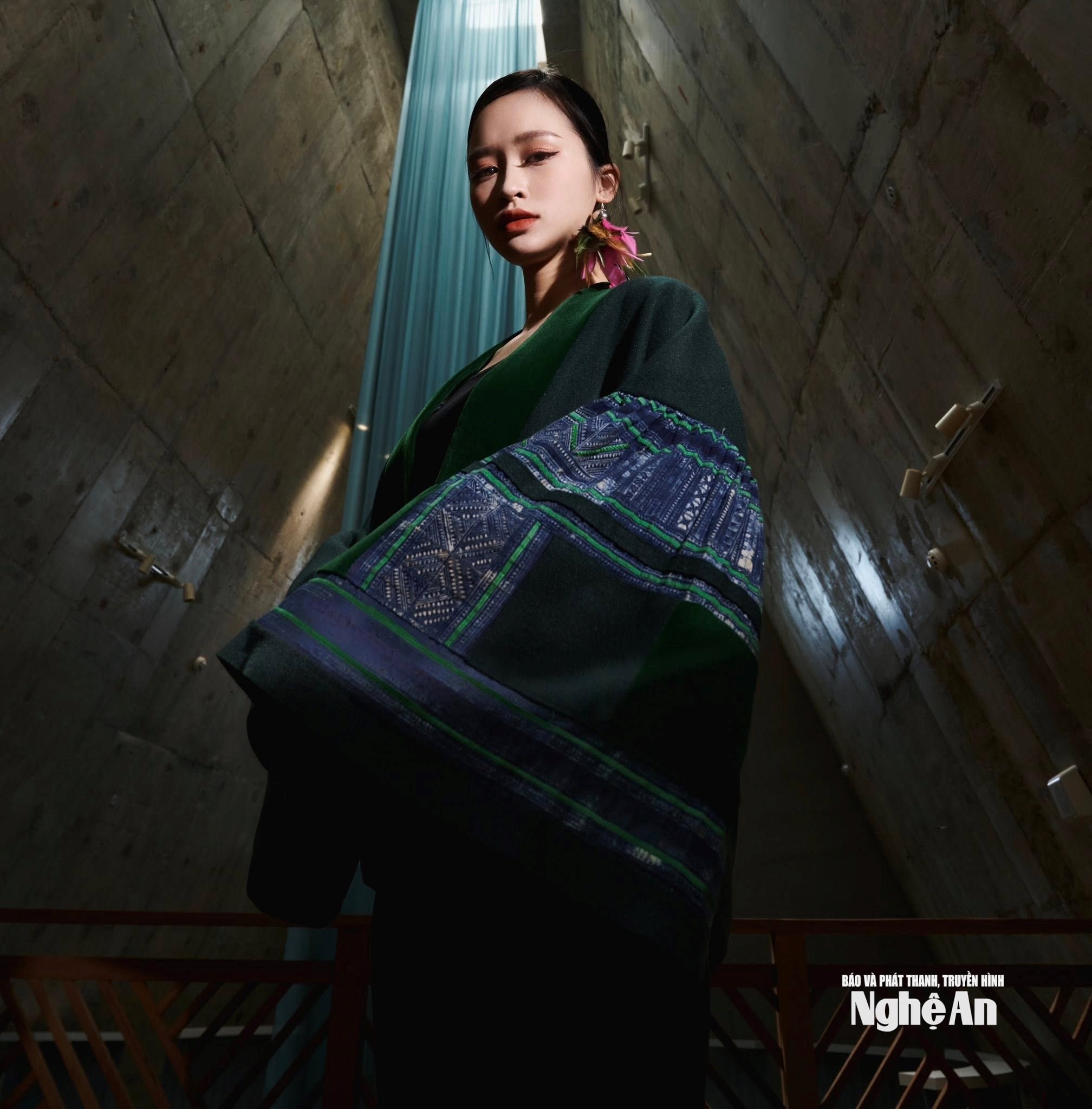
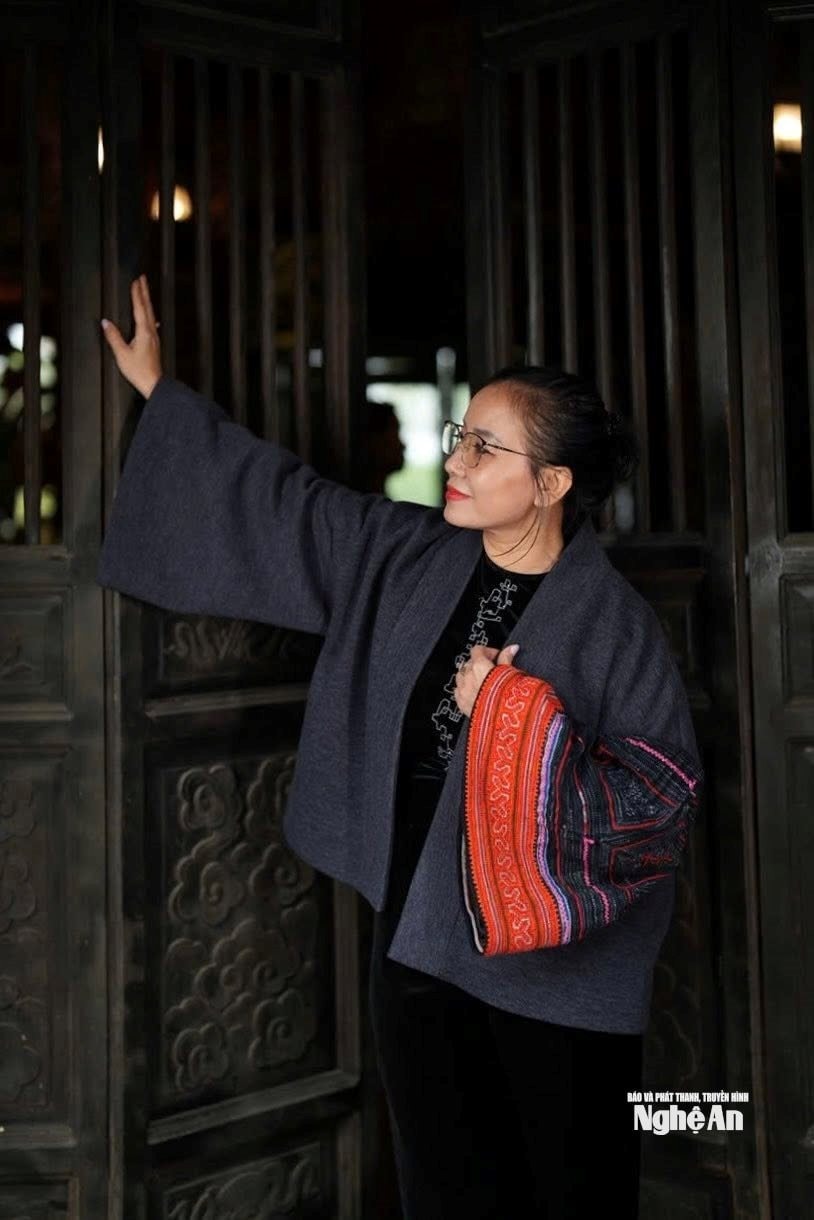
I used to live in Switzerland, and I was often surrounded by mountains and forests. A part of my soul, my life, is there. I reflected on the beautiful moments, the pristine, wild beauty of the old-growth forests, the glorious sunrises, or the tranquil sunsets, and then compared them to the mountains and forests of Vietnam.
Despite differences in identity and cultural customs, they ultimately share one commonality: the pure, inexhaustible energy of nature. When I met people from ethnic minority groups, I saw in them a simplicity and sincerity that I hadn't found in the city. From those feelings, I began to write my stories. Now that I have more experience, more information, and more emotions, the stories will not be the same. And I hope the audience will understand the message I aim to convey in each product and collection.

Fashion designer Pham Ngoc Anh:That's the most difficult part. Fashion design isn't about elevating your ego, creating extravagant products, and then draping brocade over them. For me, a designer must understand the beauty of brocade and place it at the center. Other fabrics or design elements should only serve as a backdrop to highlight the purity of the brocade. I want the wearer to feel the story of the weaver, of the village, rather than the designer's display.
Working with ethnic minorities requires patience and genuine respect. Their way of working and thinking is completely different from urban life. Without love and empathy, one would never be able to reach the "soul" of the material.
Fashion designer Pham Ngoc Anh:I started the La Pham fashion brand in 2016. At that time, people still preferred Western styles and designer brands, and considered brocade and handcrafted products to be something not "high-end" enough. Back then, I felt like I was going against the tide.
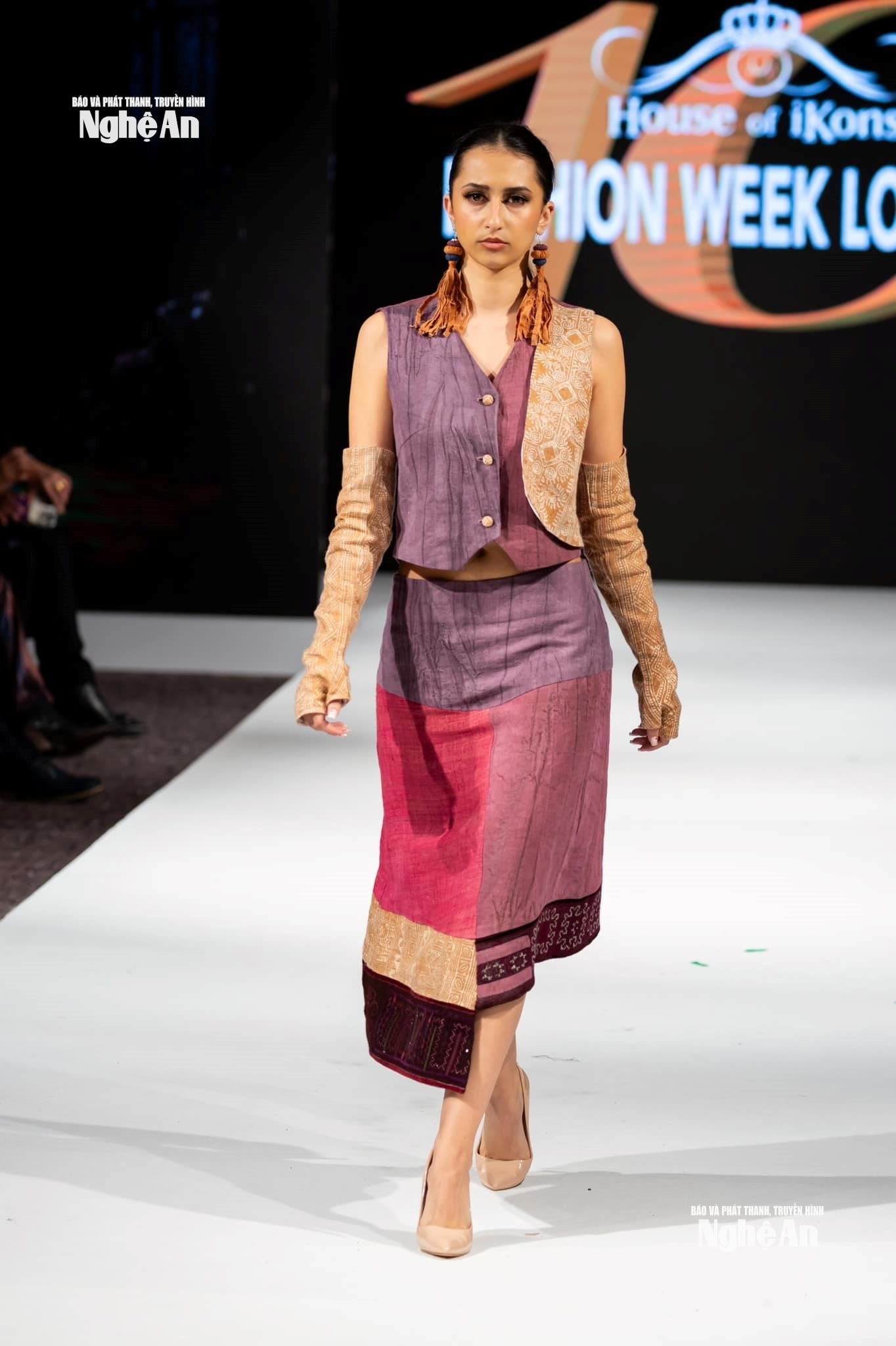
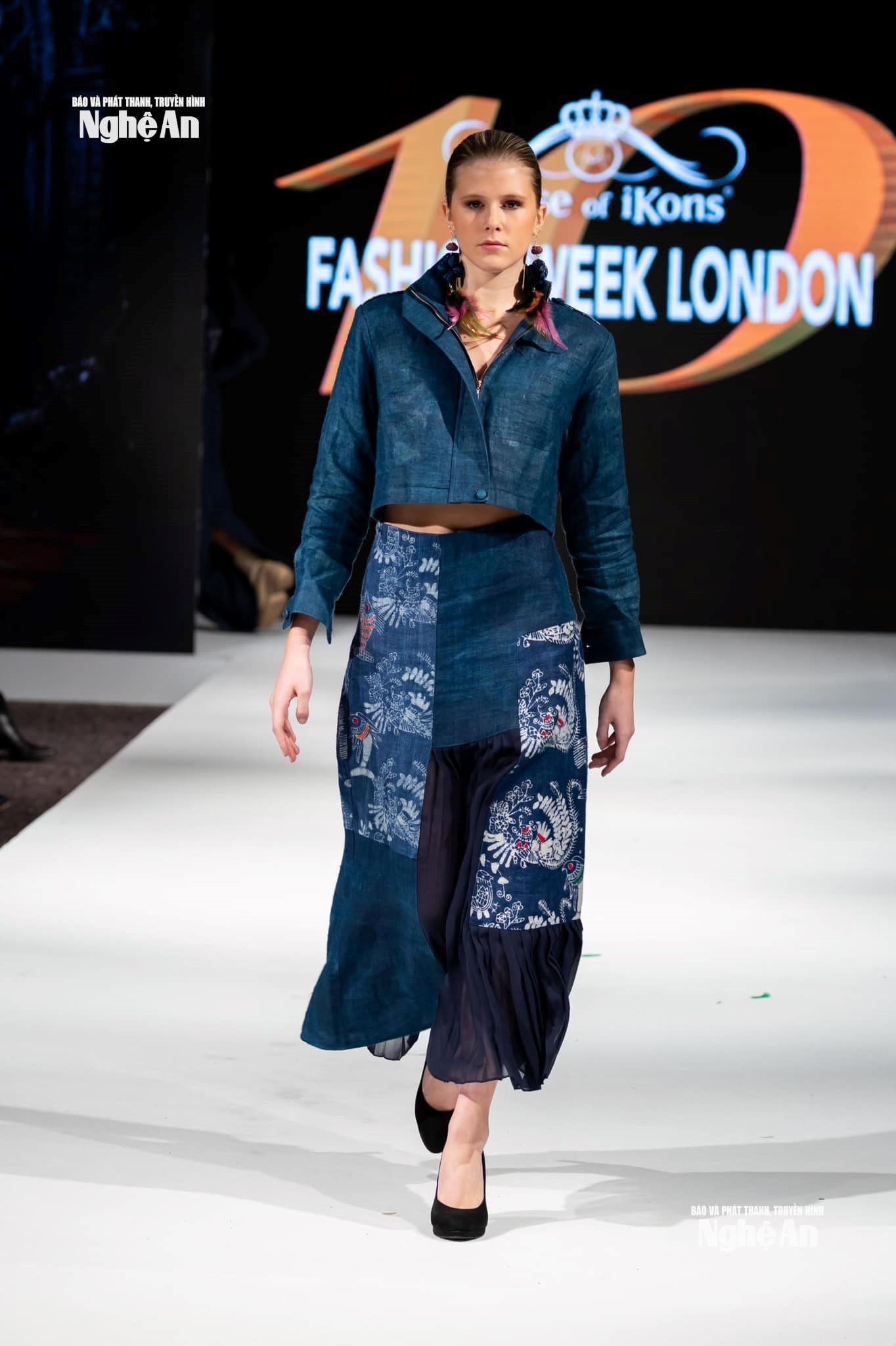
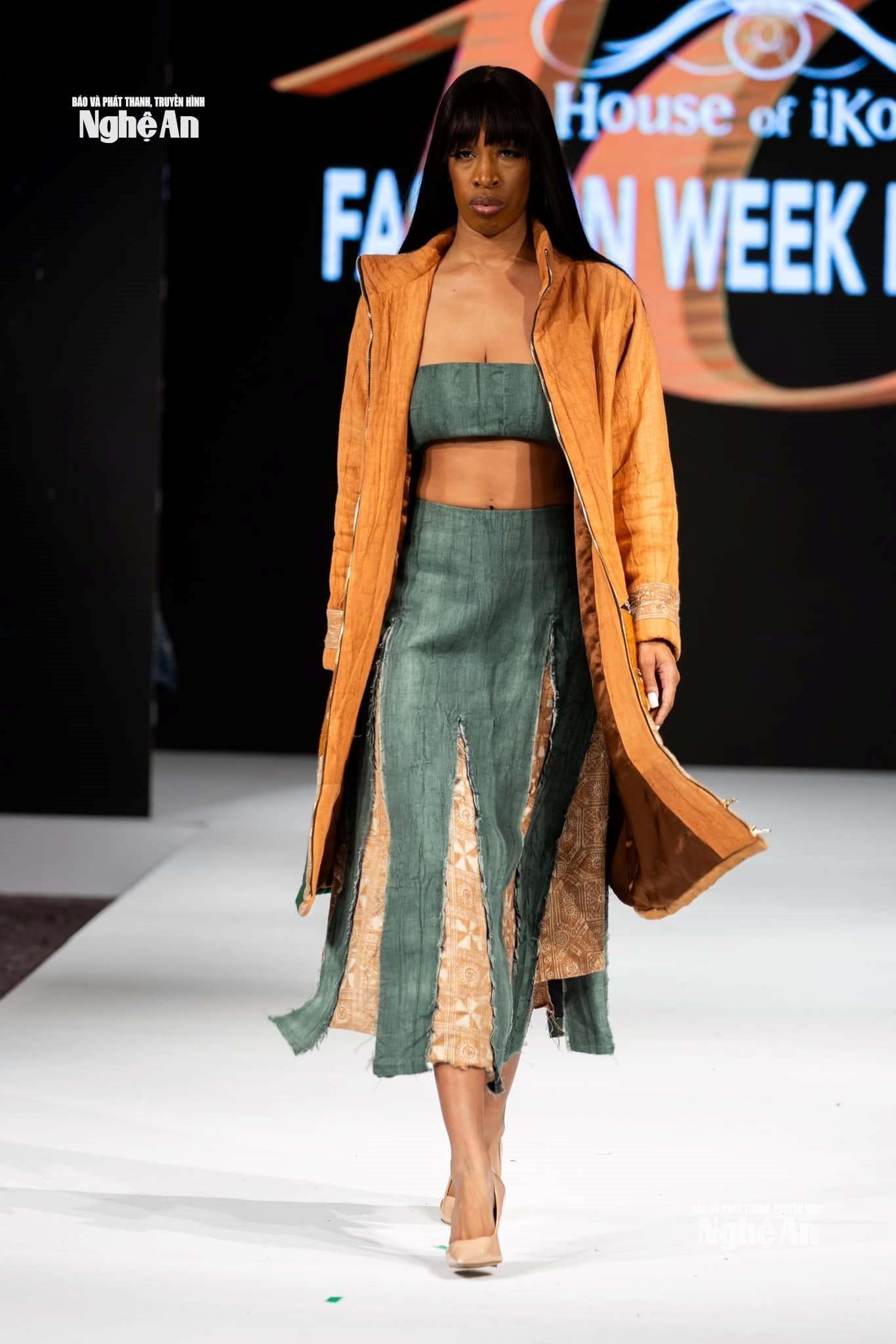
But my path is clear: I returned to my homeland to rediscover my roots, to understand the cultural heritage of my people. Therefore, regardless of whether the trend of combining fashion with heritage is "hot" today or not, I will still follow that path. Accompanying heritage shouldn't be just a loud slogan. I choose to love it more deeply, to live with it every day, to wear a shirt with traditional ethnic details, to apply it to my life. Only when we deeply understand our origins can we become more mature and resilient.
Fashion designer Pham Ngoc Anh:For Western audiences, brocade is something very new. International fashion runways usually use highly practical materials. The products they choose are often utosuya, which is industrial fabric, and are more heavily embellished with beads, but I'm taking the opposite approach.
You know, products made with beeswax, or dyed with indigo, turmeric, and other natural materials, take much longer to make. And the weaving width is very small. Industrial fabrics usually have a width of 1 meter or more, but for the Thai people, the woven fabric width is 50 to 60 cm, and for the Hmong, it's only 35 to 40 cm. So how do you handle the garments, where do you place the brocade with such small widths? Meanwhile, hand-dyeing is often uneven, depending on the weather, the dyeing skill, and how the colors will spread and the patterns will look. It's completely impossible to predict precisely. That means you have to adapt to existing patterns. Therefore, producing collections from small fabric widths that are both practical, performable, and reflect ethnic colors is incredibly difficult.
When Western audiences see a live collection showcasing Vietnamese national identity with materials from various regions, they are very interested. It's something completely new to them. For Europeans, items reflecting national identity are almost nonexistent in modern life. And in Vietnam, the fact that handcrafted products, made with meticulous care and creativity bearing the personal mark of skilled artisans, are still preserved is very precious and worthy of respect.
.png)
Fashion designer Pham Ngoc Anh:Honestly, I first learned about Hoa Tien through a connection with Tinh, but my feelings stemmed from very ordinary experiences. Right here in my own home, I have a Hoa Tien tablecloth. Every day I sit at the table, each time I look at it, the feeling changes a little. It's not an immediate overwhelming sensation, but rather an understanding that gradually seeps into my blood and consciousness over the years. I love that beauty – a beauty that cannot be fully described in words, but enough to make me cherish it and want to create something practical from it.
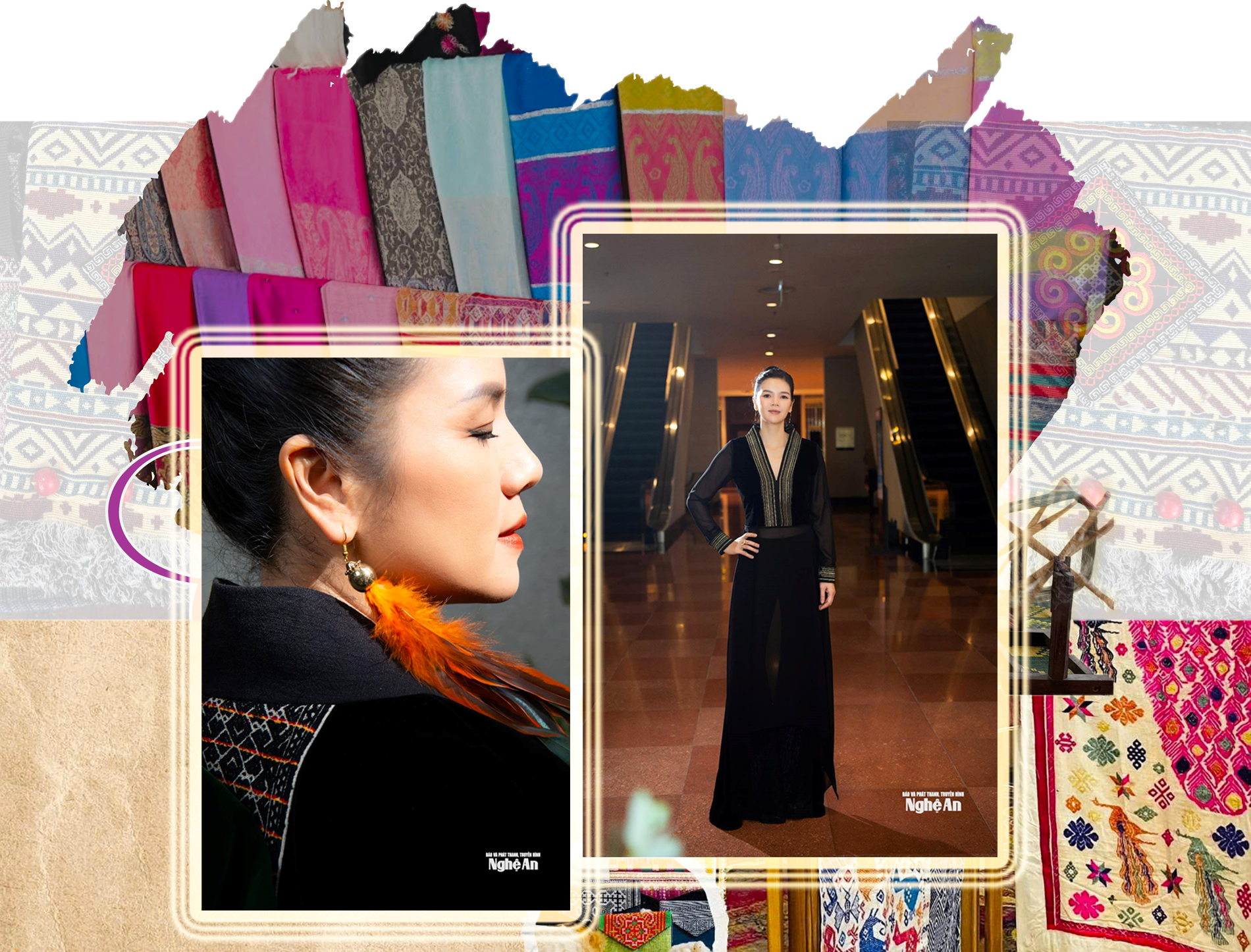
Fashion designer Pham Ngoc Anh:This year, I'm working on a collection of ao dai (traditional Vietnamese dresses), jackets, and scarves using brocade from various regions, with brocade from the Thai Hoa Tien ethnic group remaining my top priority. I've contacted artisan Sam Thi Tinh to select the most suitable fabrics.
I also hope that one day soon I will be able to return to the village in person, to witness firsthand how the villagers weave their dreams onto fabric, to understand more deeply and nurture a lasting love for this land. Each product I create is not just for commercial purposes, but encapsulates all the meticulousness, patience, and love I have for my ethnic culture.


