
Japan: 10 travel mistakes that can easily cost you money.
Eating in tourist areas, only buying from convenience stores, booking hotels in the heart of Shinjuku, or visiting during cherry blossom season… these are habits that significantly increase the cost of traveling in Japan, according to a local expert in Tokyo.
Japan is captivating with its exquisite cuisine, vibrant nightlife, and extensive train system, but just a few wrong choices can significantly increase your travel budget. Naki, a local travel expert in Tokyo, points out 10 common mistakes and suggests ways for travelers to optimize their spending while still fully experiencing the Land of the Rising Sun.
1. Eating at expensive restaurants right in the tourist area.
In popular areas like Tsukiji Market, restaurants catering to tourists can charge up to 4,400 yen for a bowl of seafood. Meanwhile, in the same area, local eateries like Matako Yaunten only charge around 800 yen (approximately 140,000 VND) for a similar dish. In Asakusa, prices at restaurants catering to tourists are often double the usual rate.
Naki suggests that travelers use Tabelog to check the expected prices and star ratings of restaurants beforehand. Establishments with 3 stars or more usually guarantee food quality and service, giving you more peace of mind when choosing a place to eat amidst the crowded array of restaurants.
2. Only shop at convenience stores.
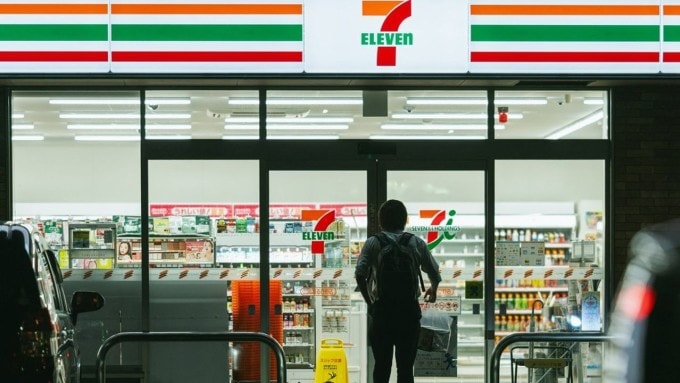
Convenience stores in Japan are numerous and open almost all day, but prices are often about 30% higher than supermarkets. When comparing common items like tea, instant noodles, potato chips, coffee, and beer, the price difference can be as much as 221 yen (38,000 VND) for the same product.
Naki advises tourists to prioritize visiting supermarkets like Aeon, Seiyu, or My Basket. These places usually stay open late, have a wide variety of goods, and are suitable for buying snacks, fresh produce for a simple dinner, or food souvenirs.
3. Buying SIM cards at the airport at high prices.
SIM cards sold at the airport are usually more expensive than buying them in advance. Naki advises travelers to prepare in advance, especially eSIMs, which can be ordered online and activated upon arrival in Japan. This saves money and avoids long queues to buy a SIM card after a long flight.
4. Skip the 10% tax-free shopping.
Without taking advantage of the 10% tax-free system, tourists could easily end up spending a significant amount more on shopping. Those staying for less than six months and with a receipt of 5,000 yen or more from a single store on the same day are eligible for the tax exemption.
Japan offers two methods of tax refund: direct tax deduction at the checkout counter or refund at the airport. Popular shopping locations offering this service include Bic Camera, Yodobashi Camera, Don Quijote, and Matsumoto Kiyoshi. The process usually only requires presenting your passport, but travelers should note that they should not open packages while still in Japan if they want to maintain the tax-free period.
5. Focusing only on dinner, you miss out on great value lunch sets.
At the same restaurant, dinner prices in Japan are often significantly higher than lunch prices. At Yakiniku King, a buffet lunch costs around 2,000 yen (340,000 VND), while dinner is over 3,000 yen (500,000 VND). At high-end sushi restaurants, lunch might be around 3,000 yen, but dinner can go up to 8,000 yen (1.3 million VND).
Naki advises tourists to take advantage of lunchtime to enjoy quality Japanese food at more reasonable prices, then dedicate the morning or evening to sightseeing. This rhythm of life is also similar to how the locals arrange their daily meals.
6. Only choose hotels in overly central locations.
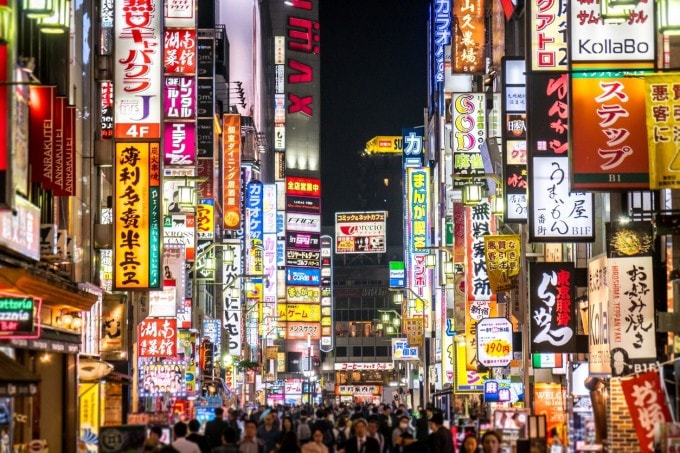
Being in the middle of bustling areas like Shinjuku or Ginza makes transportation convenient, but accommodation costs increase significantly. According to Naki, on weekends, hotel rooms in Shinjuku cost around 26,000 yen (4.4 million VND) for two people, while in Kamata it's only about 16,000 yen (2.7 million VND).
Tokyo's extensive train system means that from Kamata, visitors can reach the bustling Shinjuku district in just 23 minutes. Naki suggests choosing accommodation a little further from the city center, with a train journey to the main area of about 20 minutes, to balance cost and convenience.
7. Pay extra for breakfast at the hotel.
Hotel packages that include breakfast typically add around 2,000-3,000 yen to the cost. Meanwhile, local cafes offer a cheaper and more relatable alternative.
Naki suggests Komeda Coffee, where tourists can get free toast and eggs with their drink purchase, costing around 600 yen (100,000 VND). Even ice cream soda is only 720 yen (120,000 VND). This makes breakfast more economical while still providing a truly "Japanese" experience.
8. Exchanging money at the airport involves high exchange rates and fees.
Currency exchange counters at airports often offer unfavorable rates and high fees. Naki suggests travelers exchange money at locations within the city or withdraw cash from 7-Eleven ATMs, which operate 24/7.
According to Naki's experience, each person should prepare about 5,000 yen (850,000 VND) in cash each day for basic expenses, and the rest can be paid by card or e-wallet depending on circumstances.
9. Not booking tickets in advance.
Buying tickets for the day is both more expensive and carries the risk of tickets selling out. For Tokyo Sky Tree, tickets purchased directly on the day cost 3,500 yen (approximately 590,000 VND), while advance bookings are only 3,100 yen (approximately 520,000 VND).
Booking tickets in advance not only saves money but also gives you more control over your visit times and helps you avoid long queues at crowded attractions.
10. Travel during peak season.
During peak season, almost all expenses, from hotels and airfare to entrance fees, increase. Periods to consider if you want to save money include cherry blossom season (late March to April), Golden Week (late April to early May), mid-August, Christmas, and New Year.
Naki suggests times like June, September, and November, when the weather is more pleasant, there aren't too many tourists, and prices are lower. This is also when visitors can easily take photos and experience the local streets, shops, and restaurants without the crowds.
By avoiding these 10 mistakes, travelers can use their budget more effectively for memorable experiences in Japan, from quality lunches and local cafes to the brightly lit streets of Tokyo at night.


