
Japan: The only East Asian country to abandon Lunar New Year in pursuit of modernization.
Since 1873, Japan has switched to celebrating the New Year according to the Gregorian calendar as part of the Meiji Restoration, creating the unique Shōgatsu New Year celebration culture while still preserving its traditional identity.
While East Asian countries like Vietnam, China, and South Korea are bustling with preparations for the Lunar New Year, Japan is a fascinating exception. More than a century ago, the Land of the Rising Sun decided to abandon the lunar calendar and celebrate the new year entirely according to the solar calendar, marking a significant turning point in the country's modernization process.
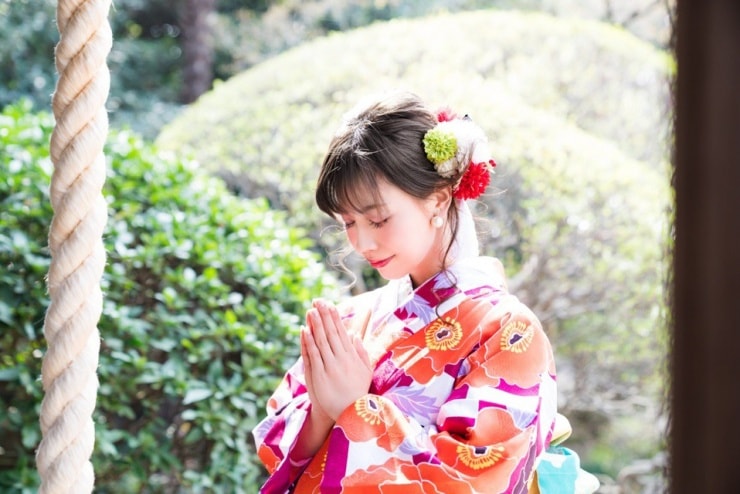
The historic reforms under the Meiji era
Japan's decision to abandon the Lunar New Year was not simply a change in timing, but a profound political and economic strategy. Before 1873, Japan used a lunisolar calendar similar to its neighbors. However, during the Meiji Restoration (1868-1912), the government aimed to break Japan out of its feudal model and rapidly industrialize to catch up with Western powers.
According to JBpress, the adoption of the Gregorian calendar (solar calendar) in all administrative, educational, and military activities from January 1, 1873, helped Japan synchronize with the world. This change happened quite suddenly, causing difficulties for many families at the time in preparing traditional dishes or decorations like kadomatsu, but it laid the foundation for the modern Japan we know today.
Shōgatsu: When the traditional New Year is shifted
Despite the change in calendar, the Japanese have not abandoned the core values of New Year's Day. Instead, they have undergone a cultural "shift." Customs associated with the traditional Lunar New Year, such as thorough house cleaning (Susuharai), ancestor worship, and family reunions, have been fully preserved but are now celebrated on January 1st of the Gregorian calendar.
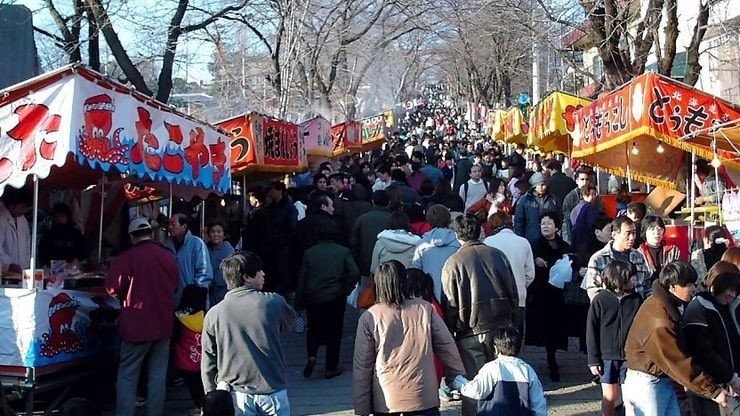
The Japanese New Year, called Shōgatsu, is a time for people to enjoy traditional dishes such as Osechi-ryori or mochi rice cakes. New Year's Eve (Ōmisoka) still holds sacred significance, with the ringing of temple bells dispelling the worries of the old year and welcoming a new beginning.
Remnants of the lunar calendar still remain in daily life.
Interestingly, despite celebrating the Gregorian New Year for over 150 years, many elements of the lunar calendar still subtly permeate the spiritual lives of the people. The name Ōmisoka, originally derived from the 30th day of the lunar month, is now used for December 31st. Some temples and rural areas still maintain festivals on the full moon of the first lunar month (Koshōgatsu), demonstrating a harmonious blend of the old and the new.
In addition, the cultural tradition of sending New Year's greeting cards (nengajō) remains an indispensable part of the tradition. Although digital technology is gradually replacing it, the image of stacks of cards being distributed by the post office on the morning of the first day of the New Year is still a symbol of the Japanese people's connection and gratitude towards their relationships.
Japan's journey of abandoning the Lunar New Year to build a new identity based on the Gregorian calendar is a testament to the spirit of "integration without assimilation." Visiting Japan at the beginning of the year, tourists will experience a festive atmosphere that blends modern Western influences with rich traditional East Asian flavors.


