
Is Japan about to ban smartphones in key government offices?
On February 27, officials from Japan's ruling Liberal Democratic Party (LDP) confirmed the approval of plans to enhance national intelligence capabilities. This is seen as the latest step in the comprehensive defense reform process spearheaded by Prime Minister Sanae Takaichi, following the LDP's overwhelming victory in the snap election earlier this month.
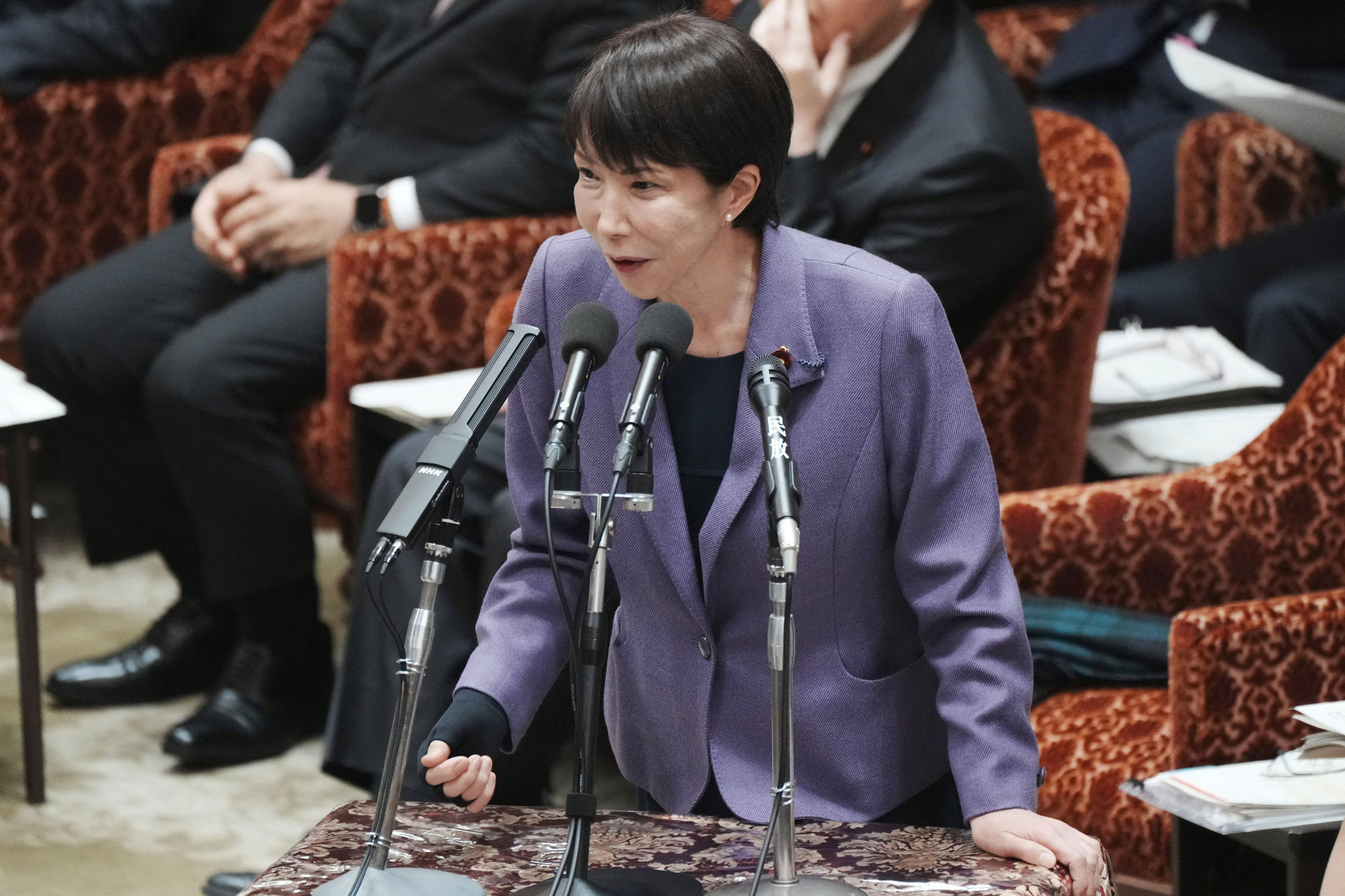
Prime Minister Sanae Takaichi is determined to fulfill his commitment to building a "strong and prosperous" Japan through a series of key policy changes in the defense and intelligence sectors.
According to an LDP official who spoke to AFP, the proposal, recently approved by the party's Intelligence Strategy Headquarters, includes the establishment of a high-level intelligence base and strengthening "foreign intelligence gathering capabilities."
To tighten security, the plan proposes establishing a mandatory registration system for "foreign representatives," including individuals and corporations lobbying in Japan on behalf of foreign governments. Along with this, a ban on the use of mobile phones will be implemented in key government buildings.
The detailed plan is expected to be submitted to Prime Minister Takaichi next week.
Speaking at the meeting to approve the proposal on February 26, LDP Policy Committee Chairman Takayuki Kobayashi emphasized: "One of the central pillars of the major policy shift under Ms. Takaichi is fundamentally strengthening intelligence. Simply creating an organization on paper is completely meaningless; the issue is how to turn it into a truly dynamic and effective machine."
Besides the intelligence sector, local media reported on February 25th that the LDP has also proposed revising Japan's already stringent regulations on military equipment exports. This move aims to pave the way for the future export of lethal weapons.
Furthermore, Prime Minister Takaichi previously announced plans to revise three key national security policy documents this year to adapt to the rapidly changing security environment.


