
How do high temperatures affect smartphones?
Experts and smartphone manufacturers warn that high temperatures not only reduce performance but can also permanently shorten battery life.
Smartphones, tablets, and many other personal electronic devices have become indispensable in modern life. However, few people realize that they are extremely sensitive to weather conditions, especially on hot days.
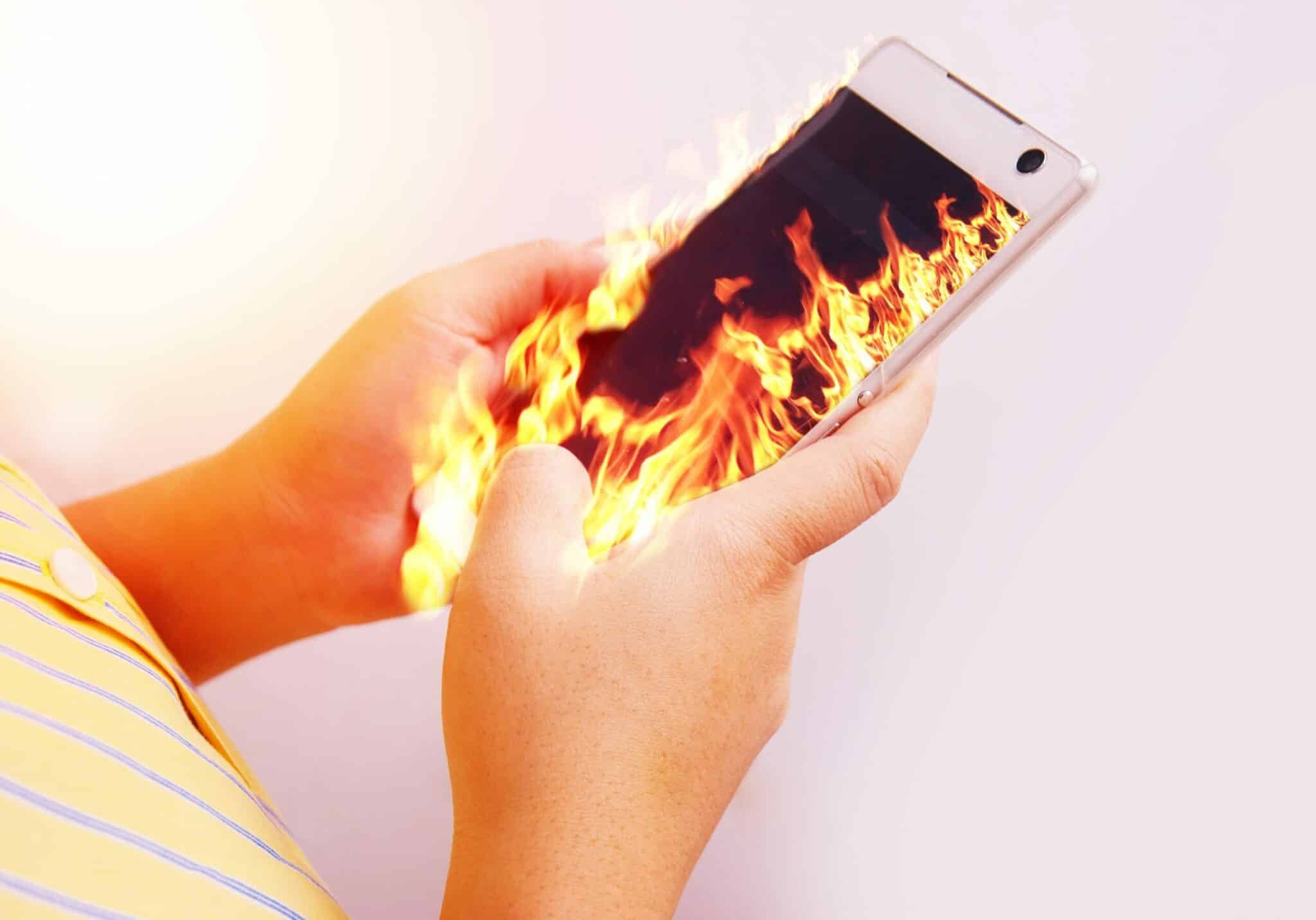
When ambient temperatures rise, not only the battery but also the processor, screen, and other internal components are under significant stress. This can lead to overheating, reduced performance, even sudden shutdowns, or permanently shortened battery life.
How does temperature affect smartphones?
According to manufacturers, most electronic devices operate stably within a certain temperature range. Apple states that iPhones and iPads are designed for use between 0 and 35 degrees Celsius. If this limit is exceeded, the device may automatically adjust its behavior to protect the hardware, such as reducing performance, dimming the screen, or temporarily stopping charging. Apple even warns that using an iPhone in excessively hot conditions can permanently reduce battery life.
Even without direct environmental impact, phones can still heat up during operation. Samsung states that the device may temporarily overheat when users wirelessly charge, download large files, play high-quality videos, or run data-intensive and power-intensive tasks. This is normal, but if the temperature rises too high, risks begin to emerge.
If your phone gets so hot it's difficult to hold, experts recommend stopping use immediately. On iPhones, users will receive a warning prompting them to cool down the device before continuing.
Similarly, Android devices will also send notifications and implement protective measures such as automatically closing apps, dimming the screen, and pausing charging. These measures help limit hardware damage but also disrupt the user experience.
Common mistakes to avoid
Many seemingly harmless habits can actually damage your phone in hot weather. Apple and Google both warn users against leaving their devices in cars in the sun, and also advise against prolonged direct sunlight exposure. Using resource-intensive features like GPS, camera, or high-graphics games while charging in hot weather further increases the risk of overheating.
Another common mistake is trying to cool down your phone by placing it in the refrigerator or freezer. Experts from the UK electronics retailer Currys emphasize that this can cause condensation inside, leading to permanent component damage.
How to keep your device cool
The simplest and most effective solution when your phone is overheating is to turn it off completely. Experts say that even background processes generate heat, so turning it off will help the device cool down faster. Additionally, removing the phone case is also helpful because the case tends to retain heat, making it harder for the phone to dissipate heat.
In addition, place your phone in a cool place, away from direct sunlight. If possible, keep it in an air-conditioned room or in front of a fan to help the device stabilize its temperature quickly. However, users should be careful not to leave the phone in an excessively cold environment to avoid thermal shock or damage due to condensation.
In the context of climate change leading to increasingly intense heatwaves, protecting your phone and other personal electronic devices not only helps maintain a smooth user experience but also avoids the risk of long-term damage to the battery and hardware.
Instead of relying on the durability of technology, users should proactively take preventative measures by adopting safe habits, so that their devices don't become "silent victims" of extreme weather.


