
Many avenues for addressing the issue of grassroots officials in Nghe An.
Following the administrative reorganization, despite difficulties regarding personnel, Party committees and local governments in many areas have proactively and flexibly managed and operated the system to ensure smooth operation without bottlenecks or stagnation. In the long term, this work requires comprehensive solutions to ensure a sufficient number of human resources with the right structure and suitable job positions at the commune level.
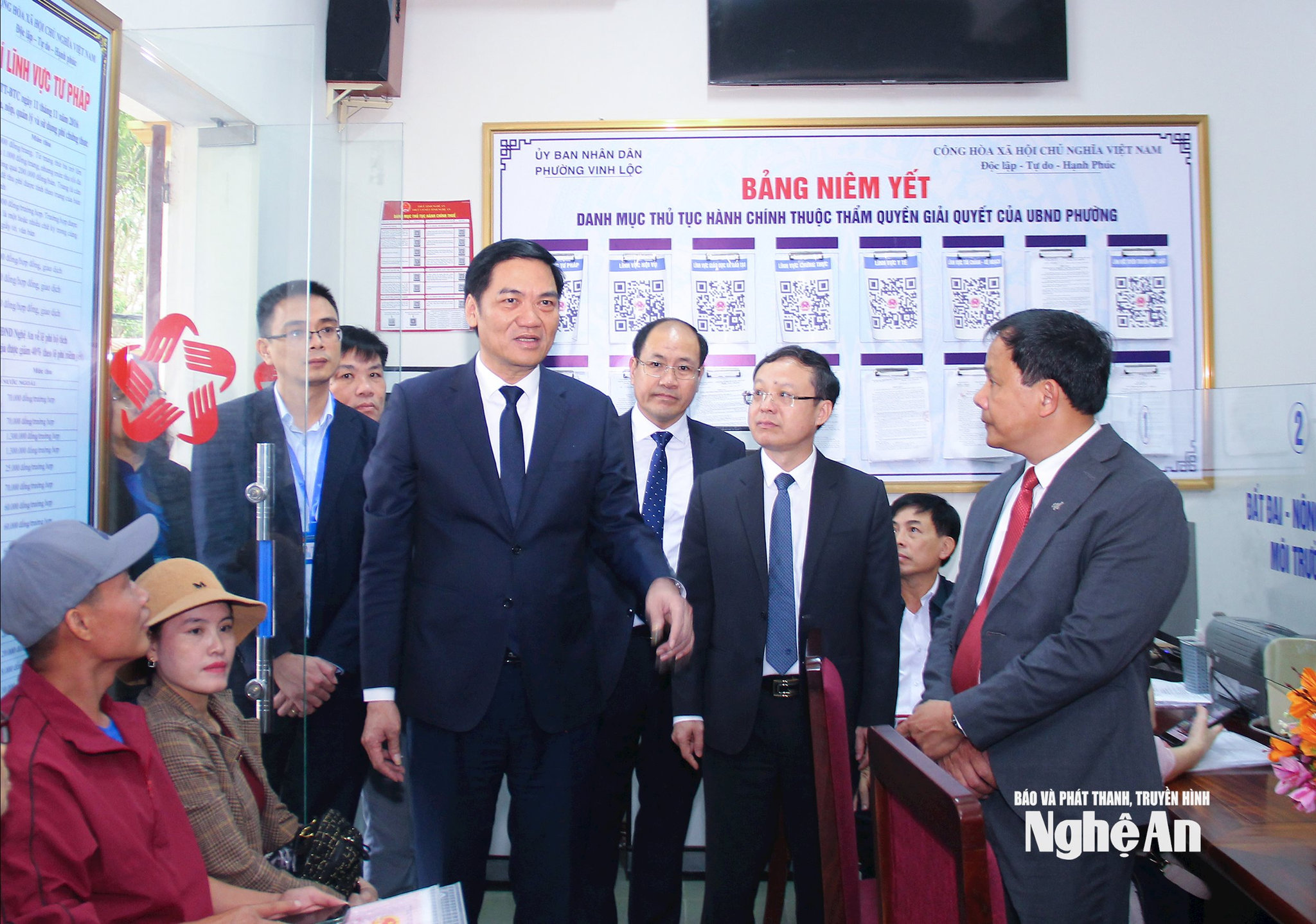
Create positive momentum at the grassroots level.
With the implementation of a two-tiered local government system, many commune-level units, especially in mountainous and border areas, are facing the reality of increased workload, while the staff and civil servants are both insufficient in number and inadequate in expertise. In this context, many localities have shown flexibility in direction and management, striving to serve the people and creating positive changes at the grassroots level.
In Tien Dong commune, as of the end of November 2025, the entire commune is lacking 16 job positions, including several leadership positions in specialized departments and offices, such as Chief of the People's Council and People's Committee Office; Deputy Chief of the Party Committee Office; and Head of the Culture Department.
In some key professional fields, such as the Culture Department and the Economic Department, the Fatherland Front Committee at the commune level only has 50% of the personnel required according to the staffing plan. On the other hand, some fields requiring specialized expertise, such as education, health, land management, construction, and information technology, lack staff trained in the correct specialties.

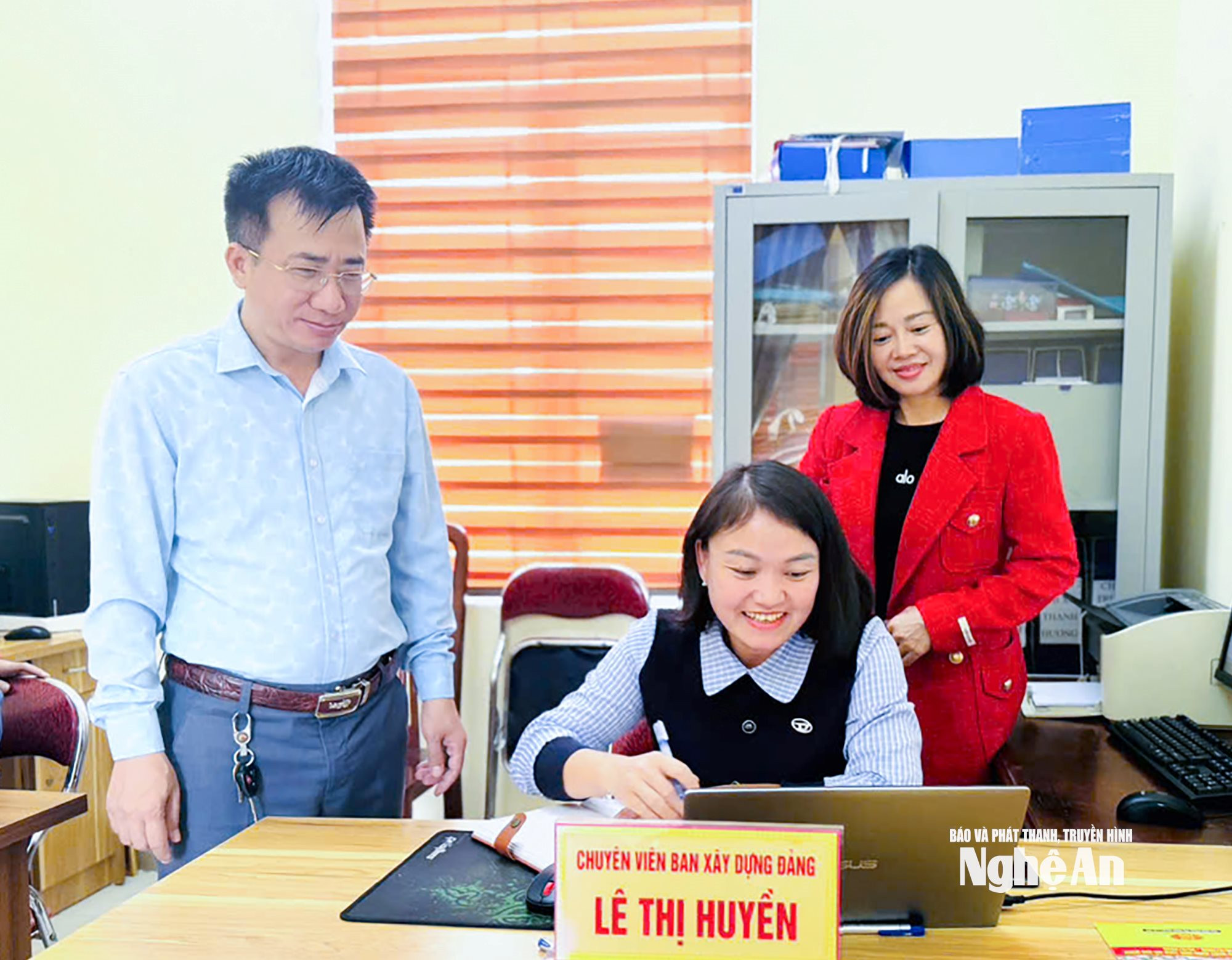
The Party Committee and the local government of Tien Dong commune prioritize political and ideological work, encouraging cadres and civil servants with outstanding abilities, good skills, and a high sense of responsibility to take on additional tasks in vacant positions; at the same time, they support and mentor other cadres to prevent bottlenecks in the system. This is not just a temporary solution, but a way of organizing work that suits new requirements: experienced people guide less experienced people, urgent tasks are assigned to skilled people, avoiding the situation of assigning tasks indiscriminately, which leads to bottlenecks when there are many tasks, tight deadlines, and high demands for processing.
Secretary of the Party Committee of Tien Dong Commune, Le Thi Theu
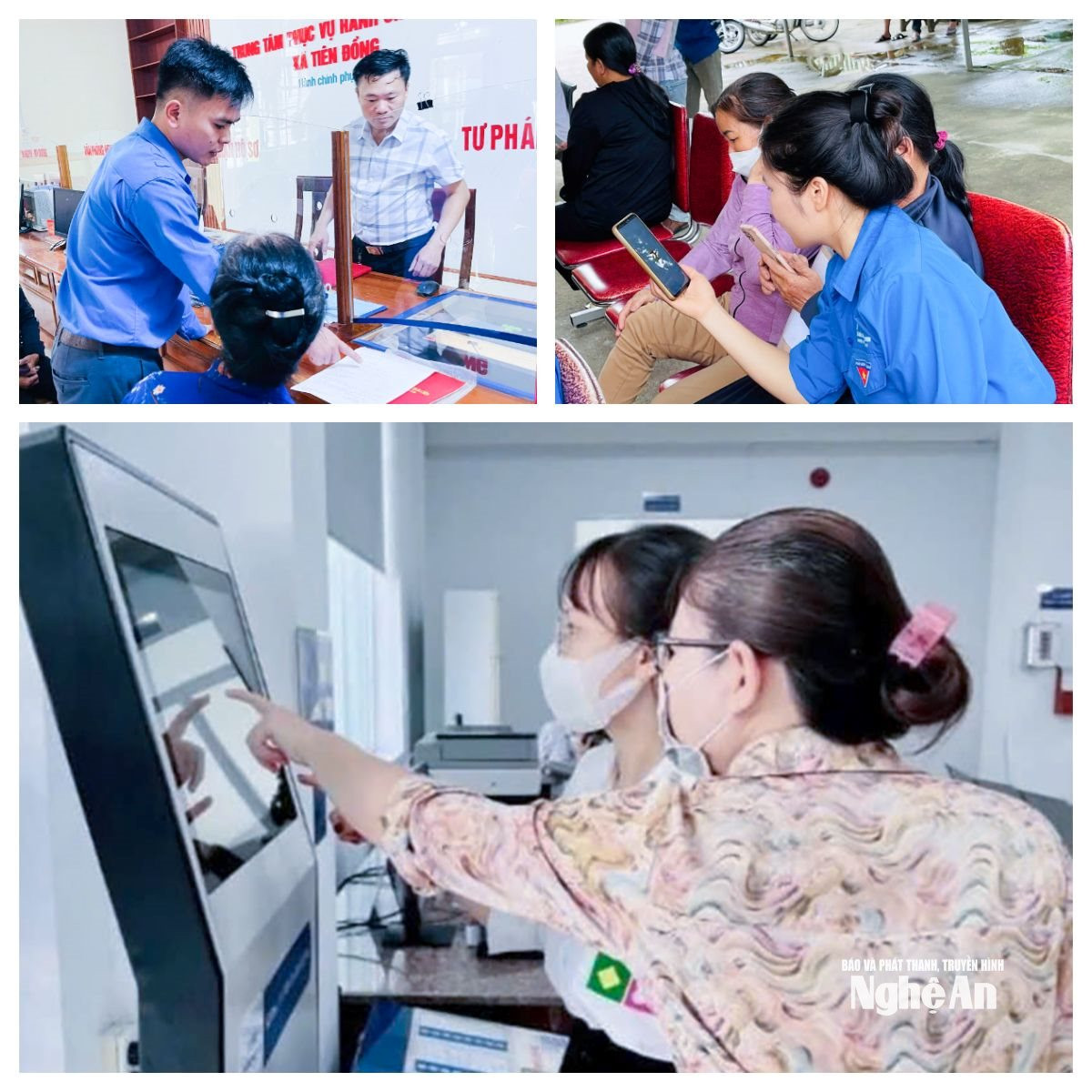
In specific tasks, such as updating land data and compiling statistics on post-storm damage, Tien Dong commune prioritizes mobilizing the entire political system. The spirit of "not 'my job' or 'your job,' but a shared political task for the locality" has become the guiding principle, helping to improve work efficiency, increase connectivity, and reduce pressure on the specialized staff, who are facing a severe shortage of personnel. This approach in Tien Dong commune also clearly demonstrates a new management mindset at the commune level after restructuring: unity to overcome difficulties, sharing to reduce workload, and support to improve work quality.
This not only helps localities complete their tasks in the context of personnel shortages but also builds a mechanism for working together in solidarity and collaboration, fosters a culture of responsibility, and builds people's trust in the grassroots political system.
In Hoa Quan commune, while there is no shortage of staff in terms of personnel quotas, the "bottleneck" lies in the professional structure and the ability to meet the demands of the new context. The Party Secretary of the commune, Nguyen Trong Anh, frankly acknowledged: Many officials have degrees and professional qualifications, but their ability to perform their duties is limited. Previously, many tasks belonged to the district level; the commune only handled a part of them. Now, commune officials must simultaneously handle both their professional duties and directly address the needs of the people. Some officials have to take on additional tasks outside their field of study, further highlighting their limitations in skills and expertise. Notably, key positions such as the Head of the Culture Department and officials specializing in land, finance, and justice still do not meet the requirements, increasing pressure on the entire system.
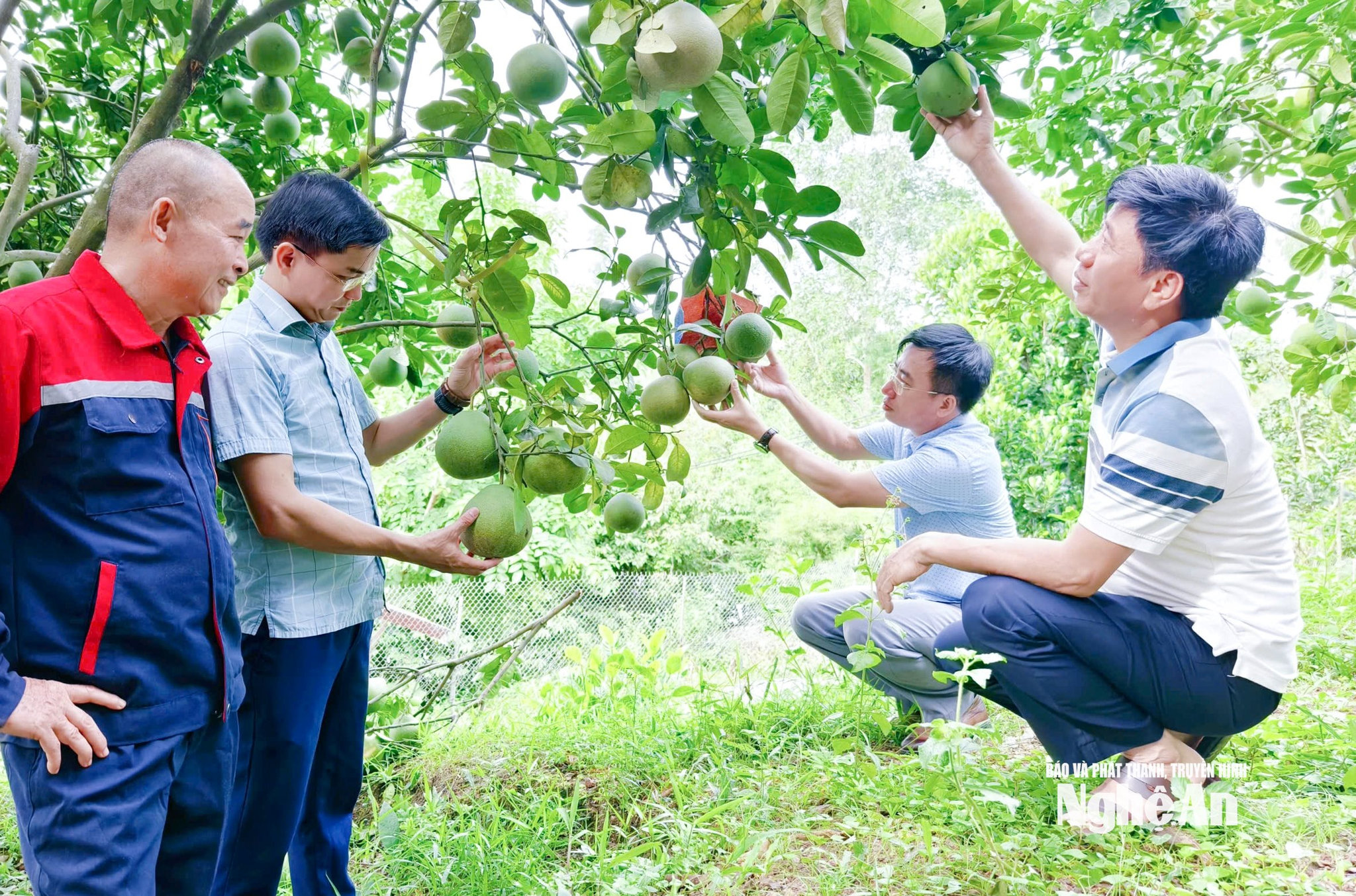
To ensure smooth operation, Hoa Quan commune has proactively arranged, deployed, and assigned staff flexibly based on competence rather than rigid assignment. Highly capable and responsible staff members are assigned to fill vacant positions; at the same time, the commune organizes training and professional development in various fields to gradually improve the overall skills of the staff. Most importantly, the spirit of "working until the job is done, not until the clock strikes the hour," working even on Saturdays and Sundays, and dedicating oneself wholeheartedly to work has been fostered as a "new standard" among the officials and civil servants of Hoa Quan commune.
The spirit of "working until the job is done, not until the clock runs out," working all day Saturday and Sunday, and dedicating oneself wholeheartedly to the work has been instilled as a "new standard" among the officials and civil servants of Hoa Quan commune.
Comrade Nguyen Trong Anh - Secretary of the Party Committee, Chairman of the People's Council of Hoa Quan Commune
The change in attitude and conduct began with each member of the Standing Committee, the Executive Committee, and the Party Committee of Hoa Quan commune, spreading to every official and civil servant. This is the decisive factor for the effective operation of the two-tiered government apparatus. In addition, Hoa Quan commune has established eight grassroots working groups, assigning clear tasks and specifying operating procedures from the leadership level down to each specialist.
This network not only creates interconnectedness in work processes but also acts as a "support buffer" between different sectors, enhancing proactiveness and efficiency in carrying out political tasks at the local level.
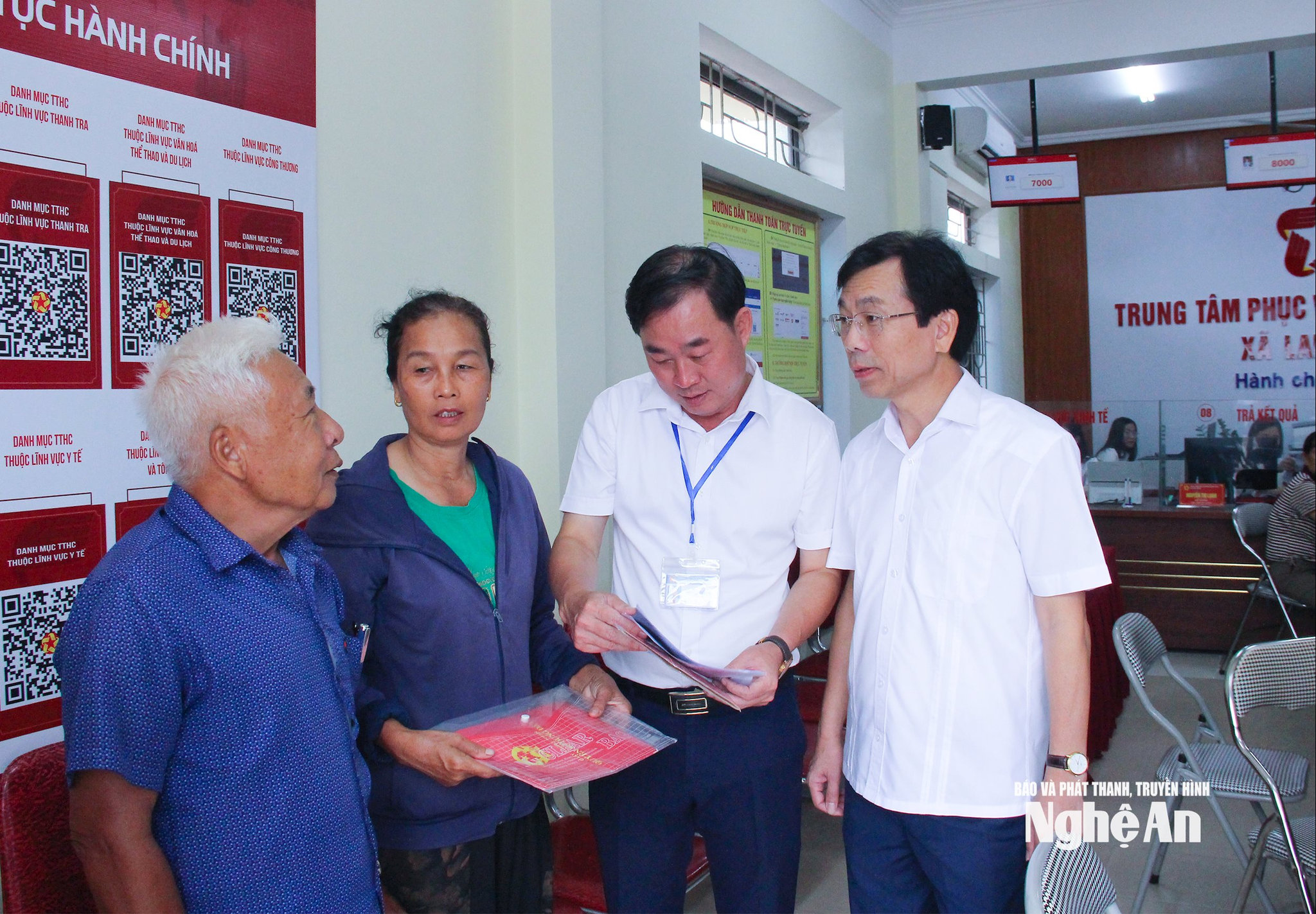
Three options for supplementing staff at the facility.
The reorganization of the administrative apparatus is linked to the restructuring of the workforce, therefore, immediate difficulties are unavoidable. Observations in many localities reveal a common thread: the strong sense of responsibility, the effort to overcome difficulties, and the great determination of the grassroots officials. Despite a shortage of personnel and expertise, through flexible management, internal consensus, the sharing and support of the people, and the hands-on guidance from relevant departments and agencies, the grassroots apparatus is operating and gradually adapting to the requirements of a two-tiered government system.
However, many grassroots officials frankly point out that: While they may be able to adapt in the initial stages, in the long run, the workforce must be adequately supplemented in terms of quantity, and a solid foundation of training, recruitment, development, and remuneration must be built so that commune-level officials have the "right mindset, the necessary competence, and the required skills" to meet the management requirements in the new context.
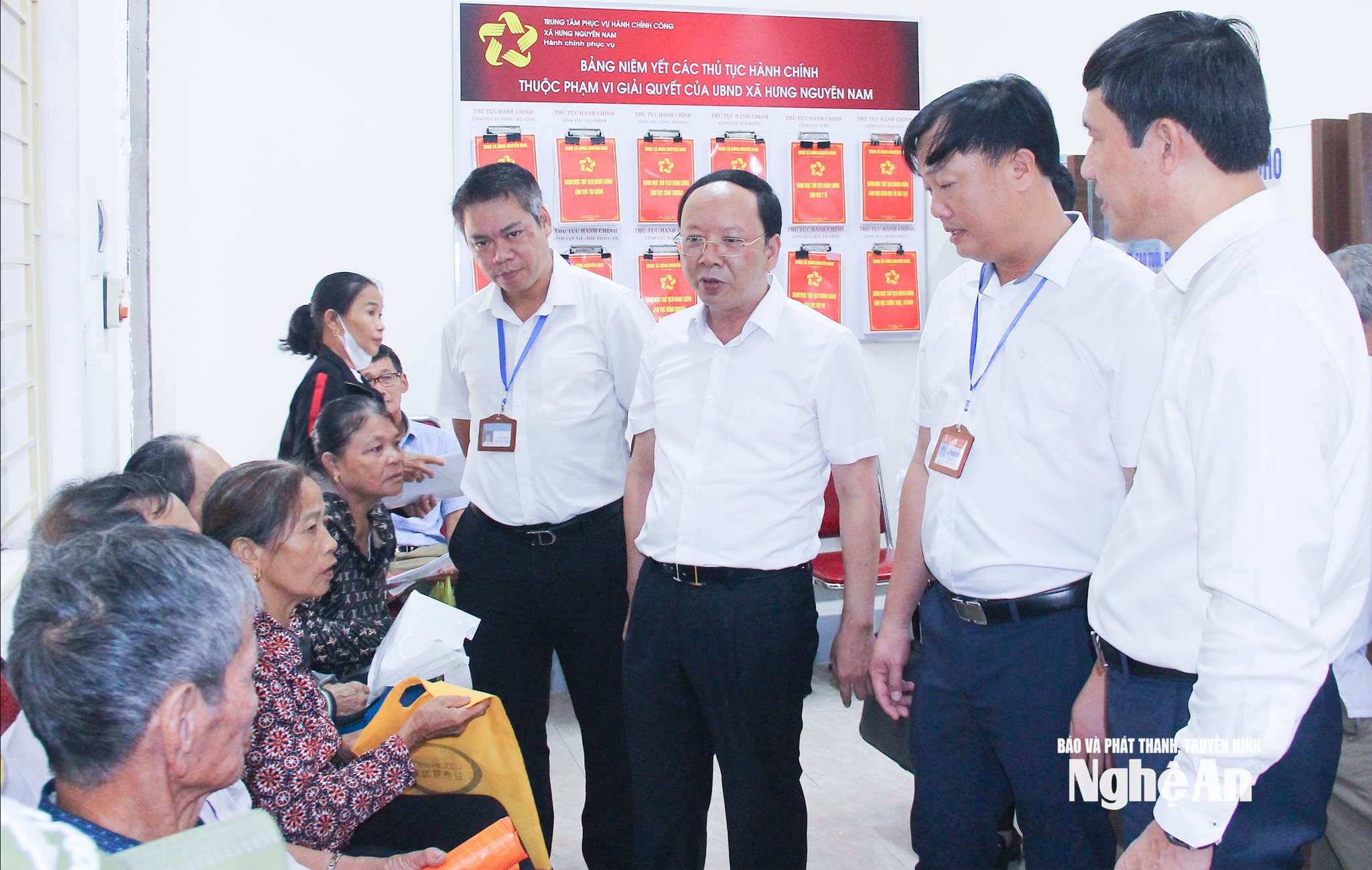
In recent times, Nghe An province has issued many policies related to the arrangement, placement, transfer, and secondment of officials from the province to communes and from communes with a surplus to those with a shortage. The province has also decentralized authority to allow localities to proactively find sources to fill vacant positions.
As of November 24, 2025, within the Party Committee and Fatherland Front's staffing departments alone, 54 out of 130 communes in the province still have fewer than 59 staff members. Many localities lack several important positions simultaneously, such as the Chief and Deputy Chief of the Party Committee Office; the Chairman and Deputy Chairman of the Inspection Committee; and leaders and specialists of political and social organizations. This shortage directly impacts the advisory capacity of the Party committees and the effectiveness of leadership and guidance at the grassroots level, especially in the context of increasingly demanding tasks. Conversely, some localities, after mergers, have experienced a surplus of staff, leading to an imbalance in human resources between regions.
To address this issue, Comrade Nguyen Viet Hung – Member of the Provincial Party Committee, Director of the Department of Internal Affairs – stated that the Provincial Party Standing Committee issued Conclusion No. 07 dated November 10, 2025, on continuing to recruit, transfer, and second cadres, civil servants, and public employees to work in communes that are still understaffed. Based on this, the Provincial Party Organization Committee and the Provincial People's Committee have developed a plan for synchronized implementation within Party, Front, and government agencies, aiming to overcome the localized surplus and shortage, ensuring sufficient numbers, the correct structure, and suitability for job positions. The supplementary human resources will be deployed in three directions: transferring from communes with a surplus to those with a shortage; transferring and seconding 5% of cadres, civil servants, and public employees from provincial-level departments and agencies to communes; and recruiting public employees from public service units and part-time workers at the commune level.
Specifically for personnel transferred from the province to the communes, the Provincial Party Standing Committee requested the selection of individuals with expertise and experience in key areas such as land management, construction, finance, healthcare, education, and information technology.
Objective: By the end of 2025, personnel will be assigned to fill vacant leadership and management positions, and seconded to fill positions currently lacking civil servants. In 2026, personnel will be assigned to fill leadership and management positions that are still vacant according to regulations, and seconded to reinforce positions currently lacking civil servants who meet the job requirements.
Along with the policy of supplementing staff at the grassroots level, the Provincial People's Committee also issued Decision No. 87 dated November 10, 2025, decentralizing the management of civil servants and public employees to the Chairmen of the People's Committees at the commune level, including assignment, rotation, and secondment. This is an important step in resolving issues, helping communes to be more proactive in allocating human resources and addressing localized surpluses and shortages within their own localities.
When commune-level officials are fully staffed with the right expertise and assigned to the right positions, areas that were previously bottlenecks, such as land management, basic construction, finance and accounting, Party work, the Fatherland Front, and mass organizations, will be implemented more quickly, efficiently, and transparently. This is not only a requirement but also a sustainable direction to improve the quality of service to the people and enhance the effectiveness and efficiency of the political system at the grassroots level in the new development phase.


