
Many unique Tet experiences to choose from in the highlands of Nghe An province.
In early spring, vast fields of peach and plum blossoms burst into bloom across the villages of western Nghe An province. Hidden deep within the mist and the crisp coolness lies a vibrant way of life, blending with new aspects of community-based tourism services, offering visitors many choices to fully experience the Tet holiday atmosphere in the pristine highlands with their loved ones. Western Nghe An now not only attracts tourists with its unspoiled beauty, but is truly transforming with "green," "new," and culturally rich experiences.
Many new services and experiences
In the days leading up to Tet (Lunar New Year), many families have planned trips to celebrate the holiday with loved ones and friends. Besides choosing to travel to other provinces, many groups of friends and families also choose to visit the villages in the Mekong Delta region of Nghe An province. This is certainly a good choice, because this year, the Mekong Delta has many new attractions and services for tourists.
.jpg)
For example, in the communes of the former Con Cuong district, while previously these were familiar destinations associated with the cuisine and traditional dances of the Thai ethnic group such as Nua village, Xieng village, Khe Ran village, Khe Kem waterfall… this year, there are many new homestays and services such as: check-in points, experiences of “high mountains and precious medicinal herbs”, and shopping for more than 15 types of OCOP products at the herbal garden of Pu Mat Medicinal Herb Company (Con Cuong commune). There are also additional accommodation options and food stalls serving throughout the Tet holiday, such as homestays in Xieng village, Nua village, Bai Gao village, and Khe Choang village in Chau Khe…
These tourist destinations are also located within the Pù Mát ASEAN Heritage Park, infused with new vitality from sustainable tourism development policies. According to the latest direction of Nghe An province, Pù Mát National Park and its buffer zones are no longer just tourist attractions. With a conservation strategy linked to livelihoods for the period 2026-2030, it is becoming a model for "responsible" tourism. Visitors to Con Cuong now not only come to admire the scenery but are also encouraged to participate in environmental protection activities, experience in-depth ecotourism tours, and explore biodiversity in the core area of the ASEAN Heritage Park.
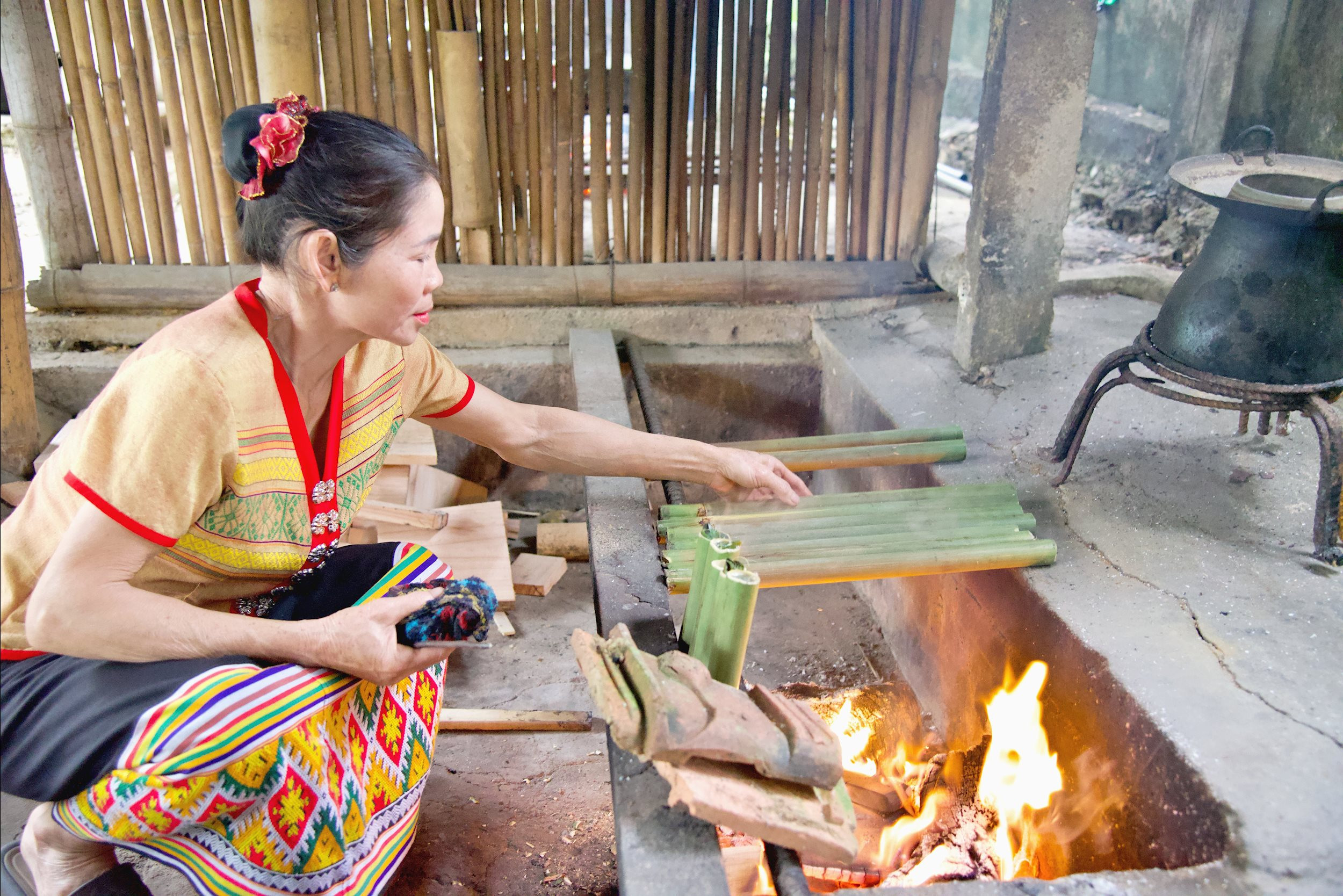
In Muong Long commune, Ms. Le Thi Van, owner of Muong Long Village homestay, said that she opened her homestay more than two months ago and will be open throughout the Lunar New Year (Year of the Horse). Along with Ms. Van's establishment, Muong Long also has four homestays in local homes and one high-end service area with professional investment. Muong Long has long been known as the "Sapa of Nghe An" with its vast orchards of white plum blossoms. Currently, homestay services are gradually "digitizing" with directions integrated into widely available QR codes. In Muong Long, tourists can choose accommodation prices ranging from 100,000 VND/person/night to 600,000 VND to over 1,000,000 VND/room/night with modern and clean amenities. Food prices also range from 150,000-200,000 VND/person with a full range of dishes including black chicken, black pork, various types of dried meat, sticky rice, glutinous rice cakes, and Mong vegetables grown on the pristine mountaintops.
Walking through Muong Long 1 village, visitors are also captivated by the vibrant colors of the Mong Pa Tau brocade embroidery village. This is the first brocade embroidery village of the Mong people in Nghe An. Each stitch not only weaves patterns but also embodies the aspiration to escape poverty and the pride of their culture right on their homeland. What is particularly valuable is that the people here do not pursue tourism in a " каждый за себя" (every man for himself) manner. The establishment of the Muong Long Community Agriculture and Tourism Cooperative is a testament to this spirit of solidarity.
.jpg)
These humble farmers, with their hands stained with mud, now wear a "new coat": they are simultaneously owners, employees, and direct laborers in production. Their genuine nature and hospitality, combined with a systematic approach – supported by expertise and funding from the Global Environment Fund – have created a Muong Long that is both professional and rich in cultural identity.
Goodbye Muong Long, we head down to the border commune of Nam Can. While Muong Long is captivating with its misty mountains, Nam Can is vibrant with the economic pulse of its border crossing and its innovative "household linkage" model. In a sturdy stilt house in Truong Son village, Ms. Lau Y Ai is busy preparing batches of smoked meat for the Lunar New Year. Ms. Y Ai is a prime example of a highland woman who excels at business. She recounts that previously, her family mainly relied on informal livestock farming, with uncertain results. But in the last three years, thanks to partnerships with households involved in tourism, her family's economic situation has improved significantly.
"In recent years, the selling prices of buffaloes, cows, goats, and chickens that my family raises have been higher, and our income has become more stable thanks to our collaboration with other households to develop tourism and provide food services," Ms. Y Ài confided with a radiant smile.
Leading us on a tour of her sturdy farm perched precariously on the mountainside, she proudly showed off her impressive livestock: over 30 goats, 7-8 cows, and more than 200 native black chickens. Remarkably, she no longer had to struggle to lead each goat to the border market and wait for buyers to haggle over prices. “Now, customers come directly to my house to buy because they’ve placed orders in advance, and the prices are stable,” she said.
.jpg)
Her regular customers are people in the tourism industry, like Mr. Xong Ba Lau, the owner of a homestay in the commune. Mr. Lau said that his business has signed a year-long contract to supply all the products to Ms. Y Ai's household.
"Especially in the months leading up to the Lunar New Year, if you don't order from local households to get fresh and clean food, you'll be very vulnerable. Because during this time, people usually concentrate their supply on making dried meat and sausages," Mr. Lau shared.
The close link between farmers and service providers is key to sustainable development. Mr. Lau Ba Chay, Chairman of the People's Committee of Nam Can commune, affirmed that with a total livestock and poultry population of over 23,000, the commune is strongly orienting its economic development towards community tourism. This model not only helps consume agricultural products locally but also ensures a supply of fresh, safe food – a crucial factor in retaining tourists.
Along National Highway 7A from Con Cuong to Muong Long and Nam Can, tourists also have many other options when stopping at the Tam Quang sandalwood forest rest stop, Khe Co tourist spot (formerly Tam Dinh commune); shopping for agricultural products in Na Tong village, Tam Thai commune, and Mac village, Tuong Duong commune.
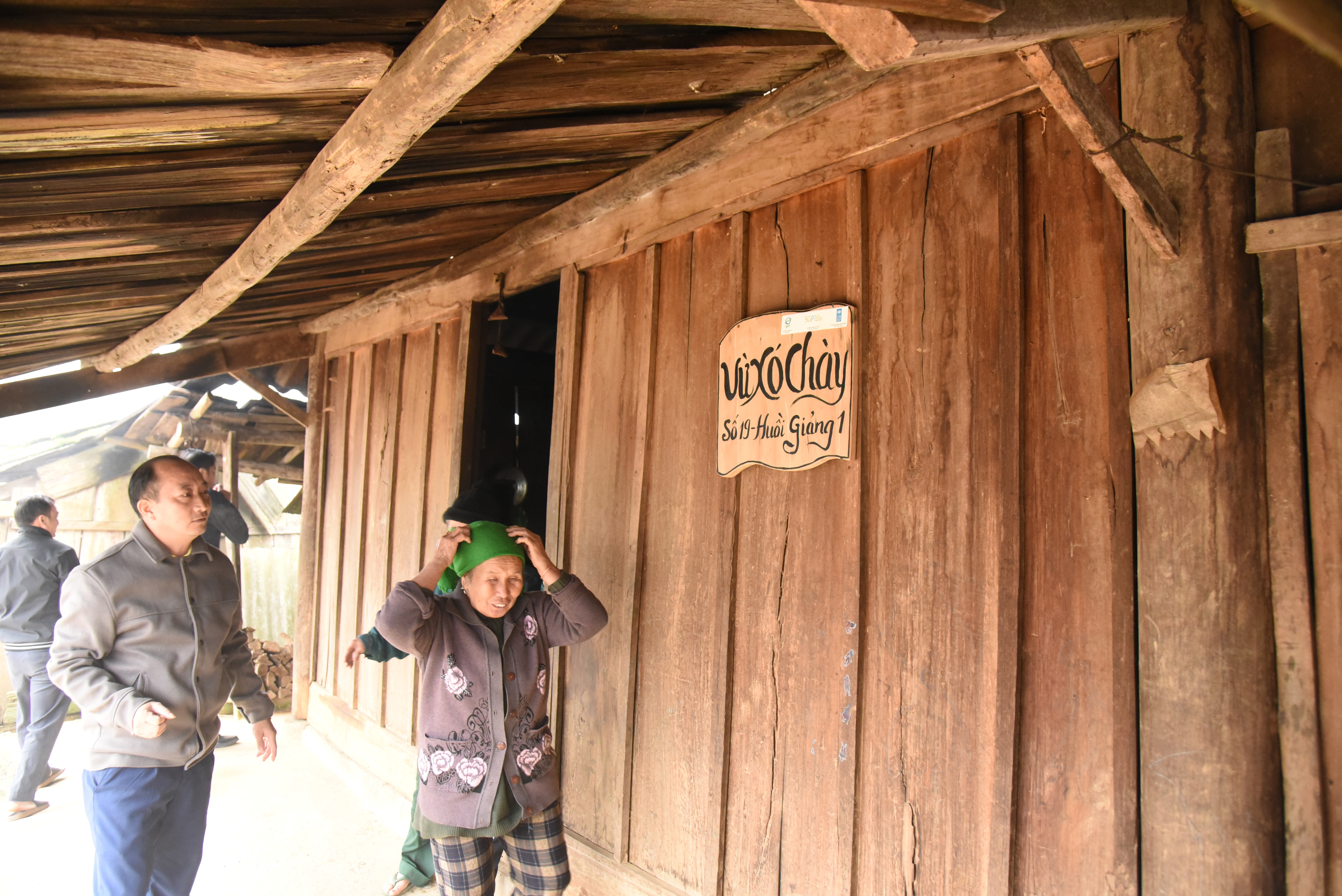
Passing through Muong Xen commune, you can ascend to the highlands of Tay Son to chase clouds, admire the cypress forests, sit under centuries-old samu houses to listen to folk songs of the Mong people, and hear stories about preserving the forest and cultural traditions amidst the flow of modernity. If you visit during the cherry blossom season, Muong Tip will be an unforgettable experience for tourists who love to take photos and check in.
Another option is to visit the villages in Na Ngoi – home to Puxailaileng peak, over 2,700m above sea level, a place that preserves the majestic natural forest teeming with flowers, clouds, medicinal herbs, and characteristic agricultural products. Legend says that on the highest peak, there are still the wreckage of an enemy aircraft shot down, a testament to the resistance of the highland people in their struggle to defend their country.
Where the dinner table tells the story of identity.
After exploring nature and economic models, visitors will have moments of tranquility by the fireplace in a stilt house, sipping warm tea or wine while sharing joyful stories with family and friends. In those moments, amidst the vibrant spring air of a newly started year, if there is a way to touch the heart of a people without language, it is through a family meal.
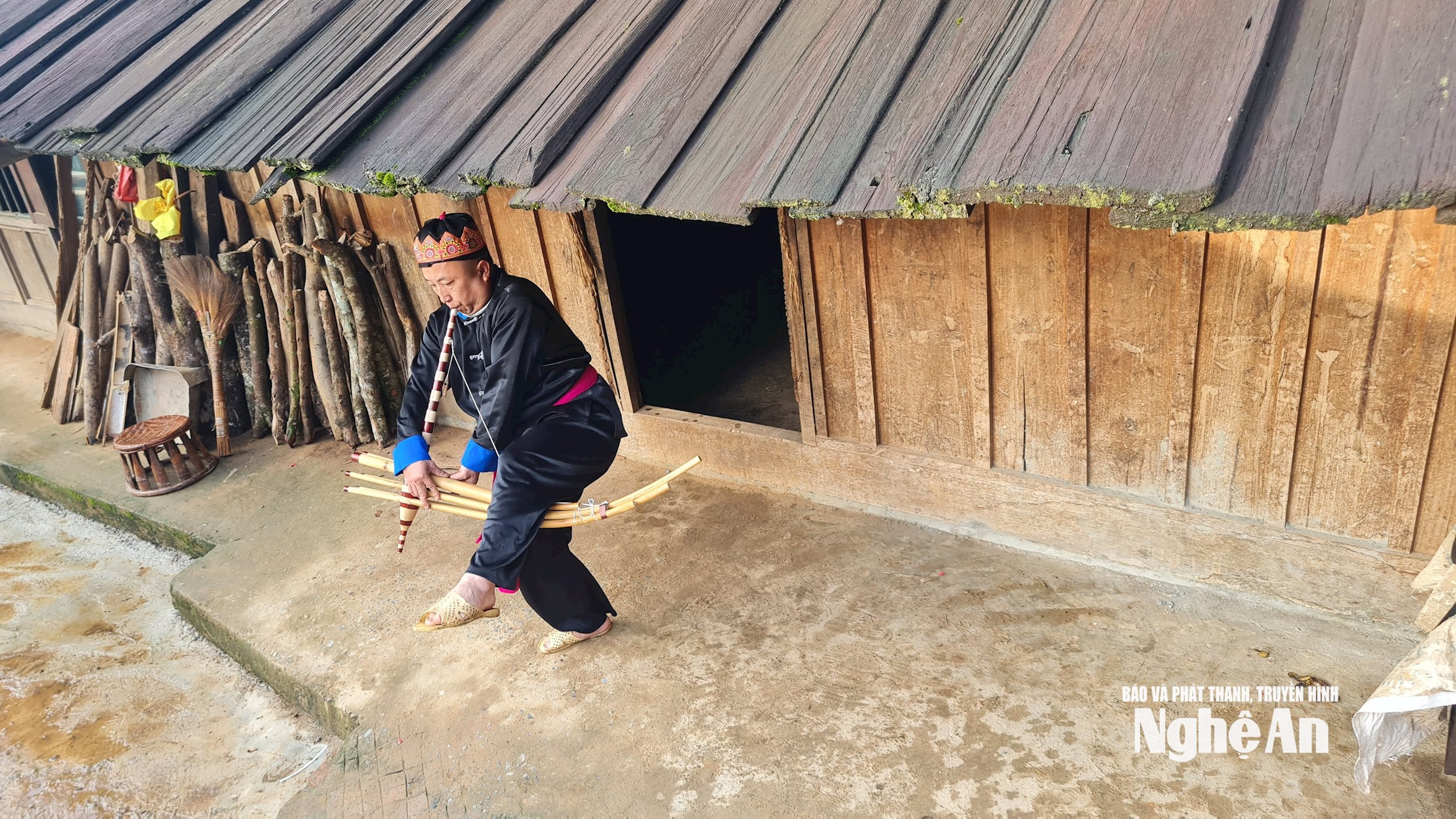
The cuisine of western Nghe An, from the villages of the Thai and Mong people to the border regions bordering Laos, is more than just about eating. It is a "brilliant cultural treasure," a thread connecting people to the land and the spirits. For example, in Nam Can, tourists can enjoy the local cuisine at homestays or at the Nam Can international border market on weekends.
For the Hmong and Thai people, the steamer of sticky rice (Híp) is always placed in the most prominent position on the Tet (Lunar New Year) feast table. The glutinous rice grains, after being steamed, become translucent white, fragrant, and non-sticky.
If sticky rice is the foundation, then the side dishes are the blessings. The dish called "lap," meaning "fortune" or "luck" in Lao, is always present at important occasions like Tet (Lunar New Year) or weddings. The spicy kick of chili peppers, the distinctive aroma of mắc khén (a type of spice), and the minced meat create a unique flavor that breathes the spirit of the mountains and forests. The Tet feast of the local people also includes Pá Pình Tộp (grilled fish). Freshly caught fish from streams and ponds are marinated with herbs and spices from the garden and grilled over charcoal.
.jpg)
Dishes made with natural spices and ingredients are what leave a lasting impression on visitors from afar. From rough, seemingly discarded buffalo hide, the skillful hands of mothers and sisters transform it into a delicacy. Buffalo hide, simmered with taro leaves and rattan, or used in salads, becomes tender and soft, imbued with the life-giving essence of the ancient forest. Or consider the Nậm Khóc dish of the Thai people, the Xụm Lao dish, and various types of beef and pork grilled over charcoal... all creating a "symphony of flavors." Each dish is a musical note, and the family meal is the orchestration that allows family members to together play a melody of happiness and gratitude.
As night falls and the cold mist envelops the mountains and forests, the hearth in each stilt house becomes warmer than ever. For the highlanders, the wood-burning stove is not just a place for cooking, but the center of life, the heart of the home. Every step of the cooking process, from marinating fish and steaming sticky rice to grilling meat, takes place around the fire. In the flickering firelight, stories about the harvest and ancestors are recounted by grandparents and parents to their children and grandchildren. This is how culture is passed down naturally and enduringly. Amidst the modern pace of life, where digital technology and QR codes have permeated even the remotest villages, family meals around the fire remain a strong "fortress" preventing the fading of cultural identity.
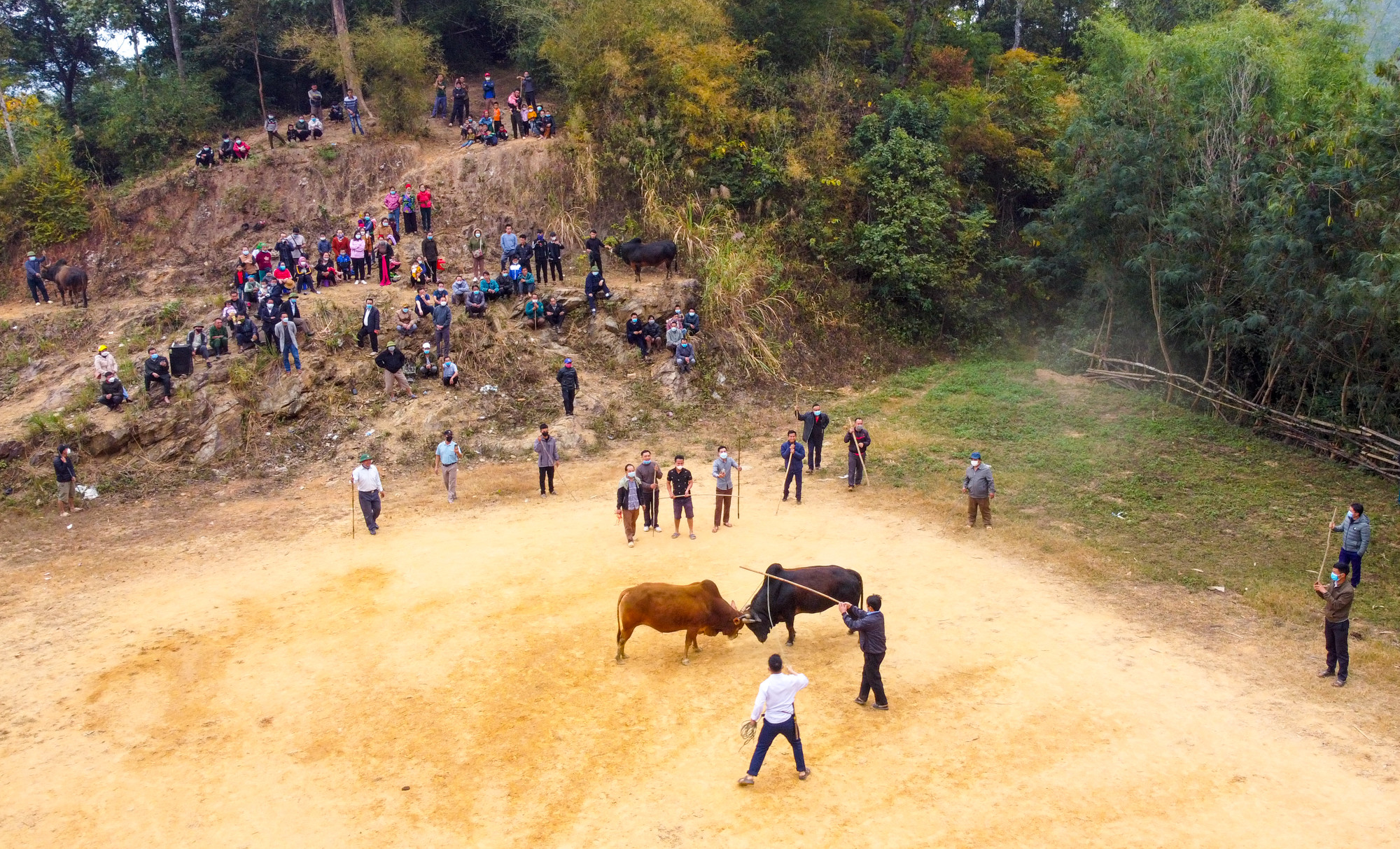
From the innovative economic models of Ms. Y Ài, the convenient QR codes in Mường Lống, to the unchanging flavor of the traditional Tet dish, and the agricultural products and brocade fabrics... all are contributing to a new face for tourism in the western part of Nghe An province: both modern and dynamic, yet profound and serene. It's a journey that everyone should experience at least once in their lifetime, to appreciate even more every inch of land and every person in this border region of our country.


