
Many are questioning the legality of the US and Israeli attack on Iran.
President Donald Trump's unilateral order to strike Iran without congressional approval has ignited a heated legal debate in Washington.
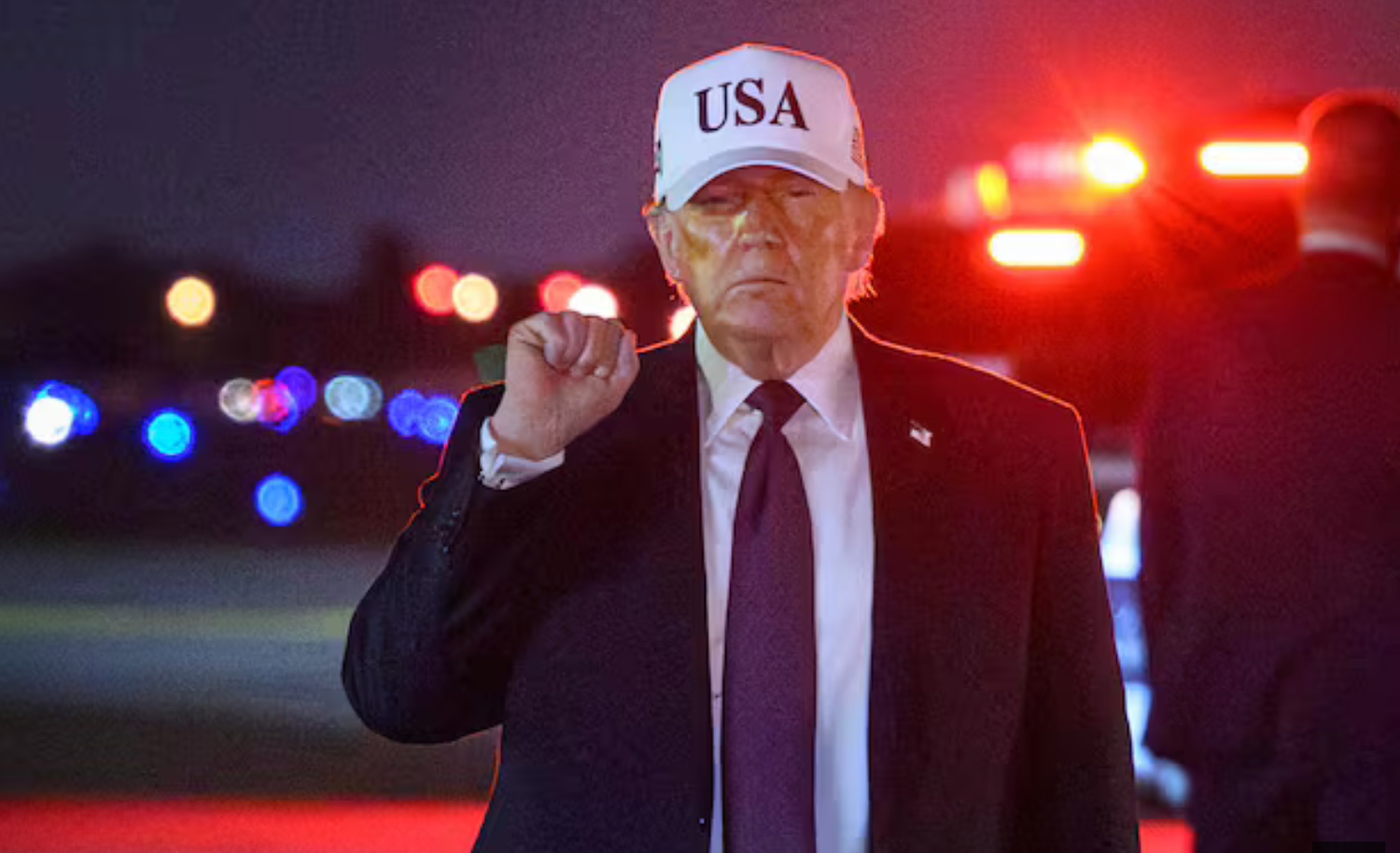
Questions arise regarding President Donald Trump's constitutional authority.
Legal experts are seriously questioning President Donald Trump's constitutional authority to unilaterally launch new military actions against Iran without congressional approval, especially since such actions risk leading to a protracted conflict.
Similar to the US bombing of Iranian nuclear facilities in the summer of 2025 and the military operation to arrest Venezuelan President Nicolás Maduro in January 2026, these attacks would once again bring the issue of the executive branch's authority and the limits of presidential power into the spotlight.
According to multiple sources who spoke to CNN, the White House has yet to offer any official legal explanation to the public, and Secretary of State Marco Rubio has not provided a full explanation to members of Congress.
"President Trump violated the Constitution by attacking Iran because the Constitution is extremely clear about who has the authority to declare war and deploy American troops to war – that is the sole authority of Congress," said Christopher Anders, a lawyer with the American Civil Liberties Union (ACLU) and a national security expert. "The president is deliberately seizing that power for himself without seeking Congressional approval."
The U.S. Constitution clearly states that only Congress has the power to declare war or authorize war.
"This is clearly a war," said Ilya Somin, a law professor at George Mason University and a scholar at the Cato Institute. "Even President Trump has acknowledged it's a war."
In a message announcing the airstrikes early on February 28, President Donald Trump declared: "The Iranian regime is plotting murder. Brave American heroes may fall and we may suffer casualties. That happens often in war, but we are not doing this just for the present. We are acting for the future, and this is a noble mission."
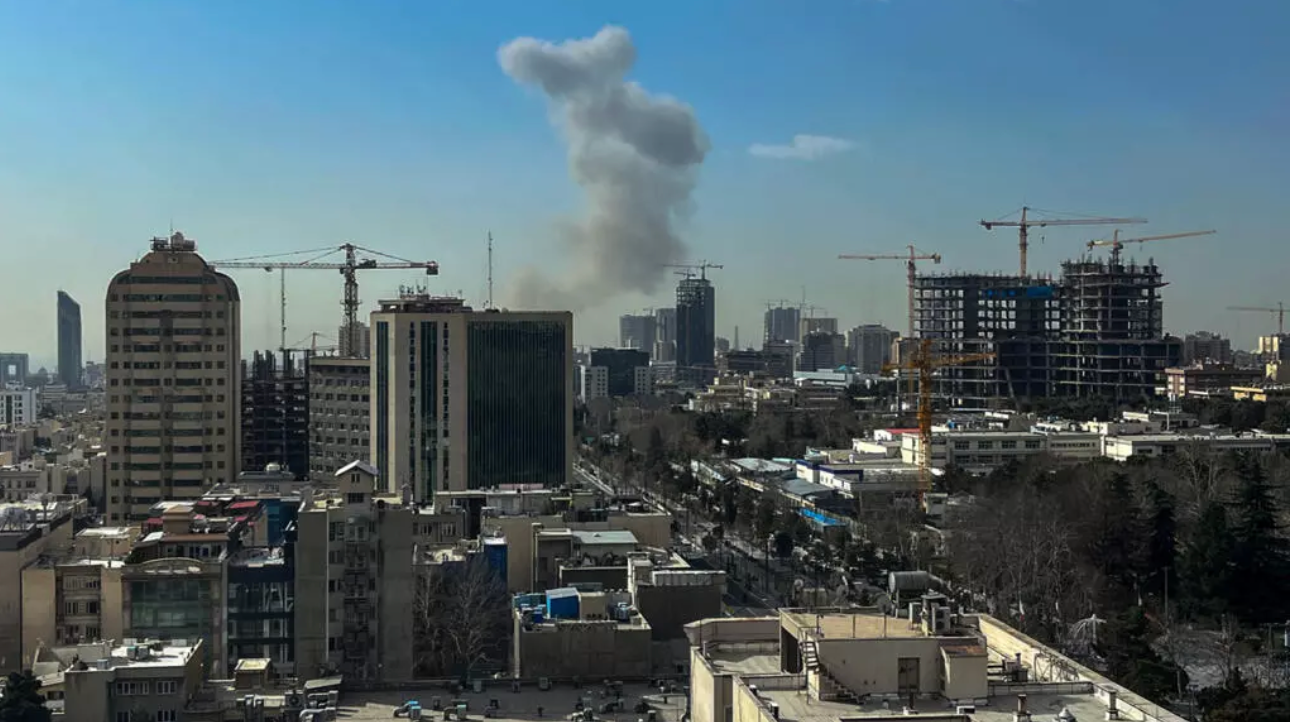
The basis for this is Article II and the Supreme Court ruling.
Although only Congress has the power to declare war, Trump and previous presidents have frequently invoked Article II of the Constitution. This article stipulates that the Commander-in-Chief has the authority to coordinate military forces in operations necessary to advance U.S. national interests abroad.
Furthermore, the Supreme Court has also been quite open to approving expanded powers for Trump, most notably the 2024 immunity ruling. A senior White House official at the time said this stance helped bolster the legal arguments for the U.S. to launch the attack on Iran last summer based on Article II jurisdiction.
Article II was also used to legally justify the recent military operation to arrest Venezuelan leader Maduro. The Justice Department issued a confidential legal opinion (later released in a simplified version) asserting that Trump was not constrained by domestic law when conducting law enforcement operations abroad.
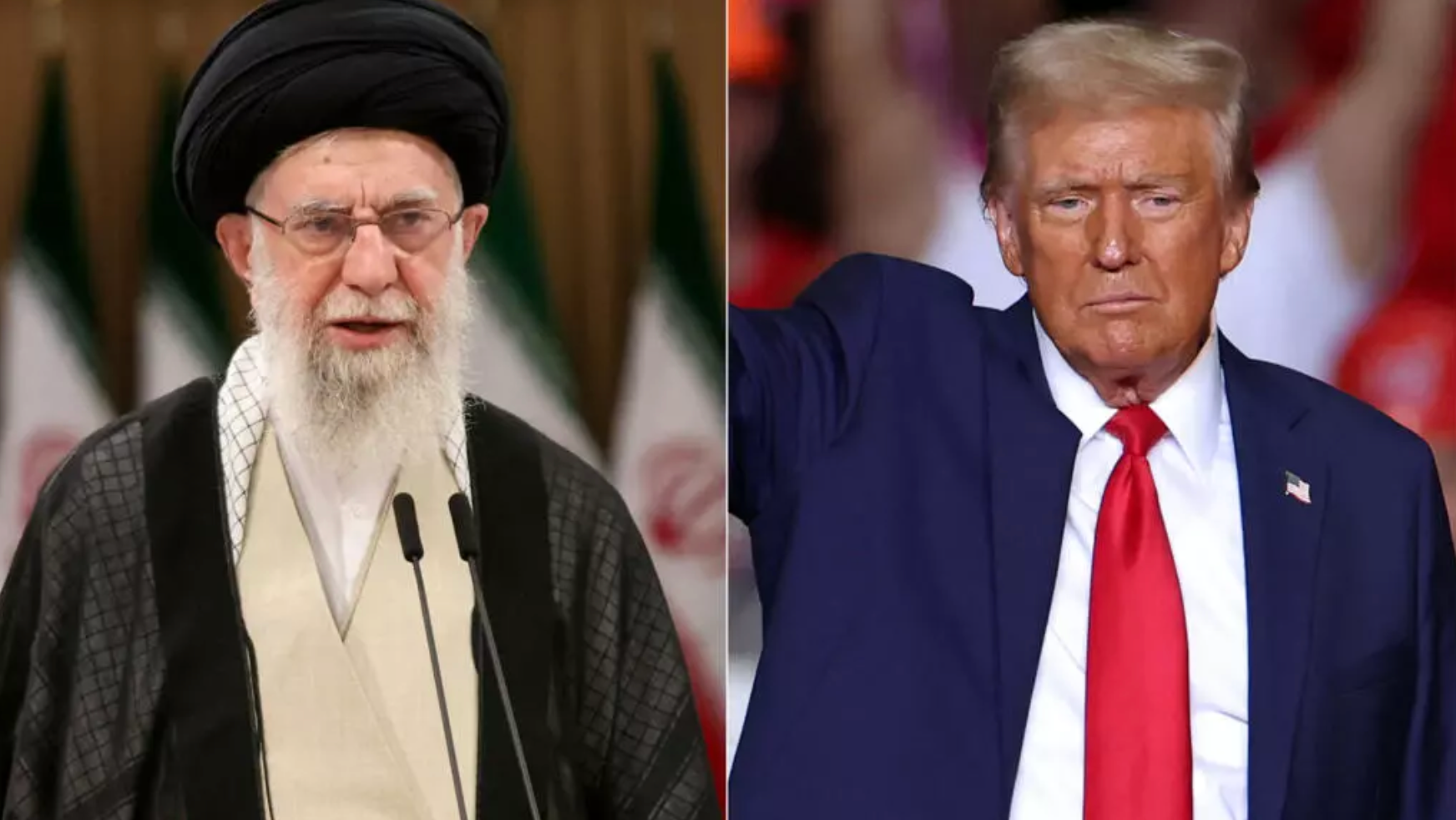
The consequences of a prolonged conflict.
The question is: What will happen if the conflict drags on?
According to CNN sources, the memorandum from the Office of Legal Advice (part of the Ministry of Justice) argues that the scale, scope, and duration of the operation to arrest Maduro did not reach the level of "war" in the constitutional sense, and therefore did not require prior authorization from Congress.
However, the scale and duration of the operation will certainly be questioned in any new military actions against Iran. In the video announcing the airstrikes, President Trump described the campaign as "massive and continuous." According to two sources, the US military is planning attacks that will last for several days.
Steve Vladeck, CNN's Supreme Court analyst and professor at Georgetown University Law Center, commented: "The Justice Department has put forward a series of increasingly questionable arguments to justify these airstrikes. However, most of those arguments are based on the assertion that the attacks were limited in scope and unlikely to lead to a larger conflict."
"Even if we consider it a legal argument rather than a policy, in this context, it's difficult to take those arguments seriously," Professor Vladeck added.
The powers under Article II were invoked under President George H.W. Bush when using force in Panama to overthrow leader Manuel Noriega, under President Barack Obama with airstrikes in Libya, and during Trump's first term with Iran and Syria.
In 2018, regarding the airstrikes in Syria, the Office of Legal Counsel of the Justice Department under President Trump wrote: "While the United States is not the world's policeman, as American power increases, so does the scope of its regional interests, and so do the threats to national interests posed by instability abroad."
Furthermore, previous administrations, both Democratic and Republican, have repeatedly overused the 2002 Authorization for Use of Military Force (AUMF) intended for the Iraq War. An earlier AUMF (authorizing action against al-Qaeda and related groups after 9/11) was also used far beyond what was originally intended.
"I think we can debate the wisdom of this military action. The war that has just been started here is unconstitutional," Professor Steve Vladeck stated.


