
Many bamboo forests in Nghe An are dying, posing a high risk of forest fires.
In the mountainous districts of Nghe An province, such as Quy Chau, Tuong Duong, and Que Phong, large areas of bamboo and reed plants are dying, also known as "drying out." This phenomenon poses a high risk of forest fires.
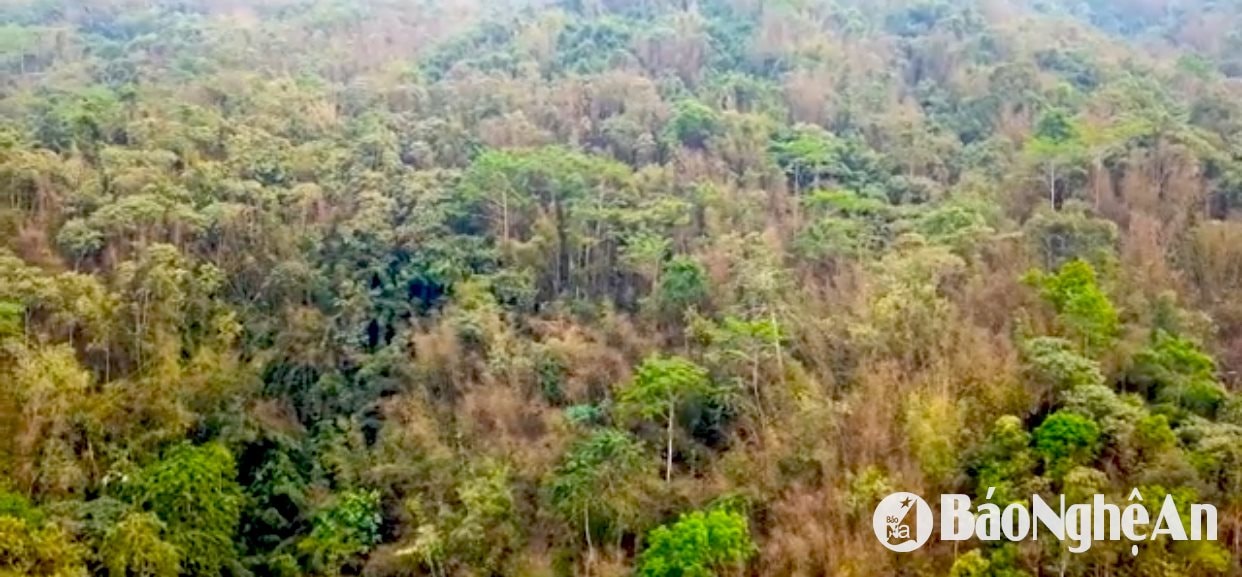
The bamboo species known as "lùng" has long been an integral part of the forest ecosystem in the highlands of Nghe An province. However, recently, the phenomenon of mass bamboo die-offs has been occurring in many forest areas, particularly in the buffer and core forest areas of the Pu Huong and Pu Hoat Nature Reserves.
Mr. Nguyen Van Hung, Chairman of the People's Committee of Binh Chuan commune, Con Cuong district, said: Currently, the commune has more than 400 hectares of bamboo interspersed with other forest tree species, while the phenomenon of bamboo dying (also known as "wilting") is occurring. To respond to this situation, the commune has held a meeting with the management boards of villages contracted to protect the forest. At the same time, the forest fire prevention and control force has been assigned and deployed to key areas, especially sub-areas with wilting bamboo, where the risk of forest fires is high.
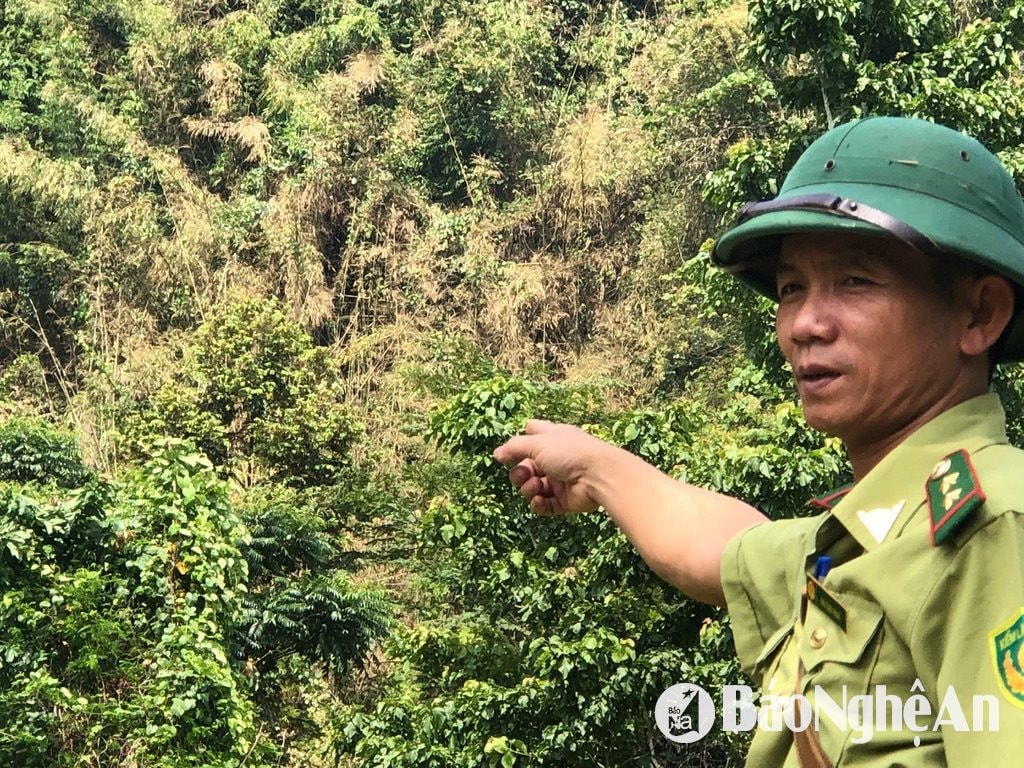
According to Mr. Vo Minh Son, Director of the Pu Huong Nature Reserve Management Board, the phenomenon of mass die-offs of bamboo trees, referred to by locals as "die-off," is actually a natural growth process of species belonging to the bamboo family, such as bamboo, reed, and sedge. After a growth cycle, the mother tree dies, creating conditions for new shoots to continue developing. This is a normal life cycle for this species.
However, when this phenomenon occurs on a large scale, it increases the risk of forest fires, especially during prolonged hot weather accompanied by the hot, dry winds of Laos in April and May each year. In response to this situation, the Pù Huống Nature Reserve Management Board has urgently demarcated areas at high risk of fire and identified key fire points to deploy forest fire prevention and control forces in villages and forest edges.
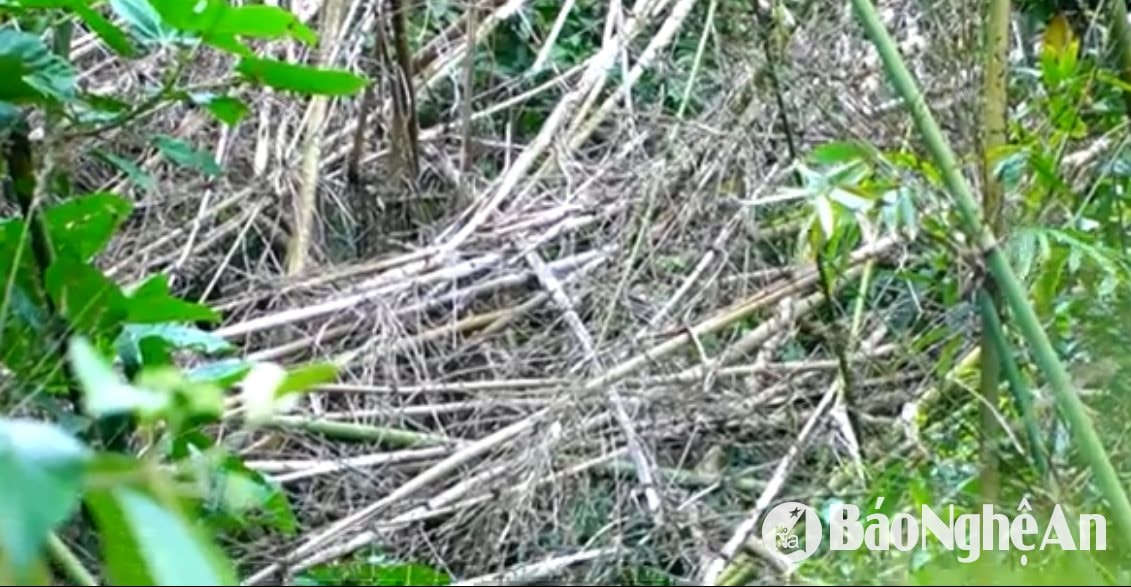
Along with monitoring activities, this unit has also closely coordinated with local authorities in fire prevention and control awareness campaigns. One of the important solutions is organizing legal education sessions and signing fire prevention and control commitments with communities in buffer zone villages, raising people's awareness of forest protection, prohibiting slash-and-burn farming or any activities involving fire in the forest, especially during the hot season. In addition, comprehensive fire prevention and control plans have been prepared, ready to deal with forest fires should they occur.
Similarly, hundreds of hectares of natural bamboo in the Pu Hoat Nature Reserve are dying on a large scale, posing a high risk of forest fires as the hot, dry season approaches. According to the Pu Hoat Nature Reserve Management Board, the scattered bamboo deaths are mainly occurring in the protection forests and production forests of the buffer zone in Tien Phong, Thong Thu, and Dong Van communes, Que Phong district. The most severely affected areas are concentrated in sub-areas 5, 9, 10, 11, 22, 41, and 48 along the Vietnam-Laos border, especially in Thong Thu commune.
Upon inspection, authorities discovered that in the border area on the Lao side, people were clearing land for farming near the border, creating a risk of wildfires spreading into Vietnam. Given the hot weather and strong winds from Laos in the summer, the risk of forest fires from these areas becomes even more serious.
.jpeg)
In response, Mr. Nguyen Van Sinh, Director of the Pu Hoat Nature Reserve Management Board, said: The Pu Hoat Nature Reserve Management Board has implemented forest fire prevention and control measures, especially in high-risk areas. Forest fire prevention and control forces have been deployed 24/7 in villages, forest entrances, and areas where bamboo trees have died.
In addition, the Management Board also coordinated with local authorities to organize awareness campaigns on forest fire prevention and control, especially regarding the prohibition of slash-and-burn farming or any activities involving fire during the dry season. Simultaneously, the Management Board collaborated with the Thong Thu Border Guard Post to strengthen forest fire prevention and control awareness campaigns in border areas, thereby urging people on both sides of the border to comply with forest protection measures.
Mr. Tran Anh Dung, Deputy Head of the Que Phong District Forest Protection Department, said that as of now, more than 1,000 hectares of bamboo in the district have died. Forest protection forces have coordinated with forest owners and local authorities to inspect areas where bamboo has died and is at high risk of fire, and have intensified patrols and monitoring.
.jpeg)
The units also requested that communes prepare well for on-site fire prevention and control, with the active participation of local people. Emphasis was placed on raising community awareness about forest protection, and people were urged to comply with regulations regarding burning fires in forests.
Authorities and local governments need to continue to coordinate closely, strengthen public awareness campaigns, and prepare sufficient personnel and resources to be ready to respond when forest fires occur. At the same time, it is necessary to raise community awareness about forest protection and to avoid using fire in forested areas during the dry season.


