
Many mountainous communes in Nghe An province are urgently repairing irrigation systems to ensure water for spring crop production.
Faced with the reality of many irrigation works being damaged due to the impact of recent floods, mountainous localities in Nghe An province have proactively taken measures to repair them, ensuring water supply for farmers to cultivate the spring crop.
Chau Tien commune is ready for the spring crop.
Following heavy rains and floods this year, many irrigation works in the mountainous communes of Nghe An province have been severely damaged, directly affecting the water supply for agricultural production. With the spring planting season approaching, local authorities have been proactively implementing various solutions to address the damage and ensure the progress of agricultural production for the people.
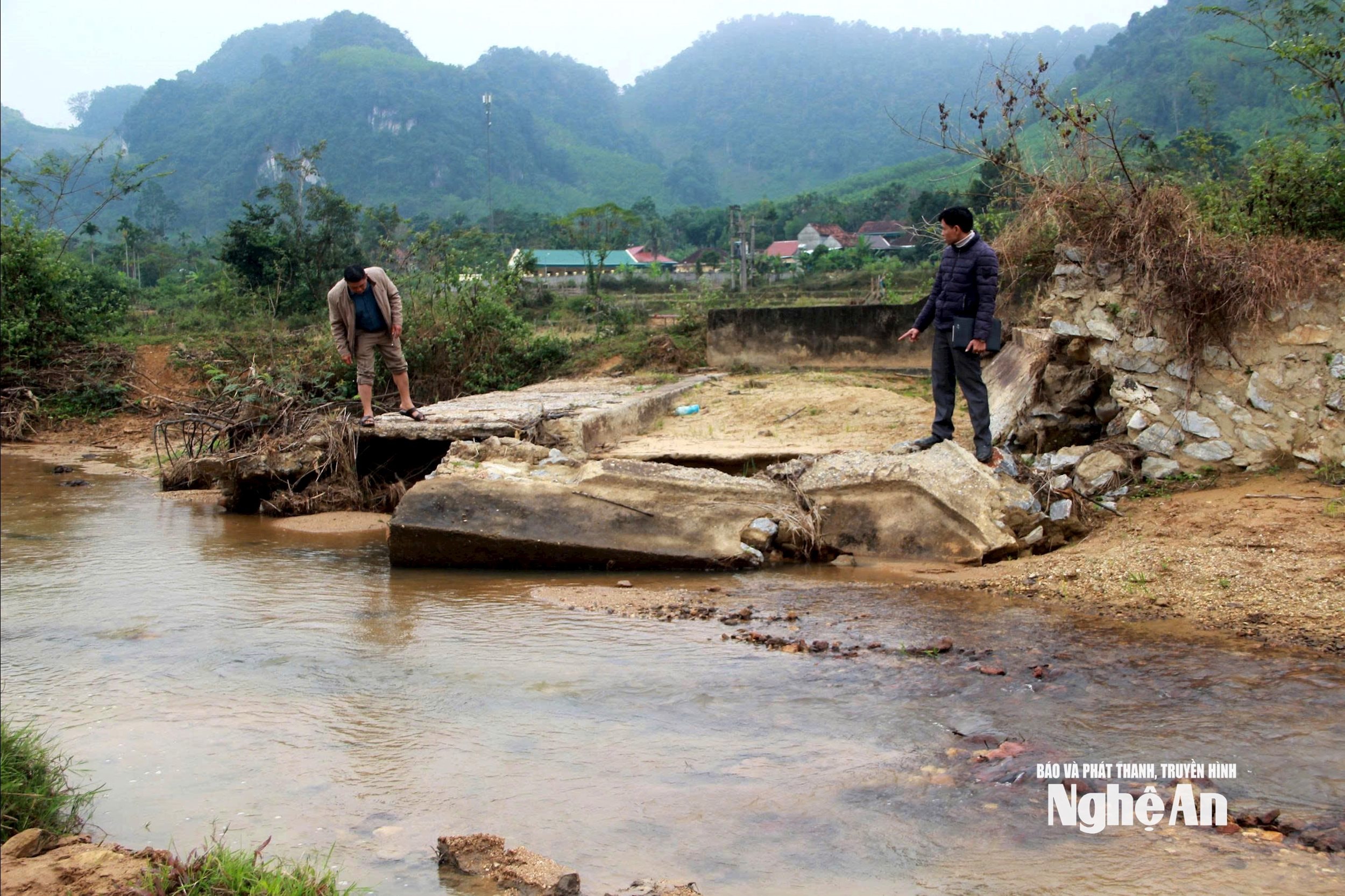
Observations in Chau Tien commune show that many key irrigation structures and canals serving as the "source" for rice production have been severely damaged by floods and landslides. Among them, the Tham Men dam – located in the former Chau Thuan commune – is one of the most severely damaged. The dam's purpose is to provide a stable water supply for approximately 40 hectares of rice paddies. However, after the major floods, many components such as the wing walls and energy dissipation basin have suffered deep landslides, and the structure has been damaged, posing a potential safety risk if heavy rains continue.
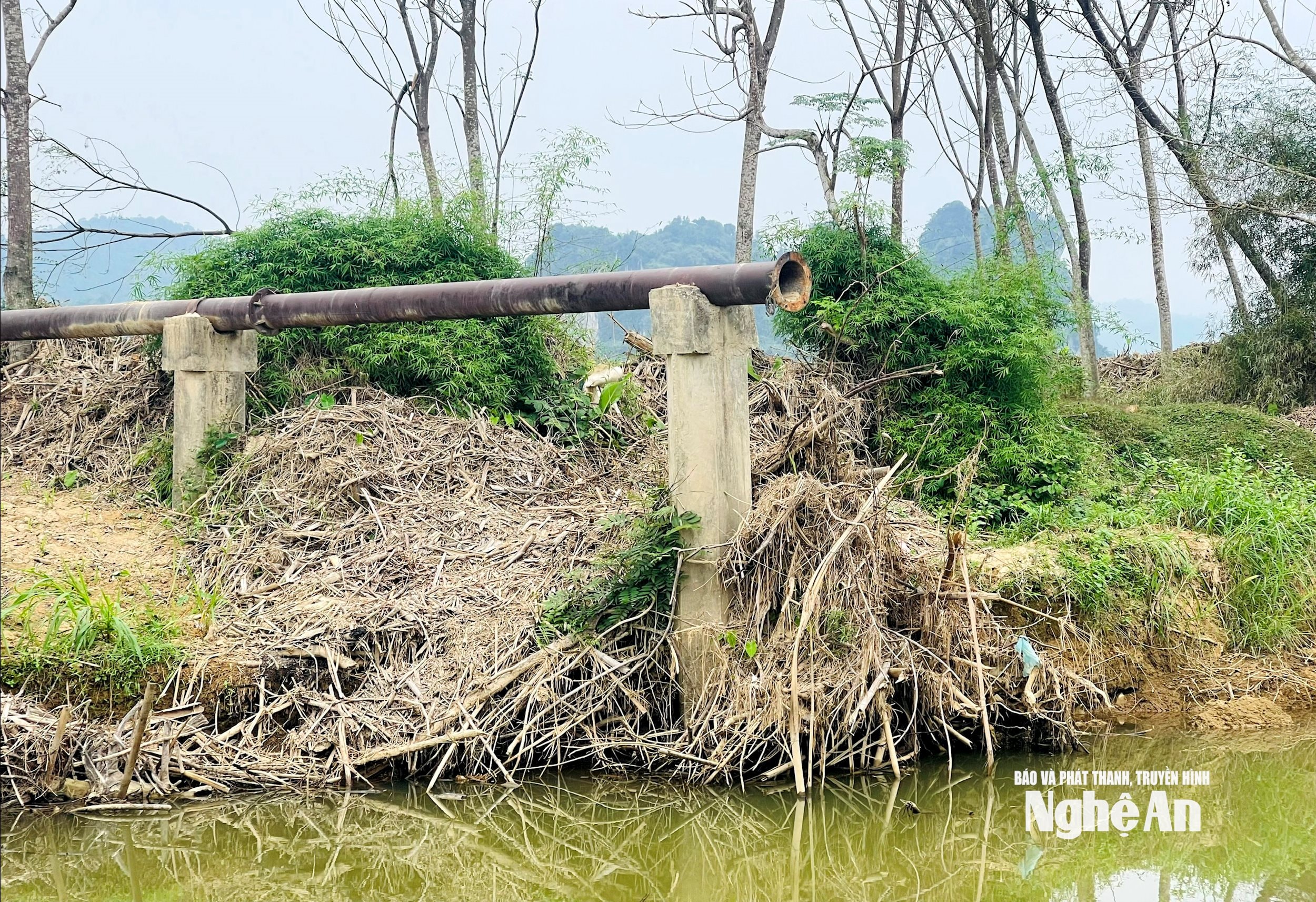
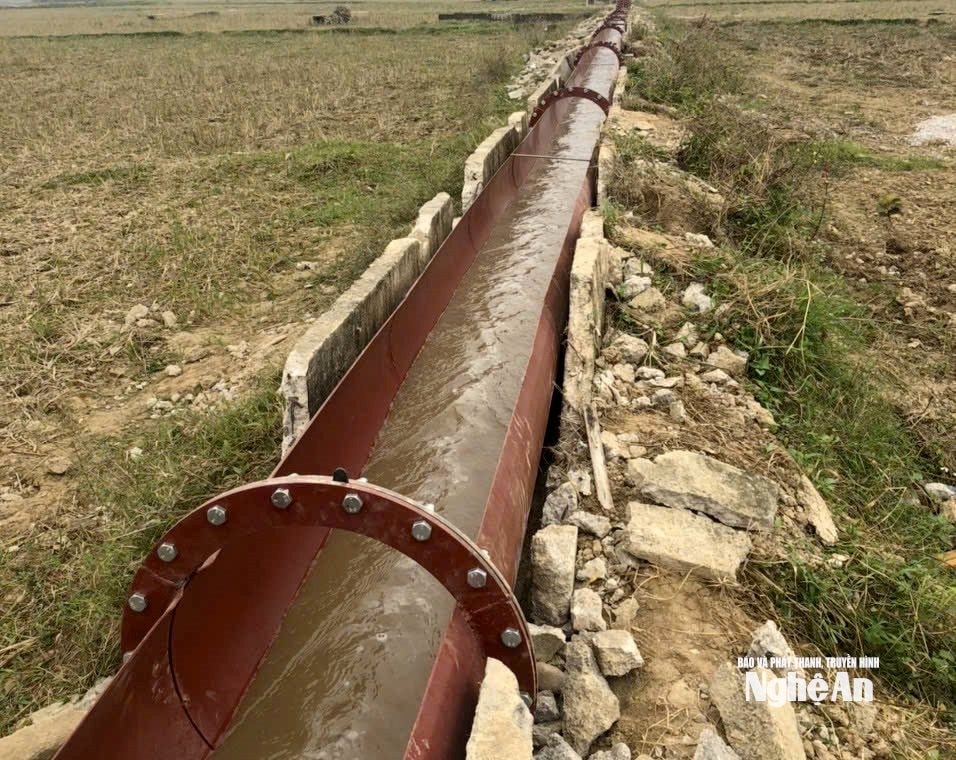
Equally serious is the N62 canal, which carries water from the Ke Coc dam to the Na Ngoa and Dong Cang fields of Nong Trang village. The canal is responsible for irrigating approximately 40 hectares of rice paddies, but many sections have collapsed, buried under soil and rocks, and the water pipes are severely damaged. The blockage of the water flow poses a clear risk of water shortage for the entire rice-growing area. Without timely repairs, farmers will find it difficult to prepare the land and sow seeds within the appropriate timeframe.
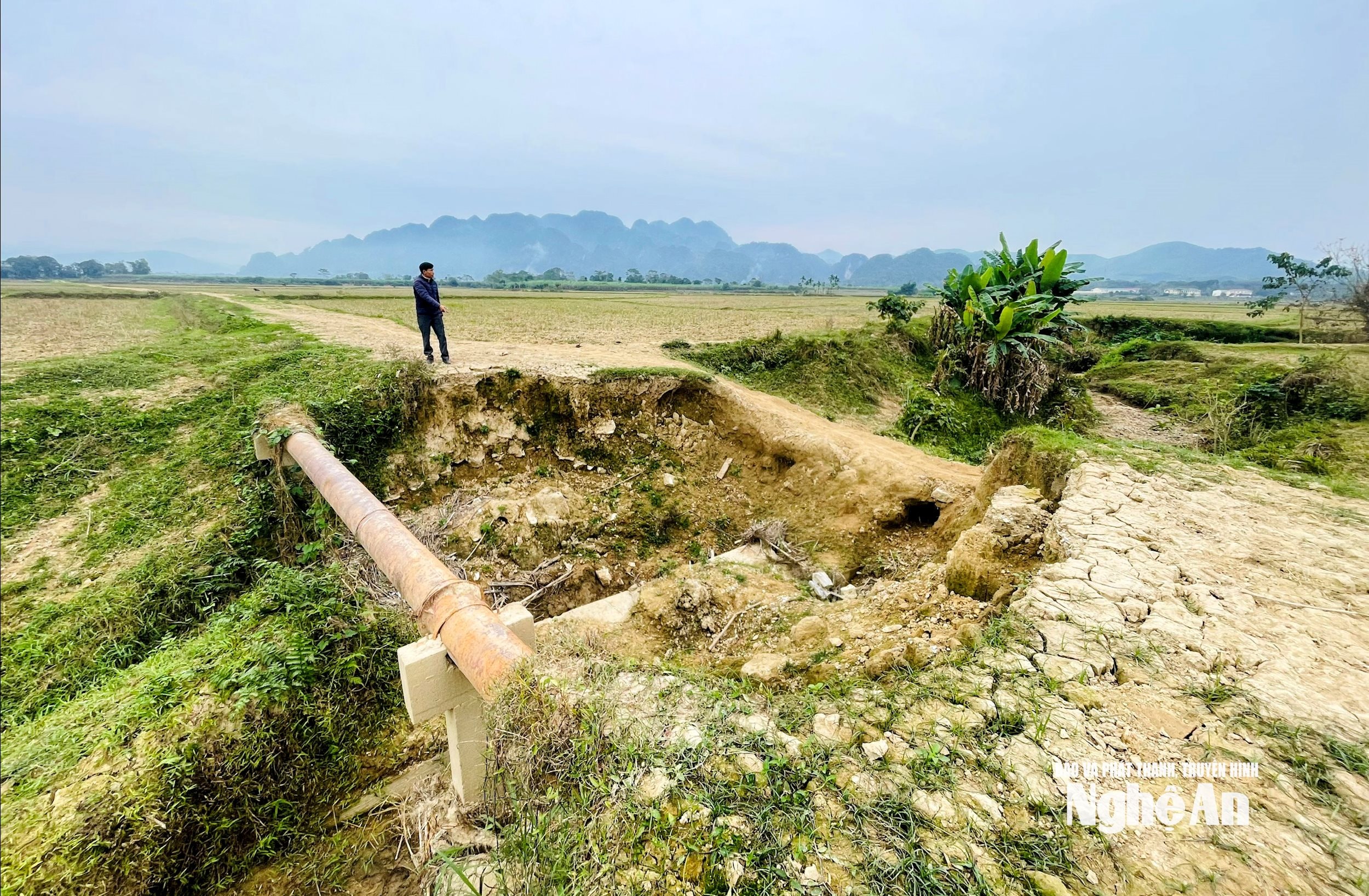
In the area of rural transportation, the Con Xon bridge – an important bridge serving the travel and transportation of agricultural supplies for the people of Hoa Tien 1 village – was also completely swept away by the floodwaters. The loss of the bridge has caused many difficulties for the people's daily lives and production, especially during the peak period of preparing for the spring planting season.
According to statistics, the damaged irrigation works in Chau Tien commune are currently supplying water to over 100 hectares of rice paddies. Therefore, if not repaired promptly, the risk of water shortage will directly affect the planting schedule and the efficiency of agricultural production in the locality.
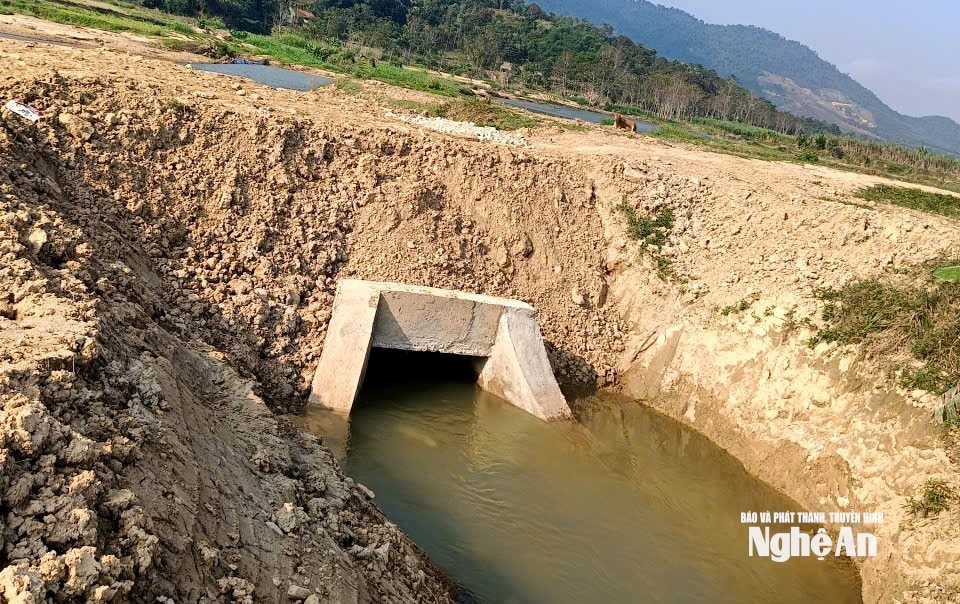
Mr. Nguyen Tien Hung, Chairman of the Chau Tien Commune People's Committee, said that due to the impact of several floods throughout the year, key irrigation works in the area have been severely degraded. Meanwhile, the spring crop is the most important production season of the year, requiring a stable water supply from the very beginning. Given this situation, the locality has proactively implemented a comprehensive set of solutions to address both immediate and long-term problems.
Specifically, from mid-December, the commune coordinated with the irrigation management unit to reconnect the water pipeline system on the N62 canal to clear the waterway and ensure temporary water supply for production. At the same time, the locality invested in rebuilding the Con Xon bridge, creating favorable conditions for people to travel, cultivate, and transport agricultural supplies.
Regarding the Tham Men dam – a structure of particular importance in water regulation – the province has allocated approximately 3.5 billion VND as proposed by the locality for repairs according to the design. However, for the time being, the commune is focusing on implementing temporary measures such as reinforcing the embankment and raising the water level to ensure sufficient water for farmers to prepare the land and sow the spring crop within the appropriate timeframe. After production stabilizes, the repair work will be carried out comprehensively, ensuring safety and long-term sustainability.
The Pieng Cu village will have water for production.
In Tien Phong commune, damage to irrigation works after floods is quite common, with the most serious being the Tat Bai dam, located in Pieng Cu village. This dam provides irrigation water for more than 7 hectares of rice paddies in the village. After the flood, many parts of the dam were destroyed, causing concern among the villagers about the risk of water shortage for production.
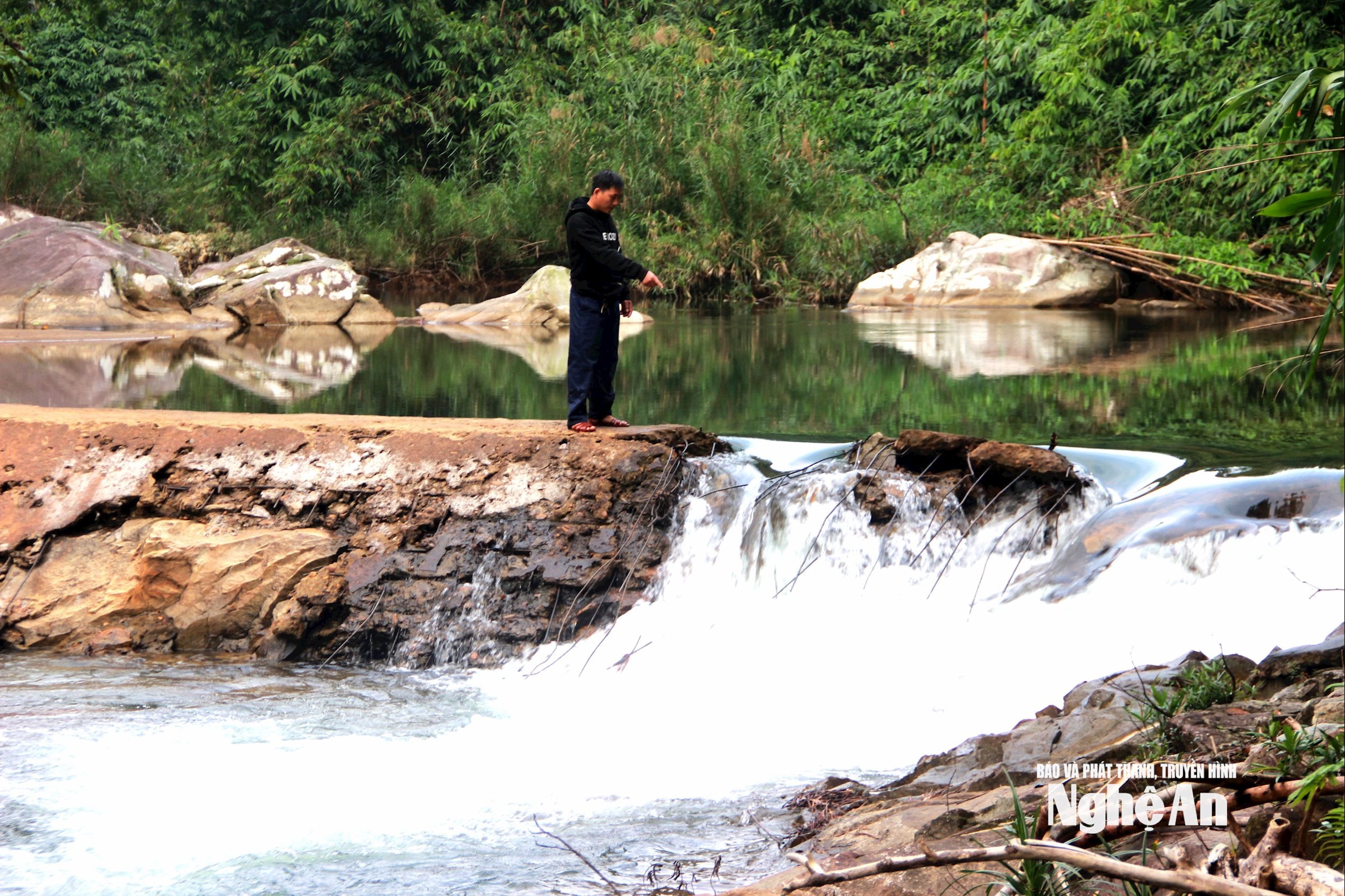
Ms. Lo Thi Nguyet, Chairwoman of the People's Committee of Tien Phong commune, said that, for the time being, the locality is focusing on implementing temporary solutions to ensure water supply for the spring crop production. Accordingly, with funding from the Provincial Fatherland Front Committee, by the end of December, the commune will repair and reconnect the water pipeline system in damaged canals, clearing the waterways to provide timely water to the fields. At the same time, the commune government, in coordination with villages and hamlets, will regularly inspect and monitor the water supply situation, proactively adjusting it to suit each area.
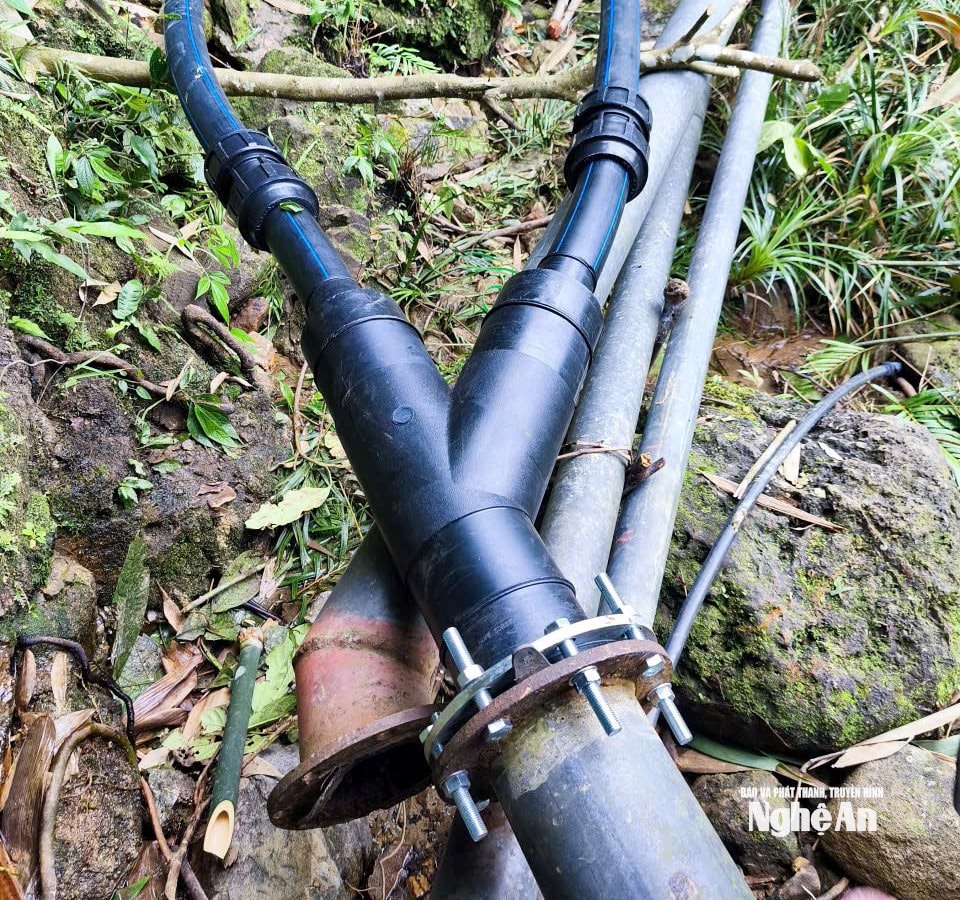
According to Mr. Lo Van Thuy, head of Pieng Cu village, the construction unit is urgently connecting the water pipeline system from the source to the fields. It is expected that the project will be completed in the near future, ensuring a water supply for the villagers to prepare the land and plant the spring rice crop on time.
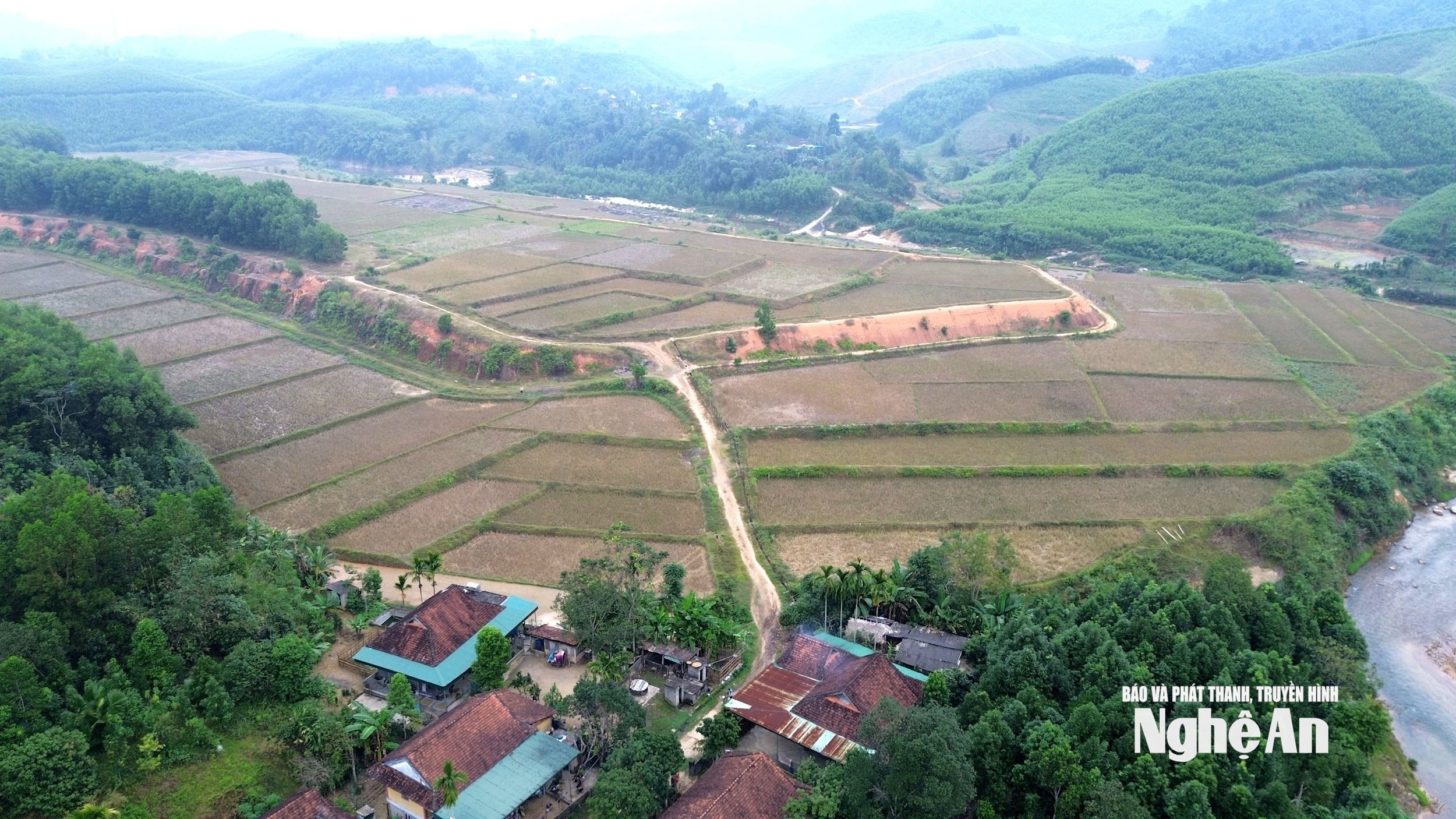
The timely intervention of local authorities not only helped ensure irrigation water for the spring crop, but also contributed to stabilizing livelihoods and building confidence, allowing people to remain committed to farming.


