
Remembering the composer of "The Song of Nghe An"
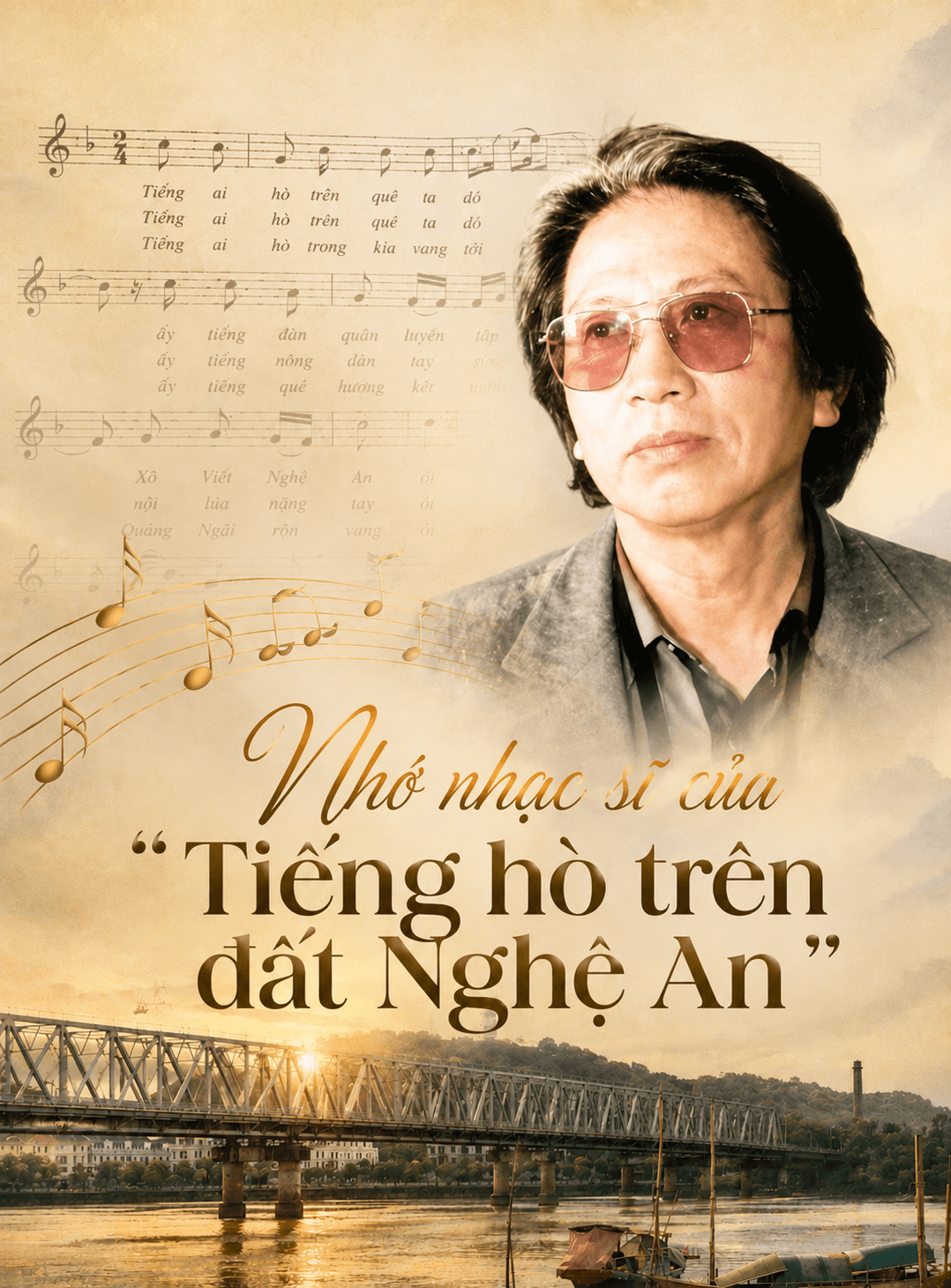
June/2026It has been exactly 18 years since composer Tan Huyen passed away. The composer is gone, but the folk songs he left behind will remain with the community.land nextcurrentBlueIt has never been silent.languageFrom the stage and radio waves to gatherings of people from Nghe An...and outside the province,"TFolk songs in Nghe An”It is still sung as a greeting of forgiveness.designof his homeland. Behind that familiar melody lies the life of an artist who dedicated his love entirely to folk music, to the Lam River, and to the land that nurtured his soul.
Perform:Phuoc Anh |30/6/2026
*****
June/2026It has been exactly 18 years since composer Tan Huyen passed away. The composer is gone, but the folk songs he left behind will remain with the community.land nextcurrentBlueIt has never been silent.languageFrom the stage and radio waves to gatherings of people from Nghe An...and outside the province,"TFolk songs in Nghe An”It is still sung as a greeting of forgiveness.designof his homeland. Behind that familiar melody lies the life of an artist who dedicated his love entirely to folk music, to the Lam River, and to the land that nurtured his soul.
Tan Huyen, whose real name was Phan Van Tan (1931 - 2008), was born in Duc Tho, Ha Tinh province. He came from a family with a rich tradition of scholarship and love of literature. His father was Phan Thuc Dinh, a renowned scholar who wrote poetry in both classical Chinese and Vietnamese, and translated Tang Dynasty poetry; his mother was a hardworking, skillful woman deeply involved in the Ha silk weaving craft – a famous handicraft of the region along the La River. One nurtured his soul with books, the other preserved the beauty of labor through diligent hands; these two sources met in Phan Van Tan's childhood, shaping the character of the musician he would later become.
In those days, along the alluvial plains of the La River and the lower reaches of Ngan Sau and Ngan Pho, green mulberry fields stretched as silkworms fed on the leaves. The sound of shuttles in looms blended with the sound of oars on the river, and mothers' lullabies mingled with folk songs and melodies sung on moonlit nights or in the middle of the village market. Ha silk was famous throughout the region, entering folk songs as a source of pride for the people."Newly cut silk trousers for summer / Newly sewn silk blouses for summer...”Amidst that cultural space, young Phan Van Tan grew up surrounded by his family and community, and from a very young age, he felt the beauty of the Vietnamese language, the Nghe An dialect, the folk songs of the Vi and Giam styles, and countless simple things that constitute the soul of his homeland.
Perhaps it was his mother who sowed those first seeds. A diligent woman from Nghe An province, she toiled year-round with silkworm farming and looms. Amidst the rhythmic shuttle weaving, folk songs and melodies rose as a habit of labor and also as a way of expressing feelings. Phan Van Tan grew up surrounded by these sounds, his first music lessons originating from the very rhythm of life in his homeland. Each song, each melody, gradually seeped into his memory, becoming the most natural musical language that, many years later, whether he had weathered the storms of war or lived peacefully in a bustling city, he always cherished in his soul as if carrying the warm voice of his homeland.
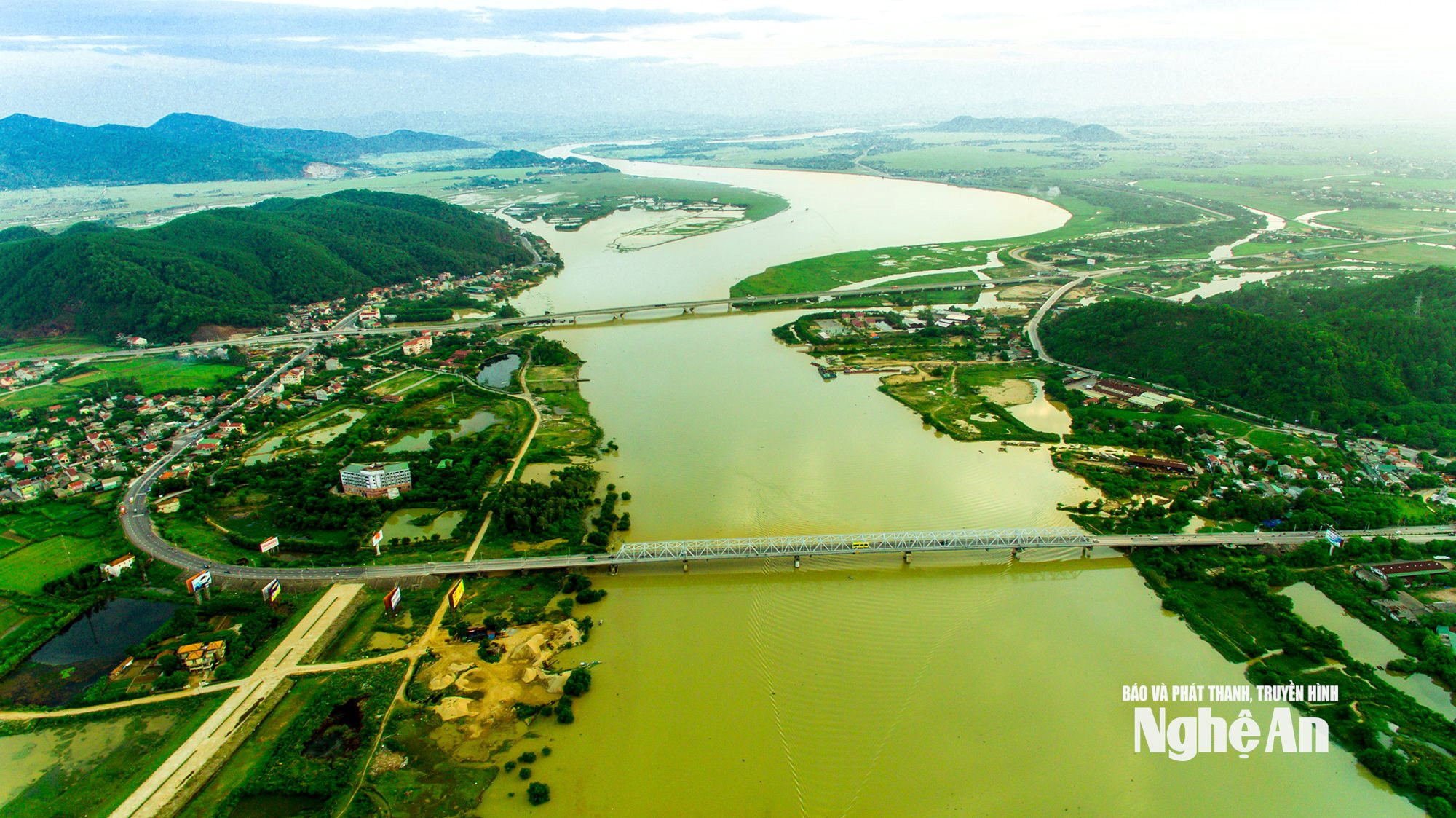
Born on the banks of the La River, he spent a significant part of his youth in Nghe An, where he taught, participated in cultural activities from the early days of the resistance, and nurtured a deep love for the folk songs of the region. He chose the stage name Tan Huyen – a charming play on words from the word "Tan" in his name. Later, even while living and working in Hanoi, during his travels across the country or when writing about different regions, the musician's mind always reflected the Lam River, Ben Thuy, the rhythmic folk songs, and the image of a shared homeland called Nghe An. Therefore, when mentioning Tan Huyen, music lovers often think of a musician of both Nghe An and Ha Tinh, a son of the land of "two banks, one harbor," who dedicated his life to preserving the identity of his homeland in his music.
Among Tan Huyen's repertoire of hundreds of songs, "The Song of Nghe An" holds a truly special place. More than half a century has passed since the song was created, and many melodies that once captivated people have faded into memory; yet, his "song" continues to resonate regularly during major provincial holidays, at reunions of fellow countrymen, and even on trains and buses carrying people from Nghe An back home. For many years, this melody has also been chosen as the theme music for radio and television programs in Nghe An, becoming a familiar opening tune for many generations of listeners.
Few people know that "The Song of Nghe An" was written under very special circumstances. In August 1964, after the Gulf of Tonkin incident, the atmosphere of readiness for combat spread throughout North Vietnam. The Vietnam Musicians Association sent many musicians to coastal areas to observe the situation firsthand and reflect the spirit of the army and people in the face of the impending war of destruction. Tan Huyen returned to Nghe An on that trip. He returned to the place that was connected to his youth, where he was steeped in folk songs, traditional melodies, the rhythmic chants of the Lam River, and the enduring courage of the Soviet people.
The field trip lasted only a short time, but what crystallized into the song was built up over many years. Tan Huyen didn't search for material to write about Nghe An, because that material was already present in his memory, from the time he traveled back and forth on the Lam River with his parents, from his mother's lullabies by the loom, from his years of teaching and performing arts in Nghe An; the folk songs had permeated the musician's soul like a part of his flesh and blood. When he stood before the fervent spirit of the army and people of Nghe An in the early days of the war against the destructive forces, all those memories seemed to awaken at once, bursting forth into melody.
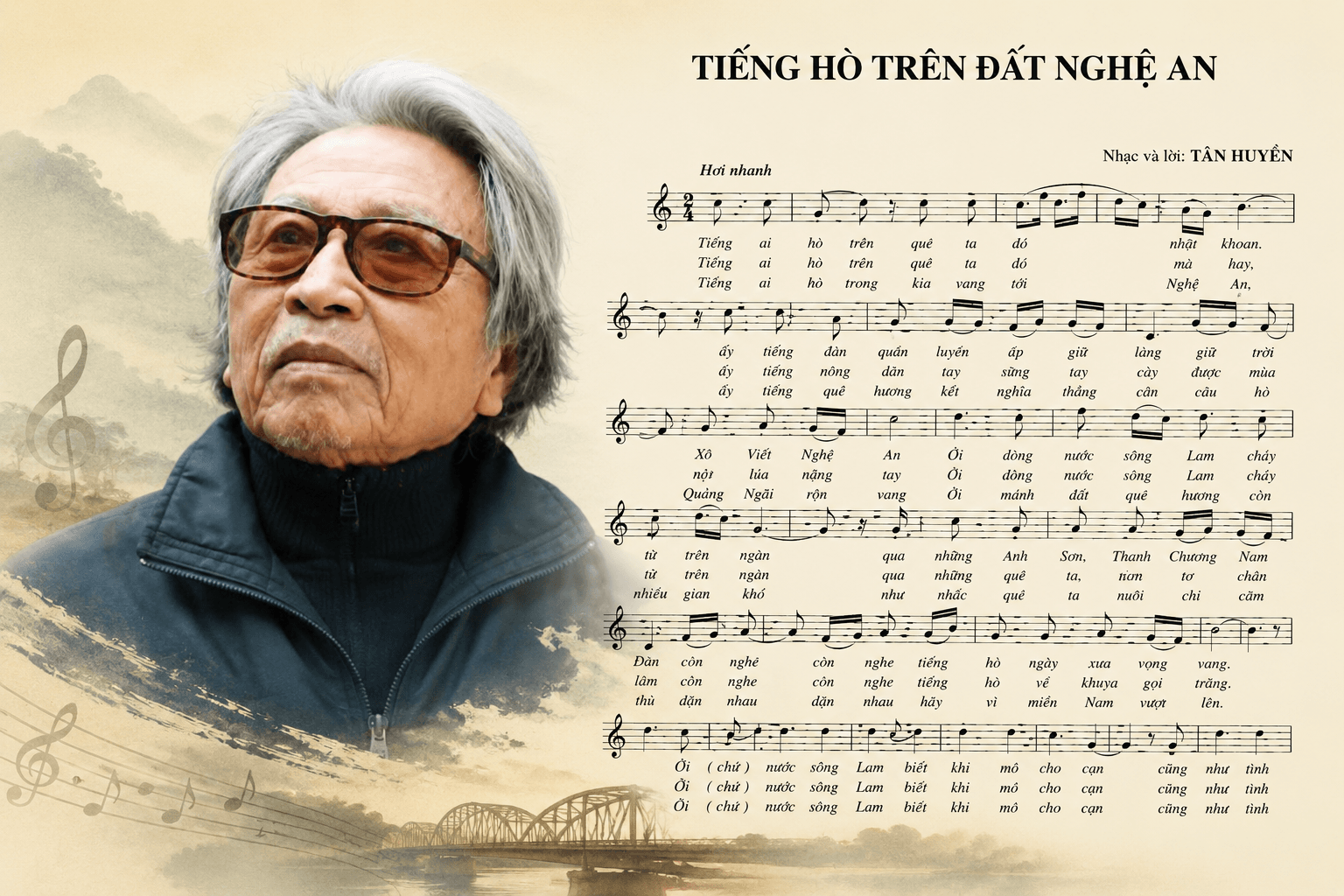
Therefore, right from the opening lines, listeners don't encounter any pretension or dry slogans. Tan Huyen chooses to begin with a very familiar cultural signal:"Whose singing voice is that in our homeland...?.That familiar folk song leads the listener through the Lam River, through Anh Son, Thanh Chuong, Nam Dan, through Ben Thuy, through the memories of the Soviet Nghe Tinh, and back to the reality of a rural area that is simultaneously producing goods and holding weapons to defend its village and country:Oh, my homeland, so full of love!/The drums of yesteryear echoed through the village as the Soviets awakened the village./
Now, Now, it seems to stir the hearts of the people of Nghe An…"History and life, tradition and the present are connected by the very rhythm of folk songs, giving the songs a revolutionary spirit while still retaining a deep, lyrical quality.
What's admirable about Tan Huyen is that he never considered a song to be inviolable after it had been released. In his view, music always needs to be heard by those who will sing it, who will live with it. Therefore, when a friend offered feedback on a lyric..."Soviet Nghe An remains Nghe An."He quietly took the story home to ponder. A few days later, when he sang the song again for his friends, the word "still" had been replaced with "worthy." Just one word changed, but the tone of the song shifted, becoming a reminder of the responsibility to preserve and continue the traditions of his homeland. For Tan Huyen, the perfection of the work was always more important than the ego of the composer.
Anyone who has had the chance to talk with Tan Huyen will realize that he loves folk songs so much that he almost knows every verse, every phrase, every piece of folk poetry he encounters in life by heart. He can pause for a long time to discuss a single word, a rhythm, or a way of speaking in Nghe An. In his mind, folk songs are the repository of a region's character. Therefore, when incorporating familiar melodies into new songs, he preserves the soul of the folk songs, then lets them blend into the breath of the times with a new melody, making listeners feel both familiar and able to sense the rhythm of life in motion.
Perhaps that's why "The Song of Nghe An" doesn't get old with time. Today's audience may not have experienced the early days of the war against destruction, nor witnessed firsthand the spirit of their homeland during those difficult years, but they still find in the song a very natural sense of pride, awakening love for their homeland every time the melody is played.
During his lifetime, Tan Huyen confided that the greatest joy for a songwriter is not awards, but hearing his songs resonate in everyday life. Eighteen years after the musician's passing, Tan Huyen's name is still mentioned whenever "The Song of Nghe An" is sung. Conversely, every time the song is sung, music lovers remember the man who dedicated his life to meticulously crafting the voice of his homeland into melodies that endure through the years. Perhaps that is the reward time has bestowed upon him!


