
Symptoms of leukemia that you need to know
Leukemia is a type of malignant cancer. When a person has this disease, the number of white blood cells in their body increases dramatically. Below are some early warning signs of leukemia.
 |
Shortness of breath:In acute T-cell leukemia, the cancerous cells tend to surround the thymus, causing pain and difficulty breathing. Other symptoms include wheezing and coughing. |
 |
Tired:Due to the uncontrolled expansion of cancer cells, patients often feel tired and weak even when sitting down to rest. |
 |
Swollen lymph nodes:Lymph nodes are small, bean-shaped structures that help filter blood. When cancer occurs, cancer cells can accumulate in the lymph nodes. This can lead to swollen lymph nodes under the arms, in the groin, chest, and neck. |
 |
Bone pain:One of the main symptoms of leukemia is bone pain. The pain can vary depending on the stage of the disease and often occurs in the joints of the legs, knees, arms, and back. The source of this pain is the bone marrow – where blood cells are produced. |
 |
Nosebleeds:This is a fairly common occurrence. However, if the bleeding is heavy and occurs continuously for several days, you must immediately go to the hospital and see a doctor. It's possible you have leukemia, as this could be a consequence of a decrease in the number of platelets – cells that help stop bleeding. |
 |
High fever, frequent headaches:Compression of cells in the bone marrow causes headaches and fever. If you experience these symptoms that persist despite treatment, consider the possibility that they could be early signs of leukemia. |
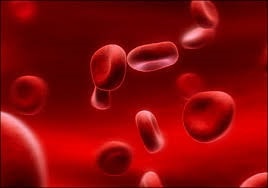 |
Anemia:Red blood cells deliver oxygen to the body through the blood, but an abnormal proliferation of white blood cells can interfere with this process. Anemia is one of the most common complications associated with leukemia. |
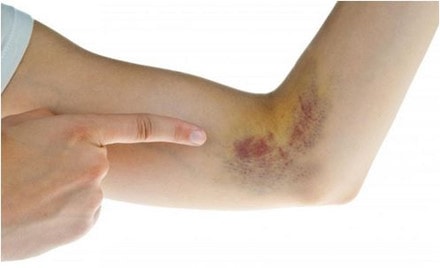 |
Easily bruised:The most common symptom associated with leukemia is easy bruising and uncontrolled bleeding. This occurs because normal blood cells are constantly being replaced by abnormal, immature white blood cells. This leads to a loss of platelets and prevents the blood from clotting. |
According to Labor
| RELATED NEWS |
|---|


