
July meals in the village
In July, in many mountainous villages of Nghe An province, activities honoring those who have contributed to the nation take place in a close and practical way. These include meals prepared by youth union members at the homes of war invalids, contributions to repairing roofs for the families of fallen soldiers, and tasks related to beautifying cemeteries and memorials. Each action strengthens the connection between the present generation and those who sacrificed and dedicated themselves to the independence and freedom of the Fatherland.
.png)
Thanh Phuc /Present:Hong ToaiJuly 24, 2026
*****
In July, in many mountainous villages of Nghe An province, activities honoring those who have contributed to the nation take place in a close and practical way. These include meals prepared by youth union members at the homes of war invalids, contributions to repairing roofs for the families of fallen soldiers, and tasks related to beautifying cemeteries and memorials. Each action strengthens the connection between the present generation and those who sacrificed and dedicated themselves to the independence and freedom of the Fatherland.
.png)
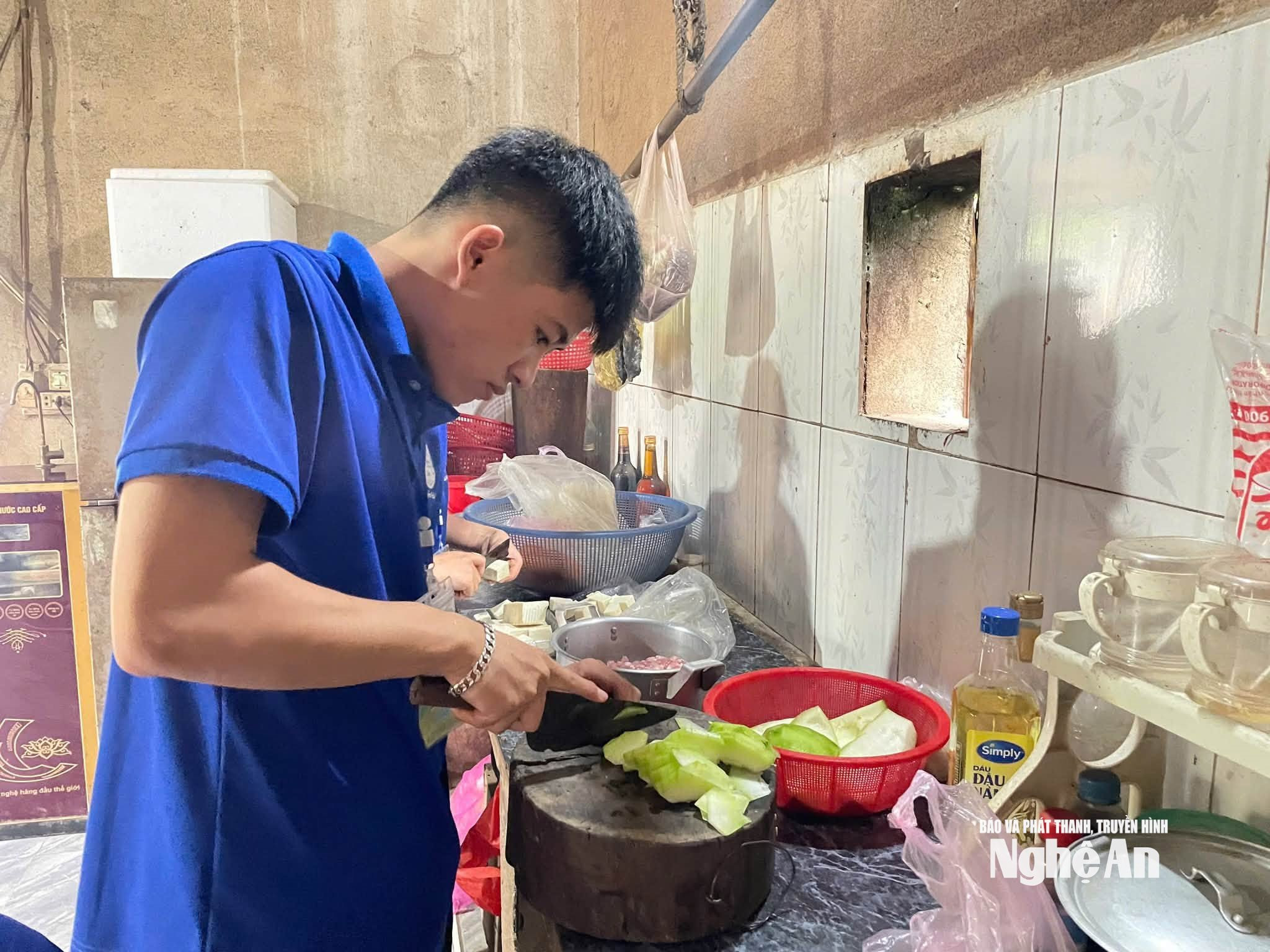
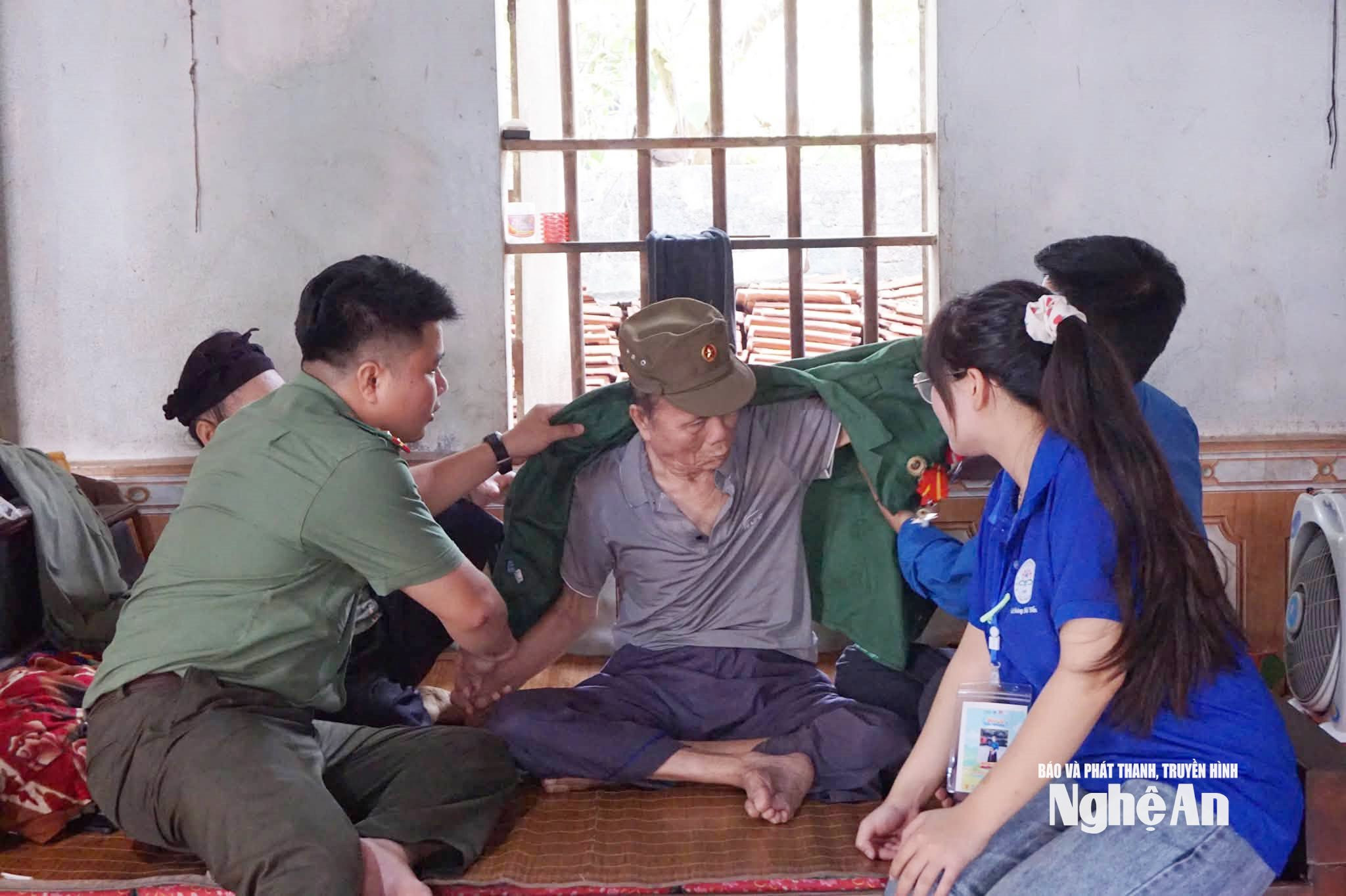
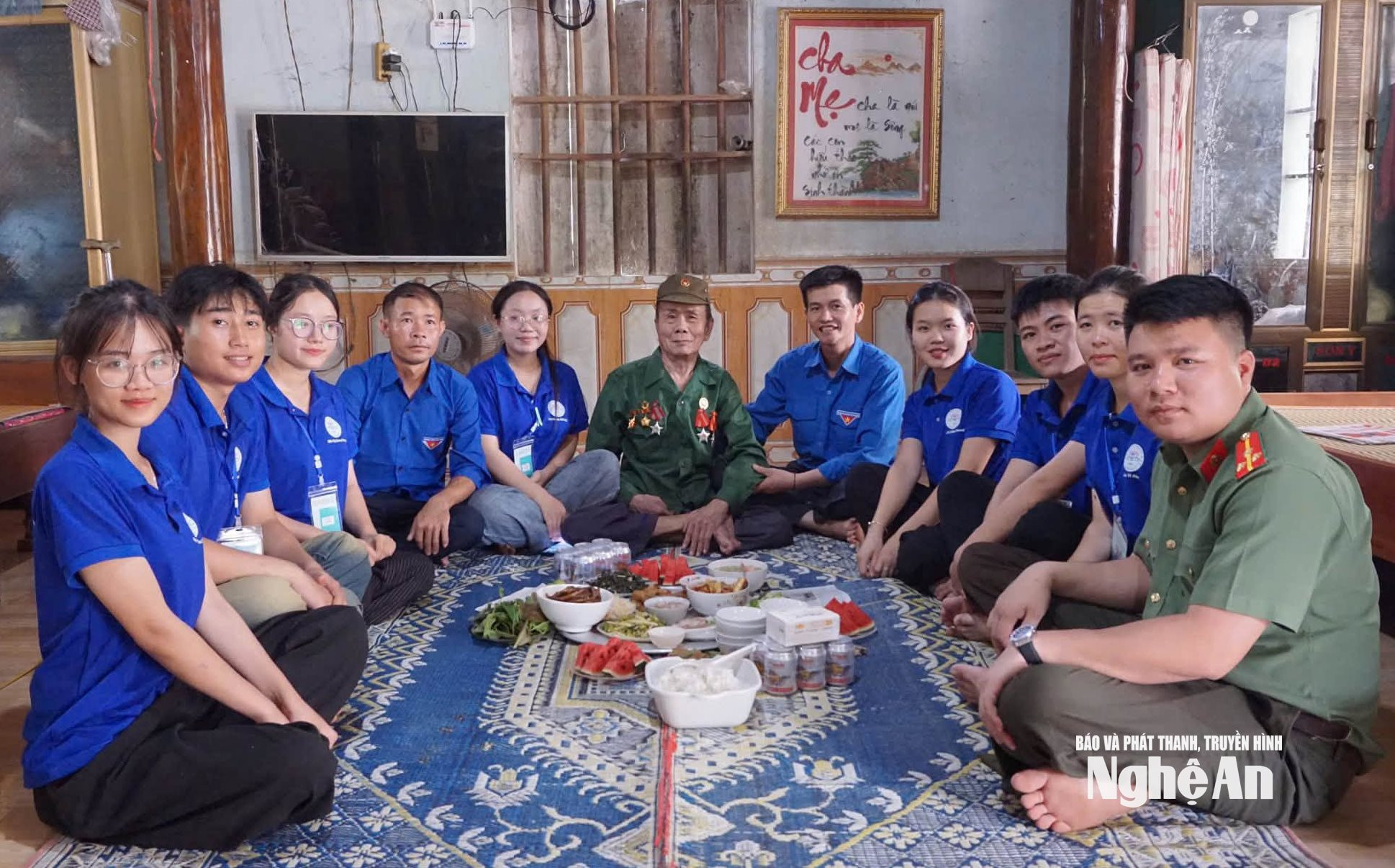
In late July, the home of war veteran Lo Van Chai in Duc Thanh village, Mau Thach commune, was busier than usual. From early morning, youth union members from Mau Thach commune and members of the 2617 Student Volunteer Team were present to clean the house, prepare food, and cook a warm meal with the family. Mr. Chai's family is one of the disadvantaged families of war veterans in the locality. This veteran participated in the Tet Offensive and suffers from the effects of chemical warfare, with a 61% disability rating. During the meal, he slowly recounted his years of fighting, his injuries, and the comrades who never returned. The story of the old soldier not only evokes war memories but also serves as a message to the younger generation about their responsibility to preserve and build their homeland in peacetime.
Besides the family of war invalid Lo Van Chai, the "Meal of Gratitude" was also held at the home of Mrs. Ha Thi Duyet in Thach Ngan village, a war invalid of category 4/4 with difficult circumstances. Two meals were provided to two families selected from among those who have rendered meritorious service but are still facing many difficulties in life.
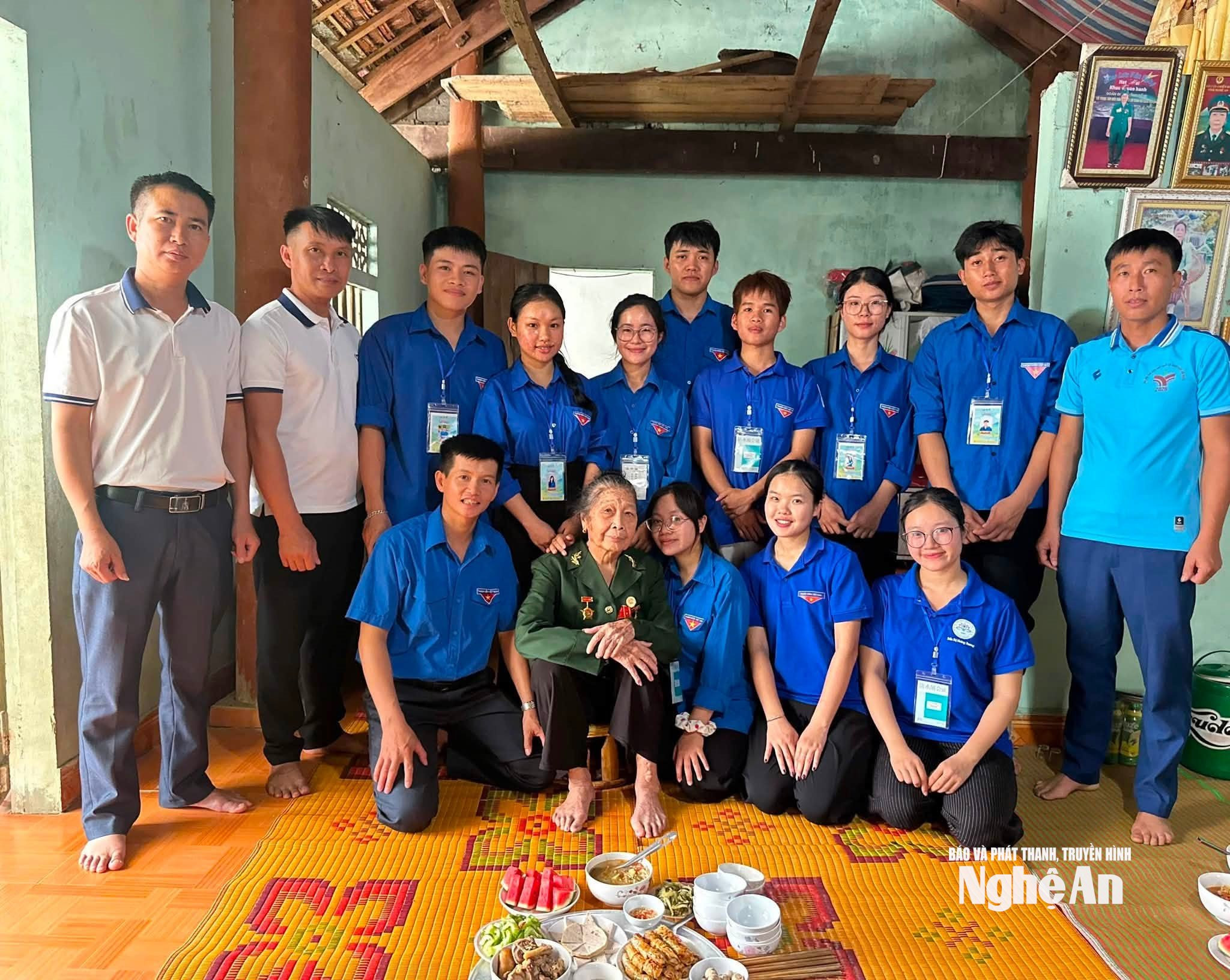
According to Lang Van Ve, Secretary of the Youth Union of Lang Van Ve commune, on the occasion of the 79th anniversary of the Day of War Invalids and Martyrs this year, the Youth Union of the commune, in coordination with the 2617 Volunteer Student Team, organized two "Meals of Gratitude," presented five gifts to families of war invalids and martyrs, and also assisted in cleaning and beautifying the grounds of families of war invalids and martyrs, as well as participating in cleaning and maintaining the Martyrs' Cemetery in the area.
"What we hope for is not just to give a gift or prepare a meal, but more importantly, to create opportunities for youth union members to get closer to the veterans, to hear stories about the war, and to better understand the sacrifices of the previous generation. When cleaning the house together, preparing a meal together, or taking care of the martyrs' cemetery, the young people feel the meaning of gratitude more clearly," shared Lang Van Ve.
Therefore, after each meeting, many members still linger to sweep the yards, tidy up the houses, or continue participating in tasks at the martyrs' cemetery. The activities taking place in July are not separate from each other, but all aim towards a simple way of showing gratitude: dedicating time, effort, and sharing with those who have contributed and sacrificed for the Fatherland.
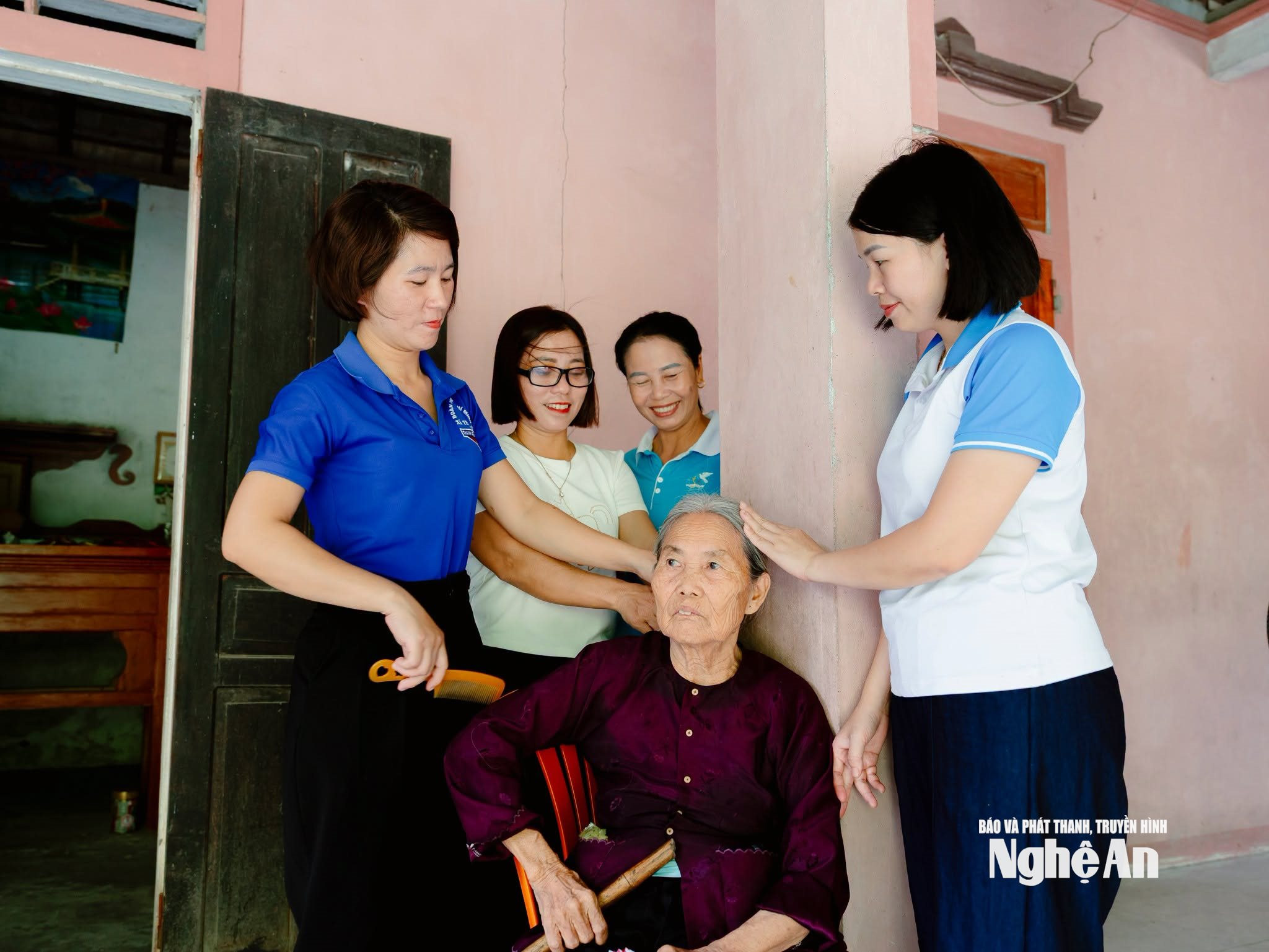
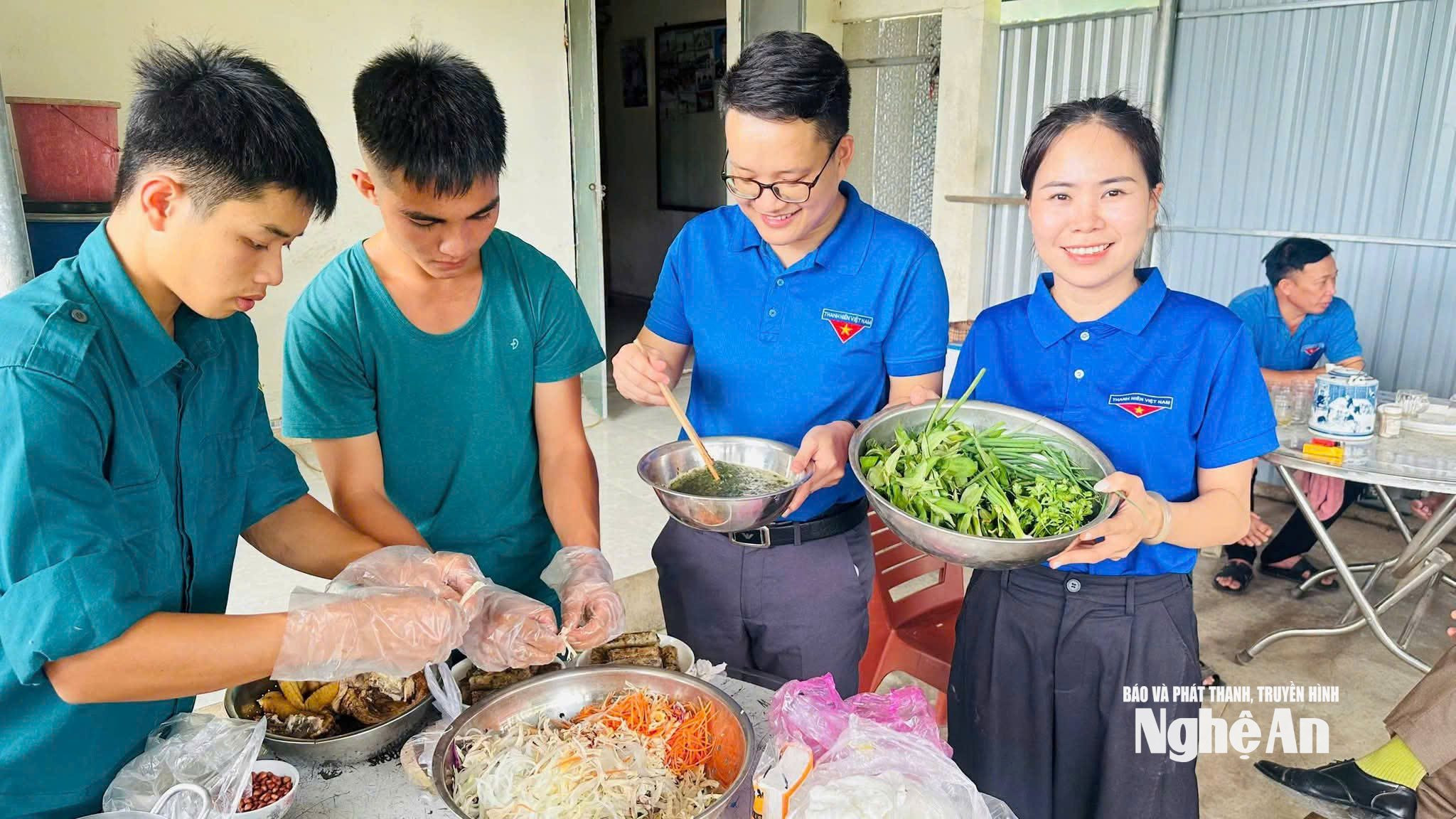
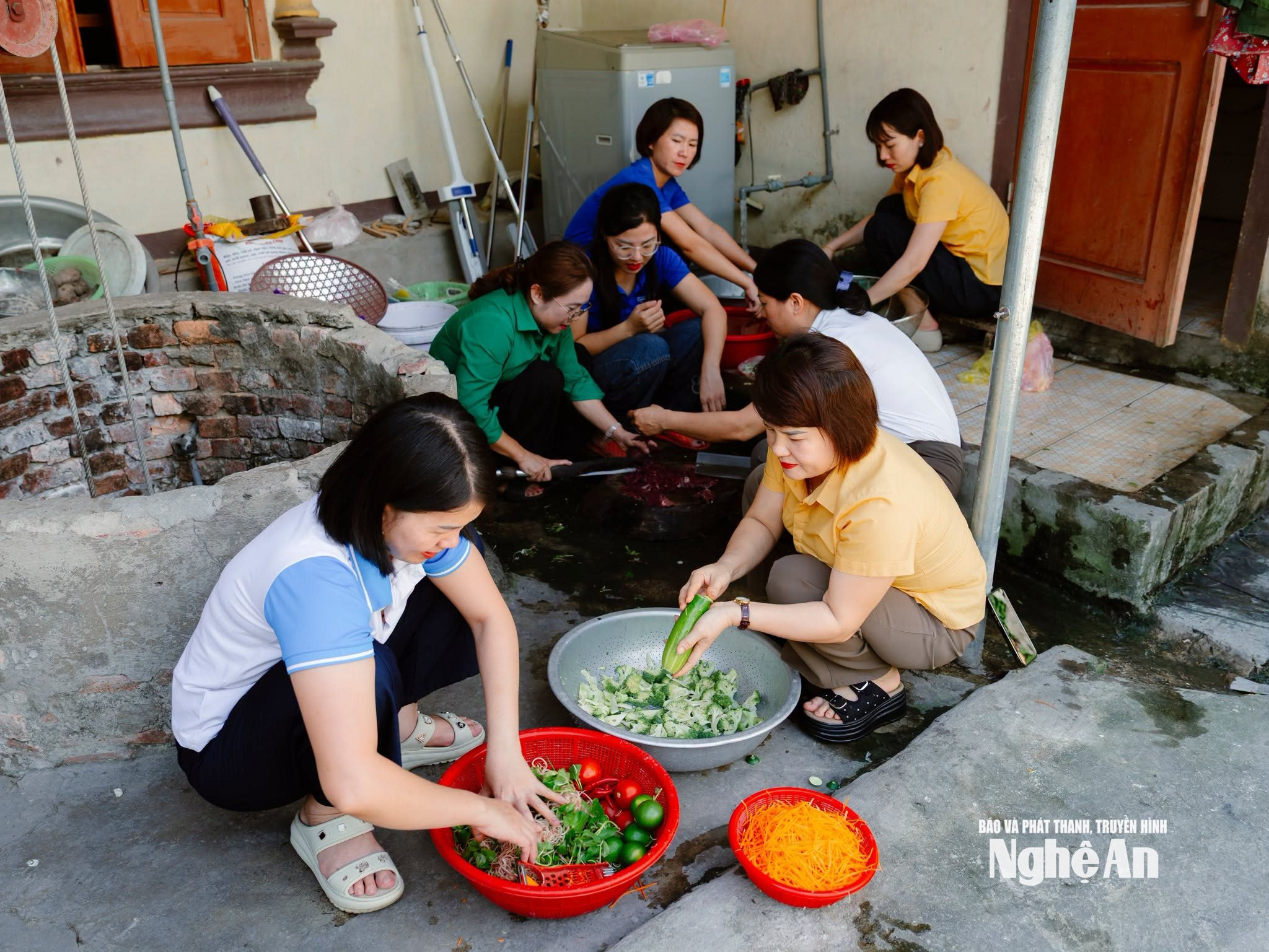
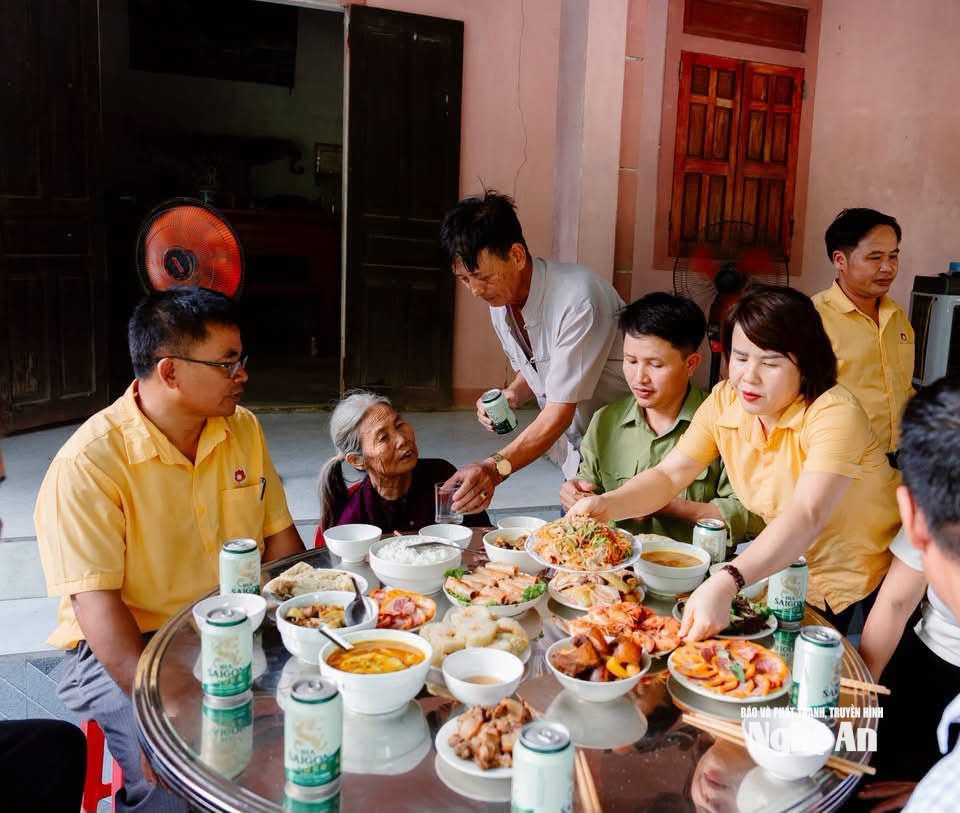
This July, the home of Mrs. Nguyen Thi Hai, wife of martyr Nguyen Quoc Nam, in An Binh village, Hoa Quan commune, is more bustling than usual as officials from the Vietnam Fatherland Front Committee of the commune and other organizations come to repair the roof, clean the house, take care of the martyr's altar, and prepare a tribute meal with the family. Nearly sixty years ago, before her first child was born, martyr Nguyen Quoc Nam enlisted in the army and bravely sacrificed his life. Since then, Mrs. Nguyen Thi Hai has single-handedly raised her child, cared for her mother-in-law, and preserved the few mementos of her husband who fell for the Fatherland. In the house that has been her home for decades, the July meal becomes an occasion for local officials, organizations, and family to gather, visit, share, and remember those who have sacrificed their lives.
In recent years, many mountainous localities have chosen a more intimate way of showing gratitude to those who have rendered meritorious service. Instead of just organizing meetings or giving gifts, officials from various organizations, youth union members, and women's association members visit the homes of these families, helping to prepare meals, chatting with them, and spending time with them. The common thread in these meals lies not in the quantity of food, but in the way these organizations choose to visit the families, working alongside them, chatting with them, and dedicating time to those who have rendered meritorious service. This concern is expressed through concrete actions, rather than simply offering gifts or words of encouragement.

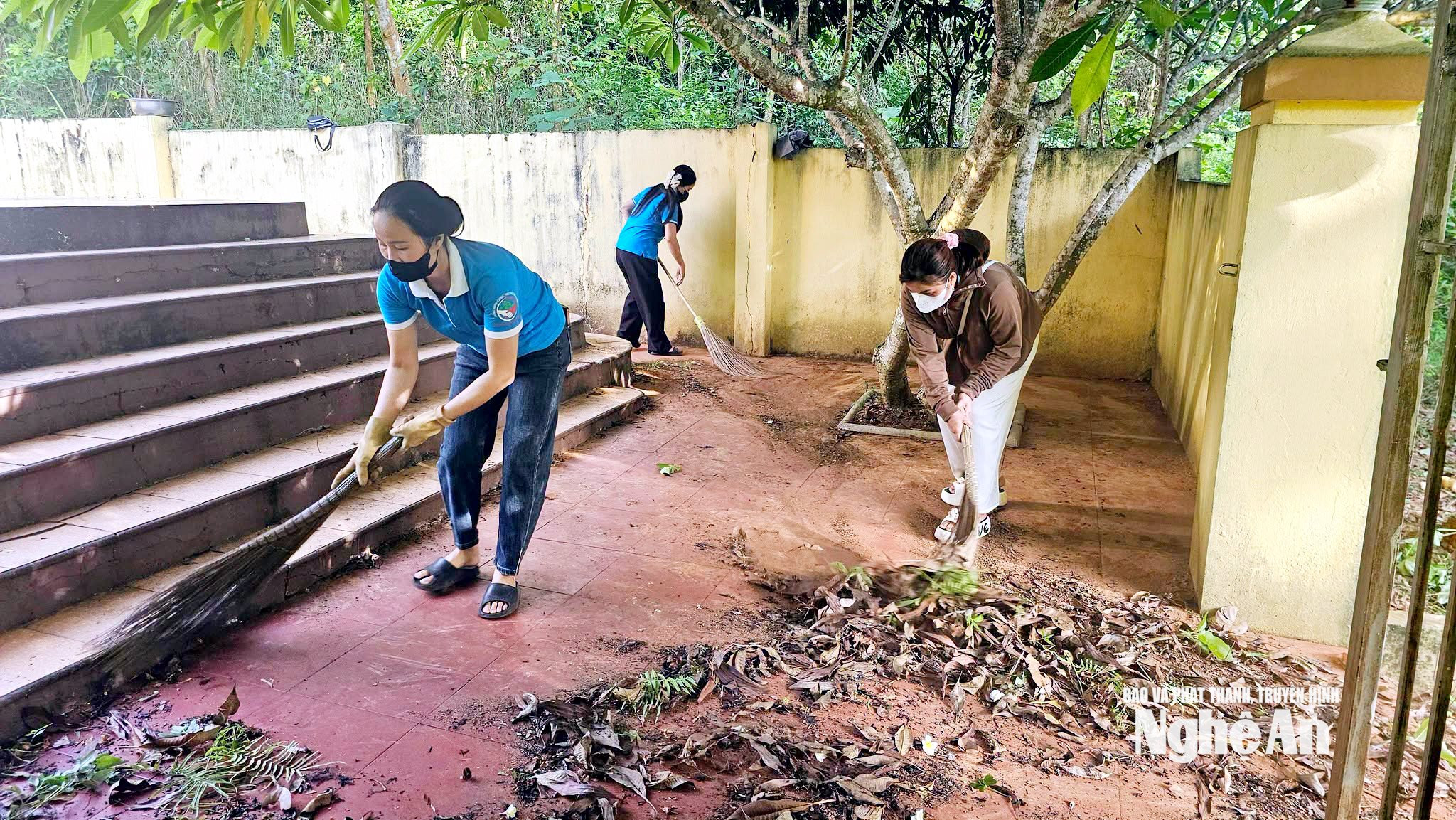
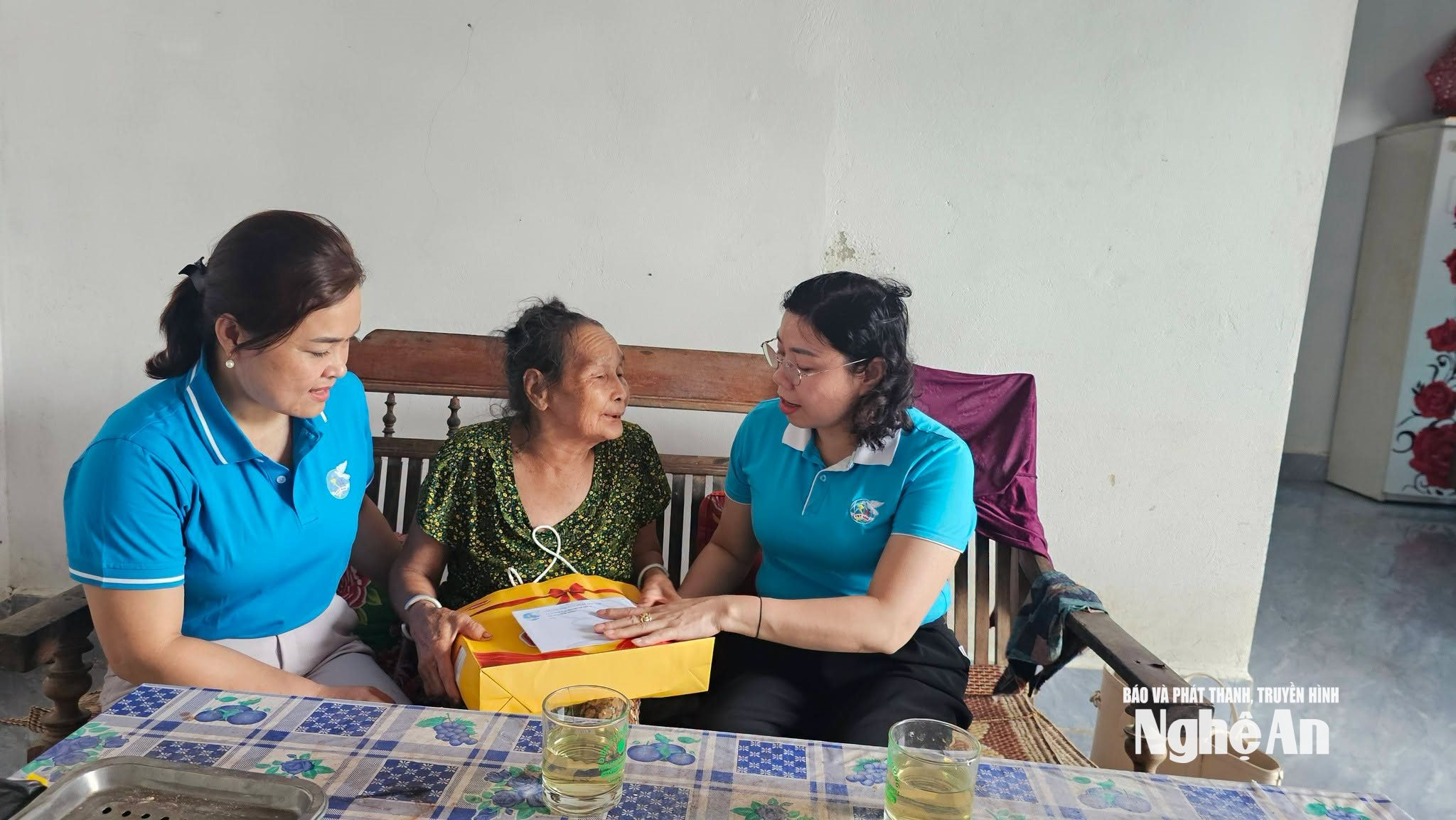
While "Meals of Gratitude" create intergenerational gatherings, many other activities in July are carried out through volunteer work and visits to families receiving government assistance. From monuments commemorating the sacrifices of heroic martyrs to the homes of wounded soldiers, disabled veterans, and those who have rendered meritorious service, gratitude is expressed through concrete actions close to everyday life.
These days, the Chau Dinh Martyrs' Memorial is being cared for and beautified by female cadres and members. The women organized a general cleanup of the grounds, tidied up the memorial area, and renovated the road in Dinh Trung hamlet, contributing to maintaining a bright, green, clean, and beautiful landscape. Along with caring for the memorial space, members also visited and gave gifts to mothers and wives of martyrs who are facing difficulties or illness. In the villages, women's associations also proactively carried out acts of gratitude, from providing labor support to visiting and encouraging families of war veterans.
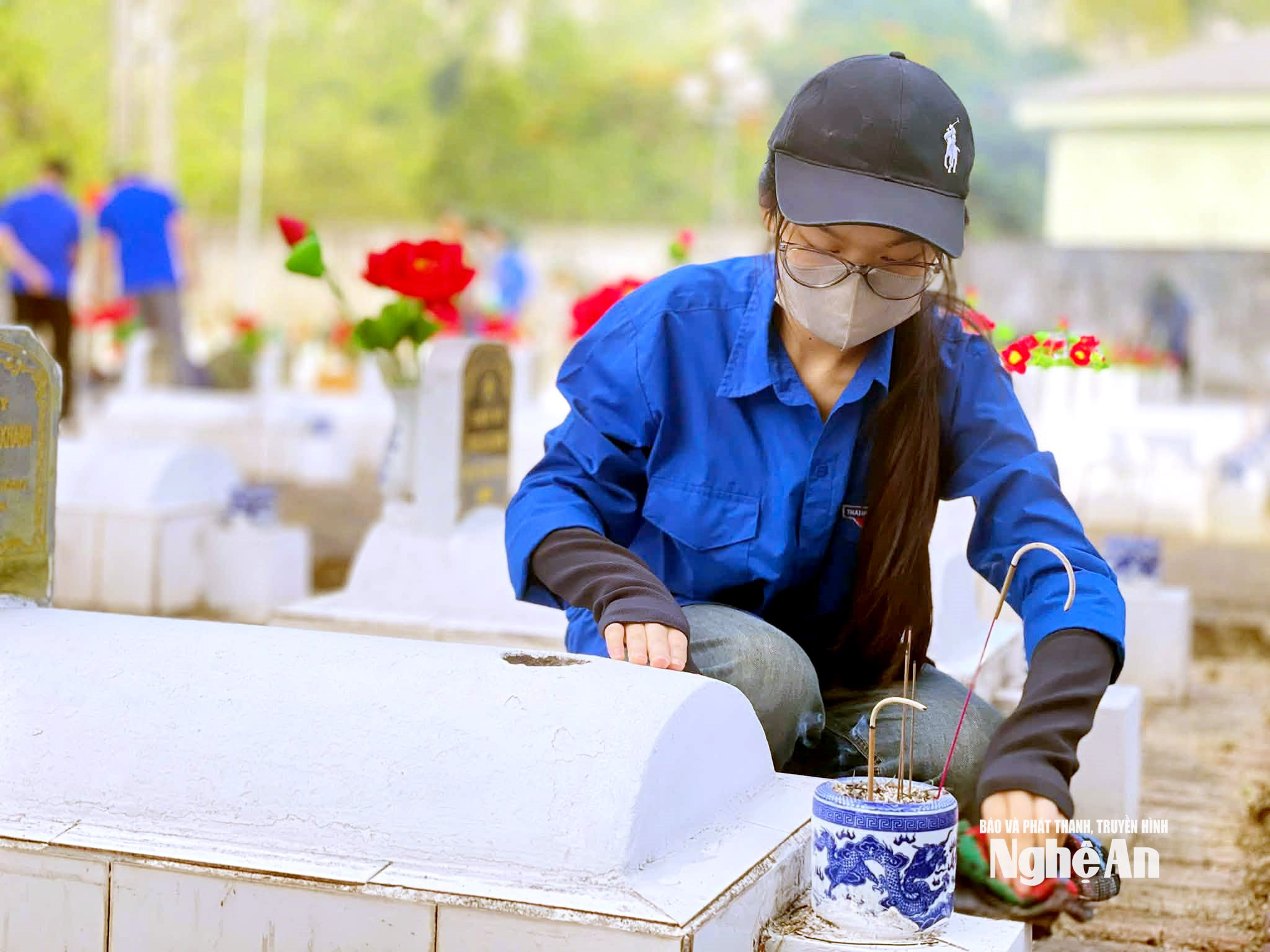
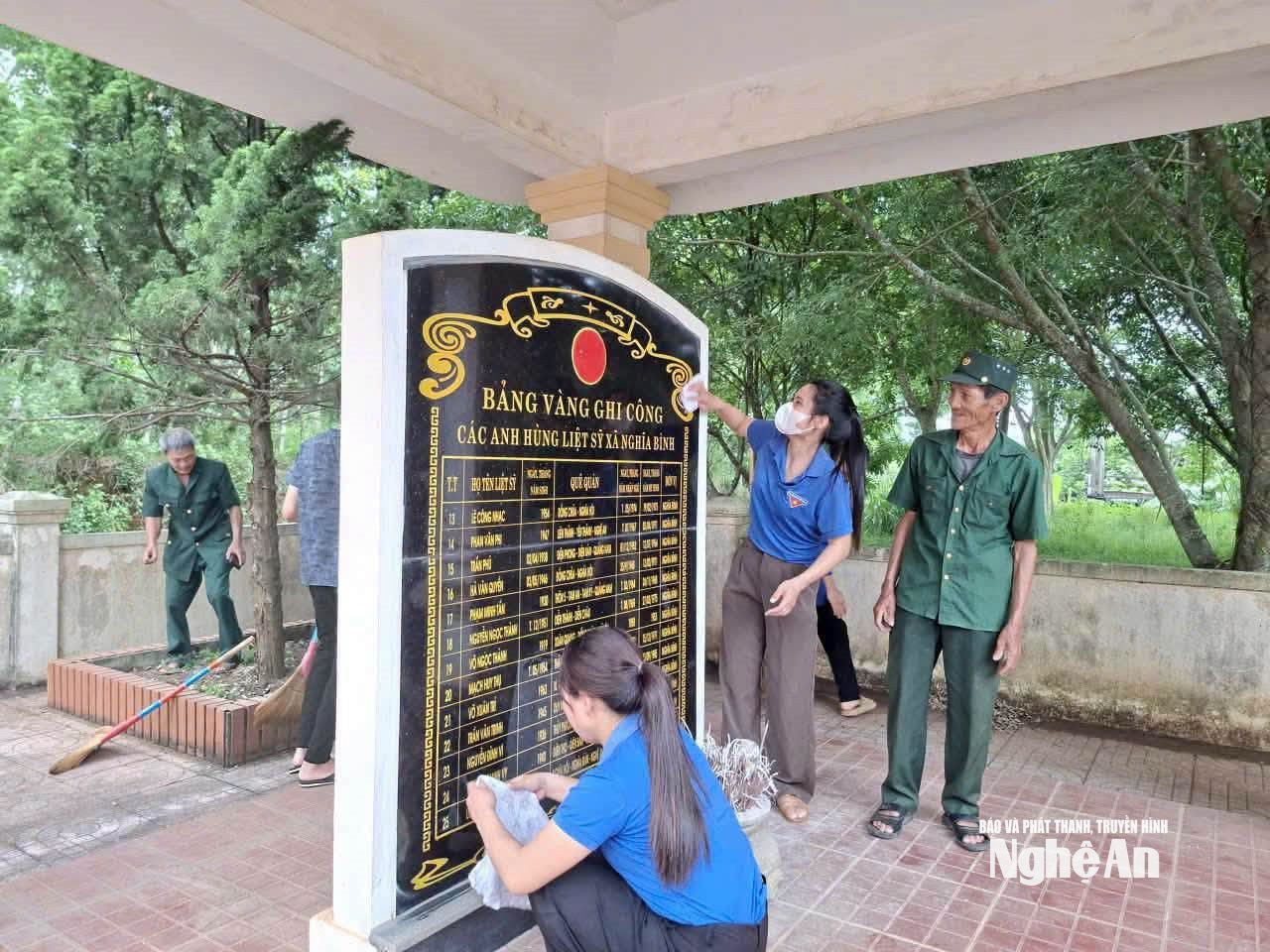
These quiet acts of kindness are also present at the Con Cuong Martyrs' Cemetery, where the green uniforms of youth union members, the military uniforms of officers and soldiers of Regiment 335, and volunteer students from Vinh University contribute to caring for each grave. They work together to clear weeds, collect garbage, sweep the grounds, clean and repaint the graves. These seemingly small tasks contribute to keeping the resting place of the heroic martyrs clean, beautiful, and solemn.
If cemetery maintenance is a way of preserving the memory of those who have fallen, then visits to the families of wounded soldiers, sick soldiers, and those who have rendered meritorious service are a way of showing concern for those who continue to bear the scars of war. During the month of July, delegations from Anh Son commune visited the families of wounded soldiers, sick soldiers, and those who have rendered meritorious service in Phuc Son 2, Phuc Son 3, Phuc Son 4, and Bai Lim villages. These included wounded soldier Le Hong Loi (category 1/4), who, despite his severe injuries, still strives to develop the economy; wounded soldier Nguyen Thi Hong, who is frequently ill and bedridden; wounded soldier Bui Thi Vinh, who is elderly and frail; and sick soldier Nguyen Viet Thang, who is undergoing treatment for a serious illness.
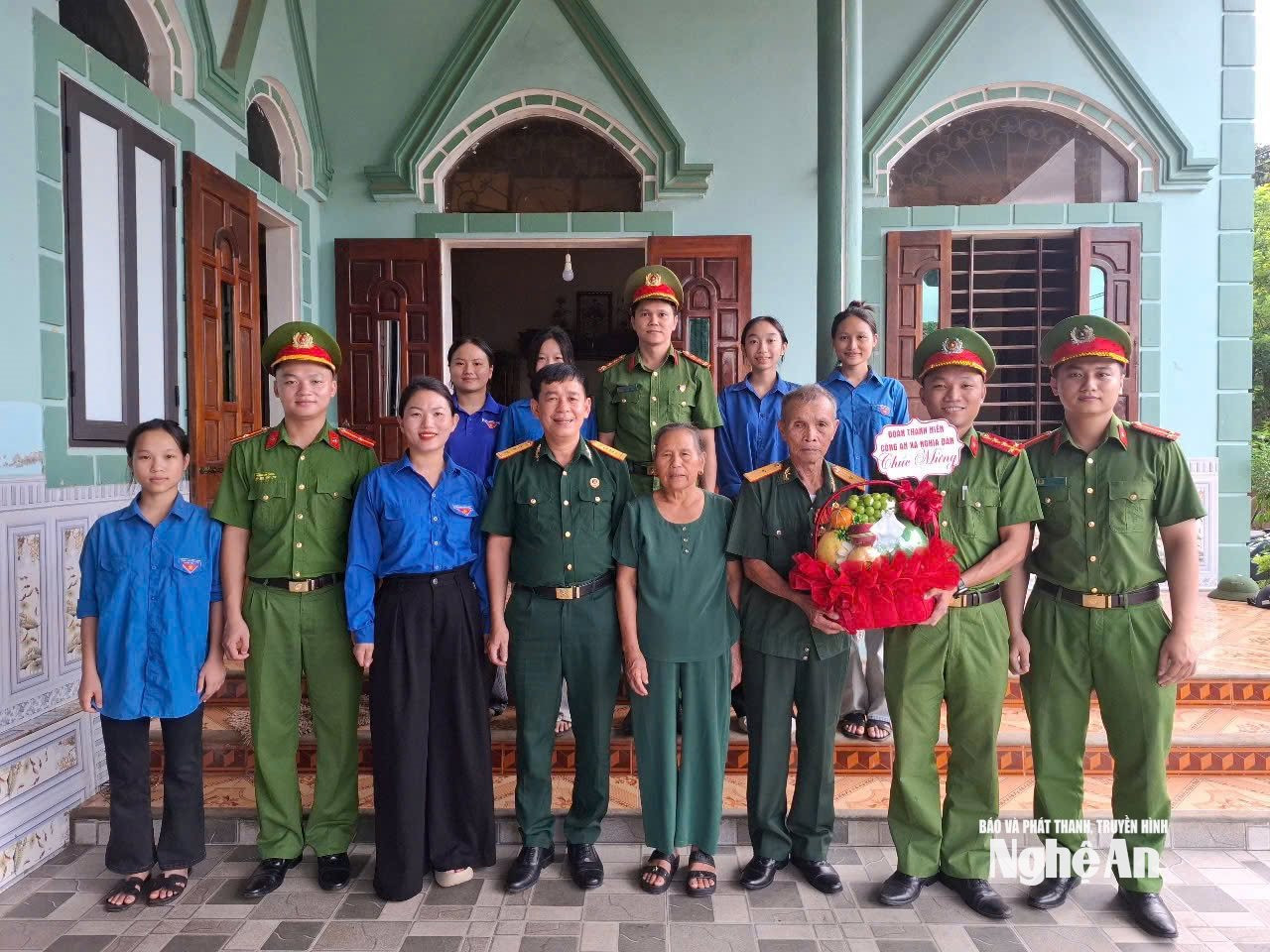
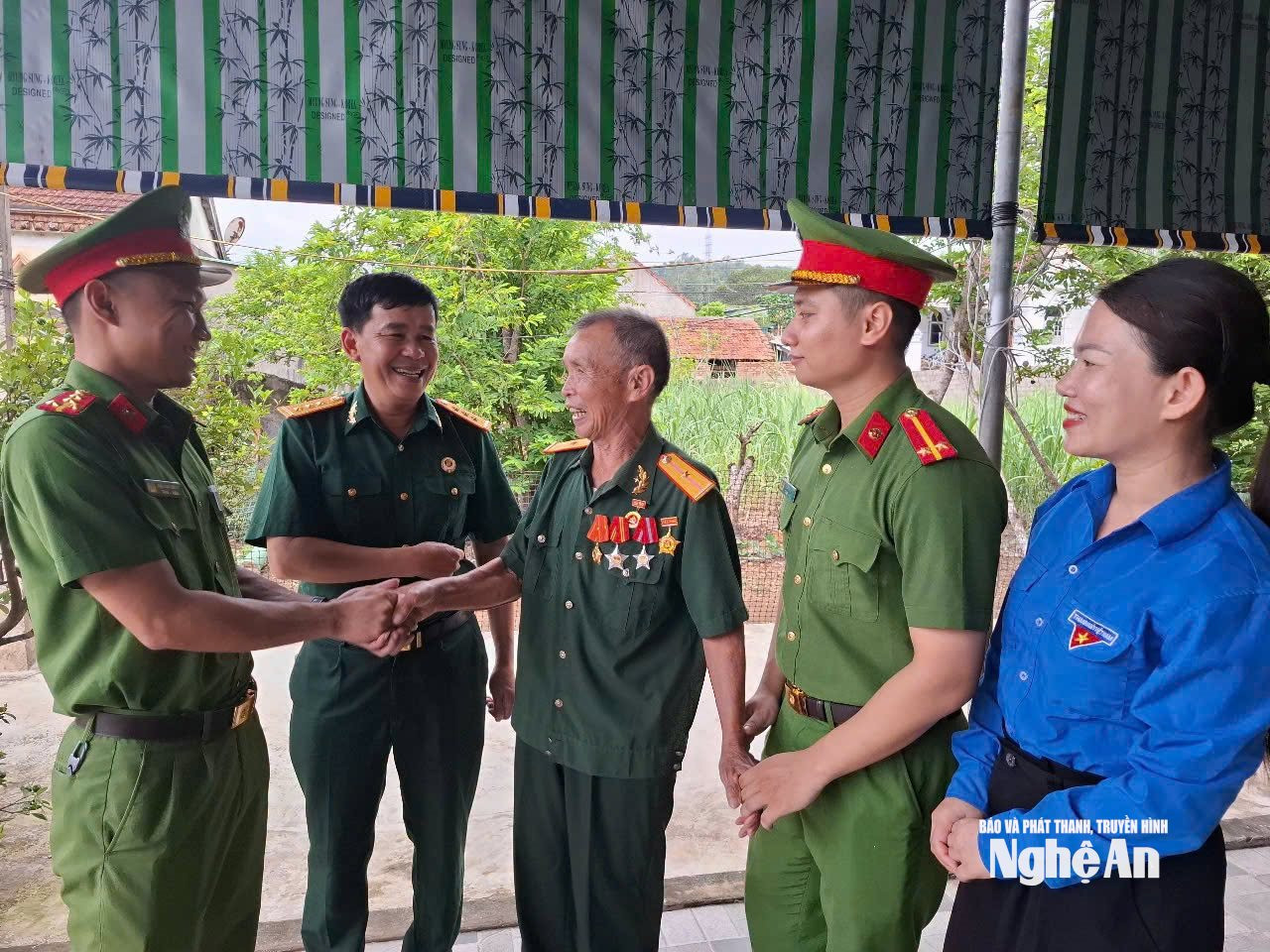
The activities in July may begin with a meal, a day of cleaning, or a visit, but behind them lies the companionship of the Party committee, government, Fatherland Front, and mass organizations with those who have rendered meritorious service. In many mountainous villages, this companionship is demonstrated through concrete actions: caring for families of policy beneficiaries, preserving monuments commemorating the sacrifices of previous generations, and fostering the tradition of "drinking water, remembering the source" within the community.


