
Ways to distinguish Vietnamese and Chinese vegetables in winter.
Besides seasonal vegetables, people can now easily buy out-of-season vegetables, such as cabbage in the summer or water spinach in the winter. Below are some seasonal vegetables in winter and how to distinguish them from Chinese vegetables, which housewives can refer to.
1. Cabbage
 |
| In winter, which vegetables are safe to choose and avoid buying Chinese products? |
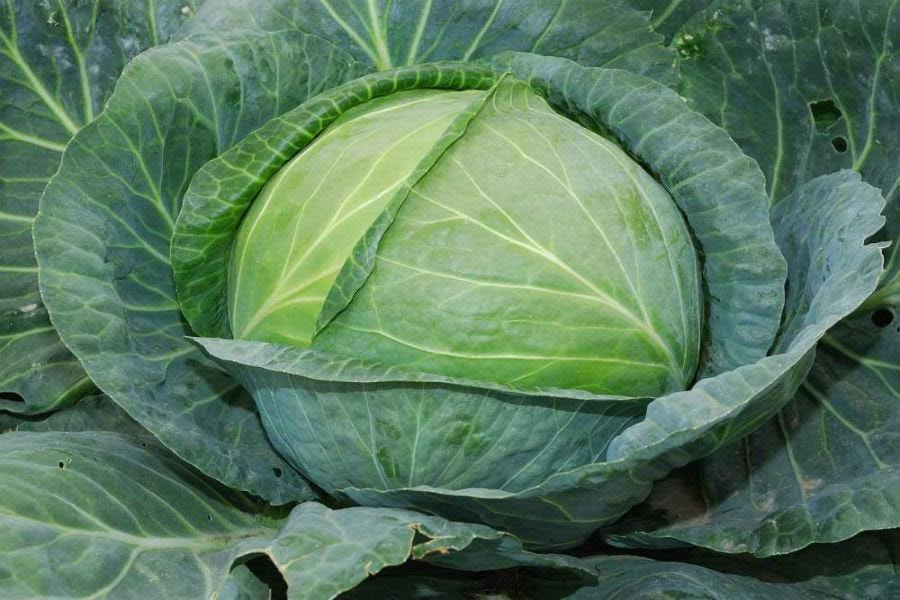
Cabbage is traditionally grown during the winter-spring season, from November and December to February of the following year. However, this vegetable is now available year-round, even in the summer thanks to the cool weather in some regions of Vietnam. Nevertheless, the quantity is limited.
The market is dominated by imported Chinese cabbage. Chinese cabbage is typically round, with dark green outer leaves, tightly packed, crisp heads, and usually free from bruises or scratches; it has a bland taste. In contrast, Vietnamese cabbage is flatter, 2-3 times larger than Chinese cabbage, with less tightly packed leaves and a lighter green outer layer; it has a richer, sweeter flavor.
2. Cauliflower
 |
| In winter, which vegetables are safe to choose and avoid buying Chinese products? |
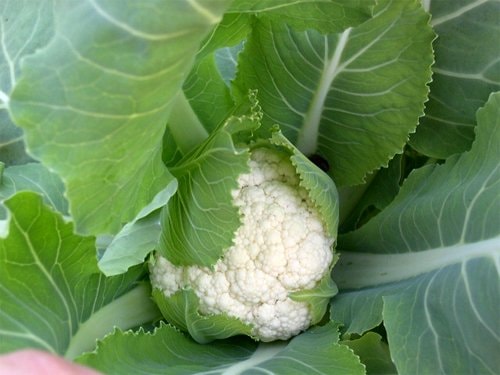
Cauliflower is considered a "superfood" because it contains many vitamins, minerals, and nutrients, making it extremely beneficial for people with diabetes. Even though it's not widely available in the summer, people can still find and buy cauliflower to eat.
However, cauliflower is a seasonal vegetable that is planted in September, October, and November. Eating cauliflower in winter reduces the risk of toxicity compared to other seasons because the cold climate allows the cauliflower plant to grow well.
To buy authentic Vietnamese cauliflower, choose those with a rough, uneven, and unattractive texture, long, pale stems, and many leaves. Chinese cauliflower usually has large, uniform, tightly packed florets with a shortened stem. When eaten, Vietnamese cauliflower has a mild aroma, while Chinese cauliflower is often odorless.
3. Kohlrabi
 |
| In winter, which vegetables are safe to choose and avoid buying Chinese products? |
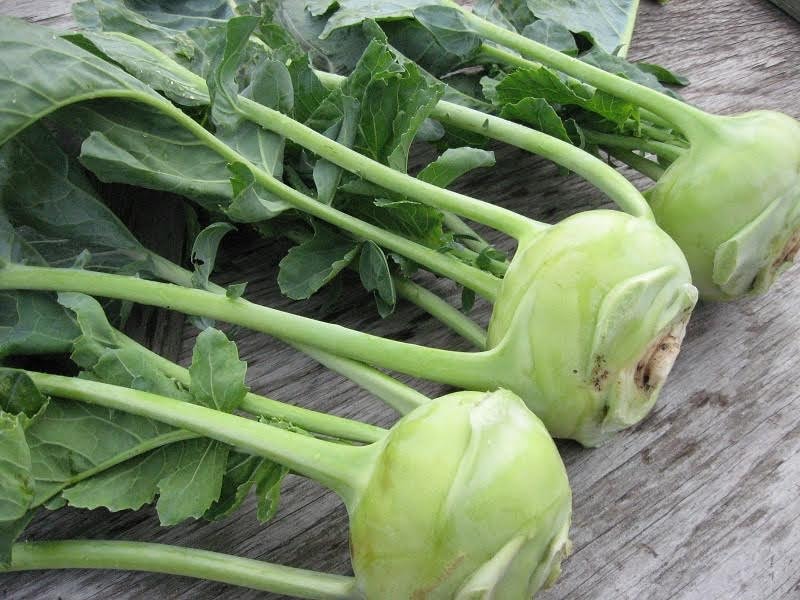
Included in the list of winter vegetables, kohlrabi is sown from September to the end of October because that's when the weather starts to turn cold, which is very suitable for this vegetable. Many amateur gardeners even grow kohlrabi alongside cabbage in their gardens to provide their families with a source of clean vegetables.
During the peak winter season, kohlrabi is less fibrous, has tender bulbs, and is very cheap (2,000-5,000 VND/bulb).
Distinguishing between Chinese and Vietnamese kohlrabi isn't too difficult. Vietnamese kohlrabi has small, irregularly shaped bulbs that vary in size, often have mud clinging to them, and retain many leaves. Chinese kohlrabi, on the other hand, is large, round, and flat like a wheel, with uniformly sized bulbs and a smooth, cool-to-the-touch skin.
4. Chayote
 |
| In winter, which vegetables are safe to choose and avoid buying Chinese products? |
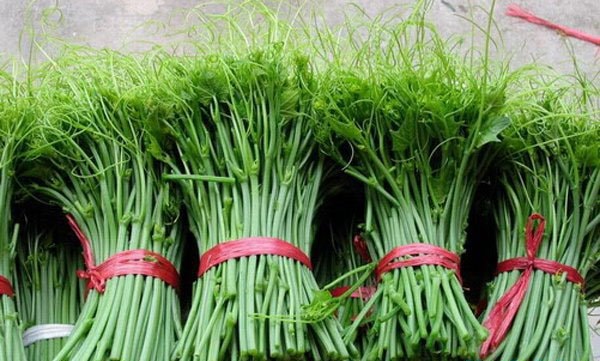
Chayote is a specialty of many places, especially the northern mountainous provinces such as Tam Dao, Sa Pa, and Lang Son, because these areas have a cool climate year-round with lower temperatures than the lowlands. However, chayote grows better in winter, with large, plump shoots. In summer, it is more susceptible to pests and diseases, and grows slowly, so farmers have to fertilize and occasionally spray pesticides.
Therefore, chayote will taste better in winter than in summer, and people can eat it with peace of mind.
5. Vegetables
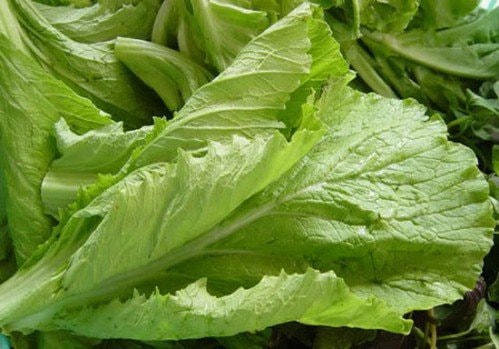 |
| Bitter greens cooked in fish soup is a favorite dish of many families. |
Bok choy, watercress, Chinese cabbage, bitter greens, sweet cabbage, chrysanthemum greens, etc., all types of cruciferous vegetables have cooling properties, are rich in vitamins, and are excellent for clearing heat from the body.
Leafy greens are grown year-round, but during the off-season, to ensure the vegetables grow well, are free from pests and diseases, and are vibrant green and visually appealing, growers may spray pesticides to prevent pests and diseases.
However, if vegetables are grown between August and November (winter-spring), which is the peak season, they will grow well and yield high productivity without the need for pesticides. This reduces the risk of pesticide residue poisoning for consumers.
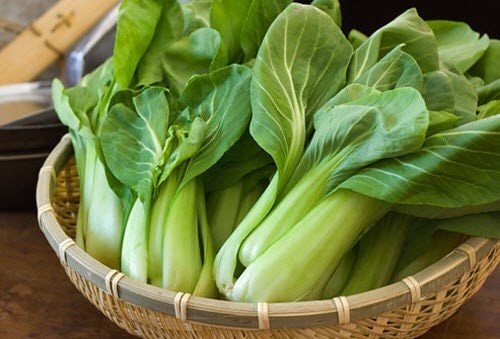 |
| Blanched, boiled, or stir-fried bok choy with mushrooms is a nutritious dish. |
6. Potatoes
The main potato crop in the Northern Delta is planted in late October and early November, and harvested in late January and early February. At this time, the climate is suitable for the soil, allowing potatoes to grow easily and yield a high harvest.
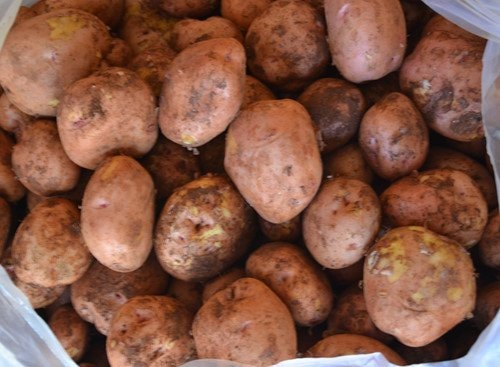 |
| Vietnamese potatoes are often covered in mud, and the tubers are not uniformly large. |
Vietnamese potatoes are round, have beautiful yellow skin, and are small in size. If grown in northern regions, they are usually transported short distances and sold immediately after harvesting, so their skins often have a lot of dirt on them. Da Lat potatoes, when transported to other regions, often have thin skins and are therefore prone to scratches.
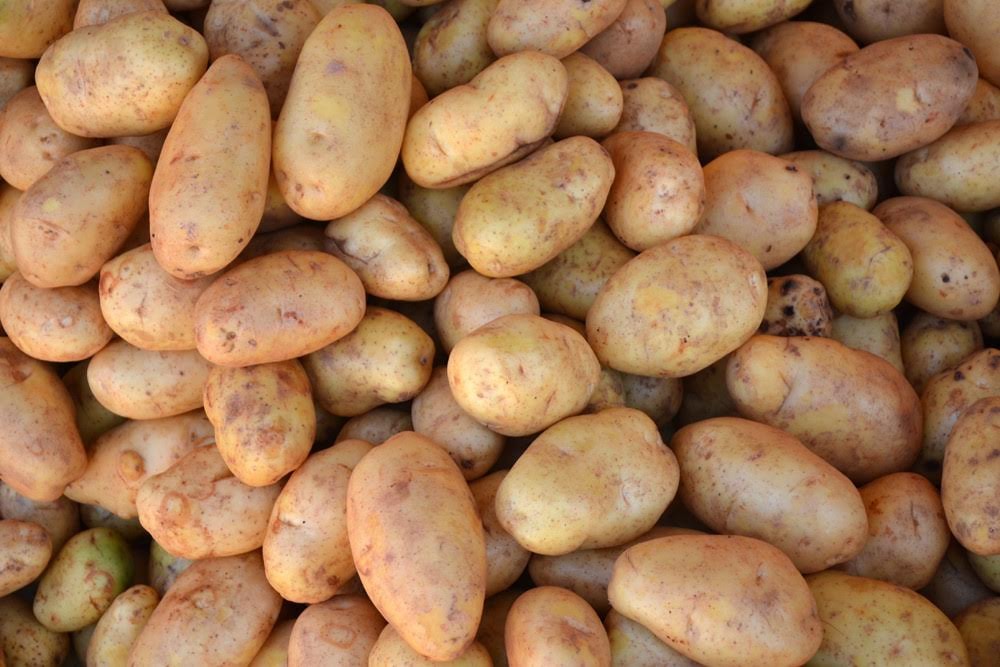 |
| Chinese potatoes are flat, uniformly sized, and have a smooth, clean, shiny skin. |
Chinese potatoes are flat, with a tough, unblemished, white skin. They are very uniform in size, usually long and flat, with a smooth, shiny skin and few scratches.
7. Carrots
Carrots are cold-tolerant plants, so they can be grown year-round in Da Lat, but the main planting season is from mid-October to mid-December, with harvesting around the Lunar New Year.
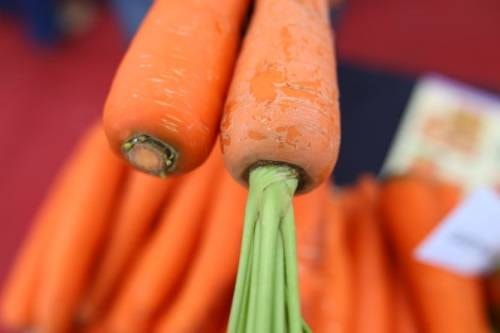 |
| Chinese carrots have their stems removed, while Vietnamese carrots have their stems intact. |
Carrots imported from China often have their thin outer skin peeled off, are long, and have their stems removed. Vietnamese carrots, on the other hand, retain their thin outer skin and have long, green stems.
According to Vietnamnet


