
Mistakes to avoid when using ginger.
Below is a list of people who should not eat ginger and common mistakes to avoid when using ginger.
According to Traditional Chinese Medicine, ginger has a pungent taste and warm nature; when it enters the lungs and spleen, it helps to expel phlegm, detoxify, and dispel cold energy.
Western medicine also confirms that ginger contains many anti-inflammatory and antioxidant compounds beneficial to health, such as gingerols, beta-carotene, capsaicin, caffeic acid, curcumin, and salicylate.
However, even though ginger is considered a "super nutritious" root, it is still a food that cannot be used indiscriminately.
Who should not eat ginger?
1. People with hemorrhoids and bleeding.
The spicy and warming properties of ginger can cause weak blood vessels to rupture. Therefore, people with a history of bleeding disorders such as nosebleeds, uterine bleeding, hemorrhoids, etc., should limit their consumption of this food to avoid worsening their condition.
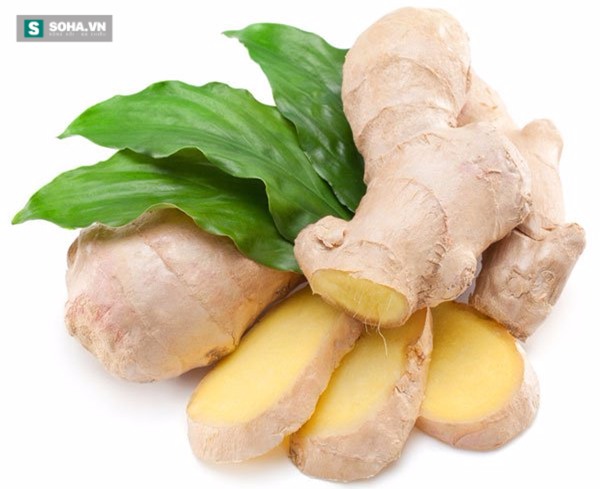 |
| People with yin deficiency and internal heat should not eat this food. |
2. People experiencing hair loss
Therefore, even though ginger can improve blood circulation and stimulate hair follicles to open, it is still not a suitable option for people experiencing hair loss.
Hair loss is often classified as a condition related to heat. Ginger, being spicy and warm in nature, generates heat when used for extended periods, making it completely unsuitable for treating heat-related illnesses.
3. People with severe internal heat.
People with severe internal heat often exhibit symptoms such as frequent coughing, lung heat, stomach heat, frequent vomiting, bad breath, etc. This group should limit their consumption of fresh ginger due to its characteristic spicy and hot nature.
If you want to eat this type of root vegetable, people with internal heat should combine it with herbs or foods that have a cooling effect to neutralize it.
4. Pregnant women
Even though ginger is considered a "miracle cure" for early pregnancy symptoms, health experts still advise pregnant women to limit their ginger intake during the later stages of pregnancy.
 |
| In the later stages of pregnancy, mothers should limit their ginger intake to avoid potential risks. |
Although this root vegetable is very effective in treating nausea, it can raise blood pressure, posing a danger to pregnant women.
5. People with Yin deficiency constitution
People with yin deficiency often exhibit symptoms such as sweaty hands, a preference for drinking water, dry mouth, dry eyes, dry skin, irritability, and hot hands and feet.
Meanwhile, ginger has a spicy taste and warming properties; people with yin deficiency who consume it may experience increased internal heat, worsening their existing symptoms.
6. People with liver disease
For patients with acute and chronic hepatitis, and cirrhosis, ginger is definitely not a suitable option.
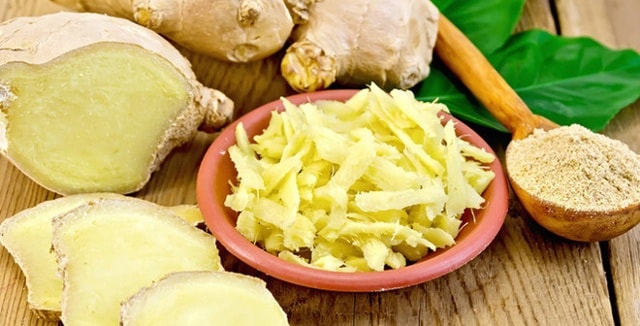 |
| Eating ginger can cause liver heat. To counteract this heat-inducing effect, one should consume foods that soothe the liver and use medications that improve blood circulation, such as hawthorn or chrysanthemum tea. |
This tuber contains substances that stimulate the secretion of liver cells, causing these cells to necrose when they are in a stimulated state.
In particular, consuming ginger continuously can cause the liver to become overheated, worsening the condition.
7. People with stomach problems
Doctors often advise people with stomach pain, gastritis, or duodenal ulcers to avoid eating ginger.
This is because ginger contains substances that irritate, erode, and ulcerate the stomach lining.
 |
| Although ginger is considered a highly nutritious food, it is not suitable for people with stomach problems and certain other digestive disorders. |
Similarly, consuming large amounts of ginger over a long period can also lead to inflammation and ulcers in the intestinal and colon walls.
Furthermore, for those diagnosed with symptoms of gastrointestinal cancer, consuming ginger becomes even more strictly forbidden.
This type of tuber will stimulate tumor growth very rapidly, causing the disease to progress in a dangerous direction.
Common mistakes made when eating ginger
1. Eating too much
A recent study by the U.S. Food and Drug Administration (FDA) has shown that consuming excessive amounts of ginger increases the risk of liver cancer.
Accordingly, FDA researchers conducted experiments on mice by increasing the safrol content in their food by 0.4–1% for 150 days to 2 years. The results showed that all of these mice developed liver cancer.
 |
| Ginger is good for you, but eating too much of it can have the opposite effect. |
Meanwhile, fresh ginger contains a high amount of safrole. Therefore, consuming too much of this root during this time may increase the risk of cancer.
In addition, spoiled or rotten ginger also contains toxins that are harmful to the body, and can even become a contributing factor to liver cancer and esophageal cancer in humans.
Therefore, even though ginger is a highly nutritious food, we should only consume it in moderation.
2. Use ginger to treat sunstroke.
Mild illnesses such as heatstroke, common colds caused by heat or wind-heat are all classified as heat-related diseases. Ginger, with its spicy and warming properties, is completely unsuitable for treating these conditions.
Bởi vậy, gừng luôn nằm trong danh sách "chống chỉ định" đối với những bệnh kể trên.
3. Gọt vỏ
Vỏ gừng đóng vai trò quan trọng trong việc phát huy dược tính của loại củ này. Bởi vậy, việc gọt vỏ là hoàn toàn dư thừa, thậm chí làm mất đi tác dụng vốn có của gừng.
 |
| Gọt vỏ là việc làm hoàn toàn không cần thiết khi chế biến và sử dụng gừng. |
Nếu muốn đảm bảo vệ sinh mà vẫn giữ được công dụng của loại củ này, ta chỉ cần rửa sạch trước khi chế biến.
4. Ăn gừng vào buổi tối
Người xưa có câu "sáng sớm ăn gừng còn tốt hơn uống nước sâm, buổi tối ăn gừng không khác nào ăn thạch tín". Theo đó, cổ nhân cho rằng thời điểm tốt nhất để ăn gừng là buổi sáng.
Vào khoảng thời gian bắt đầu ngày mới, khí trong dạ dày còn nhiều. Ăn gừng vào lúc này sẽ khiến cho dương khí bốc lên, thải khí độc ra ngoài, tốt cho dạ dày và có tác dụng kiện tỳ.
Ngược lại, vào buổi tối, dương khí thu lại, âm khí trong cơ thể nhiều hơn, ăn gừng lại là một hạ sách. Tính nóng của loại củ này sẽ phát huy tác hại, gây đầy bụng, khó ngủ, lâu ngày sinh ra nóng trong.
Ngoài ra, khi gừng tươi bị dập hoặc bị thối sẽ sản sinh ra safrol, loại độc tố mạnh có thể gây hoại tử các tế bào gan, lâu dần sẽ biến thành ung thư gan và ung thư thực quản.
Therefore, if you find that your ginger has rotted, you shouldn't throw it away.
Furthermore, when ginger sprouts, it produces sulfur, a substance that severely damages the liver. Ginger also contains shikimol, a toxic compound that seriously affects the digestive system.
How to choose ginger
When choosing ginger, we should pay attention to its color and appearance. Ginger that is bright in color, firm, and free from bruises or wilting is the best quality and ensures nutritional value for health.
Currently, markets in Vietnam are also widely selling contaminated Chinese ginger, causing great concern among consumers.
Therefore, housewives can distinguish Vietnamese ginger from Chinese ginger by several characteristics: Vietnamese ginger has smaller tubers, rougher skin, and thinner peels. Chinese ginger has larger tubers, smoother, shinier skin, thicker peels, and is easier to peel.
There are several ways to preserve ginger so that it doesn't sprout or rot:
- Fill a slightly wide container with sand, then bury the ginger in the sand. Place the container in a cool, airy place to keep the ginger fresh and prevent it from drying out.
- By wrapping a piece of aluminum foil tightly around the ginger root and storing it in a cool, dry place, we can preserve the ginger for longer.
- You can sun-dry the ginger for a week and then grind it into a powder. Put the ginger powder in a jar and seal it tightly. You can use the ginger powder anytime; it's very simple and convenient.
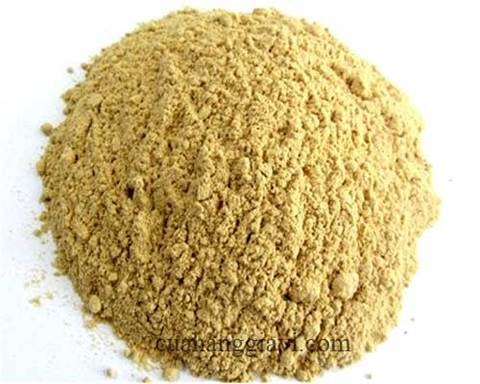 |
| Choose mature ginger as it will yield more essential oils; be careful not to slice it too thinly as this will reduce the amount of essential oils in the ginger; then dry it and grind it into powder. |
According to Young Intellectuals
| RELATED NEWS |
|---|


