
These enduring "extended arms" maintain the flow of basic information.
Amidst the fast-paced digital age, in remote rural areas, grassroots media teams silently cross streams and forests to carry out their work with unwavering dedication. Behind every news report and every image lies the immense hardship of those who simultaneously work as journalists, engage in community outreach, and act as a bridge of information between the government and the people, maintaining the "undercurrent" of information at the grassroots level.
.png)
June 16, 2026
*****
.png)
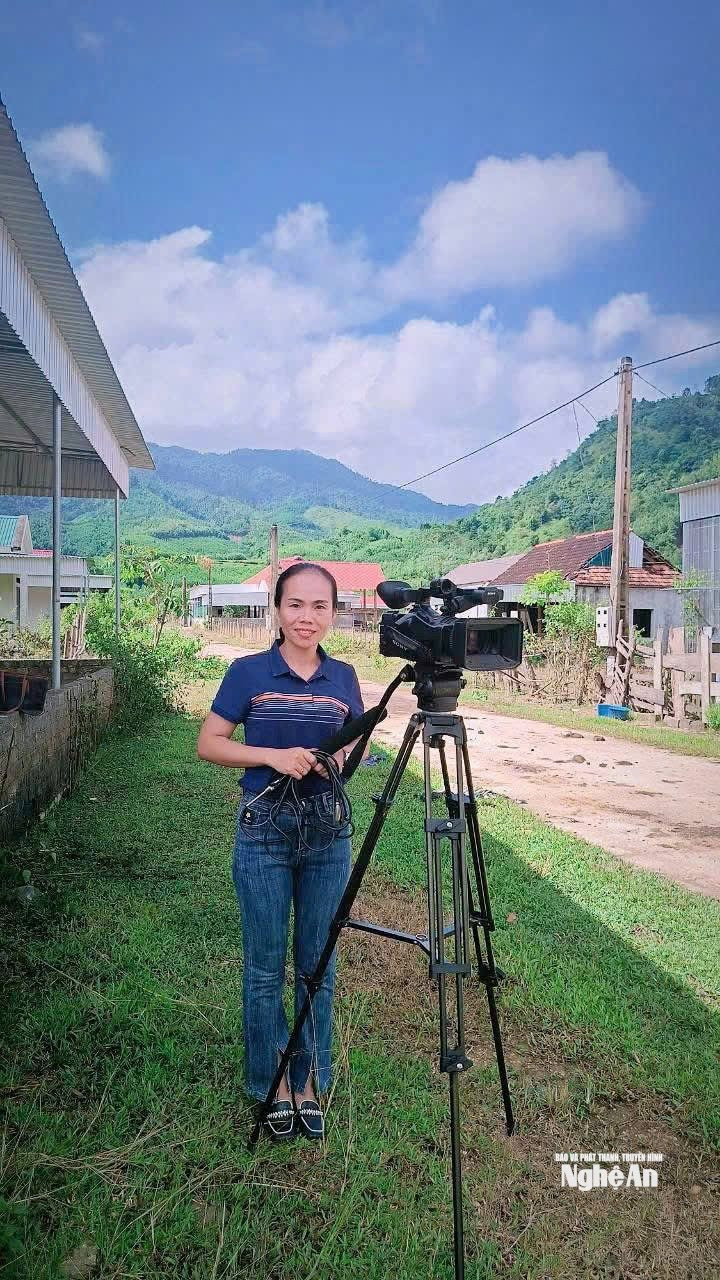
Amidst the scorching sun of western Nghe An, the people of Quy Hop are familiar with the sight of Phan Thi Giang, a reporter from the Public Service Supply Center, bustling along dusty red roads.
With a video camera slung over her shoulder and a still camera in her hand, she was present at almost every hotspot that needed timely reporting: residential areas flooded after heavy rains, polluted streams, landslides, or fields parched by drought...
.jpg)
The job of a local media reporter is never easy. Besides filming and taking photos, Phan Giang also writes news articles, edits footage, and does the voice-over for her reports. She handles many aspects alone, from fieldwork to post-production, but she still strives to ensure that information reaches the public as quickly and accurately as possible.
Phan Thi Giang was born and raised in the coastal region of Quynh Luu. Nearly 17 years ago, she left her hometown to work in the mountainous district of Quy Hop (formerly), now Quy Hop commune. From the initial days of unfamiliarity with the mountains and forests, the winding slopes, and the trips to remote villages, she has now become accustomed to wading through streams, trekking through forests, and staying up all night to produce news reports. Some of her works are the result of arduous journeys and "obstacles" that demand the courage and resilience of a journalist.
For example, to produce the documentary "The Death of the Nam Ton River," she and her colleagues spent many days and nights traveling back and forth along the river to document the reality, visiting each discharge point, and meeting with local people to understand why the once peaceful river had become a "dead river."
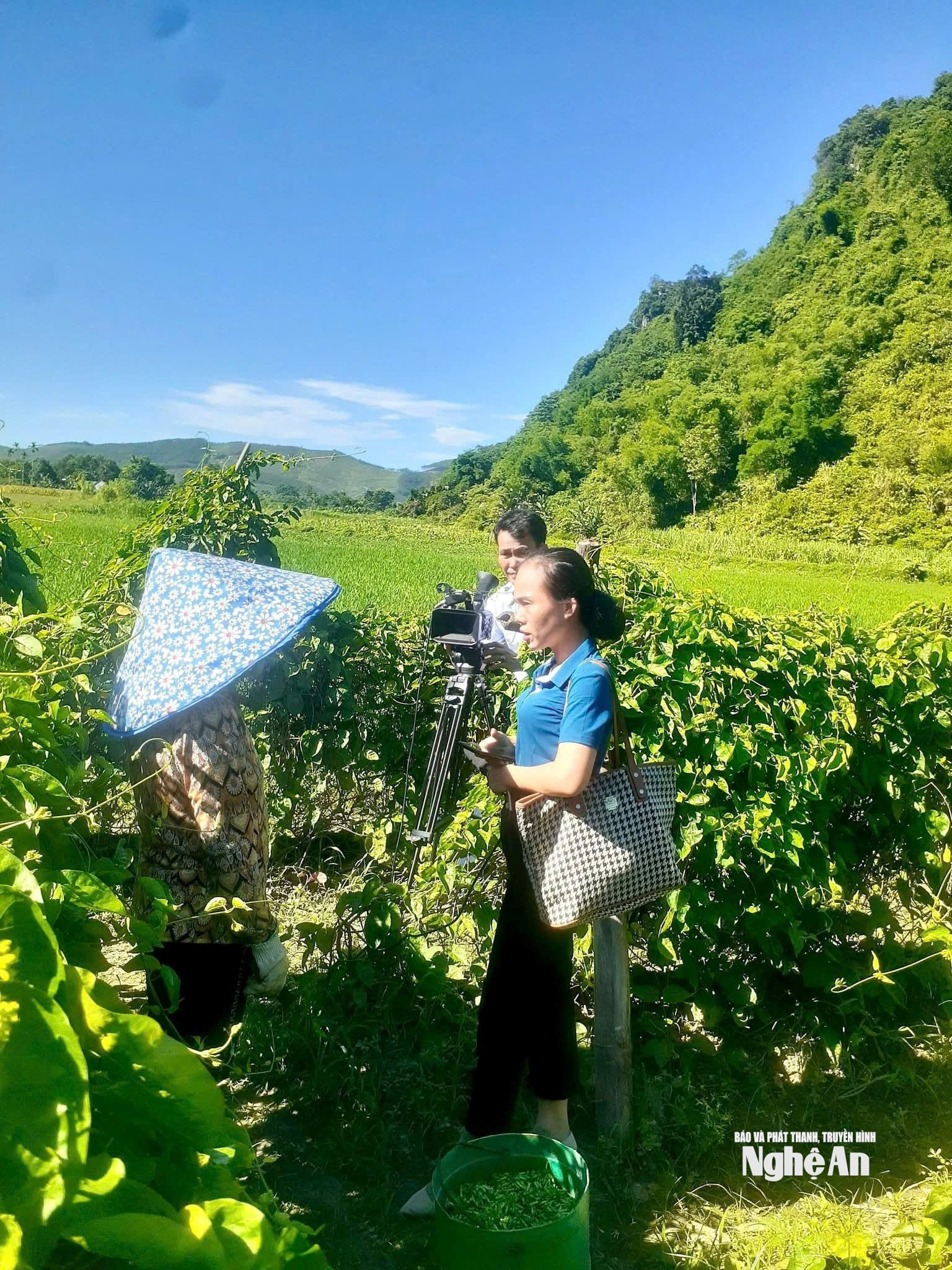
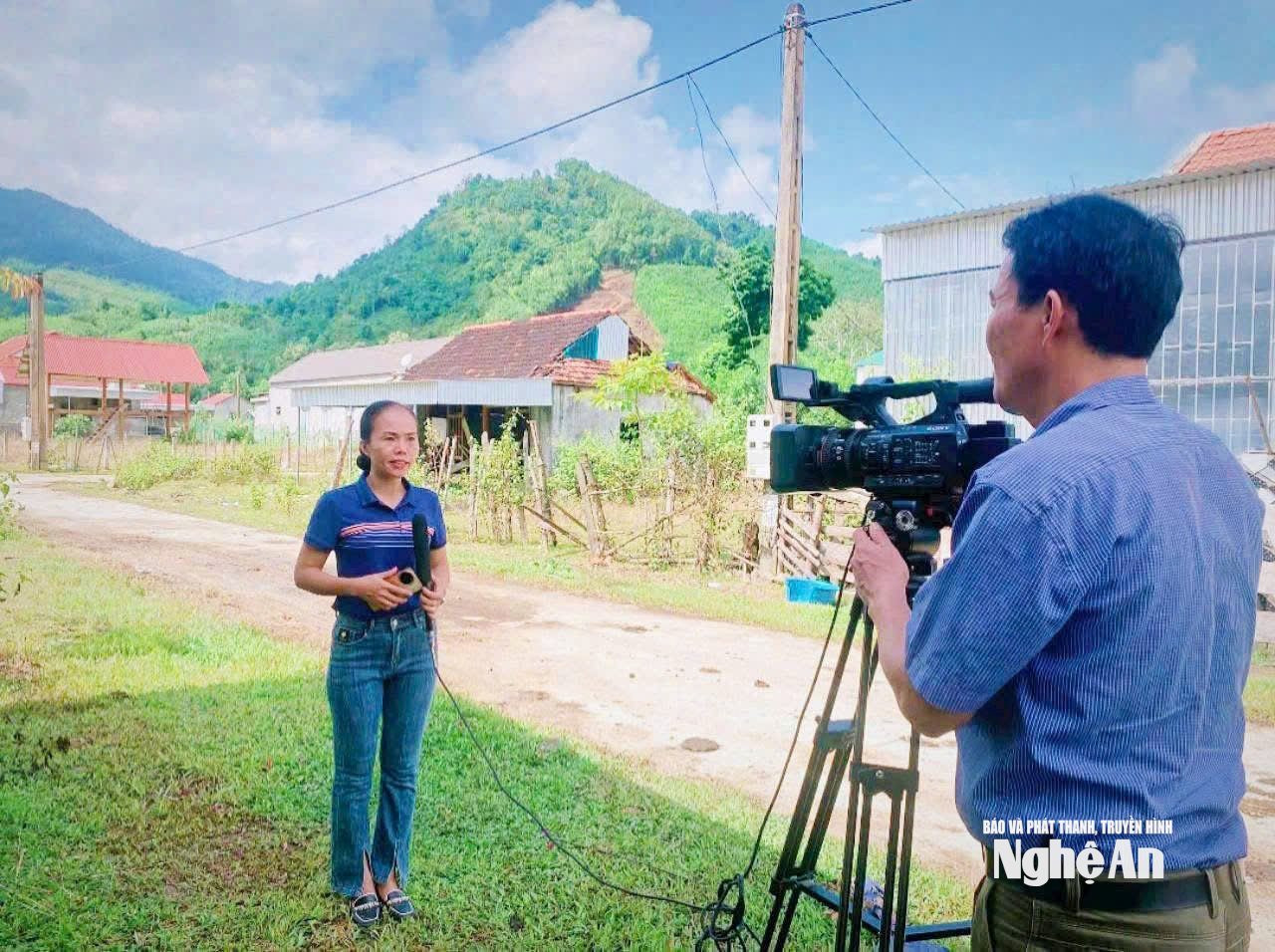
Those persistent efforts helped her win many provincial and national journalism awards. But for her, the greatest reward remains the trust of the people.
Besides her passion for her profession, Phan Thi Giang is also actively involved in charitable work, supporting many people in difficult circumstances. In 2025, she was one of two individuals from Nghe An province to receive a Certificate of Merit from the Central Propaganda and Mass Mobilization Department for being an exemplary figure in studying and following the ideology, ethics, and style of Ho Chi Minh.
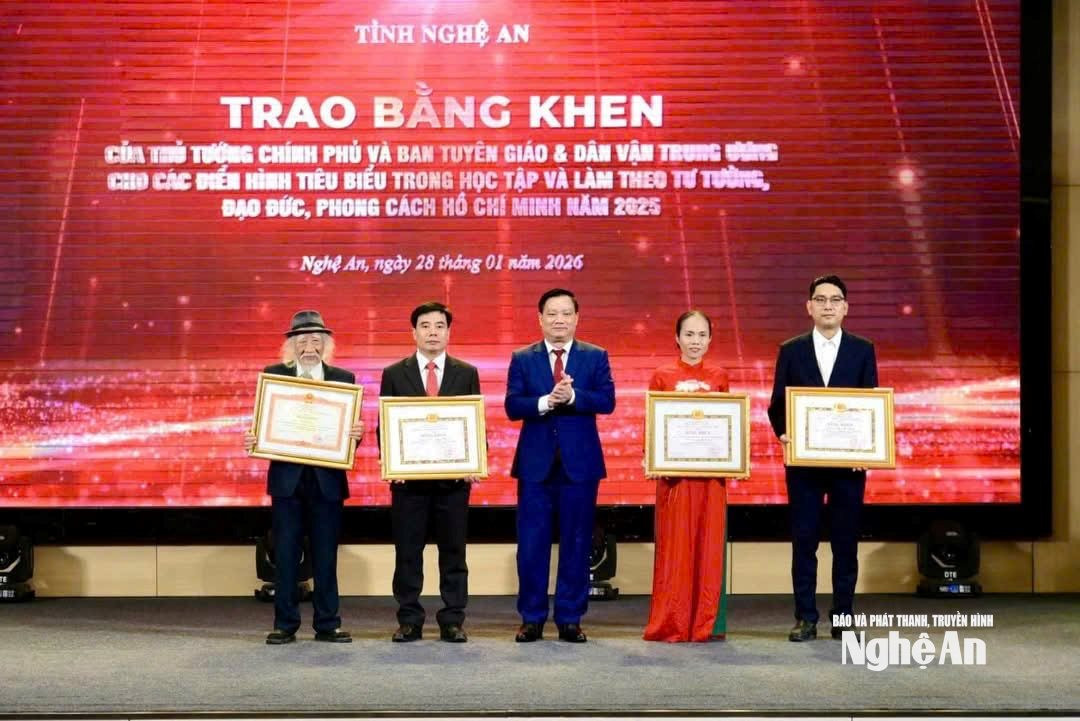
"When I returned to the commune, there were jobs that weren't in my area of expertise, but I still had to do them because behind me were the people, the village, and the trust of the Party committee and the government. There may have been moments of uncertainty, but without these steps today, there would be no path tomorrow," she shared.
The story of Ms. Phan Thi Giang reflects the shared sentiments of many grassroots media collaborators today. After the implementation of the two-tiered government system, the workload increased and the pressure grew, but they still chose to remain committed to the profession.
For Lu Dinh Phu (pen name Lu Phu), each journalistic work is not only a duty but also a way to bring the authentic image of western Nghe An closer to the public.
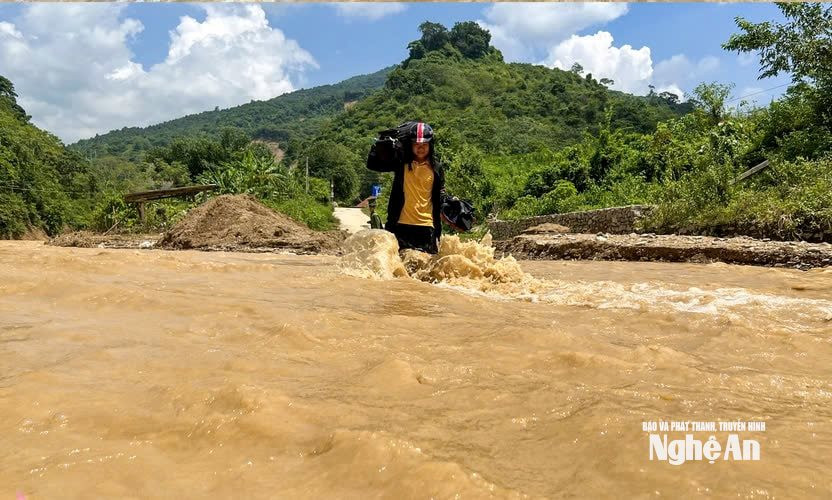
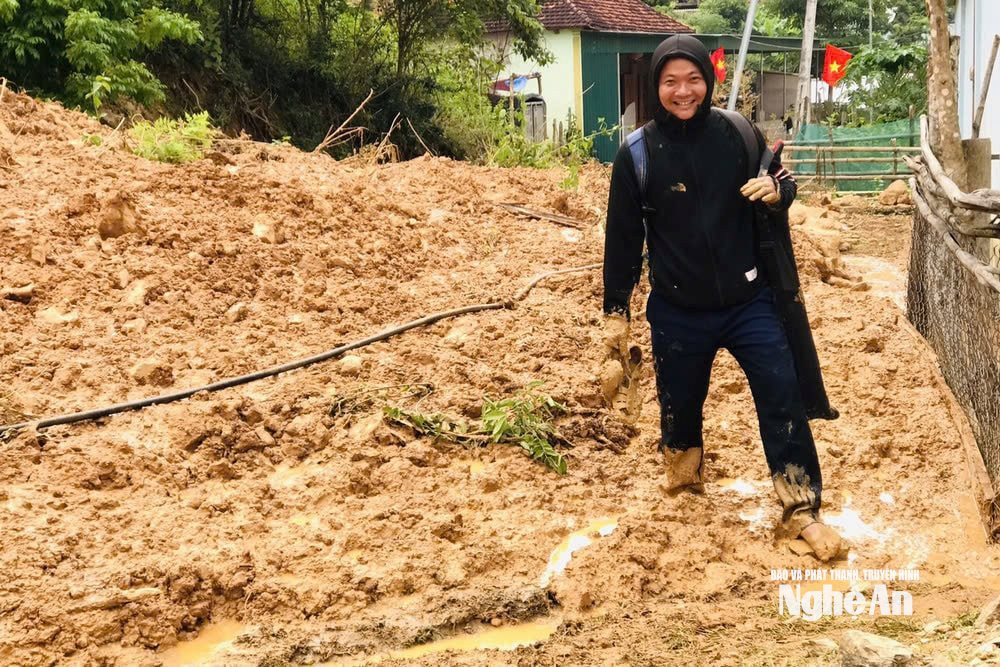
Viewers surely haven't forgotten the devastating images of the flash floods in the former Ky Son district. Those film clips were obtained thanks to the dedication of reporters and collaborators like Lu Phu who stayed on the front lines.
With over a decade dedicated to journalism and grassroots media work, his journey is a story of perseverance and responsibility as a journalist in the mountainous region.
From reporting amidst floods and landslides to climbing steep slopes and traversing forests to reach remote villages, he has won numerous awards at the Nghe An Radio and Television Festival and other provincial-level journalism awards.

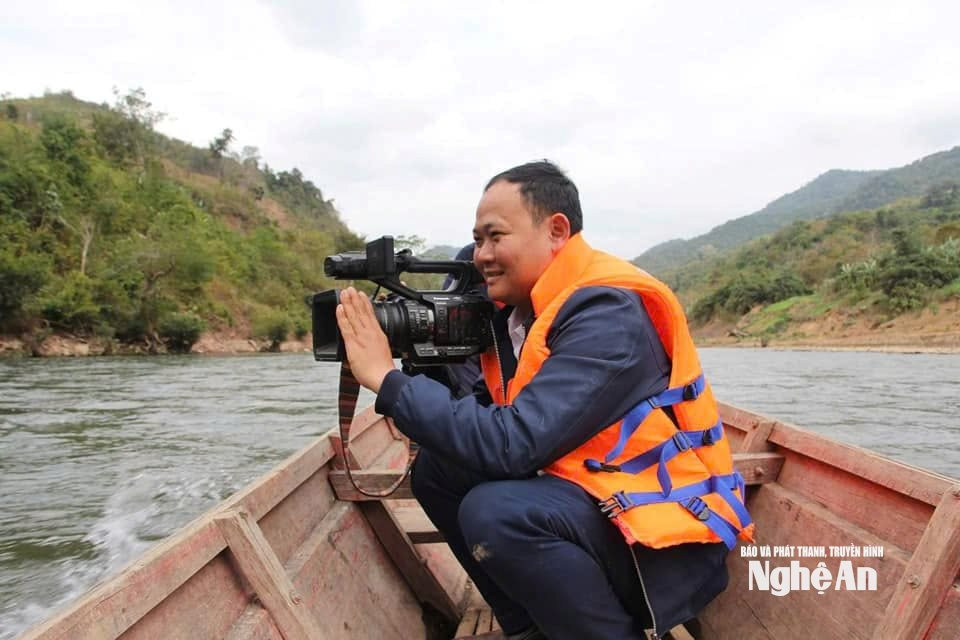
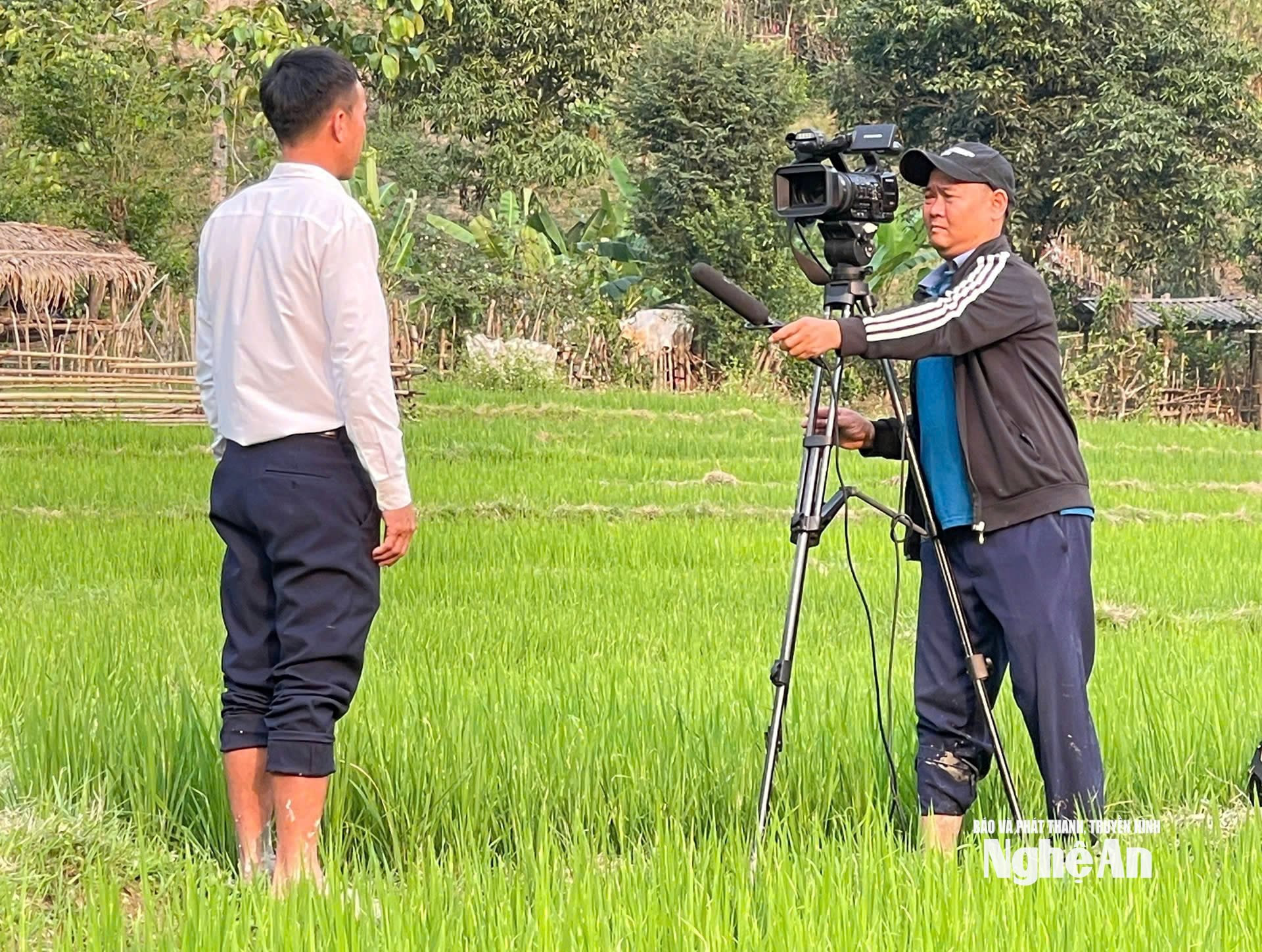
After being transferred to the Chieu Luu Commune Public Service Center, he understood even more clearly the role of grassroots communication in the era of rapidly developing social media. According to him, when true and false information are intertwined, local media professionals must become a reliable bridge between the government and the people.
Ms. Tran Thi Hoa, a reporter at the Nghi Loc Commune Public Service Center, is also a prime example of overcoming difficulties. Her meager salary forced her to take on multiple jobs, such as selling goods online and running a bakery, to make ends meet. Despite this, she never considered leaving her profession.

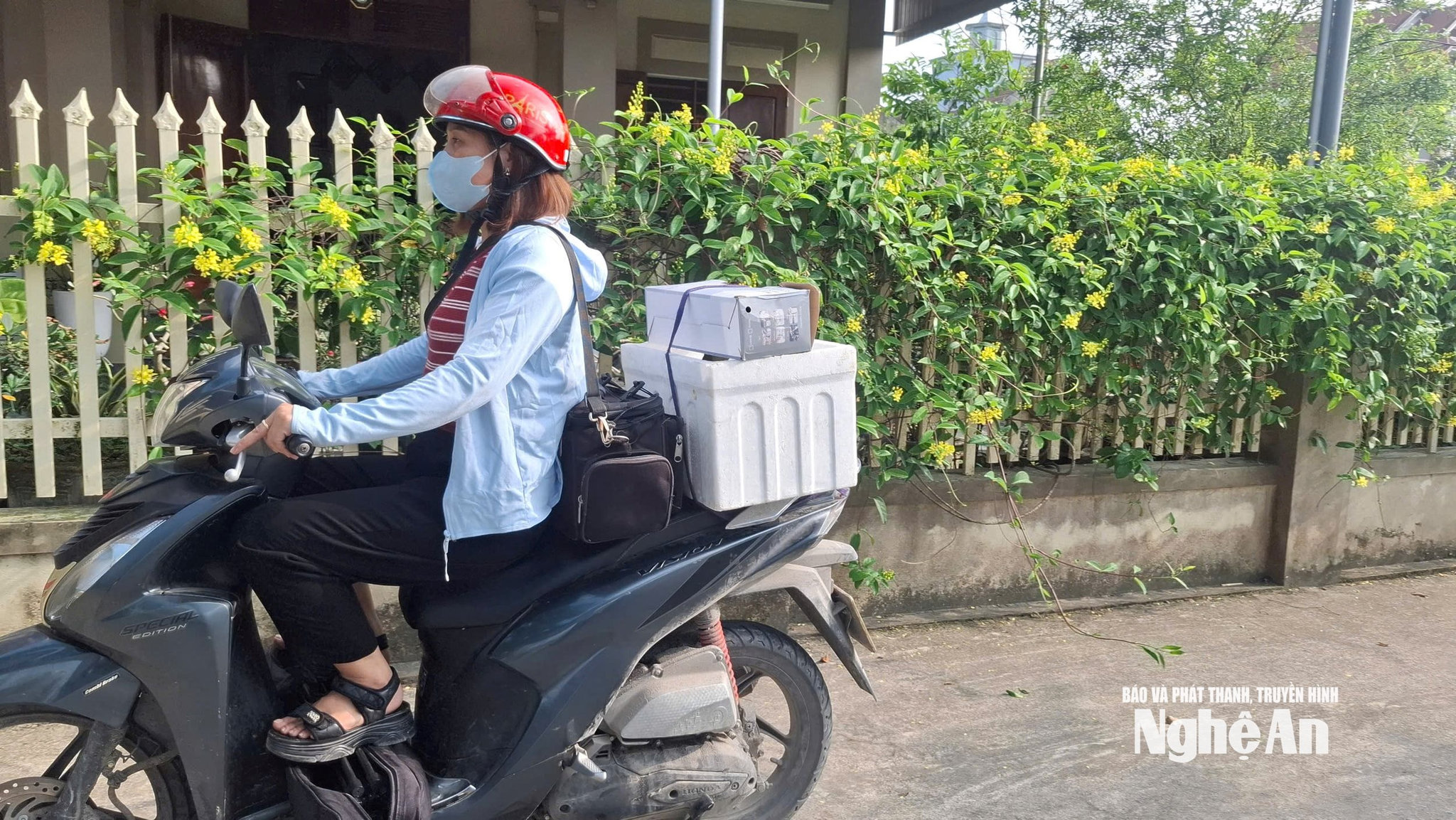
During her time working at the former Nghi Loc District Cultural, Sports and Information Center, due to a shortage of personnel, she taught herself photography and videography from colleagues so that she could work independently.
That proactive attitude helped her mature quickly. In recent years, she has consistently won top prizes in provincial and national journalism competitions.
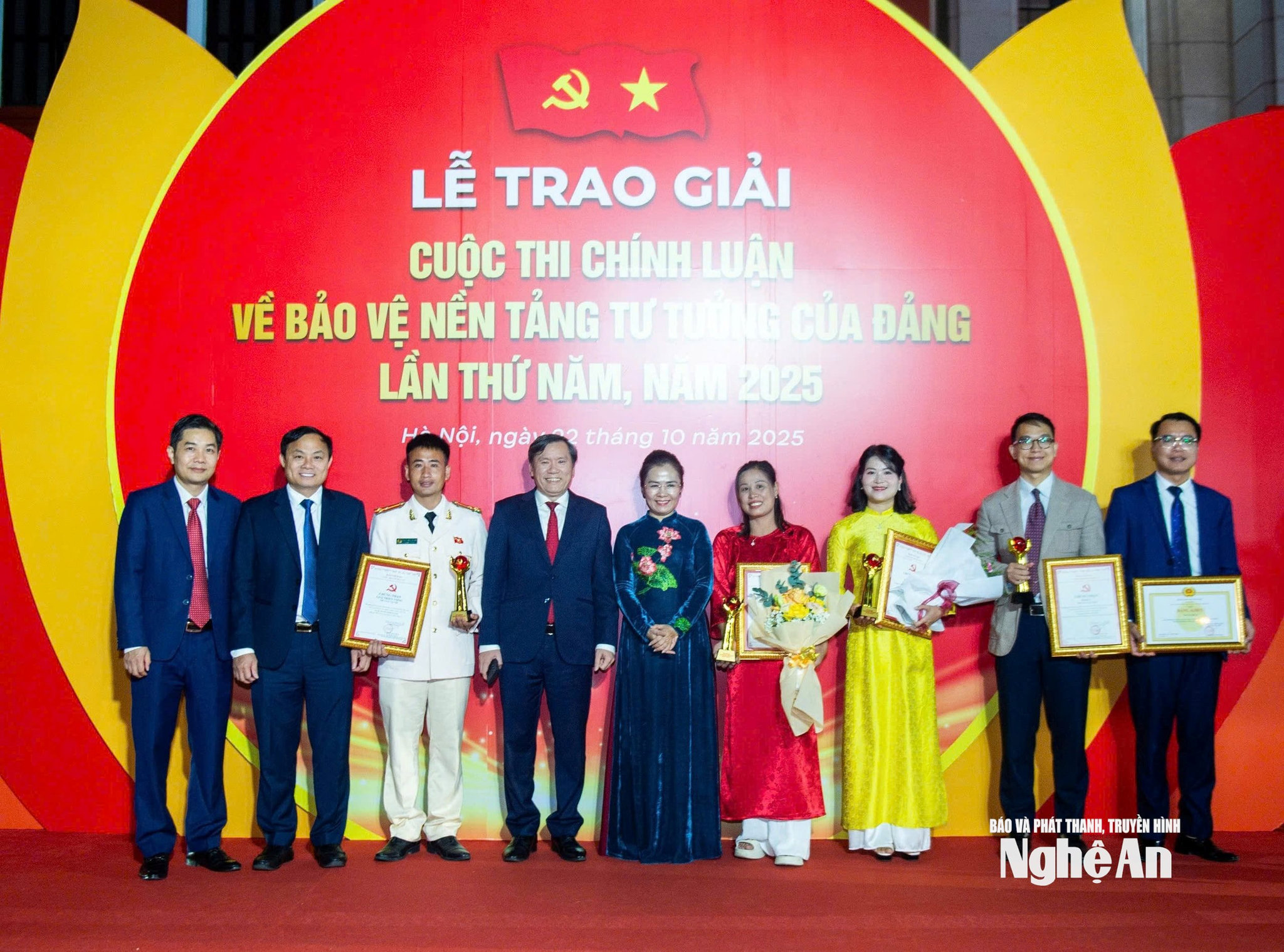
These include the A Prize in the Exemplary Veteran Writing Contest of the Vietnam Veterans Association; and the Encouragement Prize in the 5th "Protecting the Ideological Foundation of the Party" Contest in 2025. But what makes her happiest is that the issues raised by the people have been addressed by the government after the press spoke out.
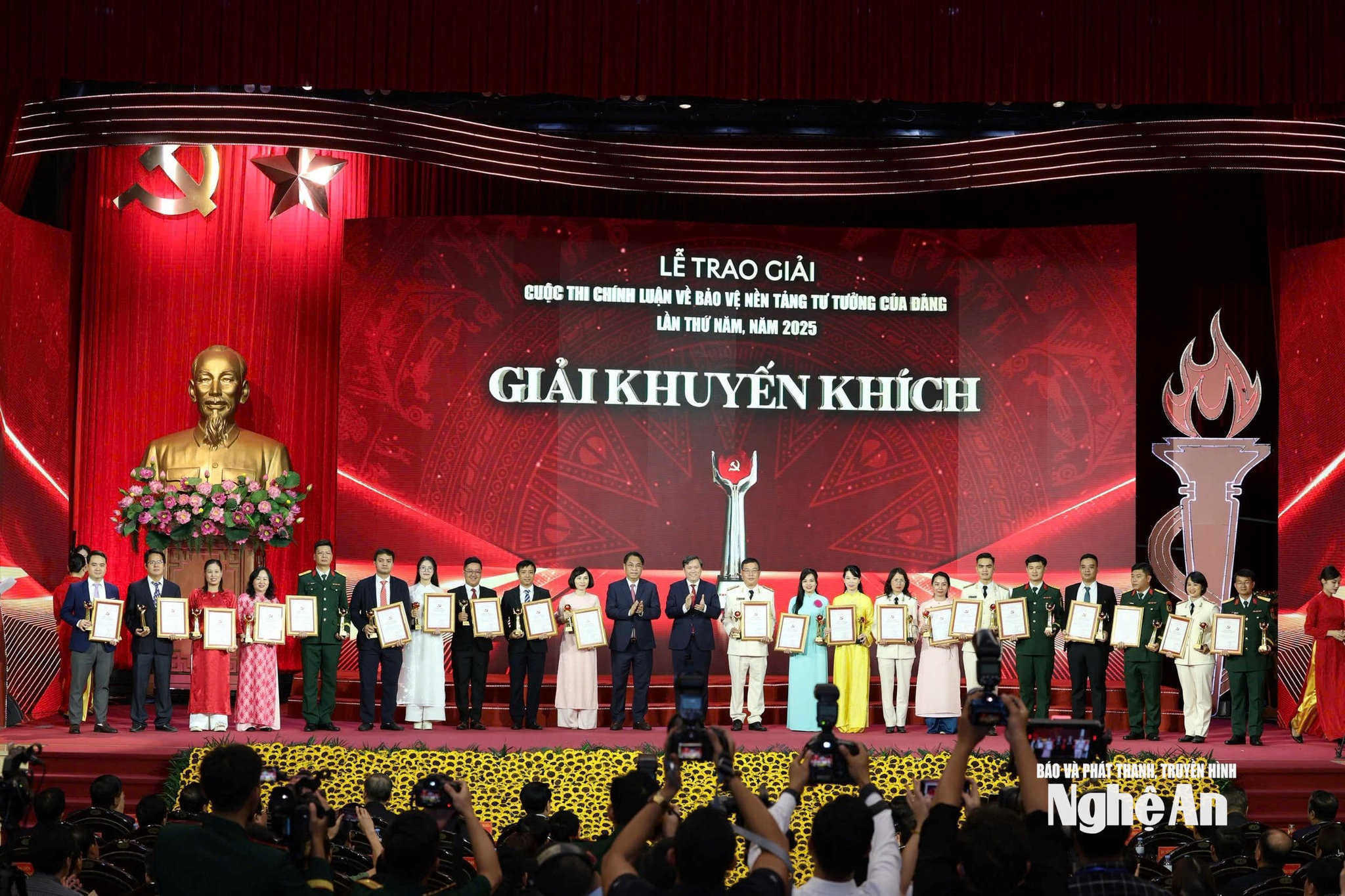
According to Ms. Ho Thi Ngan, Permanent Vice President of the Nghe An Journalists Association, the current grassroots media team plays a very important role in maintaining the flow of information from the locality. Despite many difficulties, such as a lack of modern equipment or support teams, their close proximity to the people and local areas allows them to be the first to receive information from the grassroots and contribute many high-quality works that have won top awards at provincial and national journalism competitions.
.png)
Following the merger and operation of the two-tiered government system, Nghe An established 130 commune-level public service centers. Most of the officials and reporters who previously worked at district-level cultural, sports, and information centers were transferred to these centers. In addition to their media duties, many also take on other tasks assigned by their units, such as cultural and sports affairs, administration, report compilation, or assisting with social welfare procedures.
The biggest challenge right now is the overwhelming workload, coupled with limited resources, equipment, and funding. Many people have to find various ways to balance their work with supporting their families.
Meanwhile, job demands are increasingly high. Grassroots media professionals now need to not only write news articles but also shoot videos, edit clips, livestream, and be proficient in using digital platforms and artificial intelligence applications.
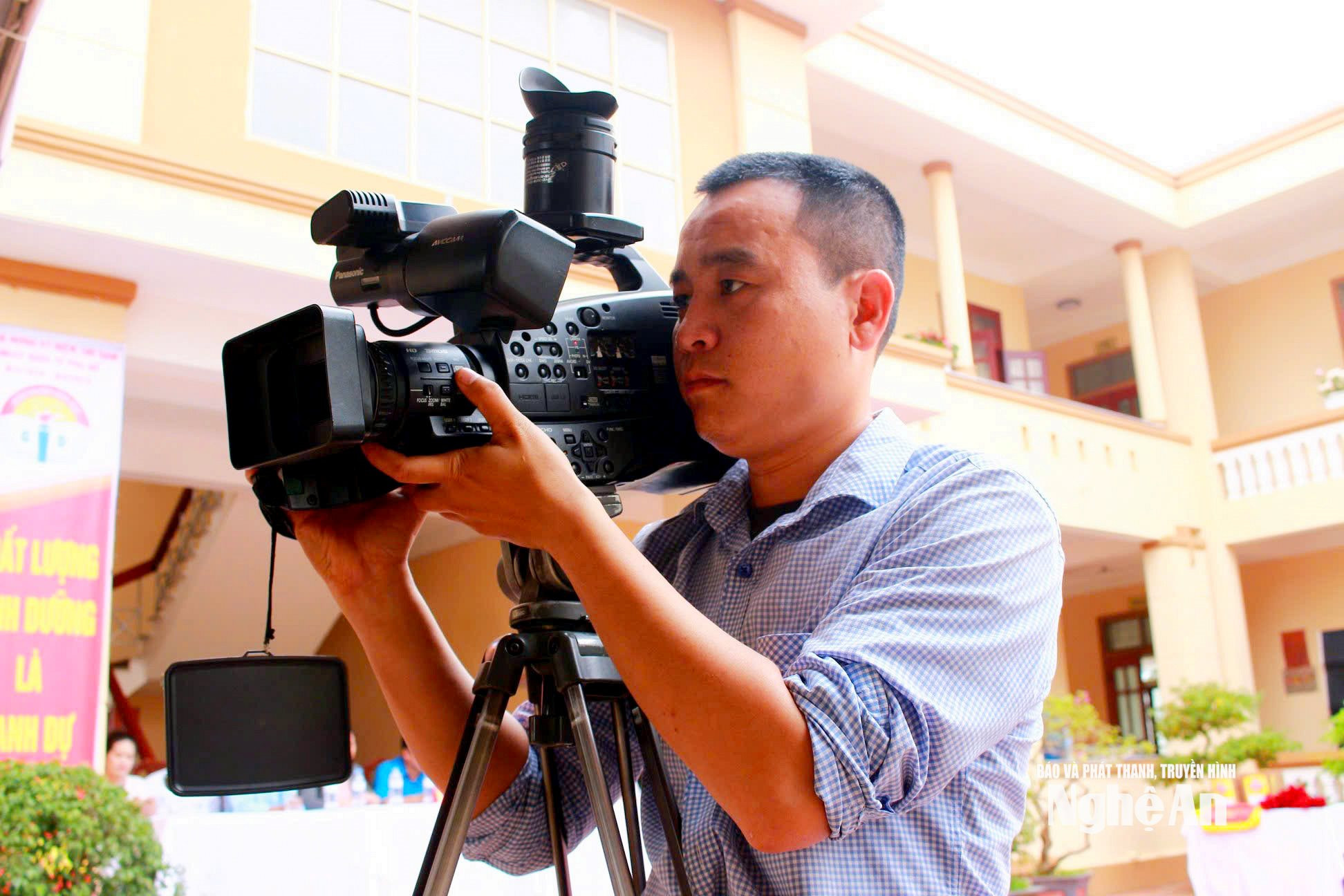
Minh Thai, a contributor currently working at the Nghia Mai Commune Public Service Center, has been involved in journalism for over 17 years. That's enough time for him to witness many changes in the organizational structure and the way journalism is practiced today.
According to Minh Thai, things changed a lot when he moved to the commune; administrative work became more complex, while the demand for information increased rapidly and across multiple platforms."
"One person has to do many things, so the pressure is greater. Even so, I and many colleagues still choose to stick with the profession because we believe that grassroots journalism has an irreplaceable role," he shared.
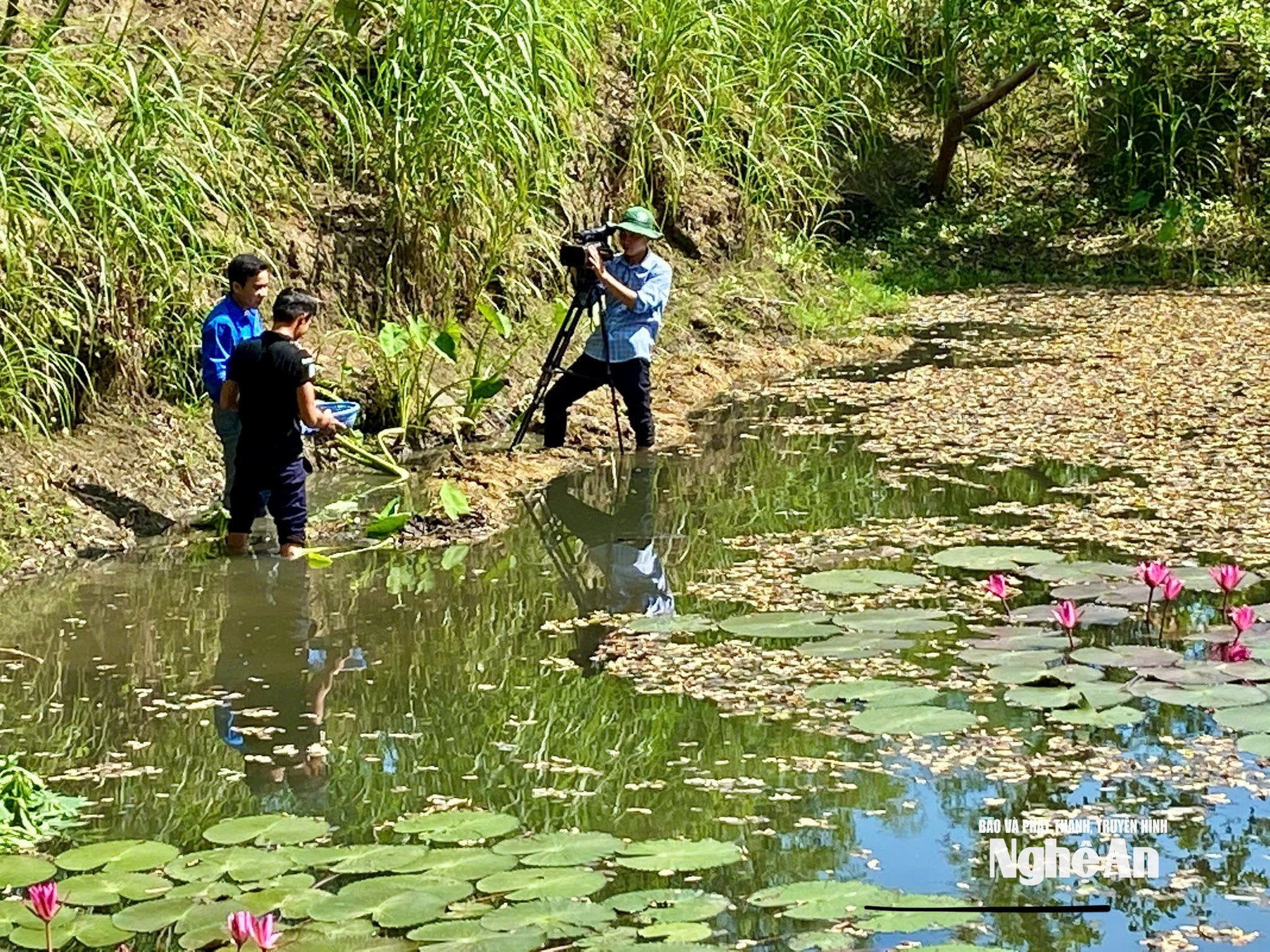
According to him, besides the lack of equipment, grassroots journalists also face competitive pressure from social media. As soon as an event occurs, images and information spread rapidly across online platforms. However, speed doesn't always go hand in hand with accuracy.
Therefore, local collaborators become the first "filter" of local information. They verify and confirm information before forwarding it to the press. This role, though quiet, is especially important in the context of the increasing prevalence of fake news and misinformation.
What many reporters and contributors at the grassroots level are hoping for now is more training courses on multimedia journalism and digital platform skills; and greater attention to their working conditions and benefits so they can feel secure and committed to long-term employment. In reality, the majority of reporters and contributors at the grassroots level are still struggling to manage their personal equipment, transportation, and limited operating budgets.
Despite facing numerous challenges after the merger and the pressures of the digital age, they quietly continue to fulfill their role as "extended arms," ensuring that the flow of information at the grassroots level remains authentic, close to the people, and relevant to their lives.


