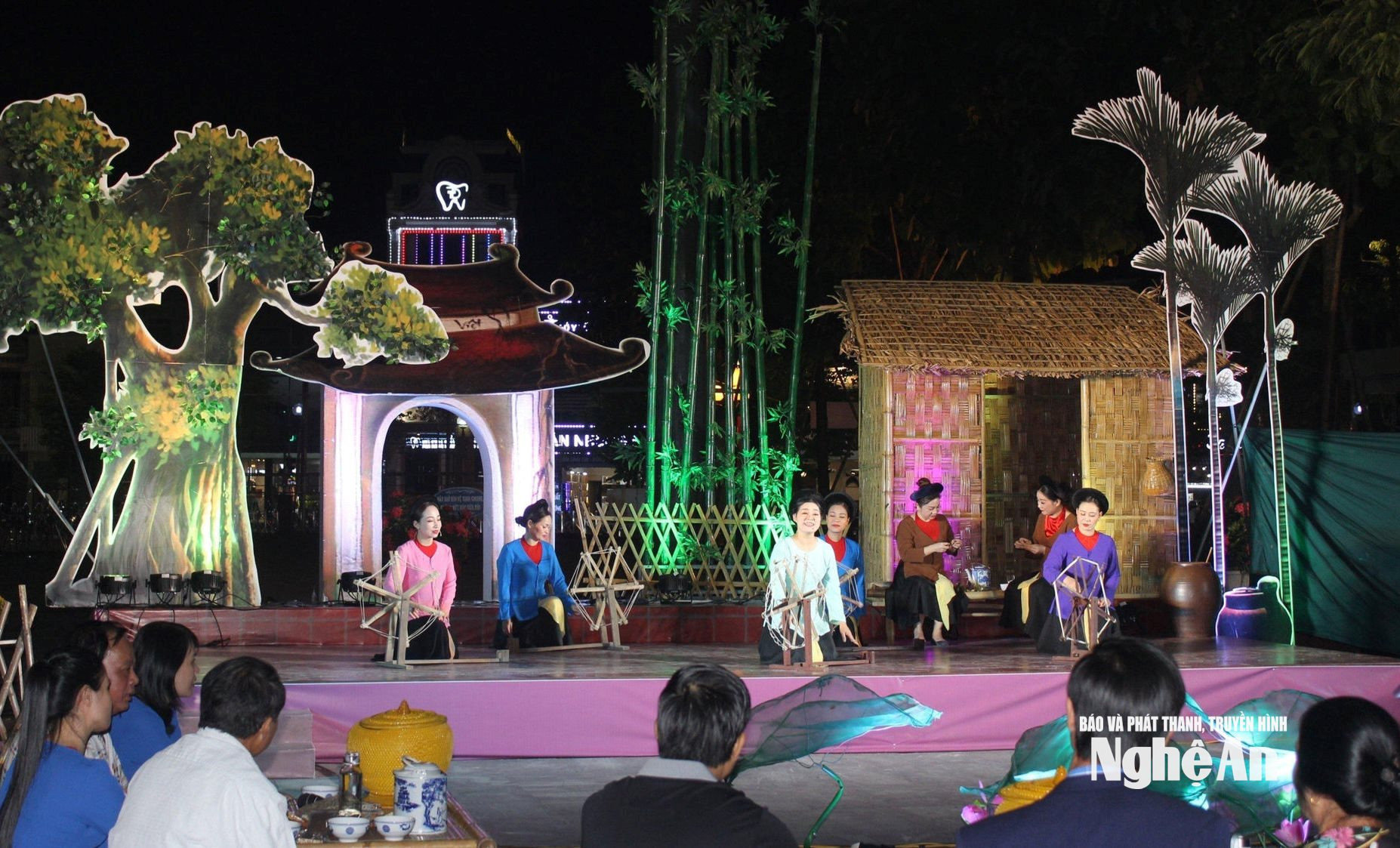
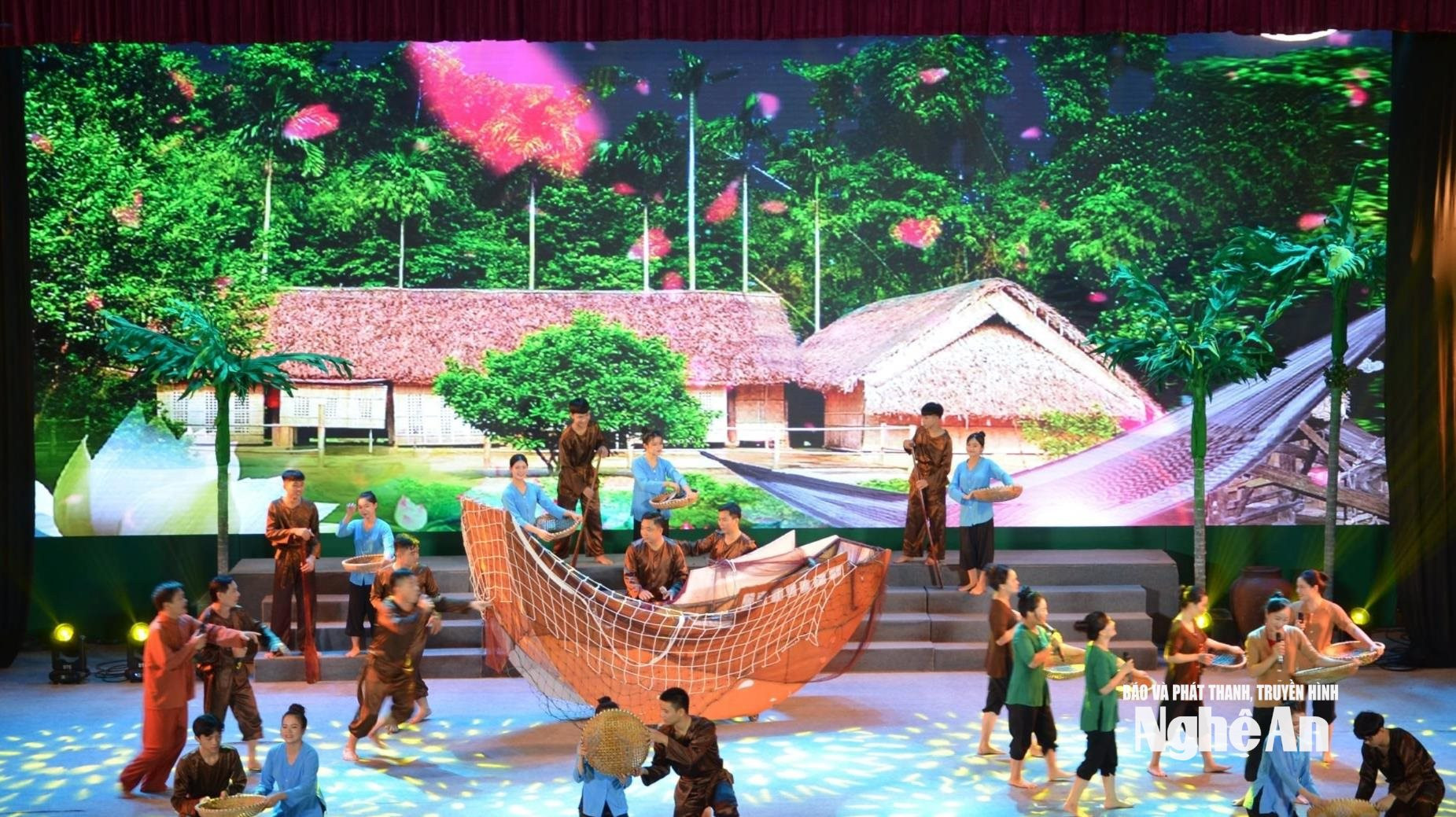
These are the 'cradles' that nurture talent in the folk singing styles of Ví and Giặm.
From folk song club activities in rural villages and free classes diligently maintained by artisans to mass performances and folk song competitions at the provincial and inter-provincial levels, many rural areas of Nghe An province are quietly nurturing a generation of young artists of the "vi" and "giam" folk songs. Behind Gen Z talents like Ha Quynh Nhu, Le Thanh Phong, and child prodigies Cong Minh and Cong Anh lies an entire community cultural ecosystem preserved and cultivated over many generations.
.png)
Thanh Nga /Present:Hong Toai• July 11, 2026
*****
From folk song club activities in rural villages and free classes diligently maintained by artisans to mass performances and folk song competitions at the provincial and inter-provincial levels, many rural areas of Nghe An province are quietly nurturing a generation of young artists of the "vi" and "giam" folk songs. Behind Gen Z talents like Ha Quynh Nhu, Le Thanh Phong, and child prodigies Cong Minh and Cong Anh lies an entire community cultural ecosystem preserved and cultivated over many generations.
If we consider each folk song talent as a seed, then the (old) district-level localities such as Hung Nguyen, Nam Dan, Thanh Chuong, Yen Thanh, Dien Chau, or Thai Hoa are the fertile ground for those seeds to sprout.
In many localities, the folk songs of Ví and Giặm not only exist on stage but also permeate community life. From village cultural centers and schools to folk song clubs, regular practice sessions are maintained. Children are exposed to, learn to sing, and perform Ví and Giặm from an early age, so that this art form is no longer a distant art form but becomes a part of childhood memories, nurturing a love for their homeland's culture in each generation.
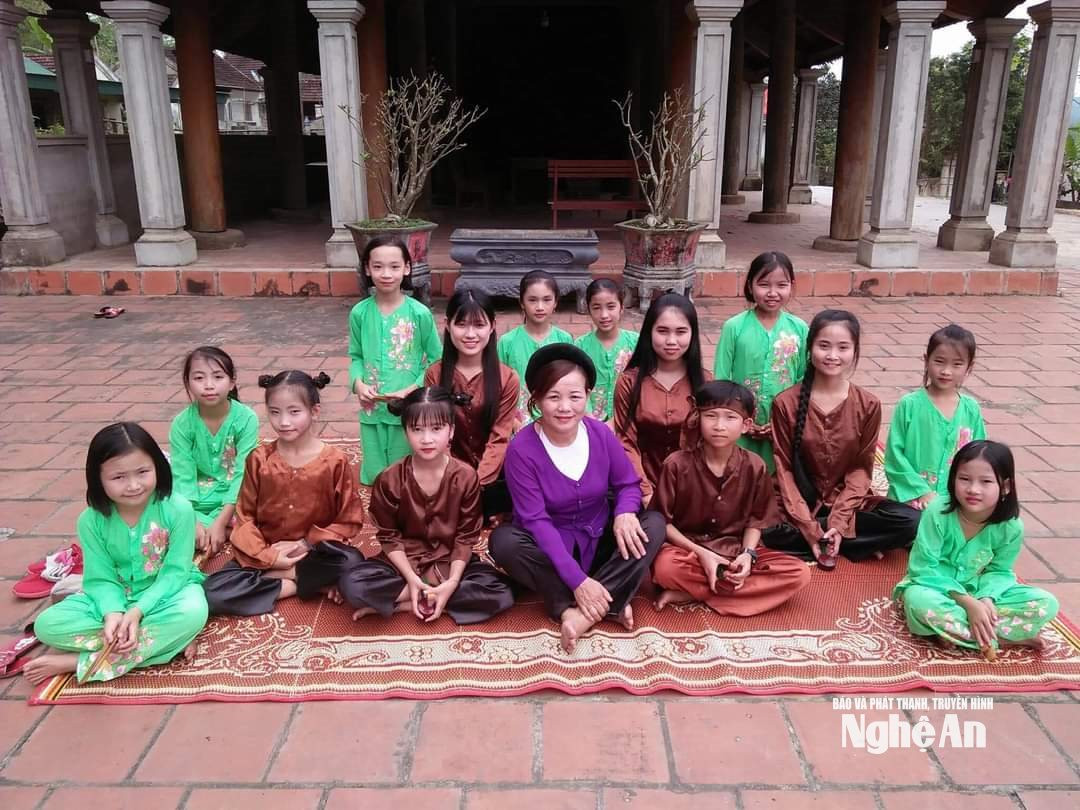
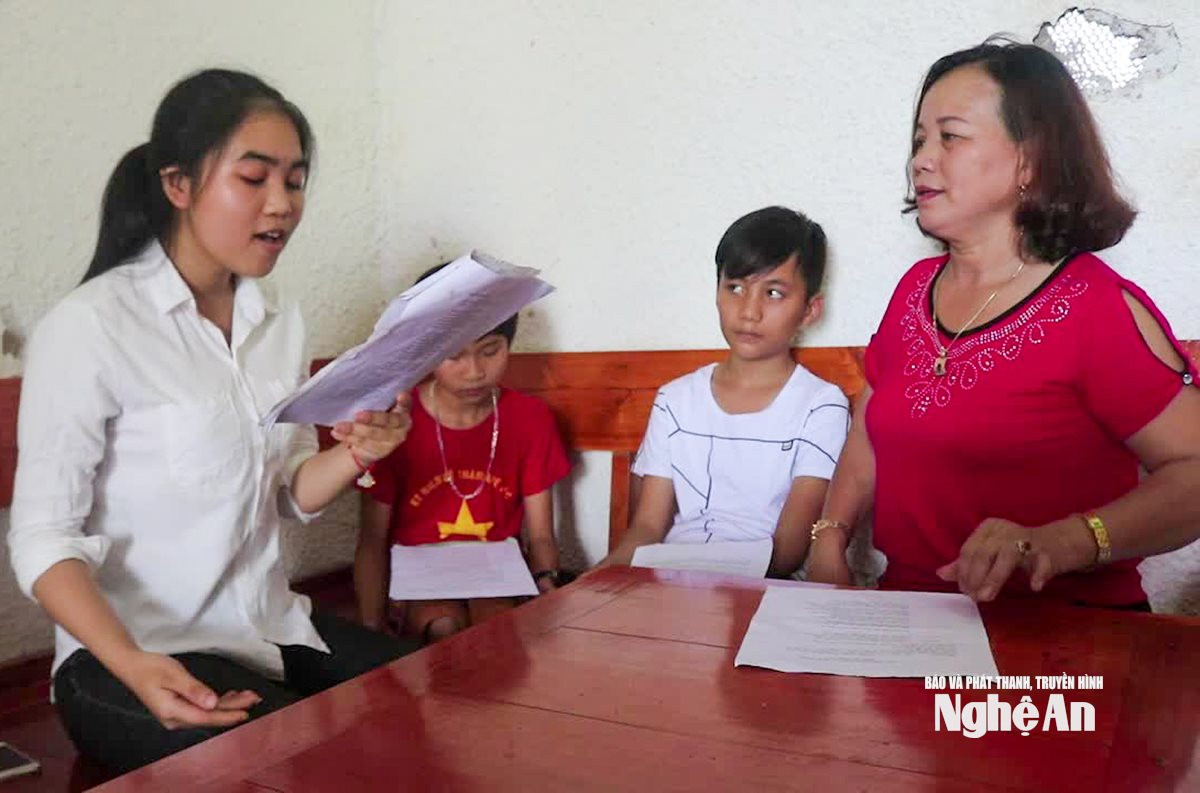
In particular, the former Hung Nguyen district has long been considered one of the localities with a strong development of the Vi and Giam folk singing movement. Hung Nguyen has 14 communes, and each commune has a Vi and Giam folk singing club. These clubs in the communes all have young, talented members. A prime example is the Thong Tan Vi and Giam folk singing club, formerly the Hung Tan Vi and Giam folk singing club, whose young singer Nguyen Thi Yen Nhi (17 years old) has won numerous awards at the former district, school, and inter-provincial levels.
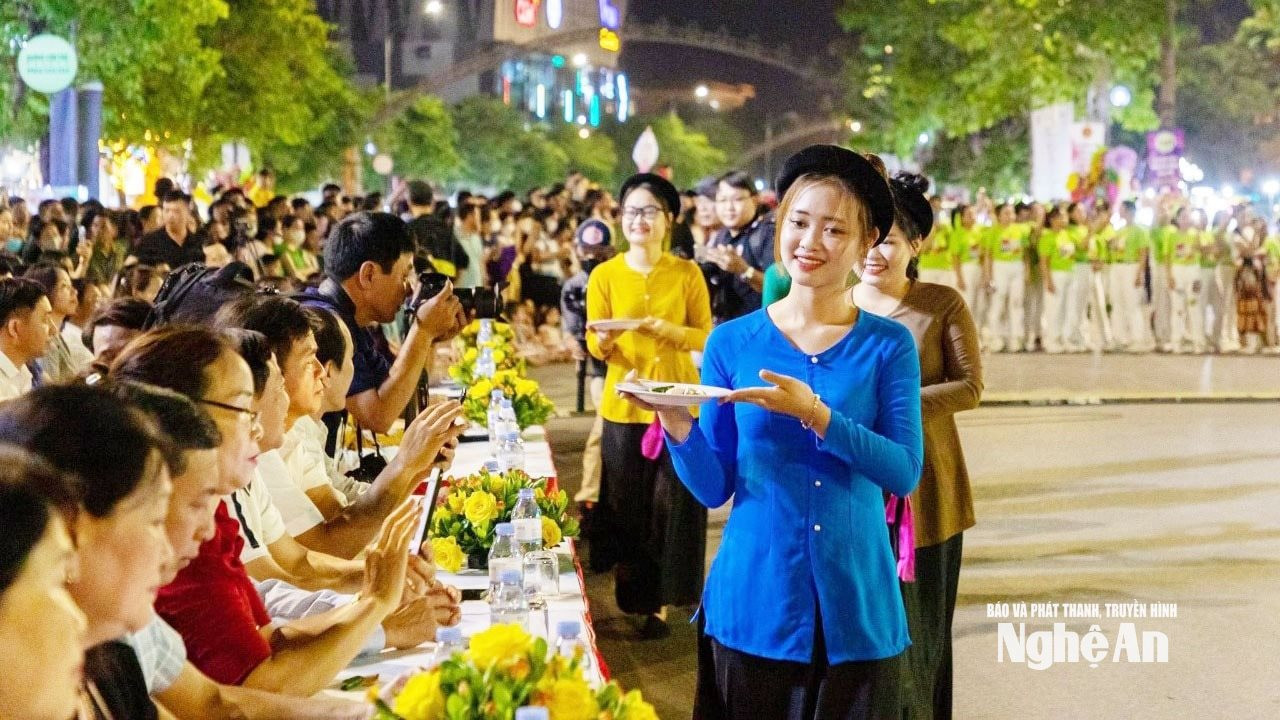
Meritorious Artist Nguyen Thi Thuan shared: “Here, folk songs are nurtured naturally in daily life. The children grow up with songs from their families, villages, and festival stages, so many of them show talent early on. Our job is to awaken their love and cultivate their passion so that folk songs continue to be preserved and passed down through many generations.”
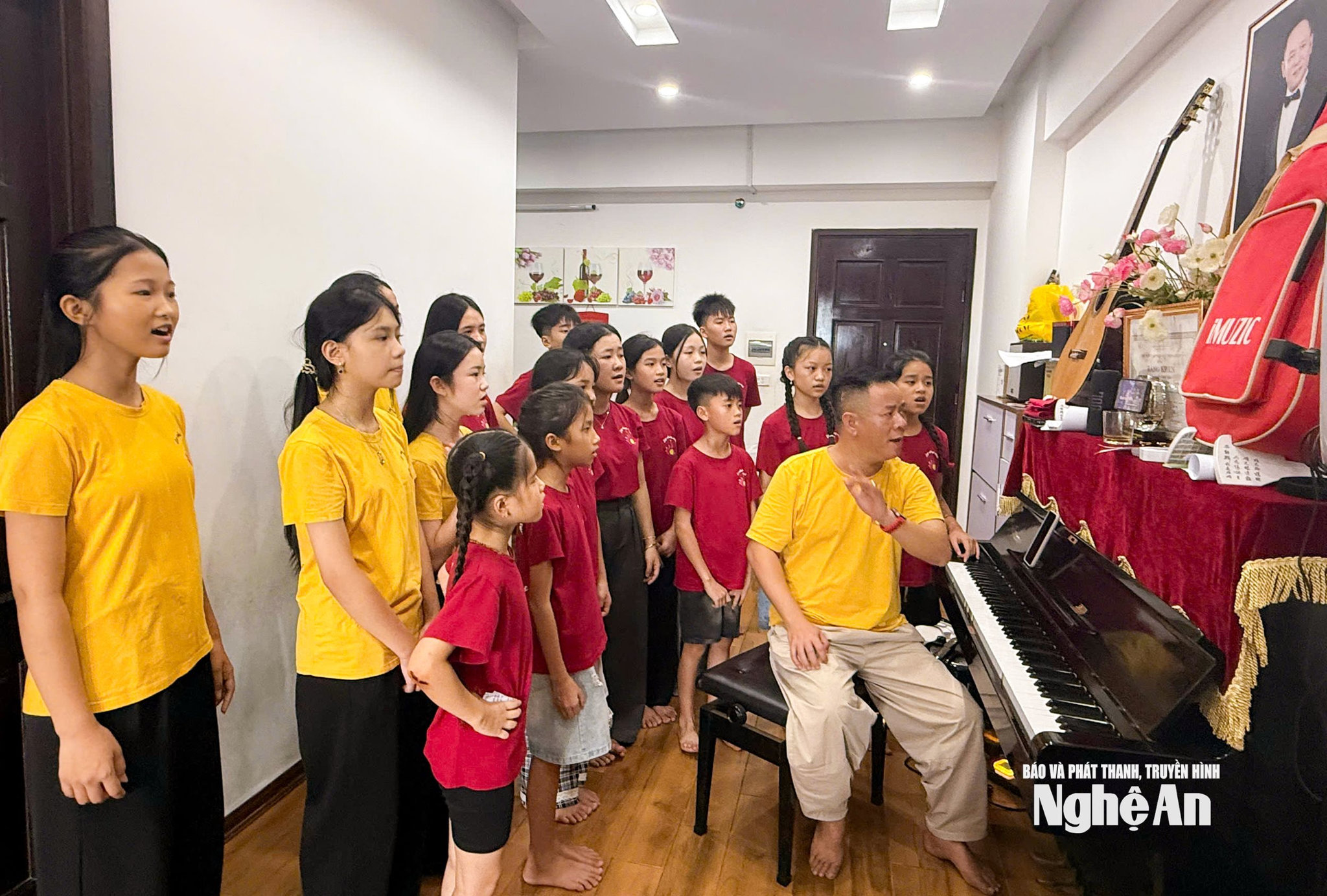
Also in Hung Nguyen (formerly), now Hung Nguyen Nam commune, for many years, artisan Nguyen Thanh Ngan has persistently opened free classes to teach singing to children. From these small classes, many children have grown up, passed the entrance exam to the Nghe An College of Culture and Arts, and continued to pursue a professional artistic career. The most valuable thing that Mr. Ngan's classes have created is not only singing techniques, but also instilling in the children a love for their homeland's heritage. Currently, many students have been with him for 5 years, won many awards, and many are now first and second-year students at the Nghe An College of Culture and Arts.
Truong Thi Yen Nhi (14 years old, from Nghia Khanh commune, Nghe An province) shared: "I have loved folk music since I was little and I am fortunate to have been guided and nurtured by Teacher Ngan, developing my passion and singing ability. I always admire artists Ha Quynh Nhu, Bui Le Man, and People's Artist Phuong Thao. They have chosen folk music to establish their names from Nghe An on big stages. These role models give me more determination and confidence to pursue an artistic path in the future."
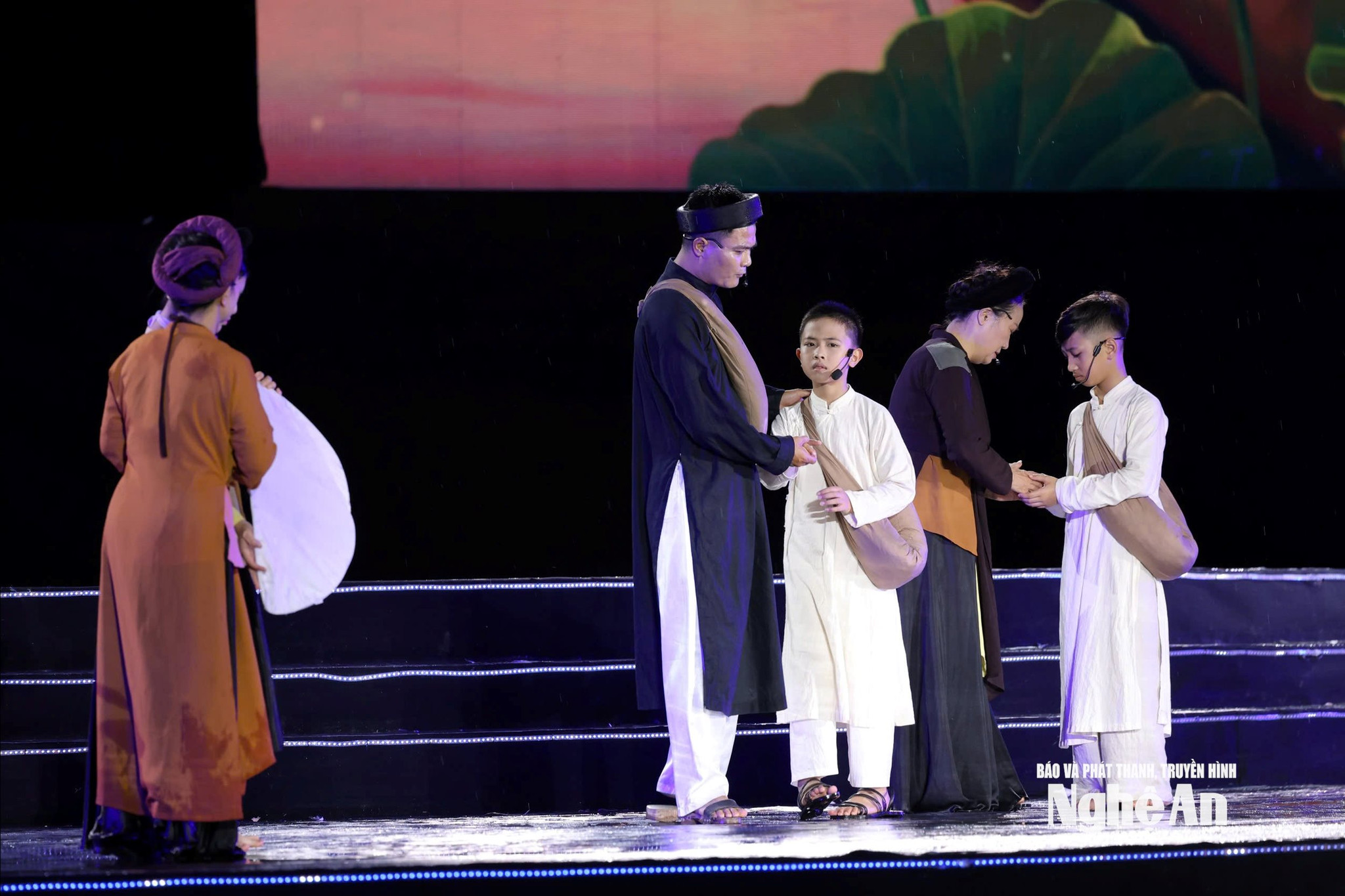
Meanwhile, in Kim Lien – a rural area rich in cultural traditions – the folk music movement is always maintained vibrantly through community clubs and local arts activities. Meritorious Artist Thu Thuy has spent many years diligently teaching folk songs to children, becoming the first teacher of many young talents. It was from these lessons that the two young singers, Cong Minh and Cong Anh, gradually matured, bringing the simple, authentic voices of their homeland to many large stages.
What these "cradles" have in common is that folk music is nurtured in daily life. Adults sing to pass on their skills, children sing out of love, and the entire community preserves a cultural space rich in identity. It is from this environment that many young people nurture their dreams of pursuing a professional singing career, with family and hometown serving as a springboard to reach the big stages.
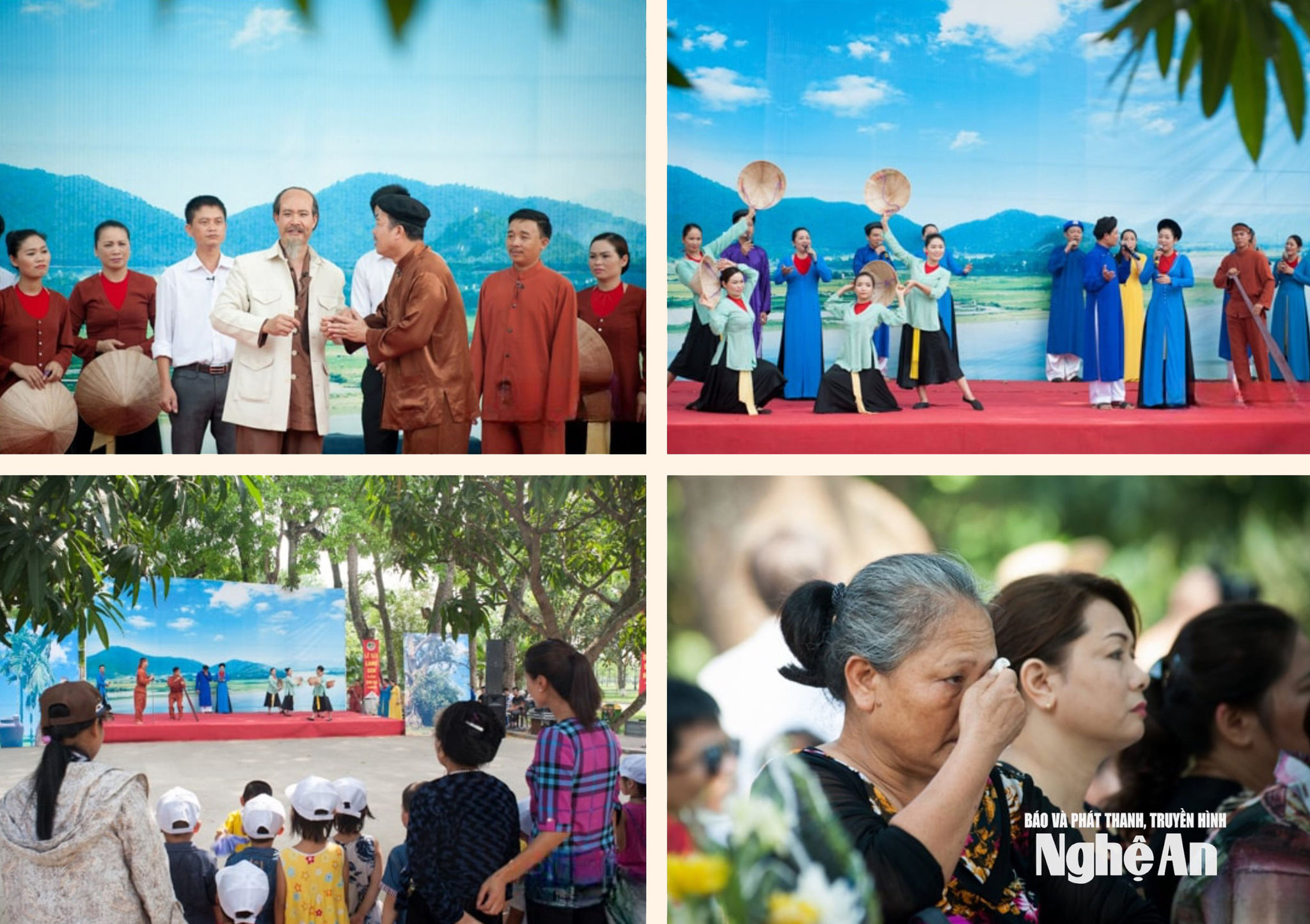
Interestingly, most of the young talents making their mark with the Ví and Giặm folk songs do not come from professional training institutions, but rather have grown up within the local arts and culture movement. Singer Hà Quỳnh Như, from Giai Lạc commune (formerly Phúc Thành commune, Yên Thành district), is a prime example.
From folk song competitions at school when she was only 9-10 years old, she was discovered by People's Artist Hong Luu, who took her under his wing and taught her the techniques of vocal embellishment, how to pour her heart into folk songs, and how to create four-part melodies. Thanks to that foundation, Quynh Nhu soon won many high awards at national-level competitions and gradually established her name on her artistic path.
Ha Quynh Nhu's success today is the result of a journey nurtured by folk music clubs in her hometown, the dedication of artisans, and the guidance of experienced artists.

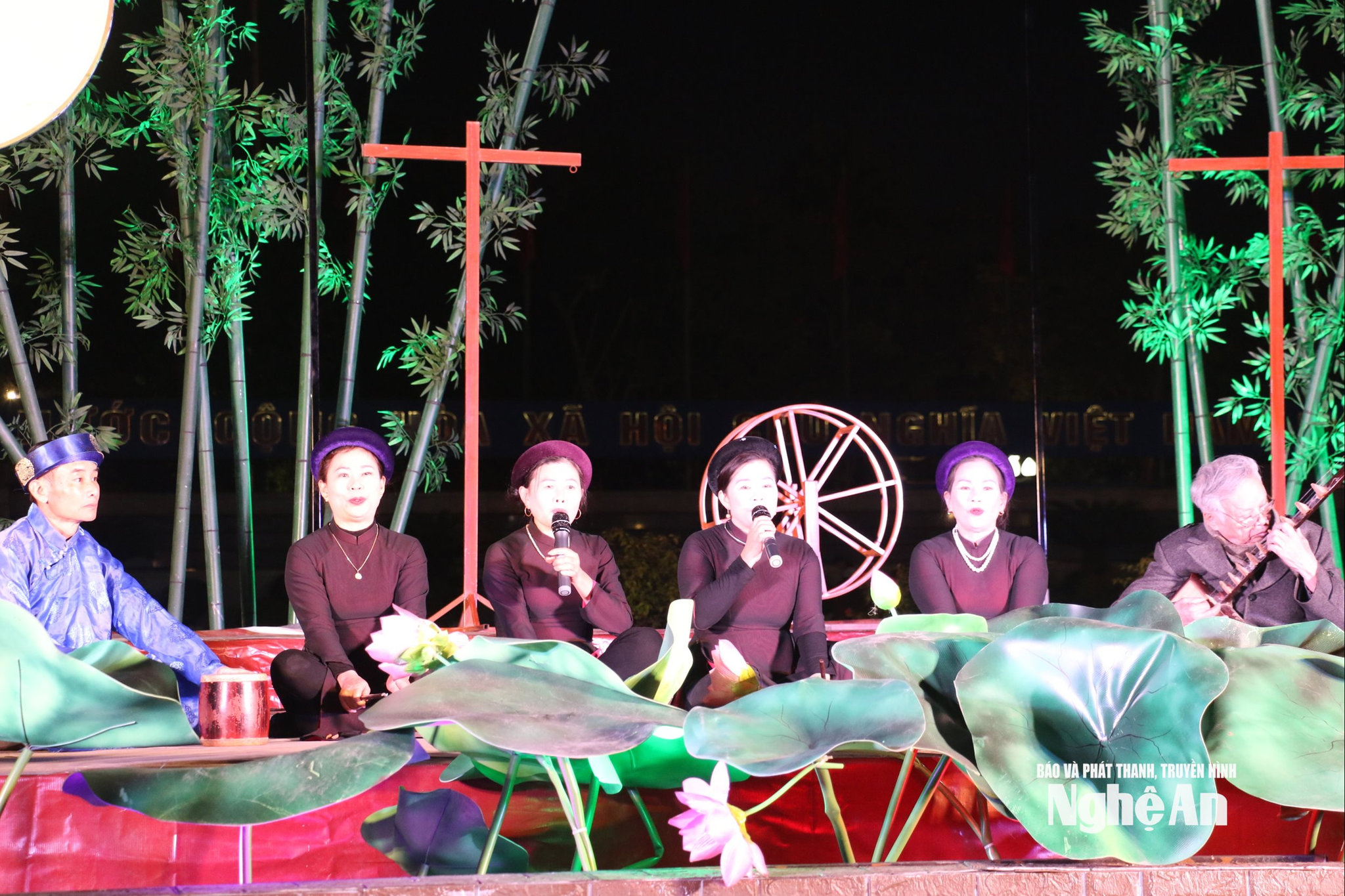
In Kim Lien, the two brothers Cong Minh and Cong Anh also grew up within the local arts and culture movement. Having been exposed to folk songs from a young age, and receiving dedicated instruction from artisans on breathing techniques, pronunciation, and intonation, both nurtured a natural love for folk music. As a result, they have retained the innocence and simplicity in their performance style – the beauty that constitutes the soul of folk music.
While Cong Anh made his mark through numerous school and local arts competitions and stages, Cong Minh quickly demonstrated his talent with roles portraying famous figures in provincial and national-level folk operas. Currently, Cong Minh is one of the young folk opera actors highly regarded by professionals and loved by audiences.
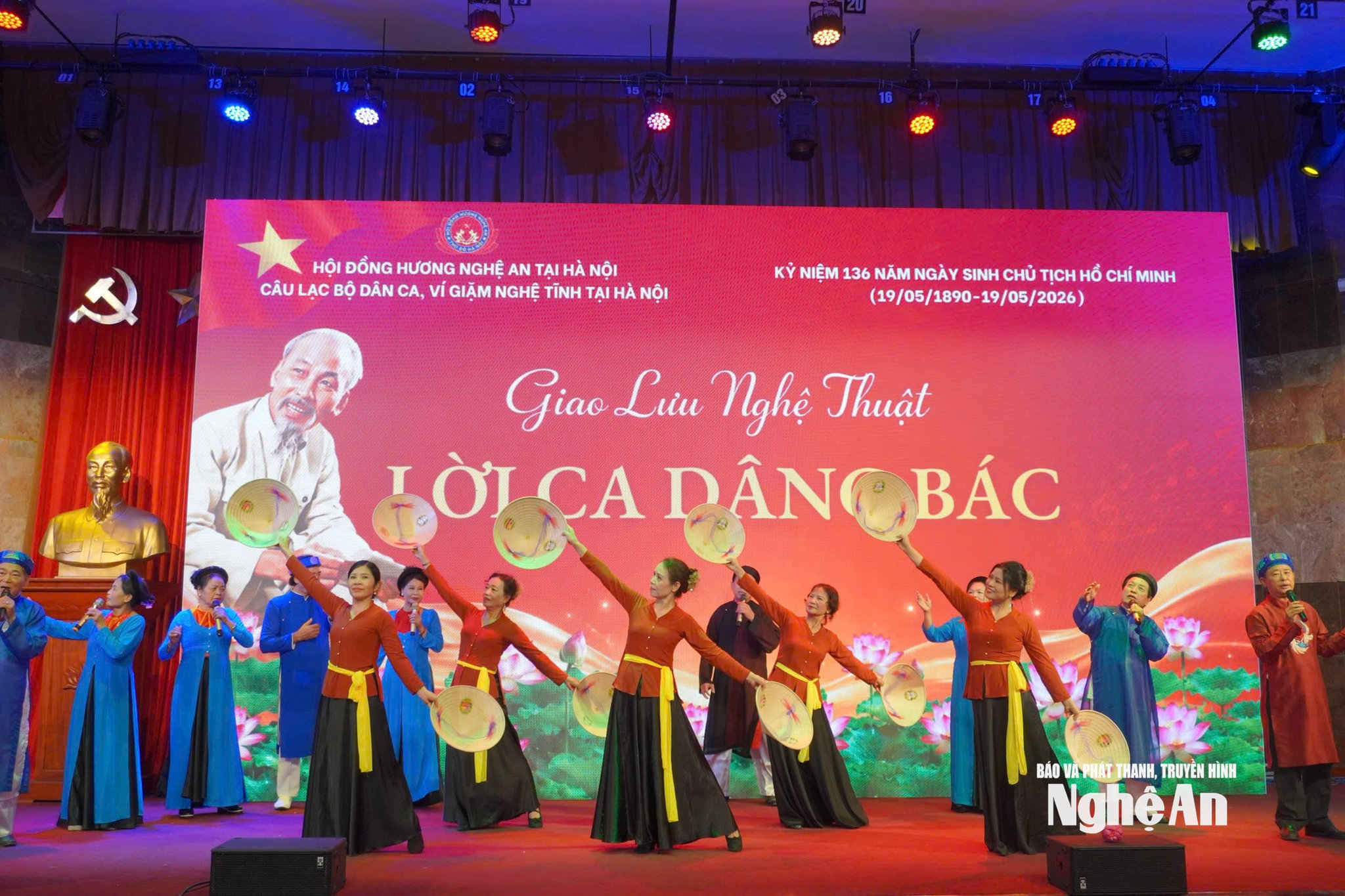
While other artists have grown up in villages rich in folk song traditions, Le Thanh Phong, a son of the former Vinh city, is a testament to the vitality of the "vi" and "giam" folk songs in an urban environment. Despite growing up amidst modern life, he chose folk music as his artistic path and persistently spreads the melodies of his homeland to young audiences. Currently, as the Chairman of the Nghe An Folk Song Club in Hanoi, Thanh Phong has contributed to connecting folk music lovers, bringing "vi" and "giam" folk songs beyond Vietnam to the Vietnamese community and international friends.
The continuous emergence of young talents is not a coincidence, but the result of a community-centered heritage preservation process. From free classes taught by artisans and the persistent activities of folk music clubs at the grassroots level to the integration of folk music into schools through extracurricular activities, an "ecosystem" has been created to nurture and discover talent. This environment has bridged the gap between heritage and the younger generation, allowing folk music to continue to be preserved and spread through the love of those who carry on the tradition.
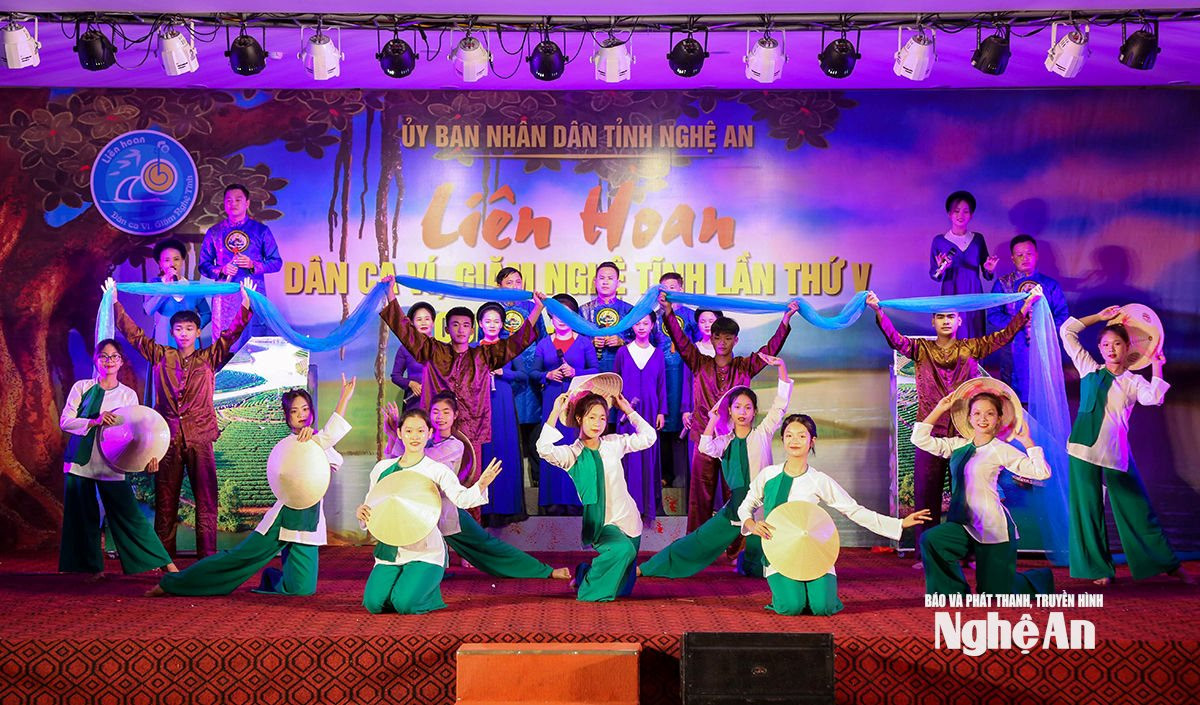
Therefore, the first ever Folk Song Talent Search Contest is not only a playground for talented singers, but also a gathering place for "seeds" nurtured from traditional rural areas such as Hung Nguyen, Kim Lien, Yen Thanh, Thanh Chuong, Dien Chau, Nghia Dan... This will be a meeting of young talents carrying a love for folk songs nurtured by their communities, so that each folk song can continue to be sung and passed down through generations.