
Must-visit destinations in Nghe An for the July commemoration.
As a land rich in revolutionary traditions, Nghe An possesses a system of historical relics and many typical "red addresses" of the whole country. In July, these spaces preserving memories become meaningful meeting points for locals and tourists on their journey to pay tribute to the heroic martyrs and revolutionary predecessors who dedicated and sacrificed themselves for the independence and freedom of the Fatherland.
1. Vietnam-Laos International Martyrs Cemetery
Located next to National Highway 7 on the route to the Nam Can International Border Gate (Vietnam-Laos border), the Vietnam-Laos International Martyrs' Cemetery is the resting place of nearly 11,000 Vietnamese volunteer soldiers and experts who fought and sacrificed their lives in Laos.
With an area of nearly 7 hectares located in the center of Anh Son commune (Nghe An province), this is the largest cemetery gathering the graves of Vietnamese volunteer soldiers and experts who died in Laos, and also the only cemetery in Vietnam named after two countries and two peoples.
.jpg)
During the two wars of resistance to help our friend Laos fight against French colonialism and American imperialism, the Vietnamese volunteer forces and military experts serving in Laos always stood shoulder to shoulder with the Lao army and people, fighting against enemy sweeps and encroachments, while building and consolidating resistance organizations and governments, protecting liberated areas, strengthening armed forces, and developing guerrilla warfare throughout the Upper, Central, and Lower Laos regions.
Among the thousands of Vietnamese volunteers and military experts who served on international missions in Laos, many officers and soldiers bravely sacrificed their lives in the Land of a Million Elephants, contributing to the cultivation of the special solidarity between the two nations.
.jpg)
General Vo Nguyen Giap once affirmed: "The sweat and blood of Vietnamese soldiers and experts, intertwined with the blood and sweat of Lao soldiers and people, contributed to nurturing, protecting, and developing the special friendship, solidarity, and fighting alliance between Vietnam and Laos. This is a fundamental principle and an extremely important factor ensuring the victory of the revolutions in both countries, a model of pure international relations, and an invaluable legacy of the two nations."
To commemorate and honor the heroic Vietnamese volunteer soldiers who fought side-by-side with the Pathet Lao liberation army to defend both countries, the Party and State of Vietnam have built a special cemetery named after both nations, as a resting place for the Vietnamese volunteer soldiers who fought and sacrificed their lives in Laos.
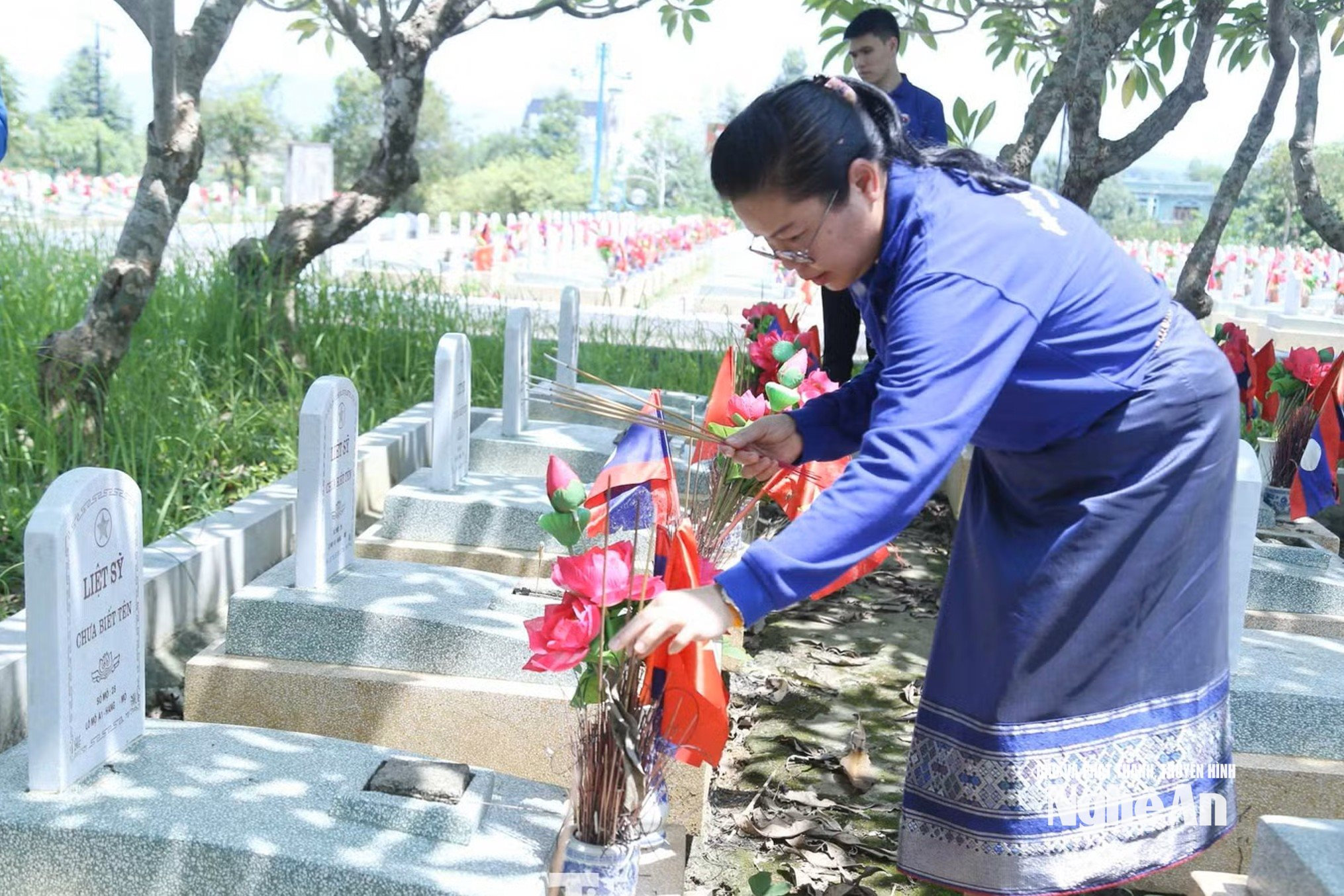
The cemetery was built in 1976. In keeping with the principle of "Drinking water, remembering the source," in 1982, the Party and State of Vietnam decided to bring all the remains of martyrs who died in Laos back to Vietnam and gather them at the Vietnam-Laos Martyrs Cemetery.
The cemetery consists of two sections: Section A and Section B. Section A has 9 plots with a total of 5,381 graves; Section B has 13 plots with 5,219 graves of fallen soldiers and one plot with 11 graves of martyrs. Since its construction, the cemetery has received and cared for nearly 11,000 remains of soldiers who died on the battlefield in Laos.
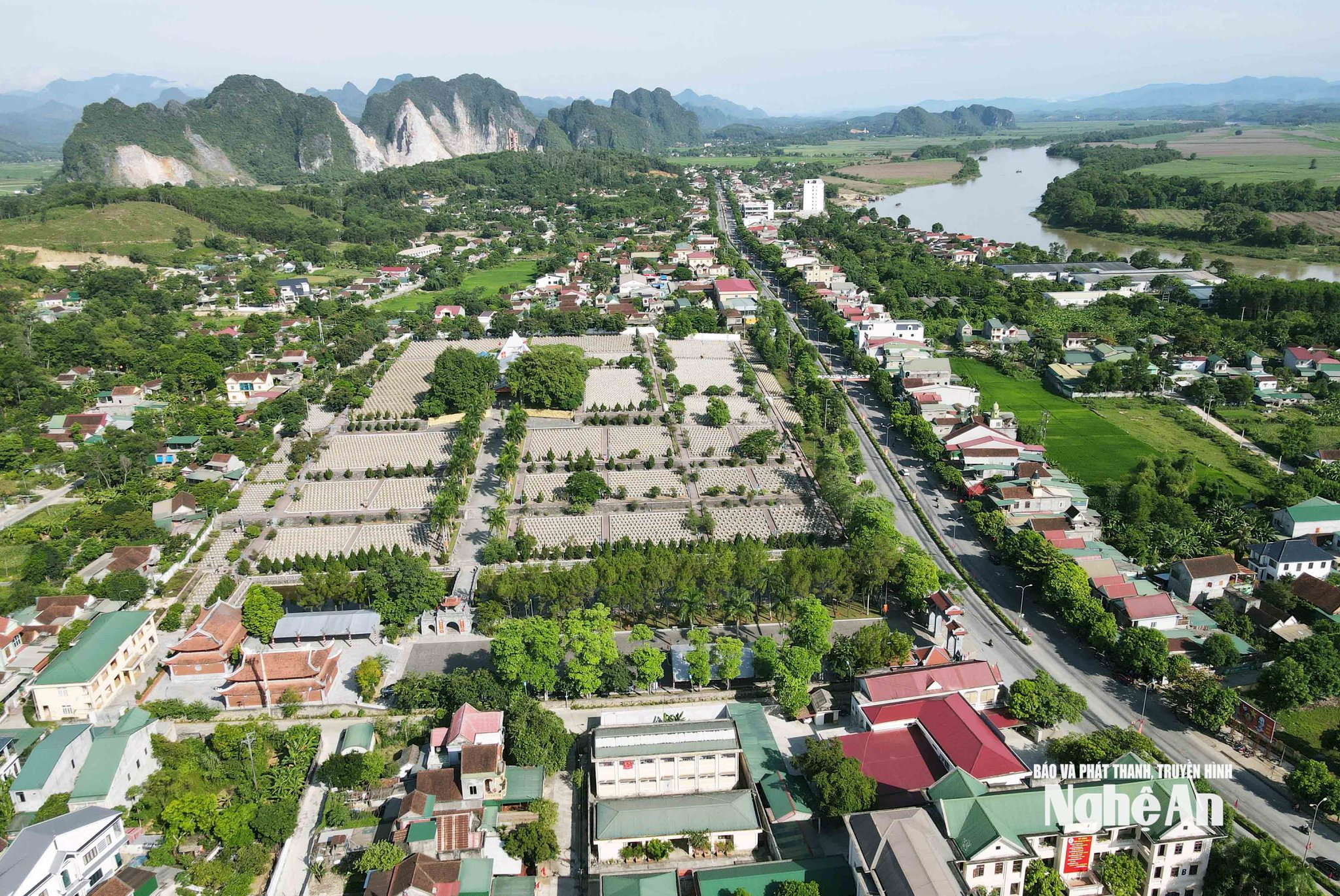
Today, the Vietnam-Laos International Martyrs' Cemetery is not only the resting place of heroic martyrs but also a significant site for revolutionary tradition education, a destination for people from all walks of life across the country to visit, commemorate, and express gratitude to those who sacrificed themselves for noble international duties, contributing to preserving and fostering the special solidarity between Vietnam and Laos.
2.Kim Lien Special National Historical Site
The Kim Lien Special National Historical Site includes the main clusters of relics: the ancestral home of Lang Sen village, the maternal ancestral home of Lang Hoang Tru village, the tomb of Mrs. Hoang Thi Loan; the exhibition and memorial area of President Ho Chi Minh, the Chung Mountain relic cluster and other adjacent relics.
This is a "sacred place" preserving the memories of President Ho Chi Minh's homeland, family, and childhood, and has become a place for traditional education and fostering patriotism in future generations.
.jpg)
.jpg)
Every year, the Kim Lien National Special Historical Site welcomes 1.5 to 2 million visitors. It is not only a place where people from all over the country and international friends come to offer incense and pay respects to President Ho Chi Minh, but also a destination for many delegations of officials, soldiers, veterans, youth union members, and students during major holidays, especially in July – the month of gratitude.
To better meet the needs of visitors, learners, and those seeking to connect with their roots, the Historical Site Management Board is coordinating with relevant agencies and units to implement a comprehensive upgrade plan, focusing on items such as: a 43-hectare cultural tourism area; a nine-tiered waterfall at the tomb of Lady Hoang Thi Loan; a cultural and ecological tourism area at Chung Mountain; and the Lang Sen cultural space... Along with this, the automated audio guide system will be completed.
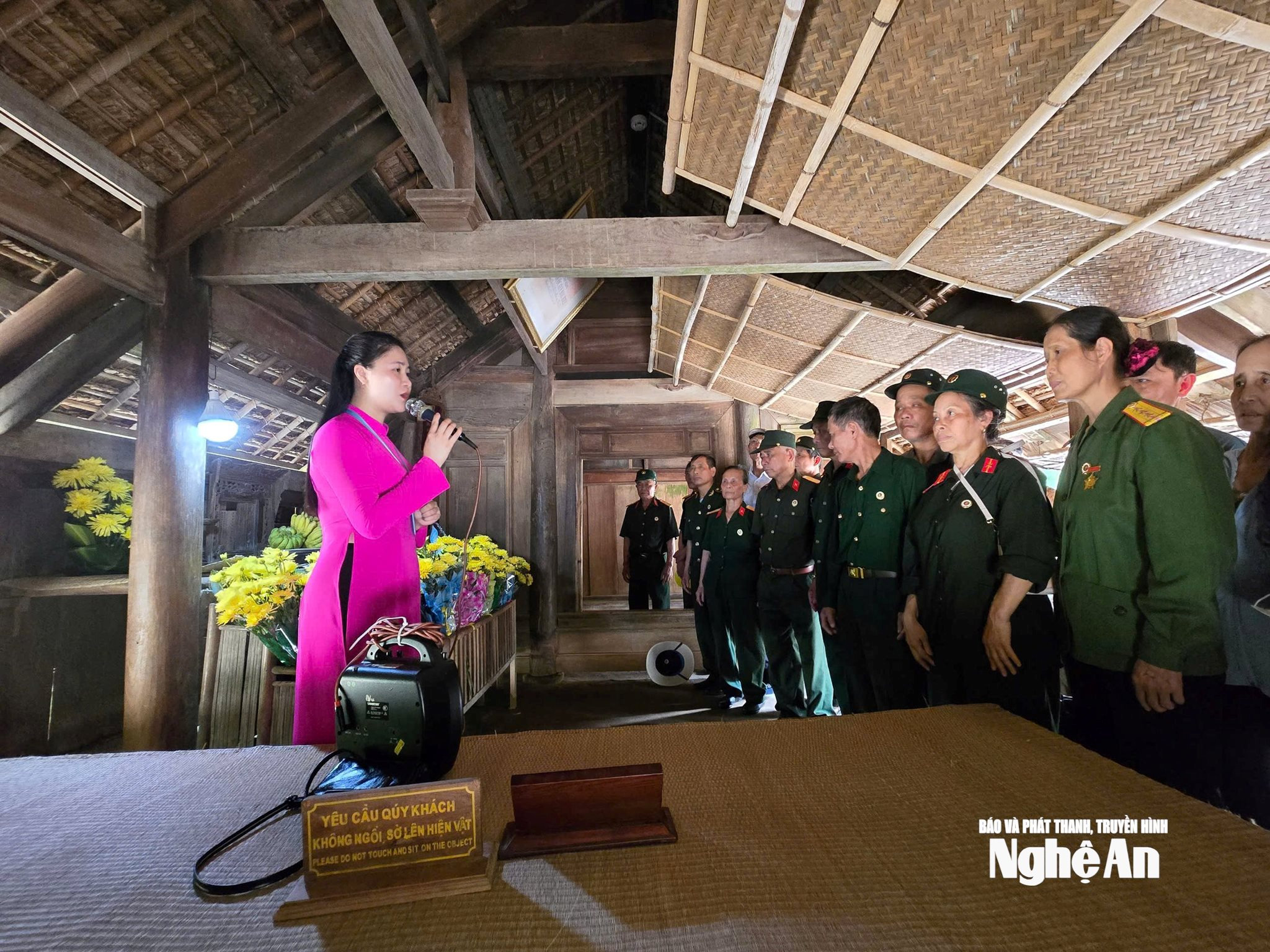
To date, the Historical Site has digitized more than 10,000 valuable documents and artifacts related to President Ho Chi Minh's family and childhood, his two visits to his hometown, and gifts containing the deep affection of compatriots, soldiers nationwide, and international friends.
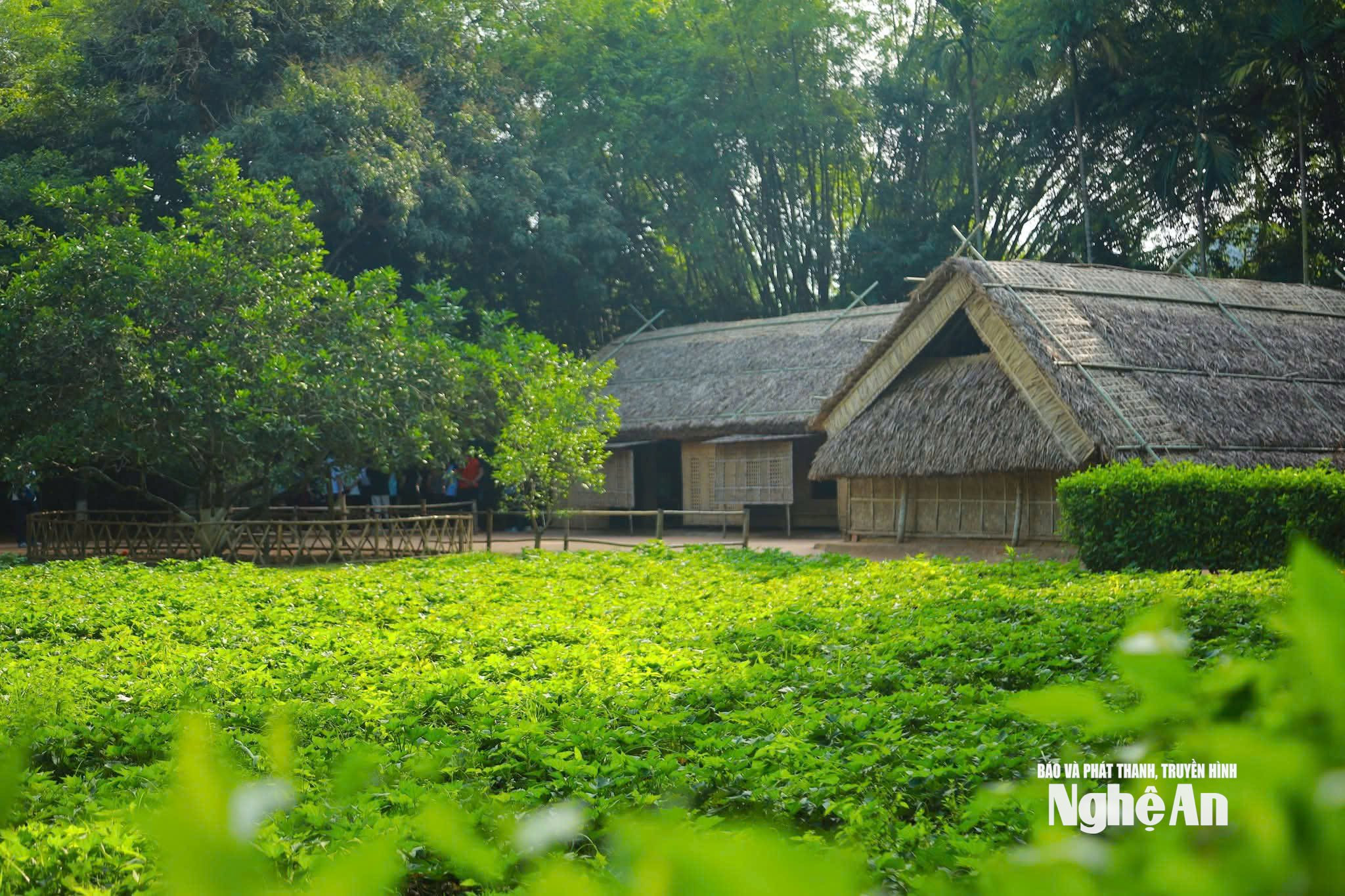
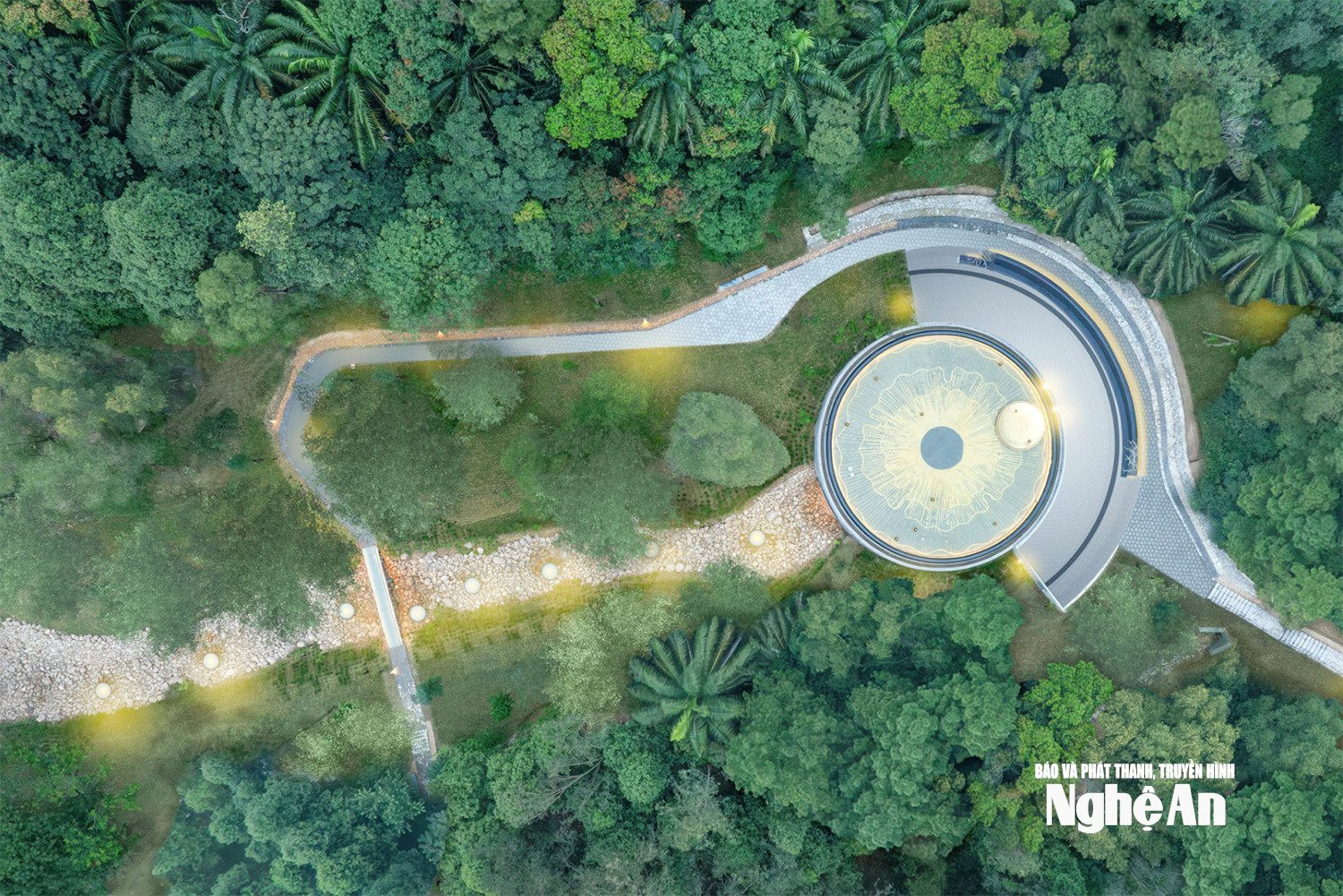
Simultaneously, the Historical Site applies 360-degree VR and AR technologies combined with modern touch screens in the exhibition and memorial area dedicated to President Ho Chi Minh and the tomb of Mrs. Hoang Thi Loan. Additional activities such as performances of Nghe Tinh folk songs, visits to President Ho Chi Minh's fish pond, experiences of rice milling and pounding, and calligraphy writing are also being developed, contributing to enhancing the value of traditional education and providing a deeper connection to the historical roots.
3. National Monument: The Memorial Area of General Secretary Le Hong Phong
Among the places of remembrance in Nghe An province, the National Monument of the General Secretary Le Hong Phong Memorial Area (Hung Nguyen Nam commune) is a sacred destination, preserving the memory of a steadfast communist soldier who dedicated his entire life to the revolutionary cause.
Comrade Le Hong Phong, whose real name was Le Huy Doan, was born on September 6, 1902, in Dong village, Thong Lang commune (now Yen Trung commune, Nghe An province), into a well-mannered and traditional family.
.jpg)
Comrade General Secretary Le Hong Phong was one of the outstanding leaders of the Vietnamese Party and revolution, a steadfast and indomitable international communist fighter, an excellent disciple of President Ho Chi Minh, a model of revolutionary morality, and an outstanding son of Nghe An province.
In early 1924, Comrade Le Hong Phong went abroad to engage in revolutionary activities. At the age of 40, after 20 years of continuous and vigorous revolutionary activity, on the afternoon of September 6, 1942, in Con Dao prison, Comrade Le Hong Phong, exhausted, bravely sacrificed his life. Before his passing, he instructed: "Please tell the Party that, until the very last moment, Le Hong Phong still wholeheartedly believes in the glorious victory of the revolution."
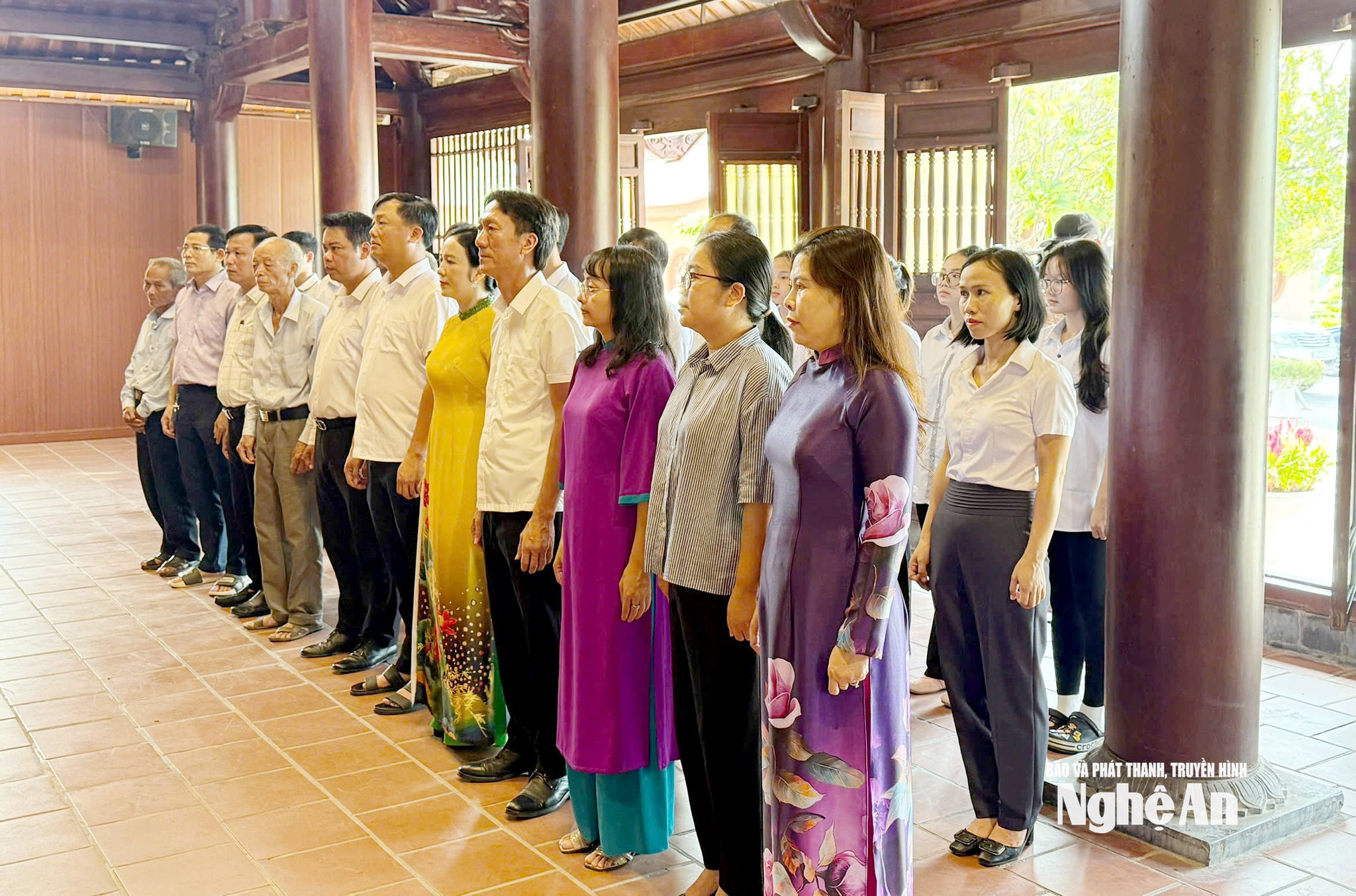
Today, the Le Hong Phong Memorial Area is not only a place preserving the milestones of the life and career of this exemplary senior leader of the Party, but also a "red address" for traditional education, where many generations of cadres, Party members, youth, and tourists come to offer incense, commemorate, and cultivate patriotism and revolutionary ideals.
4. Truông Bồn National Historical Site
The Truông Bồn National Historical Site covers an area of over 20 hectares and is located on the legendary strategic Highway 15A. It is situated in Bạch Hà commune, Nghệ An province.
This is one of the typical "red addresses," commemorating the courageous spirit and immense sacrifices of our army and people in the resistance war against the American imperialists to save the country.
.jpg)
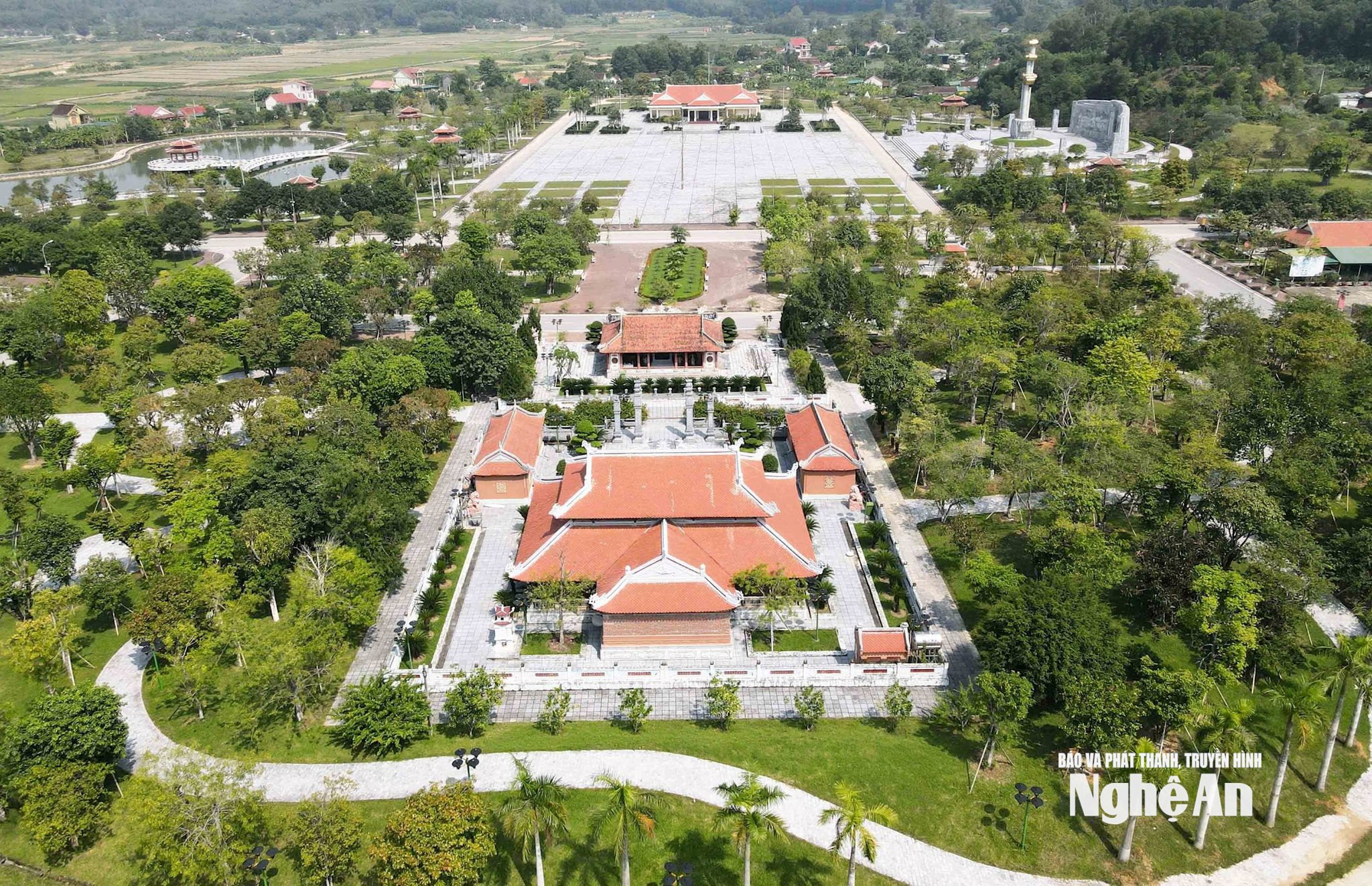
During the war years, Truong Bon held a particularly important position on the supply route from the large rear area of the North to the battlefields in the South. Along this route, soldiers, troops, volunteer youth, transport workers, and militia forces worked day and night, clearing bombs, repairing roads, and ensuring that this vital transportation artery remained open.
On just the approximately 5-kilometer stretch of National Highway 15 passing through Truong Bon, from June to October 1968, the US imperialists dropped nearly 2,700 bombs of various types. Between 1964 and 1968, this heroic land suffered nearly 19,000 bombs of all types, along with tens of thousands of missiles, devastating 211 villages along the route and causing significant loss of life and property.
.jpg)
In the battle to protect this vital transportation route, thousands of officers, soldiers, volunteer youth, transportation workers, and militia members were wounded; 1,240 officers and soldiers bravely sacrificed their lives.
In particular, at approximately 6:10 AM on October 31, 1968, while carrying out the task of filling bomb craters and ensuring traffic flow, 13 young volunteer soldiers fell in a fierce enemy bombing raid, just a few hours before the US imperialists were forced to cease bombing North Vietnam at 0:00 AM on November 1, 1968.
The sacrifices of these heroes and heroines have become a shining symbol of revolutionary heroism and the spirit of "the heart may stop beating, but the road cannot be blocked."
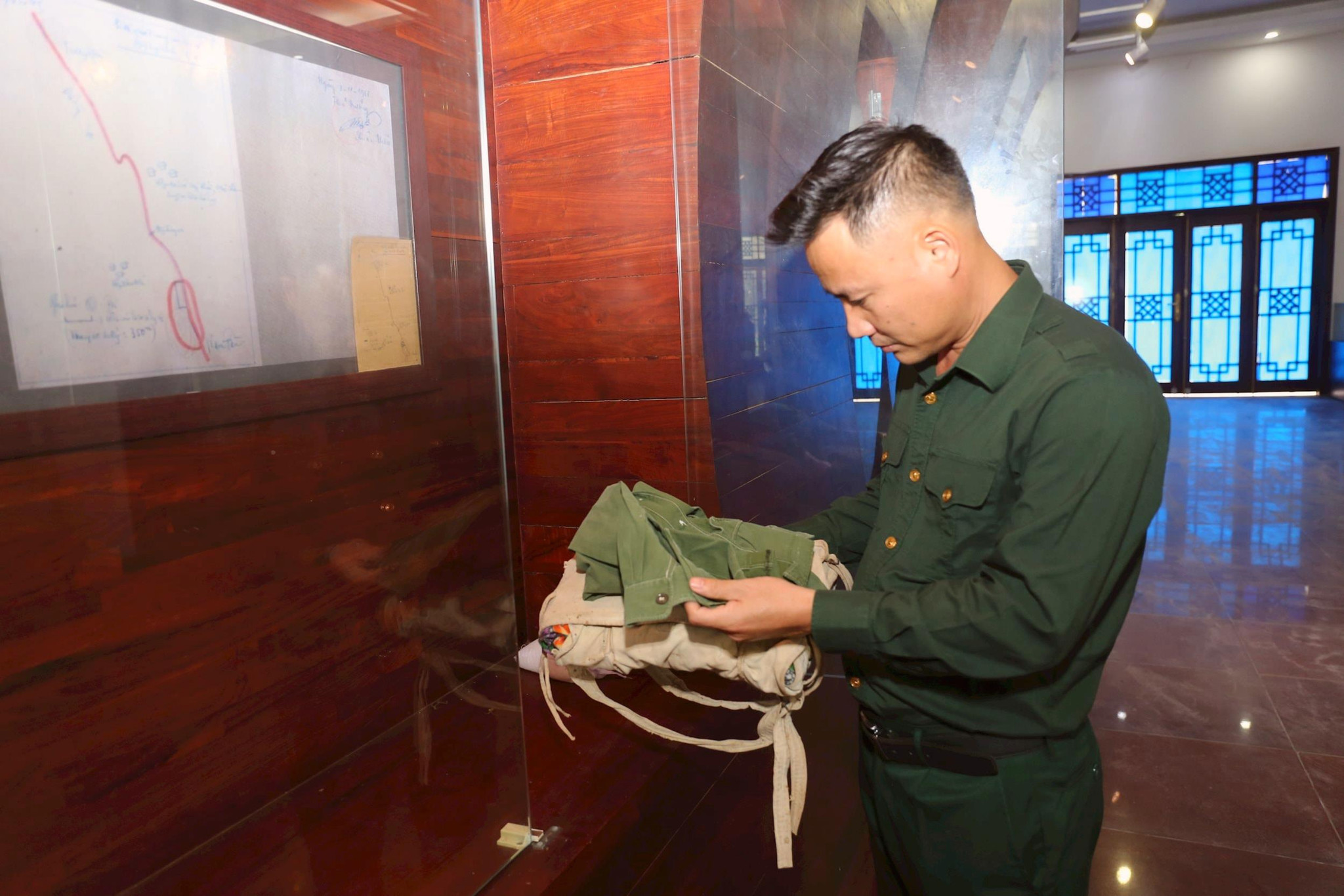
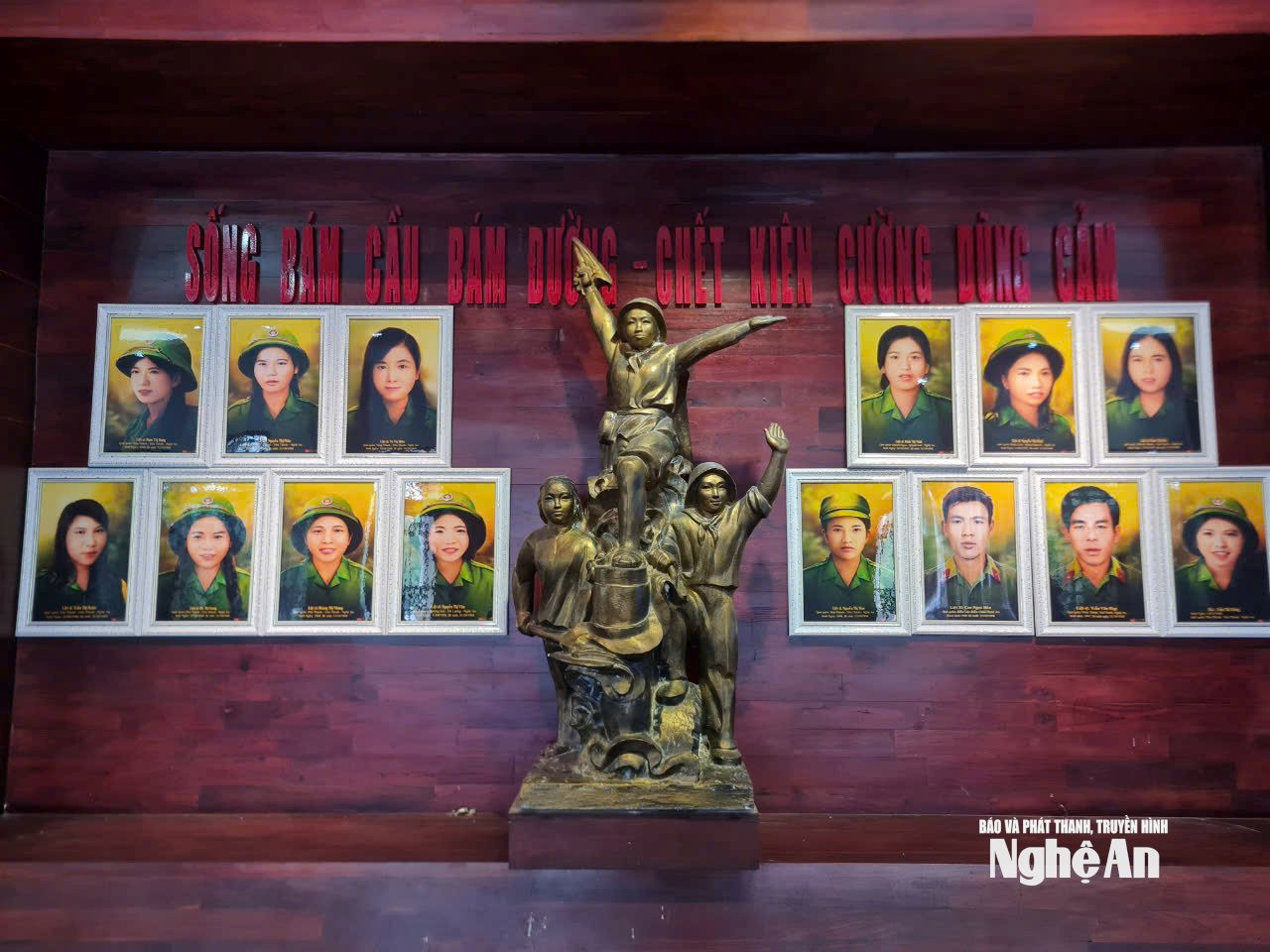
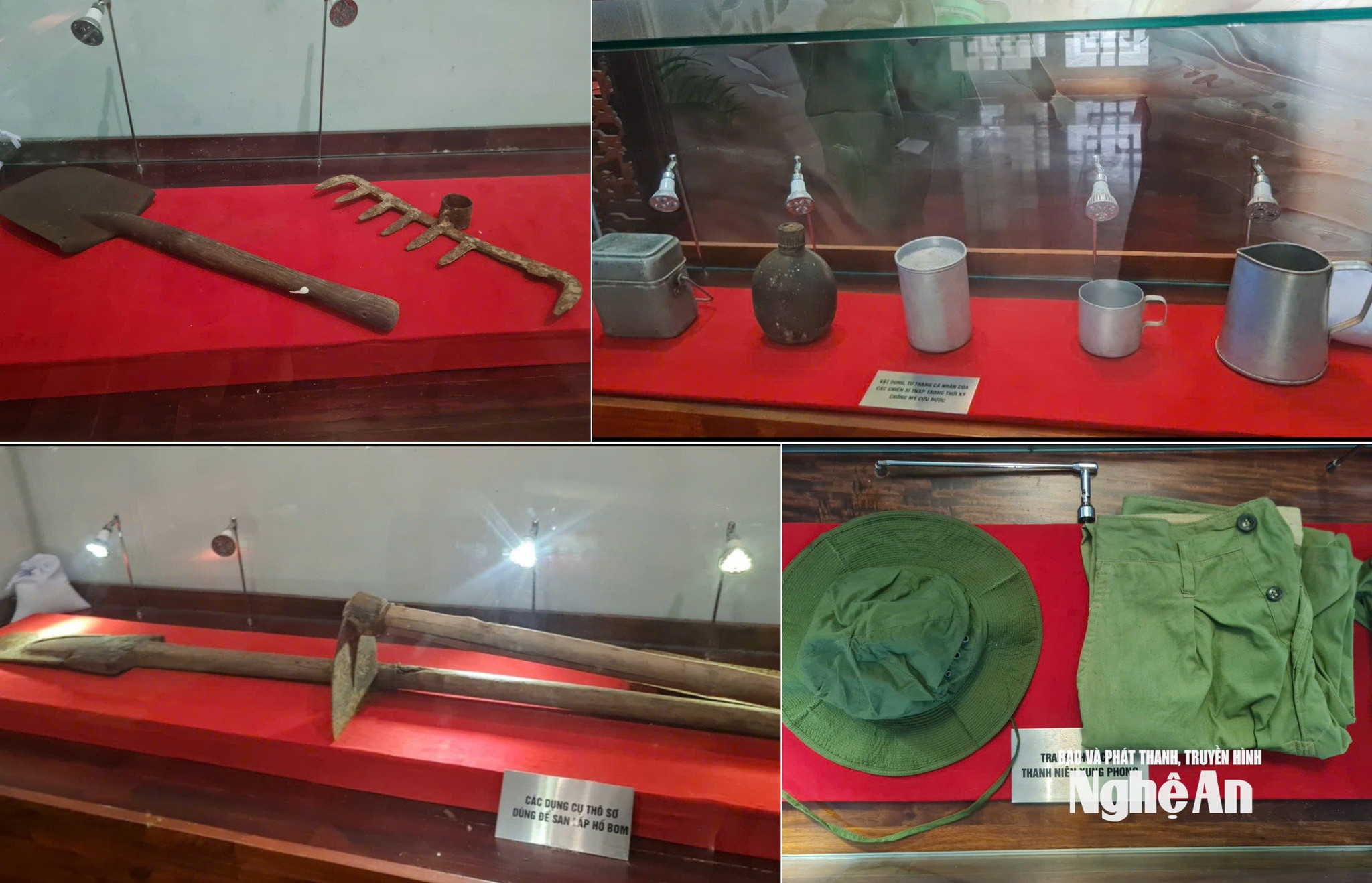
Currently, the Truông Bồn National Historical Site has notable features such as: the tomb of 13 heroic young volunteer martyrs, the memorial house for 1,240 heroes and martyrs, and the traditional exhibition house...
To commemorate the historical site of Truông Bồn and to acknowledge the heroic contributions and sacrifices of the Truông Bồn soldiers, most notably the 13 Youth Volunteers of the "Steel Squad," Truông Bồn was recognized as a National Historical Monument on January 12, 1996.
On September 23, 2008, the President of Vietnam issued a decision to confer the title of Hero of the People's Armed Forces on the collective of Youth Volunteers at Truông Bồn. October 31, 1968, was chosen as the anniversary of the Truông Bồn Victory.
.jpg)
Not only does this place preserve the glorious memories of the nation, but it is also a site for educating about revolutionary traditions, attracting a large number of officials, union members, young people, and citizens to offer incense, commemorate, and express gratitude to those who dedicated their youth and blood for the independence and freedom of the Fatherland.
5. Nguyen Thi Minh Khai Memorial Area and Nguyen Duy Trinh Memorial Area
Located in Thanh Vinh ward,The Nguyen Thi Minh Khai Memorial Area displays images and artifacts about her life and revolutionary career, as well as expressing gratitude and appreciation for her immense contributions to her homeland.
Stepping into the memorial area, visitors feel as if they are traveling back in time, returning to the simple traces of a steadfast communist soldier. The old house still preserves almost intact the ancestral altar, the shrine dedicated to Comrade Nguyen Thi Minh Khai, along with many familiar artifacts such as the wooden bed, the tea cabinet set, and family photos...
Behind it is an exhibition hall, which houses many precious images: photos of her with her comrades in the Communist International, the death sentence handed down by the French colonialists, letters she sent to her family before her sacrifice…
.jpg)
Born in 1910 in Nghe An province, a land with a rich tradition of patriotism and revolution, at the age of 16, with the enthusiasm of youth, Comrade Nguyen Thi Minh Khai (real name Nguyen Thi Vinh) overcame all obstacles of feudal customs and the understanding and lives of girls of her time, resolutely embarking on the arduous path of revolution.
Comrade Nguyen Thi Minh Khai sacrificed her life at the young age of 31. However, her tireless struggle for the national revolutionary cause, for the liberation of women, and her heroic sacrifice, along with that of other revolutionary fighters, will forever shine brightly.
.jpg)
In July, many tourists chose this place as a stopover to visit and explore. At the same time, they expressed their gratitude to a heroic female revolutionary fighter – a former member of the Southern Regional Party Committee, former Secretary of the Saigon-Chợ Lớn City Party Committee, a woman who sacrificed her entire life for the Fatherland.
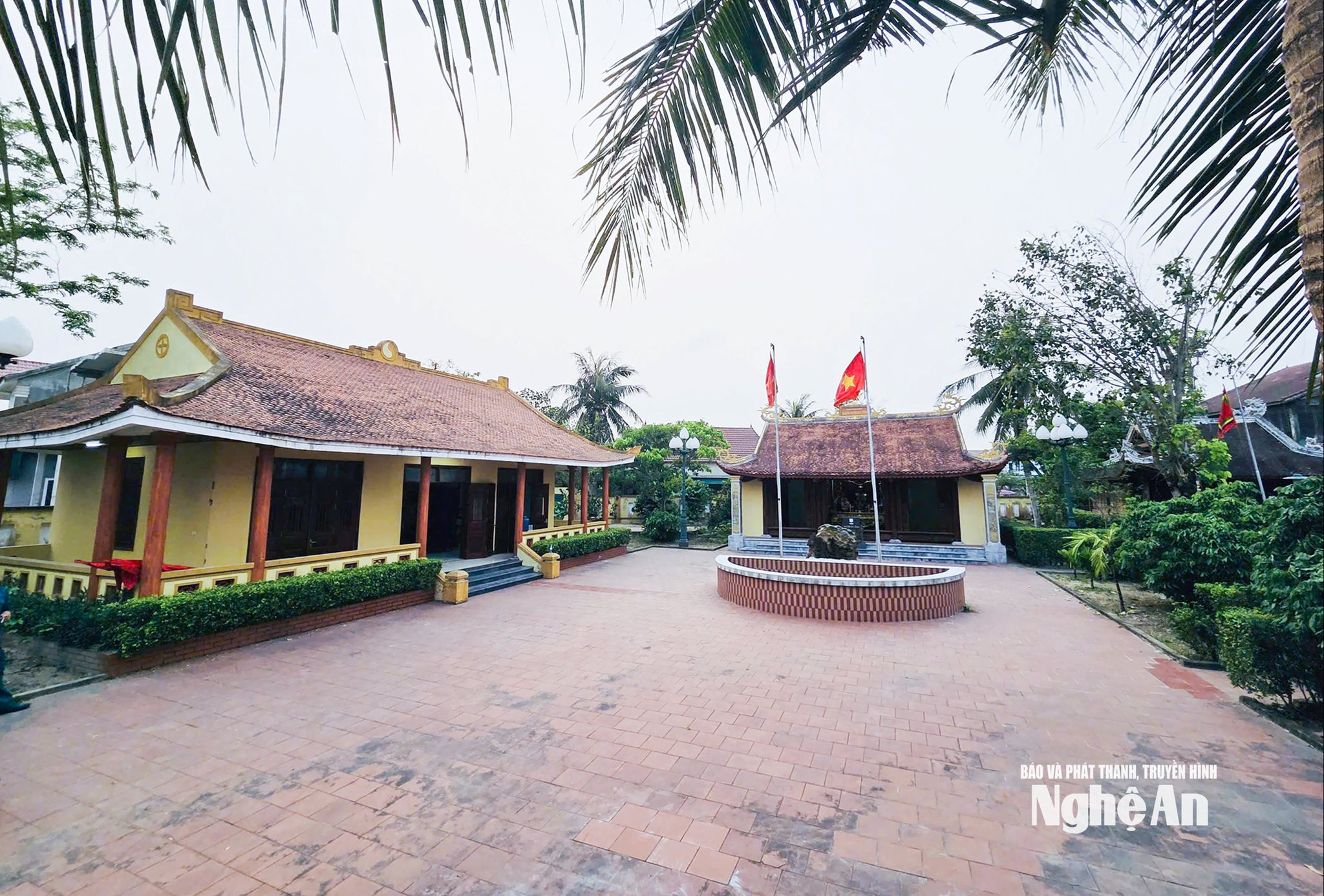
Besides this historical site, the Nguyen Duy Trinh Memorial Area (Vinh Loc Ward) is also a significant destination. It was recently classified as a provincial-level historical relic by the People's Committee of Nghe An Province in Decision No. 688/QD-UBND, dated February 26, 2026.
The building, constructed in 2013, features a harmonious blend of traditional and modern architecture, creating a dignified, welcoming space rich in cultural and historical value.
The site preserves many documents, images, and artifacts related to the revolutionary life and diplomatic career of Comrade Nguyen Duy Trinh - a man who dedicated nearly 60 years to continuous revolutionary activities and 57 years as a Party member. He devoted his entire life to the cause of national liberation, reunification, and building socialism.
The Party and the State recognize his immense contributions with the prestigious award: the Gold Star Order, along with many other Orders, Medals, Certificates of Merit, and Commendations.
6. Museum system in Nghe An
Besides possessing a rich system of revolutionary historical relics, Nghe An also preserves the nation's memory through its museum system, with two prominent museums being the Nghe An - Soviet Nghe Tinh Museum and the Military Region 4 Museum (a military museum under the Political Department of Military Region 4, located in Nghe An province).
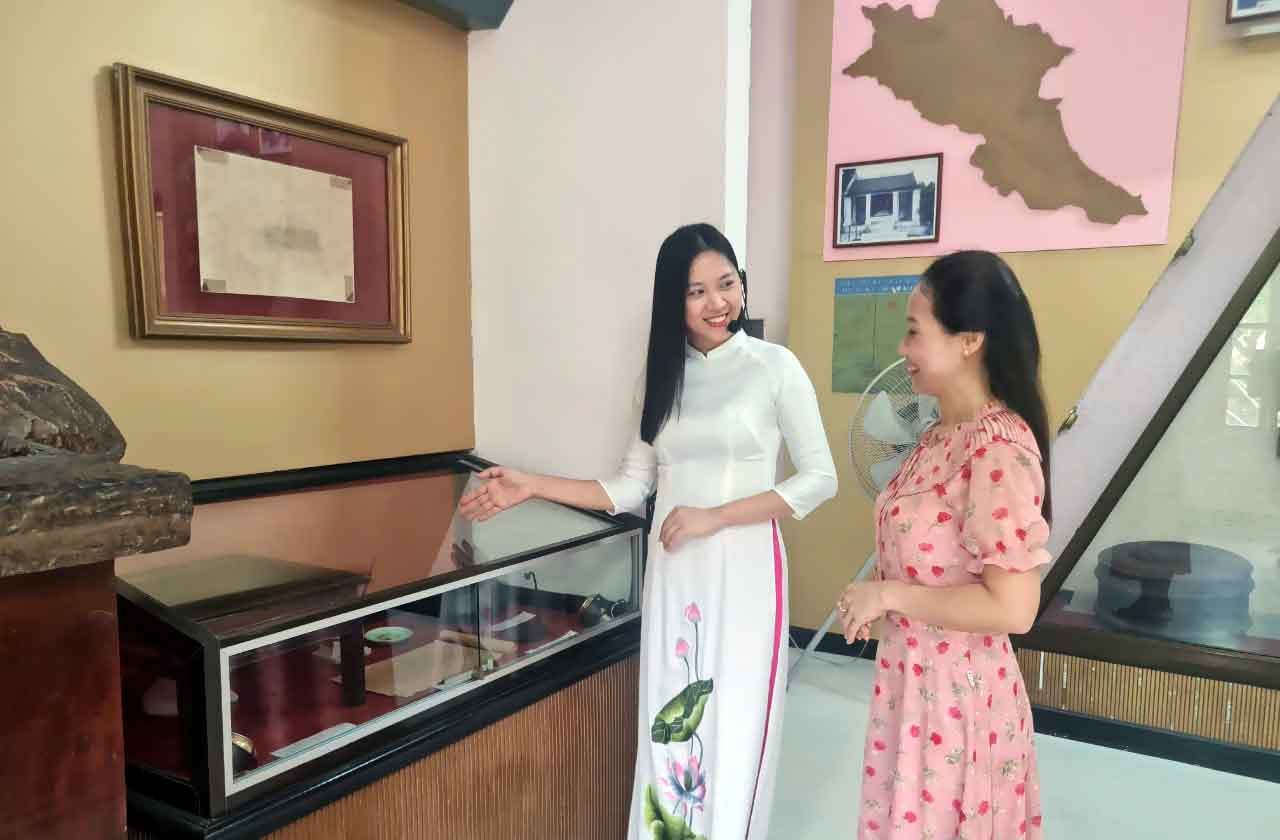
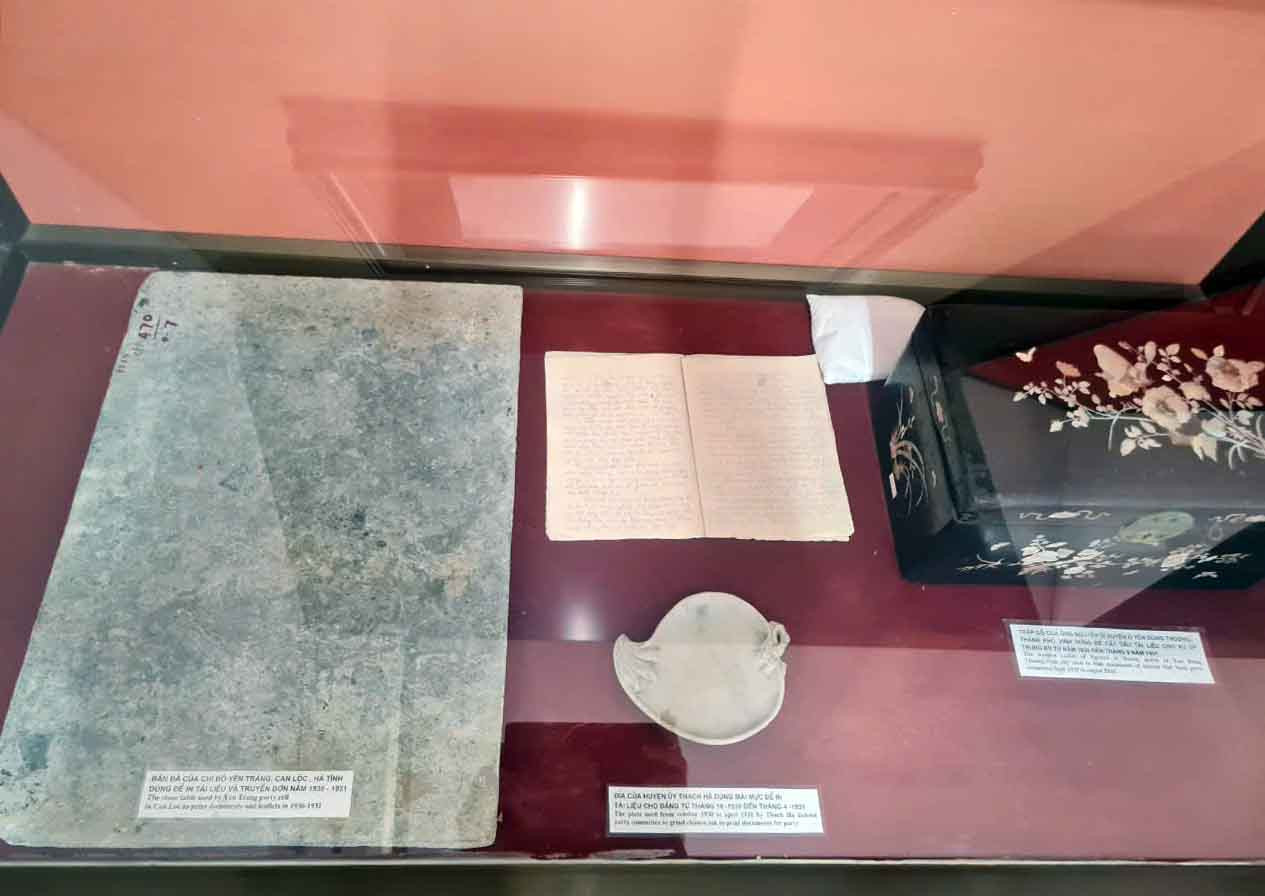
Among them, the Nghe An - Soviet Nghe Tinh Museum (located in Thanh Vinh ward) helps the public explore the historical and cultural progress of Nghe An province from prehistoric times to the đổi mới (renovation) period through tens of thousands of valuable documents and artifacts.
Beyond traditional exhibition formats, the museum is also promoting digital transformation with interactive exhibition spaces, 3D mapping applications, and virtual reality technology. As a result, many artifacts can be observed from all angles, providing a vivid and engaging visual experience, helping viewers, especially the younger generation, access history in a more accessible and appealing way.

Meanwhile, the Museum of Military Region 4 (located in Truong Vinh ward) is a place for collecting, preserving, researching, and displaying the history of the construction, combat, and development of the armed forces of Military Region 4.
The museum currently houses tens of thousands of artifacts, images, and historical documents, vividly reflecting the national liberation wars, the cause of national defense, and the traditions of the armed forces in the North Central provinces.
Along with the indoor exhibition system, the outdoor artifact display space, the memorial house, and the memorial site commemorating President Ho Chi Minh's visit to Military Region 4, this place has become a traditional education destination, attracting a large number of cadres, soldiers, students, and people to visit and learn every year.
.jpg)
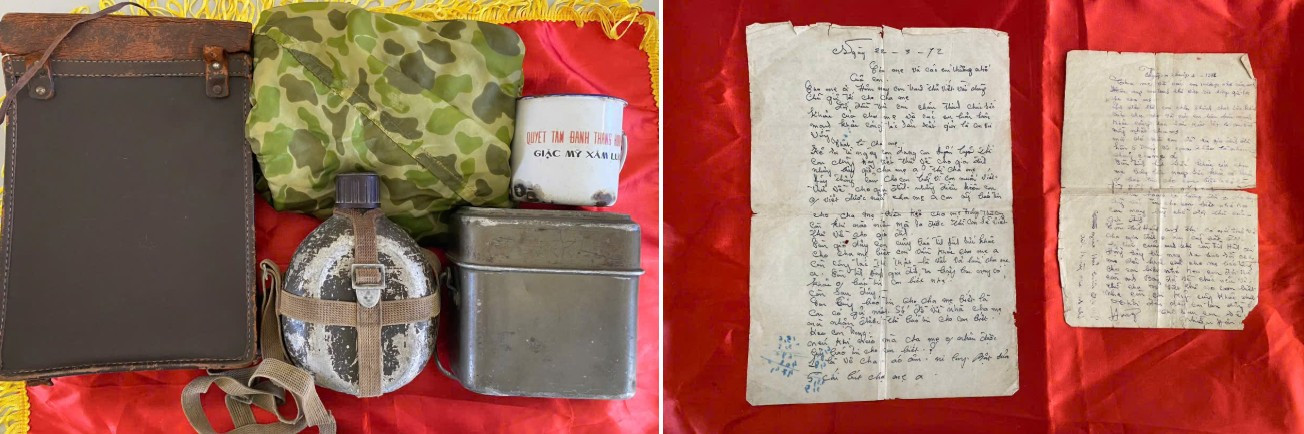
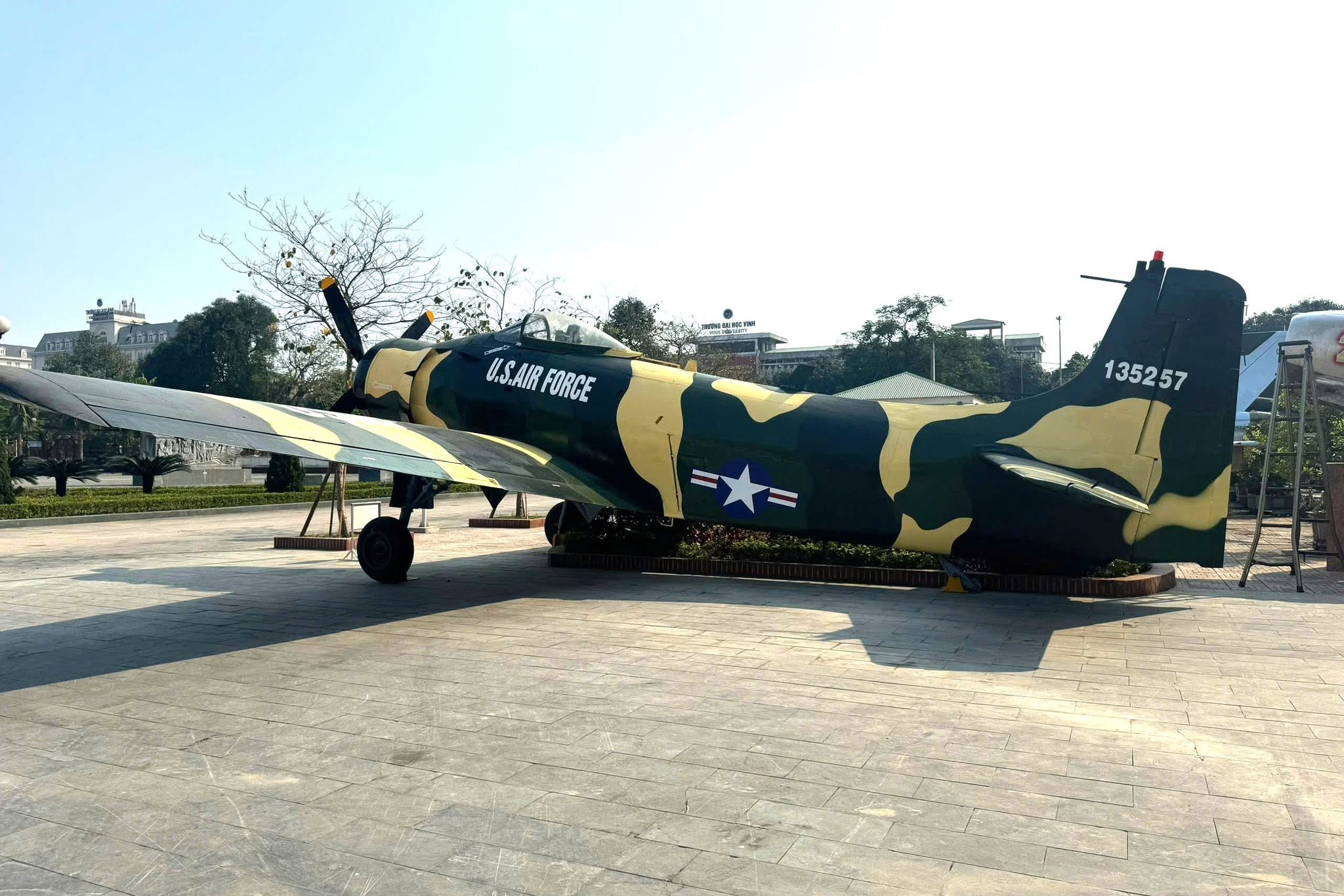
Each museum represents a unique historical period, contributing to the recreation of the nation's journey of struggle, nation-building, and national defense, while also becoming a destination for traditional education, attracting a large number of students, youth union members, and tourists from within and outside the province.
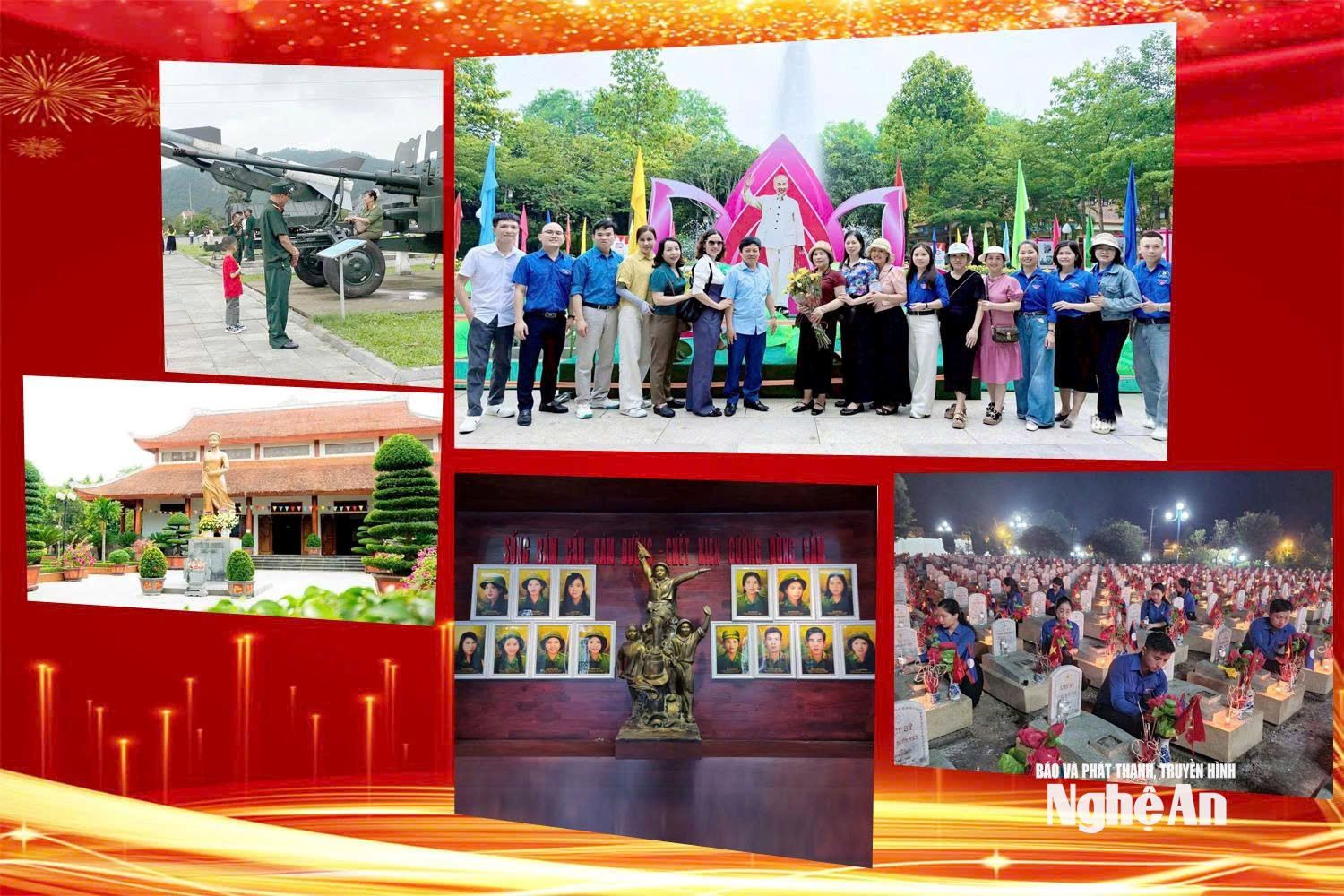
In addition to the destinations mentioned above, Nghe An also has many other valuable historical sites and "red addresses," contributing to a meaningful journey back to the roots in July.
Each stop not only helps visitors understand more about the nation's history but also spreads patriotism, gratitude, and pride in the revolutionary traditions of Nghe An province.


