
Things you didn't know about passive smoking.
(Baonghean.vn) - Passive smoking is a major health risk, with smokers inhaling dozens of times more harmful substances than they actually are.
SmokecigarettePassive behavior is one of the factors that cause many cardiovascular and pulmonary diseases, impair respiratory function, and affect the reproductive function of both men and women.
What is passive smoking?
SuckcigarettePassive smoking is the act of inhaling tobacco smoke from the air without directly smoking cigarettes, pipe tobacco, or cigars. The sidestream smoke from the burning end of a cigarette mixes with the main smoke exhaled by the smoker to create "environmental smoke," also known as "passive smoking," and the act of inhaling this smoke is called "passive smoking."
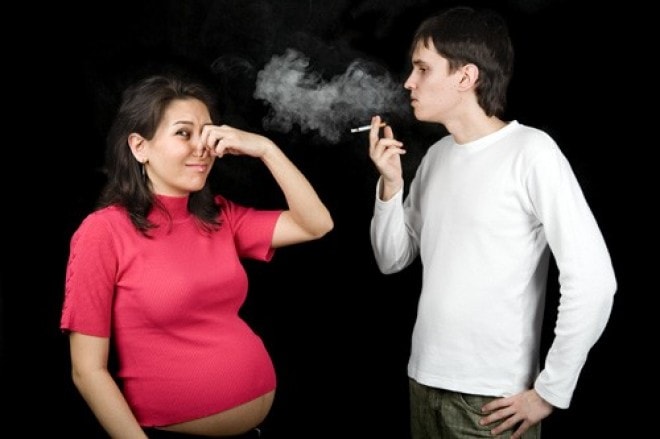 |
| Passive smoking is a major health risk, with smokers inhaling dozens of times more harmful substances than they actually are. (Illustrative image) |
Why is passive smoking a serious issue that needs serious consideration?
That's because cigarette smoke is also an indirect cause of cancer, as well as many other diseases.The smoke emanating from the burning end of a cigarette is more harmful than the smoke inhaled by the smoker because it contains 26 times more toxic substances due to burning at high temperatures and not passing through a filter..
According to recent statistics from scientists, cigarette smoke contains more than 7,000 chemical compounds, including 250 toxic chemicals, and at least 69 of them are known carcinogens.
International research over the past 20 years on the effects of secondhand smoke has shown that: Secondhand smoke is one of the factors causing many cardiovascular and lung diseases, impairing respiratory function and affecting the reproductive function of both men and women. People who regularly inhale secondhand smoke have a 25-30% increased risk of coronary heart disease, a 20-30% increased risk of lung disease, and an 82% increased risk of stroke. Infants and young children who regularly inhale secondhand smoke have an increased rate of lower respiratory tract infections (such as bronchitis and pneumonia) and middle ear infections; increased symptoms of chronic respiratory diseases such as asthma; reduced lung development; and an increased risk of sudden infant death syndrome. Pregnant women who inhale secondhand smoke during pregnancy may experience changes in fetal development, miscarriage, premature birth, or low birth weight.
According to several studies, the rate of exposure to secondhand smoke at home is much higher than at the workplace. In particular, some studies show that the rate of exposure to secondhand smoke at home for women and children is 50-70%. Several studies also indicate that the rate of regular exposure to secondhand smoke in Vietnam is also very high.
This is also the scientific basis for the current Law on Prevention and Control of Tobacco Harm to clearly stipulate public places where smoking is completely prohibited. Specifically, according to Article 11 of this Law, public places where smoking is completely prohibited include:
Public places where smoking is completely prohibited both indoors and within the premises (medical facilities; educational institutions, except those specified in point b, clause 2, of this Article; childcare, nurturing, and recreational facilities; facilities or areas with a high risk of fire or explosion); public places where smoking is completely prohibited indoors (workplaces; colleges, universities, academies; public places, except those specified in clause 1 of this Article and clause 1, Article 12 of this Law); and places where smoking is completely prohibited on certain public transport vehicles such as cars and airplanes.
Besides the completely smoke-free public places stipulated in Article 11 of the Law, there are several other public places where smoking is prohibited, but enforcement remains limited. This is due to the relatively high smoking rate in Vietnam. Given Vietnam's current conditions, a complete smoking ban in these locations is not feasible. Therefore, in addition to prohibiting smoking in certain public places, a mechanism is needed to allow owners of these locations to designate a designated smoking area.
This regulation ensures both the prevention of the negative impact of cigarette smoke on the health of others and the fulfillment of the needs of smokers, preventing them from violating the smoking ban, fostering civilized behavior and habits in tobacco use, and preventing disregard for the law. At the same time, this regulation creates difficulties and inconveniences for smokers (as they are only allowed to smoke in designated areas), which will help them gradually reduce their smoking and increase their motivation to quit.


