
Orange orchards pave the way for sustainable livelihoods in Mon Son.
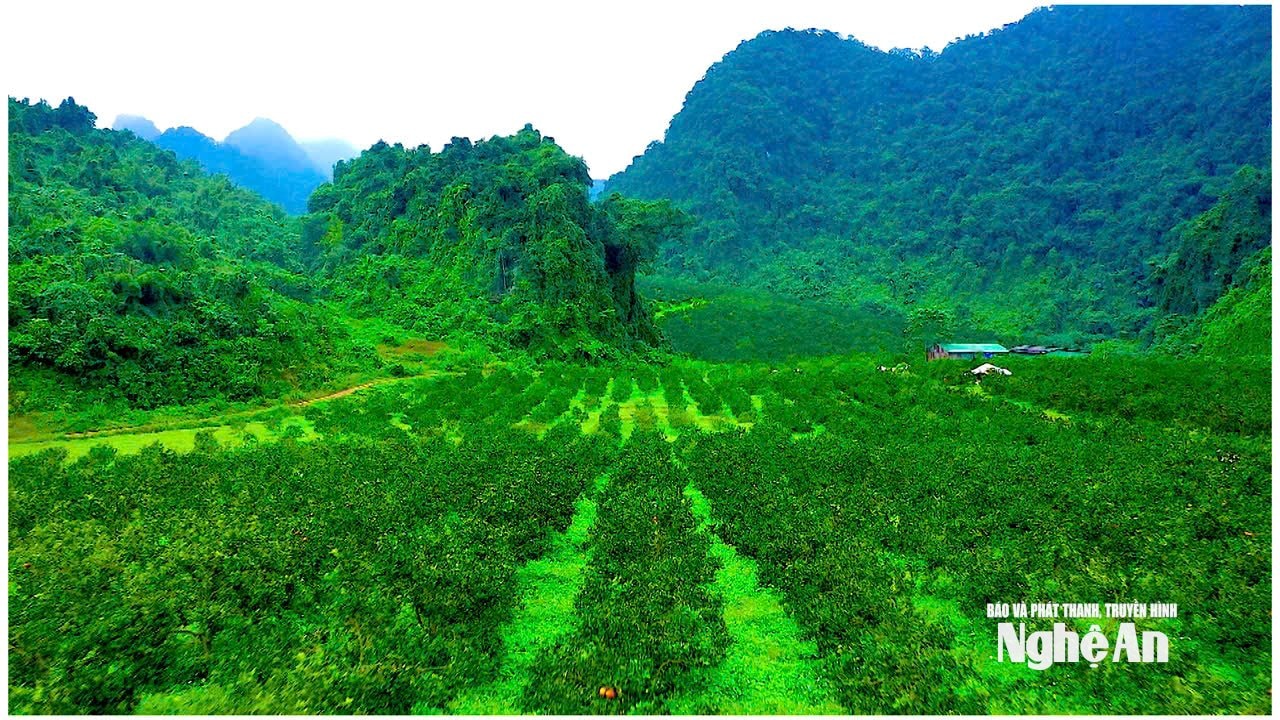
From a once impoverished border commune in Nghe An province, Mon Son has been gradually transforming in recent years thanks to the formation of concentrated orange-growing areas. These orange orchards not only create valuable agricultural products but also provide a livelihood for the local people.
Create local jobs for workers.local
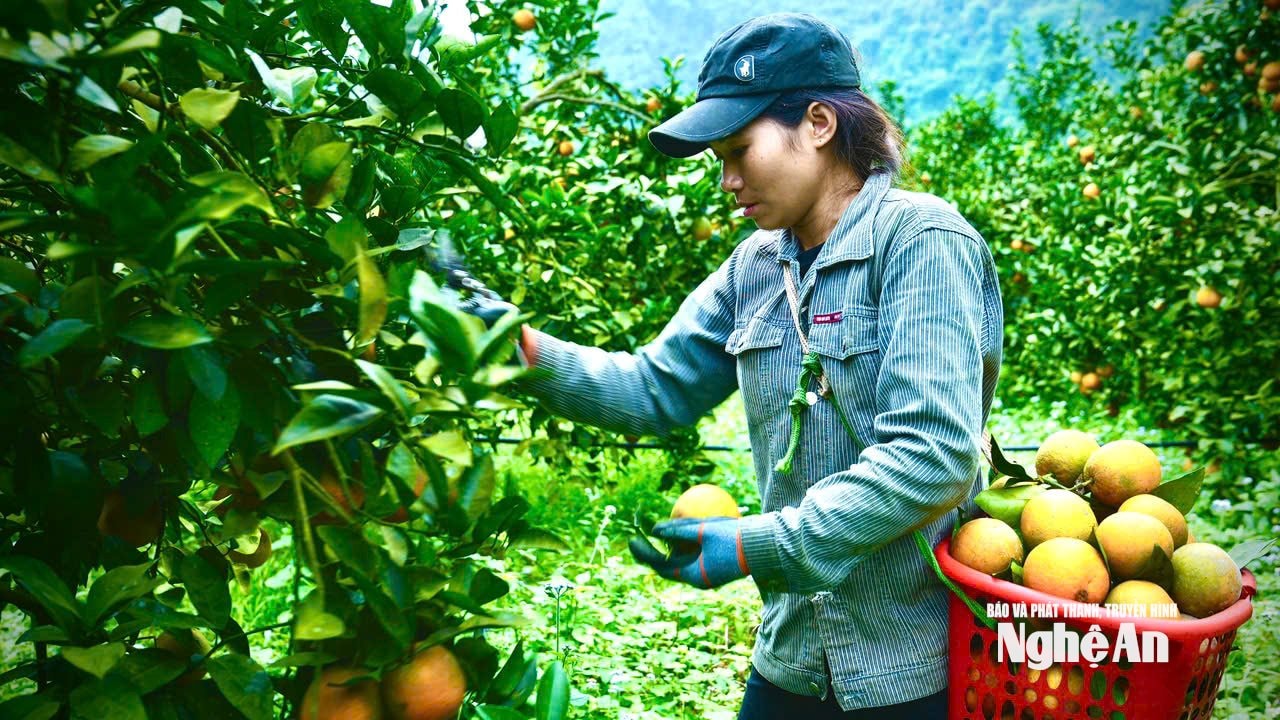
Currently, Mon Son commune has about 60 hectares of orange orchards, providing regular and seasonal employment for approximately 120 workers. Each worker earns an average of 200,000 - 400,000 VND per day, depending on the nature of the work.
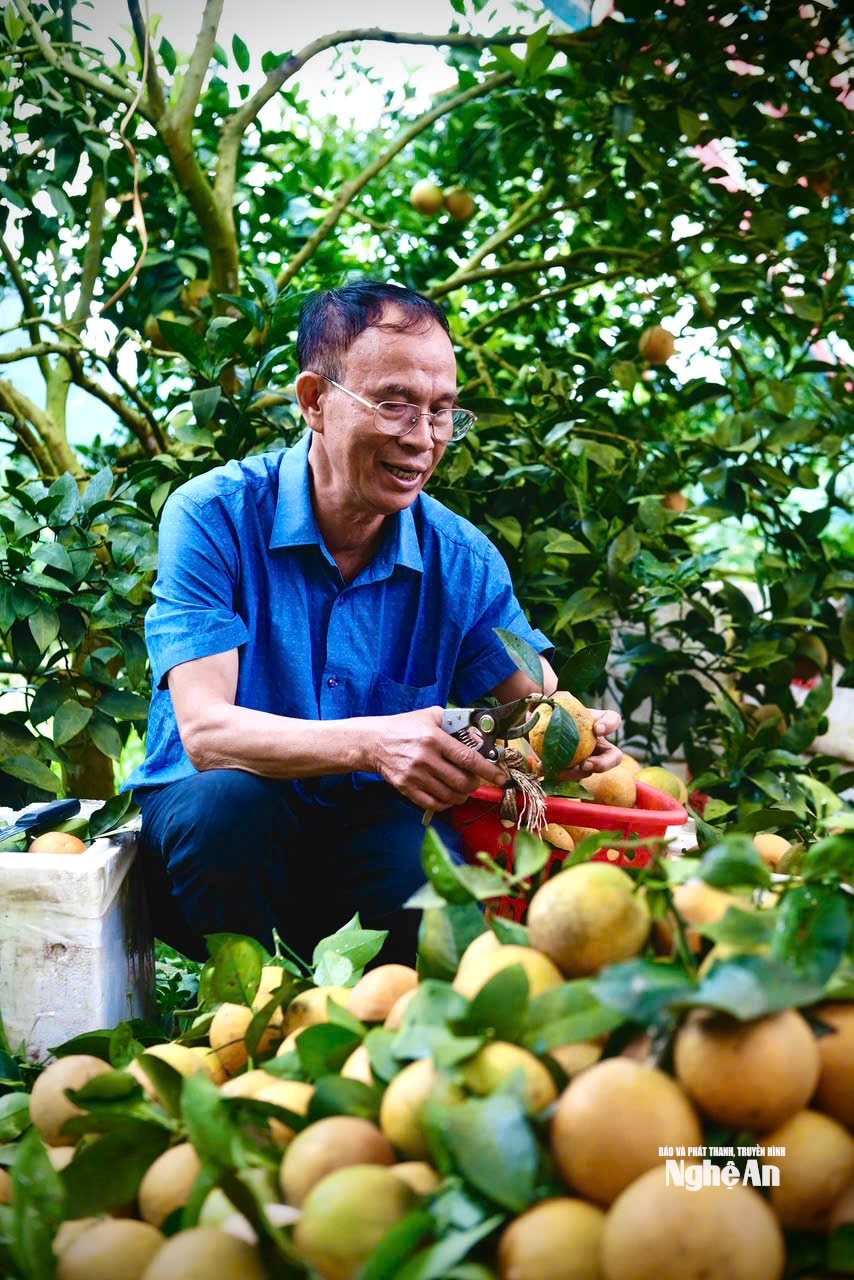
At Thien Son orange farm, managed by Mr. Nguyen Trong Lap, there are about 10 regular workers, mostly from the Thai ethnic group, with a stable income of 8-10 million VND per month.
During the peak harvest season, which lasts about three months, the farm needs several dozen additional seasonal workers.
Mr. Vuong Dinh Huy, Vice Chairman of the People's Committee of Mon Son commune, said that the formation of large-scale orange growing areas has significantly contributed to solving the employment problem for local laborers, especially ethnic minorities and disadvantaged households. People have jobs right in their locality, reducing labor migration, contributing to stabilizing their lives and maintaining security and order in the border region.
Create livelihoods right in your hometown.
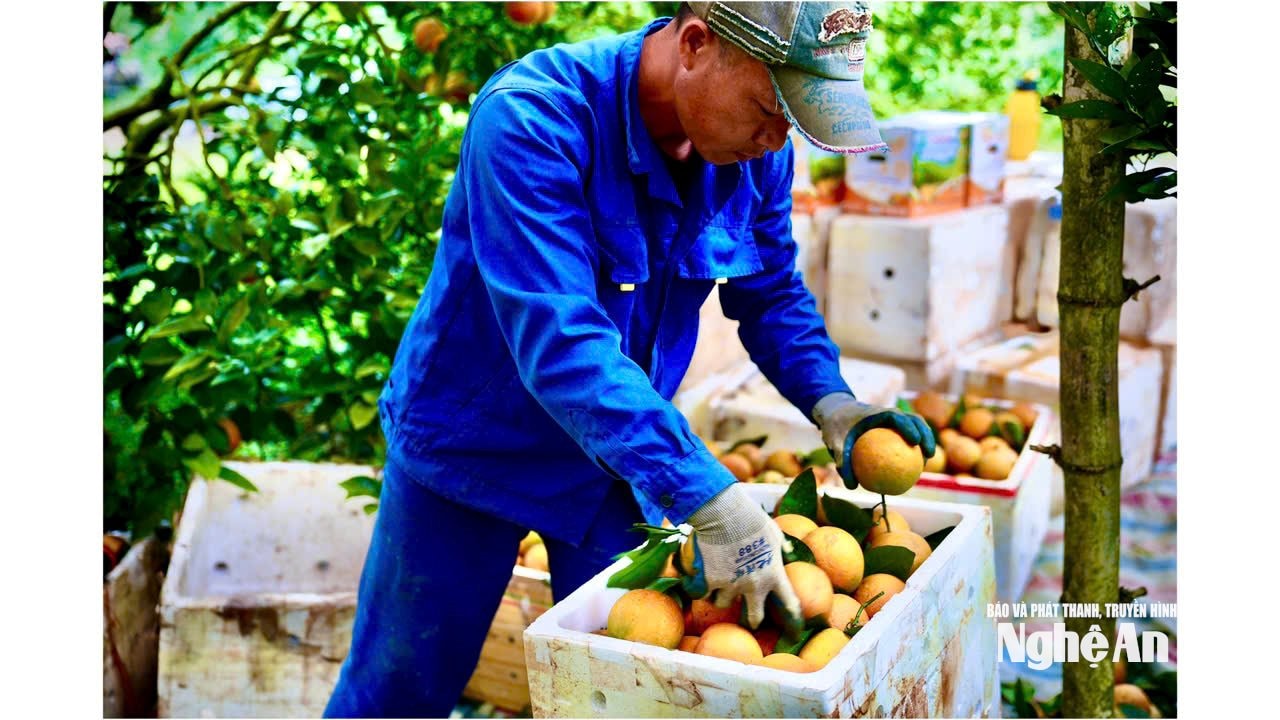
Mr. Lo Van Anh (born in 1982) is a Thai ethnic minority from Mon Son commune who worked as a laborer in the South for many years. He shared that although his income was better at times, the high cost of living and being far from his family meant that he couldn't save much.
In 2018, he decided to return to his hometown and work as a laborer on an orange farm. Currently, he has a stable income of 8-10 million VND per month.,Being able to work near home, close to my wife and children.
His wife, Kha Thi Nua, also works seasonally during the orange harvest season, earning 250,000-300,000 VND per day. The rest of the time, she raises livestock and takes care of the family.
"One person works regularly, the other works seasonally, but the important thing is that both husband and wife can live near home," said Lo Van Anh.
The story shared by Mr. Lo Van Anh's family is also the story of many local workers. Previously, many had to go far away to work, but now they can stay in their hometowns thanks to the commercial agricultural production areas.
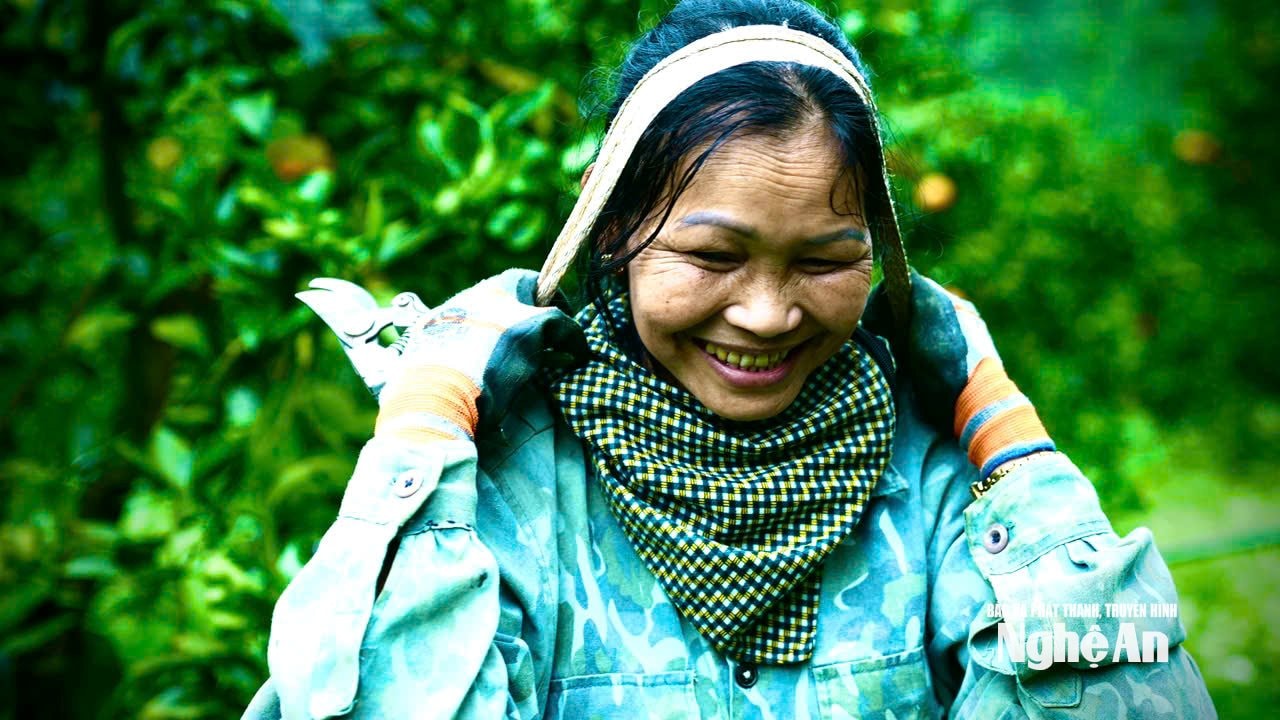
Mr. Ngan Van Thi, 59 years old, from Tan Son hamlet, is one of the workers who has been with the farm since its early days. Previously, he often worked cutting acacia trees for hire, a strenuous and unstable job. Now, caring for the orange trees is a lighter job, suitable for his health, and provides him with a stable income in his old age.
Motivation for poverty reduction in border region
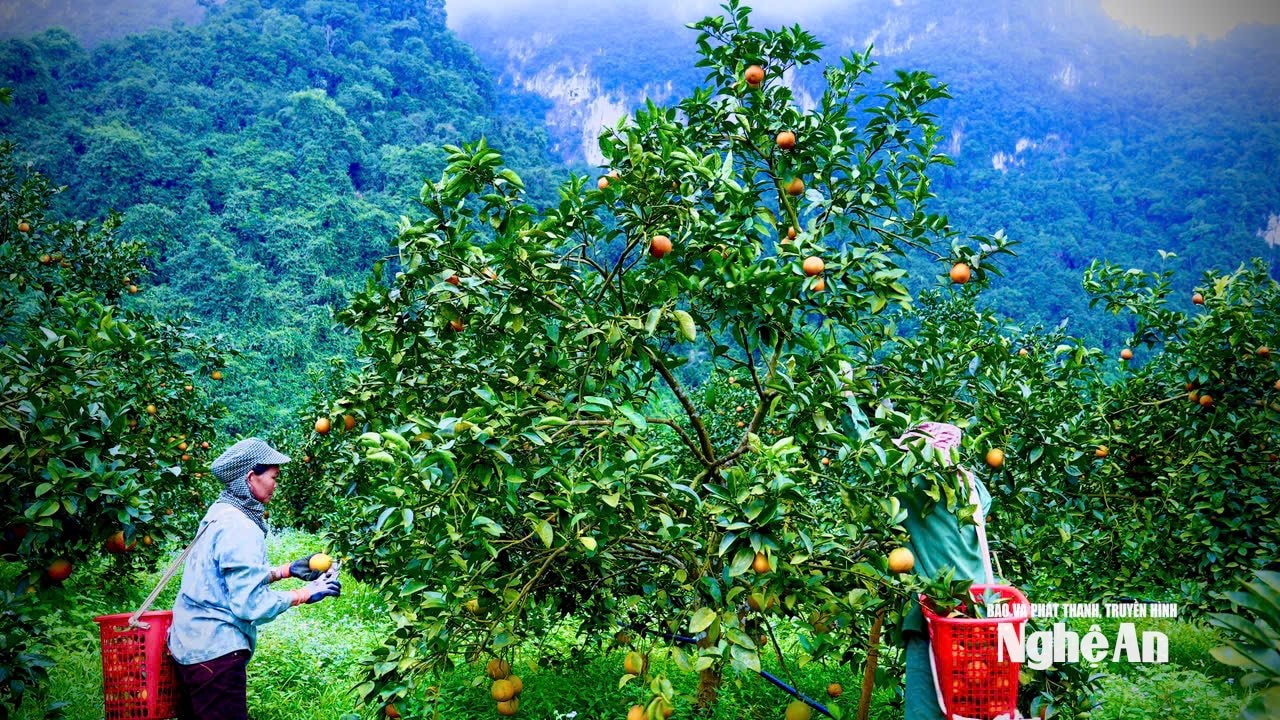
According to local authorities, the development of concentrated orange growing areas has made a significant contribution to the restructuring of the labor force in Mon Son commune.
From small-scale, self-sufficient production, many households have gradually participated in commercial agricultural production, working in an organized manner and having a more stable source of income.

In particular, this model effectively utilizes the free time of ethnic minority communities during the agricultural off-season. Tasks such as weeding, pruning, harvesting, and sorting oranges, while not requiring advanced skills, provide a practical source of income and contribute to improving the lives of many families.
The development of orange-growing regions has gradually created a link between orchard owners and laborers. Skilled labor groups have formed, laying the foundation for more professional agricultural production.

In the context of many highland communes still facing a lack of stable employment and a high rate of spontaneous labor migration, the formation of concentrated production areas like the one in Mon Son is of particular importance. Having local jobs helps people increase their income, reduce living expenses, and maintain family and community cohesion.
The rolling hills of green orange groves in Mon Son today are not just agricultural land. They are also proof of the right direction in developing the highland economy: developing commercial agriculture linked to creating local jobs, retaining labor, and improving the lives of people in border areas.


