
The "leverage" that helps farmers in Nghe An get rich.
Rising input costs, extreme weather, diseases, and volatile markets are posing numerous challenges for farmers. In this journey, the Farmers' Associations at all levels in Nghe An province have become a pillar of support, accompanying members from providing capital and technology transfer to connecting production and consumption, creating momentum for sustainable economic development.
Empowering new models
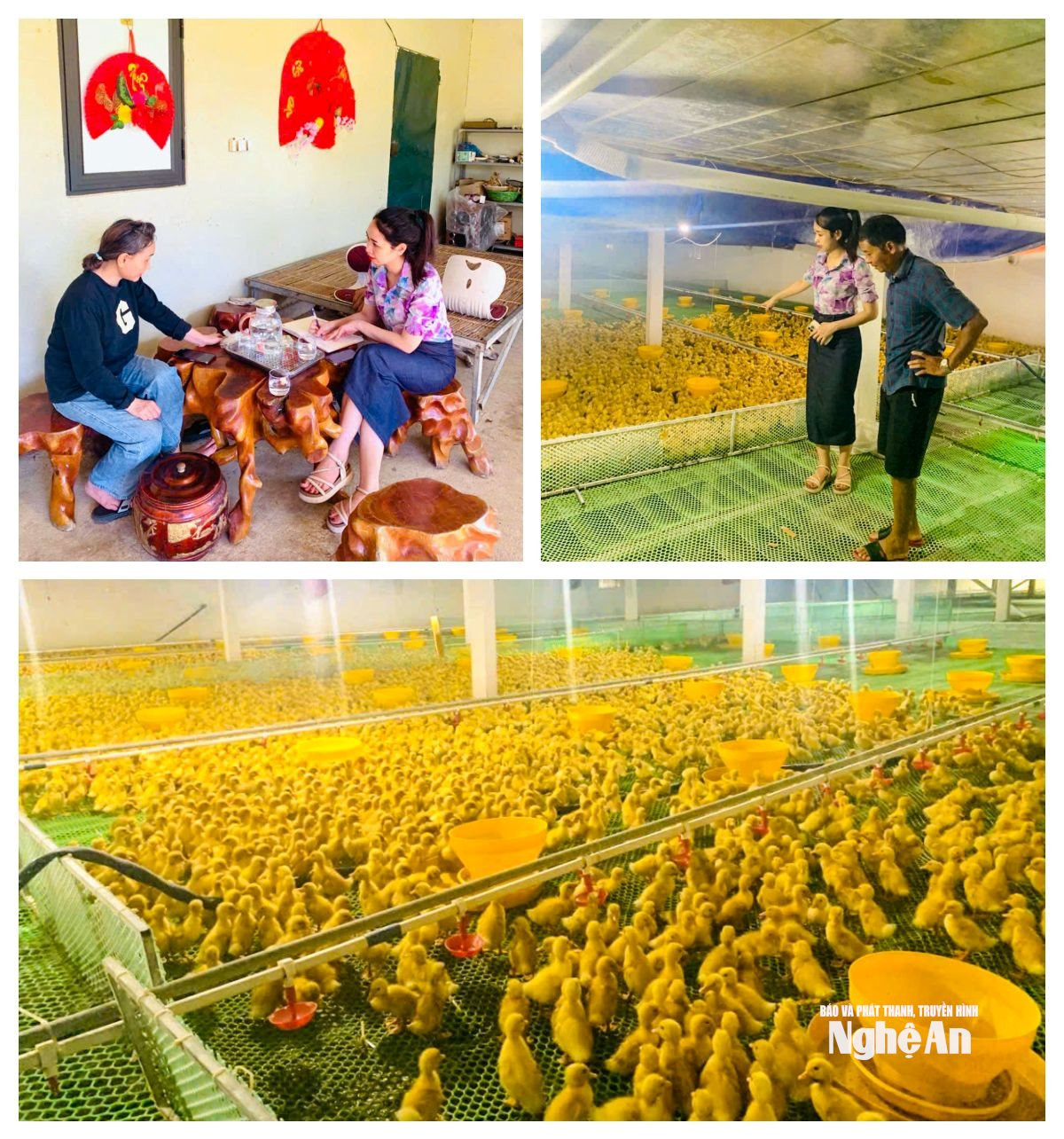
In early July, the duck coop on a wire mesh floor belonging to Mr. Dang Xuan Luc in Thuan Yen hamlet, Tan Phu commune, was bustling with the sounds of metal cutting machines and workers completing the final touches. For this farmer, the 100 million VND loan from the Farmers' Support Fund was not simply capital for investing in coops, breeding stock, or water supply and drainage systems. More importantly, it gave his family the opportunity to transition from traditional farming methods to a closed-loop model, applying new techniques, reducing disease risks, and moving towards commercial production.
Mr. Luc is one of the first three members to receive funding from the Cooperative Duck Farming Project on Mesh Floors, implemented by the Tan Phu Commune Farmers' Association in early July 2026. Each household received a loan of 100 million VND to invest in barns, purchase breeding stock, feed, and other equipment for farming. According to local calculations, this model not only helps reduce sanitation costs and limit environmental pollution but also improves the survival rate of the duck flock, creating conditions for stable and sustainable product consumption linkages.
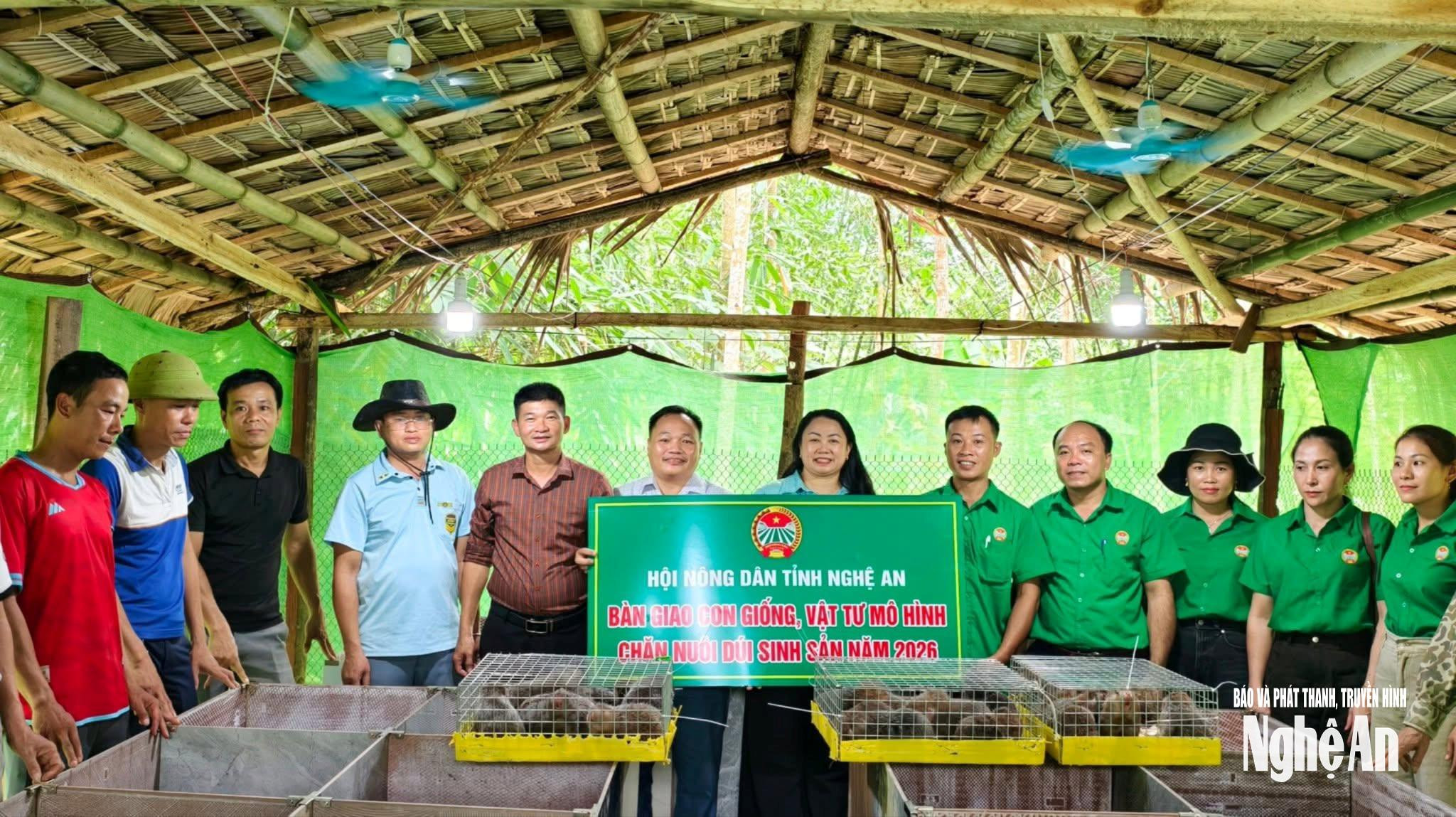
Before implementing the duck farming model using mesh floors, capital from the Farmers' Support Fund had repeatedly served as a "lever" to help members of Tan Phu commune confidently invest in economic development. From projects raising breeding Sind crossbred cattle, 3B cattle, to commercial goat farming, the entire commune has implemented 6 projects with a total capital of 2 billion VND, supporting 45 members with loans for production development. Thanks to the timely disbursement of funds, many households have expanded their livestock scale, renovated barns, and invested in quality breeding stock. Some families now maintain herds of 3 or more cows, and many households have developed goat herds of over 15, creating stable jobs and increasing income for the whole family.
Mr. Nguyen Quang Long, Chairman of the Tan Phu Commune Farmers' Association, shared that the association's goal is not just to disburse all the capital, but to help the capital be used effectively in the long term. After households receive the capital, the association continues to coordinate with specialized agencies to organize technical training, guide biosafety in livestock farming, regularly check the use of capital, and connect with businesses and traders to create stable outlets for products. The association will also create opportunities for households to visit and learn from effective models inside and outside the province before replicating them in the area.
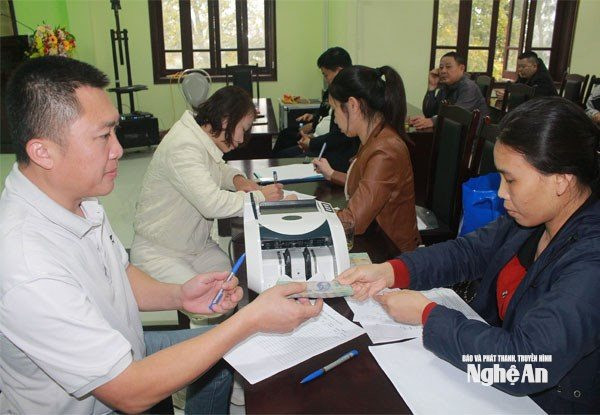
Not only in Tan Phu commune, but also in Vinh Phu ward, after taking over the management of the Farmers' Support Fund projects from the units before the merger, the local farmers' association continues to effectively maintain the capital, helping many members expand livestock farming, crop cultivation, and develop household economies. Although currently managing 400 million VND of fund capital and preparing to implement a cattle farming project in Kim Phuc block, what makes the association officials happy is that most borrowers use the capital for its intended purpose and repay the principal and fees on time. From the success of these production models, many members actively participate in association activities, creating a ripple effect in the movement for economic development at the grassroots level.
In the first six months of 2026, the Farmers' Support Fund at all levels managed nearly 95 billion VND, implementing 283 projects for 1,715 member households to borrow for production development. In addition, the Farmers' Association continued to act as an intermediary with the Social Policy Bank, managing outstanding loans of over 4,600 billion VND, and coordinating the supply of nearly 9,500 tons of fertilizer on a deferred payment basis, helping tens of thousands of farmers reduce the pressure of investment capital amidst fluctuating agricultural input prices. These figures not only demonstrate the expanding scale of support but also affirm the role of the Farmers' Association in empowering people to invest, develop their economy, and prosper in their own homeland.
Building an ecosystem to support farmers' production development.
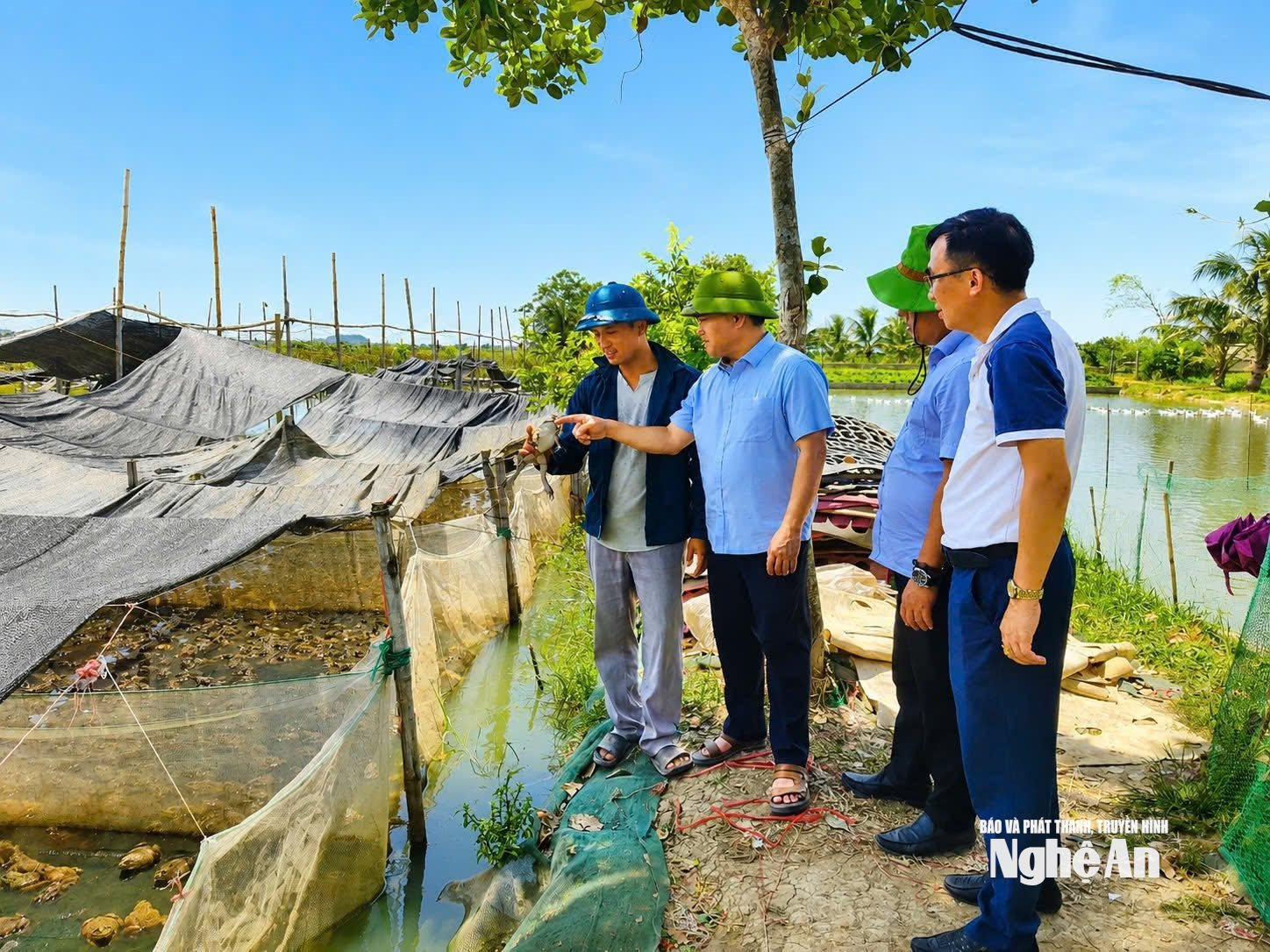
A small amount of capital can help a farmer expand their production, but for sustainable development, what farmers need more is knowledge, connections, and an organization close enough to support them. This is also the clear direction of transformation for the farmers' associations at all levels in Nghe An province in recent times.
Instead of focusing solely on supporting individual households, the various levels of the association are guiding members to participate in collective economic models and production linkages along the value chain. In the first six months of 2026, the province established 6 new cooperatives and 7 cooperative groups, creating more space for farmers to connect, share experiences, reduce input costs, and enhance the competitiveness of their products in the market. This also serves as a foundation for shifting from small-scale production to commodity production, gradually forming concentrated production areas.
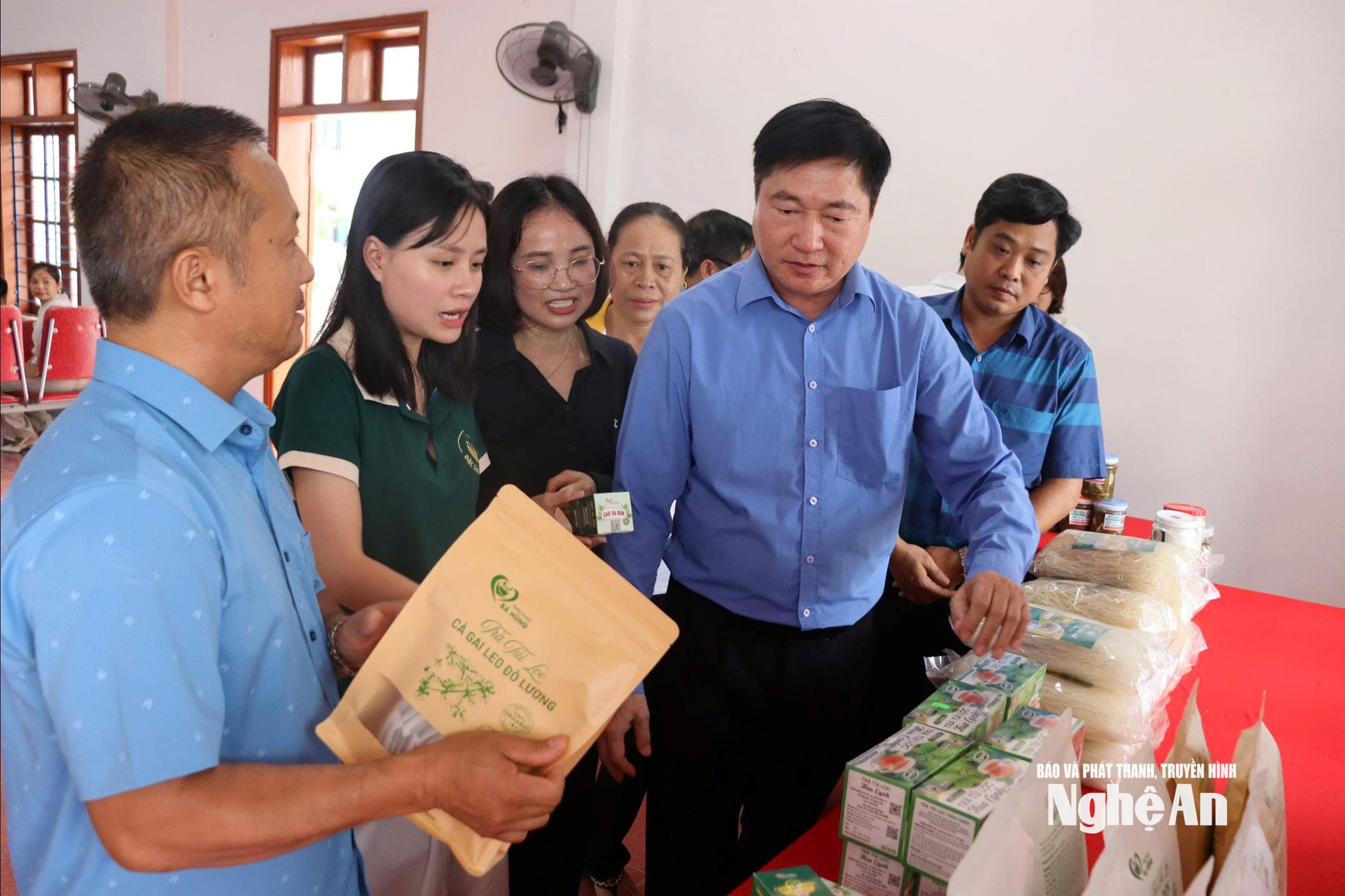
Beyond organizing production, the farmers' association also supports its members in the process of innovating agricultural thinking. Of the 15 economic models planned for implementation this year, 10 have already received support in 10 communes, linking them with the application of science, technology, and digital transformation in production. These models not only create livelihoods for members but also open up new approaches in production management, promotion, and consumption of agricultural products.
To enable farmers to master new production methods, training and technology transfer continue to be emphasized. In the first six months of 2026, the association coordinated the opening of 39 vocational training classes for 1,365 rural workers; over 76% of trainees created their own jobs or found new employment after training. Simultaneously, 1,756 members and farmers received training and technology transfer, 135 association officials received professional development, and 550 members received legal education through 5 specialized courses. These figures show that the association not only provides farmers with the "fishing rod" but also helps them learn how to use it to build sustainable livelihoods.
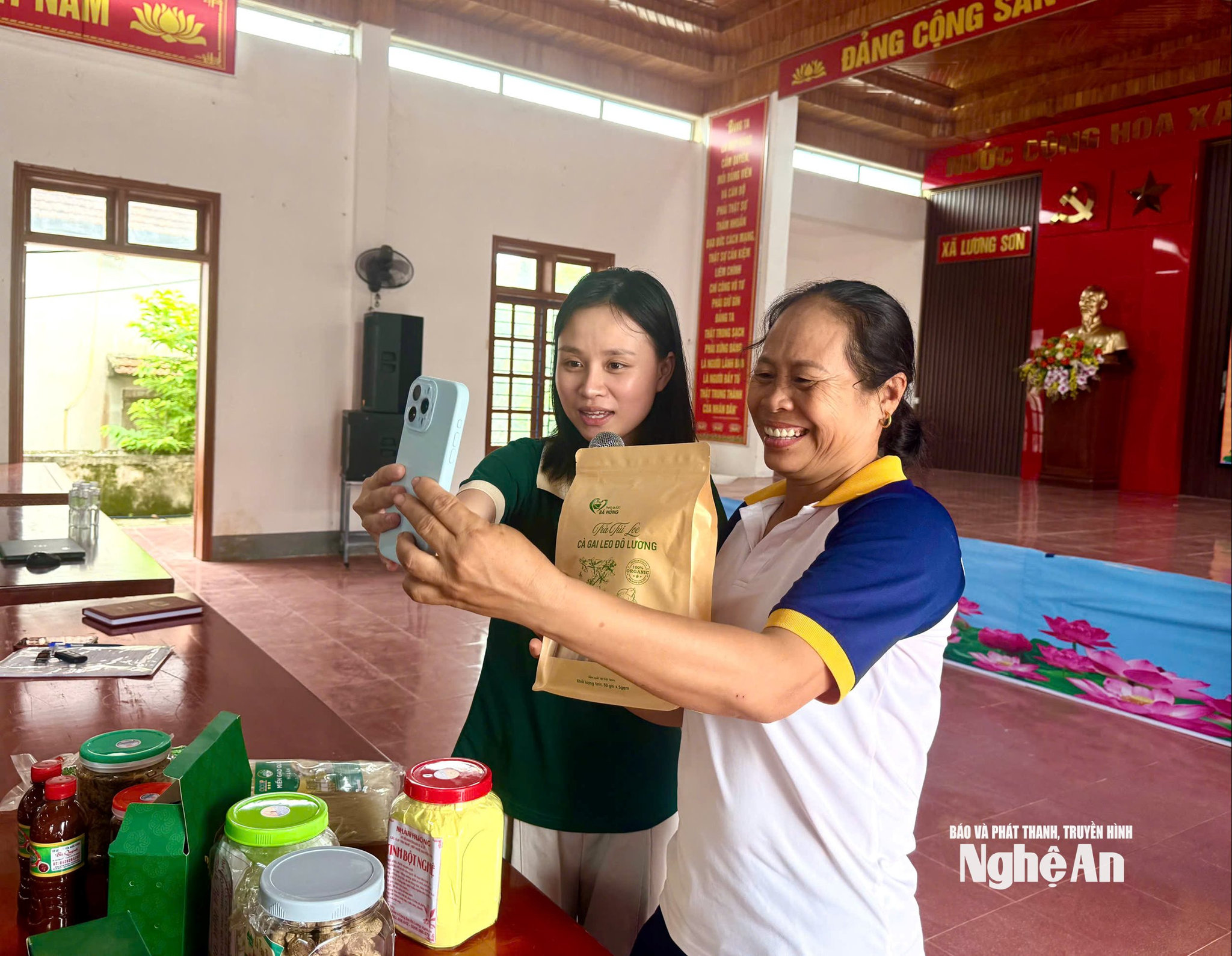
Beyond simply supporting economic development, the Farmers' Association is increasingly asserting its role in representing and protecting the legitimate rights and interests of its members. In the first six months of 2026, the association at all levels directly organized 45 monitoring activities and coordinated 130 monitoring activities across various fields related to farmers' lives. Notably, nearly 700 opinions and recommendations from members were compiled to serve the 2026 meeting between the Chairman of the Provincial People's Committee and farmers, contributing to resolving many obstacles related to capital, land, production linkages, and agricultural product consumption.
From timely capital allocation to vocational training, from collective economic models to dialogues with the government, the role of farmers' associations today is not just about supporting members, but is gradually becoming a partner, connecting resources, and creating an environment for farmers to confidently develop their economy and sustainably prosper in their homeland.


