
The "gaps" in life skills among young people.
The alarming shortage of life skills and soft skills to cope with life pressures and work demands not only causes personal crises but also creates a major barrier to the development of future human resources.

Life skills "gap"
The reality of life skills shortage inyoung peopleModernization is a systemic issue, clearly reflected in many key skill sets, causing direct and far-reaching consequences.
Lacking emotional management skills, young people are facing serious difficulties in coping with stress and loneliness. According to a 2025 report on adolescent mental health in Vietnam, up to 21.7% of young people experience mental health problems, with the most common issues being anxiety (18.6%) and depression (4.3%). In recent years, depression has been one of the leading causes of disease burden in Vietnam.
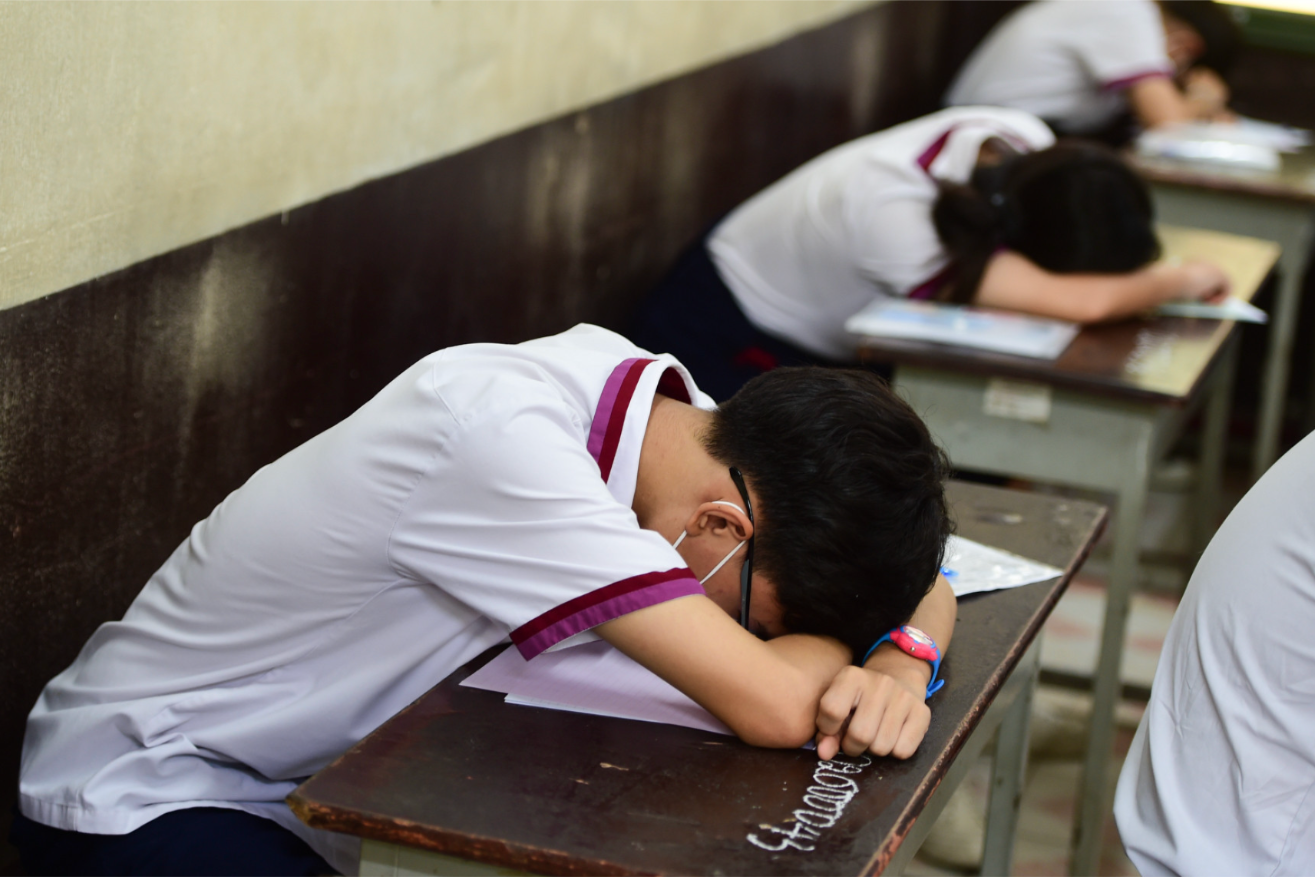
Having worked extensively with young people struggling with mental health and emotional management, Dr. Nguyen Thi Minh Chau (Head of the Outpatient Department, Nghe An Psychiatric Hospital) said: “The saddest thing is the younger age of these patients. Many parents bring their children to mental health and psychological clinics when the signs of instability are already very clear. Many students, some as young as middle school students, have to be hospitalized for treatment.”
Furthermore, essential soft skills and career adaptability mean that the gap between academic knowledge and actual job requirements remains a major challenge. Data from the Vietnam Institute of Educational Research once indicated that up to 83% of graduating students were assessed as lacking the necessary soft skills for employment.
“Besides talented and dynamic young people, we also frequently encounter candidates lacking communication, teamwork, presentation, and problem-solving skills. They demonstrate this from the interview stage; even after being hired, they may not commit to work, or they may quit after only a few days, or even leave without notice. They lack responsibility in teamwork and are naive when given tasks…” – shared Ms. Nguyen Thi Ly, Head of Human Resources at a company in Thanh Vinh ward.

Finally, a common skill deficiency among most teenagers in large cities is self-control and self-protection. When faced with minor conflicts or difficulties, they easily become agitated, behave uncouthly, or even give up. They lack the skills to cope with and protect themselves from dangerous situations or negative influences from the online and social environment.
The "necessary but not urgent" mindset.
The lack of life skills among modern youth is not an isolated problem, but rather the result of multiple barriers stemming from societal perceptions, lax training programs, and a passive, passive attitude from families.
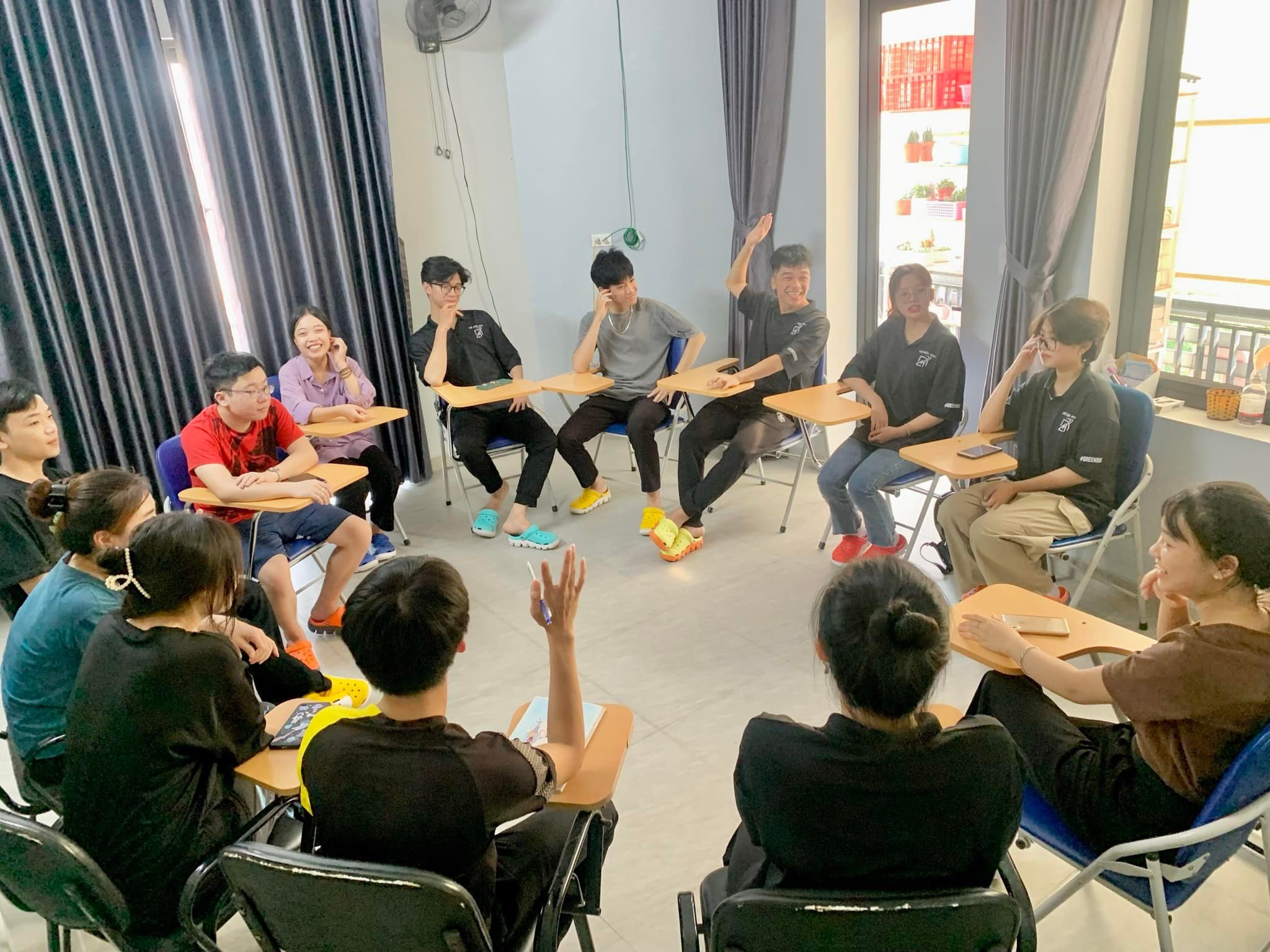
The primary reason for the current shortage of life skills is the inadequacy of school curricula. Although the Ministry of Education and Training has included life skills education in the curriculum, in reality, this subject is often only formally integrated into subjects like Ethics, Civics, or through extracurricular activities. According to many life skills teachers, the confusion of the concept of "life skills" with other programs or subjects negatively impacts the quality of the curriculum.
Dr. Nguyen Thanh Luan, a psychologist and teacher at a life skills center in Truong Vinh ward, shared: Currently, life skills training programs lack a standardized, specialized framework. They are often general in nature, easily becoming theoretical, and lacking in practical exercises and in-depth experiences. Furthermore, most teachers assigned to teach life skills are part-time teachers who lack specialized training in psychology, applied pedagogy, and practical experience. This leads to monotonous activities that fail to foster the active participation and initiative of students.

Another factor that greatly affects children's life skills is the barrier and perspective from their families. In reality, many parents consider life skills a "secondary subject." Furthermore, many parents interfere and do things for their children, depriving them of opportunities to learn independently and fostering a habit of dependence and reliance.
“The common thread among all the parents I’ve spoken to is: Everyone knows life skills are necessary, but everyone acknowledges that they are ‘needed but not urgent.’ Because it’s not urgent, parents tend to take their time, prioritizing things that are immediately needed, like exams, grades, and achievements… Gradually, children’s time is filled up, leaving no room for ‘necessary’ skills.” Not to mention, life skills programs require parental involvement, but parents often leave everything to the teachers. Parents need to change their role from “doers” to “guides,” creating opportunities for children to become independent by assigning appropriate tasks and encouraging participation in social activities…” – said Mr. Dong Quang Vinh, a teacher at the Dream Question Life Skills Center (Truong Vinh Ward).
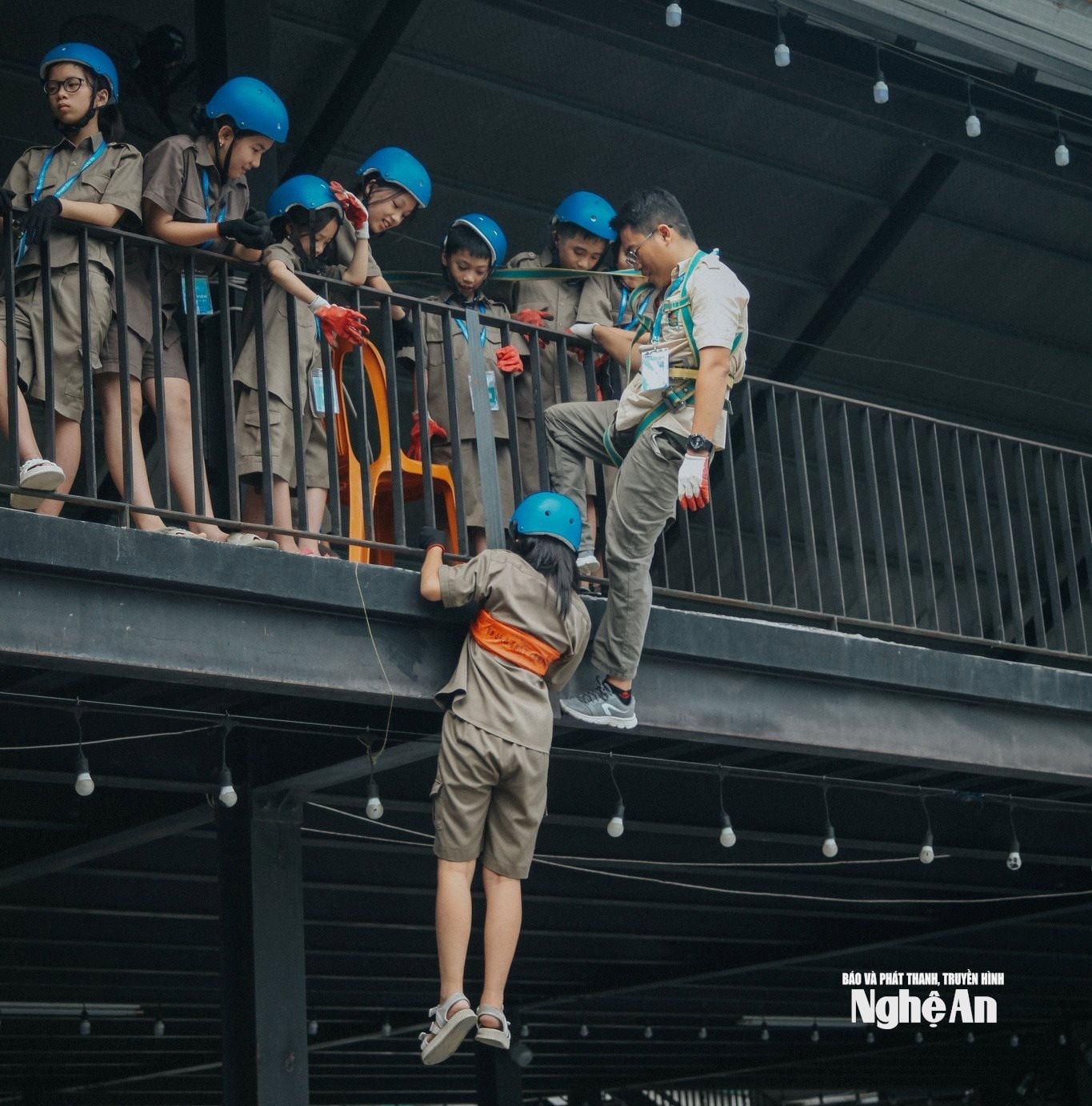
In fact, during summer holidays, many life skills education centers also offer short-term training courses to meet the needs of parents and students. However, the effectiveness of these short courses is not highly regarded by many. Ms. Ta Trang Nhung, a parent from Thanh Vinh ward, expressed her opinion: “Life skills are a method for people to integrate, adapt, and develop their personality – they cannot be taught with short-term lesson plans. That is also why I am prioritizing my child's participation in life skills classes.”
From an employer's perspective, Ms. Nguyen Thu Trang (VSIP Industrial Park) believes that for life skills programs to be truly effective, there needs to be a policy to promote the improvement of the quality of training for specialized life skills teachers, and to establish a system of certification, testing, and evaluation of soft skills for young workers.
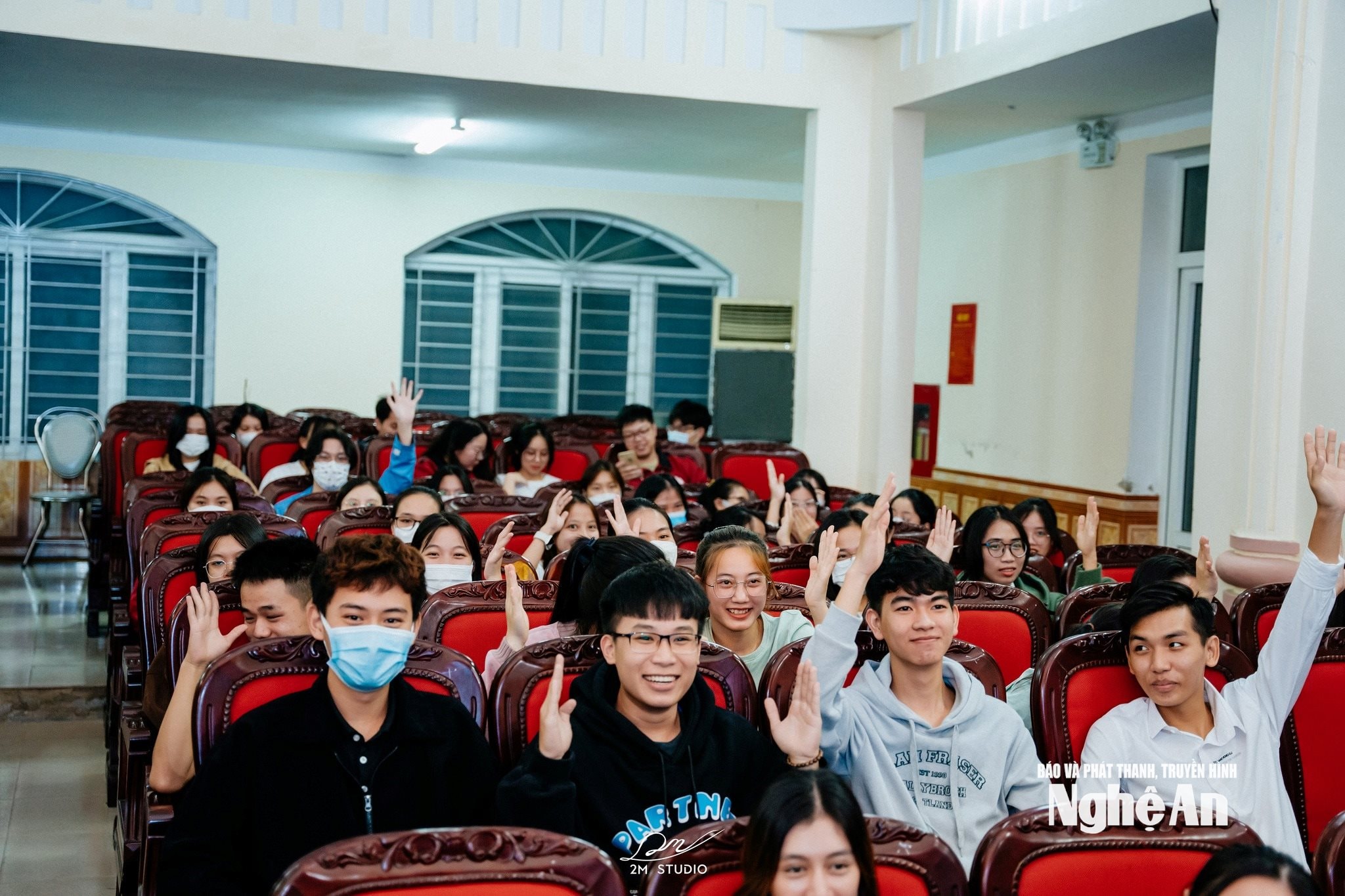
There are still many gaps and shortcomings surrounding the issue.life skillsFor young people, life skills education is not a trend but a vital and urgent need for today's youth. If we delay equipping them with life skills in a systematic way, we will face profound consequences for society and the future of the country.


