
Common problems with car transmissions.
(Baonghean.vn) - After a period of use, car gearboxes, like other parts, can also experience malfunctions. Drivers should be aware of the most common problems to fix them quickly and effectively.
Damage to the driver's transmission can be easily detected by the following signs while the vehicle is in operation.
Transmission fluid leak
A transmission fluid leak is one of the easiest ways to detect a problem with your transmission. In automatic vehicles, transmission fluid plays a crucial role in the car's operation.
Oil leaks in the gearbox are caused by aging gaskets, warped seals due to strong impacts, resulting in gasket gaps and oil leaks. Oil leaks in the axle seals are due to prolonged use without maintenance or seals being torn during disassembly and reassembly.
 |
The car is noisy when in neutral.
Unpleasant noises when idling indicate that the transmission fluid is due for a change, or could be a sign of more serious mechanical damage. However, most of the noise is caused by worn bearings or gears in the transmission that need replacing.
The gearbox operates noisily and vibrates.
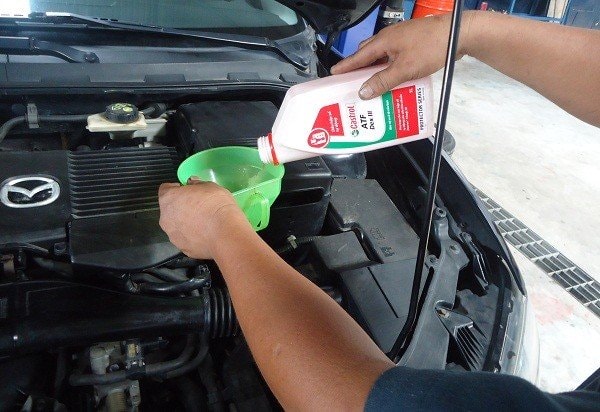
Manual transmissions often make a loud, screeching noise when shifting gears, even after fully disengaging the clutch. This can occur due to worn clutches or damaged gears in the transmission.
In an automatic car, if the gear changes aren't as smooth as usual, but instead vibrate or shift with difficulty, the car should be checked immediately.
 |
Slip gear
If functioning normally, the transmission will continue to operate in the gear you want, or the computer will automatically shift gears at a certain engine speed to save fuel. If the transmission slips, it may jump to different gears on its own, or shift to neutral in a manual transmission.
This is a dangerous symptom, as it can lead to a loss of control of the vehicle when needing to escape from emergency situations. Therefore, you should immediately take your car to a repair shop so that the transmission can be quickly fixed.
Shifting gears at inappropriate vehicle speeds
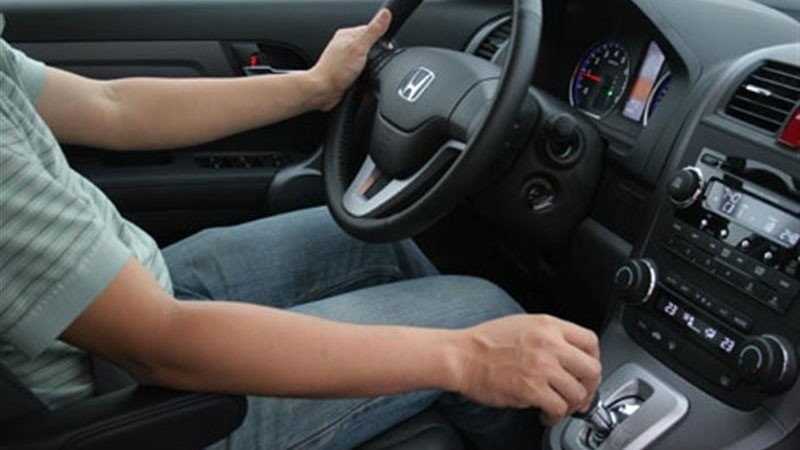
When shifting gears and accelerating, the vehicle's speed doesn't match the engine's response, resulting in weak, slow performance and failure to reach high speeds. This is due to worn or burnt friction discs, or faulty solenoid valves in the transmission's gear ratios.
 |
The car won't shift gears and move.
The inability to shift gears and move the vehicle is due to a faulty one-way clutch or damaged turbine blades inside the torque converter of the transmission. In this case, the entire transmission must be replaced before the vehicle can be used again.
Additionally, some vehicle models that use limited-slip differentials may have manufacturing defects that cause noise when steering, loss of control when cornering, etc.
Causes of gearbox failure
- Lack of oil:When the automatic transmission fluid level falls below the "Min" mark, it reduces the oil pressure needed to lubricate the moving parts in the transmission, causing the oil valves to malfunction.
- Dirty oil:When the gearbox is in operation, it generates metal particles. If the oil is not changed regularly, these metal particles will clog the solenoid valves and the oil lines supplying the friction discs.
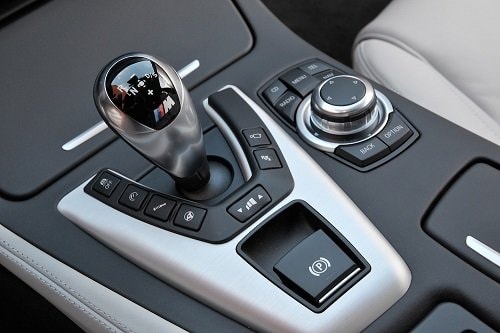
- Using the wrong type of oil:Each car manufacturer and model equipped with an automatic transmission may have different lubrication oil requirements, and generally, newer models have higher standards. Using substandard oil will cause components to wear out and be damaged more quickly.
 |
Notes during use
- Oil should be changed regularly according to the manufacturer's recommendations.
- Use the correct oil grade for your specific vehicle model.
- Check the oil regularly and periodically.
- You must use the correct gear (you should only shift from D to P or from D to R when the car has completely stopped).
- When stopping for an extended period, shift to neutral (N).
- When climbing steep hills or descending mountain passes, do not leave it in D gear; instead, switch to a lower gear to avoid overloading and causing the transmission fluid to overheat.
- If your car is submerged in water for an extended period, you should call a tow truck to take it to a garage for repairs.
Ngoc Anh
(Synthetic)
| RELATED NEWS |
|---|


